London Hidden Gems: 16 Off-the-Beaten-Path Attractions for 2026
London hidden gems beyond the icons: 16 off-the-beaten-path attractions with verified 2026 prices, opening hours and getting-there directions.
On this page
If you've already done the Tower of London, the British Museum and a Tate or two, the next London on your list is the one Londoners actually visit on weekends. The sixteen London hidden gems below are the city's true off-the-beaten-path attractions — a Victorian artist's Orientalist palace in Holland Park, a free architect's house piled with Hogarths and an Egyptian sarcophagus, a Georgian house lit only by candles, Europe's oldest surviving operating theatre above a Southwark church, the world's oldest grand music hall in an unmarked Whitechapel alley, an engine house above the world's first underwater tunnel, the UK's only Italian Futurist collection, and a Walthamstow neon warehouse straight out of a film set.
None of them appear on a typical first-trip itinerary, all of them reward the trip, and several are completely free. This 2026 guide gathers all sixteen in one place with verified ticket prices, opening hours and step-by-step directions, then organises them by neighbourhood, category, cost and even a workable weekend itinerary so you can plan a "second London" trip without bouncing between twenty different blog posts. Alongside the long-standing favourites you'll now find the free Old Master galleries of the Wallace Collection in Marylebone, the Art Deco-over-medieval spectacle of Eltham Palace in southeast London, a ride on the miniature Mail Rail at the Postal Museum, and the ruined-church garden of St Dunstan-in-the-East in the City. Each card links to a full visitor guide with practical tips that don't make it into the official site's FAQ — bookmark this page as your starting point.
16 best hidden gems in London
Leighton House Museum
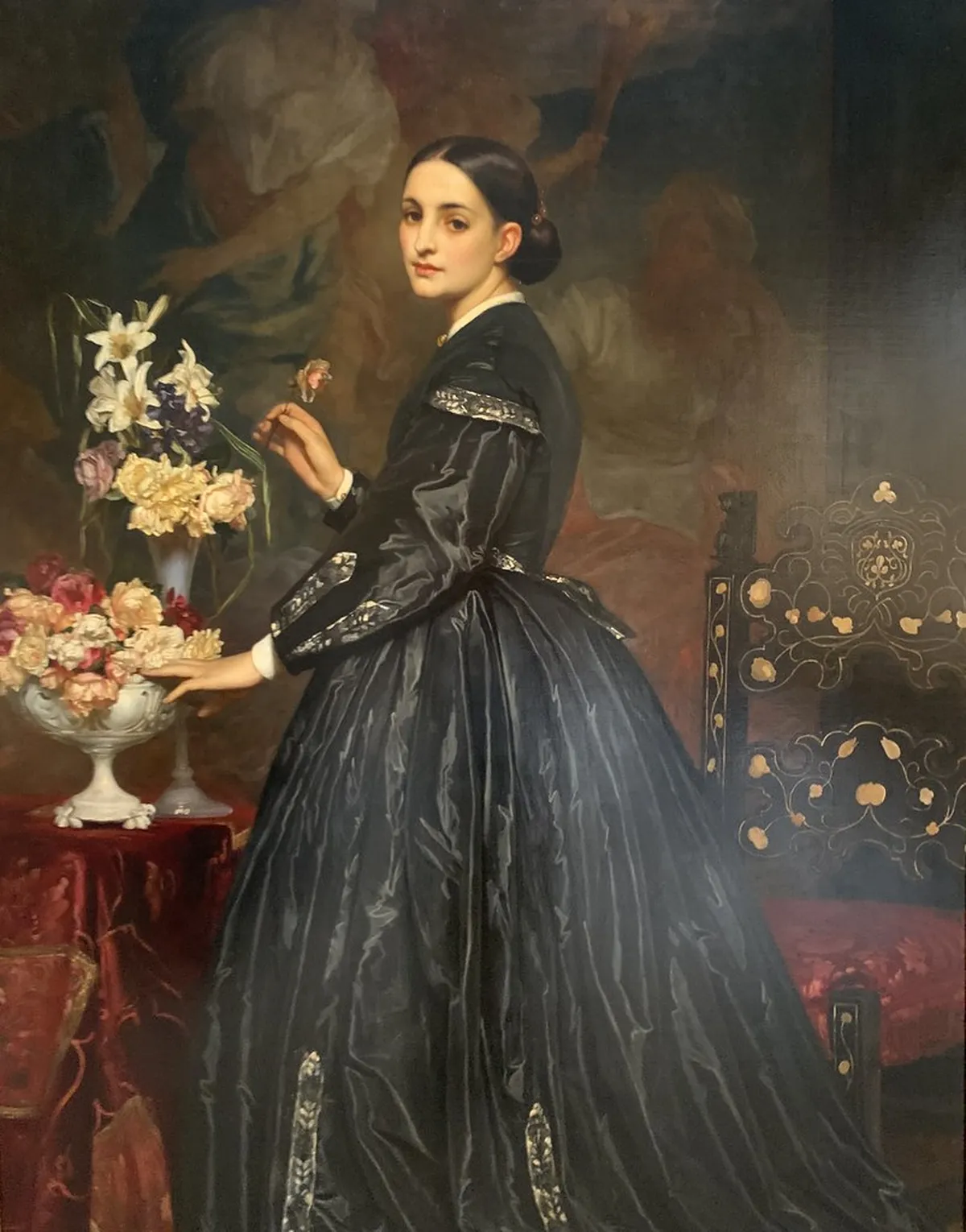
Grade II* listed Victorian artist's house in Kensington showcasing painter Frederic Leighton's Orientalist interiors, including the tile-clad Arab Hall and his north-lit studio.
Visitor guide →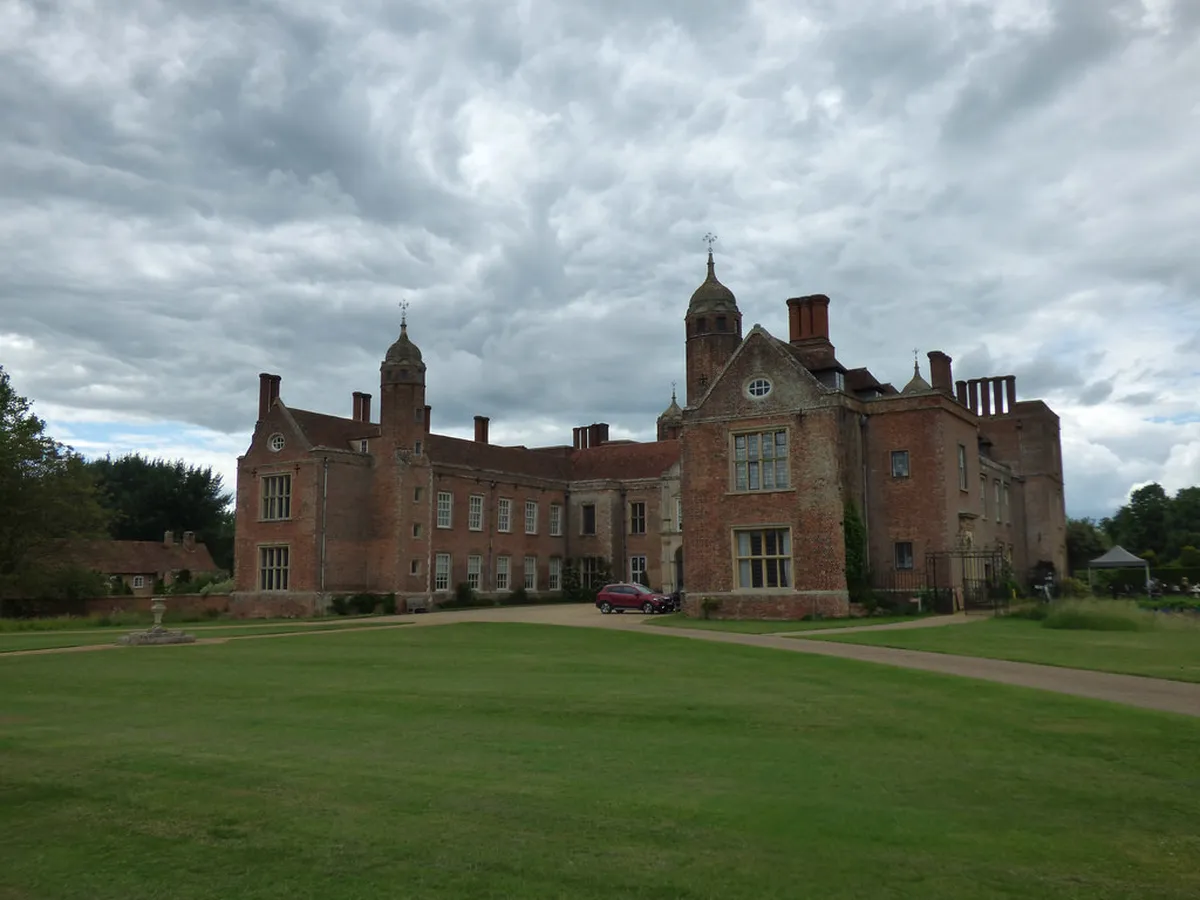
Sir John Soane's Museum
Free house museum in Holborn preserving neoclassical architect John Soane's home, packed with antiquities, paintings by Hogarth and Canaletto, and the Egyptian sarcophagus of Seti I.
Visitor guide →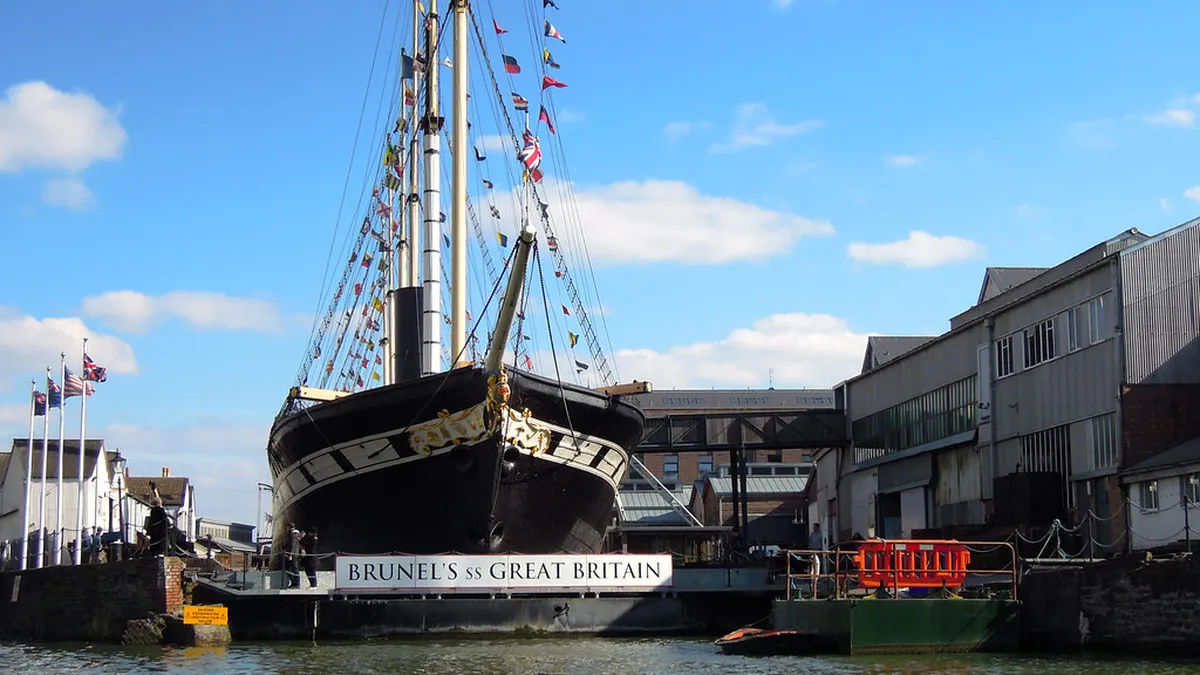
Brunel Museum
Rotherhithe engineering museum at the Brunel Engine House, home to the world's first caisson shaft and the story of the Thames Tunnel, the first tunnel ever built beneath a navigable river.
Visitor guide →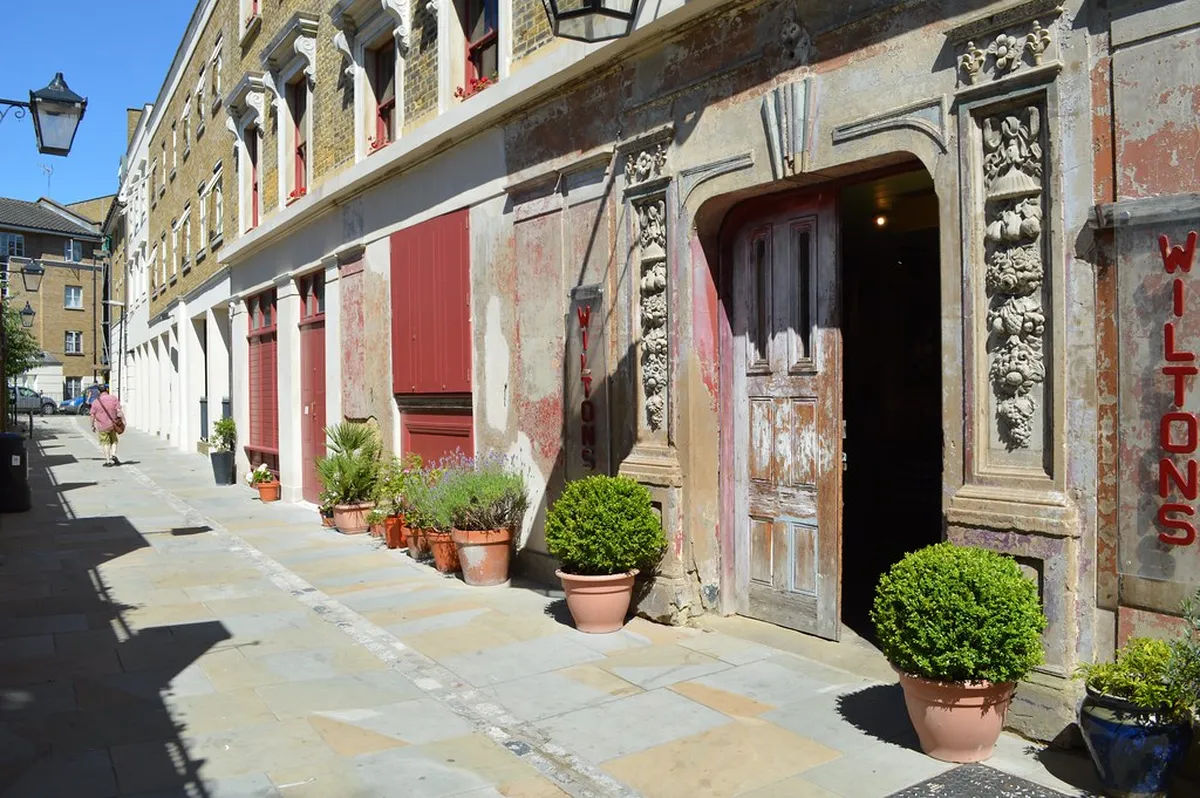
Wilton's Music Hall
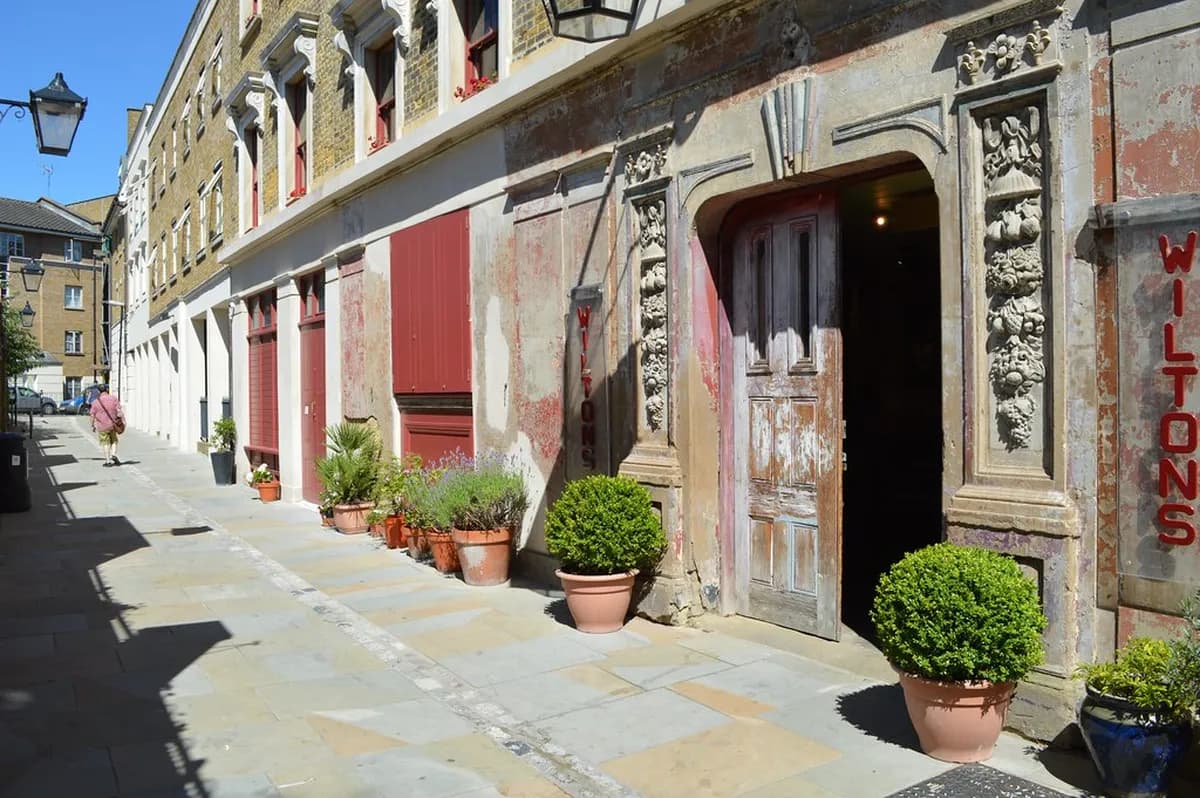
Grade II* listed Whitechapel music hall built in 1859, the oldest surviving grand music hall in the world, used as a working theatre, atmospheric film location, and characterful bar.
Visitor guide →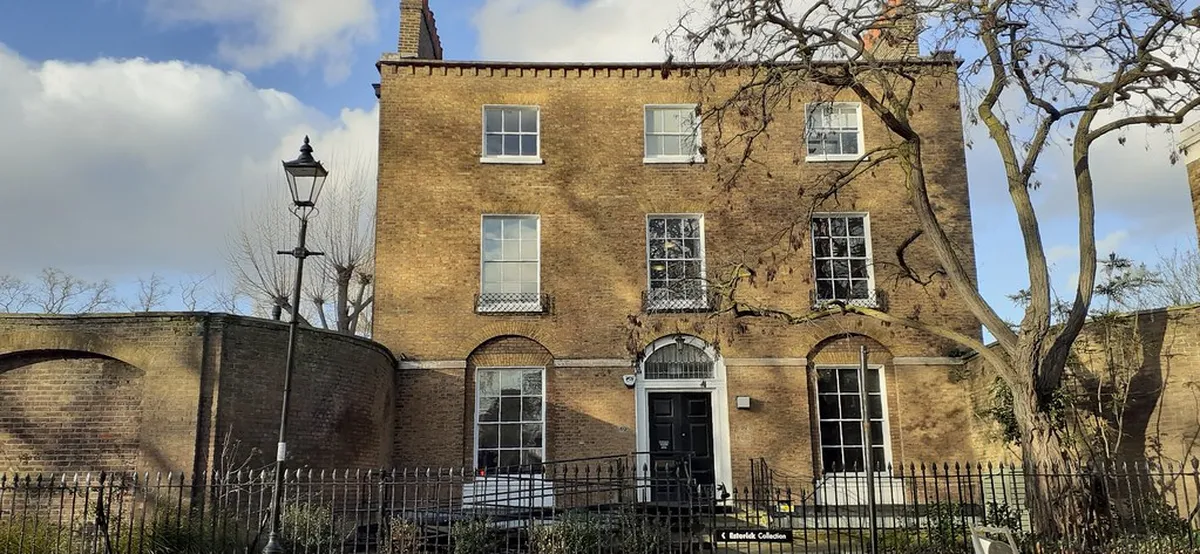
Estorick Collection of Modern Italian Art
Georgian townhouse museum in Canonbury holding the UK's leading collection of Italian Futurist art, with works by Boccioni, Balla, Severini, Modigliani and Morandi.
Visitor guide →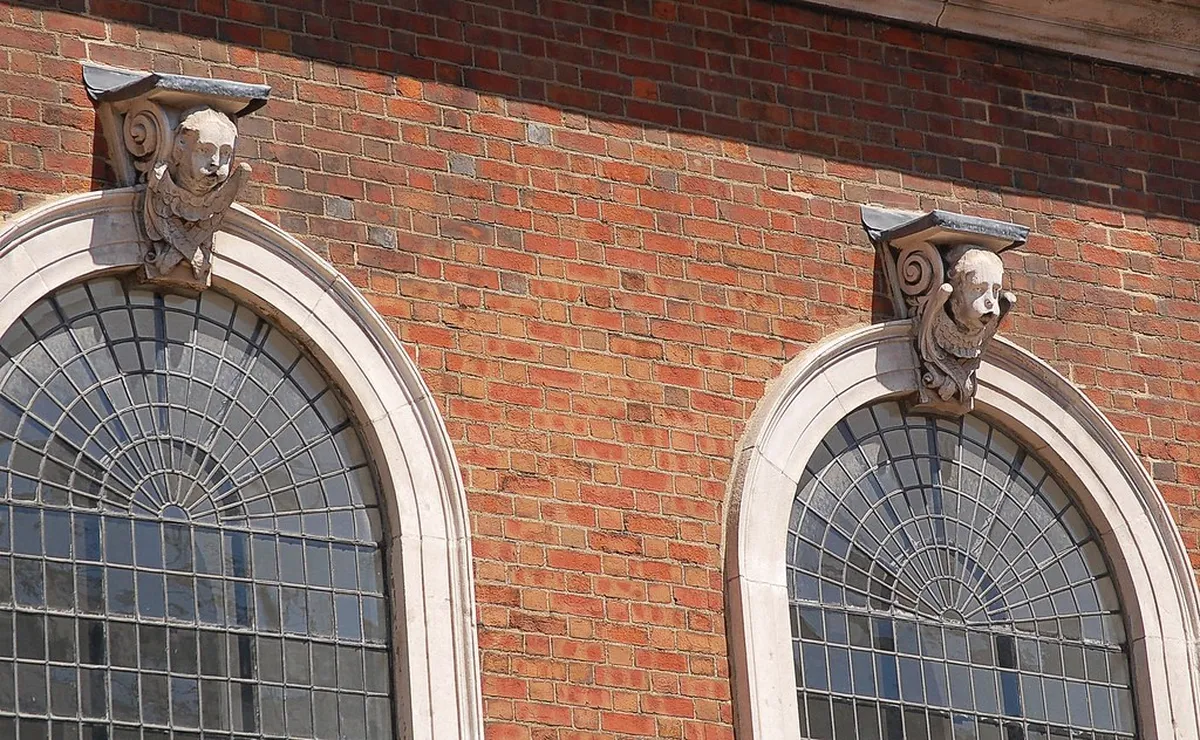
Old Operating Theatre Museum & Herb Garret
1822 surgical theatre and apothecary's herb garret in the roof of St Thomas's Church, Southwark, the oldest surviving operating theatre in Europe and reached via a 52-step spiral staircase.
Visitor guide →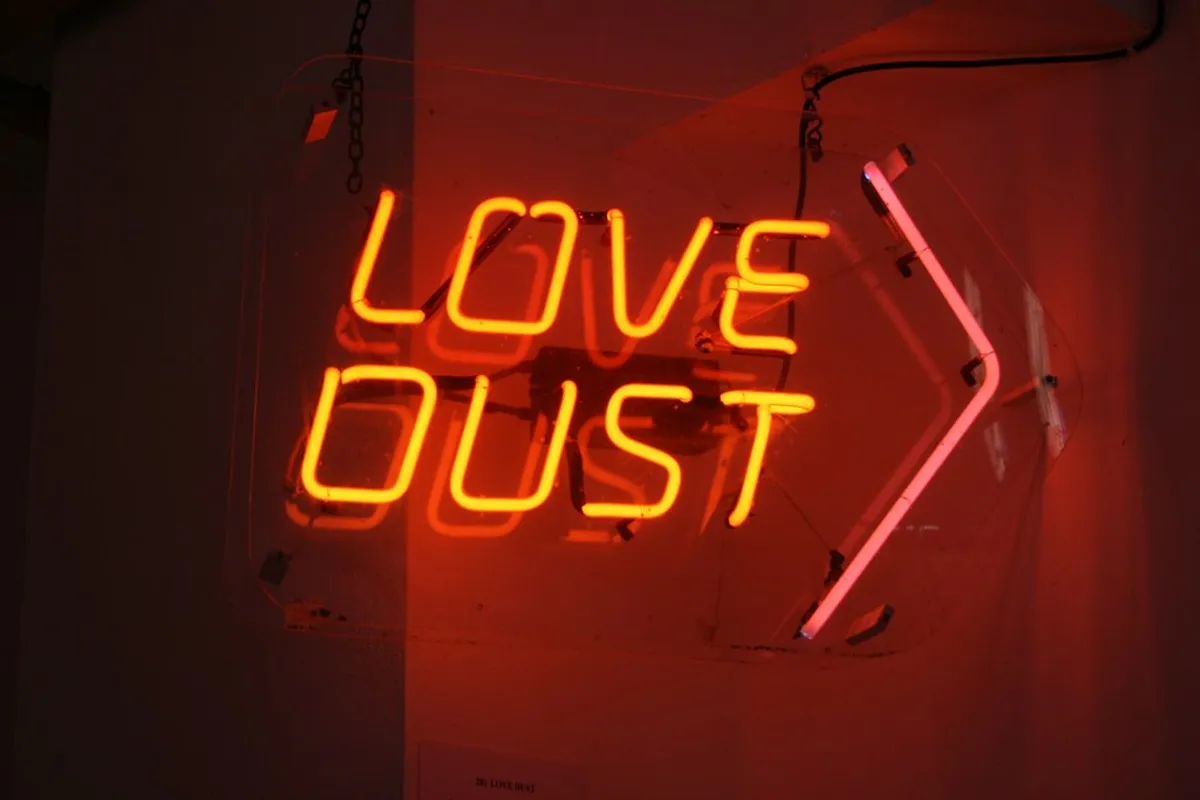
God's Own Junkyard
Free psychedelic neon warehouse in Walthamstow holding Chris Bracey's archive of film-prop signs, Soho relics and custom neon art, with a cafe and weekend-only opening.
Visitor guide →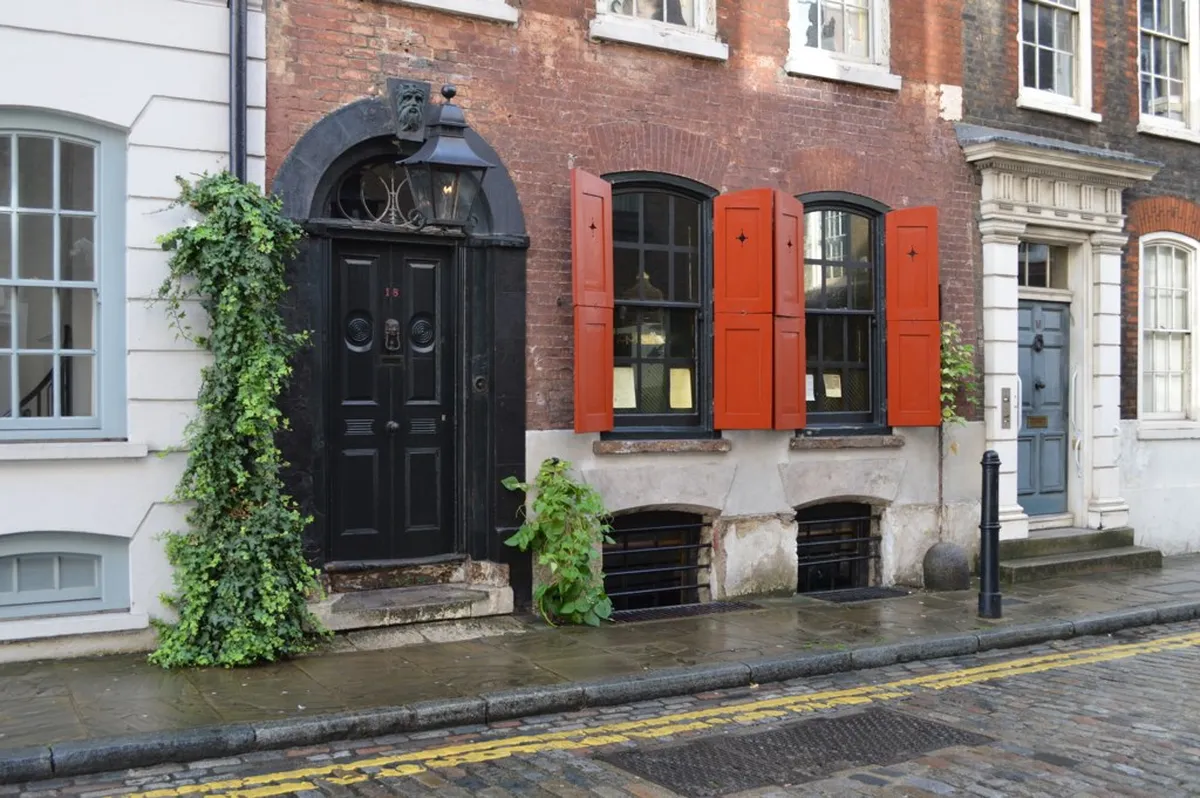
Dennis Severs' House
Spitalfields silk-weavers' house at 18 Folgate Street arranged as a ten-room 'still-life drama' of a fictional Huguenot family from 1725 to 1919, visited in candlelit silence.
Visitor guide →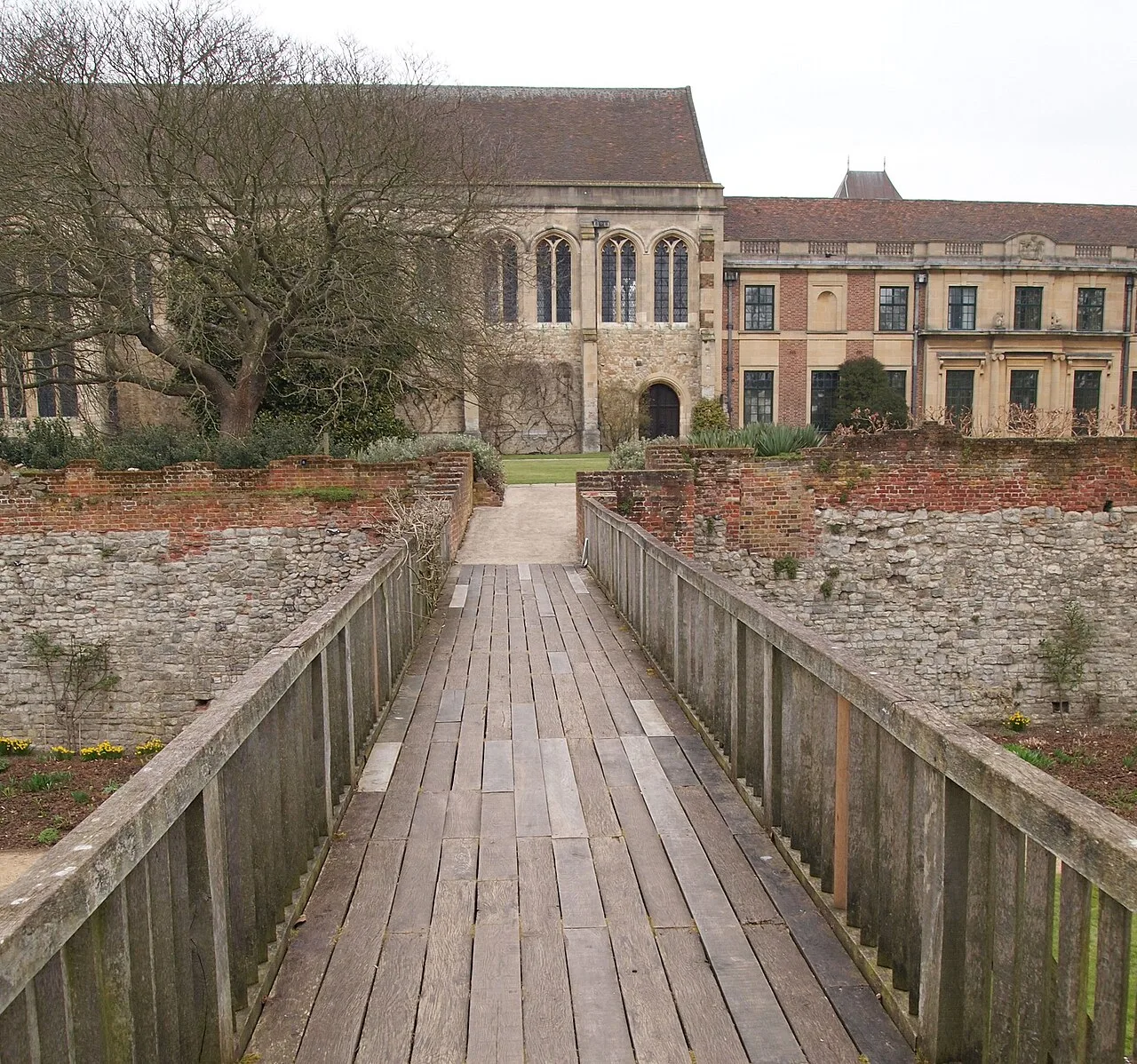
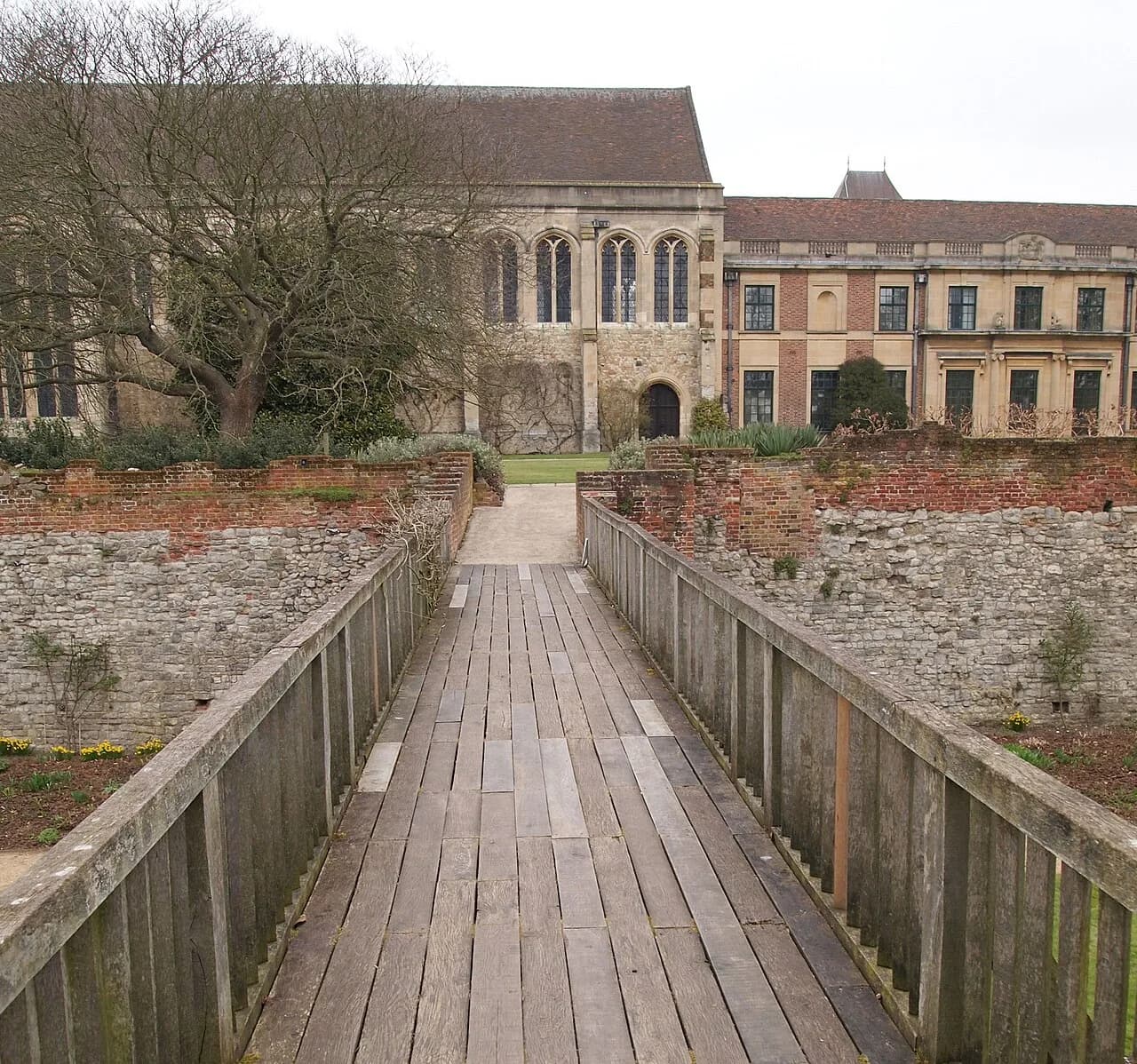
Eltham Palace
A 1930s Art Deco mansion grafted onto a surviving medieval great hall in southeast London, with Virginia Courtauld's gold-leaf bathroom, a famous pet-lemur legacy and 19 acres of moated gardens.
Visitor guide →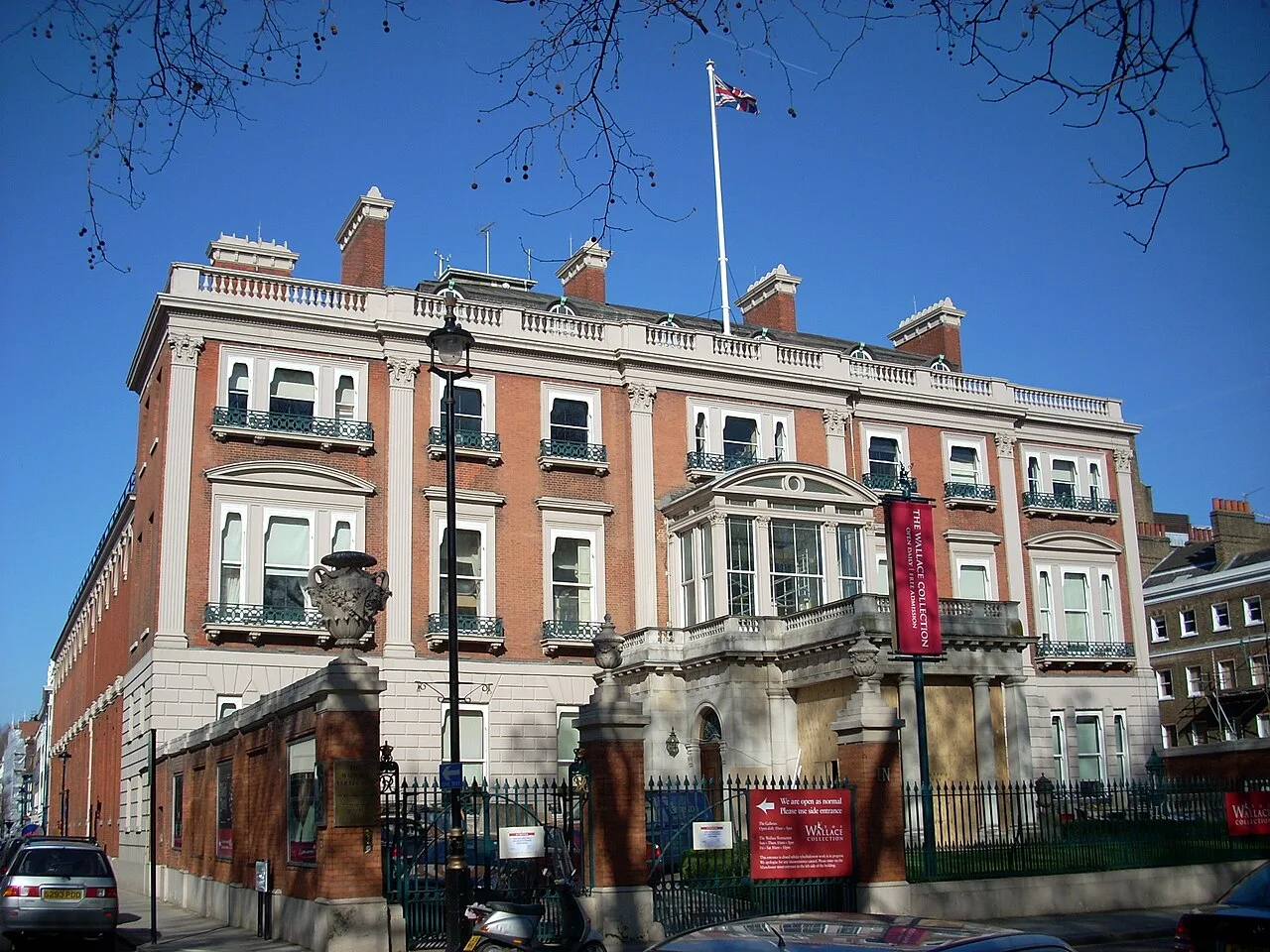
The Wallace Collection
A free national museum in a Marylebone townhouse holding Old Master paintings including Fragonard's The Swing and Frans Hals' The Laughing Cavalier, plus a world-class arms and armour collection.
Visitor guide →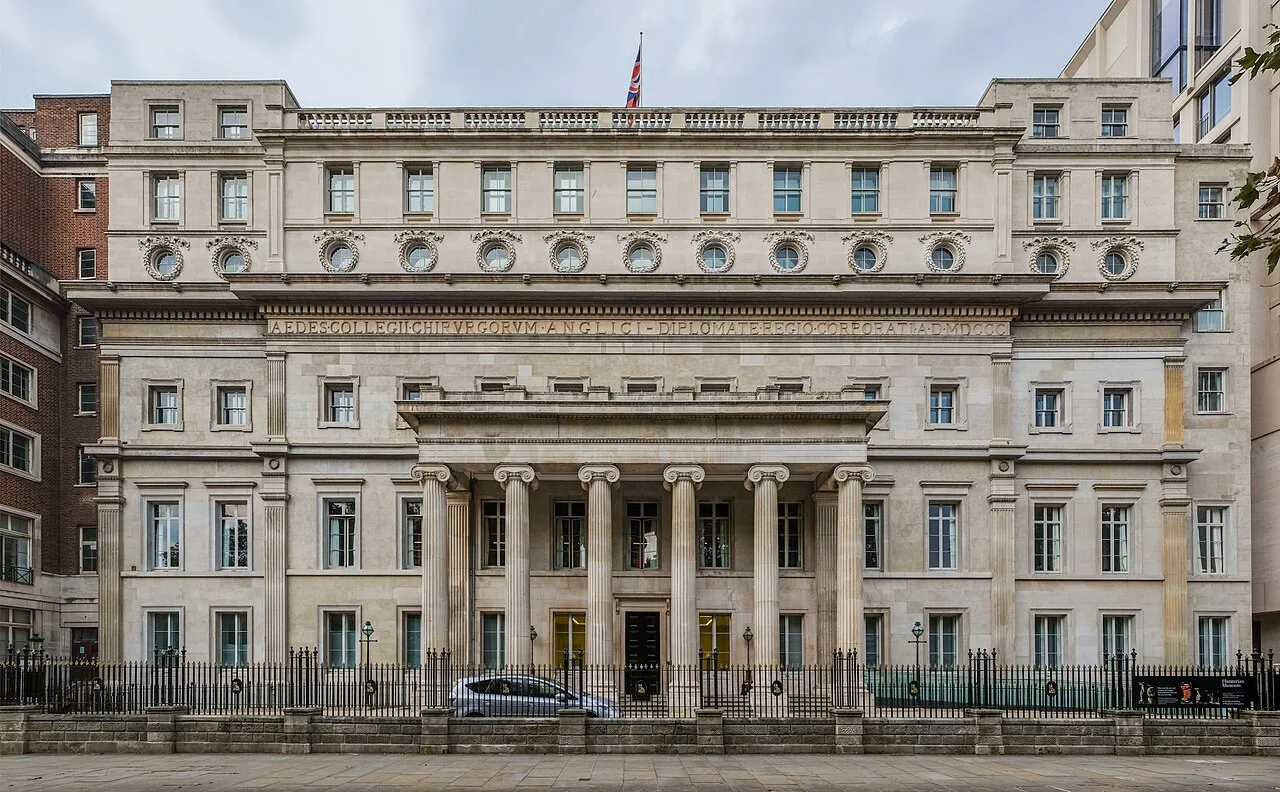
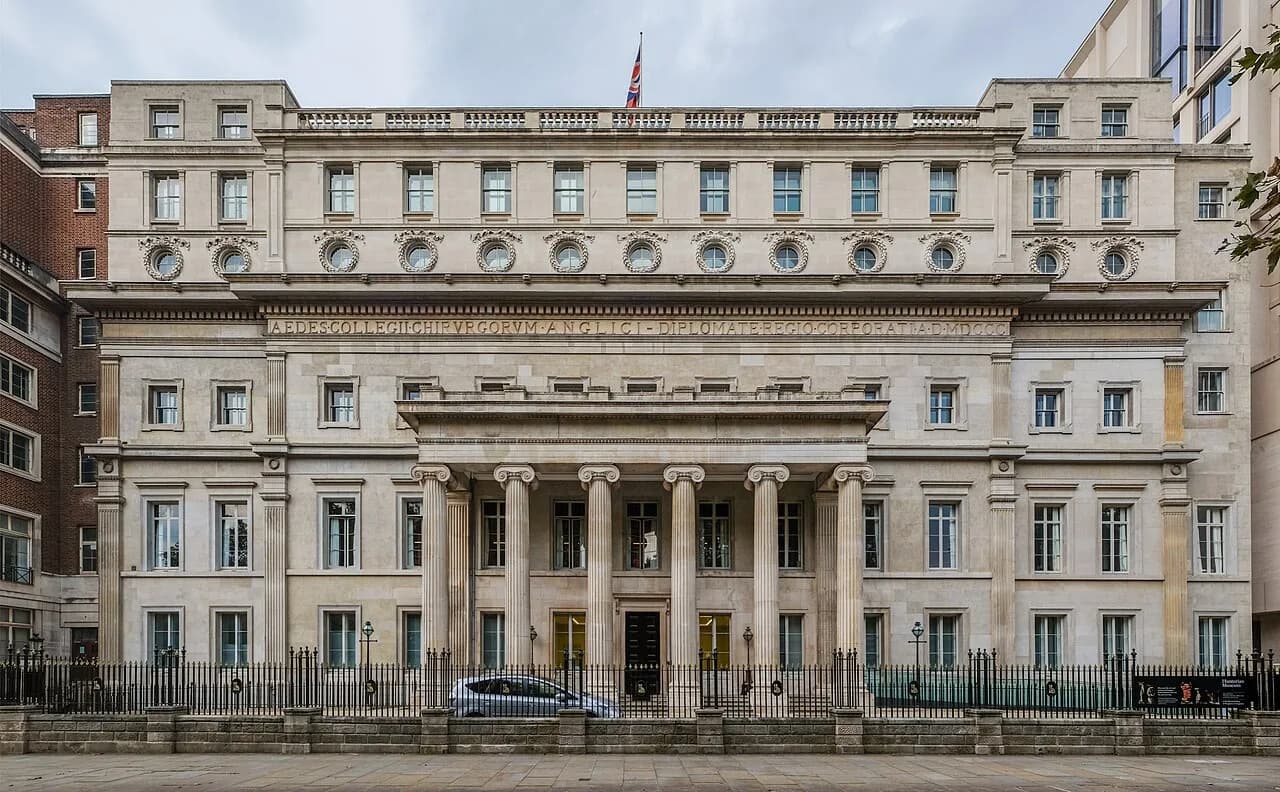
The Hunterian Museum
A free, recently reopened museum of anatomy and surgery at the Royal College of Surgeons in Holborn, built on surgeon John Hunter's 18th-century specimen collection.
Visitor guide →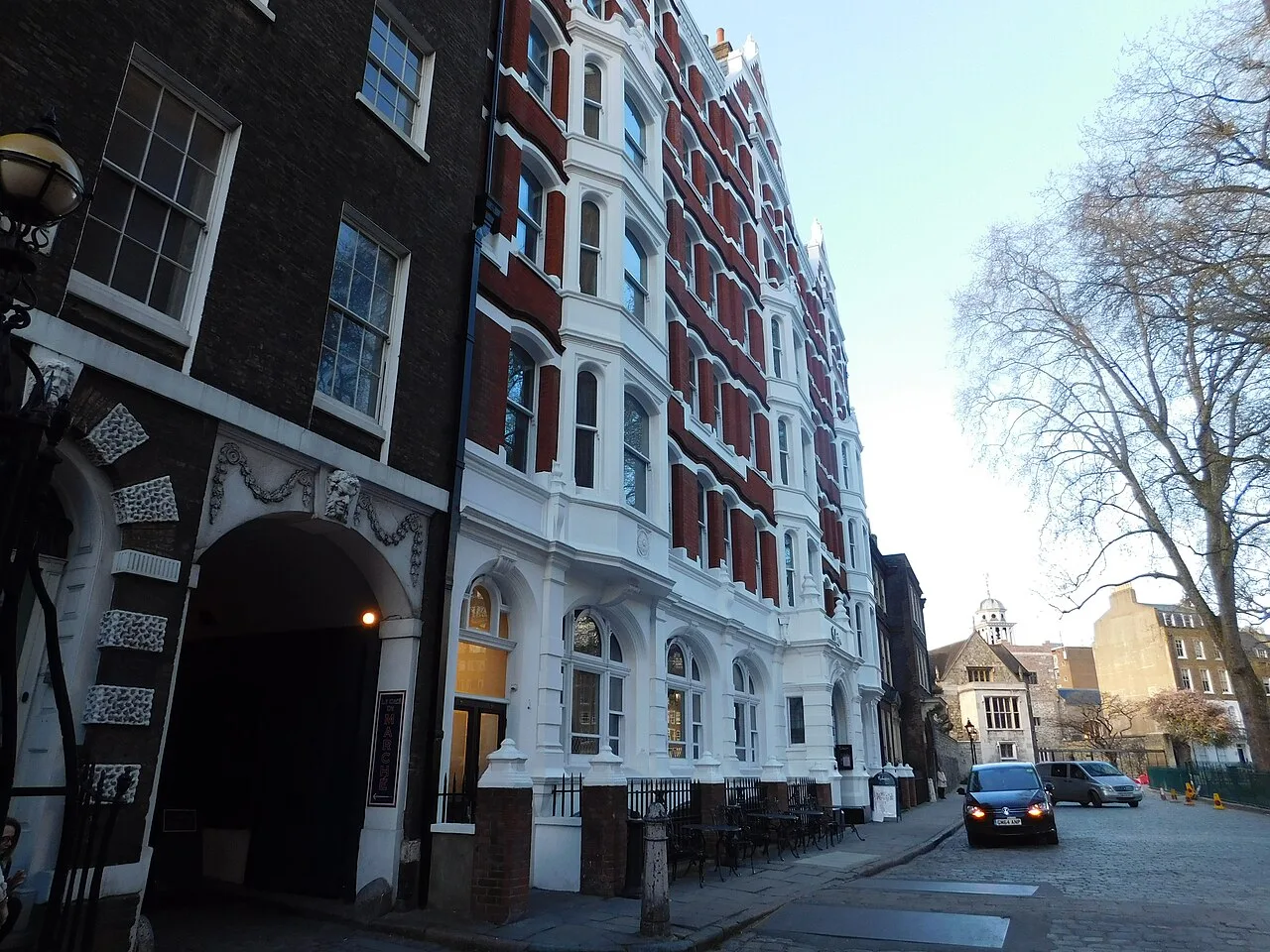
The Charterhouse
A 14th-century Carthusian monastery turned Tudor mansion and still-working almshouse on Charterhouse Square, with a free museum and paid guided Brothers' tours of the historic rooms.
Visitor guide →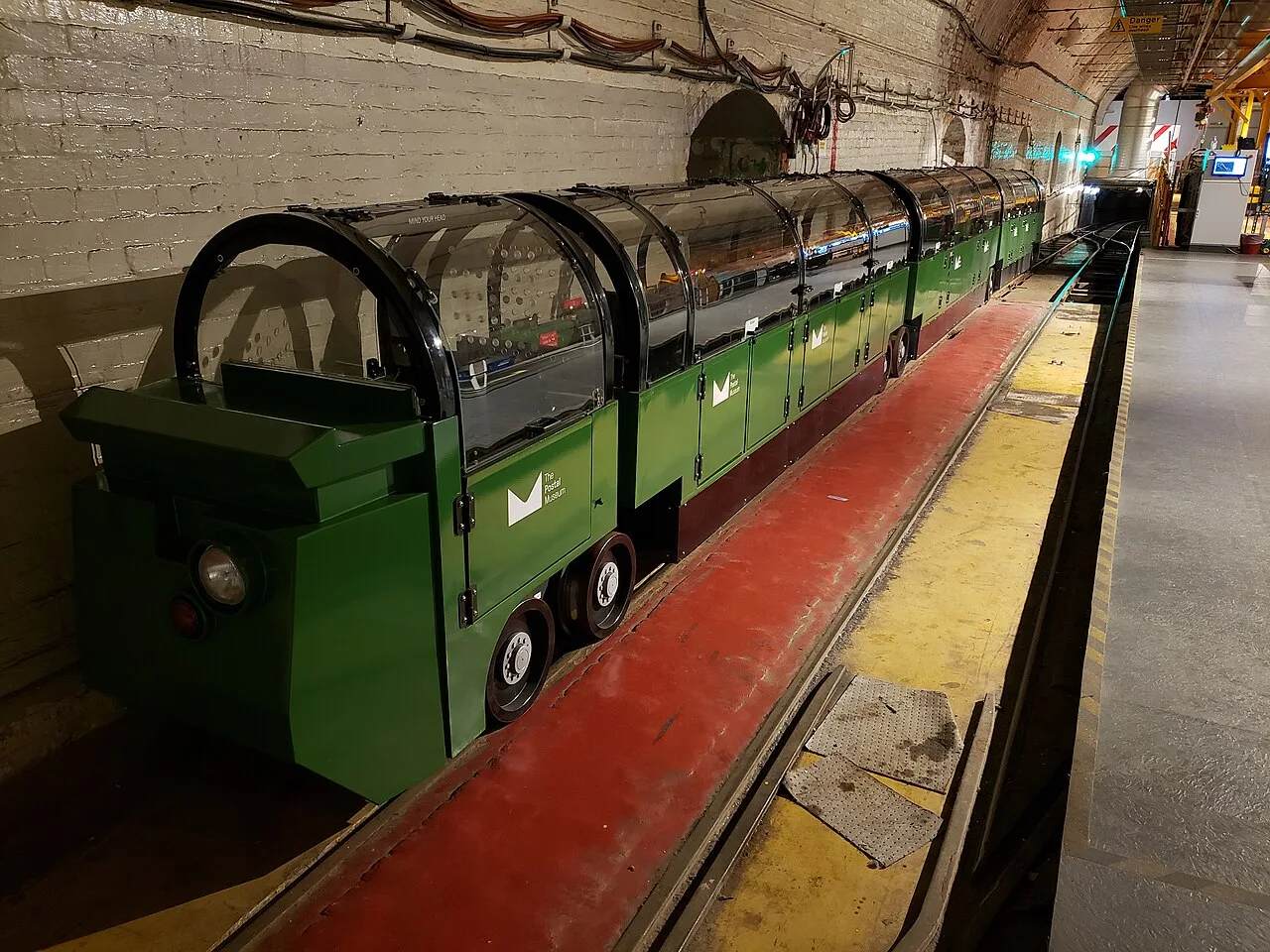
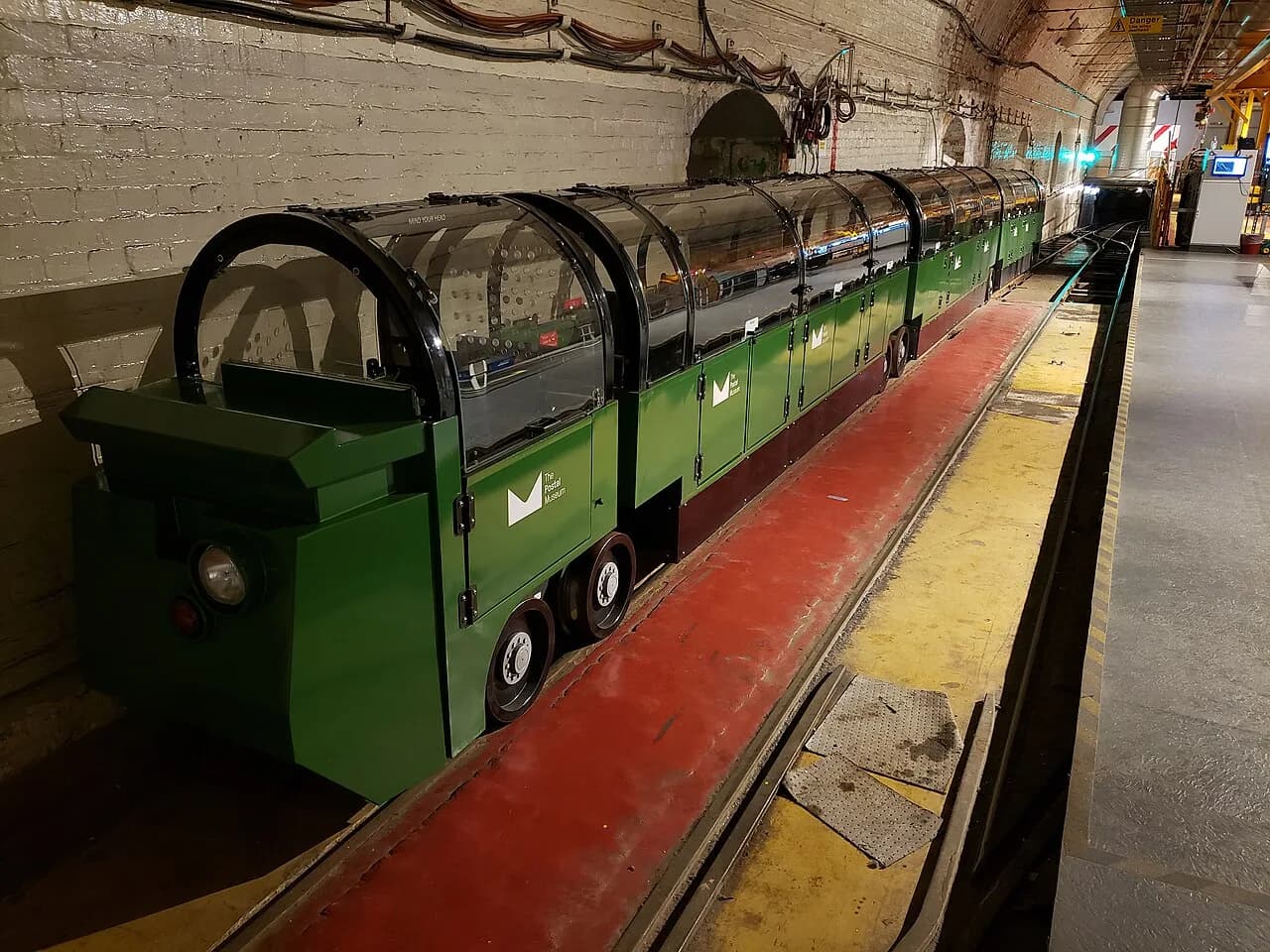
The Postal Museum
A Clerkenwell postal-history museum whose ticket includes a ride on Mail Rail, the miniature underground railway that once carried the nation's post beneath the city.
Visitor guide →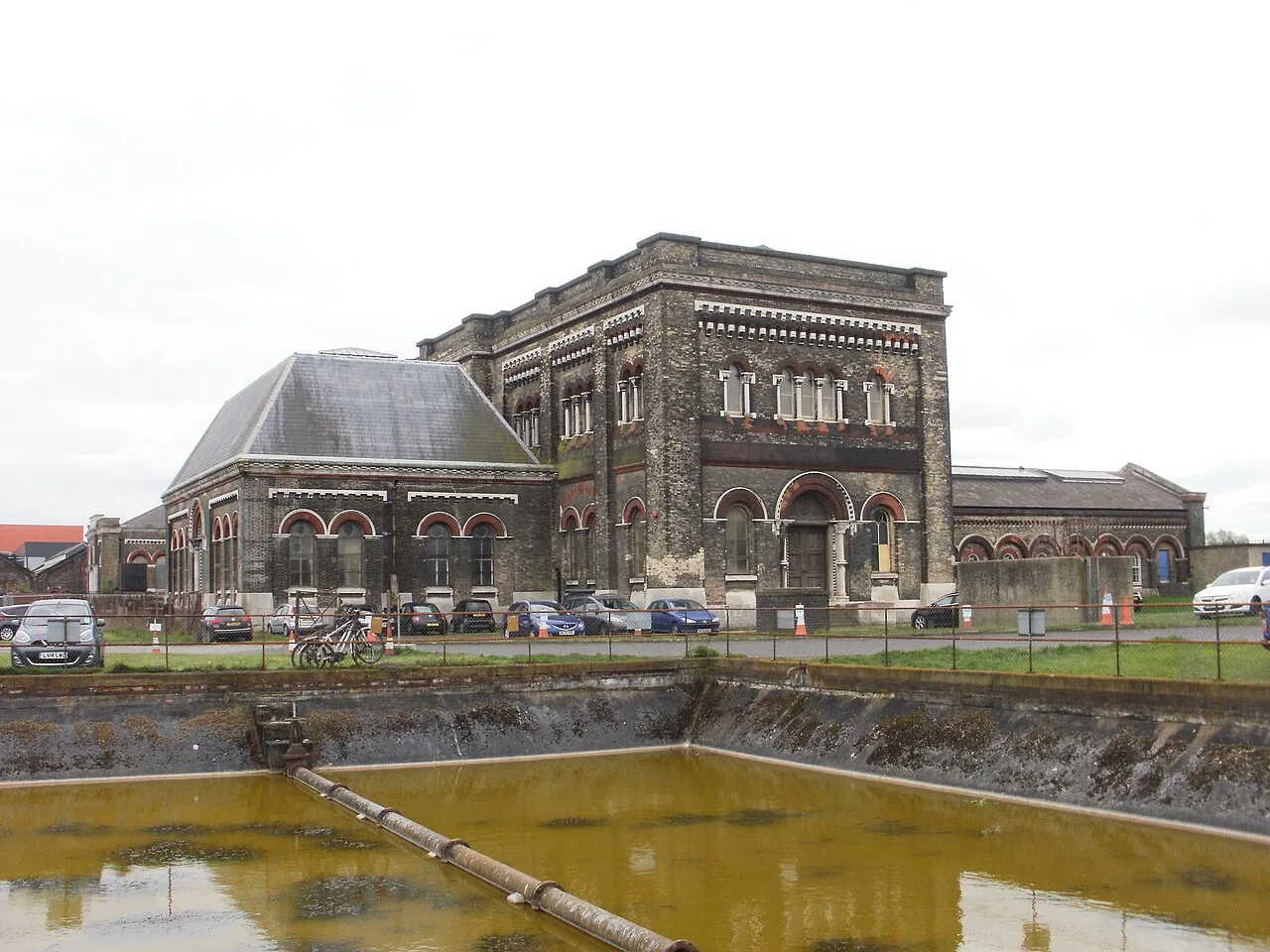
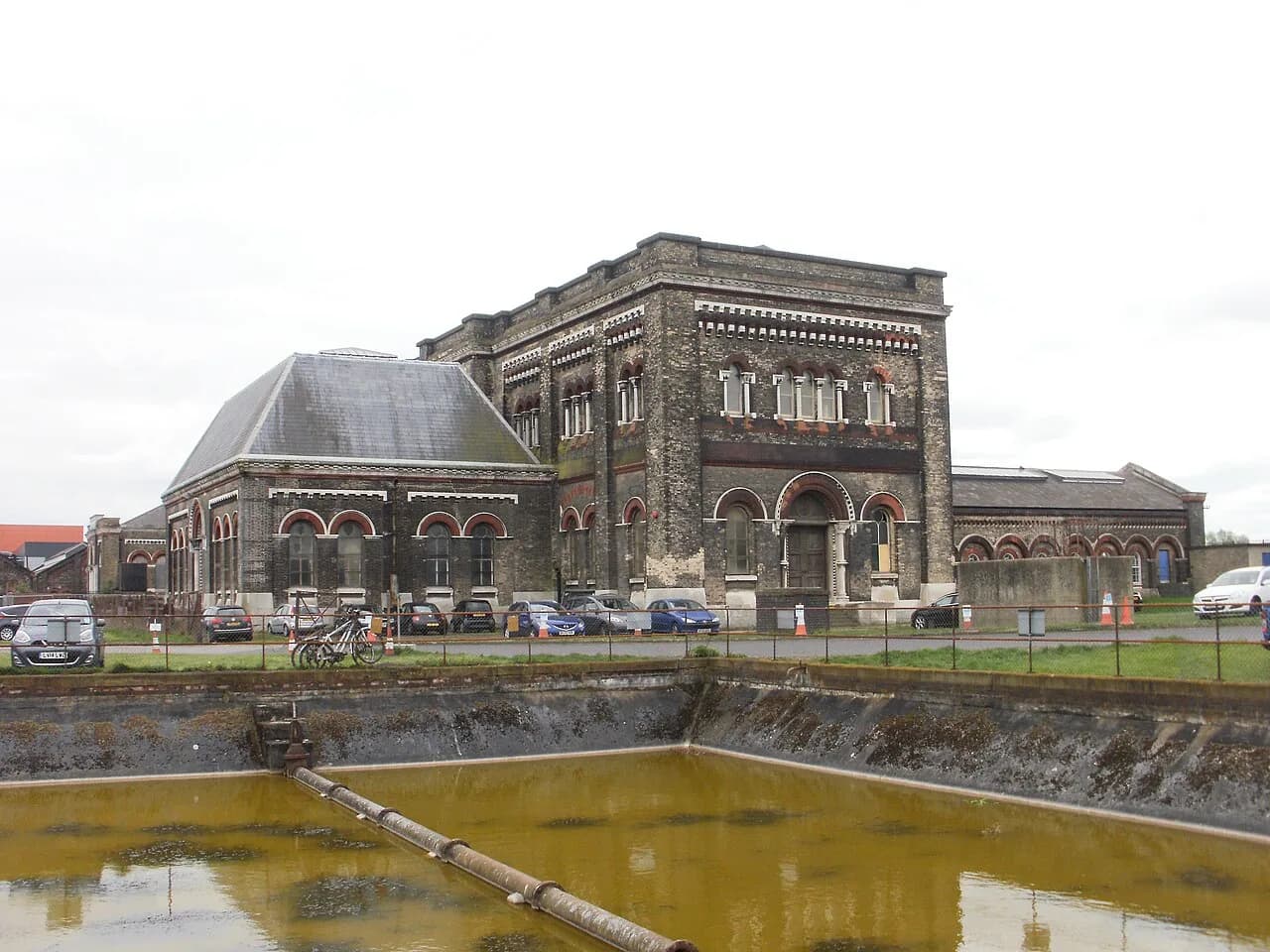
Crossness Pumping Station
Bazalgette's 1865 'cathedral on the marsh' at Abbey Wood — a Grade I listed Victorian sewage pumping station of ornate polychrome ironwork, open on scheduled Steaming Days only.
Visitor guide →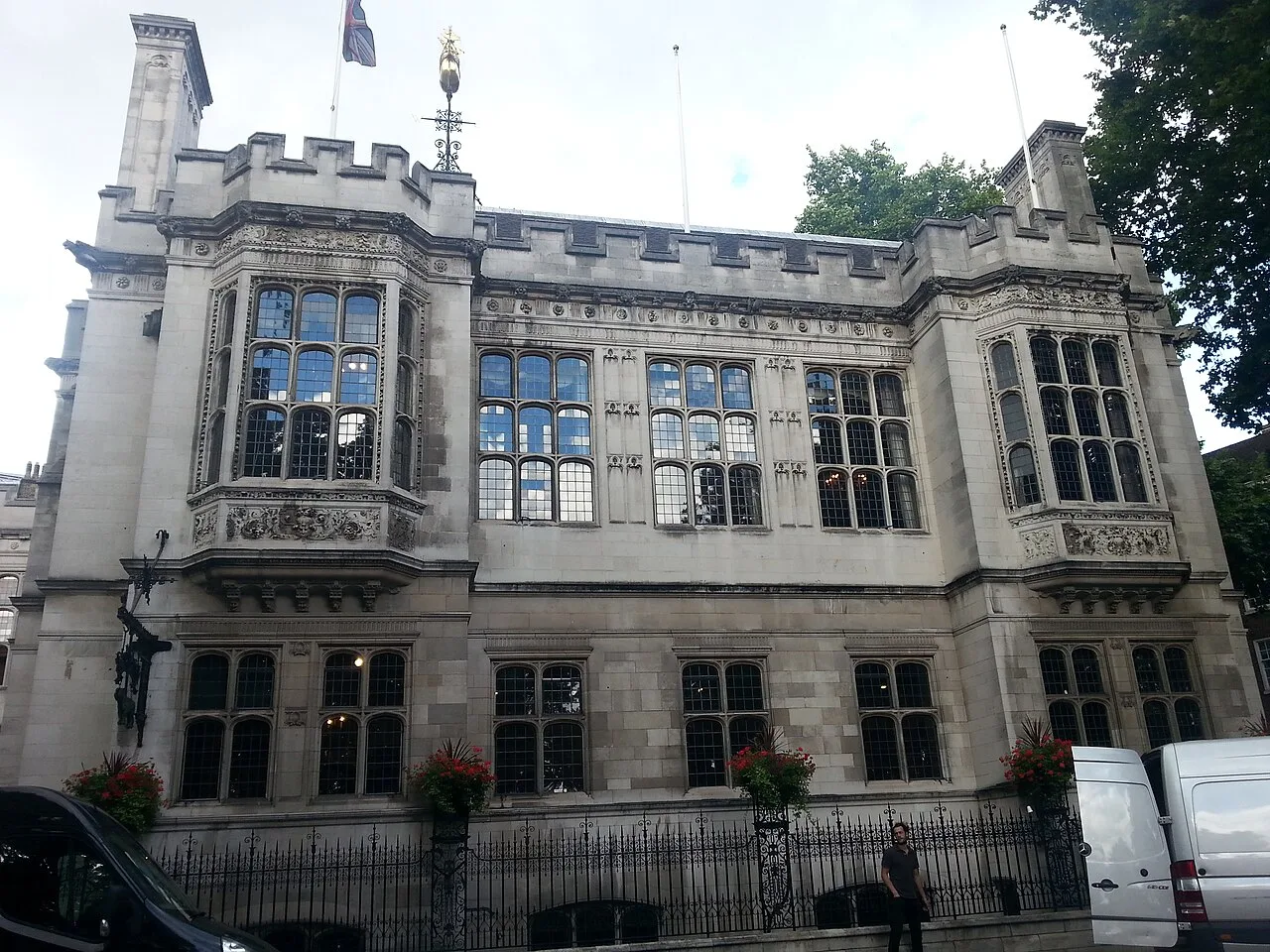
Two Temple Place
William Waldorf Astor's opulent 1895 neo-Gothic mansion on the Embankment, open to the public free of charge each year for a single winter-to-spring exhibition.
Visitor guide →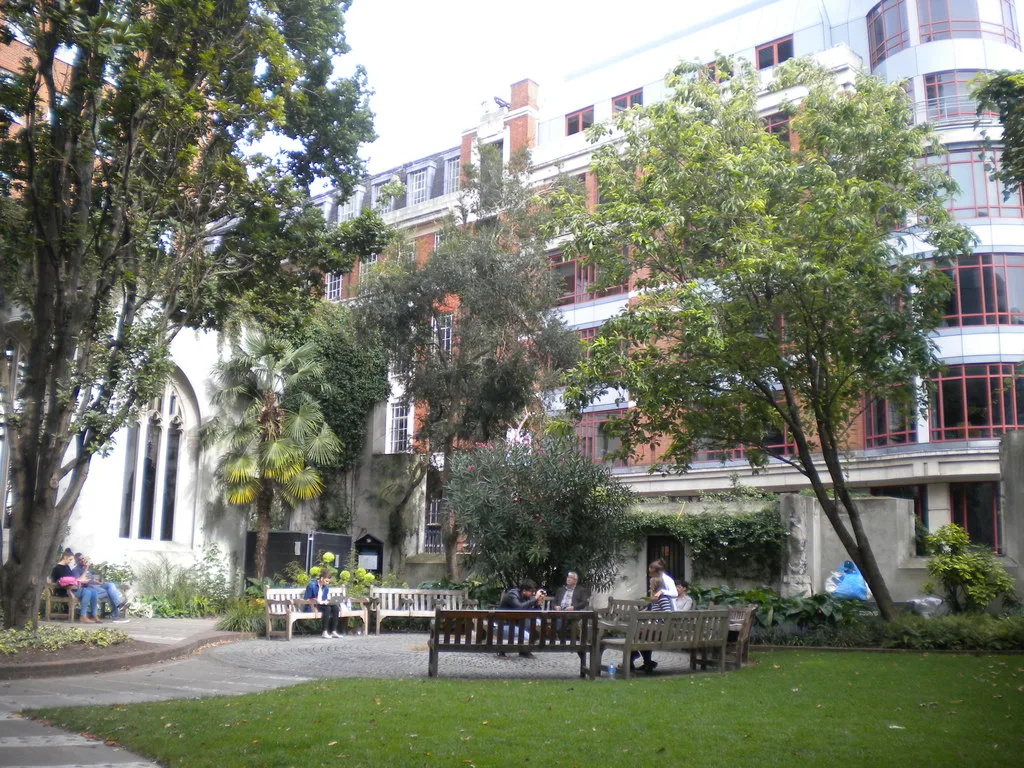
St Dunstan-in-the-East
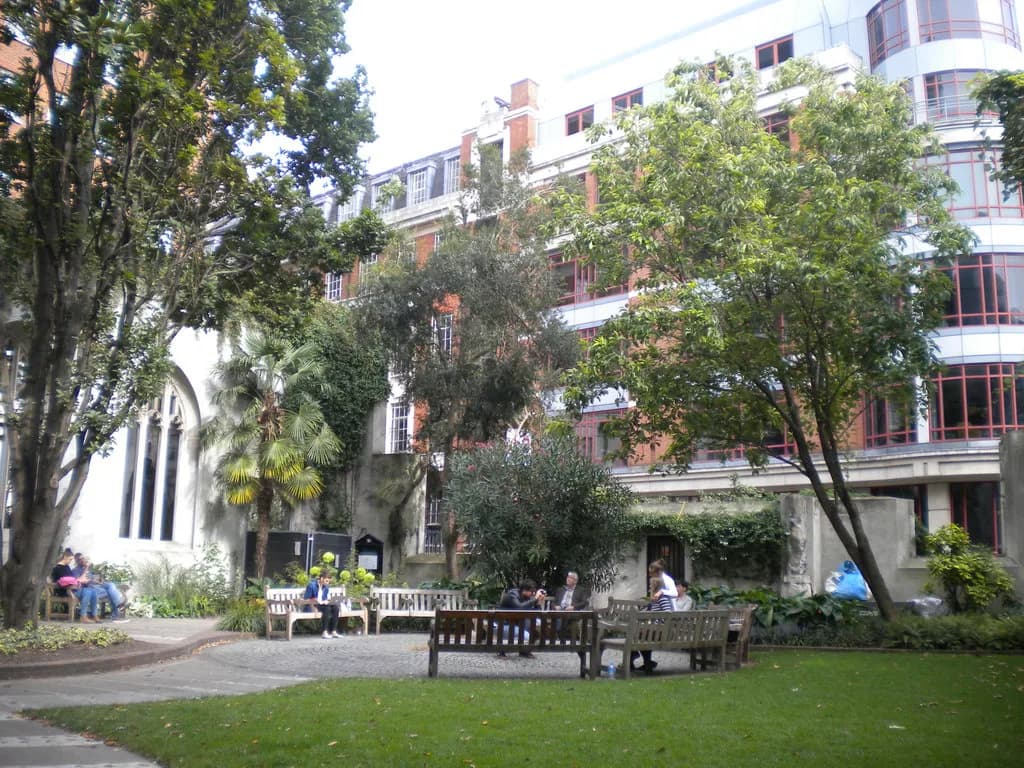
A blitzed medieval City church left as a ruin and replanted as a free public garden — its Wren steeple and vine-clad Gothic windows are one of London's most photographed corners.
Visitor guide →London hidden gems by neighbourhood
Most off-the-beaten-path London attractions cluster in a handful of corners of the city, which makes them easy to pair up if you plan by neighbourhood rather than by postcode hopping.
- Central London (Holborn). Sir John Soane's Museum sits one minute from Holborn Tube and four minutes from Lincoln's Inn Fields, and the free Hunterian Museum is right across the square at the Royal College of Surgeons — pair the two for a single morning. It's the easiest cluster to slot into any first-day itinerary because you're already nearby for Covent Garden, the British Museum and the West End.
- Marylebone (W1). The Wallace Collection occupies Hertford House just north of Oxford Street, a five-minute walk from Bond Street station — a free, central Old Master gallery that's easy to add on to almost any day in town.
- Clerkenwell and Farringdon (EC1/WC1). The Charterhouse on Charterhouse Square and The Postal Museum on Phoenix Place are both a short walk from Farringdon, so you can combine a Tudor almshouse with a Mail Rail ride in one afternoon.
- City of London and Embankment (EC3/WC2). St Dunstan-in-the-East is a free ruined-church garden minutes from Monument, while Two Temple Place sits on the Embankment near Temple station and opens only for its annual winter-to-spring exhibition.
- East End (Whitechapel and Spitalfields). Wilton's Music Hall hides on Graces Alley off Cable Street in Whitechapel, a 10-minute walk from Dennis Severs' House at 18 Folgate Street in Spitalfields. Combine the pair with Brick Lane street art and Spitalfields Market for a full East End afternoon.
- Southwark and Bermondsey (SE1/SE16). The Old Operating Theatre Museum & Herb Garret is two minutes from London Bridge station, then it's a 12-minute Overground hop to Rotherhithe for the Brunel Museum above the original Thames Tunnel shaft.
- Southeast London (Eltham and Abbey Wood). Eltham Palace in Eltham (SE9) is a short bus or walk from Mottingham and Eltham rail stations, while Crossness Pumping Station near Abbey Wood (SE2) opens only on scheduled Steaming Days — check the calendar before making the trip.
- North London (Canonbury and Islington). The Estorick Collection of Modern Italian Art occupies a Georgian townhouse on Canonbury Square, a five-minute walk from Highbury & Islington station and easy to bolt onto Upper Street browsing.
- West London (Holland Park). Leighton House Museum on Holland Park Road is six minutes from High Street Kensington and pairs naturally with Holland Park itself and the nearby Design Museum.
- Walthamstow (E17). God's Own Junkyard sits on the Ravenswood Industrial Estate, a 12-minute walk from Walthamstow Central on the Victoria line — one of the furthest of the sixteen from central London, but the most photographed once you get there.
London hidden gems by category
Group the sixteen by theme and you can pick the two or three that match how you like to travel.
- Historic house-museums. The most atmospheric include Leighton House Museum (Frederic Leighton's tile-clad Arab Hall and north-lit studio), Sir John Soane's Museum (the architect's home left exactly as he died in 1837), and Dennis Severs' House (a 10-room candlelit "still-life drama" of a fictional Huguenot family from 1725 to 1919). Add the neo-Gothic splendour of Two Temple Place, the Tudor rooms of The Charterhouse, and the Art Deco-over-medieval spectacle of Eltham Palace.
- Art and fine art. The Wallace Collection in Marylebone holds Old Masters including Fragonard's The Swing and Frans Hals' The Laughing Cavalier — free to enter — while the Estorick Collection holds the UK's leading collection of Italian Futurist art, with works by Boccioni, Balla, Severini, Modigliani and Morandi.
- Medical, scientific and engineering history. The Old Operating Theatre Museum preserves Europe's oldest surviving operating theatre (1822) in the roof of St Thomas's Church, reached by a 52-step spiral staircase. The Brunel Museum tells the story of the Thames Tunnel from inside Marc Brunel's original engine house; the free Hunterian Museum displays surgeon John Hunter's anatomy collection; Crossness Pumping Station is Bazalgette's ornate 1865 'cathedral on the marsh'; and the Postal Museum includes a ride on the miniature Mail Rail beneath the city.
- Gardens and outdoor. St Dunstan-in-the-East is a blitzed City church replanted as a free public garden, its Wren steeple and vine-clad Gothic windows one of London's most photographed corners; Eltham Palace adds 19 acres of moated gardens to the mix.
- Performance. Wilton's Music Hall is the oldest surviving grand music hall in the world (1859) and still a working theatre.
- Pop culture and visual spectacle. God's Own Junkyard is the late Chris Bracey's archive of film-prop neon, Soho-era relics and custom signage — Instagram-famous, free to enter, and Walthamstow's most-photographed warehouse.
Free vs paid London hidden gems
Several of the best hidden gems in London cost nothing — useful if you're stacking them around paid icons like the Tower of London or Westminster Abbey. Prices below are verified for 2026 and apply to standard adult tickets; where an attraction opens seasonally or on scheduled days only, check the official site before you travel.
- Free. Sir John Soane's Museum has been free since 1837 by the architect's own act of Parliament; the Wallace Collection is a free national museum; the Hunterian Museum is free with a booked timed ticket; St Dunstan-in-the-East is a free public garden; Two Temple Place is free during its annual winter-to-spring exhibition; God's Own Junkyard is free Friday-Sunday with a paid cafe inside; Wilton's Music Hall is free to wander as a public bar and during open-house hours; and The Charterhouse has a free museum (its Brothers' tours are paid).
- Paid, under £15. Leighton House Museum £14; Estorick Collection £9.50; Old Operating Theatre Museum £10; Brunel Museum £10; The Charterhouse guided tours from around £15.
- Paid, premium. Eltham Palace is around £17.50 (English Heritage members free); the Postal Museum is from around £18.50, with the ticket doubling as an annual pass; Crossness Pumping Station is around £20 on its Steaming Days only; and Dennis Severs' House runs from around £16 for daytime "Silent Day" entry up to £25 for the candlelit evening experience, which is the version most visitors choose.
- Discount passes. The National Art Pass from the Art Fund gives free or half-price entry to several of these (including Leighton House and the Estorick Collection); English Heritage membership covers Eltham Palace. The London Pass and most hop-on-hop-off bundles do not cover hidden gems on this list, so don't buy one expecting it to.
| Attraction | Adult Price | Neighbourhood | Open Days |
|---|---|---|---|
| Sir John Soane's Museum | Free | Holborn | Wed–Sun |
| The Wallace Collection | Free | Marylebone | Daily |
| The Hunterian Museum | Free (book ahead) | Holborn | Tue–Sat |
| St Dunstan-in-the-East | Free | City of London | Daily |
| Two Temple Place | Free (seasonal) | Embankment | Exhibition season only |
| God's Own Junkyard | Free | Walthamstow | Fri–Sun |
| Wilton's Music Hall | Free (bar/tours) | Whitechapel | Varies |
| The Charterhouse | Free museum / tours ~£15–25 | Clerkenwell | Tue–Sat |
| Estorick Collection | £9.50 | Canonbury (N. London) | Wed–Sun |
| Old Operating Theatre | £10 | Southwark | Thu–Sun |
| Brunel Museum | £10 | Rotherhithe | Mon, Fri–Sun |
| Leighton House Museum | £14 | Kensington | Mon, Wed–Sun |
| Dennis Severs' House | £16–£25 | Spitalfields | Fri–Sun |
| Eltham Palace | ~£17.50 (EH members free) | Eltham (SE London) | Daily |
| The Postal Museum | from ~£18.50 | Clerkenwell | Wed–Sun |
| Crossness Pumping Station | ~£20 (Steaming Days) | Abbey Wood (SE London) | Steaming Days only |
A weekend hidden-gems itinerary
This two-day plan covers six of the sixteen on a Saturday-Sunday trip, sequenced around real opening days. Adjust to your tastes — the free or near-free stops can be dropped in or out without rebooking anything.
Saturday — West, Central and North.
- 11:00 — Open at Leighton House Museum in Holland Park. Allow 75-90 minutes for the Arab Hall, the studio and the upper galleries.
- 13:00 — Lunch around High Street Kensington or in Holland Park itself, then take the Piccadilly line to Holborn.
- 14:30 — Sir John Soane's Museum (open Wednesday-Sunday). Free, but slots can fill — pre-book the timed entry if you're going on a weekend.
- 16:30 — Overground / Victoria line up to Highbury & Islington for the Estorick Collection (Wednesday-Sunday). Pair with dinner on Upper Street.
Sunday — East End, Southwark and Walthamstow.
- 10:30 — Open at the Old Operating Theatre Museum in Southwark (Thursday-Sunday). Climb the 52-step spiral staircase first; saw demonstrations usually run on weekends.
- 12:30 — Overground to Rotherhithe for the Brunel Museum and a walk around the original tunnel shaft. Lunch at the Mayflower pub next door.
- 15:00 — District line to Aldgate East, then walk to Wilton's Music Hall on Graces Alley. Mahogany Bar pint and a building tour if one's running.
- 17:00 or evening — Either Victoria line to Walthamstow for God's Own Junkyard (Friday-Sunday, last entry 6pm), or stay in Spitalfields for a booked candlelit evening at Dennis Severs' House. Don't try both in one evening — they're opposite ends of the city and Dennis Severs' is a 75-minute slow experience.
Adding the newer gems. With sixteen attractions to choose from, it's worth building around a couple of themed extra days:
- A southeast-London day. Pair Eltham Palace (open daily) with Crossness Pumping Station near Abbey Wood — but only when Crossness has a scheduled Steaming Day, so check its calendar and build the day around that date.
- A City walk. String together St Dunstan-in-the-East's ruined-church garden, the Tudor rooms of The Charterhouse (Tuesday-Saturday), and a Mail Rail ride at the Postal Museum (Wednesday-Sunday) for a compact half-day between Monument and Farringdon.
- An easy central free add-on. The Wallace Collection in Marylebone is open daily and free, making it the simplest gem to slot into any afternoon near Oxford Street.
Getting around London's hidden gems
Nearly all of them are reachable on standard TfL services (Eltham Palace and Crossness in the southeast lean on National Rail). A contactless bank card or mobile wallet works the same as an Oyster card — you'll automatically get the daily and weekly caps, so don't bother buying a Travelcard for short trips.
- Holborn for Sir John Soane's and the Hunterian — Central or Piccadilly line. From Kings Cross 5 minutes, from Heathrow on the Piccadilly direct in around 50 minutes; both museums sit on Lincoln's Inn Fields.
- Bond Street for the Wallace Collection — Central, Jubilee or Elizabeth line. A five-minute walk north to Manchester Square.
- Farringdon for the Charterhouse and Postal Museum — Elizabeth, Circle, Hammersmith & City or Metropolitan line. Both are a short walk from the station.
- Monument for St Dunstan-in-the-East — Circle or District line. A three-minute walk down towards the river.
- Temple for Two Temple Place — Circle or District line (closed Sundays), a two-minute walk along the Embankment.
- High Street Kensington for Leighton House — Circle or District line. From Holborn around 20 minutes via Notting Hill Gate.
- Highbury & Islington for the Estorick — Victoria line or Overground. From central around 15 minutes.
- London Bridge for the Old Operating Theatre — Jubilee, Northern or National Rail. From King's Cross 8 minutes.
- Rotherhithe for the Brunel Museum — Overground only (East London line branch). From Whitechapel 6 minutes, from Canada Water 1 stop.
- Aldgate East / Tower Gateway for Wilton's — District, Hammersmith & City or DLR. From central around 12 minutes plus a 6-minute walk down Cable Street.
- Liverpool Street for Dennis Severs' — Elizabeth, Central or Circle line. A 7-minute walk through Spitalfields to Folgate Street.
- Walthamstow Central for God's Own Junkyard — Victoria line northern terminus. From Oxford Circus 20 minutes direct, then a 12-minute walk through the industrial estate.
- Eltham / Mottingham for Eltham Palace — National Rail from London Bridge or Victoria (around 25-35 minutes), then a short walk or bus.
- Abbey Wood for Crossness — Elizabeth line or National Rail to Abbey Wood; Crossness runs a shuttle on Steaming Days, so follow the venue's travel instructions for that date.
Best time to visit London's hidden gems
Because none of these are mass-tourism sites, the rules for beating crowds are different from the Tower of London or Buckingham Palace. Three patterns hold across the list.
- Weekday mornings are the quietest. Sir John Soane's Museum, the Old Operating Theatre, the Wallace Collection and Leighton House rarely have queues before 11am midweek, and several have walk-up capacity all morning.
- Some open only on set days. Crossness Pumping Station runs on scheduled Steaming Days only, and Two Temple Place opens to the public just for its annual winter-to-spring exhibition — plan those two around the calendar rather than turning up on spec.
- God's Own Junkyard peaks on Saturday afternoons. Walthamstow's neon warehouse only opens Friday-Sunday and Saturday 2-5pm is by far the busiest slot — go on Friday afternoon or Sunday around opening for clearer photos without other visitors in the shot.
- Avoid school holidays only marginally. Summer and half-terms add foot traffic to the East End and Southwark, but most of these museums limit capacity by ticket so the experience inside doesn't degrade the way it does at, say, the British Museum in August.
For atmosphere, autumn and winter actually suit several of the sixteen better — Dennis Severs' candlelit evenings, Wilton's lit theatre nights, the Two Temple Place winter exhibition and the dim Operating Theatre are all at their most theatrical in the dark months between October and February.
God's Own Junkyard, Dennis Severs' House, the Old Operating Theatre, Crossness Pumping Station and Two Temple Place are all closed on weekdays, open on set days only, or run to a seasonal calendar. Check each venue's current opening days before building your itinerary — closures are the most common reason visitors miss these gems entirely.
How to save money on London hidden gems
Hidden-gems travel is already cheaper than mainstream London sightseeing — several of the sixteen are free, and the most expensive sits at £25. A few more tricks can shave the rest of the bill.
- Start with the free ones. Sir John Soane's Museum, the Wallace Collection, the Hunterian Museum, St Dunstan-in-the-East, God's Own Junkyard and the public spaces of Wilton's Music Hall can fill several days for £0.
- National Art Pass. The Art Fund pass (around £80/year, half-price for under-30s) gives free or half-price entry to Leighton House, the Estorick and many other London museums; pays for itself by visit 4 or 5.
- English Heritage membership. If you're doing Eltham Palace alongside other English Heritage sites, membership covers entry and can be cheaper than several separate tickets.
- Ticket-as-pass deals. The Postal Museum ticket doubles as an annual pass, so you can return (and repeat the Mail Rail ride) at no extra cost within the year.
- Concessions. Every paid hidden gem on this list offers reduced rates for students, jobseekers, disabled visitors and carers; Leighton House is additionally free to residents of the Royal Borough of Kensington and Chelsea on Wednesdays.
- Skip the bundle passes. The London Pass, Go City and most hop-on-hop-off cards don't include these venues. If your trip is hidden-gems-led, individual tickets beat any bundle.
- Travel off-peak. Off-peak Oyster / contactless capping starts at 9:30am Monday-Friday and all day on weekends — useful if you're combining several of these in a single TfL-heavy day.
The National Art Pass (around £80/year, half-price for under-30s) gives free or half-price entry to Leighton House and the Estorick Collection among others — it pays for itself after four or five London museum visits.
Frequently asked questions about London hidden gems
- What are the best hidden gems in London?
- The most-recommended London hidden gems for 2026 include Sir John Soane's Museum in Holborn, Leighton House Museum in Holland Park, the free Wallace Collection in Marylebone, and Dennis Severs' House in Spitalfields. All sit outside the typical first-trip itinerary but are walking distance from major Tube lines.
- Which London hidden gems are free?
- Plenty of them. Free options include the Wallace Collection, the Hunterian Museum, Sir John Soane's Museum, St Dunstan-in-the-East's garden, and God's Own Junkyard. Two Temple Place is also free but only during its annual winter-to-spring exhibition, and The Charterhouse has a free museum with paid guided tours.
- Are London hidden gems free?
- Several are, but not all. Sir John Soane's Museum and the Wallace Collection have long been free to enter, God's Own Junkyard charges nothing for entry on its Friday-Sunday opening days, and you can drink at Wilton's Music Hall bar without paying. The paid ones range from around £9.50 up to £25 for standard adult entry.
- Which London hidden gem is best for art lovers?
- For Old Masters, the free Wallace Collection in Marylebone holds Fragonard's The Swing and Frans Hals' The Laughing Cavalier. For Victorian and Orientalist painting, Leighton House Museum in Holland Park is unmatched — Frederic Leighton's tile-clad Arab Hall is one of the most photographed rooms in London. For 20th-century work, the Estorick Collection in Canonbury holds the UK's leading collection of Italian Futurist art, including Boccioni and Balla.
- What's the best hidden gem in southeast London?
- Eltham Palace in Eltham (SE9) is the standout — a 1930s Art Deco mansion grafted onto a surviving medieval great hall, with Virginia Courtauld's gold-leaf bathroom and 19 acres of moated gardens, open daily. For industrial-history fans, Crossness Pumping Station near Abbey Wood is Bazalgette's ornate 1865 'cathedral on the marsh', though it opens only on scheduled Steaming Days.
- Can you visit London hidden gems on a weekend?
- Yes — most of the sixteen are open at least part of the weekend. Sir John Soane's Museum is Wednesday-Sunday, the Old Operating Theatre is Thursday-Sunday, the Postal Museum is Wednesday-Sunday, and God's Own Junkyard is Friday-Sunday only. The Wallace Collection and St Dunstan-in-the-East are open daily. Check the individual visitor guides for the current week's hours before you go.
- What is the most unusual museum in London?
- The Old Operating Theatre Museum & Herb Garret in Southwark is the strongest candidate — it preserves Europe's oldest surviving operating theatre (1822) inside the roof of St Thomas's Church, reached by a 52-step spiral staircase. Dennis Severs' House runs it close, presented as a candlelit "still-life drama" rather than a conventional museum.
- Do I need to book London hidden gems in advance?
- For most, walk-up entry works fine on weekday mornings, though the free Hunterian Museum needs a booked timed ticket. Pre-booking is strongly recommended for Dennis Severs' House candlelit evenings (frequently sold out weeks ahead) and for weekend timed slots at Sir John Soane's Museum and the Old Operating Theatre. Crossness and Two Temple Place open only on set dates, so book those to the calendar.
- How many London hidden gems can I see in one day?
- Realistically, three is the comfortable maximum if you want to actually look at each one. A workable triple is Sir John Soane's plus the Hunterian (both on Lincoln's Inn Fields) → Old Operating Theatre (London Bridge) → Wilton's Music Hall (Whitechapel), all reachable in 15-20 minutes between stops. Adding more means a rushed visit.
- What's the most unique London hidden gem?
- Dennis Severs' House is the closest thing to a one-of-a-kind experience on the list — a candlelit, silent walk through 10 rooms staged as a fictional Huguenot family's home from 1725 to 1919, with no labels, no guide and no other visitors talking. It's not a museum visit so much as a piece of immersive theatre that happens to be in a Georgian house.
Plan your London hidden-gems trip
Once you've picked your favourites from the list above, slot them into a broader London plan: our off-the-beaten-path London guide expands the same theme into walks, markets and neighbourhoods, while the unusual things to do in London roundup covers the city's quirkiest non-museum experiences. Click into any of the sixteen cards above for verified 2026 prices, current opening hours, step-by-step directions and the practical tips most official sites leave out.
Continue exploring
More guides you'll find useful