12 Hidden Gems in Budapest You Shouldn't Miss (2026)
Discover 12 hidden gems in Budapest with this 2026 guide. Explore secret libraries, quiet gardens, and local haunts away from the crowds.
On this page
12 Hidden Gems in Budapest for an Authentic Trip
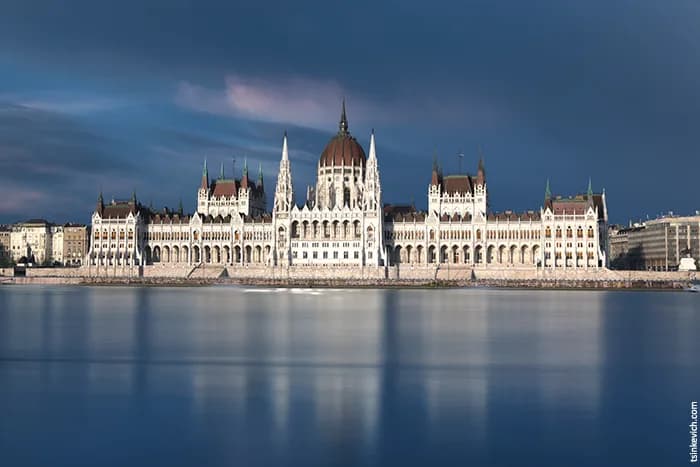
After my sixth trip to this historic capital, I realized the best spots are often tucked behind heavy wooden doors. While the Parliament and Fisherman's Bastion are stunning, they rarely offer the quiet soul of the city. Our editors have spent months mapping out the corners where locals actually spend their Sunday afternoons.
This guide covers the hidden gems that competitors rarely explain in full — from a neo-baroque palace library to communist-era bullet-hole memorials and a self-guided mini-statue hunt through the Jewish Quarter. Finding off-the-beaten-path Budapest locations requires a bit of curiosity and a comfortable pair of walking shoes.
Budapest remains one of the most affordable and visually striking cities in Central Europe for curious travelers. The contrast between the hilly Buda side and the flat Pest side offers endless variety. Let's dive into the secret courtyards, abandoned ruins, and quiet hills that make this city truly special.
Key Takeaways
- Best Overall: Metropolitan Ervin Szabó Library for its stunning hidden palace architecture.
- Best for Families: Palatinus Strand on Margaret Island for its variety of pools and slides.
- Best Rainy-Day: Hospital in the Rock for a fascinating and dry underground historical tour.
- Best Free: The Garden of Philosophers for peaceful views and unique bronze sculptures.
Is Budapest Worth Visiting for Hidden Gems?
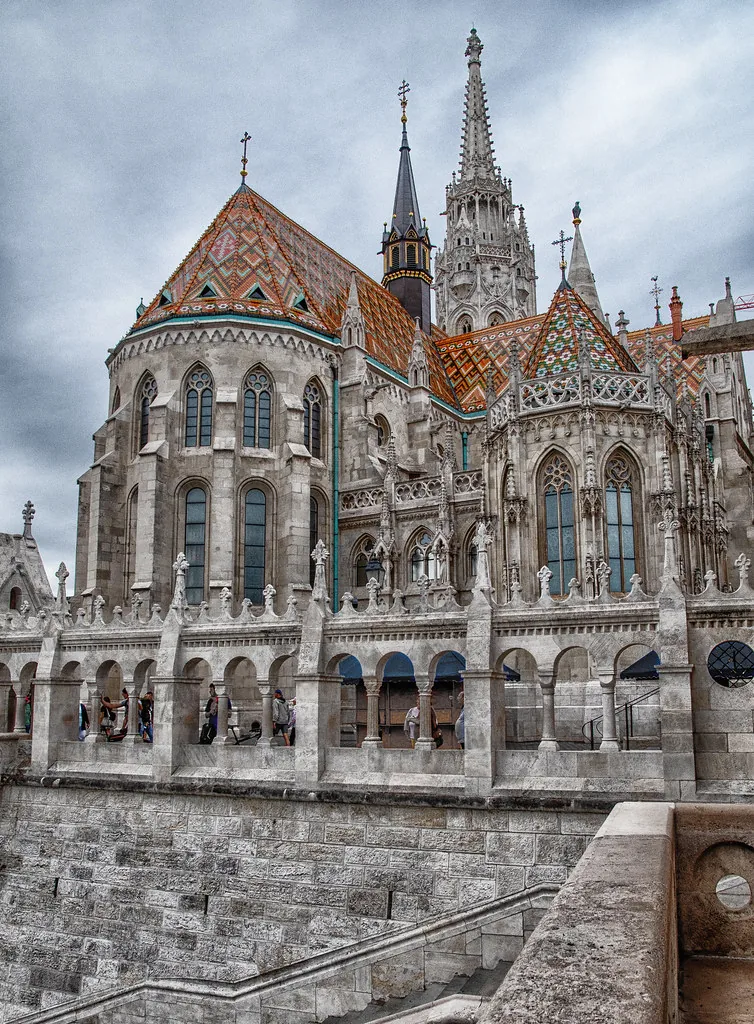
Many travelers wonder if they should stray from a standard Budapest 3-day itinerary to find secret spots. The answer is a resounding yes because the city's true character lives in its residential neighborhoods and quiet squares. Escaping the crowds allows you to appreciate the intricate neo-renaissance architecture without hundreds of selfie sticks in your view.
Many hidden gems in Budapest are free or cost only 1500–4500 HUF (€4–12 per person). The bullet-hole memorials on Kossuth Square, Garden of Philosophers on Gellért Hill, and Kerepesi Cemetery are completely free and accessible 24/7, making them perfect for early-morning walks before crowds arrive.
Budget travelers will find that many of these lesser-known sites are either free or significantly cheaper than mainstream landmarks. You can enjoy a world-class view or a historical museum for the price of a simple cup of coffee. These locations also provide a much-needed break from the high-energy atmosphere of the central tourist zones.
Exploring these areas gives you a chance to interact with locals who are often happy to share their stories. Whether it is a small gallery or a quiet park, these experiences feel more personal and lasting than a quick photo op. Choosing the right Budapest neighborhoods guide is the first step toward finding these rewarding treasures.
Historical Hidden Gems in Budapest
Budapest's most powerful historical sites sit in plain sight but are overlooked by first-timers focused on the castle district. Several buildings on Kossuth Square still bear bronze markers cast directly around real bullet holes from the 1956 uprising against Soviet rule. The Ministry of Agriculture building is the most striking example — the markers frame the actual damage in the facade and are visible from the public pavement at any hour, free of charge.
The Hospital in the Rock is a different kind of history entirely. This former secret emergency hospital and nuclear bunker is carved into the caverns beneath Buda Castle. Guided tours cost approximately 7000 HUF (around €18) and run every hour daily from 10:00 to 19:00 — the constant 18°C temperature inside means you should bring a light jacket even in July.
Memento Park sits on the western outskirts and houses the giant Soviet-era statues that were removed from Budapest's public squares after 1989. The entrance fee is 3000 HUF (€7.50) and the park is open daily from 10:00 to 16:00. It is a deliberately outdoor experience: bring sunscreen in summer and give yourself 90 minutes to read the explanatory panels properly.
Kerepesi Cemetery is often compared to Père Lachaise in Paris. It holds the ornate tombs of Hungary's greatest historical figures and is free to enter from dawn until dusk every day. The Apponyi coach house on the grounds contains a rare, massive funeral carriage that most visitors walk straight past on their way to the mausoleums.
Cultural Hidden Gems in Budapest
The Metropolitan Ervin Szabó Library is the single most consistently underrated spot in the city. From the street it looks like a standard modern building, but the original 19th-century Wenckheim Palace is preserved inside the larger library complex in the Palace District (VIII. kerület, Szabó Ervin tér 1). Purchase a tourist ticket at the front desk for 2000 HUF (€5) to access the historic fourth-floor rooms — open Monday to Friday 10:00–20:00, Saturday 10:00–16:00. The smoking room and the gilded ballroom feel like a film set.
The library is a functioning study space with quiet rules — voices must be kept low and flash photography is prohibited to respect students and researchers. Book your visit for late afternoon (after 16:00) when student traffic slows down, and allow 45–60 minutes to fully explore the Wenckheim Palace rooms without feeling rushed.
The Capa Center celebrates the work of Robert Capa and other world-renowned Hungarian photographers. Standard tickets are approximately 3000 HUF (€8) and the gallery opens Tuesday through Sunday from 11:00 to 18:00. The gift shop sells prints and photobooks that make far better souvenirs than typical tourist trinkets near the Parliament.
The House of Houdini in the Castle District is easy to miss but rewards curiosity. Harry Houdini was born in Budapest as Erik Weisz before emigrating to the US. The museum holds original props and letters, and magic shows run for visitors throughout the day — budget about an hour and €12 per adult. It is a lighter stop after the more somber House of Terror nearby.
Gül Baba's Tomb offers a peaceful escape on the Buda side near the Margaret Bridge. This 16th-century Ottoman mausoleum is one of the northernmost Islamic pilgrimage sites in the world. Entry is free and the site is open Tuesday to Sunday 10:00–18:00. Wear comfortable shoes: the cobbled Gül Baba Street leading up is genuinely steep.
Nature and Outdoor Hidden Gems in Budapest
Most visitors never leave the flat Pest side, which means the Buda Hills are almost entirely crowd-free. The Zugliget Chairlift (Libegő) runs from Zugligeti út 97 to the top of János Hill, Budapest's highest point at 527 metres. The ride costs 1800 HUF (€5) one way and drops you near the Elizabeth Lookout Tower, a Neo-Romanesque turret with 360-degree views that stretch to the Danube on clear days. Take tram 56 or 56A to Városmajor then bus 158 to the lower station.
The Garden of Philosophers on Gellért Hill is an open-air circle of bronze statues representing major world religions. There is no cost and it is accessible 24 hours a day. Walk fifty metres further along the path to find the Prince Buda and Princess Pest statue — almost nobody stops here but it photographs beautifully at sunset.
Füvészkert Botanical Garden in District VIII is the oldest in Hungary and features a Victorian-era Palm House. Entry is about 1500 HUF (€4) and gates open daily from 09:00 to 17:00 (shorter in winter). The giant water lilies Victoria amazonica typically bloom from July through September. It is a ten-minute walk from the Kálvin tér metro stop and almost always quiet on weekday mornings.
Palatinus Strand on Margaret Island is where locals go when tourists are crowding Széchenyi. These outdoor thermal pools with wave machines and slides open from May to September. Day passes cost around 4500–6000 HUF (€12–15) depending on the day. The 1930s functionalist main building is an architectural gem that most visitors overlook entirely while heading straight for the water.
Food and Drink Hidden Gems in Budapest
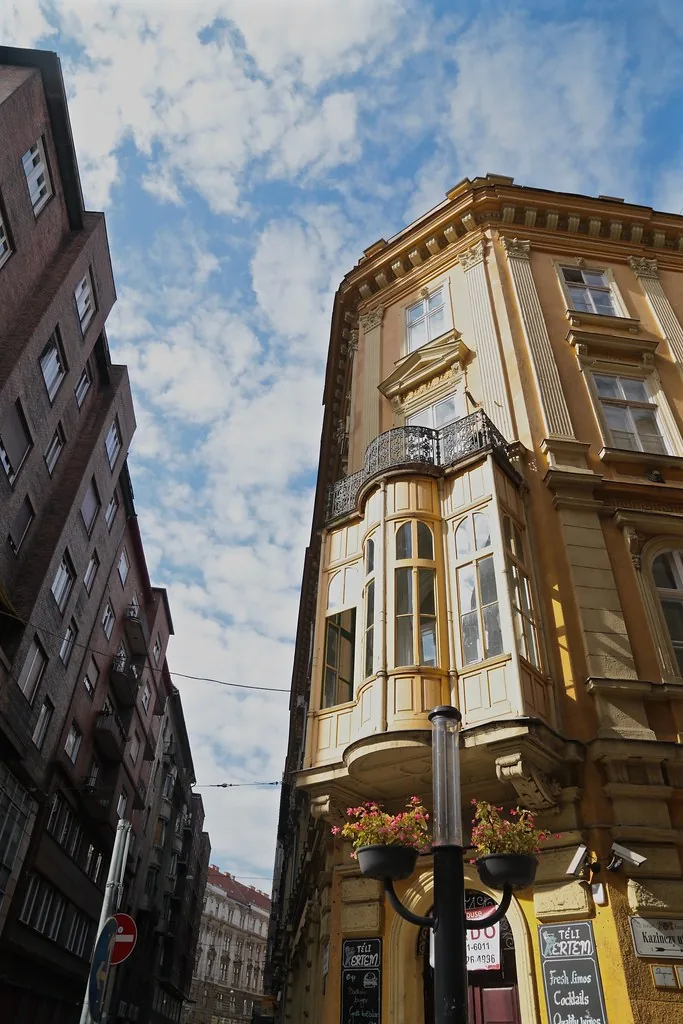
The Great Market Hall (Nagycsarnok) is central — Fővám tér 1–3, right at the southern end of Váci utca — but most visitors skim the tourist stalls on the upper level and leave. Go deeper. The ground floor is a working produce market where locals buy spices, paprika, and fresh meat at prices well below the tourist shops near the front. Buy your Hungarian paprika here rather than anywhere else in the city — a 250g bag costs 600–800 HUF versus twice that on the main shopping street. The stalls at the rear of the upper floor serve hot lángos and goulash for around 1500–2000 HUF per portion.
Szimpla Kert is the most famous ruin bar in the Jewish Quarter (VII. kerület, Kazinczy utca 14) and it earns the reputation. The building is genuinely derelict, the furniture mismatched, and the yard strung with lights year-round. Entry is free on most nights and drinks start at around 1200 HUF for a local beer. Next door is Karavan street food court — the best quick meal stop after a long day on foot, with vegetarian options and plenty of seating outdoors.
Kürtőskalács (chimney cake) stalls are everywhere, but quality varies sharply. Kiraly Kalacs on Király utca in the Jewish Quarter makes them fresh on rotating wooden spits and serves them warm. A plain chimney cake costs 800–1000 HUF and a filled version costs around 1400 HUF. Skip the packaged versions sold near tourist attractions — they are baked hours earlier and lose the crisp exterior that makes the pastry worth eating.
For something more adventurous, Römaipart riverbank in north Buda is where locals eat fried fish and drink beer on summer evenings. It is free to walk the bank and meals average 3000–4500 HUF (€8–12) per person. Take bus 34 from Újpest-Városkapu or the public ferry D12 for a scenic approach. This riverfront strip shuts down almost entirely in October, so plan for May through September.
The Kolodko Mini Statues: A Self-Guided Hunt No One Tells You About
Mihály Kolodko is a Ukrainian-Hungarian guerrilla sculptor who has been placing miniature bronze statues around Budapest since 2010. There are now more than 30 of them hidden across the city — mounted on windowsills, bridge railings, and benches — each depicting a cultural icon, fictional character, or Budapest inside joke. The Dracula figure near the Castle District and the murdered squirrel outside the Central Market Hall are two of the most photographed.
What makes this a practical travel tip rather than just a curiosity is the route logic. Most of the statues cluster in three areas: the Castle District and Margaret Bridge area (Buda side), the Jewish Quarter around Kazinczy and Dob utca, and the Parliament-Kossuth Square stretch along the river. You can cover the Jewish Quarter cluster on foot in under an hour and pass Szimpla Kert and the Great Market Hall on the same walk — no extra transit needed.
None of the major competitor guides give you this route logic. The statues are small — typically 10–15 cm — so you will miss them unless you know to look at ground level and on railings. A searchable map of all locations is maintained at kolodko.hu (Hungarian interface but the map is universal). This activity costs nothing and works as a rainy-day or early-morning activity before the main sites open.
The Metropolitan Ervin Szabó Library: A Local Secret
The Metropolitan Ervin Szabó Library is often missed because it looks like a standard modern building from the street. However, the original 19th-century Wenckheim Palace is preserved inside the larger library complex in the Palace District. You must purchase a specific tourist ticket at the desk to access the historic rooms on the upper floors — the standard library card does not grant access to the palace section.
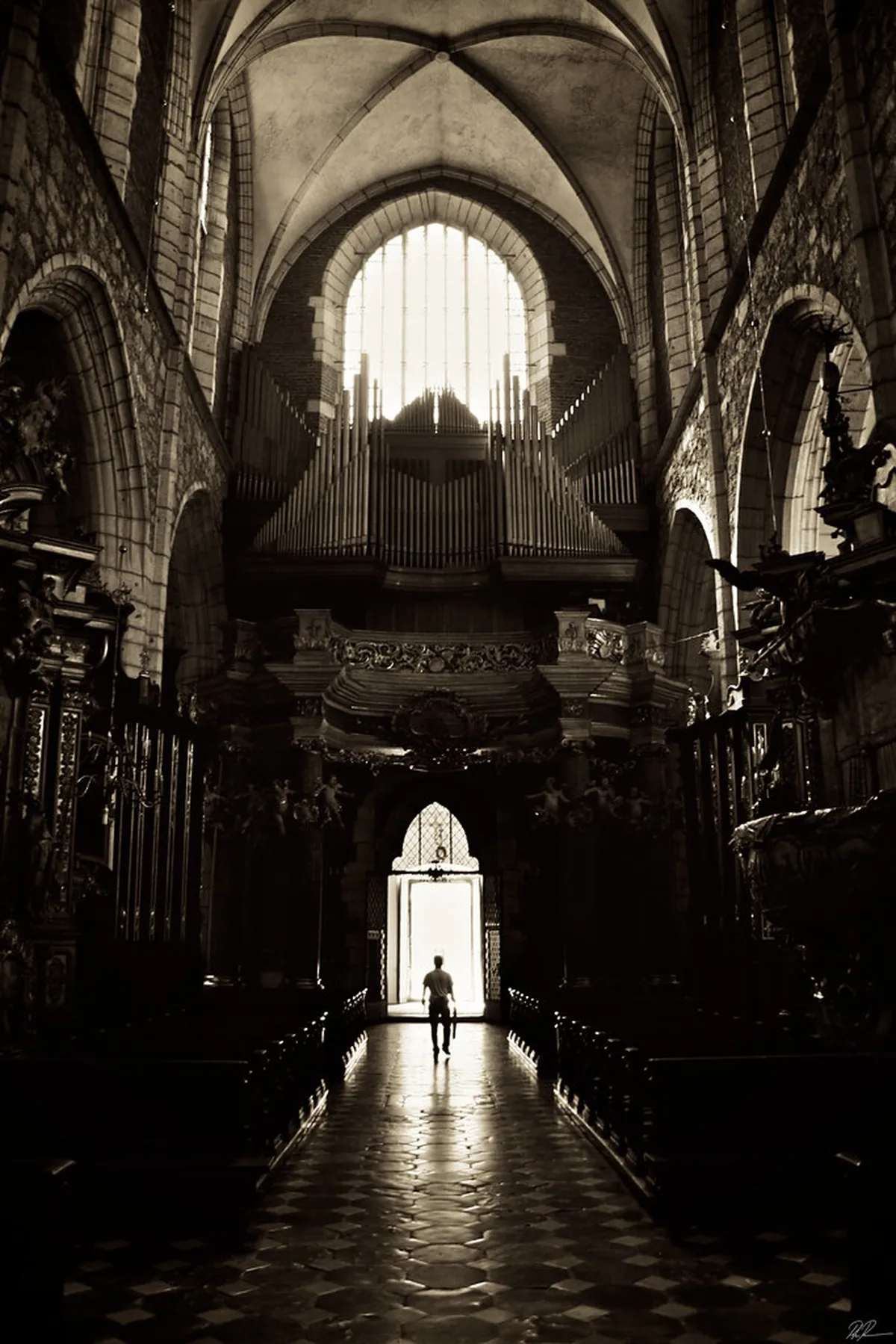
Once inside, you will find massive chandeliers, dark wood carvings, and leather-bound books lining the tall walls. It is one of the quietest places in the city and provides a perfect atmosphere for reading or reflection. The smoking room and the ballroom are particularly impressive examples of neo-baroque design that feel like a film set from the Austro-Hungarian era.
Please remember that this is a functioning library where people are working and studying throughout the day. Keep your voice low and avoid using flash photography to respect the local students. The library is a short walk from several places to visit in Budapest for free located in the nearby National Museum gardens.
Hidden Gems by District: Quick Reference
| District | Key Hidden Gems | Entry Cost (HUF) | Transit Hub |
|---|---|---|---|
| I (Castle Hill) | Hospital in the Rock, Gül Baba's Tomb, Zugliget Chairlift | 1800–7000 | Tram 16, 19 |
| VII (Jewish Quarter) | Ervin Szabó Library, Szimpla Kert, Great Market Hall, Capa Center | 0–3000 | Metro M2, Tram 4, 6 |
| VIII (Palace District) | Füvészkert Botanical Garden, Kerepesi Cemetery | 0–1500 | Tram 37, 62 |
| Gellért Hill | Garden of Philosophers, Elizabeth Lookout Tower | Free–1500 | Bus 27, 127 |
| Margaret Island | Palatinus Strand, Botanical Gardens | 4500–6000 | Tram 4, 6 |
| Memento Park (XI) | Soviet-era statues and monuments | 3000 | Bus 101, 102 |
Where to Stay in Budapest for Hidden Gems Access
District VII is the best base for exploring the hidden gems on this list. The Jewish Quarter puts you within walking distance of the ruin bars, Great Market Hall, Capa Center, and the Ervin Szabó Library. This district also has the broadest range of budget accommodation in the city, from hostel dorms at 5000–8000 HUF per night to mid-range boutique hotels for 25000–40000 HUF. Stories Boutique Hotel on Holló utca is well-reviewed for location and value.
District I (Castle Hill) suits travelers who prioritize the Buda side. You are steps from the Hospital in the Rock, Gül Baba's Tomb, and the Zugliget Chairlift. Accommodation here costs more — expect 35000–65000 HUF per night for a mid-range room — but you avoid the tram journey across the river each morning. Boutique Hotel Victoria on the Danube promenade offers direct views of the Parliament from the Buda bank.
District V (Belváros, the central core) is the most convenient for first-timers who want landmarks close by but still plan day excursions to outer districts. The BKK Futár app tracks trams and buses in real time and makes navigation easy. Tram 2 along the Pest riverbank connects most central hotels to the key metro stations within ten minutes. This is the district where the Aria Hotel Budapest sits — central but pricier at 60000–90000 HUF per night.
A practical note on the Budapest Card: the 72-hour version (around 27000 HUF in 2026) covers unlimited public transit and free entry to several museums including Aquincum and some cave tours. It is worth the cost if you plan to visit five or more paid attractions and use the tram network daily. If you are mainly visiting free outdoor sites — the bullet-hole memorials, Garden of Philosophers, Kerepesi Cemetery — the card will not pay for itself.
Practical Tips for Planning Your Budapest Adventure
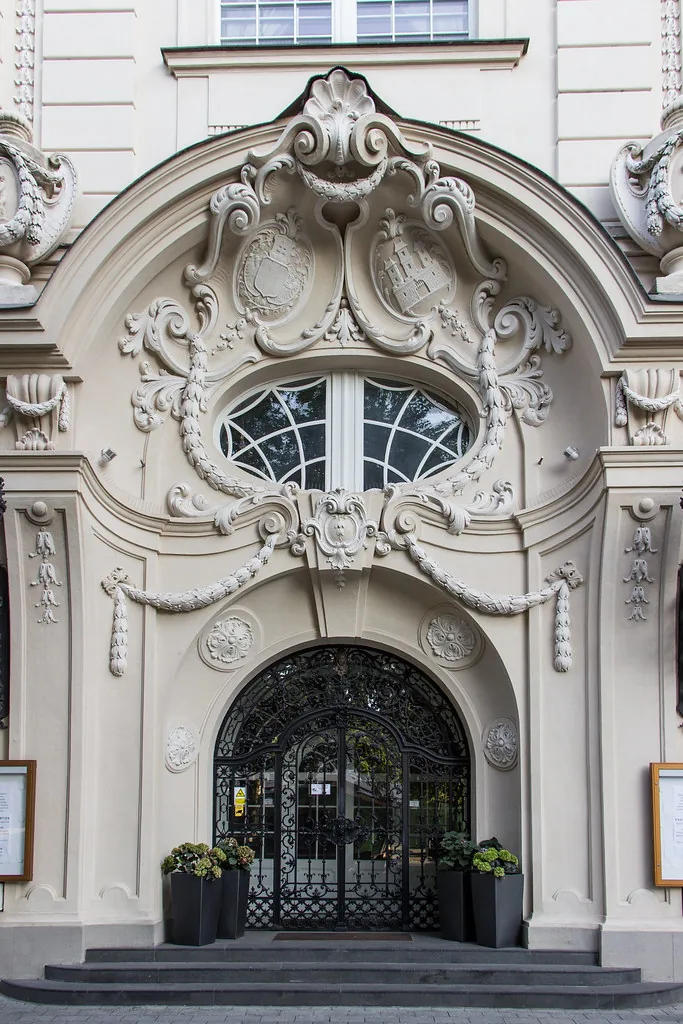
Budapest's districts run I through XXIII in a rough spiral outward from the castle. Knowing this system helps you plan a logical walking route between hidden gems rather than crisscrossing the city unnecessarily. Districts I, V, VI, and VII cover most of the sites on this list and are all connected by tram lines 4 and 6 (the circular grand boulevard route) and tram 2 along the Danube.
Booking tickets online for the Hospital in the Rock and the Buda Castle Labyrinth is essential from June through August — both sell out by noon on peak summer days. Many smaller museums close on Mondays, so plan outdoor sites and walking routes for that day instead. The bullet-hole memorials on Kossuth Square and the Garden of Philosophers are always accessible and require no planning.
Winter visits (November through February) are underrated. Crowds at the Ervin Szabó Library and Capa Center drop significantly and you can often walk straight into timed-entry slots on the day. The Christmas market on Vörösmarty tér runs through late December and is one of the best in Central Europe without being as expensive as Vienna or Prague. Palatinus Strand and the riverbank at Römaipart are closed in winter, so swap those for cave tours in the Buda Hills instead.
Explore hidden gems in other cities
Frequently Asked Questions
How many days do I need to see the hidden gems in Budapest?
You should plan for at least four to five days to see both major sites and hidden gems. This allows you to explore residential districts like the Palace District without rushing. Two days are usually enough for the main landmarks alone.
Is the Budapest Card worth it for non-touristy sites?
The Budapest Card is worth it if you plan to use public transit frequently to reach outer districts. It also provides free entry to several smaller museums on this list. Always calculate your planned entries to ensure the savings exceed the card cost.
What is the best time to visit Budapest to avoid crowds?
Late spring and early autumn offer the best balance of pleasant weather and manageable crowd sizes. May and September are ideal for walking through secret gardens and outdoor markets. Winter is quiet but some outdoor attractions may have shorter hours.
Exploring the hidden side of this Hungarian jewel reveals a city that is much deeper than its famous skyline. By visiting these spots, you will gain a better understanding of the local history, art, and daily life that visitors focused only on the main circuit often miss. The effort to step away from the main tourist trail is always rewarded with more authentic and personal memories.
Whether you are wandering through a quiet cemetery or sipping coffee in a palace library, Budapest never fails to surprise. Pack your walking shoes and an open mind as you prepare for your 2026 journey through these secret locations. Safe travels as you discover the magic that lies just beyond the famous sights of this incredible European capital.
Explore More Budapest Guides
Go deeper into Budapest with our local-first guides — from the districts where Budapesters actually live to ruin bars, lesser-known thermal baths, secret viewpoints, and crowd-free day trips.
Neighborhoods & Districts
- Budapest attractions hub: tickets, hours & maps
- Budapest Neighborhoods Travel Guide
- Jewish Quarter Budapest Guide Travel Guide
- Ujlipotvaros Budapest Neighborhood Guide Travel Guide
- Obuda Budapest Neighborhood Guide Travel Guide
Hidden Gems & Local Life
- Off the Beaten Path Budapest Experiences
- 10 Non-Touristy Things To Do In Budapest (2026) Travel Guide
- 25 Unusual Things to Do in Budapest
- 20 Secret Things to Do in Budapest (2026)
- 10 Essential Tips to Experience Budapest Like a Local
Nightlife, Food & Baths
- Budapest Ruin Bars
- Best Local Restaurants In Budapest Travel Guide
- Lesser Known Thermal Baths In Budapest Travel Guide
Views & Street Art
Itineraries & Day Trips
Free & When to Go
Continue exploring
More guides you'll find useful