Best Time To Visit Budapest Without Crowds Travel Guide
Plan best time to visit budapest without crowds with top picks, neighborhood context, timing tips, and practical booking advice for a smoother trip.
On this page
Best Time To Visit Budapest Without Crowds
Budapest rewards visitors who time their trip well. The Hungarian capital is genuinely worth visiting year-round, but peak crowd levels and prices vary enormously by month. For most travelers, the sweet spots are late spring (mid-April to early June) and early autumn (mid-September to late October). These shoulder-season windows deliver comfortable temperatures, fewer queues at major sights, and mid-range hotel rates. This guide breaks down every season honestly — weather, typical crowd pressure, key events, and the specific weeks to avoid even within the quieter months — so you can pick the timing that actually fits your trip.
One thing most seasonal guides skip: Budapest has crowd spikes that arrive even in shoulder season. The Budapest Spring Festival in late March and April, the Formula 1 Hungarian Grand Prix in late July, and Sziget Festival in mid-August each add tens of thousands of visitors in a short window. Knowing the exact dates of these events — not just the season — is the real key to avoiding crowds in 2026.
Budapest Season Comparison: Weather, Crowds, and Prices
Budapest has a continental climate. Summers are genuinely hot — July averages 25–32°C — and winters can be sharply cold, dropping below freezing in January and February. Spring and autumn sit between these extremes and are the most comfortable months for walking the city.
The table below gives a fast overview. Use it as a starting point, then read the per-season sections for the specific crowd spikes that make certain weeks within each season busier than the general picture suggests.
Best shoulder-season months: May and late September–early October offer the sweetest spot for crowds, weather, and prices. May sees outdoor terraces open with spring energy, while late September maintains summer warmth without the July–August peak. Both months keep hotel rates 25–35% below peak summer.
| Season | Typical Temps | Crowd Level | Hotel Prices | Key Events |
|---|---|---|---|---|
| Spring (March–May) | 4–24°C / 39–75°F | Moderate; spikes during Spring Festival | Mid-range, rising in May | Budapest Spring Festival (April), Easter markets |
| Summer (June–August) | 22–32°C / 72–90°F | High; extreme during F1 and Sziget | High; peak in July–August | Hungarian Grand Prix (late July), Sziget Festival (mid-August) |
| Autumn (September–November) | 7–23°C / 45–73°F | Moderate in September; low by November | Mid-range, falling fast after October | Budapest Wine Festival (September), Palinka Festival |
| Winter (December–February) | -3–5°C / 27–41°F | Low; spikes for Christmas markets in December | Low; best deals in January–February | Christmas markets (late Nov–early Jan), New Year's Eve |
Visiting Budapest in Spring (March to May)
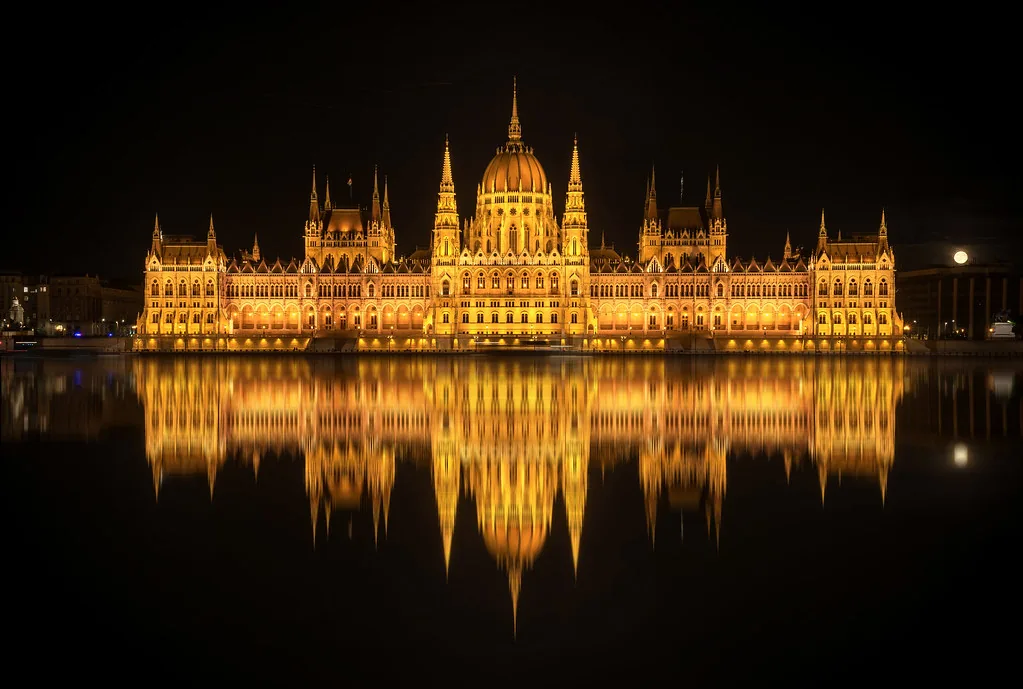
Spring is the single best season for first-time visitors who want to see the city without battling large crowds. March still has a crisp edge — average highs hover around 12°C — but by April and May the temperature climbs to a pleasant 16–24°C. The almond trees on Gellért Hill and the plum trees on Castle Hill bloom in late March and April, making the walk up from the city genuinely beautiful.
The main crowd caveat is the Budapest Spring Festival, which typically runs from mid-to-late April. This classical music and performing arts festival draws both domestic and international visitors, filling hotels in the V and VII Districts and pushing Parliament queue times noticeably longer. If your dates overlap, book Parliament tickets at least two weeks ahead. Outside the festival window, late April and the first half of May are consistently the quietest and most enjoyable weeks of the warm-weather season.
May is worth singling out as a prime month. Tourist numbers are still well below summer peak, the outdoor terraces along the Danube Promenade are open, and Margaret Island is green and walkable without feeling crowded. Average hotel rates in May are 20–30% lower than July. This is also a good month to visit City Park (Városliget), where Heroes' Square, Vajdahunyad Castle, and the Museum of Fine Arts cluster together without summer queues. Explore hidden gems in Budapest that are easiest to reach comfortably during this window.
Visiting Budapest in Summer (June to August)
Summer is the busiest and most expensive time to visit. July and August regularly hit 30–32°C, and short but intense thunderstorms are common in the afternoon. Crowds are thick at every major sight: Buda Castle, the Parliament, Fisherman's Bastion, and Széchenyi Thermal Bath all operate at or near capacity most days. Book accommodation and attraction tickets well in advance — Széchenyi timed-entry slots sell out days ahead in August.
Two events make specific weeks in summer dramatically more crowded than the rest. The Hungarian Grand Prix Formula 1 race at the Hungaroring (typically the last weekend of July) fills the city with an extra 100,000+ visitors. Hotel prices spike 40–60% for that weekend. The Sziget Festival runs for roughly a week in mid-August on Óbudai-Sziget island; during Sziget the entire VII District becomes extremely congested and many locals actively avoid the area. If you are set on visiting in summer, early June is the best compromise — temperatures are warm but not extreme, crowds are lower than July or August, and prices have not yet peaked.
Summer does have genuine advantages worth naming honestly. The city's ruin bars and rooftop terraces are fully operational, evening Danube cruises run until late, and the long daylight hours (sunset after 20:30 in June) mean you can pack in more sightseeing per day. If you are visiting primarily for nightlife or outdoor festivals rather than heritage sightseeing, summer remains the right choice — just plan around the F1 and Sziget dates. Consider visiting lesser-known thermal baths to escape the Széchenyi crowds during this period.
Visiting Budapest in Autumn (September to November)
Autumn is arguably the most underrated season for visiting Budapest. September still feels like a warm extension of summer — highs around 23°C — but the summer tourist rush has ended. October cools to 10–16°C with the Buda Hills turning bronze and amber, making the walk up to Buda Castle especially scenic. November drops further to 5–12°C and is the quietest month of the year for crowd purposes, though the shorter days limit evening exploration.
The Budapest Wine Festival in early September is one of the city's best annual events. It takes place at the Royal Palace grounds in Buda Castle and runs for four days, featuring over 200 Hungarian winemakers. Unlike the summer mega-festivals, Wine Festival crowds are largely domestic and culturally engaged rather than party-focused, so the atmosphere is more relaxed. The Palinka and Sausage Festival follows in October. For the complete calendar of Hungarian events and attractions across the city, check Visit Hungary's official events guide. Both events are worth attending — they add local flavor without pushing tourist density to uncomfortable levels.
One crowd-avoidance note for autumn: the first two weeks of September still see summer-level crowds as European school holidays end at staggered times. The real shoulder-season calm settles in from mid-September onward. Late September and early October are consistently the best weeks: mild weather, manageable queues, and hotel rates that are 25–35% below summer peak. The Great Market Hall on Vámház körút is less overwhelmed in autumn than in summer, making it a better time to actually shop for local products rather than just photograph the stalls.
Visiting Budapest in Winter (December to February)
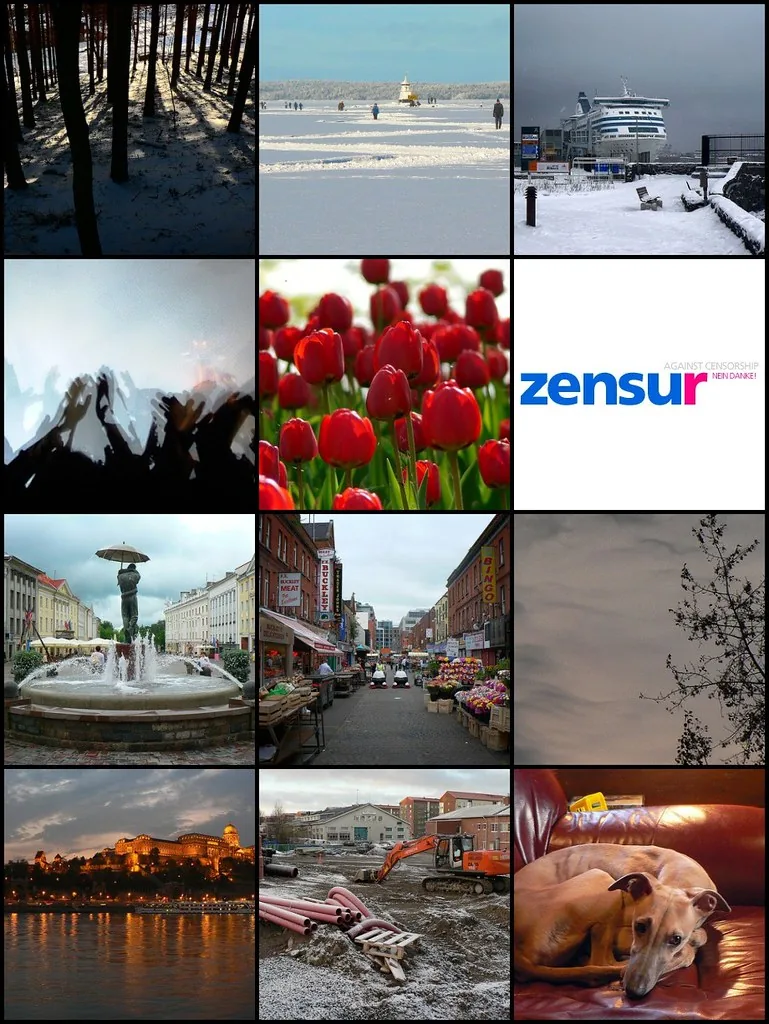
Winter is Budapest's low season for crowds, with one major exception: December. The Christmas markets at Vörösmarty Square and the Basilica of St. Stephen rank among the best in Central Europe, and they draw large domestic and international crowds from late November through early January. Hotel prices during this festive period rival summer rates. If the markets are your reason for visiting, plan to arrive on a weekday and explore early in the day — by 16:00 on weekends the squares become very congested.
January and February are the cheapest and emptiest months to visit Budapest. Temperatures hover around 0–5°C and can drop below -5°C during cold snaps, so this season suits visitors who are comfortable in winter conditions. The payoff is real: you can walk into the Parliament visitor queue within minutes, get a prime spot at Fisherman's Bastion without waiting, and book thermal bath sessions without advance planning. Széchenyi Thermal Bath is genuinely magical in winter — soaking in the outdoor pools while snow falls on the neo-baroque building is an experience that summer visitors never get.
January and February are also the best months to visit Budapest's indoor cultural institutions without competition. The Hungarian National Museum, the Museum of Fine Arts in City Park, and the Hungarian State Opera House all operate without the queues that summer brings. The Opera House in particular is easier to book in winter: standing tickets (from around 500–1000 HUF) go on sale 30 minutes before most performances, which is rarely possible in summer when the house fills well in advance. Explore non-touristy things to do in Budapest that are most accessible in this quieter season.
Crowd Spikes to Know in 2026
Most seasonal guides give you the general picture — spring is quieter than summer — but the real planning edge comes from knowing the specific dates that turn a normally manageable month into a crowded one. Budapest has a dense events calendar in 2026, and several events fall in what travelers typically assume are shoulder-season windows.
Mark these event-driven crowd spikes: Budapest Spring Festival (mid-to-late April), Formula 1 Hungarian Grand Prix (late July — hotel prices spike 40–60%), and Sziget Festival (mid-August — fills the entire VII District). Even if the general season is quiet, these dates push major attractions to capacity. The Citadella reopened in 2026 and now draws significant new crowds on weekend mornings spring through autumn — arrive before 10:00 or visit on weekday afternoons to avoid queues.
The Budapest Citadella on Gellért Hill reopened in 2026 after a years-long restoration. It is now one of the most-visited viewpoints in the city, with a rebuilt fortress interior and panoramic terrace. Expect the Citadella to draw significant new visitor volume this year, particularly on weekend mornings in spring and early autumn. Going early (before 10:00) or on a weekday afternoon significantly reduces waiting time at the entrance. This is a 2026-specific detail that changes the crowd calculus for Gellért Hill, which previously had no admission queue at all.
Key dates to either target or avoid in 2026: the Budapest Spring Festival runs in April; Easter weekend (which falls in April 2026) adds domestic visitors across the city; the Hungarian Grand Prix is scheduled for late July; Sziget Festival occupies mid-August. The Christmas market season begins in late November. Outside these windows — particularly early May, mid-September through October, and January–February — Budapest is genuinely quiet by major European capital standards. These are the weeks when you can walk up to the Parliament entrance without a queue and get a table at a riverside terrace without a wait.
Budapest Planning Cheatsheet
Getting around Budapest is straightforward. The BKK public transport network covers the entire city with four metro lines, dozens of tram routes, and buses. A single BKK ticket costs 450 HUF (about €1.15); a 24-hour pass is 2,500 HUF and covers unlimited metro, tram, and bus rides. The Budapest Go App (available on iOS and Android from bkk.hu) handles journey planning and mobile ticket purchase. For the airport, Bus 100E runs directly to Deák Ferenc Tér every 10–30 minutes; a single ticket costs 1,500 HUF.
Where you stay shapes your crowd exposure significantly. For first-time visitors, the V and VI Districts in Pest put you within walking distance of most major sights without the noise of the VII District's ruin bar scene. If you want quieter nights, the II or XI Districts on the Buda side give a more residential feel — slightly further from the action but well-connected by tram. Avoid staying immediately adjacent to Castle Hill itself; it is beautiful to visit but empty and lifeless after dark, and the walk back involves steep steps or a funicular queue.
For the main sights, advance booking makes a meaningful difference in spring and summer. Parliament tours sell out days ahead in peak season — book via the official website as soon as your dates are fixed. Buda Castle and Fisherman's Bastion are free to walk up to and around (the Fisherman's Bastion towers have a small admission charge), so no advance booking is needed. Thermal baths: Széchenyi and Gellért are the most famous and most crowded; Rudas and Lukács offer the same quality water with shorter queues and lower prices, typically 3,200–4,500 HUF for a standard ticket versus 5,000–6,000 HUF at Széchenyi.
A few practical things most visitors discover too late: Hungary still uses the Hungarian Forint (HUF), not the Euro — exchange at banks or ATMs rather than airport booths, which offer poor rates. Tipping in restaurants is expected at around 10–15%. Tap water is safe to drink throughout the city. Most restaurants and attractions maintain standard hours year-round, but some smaller venues take a break in January; always confirm via Google Maps or the venue's website before a specific trip.
Where to Eat, Drink, and Explore by Season
Budapest's food and drink scene shifts noticeably with the seasons. In spring and summer, the outdoor terraces along the Danube Promenade and in Erzsébet Square fill up quickly on warm evenings — arrive before 19:00 to get a table without waiting. The Great Market Hall on Vámház körút is best visited in autumn and winter, when the tourist density drops and you can actually browse the stalls for local paprika, Tokaji wine, and Hungarian salami rather than navigating through selfie crowds.
For thermal bath visits, timing within the day matters as much as timing within the year. At Széchenyi Thermal Bath, the outdoor pools peak between 11:00 and 15:00 on weekends. Arriving at opening (06:00 on weekdays, 08:00 on weekends) gives you a genuine spa experience. Rudas Thermal Bath on the Buda side operates a women-only day on Tuesdays and a mixed day on Fridays and weekends — the Friday night "Rudas Rave" sessions are a Budapest institution that neither seasonal travel guides nor thermal bath roundups tend to mention. Tickets for Rudas on a standard weekday are around 3,200–4,200 HUF compared to 5,000+ HUF at Széchenyi.
The ruin bar scene in the VII District is worth experiencing but is largely tourist-facing in its current form. For a more local atmosphere, the VIII District around the Grand Boulevard (József körút) and the bars of the IX District along Ráday Street offer similar character at lower prices and with a more mixed local-and-visitor crowd. These neighborhoods are best explored in autumn and winter, when the reduced tourist volume makes the local scene more visible. Day trips from Budapest to places like Szentendre, the Danube Bend, or Eger work best in spring and autumn, when the weather is right for outdoor exploration and the day-tripper crowds are smaller than in summer.
Frequently Asked Questions
What is the Best Time to Visit Budapest?
The best time to visit Budapest is during the shoulder seasons, specifically late spring (mid-April to early June) or early autumn (mid-September to late October). These periods offer pleasant weather and fewer tourist crowds. You can enjoy sightseeing comfortably.
Which best time to visit budapest without crowds options fit first-time visitors?
First-time visitors wanting to avoid crowds should target late April or early May. The weather is mild, and major attractions are less busy. This allows for a more relaxed introduction to the city's highlights.
How much time should you plan for best time to visit budapest without crowds?
To experience Budapest without feeling rushed, plan for at least 4-5 days. This allows ample time for major sights, thermal baths, and exploring different neighborhoods. A longer stay during the shoulder season maximizes your crowd-free experience.
Budapest rewards travelers who pick their timing thoughtfully. The shoulder seasons — late April through May and mid-September through October — consistently deliver the best combination of comfortable weather, manageable crowds, and fair prices. Winter is genuinely crowd-free outside the Christmas market period and suits visitors focused on thermal baths and cultural institutions. Summer is lively but requires careful planning around the F1 and Sziget dates. Wherever your dates land, knowing the specific event-driven crowd spikes is more useful than the general seasonal advice alone.
Whether you are drawn to the thermal baths, the Danube skyline, the ruin bars, or the historic neighborhoods of Buda, Budapest's appeal does not depend on the season — it depends on how well you plan around the calendar. Start with your dates, check the event schedule, and book accommodation and Parliament tickets early. Then let the city do the rest. Check our guide to day trips from Budapest to extend your itinerary into the wider region.
Continue exploring
More guides you'll find useful