12 Best Hidden Gems in Barcelona (2026 Travel Guide)
Discover 12 hidden gems in Barcelona with this 2026 guide. Find quiet parks, secret Gaudi houses, and local markets away from the crowds.
On this page
15+ Hidden Gems in Barcelona for an Authentic Experience
Barcelona received roughly 32 million visitors in 2024 — and many of them spent the whole trip shoulder-to-shoulder on Las Ramblas or queuing two hours for Sagrada Família. That same summer, local residents in Barceloneta took to the streets with water guns to spray tourists, a headline-grabbing protest that reflected years of frustration over overcrowded beaches, soaring rents, and the displacement of long-term residents. The city has since revoked thousands of short-term rental licences and capped tourist numbers at key monuments. Finding off the beaten path spots in Barcelona is no longer just a travel preference — it is the most responsible way to visit the city in 2026.
This guide lists 15 hidden gems grouped by neighborhood, so you can plan a day around one area rather than bouncing across the entire metro map. Each entry includes practical transport directions, current admission prices in EUR, and an honest note about how crowded it actually gets. We have refreshed all hours and pricing for 2026.
A quick note on the anti-tourism tension: the protests were not directed at individual travelers but at the system that has commodified entire neighborhoods. The best response is simple — eat at a place without laminated menus, buy something from a local shop, and keep noise levels down in residential squares. These 15 places naturally lead you toward that kind of visit.
Key Takeaways
- Best Overall: Hospital de Sant Pau — Modernist masterpiece with far fewer crowds than Sagrada Família, only a five-minute walk away.
- Best Free Viewpoint: Bunkers del Carmel — 360-degree panorama at zero cost; go at sunrise to beat the sunset crowd.
- Best for Families: Parc del Laberint d'Horta — real hedge maze, shaded gardens, and a €2.50 entry fee (free Wednesdays and Sundays).
- Best Rainy Day: CosmoCaixa science museum — interactive exhibits and a live Amazon rainforest inside the building.
- Best Cheap Drink: Antic Teatre garden bar in Born — beer from €2, vermut from €3, bohemian courtyard atmosphere.
Reasons to Experience Barcelona Off the Beaten Path
The main tourist zones are genuinely worth seeing — the Sagrada Família interior is extraordinary — but the experience has been degraded by volume. On a peak summer day, the queue for Casa Batlló can stretch 45 minutes just to reach the ticket window, even with a timed booking. The feeling of moving through a conveyor belt of selfie-sticks is not what most people travel for. By choosing 27 Unique Things to Do in Barcelona: Hidden Gems & Local Secrets, you reclaim the pace that makes a city visit memorable.
There is also a practical financial argument. Food prices in the Gothic Quarter tourist corridor are routinely double what you pay three streets away. A menu del día — three courses with wine and bread — runs €12 to €15 in local neighborhoods like Gràcia, Sant Antoni, or Poblenou. The same format on Passeig de Gràcia costs €25 to €35. A family of four saves real money by eating where locals eat.
Finally, the city is actively trying to redirect tourist footfall. In 2024, Barcelona's mayor announced plans to phase out the remaining tourist-zone Airbnb licences by 2028 and introduced new daily visitor caps at Park Güell's Monumental Zone. Staying in Eixample or Gràcia and exploring neighborhoods beyond the center puts you on the right side of that shift, and makes for a better trip besides.
The Tourist Zones: Worth Seeing, But at What Cost?
You cannot skip Gaudí's major works on a first visit — nor should you. Sagrada Família is genuinely unlike anything else in Europe. But you can be smart about how you experience the tourist circuit. Book the first entry slot of the day (09:00) for any paid monument; crowds peak between 11:00 and 15:00. At Park Güell, the free outer gardens are beautiful and unrestricted; the paid Monumental Zone is worth visiting once but does not need to dominate your itinerary.
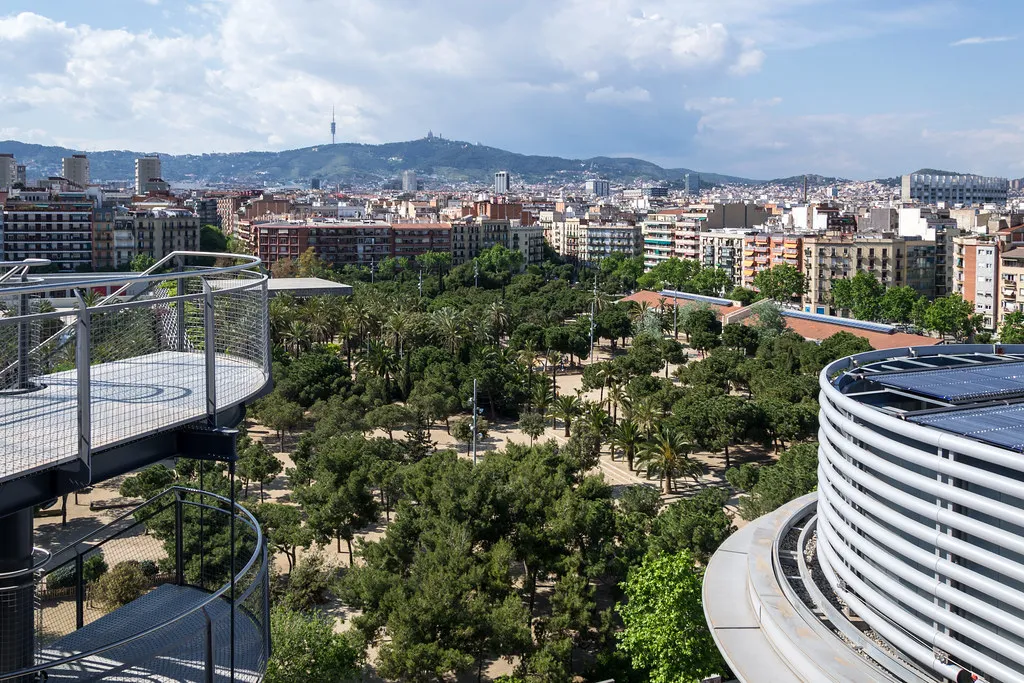
The hidden cost is not just money — it is mental bandwidth. After a morning in the Boqueria market crowds, most people are too drained to enjoy the afternoon. A better strategy is to do one major monument per day, then spend the rest of the day in a neighborhood from this list. You leave each day feeling you have seen something real, not just ticked a box.
One concrete tip: the area immediately around Sagrada Família, specifically Avinguda de Gaudí, is underused by most visitors who arrive, photograph the exterior, and leave. Walk five minutes down that avenue and you arrive at Hospital de Sant Pau — arguably more beautiful, far less crowded, and covered by most Barcelona museum passes.
15 Best Hidden Gems in Barcelona
These spots are grouped roughly by area to help you plan efficient days. Prices are standard adult admission in EUR as of 2026; many sites offer discounts for students and over-65s, and several are free on the first Sunday of the month. Always verify holiday closures on the official website before visiting, as local festivals occasionally affect schedules.
| Hidden Gem | Entry Cost | Free Option | Metro | Visit Time |
|---|---|---|---|---|
| Bunkers del Carmel | Free | Always free | Bus V17 | 45–60 min |
| Hospital de Sant Pau | €16–19 | 23 Apr, 24 Sep | L5 Sant Pau–Dos de Maig | 90 min |
| Casa Vicens | €18–22 | No | L3 Fontana | 90 min |
| Parc del Laberint d'Horta | €2.50 | Wed & Sun | L3 Mundet | 60–90 min |
| Monestir de Pedralbes | €5–7 | 1st Sun of month | FGC Reina Elisenda | 60 min |
| Refugi 307 | €4 | No | L2/L3 Paral·lel | 45 min |
| CosmoCaixa | €8 | Under 16 free | FGC Av. Tibidabo | 2–3 hrs |
Montjuïc & the Southern Slopes
- Bunkers del Carmel Viewpoint
- Former anti-aircraft fortifications from the Spanish Civil War, now the finest 360-degree viewpoint in the city — and completely free.
- Located in the El Carmel neighborhood; take bus V17 to Gran Vista, then walk uphill 10 minutes.
- Arrive before 08:00 for silence. By 20:00 on weekends it fills with local families and picnic groups — still worth it, but a different atmosphere.
- Step inside the bunker structure itself; the interpretive plaques explain the wartime history most visitors walk straight past.
- Jardins de Mossèn Costa i Llobrera (Cactus Garden)
- A specialized botanical garden on the Montjuïc slope with over 800 species of cacti and succulents from desert regions worldwide.
- Entry is free; open daily from 10:00 until sunset. The microclimate here runs several degrees warmer than the city center — ideal in winter.
- The views face Barcelona's industrial port, an angle most tourists never see. On clear days you can see the cruise terminal and the Besos delta.
- Combine with the nearby Teatre Grec gardens for a full Montjuïc afternoon without paying admission anywhere.
- Teatre Grec Amphitheatre
- Carved into a former quarry for the 1929 International Exposition, this open-air theater is surrounded by pine trees and almost entirely empty outside festival season.
- The surrounding gardens are free to enter daily from 10:00. The rose garden adjacent to the theater peaks in May.
- In summer (late June to August) the Grec Festival uses the stage for theatre and dance performances; tickets sell out fast but are worth booking.
Gothic Quarter & El Raval
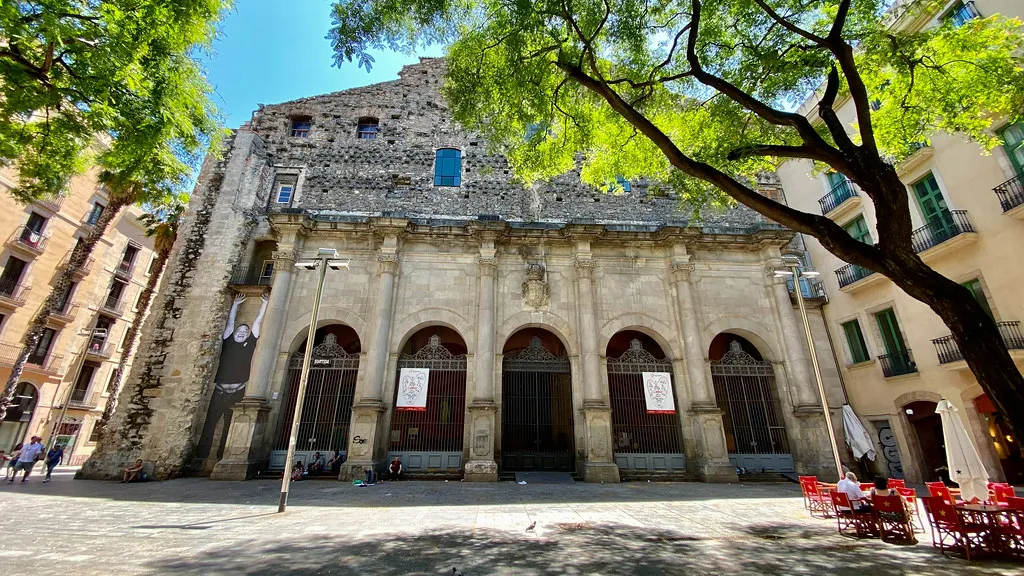
- Plaça de Sant Felip Neri
- A small square tucked behind the Cathedral, accessible only through a narrow alley most visitors walk straight past.
- The church walls bear deep shrapnel scars from a 1938 bombing during the Civil War; the holes are still visible and unmarked, which makes them more striking.
- Visit early morning — by 08:30 the local primary school children are in class and the square is silent except for the fountain. It is the most peaceful spot in the Gothic Quarter.
- No admission fee. The surrounding school and church have private hours; the square itself is always accessible.
- Museu Frederic Marès
- A sculptor's vast personal collection housed in part of the medieval Royal Palace, hidden on a quiet courtyard square just behind the Cathedral.
- The upstairs "Collector's Cabinet" — thousands of everyday 19th-century objects, from fans to pipes to scissors — is unlike any other museum in the city.
- General admission is €4.40, and entry is free on the first Sunday of the month and every Sunday from 15:00. The shaded courtyard café is one of the calmest spots in the Barri Gòtic.
- El Jardí Bar in El Raval
- A bar and garden hidden in the courtyard of the 15th-century Hospital de la Santa Creu, which now houses the Biblioteca de Catalunya.
- Enter through the library gates on Carrer de l'Hospital; there is no sign visible from the street.
- No entry fee. Drinks run €4 to €10. Orange trees provide shade from midday heat. Come for an afternoon drink rather than a meal — the food is overrated.
- Refugi 307 Air Raid Shelter
- A 200-metre tunnel system dug by Poble-sec residents in 1937 to shelter from Nationalist bombing raids. The network once extended to over 1.5 km.
- Guided tours cost €4 and must be pre-booked via the MUHBA website. Tours depart from Carrer de Nou de la Rambla 169 in Poble-sec.
- Bring a light layer — the tunnels stay at 17°C year-round. Tours run in Catalan, Spanish, and English; check the schedule when booking.
Eixample, Gràcia & Hospital de Sant Pau Corridor
- Hospital de Sant Pau Recinte Modernista
- A former hospital complex designed by Lluís Domènech i Montaner and completed in 1930 — a UNESCO World Heritage Site and one of the largest Modernist structures in the world.
- Tickets cost approximately €16 to €19 for adults; open daily 10:00 to 18:30. Book online to skip the small ticket office queue.
- Located at the end of Avinguda de Gaudí, five minutes on foot from Sagrada Família. Many visitors walk between the two on the same morning.
- The pavilion interiors are open for self-guided exploration; the mosaic ceilings and stained glass rival anything on the main tourist circuit.
- Casa Vicens — Gaudí's First House
- Designed in 1883 when Gaudí was 31, this Orientalist summer house predates his mature style and shows strong Mudéjar and Japanese influences most people do not associate with him.
- Located on a side street in Gràcia (Carrer de les Carolines 20); entry is approximately €18 to €22 per adult. Open daily 10:00 to 20:00.
- Queues here are far shorter than at Casa Batlló or Casa Milà, even at midday in August. The rooftop chimney designs foreshadow elements that appear 20 years later in Casa Milà.
- CosmoCaixa Science Museum
- A science museum in the Sarrià-Sant Gervasi district that consistently surprises visitors who walk in expecting a dry exhibit hall. The centrepiece is a 500-square-metre tropical rainforest constructed inside the building, with capybaras and living Amazon species.
- Entry is approximately €8 for adults, free for children under 16. Open Tuesday to Sunday 10:00 to 20:00; closed Mondays.
- Reach it via the Avinguda Tibidabo tram from Plaça Kennedy, or metro L7 to Av. Tibidabo. One of the best rainy-day plans in the city for families and solo travelers alike.
Horta & the Northern Edge
- Parc del Laberint d'Horta
- The oldest park in Barcelona, built in 1791 by the Marquis of Llupiá around a genuine cypress hedge maze with two-metre walls. Renovated in 2022, the labyrinth is in excellent condition.
- Entry costs €2.50 per adult; free on Wednesdays and Sundays. The park limits visitor numbers, so arrive early on free days — the gate fills by 10:30 on summer Sundays.
- Take metro L3 to Mundet and follow signs for a five-minute walk. The neoclassical statuary scattered through the upper gardens is largely ignored and worth seeking out.
- Best for families with children under 12. The maze is genuinely navigable at that age without being frustratingly difficult.
- Carretera de les Aigues
- A 20-kilometre historic water-channel road that runs along the Collserola ridge above Barcelona, with unobstructed city views the whole way. This is where local families walk, cycle, and jog on weekends — virtually no tourists.
- The most direct access is the Funicular de Vallvidrera from Peu del Funicular station (L6 line). The path is flat, shaded, and entirely free.
- Go early on a clear morning for the best light across the city. The trail connects eventually to Tibidabo, making a multi-hour loop possible. Bring water — no cafes along the path itself.
Pedralbes & the Western Districts
- Monestir de Pedralbes
- A Gothic monastery founded in 1326, located in the leafy Pedralbes residential district. The three-storey cloister is one of the most beautiful in Europe and the building receives a fraction of the visitors it deserves.
- Tickets are approximately €5 to €7 per adult; open Tuesday to Sunday until 19:00. Reach it via the V5 bus from Plaça Francesc Macià or the L6 FGC train to Reina Elisenda.
- The medicinal herb garden inside the cloister still grows species used by the Poor Clare nuns centuries ago. The Capella de Sant Miquel contains 14th-century frescoes by Ferrer Bassa that are among the finest Gothic paintings in Catalonia.
Born, Poblenou & the East
- Antic Teatre Garden Bar
- A cultural centre in a side street near the Palau de la Música that conceals a courtyard garden bar through an unmarked door. Beer costs €2, vermut €3 — the cheapest garden terrassa in the Born district by a significant margin.
- Located at Carrer de Verdaguer i Callís 12. No entry fee for the bar; the main hall hosts independent theatre and music shows, some free.
- Arrive between 19:00 and 21:00 on weekday evenings when the crowd skews local. Weekends draw a younger mixed crowd. The bohemian vibe is genuine, not performed.
- Mercat de Santa Caterina
- Built on the ruins of a medieval convent and covered by an undulating ceramic mosaic roof designed by Enric Miralles in 2005 — it is architecturally more interesting than La Boqueria and far less crowded.
- Entry is free. Generally open Monday to Saturday from 07:30 to 15:30, with extended hours Thursday and Friday to 20:30. Located in Sant Pere, two minutes from the Picasso Museum.
- The bar inside the market serves fresh seafood tapas and market-price fish. Prices are roughly half of what you pay on tourist-facing streets. Order the cloïsses (clams) or the escopinyes (cockles) with bread and wine for under €15 per person.
- Nau Bostik Cultural Space
- A former textile factory in La Sagrera transformed into a hub for street art, vintage markets, and food events. The permanent murals covering the exterior and interior courtyards change regularly and represent some of the best large-scale urban art in the city.
- Entry is typically free for the gallery areas; some events have a small cover charge. Located a short walk from La Sagrera metro station on L1 and L9.
- Check their Instagram for the monthly vintage market schedule — these weekend events draw local designers and second-hand dealers rather than tourist-souvenir vendors.
Explore the Hidden Gems in Barcelona by Neighborhood
The Gràcia district operates on its own clock. It was an independent municipality until 1897 and that autonomy still shows — the squares here feel like village piazzas rather than urban plazas. Plaça de la Virreina and Plaça del Sol are genuinely local gathering points where neighbors drink coffee and argue about football, not tourist amplifiers. Gràcia is also the most practical base for accessing Casa Vicens, Carretera de les Aigues via funicular, and Park Güell's free outer gardens in a single day.
In Poblenou, the 22@ innovation district has quietly become one of the more interesting urban neighborhoods in southern Europe. Old textile factories now house design studios and architecture firms. The Rambla del Poblenou is a local promenade with no souvenir stalls, and the neighborhood beaches at Bogatell and Mar Bella are where local families actually swim, far from the Barceloneta crowds. Nau Bostik is the easiest introduction to this area if you are visiting for the first time.
El Born straddles the line between tourist and local with more success than most central neighborhoods. Antic Teatre, the Mercat de Santa Caterina, and the Born Centre de Cultura i Memòria (which preserves the ruins of houses demolished in 1714 after the siege of Barcelona) are all within a 10-minute walk. The Sant Antoni market on the Raval border is worth a Sunday morning for its book and antiques section — open 09:00 to 15:00, free to browse.
Where to Stay Near Barcelona's Hidden Gems
Eixample is the most practical base for first-time visitors: flat, well-connected by metro, and close to both the main monuments and the neighborhoods on this list. Avoid the blocks immediately around Las Ramblas — they combine high prices with noise and a pick-pocket risk that other central areas do not have. The Eixample grid between Gran Via and Diagonal, west of Passeig de Gràcia, is quieter and approximately 20% cheaper per night.
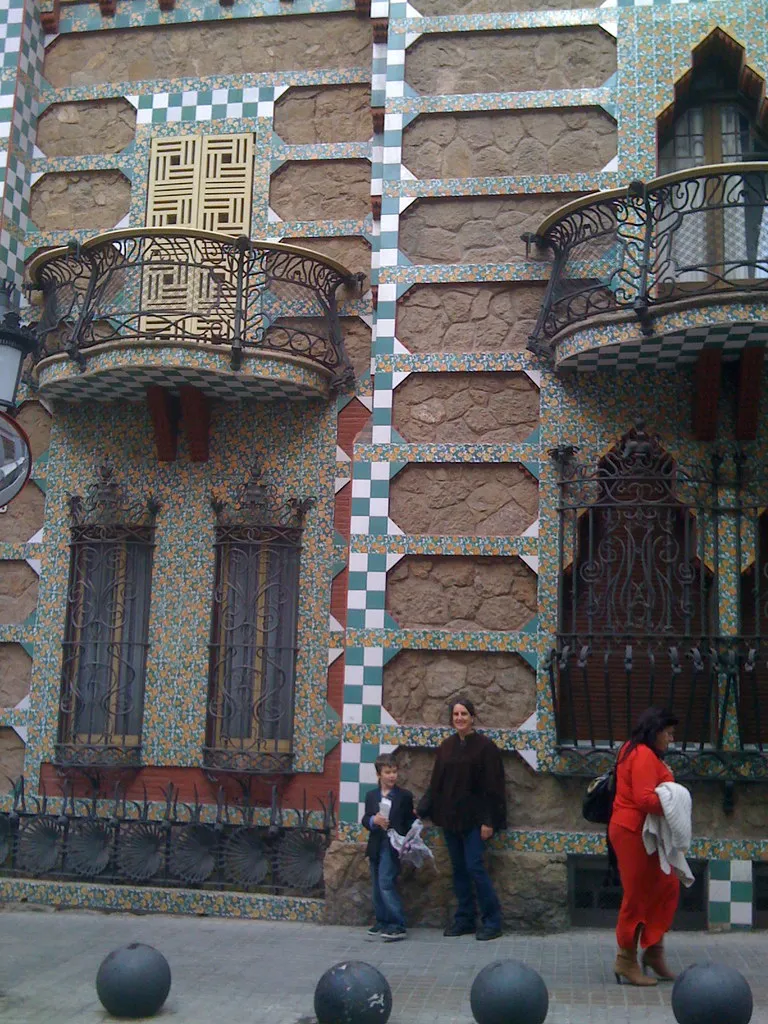
For a more local experience, Gràcia is the best choice. You wake up in a residential neighborhood, buy breakfast at a corner bakery, and walk to Casa Vicens in 10 minutes. The Fontana metro station (L3) connects you to the Gothic Quarter in under 15 minutes. Note that short-term rental availability in Gràcia has tightened since the 2024 licence revocations — book accommodation early if visiting in July or August 2026.
Poblenou is the best option for visitors who want beach access without Barceloneta prices. It is 20 minutes from the Gothic Quarter by metro (L4 to Bogatell or Selva de Mar), 10 minutes' walk to the beach, and surrounded by good mid-range restaurants. The trade-off is distance from the Montjuïc and Pedralbes gems on this list, which require 30-plus minutes by public transport.
How to Plan a Smooth Hidden Attractions Day
Group gems by neighborhood to minimize metro time. A strong Montjuïc day covers Jardins de Mossèn Costa i Llobrera (free, morning), Refugi 307 (book in advance), and Teatre Grec gardens — all within 25 minutes of each other on foot or by the Montjuïc cable car. A Gràcia–Eixample day links Casa Vicens, Hospital de Sant Pau, and Parc del Laberint d'Horta (the latter requires a separate metro leg north, but fits a full day easily).
Download the TMB app for real-time bus and metro updates. The T-Casual 10-journey card costs approximately €12.15 for Zone 1 (2026 price) and is shareable — better value than single tickets for any visit longer than two days. Note that Bunkers del Carmel requires a final uphill walk from any bus stop; comfortable shoes are non-negotiable.
The T-Casual 10-journey card (€12.15 in 2026) is shareable between multiple people — a family of four using it together makes each metro trip just €0.30 per person, far cheaper than single tickets at €2.40 each.
Several sites on this list have limited daily capacity. Refugi 307 tours book out weeks in advance in summer. Parc del Laberint d'Horta reaches its visitor cap by mid-morning on free Sundays. Book anything requiring a timed entry at least 48 hours ahead. For everything else, the first entry slot of the day gives you the best experience and the shortest wait.
Refugi 307 air-raid shelter tours sell out weeks in advance in summer — book via the MUHBA website as soon as your dates are confirmed, and bring a light layer as the tunnels stay at 17°C year-round.
Carry a small amount of cash. Some vermuteries and market bars near these sites are card-unfriendly. A €20 note covers drinks and a snack in most local neighborhoods without issue. Learning bonjour in French is useless here — try hola in Spanish first, and bon dia in Catalan if you want to visibly delight a local shopkeeper.
Is Barcelona Worth Visiting Beyond the Main Sights?
Unambiguously yes. The main sights tell you what the city built; the neighborhoods on this list tell you how people actually live. The gap between those two things is larger in Barcelona than in almost any comparable European city, and the distance you need to travel to cross it is often less than 15 minutes on foot.

The anti-tourism protests of 2024 were a signal worth heeding. The residents who live near the Bunkers del Carmel, in the Gràcia squares, or around Santa Caterina Market have not abandoned their neighborhoods — they are still there, still gathering for vermut on Friday afternoons. That is only possible because these places have not yet been fully absorbed into the tourist circuit. The official Barcelona tourism board now emphasizes authentic neighborhood experiences over mass-market circuits. The window to visit them as a curious outsider rather than a managed consumer is still open in 2026, but it will not stay open indefinitely.
Combine the iconic monuments with two or three items from this list and you leave with a genuine picture of the city. The 12 Secret Viewpoints in Barcelona offer that perspective literally — the Bunkers view places every landmark you visited in physical relationship to every neighborhood you walked through. That is the most useful thing a city can show you before you leave. Visiting Barcelona outside peak season compounds all of this; the winter months turn even the well-known spots quiet enough to enjoy properly.
Explore hidden gems in other cities
Frequently Asked Questions
What are the best Barcelona hidden gems worth visiting?
The Bunkers del Carmel and Hospital de Sant Pau are top choices for their unique views and architecture. These sites offer a more peaceful experience than the main tourist hubs while providing deep historical context. They are easily accessible by public transport from the city center.
How much time should you plan for hidden gems in Barcelona?
Plan for at least three to four days to explore these sites without rushing. Most hidden gems require 60 to 90 minutes each, plus travel time to outer neighborhoods like Horta or Pedralbes. A slower pace allows you to enjoy the local atmosphere in nearby cafes.
What should travelers avoid when planning hidden gems?
Avoid visiting popular hidden spots like the Bunkers on weekend evenings when local crowds are at their peak. You should also avoid assuming every site is open daily, as some smaller museums have limited hours. Always check for reservation requirements at least 48 hours in advance.
Barcelona is a city that rewards stubbornness. The tourists who line up at the same four monuments, eat on the same two streets, and stay in the same tourist-zone apartments are having one version of the city. The travelers who take the V17 bus to the Bunkers at dawn, sit in the Sant Felip Neri square at 08:30, or drink €2 vermut at Antic Teatre on a Tuesday evening are having another. This list gives you the tools for the second version.
The 2024 protests were uncomfortable but honest: Barcelona is under genuine pressure from mass tourism, and the city's residents know it. The most respectful response is not to avoid visiting — it is to visit better. Spend money in neighborhood restaurants, move through the residential squares quietly, and treat the shrapnel holes in Sant Felip Neri's church walls with the gravity they deserve. These 15 gems are places where that kind of engagement is still possible in 2026.
Explore More Barcelona Guides
Barcelona rewards travelers who wander past the obvious — into the Art Nouveau backstreets of Sant Antoni, the industrial murals of Poblenou, or a hilltop bunker with a view no postcard captures. Every guide below goes deeper into a specific neighborhood, landmark, or local ritual that sits outside the tourist circuit.
Neighborhoods & Districts
- Barcelona attractions hub: tickets, hours & maps
- Gràcia neighborhood guide
- El Born
- El Raval
- Poblenou
- Sant Antoni
Gaudí & Modernisme
Viewpoints & Free Things
- Bunkers del Carmel
- Secret viewpoints
- Free things to do
- Off-the-beaten-path spots
- Unique things to do
Food, Drink & Local Life
Continue exploring
More guides you'll find useful