27 Unique Things to Do in Barcelona: Hidden Gems & Local Secrets (2026)
Discover 27 unique things to do in Barcelona, from hidden labyrinths and wine spas to local flea markets and off-the-beaten-path neighborhoods.
On this page
27 Unique Things to Do in Barcelona
After exploring Barcelona's winding streets for several years, I still find secret corners that most guidebooks completely overlook. Our editors have curated this list to help you escape the massive crowds at the most famous landmarks. This guide was last refreshed in May 2026 to ensure all pricing and hours are accurate for your trip.
Finding unique things to do in Barcelona requires stepping away from the standard postcard views and looking for local rituals. You might find yourself sipping vermut in a century-old bodega or getting lost in a neoclassical hedge maze. These experiences define the true soul of the city beyond the generic tourist trail.
One practical note for 2026: Barcelona has tightened its approach to mass tourism significantly. The city raised its tourist tax to €4 per night in 2024, banned new short-term rental licenses in most districts, and introduced pre-booking requirements at several parks and viewpoints. This works in your favour if you plan ahead — the city actually feels calmer for prepared visitors than it did three years ago.
Drool Over the Sagrada Familia (With a Local Twist)
There is no attraction more synonymous with Barcelona than the Sagrada Familia, a Gaudí creation that has been under construction for over 140 years. With three intricate facades and 18 towers planned, it is genuinely unlike any church on earth. Tickets range from €26 to €36 depending on tower access, and the basilica opens daily from 09:00.
The local twist is timing. Book the last entry slot of the day — around 19:30 in summer — and watch the stained glass on the Nativity facade ignite in deep amber and cobalt as the western sun hits it. This is the shot every photographer arrives before dawn to avoid missing. Midday light turns the same windows flat and pale.
Skip the standard audio guide and pay the small supplement for a tower lift. The Nativity Tower gives you a closer look at the stone forest of columns than any ground-floor view can offer, and crowds thin noticeably once you are above the main floor.
Drool Even Harder at the Palau de la Musica Catalana
Built in the Catalan Modernista style by Lluís Domènech i Montaner, the Palau de la Musica Catalana is one of the most visually overwhelming concert halls in the world. Its inverted stained-glass dome, designed to look like a sunburst falling from the ceiling, is the centrepiece. The hall is a UNESCO World Heritage Site and tightly capacity-controlled — it never feels like the Sagrada Familia scrum.
You have two ways in. A guided tour costs around €22 and runs from 09:00 to 15:30 daily; it lets you photograph the empty hall with no audience blocking the sightlines. Attending a live performance — concerts run from €20 to €150 depending on the programme — is the superior experience if you care about acoustics as much as aesthetics. The acoustics here are extraordinary; even chamber music fills the space effortlessly.
The cheaper move is to book a morning tour as early as possible, then linger in the bar below the hall for a coffee before the tour groups arrive. Arrive 20 minutes early and the foyer — all wrought iron and floral mosaics — is almost empty.
Indulge in a Traditional Catalan Food Tour
Most tourist menus in Barcelona sell paella and sangria, neither of which is particularly Catalan. The real local repertoire is wider and stranger: fideuà (noodle paella with garlic aioli), esqueixada (shredded salt cod salad), pa amb tomàquet (bread rubbed with ripe tomato and olive oil), botifarra sausage, and crema catalana for dessert.
Guided food tours focused on the Sant Antoni district or Poble Sec typically cost €75 to €120 per person and last three to four hours. They work well because a good guide will distinguish between tourist-trap restaurants and the bodegas where locals actually eat — the rule of thumb being that any place with photos on the menu or a tout standing outside should be avoided.
If you want a single unmissable ritual, try fer el vermut: meeting friends at a bar on a Sunday at around midday, ordering a glass of red vermouth and a plate of patatas bravas, and staying until lunch slips past 14:00. Poble Sec's Carrer de Blai and the Gràcia neighbourhood are the best streets for this. Bodega d'en Rafael near Barceloneta is a classic standing-room option.
Eat Your Way Through a Fresh Food Market
La Boqueria is undeniably photogenic, but by 10:00 on any given morning it is a corridor of tour groups and vendors who would rather sell you a €5 slice of fruit than let you browse. Most stalls near the entrance now cater almost exclusively to tourists. The genuine produce traders have retreated to the back or moved out entirely.
The better alternative is Mercat de Santa Caterina in El Born — same undulating, colourful roof from the outside, a fraction of the foot traffic inside. It opens at 07:30 Monday to Saturday and closes by 15:30 on most days. For a more neighbourhood feel, Mercat de Sant Antoni on the edge of Raval doubles as a fresh market on weekdays and a weekend flea market for vintage books, clothing, and antiques on Saturdays and Sundays from 08:30 to 14:00. Mercat del Ninot in left Eixample is another solid choice for excellent seafood tapas at the bar counters inside.
If you want to combine a market visit with something hands-on, several operators run morning market tours that end with a cooking class in a nearby kitchen. Expect to pay €80 to €110 for the combined experience. These tend to depart from Boqueria or Santa Caterina at around 09:00, giving you the market before the midday rush hits.
| Market | Days open | Hours | Entry | Best for |
|---|---|---|---|---|
| La Boqueria | Mon–Sat | 08:00–20:30 | Free | Visual spectacle (go before 09:30) |
| Mercat de Santa Caterina | Mon–Sat | 07:30–15:30 | Free | Local produce, lower prices |
| Mercat de Sant Antoni | Mon–Sat (food); Sat–Sun (flea) | 08:00–20:00 / 08:30–14:00 | Free | Books, vinyl, vintage on weekends |
| Els Encants flea market | Mon, Wed, Fri, Sat | 09:00–20:00 | Free | Auctions start before 08:30 |
Wander the Hidden Alleys of El Born
El Born is officially called Barri de la Ribera but everyone uses the neighbourhood nickname. It sits between the Gothic Quarter and the beach, and it concentrates a remarkable amount into a small grid: the Gothic church of Santa Maria del Mar, the El Born Cultural Centre with its exposed 18th-century ruins, the Picasso Museum, the Moco Museum, and dozens of independent leather workshops and chocolate makers. Check out our El Born neighborhood guide for a full street-by-street breakdown.
Santa Maria del Mar is worth a specific mention. It is the only major Gothic church in Barcelona built in a single architectural campaign, which gives it a unity that the Barcelona Cathedral — built over centuries — cannot match. There is an FC Barcelona crest hidden in one of the stained glass windows, added when the club donated restoration funds in the 1960s in exchange for the honour. Entry is free during worship hours.
The El Born Cultural Centre is a hidden gem that most first-timers skip. The ironwork market building was being converted into a library when construction workers uncovered an entire 18th-century neighbourhood beneath the foundations — streets, wells, and domestic buildings destroyed during the 1714 Siege of Barcelona. The city preserved it in situ and opened the ruins as a permanent exhibition. Entry is around €6 and the archaeological layers are genuinely moving.
Swoon Over Views from Bunkers del Carmel
The Bunkers del Carmel — officially Turó de la Rovira — offer a 360-degree panorama of Barcelona that most professional photographers rank above Tibidabo for sheer composition. You get the Sagrada Familia, the port, Montjuïc, and the horizon of the Mediterranean in a single sweep. Entry is free and there are no barriers, no souvenir stalls, and no restaurants competing for attention.
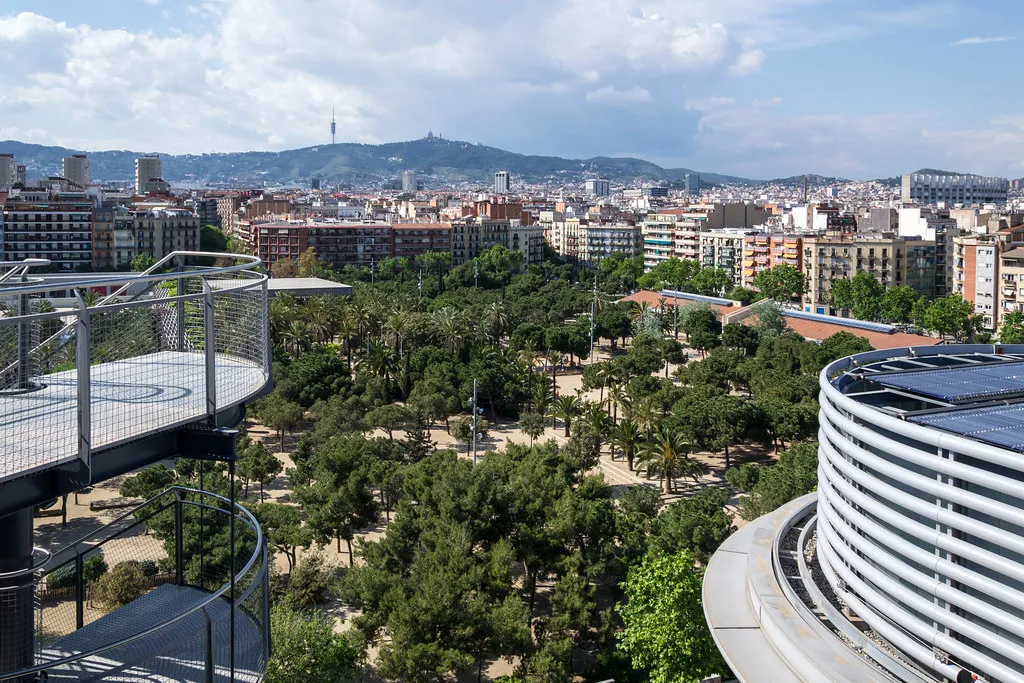
It is no longer the secret it was five years ago, so the timing question matters. Early morning before 09:00 gives you near-solitude. Sunset is beautiful but busy — arrive at least 45 minutes before golden hour to claim a decent position on the fortification walls. Local authorities have introduced informal closing guidelines around 22:00 to reduce noise complaints from nearby residents, so late-evening parties are increasingly rare.
Buses 24, 92, 114, 119, and V17 all serve the area. From the city centre you can also take Metro Line 4 to Guinardó-Hospital de Sant Pau and walk uphill for about 20 minutes. Visit our guide to Bunkers del Carmel for the most accurate current bus schedule and exact walking routes from each metro stop.
Explore the Dreamy Park Güell
Park Güell sits on Carmel Hill above the Gràcia neighbourhood and offers Gaudí's most playful work: mosaic-covered benches shaped to fit a seated human body, gingerbread gatehouse pavilions, a forest of tilted stone columns supporting a raised terrace, and views over the entire city. Walking through the Monumental Zone is like stepping inside an architectural fairy tale.
The Monumental Zone requires a timed ticket — €10 per adult — and entry slots fill weeks ahead during summer. Book at least two weeks in advance for any July or August date. The free zones of the park, including the viaducts and the wooded upper paths, are accessible without a ticket and genuinely worth 30 minutes even if you skip the paid section.
The least-crowded approach is to arrive at 09:30 when the park opens, enter from the Carrer d'Olot gate at the bottom, and walk up through the Monumental Zone before the tour buses unload. The Three Crosses viewpoint on the upper hill, above the paid zone, gives a perspective on the park from above that most visitors never reach and is completely free.
Visit the Most Beautiful Hospital in the World
The Hospital de la Santa Creu i Sant Pau is one of the great surprises of Barcelona for first-time visitors. Designed by Domènech i Montaner — the same architect responsible for the Palau de la Musica Catalana — it is a UNESCO World Heritage site and one of the largest Modernista complexes ever built. Until 2009 it was a functioning hospital. It is now a museum and cultural centre with colourful tilework, garden courtyards, and underground tunnels connecting the pavilions.
Self-guided visits cost around €16 and the site is open from 10:00 to 18:30 most days. Audio guides are available for an extra €4 and substantially improve the visit by explaining which functions each pavilion served. Allow at least 90 minutes. Read more in our Hospital de Sant Pau guide for opening hours and the fastest walking route from the Sagrada Familia — it is ten minutes on foot and the two sites pair naturally into a morning.
What competitors rarely mention: the underground tunnels that connected the pavilions allowed patients on stretchers to be moved between buildings without being exposed to the elements or to other patients. Walking through them today feels like navigating a secret city beneath the gardens.
Relax in the Parc de la Ciutadella
The Parc de la Ciutadella is Barcelona's central green space and a genuine relief after a day of monument-hopping. Entry is free. The park features the Cascada Monumental fountain — a baroque waterfall that a young Gaudí reportedly helped design as a student — plus a large ornamental lake where you can rent rowboats for around €6 per 30 minutes.
The life-sized stone mammoth statue near the waterfall is a quirky photo opportunity most visitors walk past. The park also houses the Barcelona Zoo along its eastern edge, the Parliament of Catalonia in a beautifully restored building, and several substantial palm trees that were already old when the park was laid out for the 1888 Universal Exposition.
The best time to visit is a Sunday morning when families from the Eixample and El Born neighbourhoods use it as a living room. Bring coffee from a nearby bar and watch the rowing boats, the chess players, and the occasional sardana dance circle that forms near the central fountain without any announcement or schedule.
Check Las Ramblas Off Your List (Without Getting Burned)
Las Ramblas is a 1.2 km pedestrian boulevard from Port Vell to Plaça de Catalunya, and it is obligatory not because it is the best thing in Barcelona but because it is the connective tissue of the tourist city. Restaurants along the main drag are overpriced and rarely good. Street performers compete for tips. Pickpockets work the bottleneck near La Boqueria. None of this is a reason to skip it — it is a reason to walk through it strategically.
What to actually look at: the Canaletes Fountain at the Plaça de Catalunya end (drinking from it is said to guarantee a return trip), the Casa Bruno Cuadros at La Rambla 82 with its dragon and colourful umbrella facade, and the Antiga Casa Figuera / Escribà patisserie at La Rambla 83 with its wrought iron, mosaics, and stained glass. Most people walk past all three while watching a human statue.
The street is at its most bearable before 09:00, when the flower stall vendors are still setting up and the tour groups have not yet arrived. Walk the full length in 20 minutes, duck into La Boqueria briefly for the visual spectacle, then peel off east into El Born or west into the Gothic Quarter for the rest of your morning.
Seek Out Barcelona's Ancient Roman Ruins
The Roman colony of Barcino was founded around 10 BC and its walls, towers, and temple have survived in fragments throughout the Gothic Quarter. Tracing them on foot requires no entry fee for the street-facing sections and reveals a layer of the city that most visitors skip entirely in favour of Gaudí.
The Temple of Augustus on Carrer del Paradís is the most dramatic fragment — four 9-metre Corinthian columns standing inside what was once the forum, now accessible through an interior courtyard. Entry is free on the first Sunday of each month and costs around €2 on other days. Use the Roman Walls Map to locate the best-preserved sections near Plaça Nova and behind the Cathedral. The watchtower on Plaça Nova has been incorporated into the medieval Bishop's Gate; look for the change in stonework where Roman masonry transitions to medieval infill at about two metres height.
The Roman aqueduct fragments in the Born neighbourhood and the buried streets beneath the El Born Cultural Centre complete the picture. Together these scattered pieces tell the story of a city that has been continuously inhabited for over 2,000 years — something no Gaudí building can claim.
Book a Unique Guided Vespa Tour
Riding a classic Vespa through Barcelona covers ground that no metro line connects and gives you a perspective closer to how the city actually moves. A typical half-day tour covers the Eixample grid, the waterfront, Montjuïc, and one or two neighbourhood stops. Expect to pay €60 to €90 per person including helmet and local guide. Most operators require a driving licence and a minimum age of 18 for solo riders; passengers can join without a licence.
The main advantage of a Vespa tour over a walking or bus tour is the Eixample grid. From street level the modernist facades on Passeig de Gràcia blur into one another. On a scooter you move through the block pattern quickly enough to appreciate the scale of Cerdà's original 1860 urban plan, which is only legible from motion or from the air.
Wear sturdy shoes and bring a light jacket. Even on warm days the wind at speed is cool enough to make you wish you had one. Most tours depart from near Plaça d'Espanya or the waterfront and can be booked through operators clustered around the Gothic Quarter.
Absorb Some Culture at a World-Class Museum
Barcelona has almost 60 museums and the obvious choices — the Picasso Museum and the Museu Nacional d'Art de Catalunya — are well-documented elsewhere. For a more unique experience, three alternatives stand out. The Moco Museum in El Born houses Banksy and KAWS inside a beautiful 16th-century palace; tickets are around €16 to €20, it is open daily from 10:00 to 20:00, and the immersive digital rooms on the lower floor are legitimately impressive rather than gimmicky.
The MACBA (Museum of Contemporary Art) in Raval occupies a dramatic Richard Meier white building and anchors one of the best squares in the city for people-watching. Its skateboarding culture is as much a part of the institution as the art inside. Entry is around €12 and it is free on Mondays after 16:00. The permanent collection covers Catalan and Spanish contemporary work from the 1950s onwards, with a strong focus on conceptual art that larger international museums tend to marginalise.
For something genuinely offbeat, the Hash Marihuana & Hemp Museum on Carrer dels Flassaders in El Born occupies the Palau Mornau, a Modernista palace, and displays over 8,000 cannabis-related objects covering agricultural, medical, and cultural history. It is the largest museum of its kind in the world and consistently reviewed as one of the more interesting niche collections in the city. Entry is around €10.
Explore the Labyrinth at Parc del Laberint d'Horta
The Parc del Laberint d'Horta is the oldest garden in Barcelona, dating to 1791, and its cypress hedge maze is the centrepiece — a genuine puzzle that takes 20 to 30 minutes to solve on a first attempt. Admission is around €2.23 for adults and the park is open daily from 10:00 until sunset. It sits in the Horta neighbourhood in the upper reaches of the city, far enough from the tourist belt that it sees a fraction of the foot traffic of Park Güell.
Getting there is straightforward: take the L3 green metro line to Mundet station and walk 15 minutes down through a residential street. The journey from the city centre takes about 25 minutes. Avoid Sunday mornings when entry is free — the park fills quickly with local families and the maze queues significantly. The best window is a Tuesday or Wednesday morning at opening time when school groups have not yet arrived; this is the only way to have the neoclassical pavilions and the romantic canal gardens largely to yourself.
Beyond the maze, the park contains a neoclassical pavilion, a Romantic-era canal, and a series of terraced gardens descending the hillside. The upper terrace looks out over the Horta valley toward Collserola, and the cypress alleys in the lower section are cool even in July heat. Bring water — there are no cafes inside the park.
Parc del Laberint d'Horta admission is around €2.23 but entry is free on Wednesdays and Sundays — avoid Sunday mornings when the maze fills with local families. A Tuesday or Wednesday at opening (10:00) gives you the labyrinth and neoclassical pavilions nearly to yourself.
Party at a Gràcia Street Festival
Every year around 15 August, the Gràcia district transforms into the Festa Major de Gràcia, where residents compete to create the most elaborate street decorations. Each street gets a theme — past themes have included deep-sea environments, pirate ships, and the surface of Mars — and the local community builds the entire installation by hand using recycled materials. Walking through ten or twelve decorated streets in a row is one of the most visually inventive free experiences the city offers.
The festival runs for about a week and culminates in a major parade featuring castellers (human towers), sardana dances, and correfoc (fire runs where participants chase giant fire-breathing dragons and demons through the street). These three elements represent the core of Catalan identity and all appear together in Gràcia in a way they rarely do at more commercially produced events. Read our Gràcia neighborhood guide to find the best squares for tapas during the festivities.
Other Barcelona districts hold their own Festa Major at different times of year. La Mercè in late September is the city-wide version and includes free concerts, fireworks, and castle projections. Sant Jordi in April — when Catalans exchange books and roses — is less spectacular visually but more culturally specific.
Watch the Building of Human Towers (Castellers)
Watching a colla castellera — a human tower team — build a tower six or seven storeys tall is one of those experiences that looks implausible before you see it and deeply moving once you do. The practice originated in the 18th century in the Camp de Tarragona and is now a UNESCO-recognised cultural heritage tradition. The smallest child, always a girl or boy under 10 called the enxaneta, climbs to the top and raises four fingers in a gesture of completion.
The best place to see castellers in 2026 is at the Diada Nacional de Catalunya on 11 September, La Mercè in late September, or the Festa Major de Gràcia in August. Rehearsals are often open to the public and happen in neighbourhood squares on Saturday mornings. Check the Barcelona Street Festivals Guide for specific dates and locations. Entrance is always free.
Stand close to the base of the tower to feel the collective effort. The press of bodies locking together to form the foundation, the near-silence as the tower rises, and the single moment of success before the deliberate controlled descent — it is unlike anything else in European public culture.
Book a Sunset Sailing Tour
Sailing out from Port Vell at the base of Las Ramblas is one of the most effective ways to detach from the city noise and see the Barcelona skyline from a perspective no rooftop bar can offer. The panorama — Montjuïc to the left, the Barceloneta waterfront, the Sagrada Familia towers rising above the Eixample grid — reads as a single coherent image from the water in a way that ground-level sightseeing never quite assembles.
Shared catamaran tours typically cost €35 to €50 per person and often include a glass of cava or local beer. The 2-hour sunset departure is the most popular. Private charters run from €150 per hour for a small group. Dolphins are occasionally spotted just beyond the harbour breakwater, particularly in the early morning on calmer days. Book through operators based at the Marina Port Vell rather than tout-dependent kiosks on Las Ramblas for more reliable experiences.
Get a Unique View from the Columbus Monument
The Columbus Monument at the foot of Las Ramblas hides an unexpected viewpoint inside its 60-metre column. A tiny elevator — claustrophobic but functional — takes you to a circular viewing platform just below the bronze Columbus figure, giving a straight-line view down the entire length of Las Ramblas toward Plaça de Catalunya. Tickets cost around €6 and the monument opens from 08:30 to 14:30 daily.
The platform is extremely narrow and the handrail is minimal, so it suits confident visitors more than those with heights anxiety. The interest is not so much the height — it is lower than Bunkers del Carmel and far lower than Tibidabo — but the singular directional view down Barcelona's most famous boulevard from directly above its endpoint. You will also see the modest size of the Port Vell marina from above, which makes the scale of the old city legible in a way that street maps do not.
Say Hi to Barcelona's Miniature Statue of Liberty
One of the more obscure Barcelona facts: a small replica of the Statue of Liberty sits inside the Arús Public Library on Carrer del Parlament, near the Arc de Triomf. The library holds one of Spain's most important collections of documents related to freemasonry, socialism, and anarchism — movements that shaped Catalan political history significantly. The Statue of Liberty replica is a direct reference to the library's 19th-century founder, Rossend Arús, who was a committed republican and freemason with close ties to the transatlantic progressive movement.
Entry is free but the library is a working research institution; remain quiet and do not handle the historic collections. The beautiful staircase and reading room are themselves worth seeing. It is open on weekday mornings and is entirely unknown to most tourists, which means you will likely have the place to yourself.
Rummage Through Els Encants Flea Market
Els Encants is Barcelona's largest and oldest flea market, relocated in 2013 to a spectacular new home beneath a mirrored canopy that reflects both the market chaos and the Agbar Tower (Torre Glòries) next door. The effect — hundreds of vendors, hundreds of buyers, all doubled in the mirror — is genuinely surreal and one of the better accidental architectural experiences in the city.
The market runs on Mondays, Wednesdays, Fridays, and Saturdays from 09:00 to 20:00. Entry is free. The stock ranges from vintage clothing and vinyl records to industrial salvage and handmade ceramics. Arrive before 08:30 on a Friday or Saturday to catch the public auctions at the market's opening, where vendors bid on bulk lots and occasionally let individual items go for well below their worth in the frenzy. This is the only part of the day where genuine bargains appear before regular buyers sort through everything. Prices firm up significantly by 10:00.
Pickpockets work bag zippers here as they do throughout the city. Wear a crossbody bag or a front-pocket setup for anything you are not prepared to lose.
Dig for Bargains at Estació de França
The Estació de França — Barcelona's 1929 grand railway station on Avinguda del Marquès de l'Argentera — occasionally hosts designer markets and vintage fairs beneath its massive iron and glass roof. The station is barely used for trains now (only a handful of regional services still depart), which makes the contrast between the opulent Beaux-Arts interior and the quiet platforms particularly atmospheric.
Market entry when events are running costs around €2 to €5 and events typically take place over weekend afternoons. Even if no market is scheduled, the station is worth a 20-minute walk-through for the neoclassical lobby, the restored ironwork, and the scale of the space. It sits at the edge of the Barceloneta neighbourhood and pairs easily with a walk along the quieter Bogatell or Mar Bella beaches to the north, which are the beaches locals actually use rather than the tourist-saturated Barceloneta stretch.
Soak in a Wine Spa at AIRE Ancient Baths
The AIRE Ancient Baths in the El Born neighbourhood occupy a restored 18th-century warehouse and offer a circuit of thermal pools, steam rooms, and treatment rooms in a candlelit, near-silent environment. The signature experience is the wine bath: a deep soaking tub filled with red wine, grape seeds, and warm water, based on vinotherapy spa treatments that have been popular in the Rioja wine region since the 1990s. The AIRE Wine Bath Experience starts at roughly €130 and must be booked well in advance, particularly on weekends.
The facility prohibits phones and maintains near-silence throughout the circuit, making it one of the genuinely quiet experiences in a city that rarely stops making noise. It is popular with couples but the thermal circuit works equally well for solo visitors or groups. Budget more time than you think you need — the circuit takes about 1.5 hours and most people extend to 2 hours once they are in.
Down Unique Shots at Espit Chupitos
Espit Chupitos on Carrer dels Escudellers in the Gothic Quarter is a bar that has leaned fully into the novelty shot concept and made it work: over 600 named shots on the menu, many involving fire, marshmallows, elaborate props, or all three simultaneously. Shots are priced at around €3 to €5 each. The bar opens late and peaks around midnight when the neighbourhood is at full volume.
It is unapologetically a tourist bar and that is fine — it does what it does with genuine commitment. Ask the bartender for a recommendation rather than ordering from the menu; they will factor in your apparent tolerance for spectacle and produce something you will not find at any other bar in the city. The experience is brief by design, which makes it an easy add to a Gothic Quarter evening rather than a destination in itself.
Take a Unique Day Trip to Menorca
Menorca offers the most dramatic possible contrast to Barcelona in under an hour. The island is quieter, less built-up, and the water is a shade of turquoise that the city's urban beaches cannot approach. Flight time from Barcelona El Prat to Mahón is about 50 minutes; round-trip fares on Vueling or Iberia start around €40 to €90 if booked 2 to 4 weeks in advance. Early morning departures allow a full beach day and an evening return.
There is no ferry from Barcelona to Menorca that makes a comfortable day trip — the Acciona service from Barcelona to Mahón takes around 9 hours one-way, which makes it a multi-night stay rather than an excursion. The flight is the only realistic day-trip option. Once on Menorca, rent a car at Mahón airport (€25 to €40 per day) to reach the southern coves like Cala Turqueta, Cala Macarella, or Cala Mitjana within 30 to 40 minutes. These beaches have limited parking and no facilities; arrive before 10:00 to secure a spot in peak season.
Menorca is a UNESCO Biosphere Reserve and imposes more environmental restrictions than Mallorca or Ibiza. No motorised water sports are allowed in most coves, which is precisely why the water stays clean. For a multi-day trip, the walled town of Ciutadella on the west coast is a more characterful base than Mahón.
Discover Casa Vicens — Gaudí's First House
Casa Vicens in Gràcia is Gaudí's first major commission, built between 1883 and 1885, and it bears almost no resemblance to his later work. The building is Mudéjar in spirit — Spanish-Moorish in its geometric tilework, minarets, and arched pavilion — and shows a designer not yet committed to the organic flowing forms that would define the Sagrada Familia or Park Güell. That tension makes it fascinating rather than decorative. It was only opened for public visits in 2017 and still attracts far smaller queues than any of the better-known Gaudí buildings.
Tickets cost around €18 and the house is open daily from 10:00 to 20:00 during peak season. Explore this architectural gem in our Casa Vicens guide to understand the Mudéjar influences and the degree to which this early building anticipated — or contradicted — what came later.
Modernism Beyond Gaudí
Gaudí dominates every Barcelona architecture conversation, but the Catalan Modernista movement included at least two other architects whose buildings rival his on the Passeig de Gràcia. The so-called Manzana de la Discordia (Block of Discord) on the Eixample grid contains three major Modernista buildings by three architects in direct competition: Gaudí's Casa Batlló, Puig i Cadafalch's Casa Amatller next door, and Domènech i Montaner's Casa Lleó Morera further down the block.
Casa Amatller in particular is worth the entrance fee of around €18. Its stepped Flemish gable and the incredible chocolate-brown wood staircase inside are among the finest interior details in the city, and because it draws perhaps 10% of Casa Batlló's visitors, you will have space to actually look at things. Our guide to modernism beyond Gaudí covers the full Eixample modernist circuit and the best facades that can be seen for free from the pavement.
Explore Poblenou
Poblenou is Barcelona's most dynamic neighbourhood in 2026. The former industrial district — once known for its textile factories and warehouses — has spent the last decade converting those spaces into coworking hubs, artist studios, music venues, and craft breweries. The Rambla del Poblenou is a local alternative to Las Ramblas: narrower, quieter, lined with neighbourhood cafés rather than tourist restaurants, and ending at the beach rather than a port. Check our Poblenou guide for the best rooftop bars, street art routes, and the craft brewery trail along Carrer del Pallars.
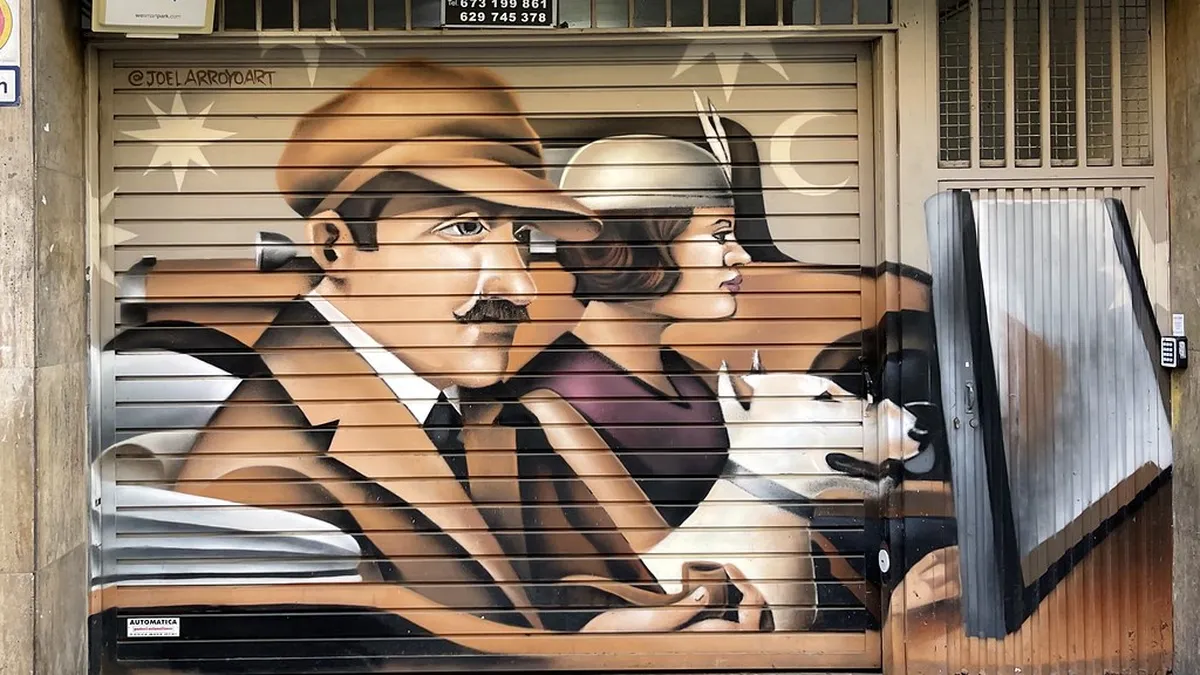
The street art is the most concentrated in the city. The Poblenou neighbourhood was one of the first places in Barcelona where graffiti was institutionally tolerated and the walls of old factory buildings became canvases. The streets around NauART, La Escocesa cultural centre, and Carrer d'Espronceda have the densest concentration of large-scale murals. This is not curated street art tourism — these are working walls that change with the city.
For the beach, Bogatell and Mar Bella immediately north of Barceloneta are where residents actually swim. They are less crowded, cleaner, and have proper facilities. Mar Bella has a designated naturist section and a well-established LGBTQ+ scene. Neither beach requires the 20-minute midday walk from the Gothic Quarter that Barceloneta demands.
What Barcelona's Overtourism Crackdown Means for Your 2026 Trip
Barcelona has been the sharpest edge of Europe's overtourism debate since 2017, when residents began protesting with water pistols aimed at tourists on Las Ramblas. By 2024 the city had moved from symbolic protests to structural policy: the tourist tax rose to €4 per night (up from €2.75), the city council voted to end all 10,000 short-term tourist rental licences by 2028, and the Airbnb ban on new listings in residential zones was upheld in court. In 2026 these policies are mid-implementation.
What this means practically: hotel prices in the centre are holding steady but accommodation options are narrowing quickly, particularly for groups wanting apartment stays near the Gothic Quarter. Booking 6 to 8 weeks ahead for any June-to-September trip is now the minimum. The upside is that crowds at the most over-visited sites — Park Güell, Sagrada Familia — are better managed through booking systems than they were before the restrictions tightened. The sites that require pre-booking are more controlled; the sites that remain free are still absorbing the overflow.
The policy has also quietly redirected visitors toward the mid-ring neighbourhoods — Sant Antoni, Gràcia, Poble Sec — where the supply of hotel beds is growing to fill the short-term rental gap. These neighbourhoods offer a more genuine local experience than the Gothic Quarter at equivalent or lower prices. Staying in Gràcia and commuting to the Sagrada Familia by metro takes 15 minutes and costs €2.40 — a worthwhile trade for streets where you can hear yourself think.
In 2026 Barcelona's tourist tax is €4 per night and new short-term rental licences are banned in most districts. Book accommodation 6–8 weeks ahead for any June-to-September trip, and pre-book Park Güell and Sagrada Família at least two weeks in advance — same-day tickets can sell out before 08:00.
How to Plan a Smooth Unique Attractions Day
Barcelona is spread across a wide grid and grouping your activities by neighbourhood saves significant travel time. The T-Casual 10-trip card costs around €11.35 and covers metro, bus, and some tram lines; it is shareable between multiple people, which makes it the most cost-effective option for pairs or small groups. Walking is the best way to discover the architectural detail between major sites in the Gothic Quarter and El Born.
Many smaller museums and local shops close for two to three hours around 14:00 to 17:00, the traditional siesta window. Schedule outdoor sites or market visits for midday and save museum visits for mornings or late afternoons. Book time slots for Park Güell, the Sagrada Familia, and AIRE Ancient Baths at minimum two weeks in advance for any summer travel. Download an offline map — the Gothic Quarter's medieval street plan defeats most navigation apps, which assume a grid that does not exist there.
The city has clean, drinkable water from public fountains throughout all neighbourhoods, including Gràcia and Poblenou. A reusable bottle cuts your costs noticeably over a multi-day trip. Temperatures in July and August regularly reach 32°C by midday, so starting outdoor activities at 09:00 and retreating indoors between 13:00 and 17:00 is a practical rhythm rather than an optional suggestion.
Frequently Asked Questions
What are the most unique things to do in barcelona for free?
You can visit the Bunkers del Carmel for sunset views or explore the Arús Public Library to see the miniature Statue of Liberty. Walking through the Roman walls and the Parc de la Ciutadella are also excellent free options.
How much time should I plan for unique attractions in Barcelona?
Plan for at least four to five days to see both the major landmarks and several unique hidden gems. This allows you to explore neighborhoods like Gràcia and Poblenou without feeling rushed between sites.
Is it easy to get to Parc del Laberint d'Horta?
Yes, you can take the L3 green metro line to the Mundet station, which is a short walk from the park entrance. The journey from the city center takes approximately 20 to 25 minutes.
Embracing the unique things to do in Barcelona will give you a perspective of the city that most visitors miss. From the quiet corners of ancient libraries to the vibrant energy of local street festivals, the city offers endless surprises. Step off the main path and discover your own favourite secret spot in this Mediterranean city — it rewards the curious visitor more generously than almost anywhere else in Europe.
Remember to respect the local residents and the environment as you explore these special neighbourhoods. Barcelona is navigating a genuine tension between the income tourism brings and the quality of life it erodes, and travelling thoughtfully — booking ahead, staying in non-central districts, eating at local bodegas — is both better for the city and better for your own experience. We hope this guide helps you plan an unforgettable and truly unique journey through the heart of Catalonia.
For the wider city context, see our complete hidden gems in Barcelona guide.
Continue exploring
More guides you'll find useful