15 Best Places to Visit in Barcelona for Free (2026)
Discover 15 places to visit in barcelona for free with our 2026 guide. Includes viewpoints, markets, and architecture tips for budget travelers.
On this page
15 Top Places to Visit in Barcelona for Free
Barcelona is one of Europe's most visited cities, and in 2026 that popularity comes with a tension locals feel every day: overtourism has pushed prices up, but the city's best experiences remain stubbornly free. Roman ruins, Modernista facades, hilltop panoramas, and world-class museums all have windows where entry costs nothing. Knowing exactly when those windows open is the difference between a budget trip and an expensive one.
This guide covers every major category competitors miss or get wrong — including precise free-entry times for the three flagship museums, the Magic Fountain's revised 2026 schedule, and the Park Güell perimeter that stays permanently free. Whether you are visiting for a long weekend or living here short-term, these fifteen spots represent the full range of what the city offers without spending a cent on admission.
Free Museum Days: Exact Times for 2026
Barcelona's three flagship museums each offer free entry at specific windows, and the schedules differ enough that you need to plan carefully. The Museu Nacional d'Art de Catalunya (MNAC) on Montjuïc is free on the first Sunday of each month, all day. Its permanent collection spans Romanesque murals, Gothic altarpieces, and Modernisme — you need a full morning to do it justice.
The Museu Picasso in El Born is free on the first Sunday of each month and every Thursday from 16:00 to 19:00. Thursday evenings are the local's choice: the queues are shorter than Sunday mornings and the neighbourhood is alive for a post-visit drink. Book a timed slot online even for free sessions — the museum enforces capacity limits.
MACBA, the contemporary art museum on Plaça dels Àngels, offers free entry every Saturday from 16:00 to 20:00. The Saturday late slot is quieter than midweek and coincides with the street skate scene outside, which is worth watching for an hour regardless of whether you go in. The Raval neighbourhood surrounding MACBA has the city's densest concentration of street art if you want to extend the visit.
All three museums have permanent collections worth seeing on their own terms. If you can only pick one free window, Thursday at the Picasso Museum is the highest-value two-hour block in the city.
| Museum | Free entry day/time | Normal ticket | Notes |
|---|---|---|---|
| MNAC | First Sunday of month, all day | Paid other days | Romanesque murals, Gothic, Modernisme |
| Museu Picasso | First Sunday & Thursdays 16:00–19:00 | Paid other times | Book timed slot online even for free |
| MACBA | Saturdays 16:00–20:00 | Paid other times | Street skate scene outside |
Bunkers del Carmel: Best 360-Degree Views in the City
The former anti-aircraft battery on Turó de la Rovira gives a 360-degree panorama that no paid viewpoint in Barcelona matches. From here you see the grid of the Eixample, the Sagrada Família towers, the sea, and the Collserola hills all at once. Entry is always free. The central fenced ruins have restricted hours (roughly 10:00–19:30 in summer, shorter in winter) but the surrounding plateau is open around the clock.
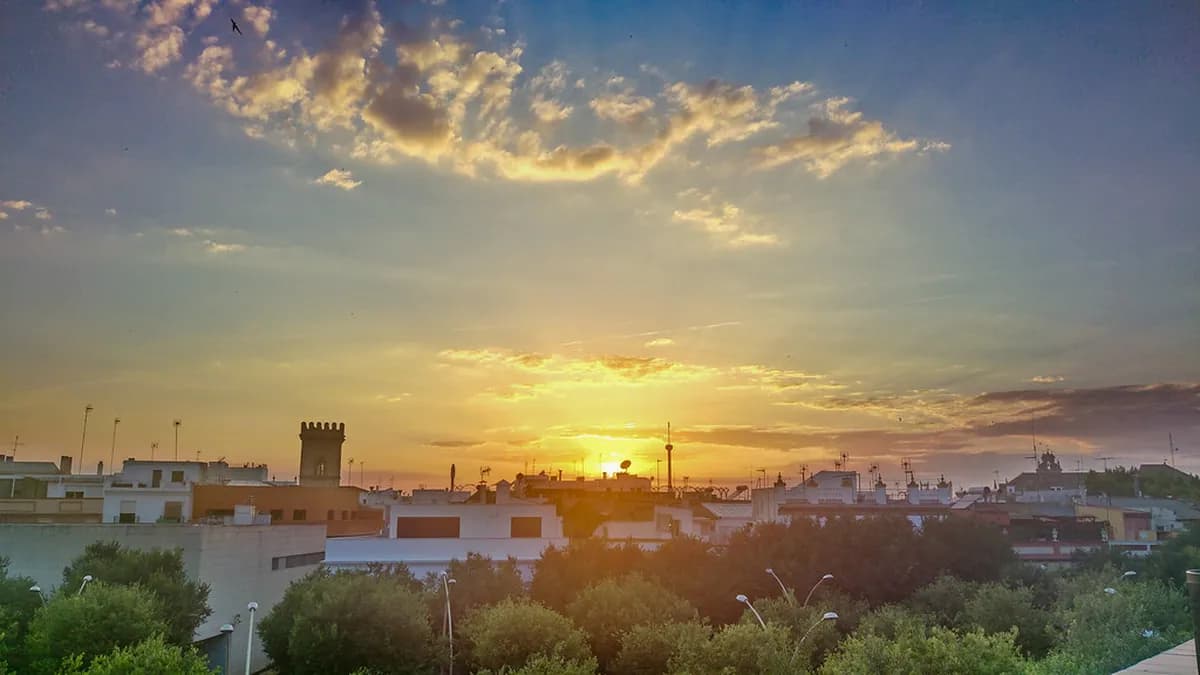
Take the V17 bus from Passeig de Gràcia or the 24 bus to Carmel and walk uphill for about fifteen minutes. There are no shops or bars at the summit, so bring water and snacks. Sunday evenings draw a mixed crowd of locals and travellers sharing wine and watching the sun drop behind Montjuïc — one of the genuinely communal experiences left in the city.
Avoid the hour before sunset on summer weekends if you want space to breathe. Arriving at 09:00 on a weekday morning gives you the entire hill to yourself with the city stretching out in early light. The Bunkers are a twenty-minute walk from Park Güell, making them a natural pairing on a northern Barcelona day.
The Bunkers del Carmel plateau is open around the clock even when the fenced central ruins are closed. Take the V17 bus from Passeig de Gràcia and bring water — there are no shops or bars at the summit.
Park Güell: The Free Perimeter vs. the Paid Zone
Park Güell has two distinct areas and the distinction matters. The Monumental Zone — the famous dragon staircase, the mosaic terrace, and Gaudí's pavilions — requires a timed ticket (around €10 in 2026, booked weeks in advance in summer). The rest of the park, which covers the majority of the hillside, is completely free and open daily.
The free perimeter includes forested walking paths, stone viaducts, and elevated terraces with strong city views. The Turó del Calvari viewpoint inside the free zone looks directly south over the city and is far less crowded than the paid terrace. You can spend two hours in the free area and come away with a thorough sense of the park's scale and Gaudí's engineering without paying a cent.
To reach the free sections, enter via the Carretera del Carmel gate rather than the main tourist entrance on Carrer d'Olot. The local bus 24 stops near this upper entrance. If you want to visit the Monumental Zone, book your slot at least two weeks ahead in July and August — same-day tickets sell out before 08:00.
Magic Fountain Montjuïc: 2026 Schedule and Drought Caveats
The Font Màgica light-and-water show at Plaça d'Espanya runs from April through January, with shows typically on Thursday, Friday, and Saturday evenings from around 21:30 in summer and 20:00 in winter. Entry is always free and the viewing area in front of the MNAC steps fills quickly. Arrive twenty minutes early for a decent position.
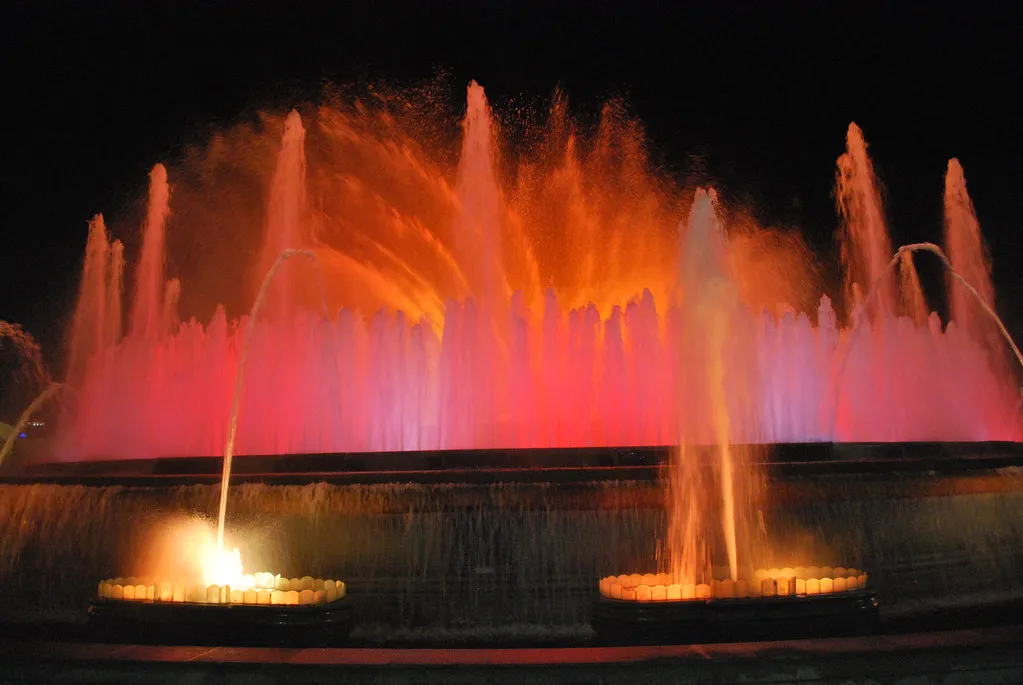
Barcelona has faced water restrictions in recent years due to persistent drought, and the city has periodically suspended or shortened the fountain's run times. Before making the trip, check the Barcelona City Council's official events calendar — the schedule has shifted between seasons and mid-season cancellations are possible. When the fountain is running, the show lasts about twenty minutes and the MNAC terrace behind it stays open for views afterward.
Even on nights when the fountain is switched off, the Plaça d'Espanya area is worth the visit. The twin Venetian towers, the illuminated cascade leading up to the MNAC, and the view back down the Gran Via are all free. Pair the evening with a walk through the nearby Hospital de Sant Pau exterior, a UNESCO-listed Modernisme complex that is stunning at night from the street.
Barceloneta and Bogatell: Two Beaches, Two Very Different Experiences
Barceloneta is the city's most central beach and it is free year-round. It is also Barcelona's most crowded stretch of sand from June through August, with sunbeds packed from 10:00 onward. Public showers, toilets, and lifeguards are free from June to September. The beach is at its best in May and October — warm enough for swimming, quiet enough for a towel on the sand.
Bogatell, two kilometres up the coast past the Barceloneta and Vila Olímpica beaches, serves a largely local crowd and is significantly less congested. The sand is cleaner, the promenade quieter, and the water visibility better. Take the T4 tram from Ciutadella-Vila Olímpica or walk the seafront promenade from Barceloneta in about thirty minutes. Bogatell is the practical choice if you want to swim rather than people-watch.
Both beaches have free volleyball nets and outdoor showers in summer. Neither has paid parking nearby at a reasonable rate — use public transport. The seafront between the two runs past Frank Gehry's Peix d'Or sculpture and several chiringuitos (beach bars) where you can nurse a single drink for an afternoon without anyone moving you on.
Bogatell beach is two kilometres up the coast from Barceloneta and serves a largely local crowd with cleaner sand and better water visibility. Take the T4 tram from Ciutadella-Vila Olímpica or walk the seafront promenade in about thirty minutes.
Parc de la Ciutadella: Park, Zoo Perimeter, and the Cascada
The 70-hectare Ciutadella park is open daily from 10:00 to 22:30 (summer) or 10:00 to 20:00 (winter) and entry is always free. The park functions as the city's main green lung: weekend picnics, paddleboat hire on the lake, outdoor yoga sessions, and impromptu music circles all happen here simultaneously.
The Cascada fountain near the park's northeastern corner was designed partly by a young Antoni Gaudí and is worth ten minutes of close inspection. The rowing lake directly in front of it charges a small hire fee for the boats but the surrounding paths and benches are free. The small zoo inside the park charges entry, but the perimeter fence along Passeig de Circumval·lació offers glimpses into several animal enclosures for free.
The Arc de Triomf stands at the park's northern entrance at the top of a wide palm-lined boulevard. Built for the 1888 World's Fair — not for military victories — it sits at the start of Passeig de Lluís Companys and is one of the more photogenic public spaces in the city. Walk the full boulevard from the Arc to the park gates and back for a free twenty-minute circuit through one of Barcelona's quieter pedestrian avenues.
Basilica of Santa Maria del Mar: Free Entry Hours
The 14th-century Basilica of Santa Maria del Mar in El Born is one of the finest examples of Catalan Gothic architecture in existence. The interior is free to visit during morning hours (typically 09:00–13:00) and evening hours (17:00–20:30), when the church is open for prayer and quiet visiting. Between these windows, a ticketed tourist visit applies.
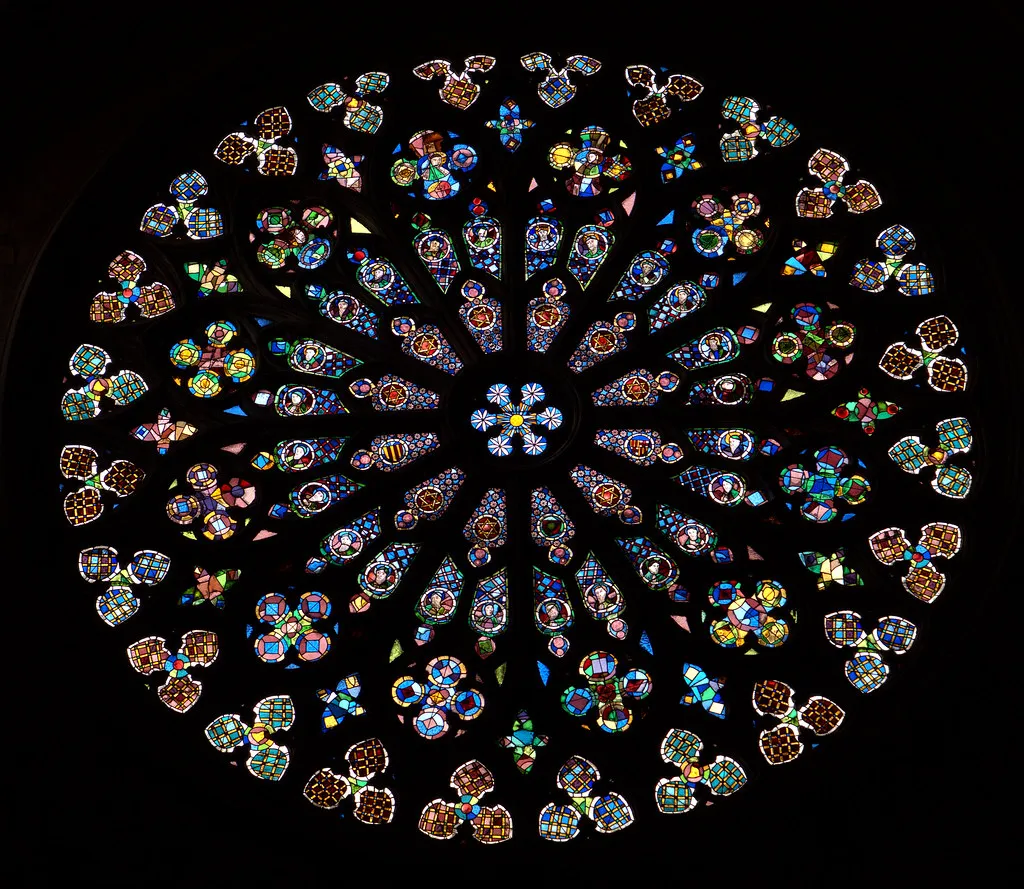
The interior is remarkable for its emptiness — no cluttered altars, no side chapels packed with baroque additions. Three high nave aisles and slender octagonal columns create a sense of vertical space that feels genuinely different from the Cathedral nearby. The acoustics are exceptional, and if you arrive during a rehearsal or low-season weekday morning, you may hear choral music.
The church is located in the El Born neighbourhood — one of the best areas to walk for free in the city. The medieval streets immediately surrounding it (Carrer del Rec, Carrer de Montcada) are lined with 15th-century merchant palaces, most of which are free to pass through at street level.
Free Walking Tours: Three Reputable Operators
Tip-based free walking tours are the single most efficient way to orient yourself on your first day in Barcelona. The model works because guides earn only what participants choose to tip — incentivising quality. A well-run tour covers two to three hours on foot and costs nothing to join.
Runner Bean Tours (runnerbeantours.com) is the longest-established operator, with local guides who cover the Gothic Quarter, the Gaudí architecture route, and a Spanish Civil War tour. Tours start daily near the Cathedral. Sandeman's New Europe runs a Gothic Quarter tour departing from Plaça de Catalunya at 11:00 and 15:00 daily — their scale means large groups but dependable scheduling. Barcelona Free Tour (barcelonafreetour.com) offers smaller-group options on the Eixample and Modernisme themes, which competitors tend to skip.
All three are tip-only. A tip of €10–€15 per person is a fair rate for a two-hour tour and significantly cheaper than any paid group option. Book a spot online in advance in summer — some tours cap at twenty people and fill by the morning of. Wear comfortable shoes: most Gothic Quarter tours cover four to five kilometres on uneven medieval paving.
La Boqueria and the Markets Locals Have Moved To
La Boqueria on La Rambla is free to enter and genuinely worth one visit — the stall display alone is theatrical. Entry is open Monday through Saturday from 08:00 to 20:30. The problem is that by 11:00 the aisles are impassable and most stalls near the entrance cater entirely to tourists with pre-cut fruit cups and overpriced snacks. Arrive before 09:30 to see the market as it actually functions.
What no other travel guide currently reflects is that Barcelona's city council has been actively redirecting tourists away from La Boqueria since 2024, citing overcrowding damage to the market's structure and its working trader community. Signage at the entrance now encourages visitors to explore neighbourhood markets instead. The two local alternatives worth knowing: Mercat de Santa Caterina in El Born (open Monday to Saturday, closed Sunday afternoons) and Mercat de l'Abaceria in Gràcia (open Tuesday to Saturday). Both have functioning food stalls serving working locals and neither has a tourist surcharge problem.
Mercat dels Encants, the flea market near Glòries metro, is also free to enter and runs Mondays, Wednesdays, Fridays, and Saturdays from 09:00 to 20:00. The spectacular mirrored roof canopy makes it worth visiting for the architecture even if you are not shopping. Find the 12 Best Hidden Gems in Barcelona by arriving at 09:00 when the traditional ground-floor auctions start.
Free Architecture: Tibidabo Church, Sagrada Família Exterior, and Modernisme Facades
The Sagrada Família is one of the most photographed buildings on earth and the exterior is entirely free to view. The best vantage points are from Plaça de Gaudí on the Nativity facade side and from the gardens on the Passion facade side. The building reached a significant completion milestone in 2026 with most of the central tower work visible, so the exterior silhouette has substantially changed from photos taken five years ago.
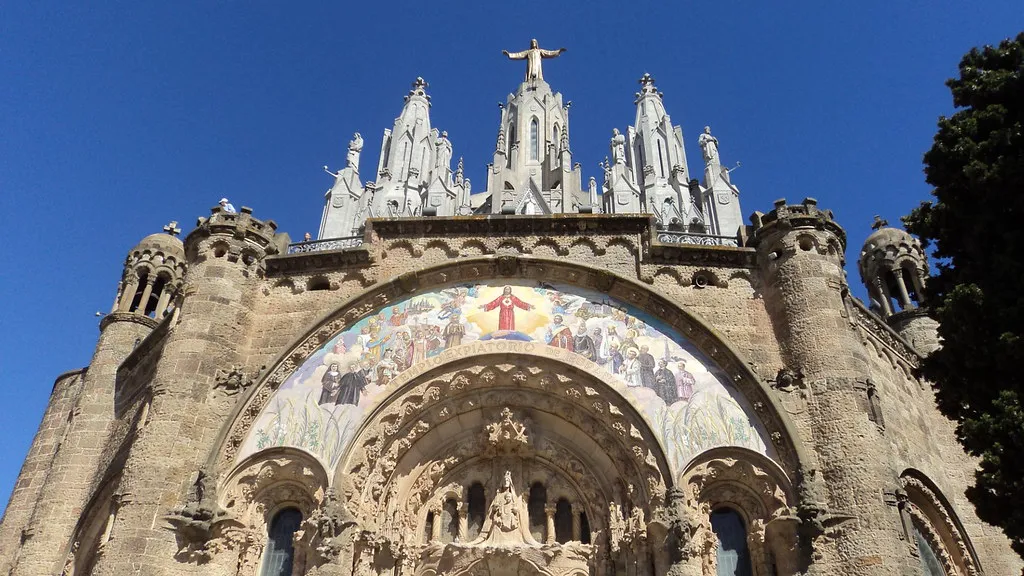
Tibidabo at the top of the Collserola hills offers free access to the Temple Expiatori del Sagrat Cor — the church, not the amusement park, which charges separately. The church terrace at 512 metres offers the widest unobstructed view in the city on a clear day, extending to Montserrat. Take the FGC train to Peu del Funicular, then the funicular and the Tramvia Blau tram to reach the summit. The tram and funicular are paid but the church grounds themselves are free.
For Modernisme facades without any transport cost, the Eixample grid between Passeig de Gràcia and Carrer d'Enric Granados delivers the densest concentration. The Block of Discord (Manzana de la Discordia) on Passeig de Gràcia between Carrer d'Aragó and Carrer del Consell de Cent places Casa Batlló, Casa Amatller, and Casa Lleó Morera within 200 metres. None charge for exterior viewing. The Palau del Baró de Quadras on Avinguda Diagonal is a Puig i Cadafalch building rarely mentioned in free guides, equally impressive, and almost always empty of crowds.
Sant Pau del Camp and El Born Cultural Centre
Sant Pau del Camp is one of the oldest surviving buildings in Barcelona, a Romanesque monastery from the 10th and 11th centuries tucked into the Raval neighbourhood. The cloister is free to view from the street and the church facade is one of the most detailed Romanesque carved entrances in Catalonia. Located on Carrer de Sant Pau, it is a five-minute walk from La Boqueria and almost entirely absent from standard tourist itineraries.
The El Born Centre de Cultura i Memòria is housed in a 19th-century iron market building and contains the archaeological remains of the neighbourhood as it stood before the 1714 Siege of Barcelona — when the Bourbon army razed the working-class quarter to build a military citadel. Walking the elevated metal walkways above the excavated streets is free at all times. The temporary exhibitions inside require a ticket, but the ruins are visible from the walkways at no cost.
The 1714 context matters: this is the event that ended Catalan political autonomy for over two centuries and its memory continues to shape Catalan identity and the independence movement. The Centre has explanatory panels in English and the free ruins visit alone gives you more political and cultural context than most paid tours of the city.
Practical Budget Notes for 2026
Barcelona's transport system has one major budget tool: the T-Casual card covers ten metro or bus journeys and works out to under €1.50 per trip. A single-journey ticket costs around €2.55, so anyone taking more than a few trips should buy the card at any metro station on arrival. The T-Casual is also valid on the FGC trains to Tibidabo and the Tramvia Blau, though the Aerobus to and from the airport is separate and costs around €6.75 each way.
The menú del día — a three-course weekday lunch with a drink — remains the best-value meal in the city. Outside the tourist corridor on La Rambla, most neighbourhood restaurants offer it for €12–€15. The Gràcia, Sant Antoni, and Poblenou neighbourhoods have the highest concentration of locals-oriented restaurants with genuine menú pricing. I often suggest visiting the 12 Best Local Restaurants in Barcelona Travel Guide for specific recommendations beyond the obvious.
One overlooked saving: Barcelona's public libraries (Biblioteques de Barcelona) offer free Wi-Fi, air conditioning in summer, and quiet seating citywide. The Biblioteca Vapor Vell in Sants and the Biblioteca Sant Antoni-Joan Oliver in the Sant Antoni neighbourhood are both modern, central, and open to anyone who shows a passport. No library card is needed to sit and use Wi-Fi — only to borrow books.
Frequently Asked Questions
Which places to visit in barcelona for free options fit first-time visitors?
First-time visitors should prioritize the Bunkers del Carmel for views and the Gothic Quarter for history. These spots provide an essential introduction to the city's geography and medieval roots without any entry fees.
What should travelers avoid when planning free visits in Barcelona?
Avoid visiting popular free spots like La Boqueria at midday when crowds are at their peak. You should also be wary of 'free' attractions that require expensive transport to reach, as the costs can add up quickly.
Are museums in Barcelona always free on Sundays?
Many municipal museums offer free entry on Sunday afternoons starting at 3pm, but not all of them. I recommend checking the official website of each museum to confirm their specific free windows before you go.
Barcelona in 2026 is navigating its overtourism problem in real time — which means the free version of the city is increasingly the local version of the city. The Bunkers at sunrise, a Thursday evening at the Picasso Museum, Bogatell beach in May, the El Born Centre ruins on a quiet afternoon: these are not consolation prizes for not buying a ticket. They are the experiences that residents actually have.
Mix two or three paid highlights with the free options on this list and you have an itinerary that genuinely reflects what the city is rather than what the ticket queues suggest. Safe travels on your 2026 trip.
Continue exploring
More guides you'll find useful