El Born Barcelona Guide: 8 Best Things to Do & See
Explore El Born, Barcelona's trendiest medieval district. Our guide covers 8 essential stops, from the Picasso Museum to hidden tapas bars and artisan boutiques.
On this page
El Born Barcelona Guide: 8 Best Things to Do & See
El Born is a maze of narrow streets where history meets modern style in the heart of Barcelona.
This medieval neighborhood offers a slower pace of life compared to the busy Las Ramblas nearby.
You will find ancient stone walls housing trendy boutiques and some of the city's most famous tapas bars.
Our guide helps you discover why this district remains a favorite for locals and savvy travelers alike in 2026.
The Medieval History of El Born and La Ribera
The history of the La Ribera district dates back to the 13th century when it was a wealthy maritime hub. Merchants and sailors built grand palaces along the streets while jousting tournaments took place on the main promenade. The name "El Born" itself derives from the Catalan word for the joust — that oval-shaped boulevard, the Passeig del Born, was where knights competed for glory. Understanding the difference between La Ribera (the larger administrative district) and El Born (the specific barrio around Passeig del Born) helps you navigate both the streets and the history.
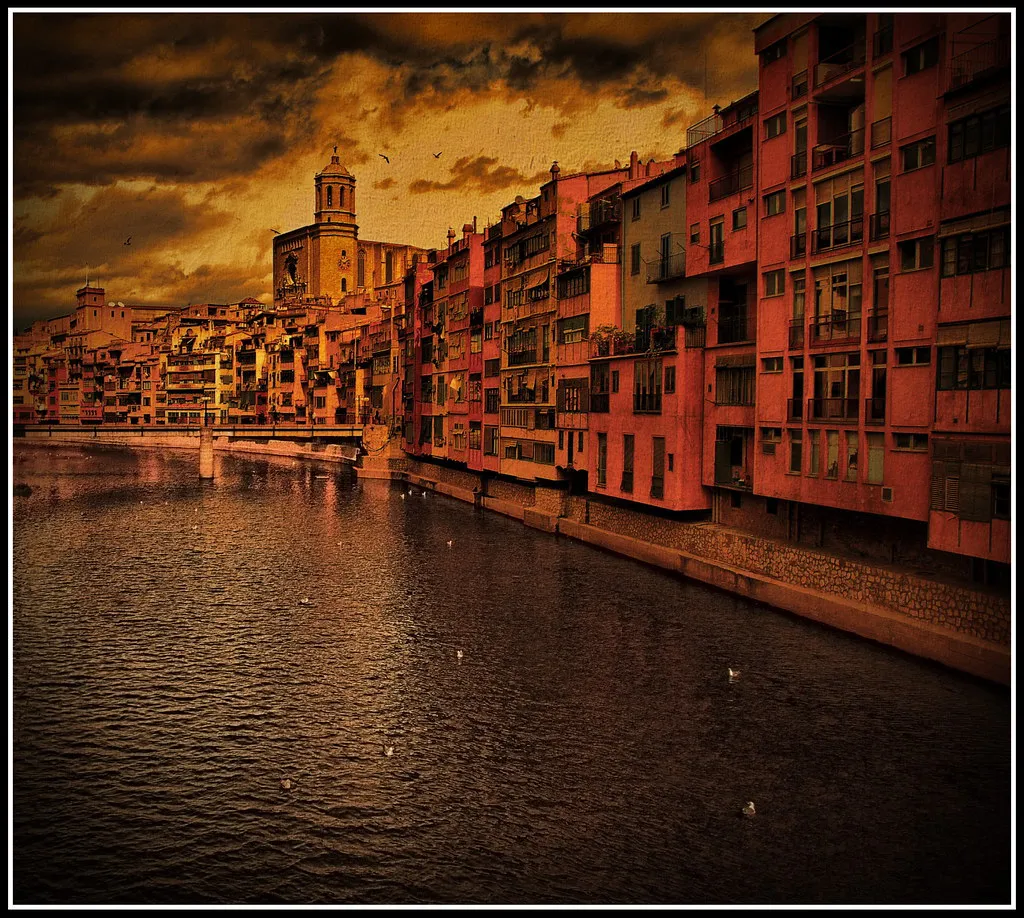
Walking through these alleys feels like stepping into a time of maritime power and guild culture. Many of the 12 Best Hidden Gems in Barcelona are tucked away in these narrow, car-free passages. Street names still bear the marks of the medieval guilds — cobblers, silversmiths, dyers — each assigned their own block. Small coats of arms carved into stone doorways tell the story of a neighborhood that has survived centuries of change.
The area faced dramatic decline in the 18th century when many homes were razed to build the Citadel fortress after the Siege of Barcelona in 1714. This history of destruction and resilience is what gives the barrio its particular character: proud, creative, and slightly rebellious. Visitors who take the time to read about the 1714 siege before they arrive will find the streets take on a different emotional weight. The El Born CCM cultural center, built over the ruins of that lost city, makes that history tangible.
Passeig del Born and the Neighbourhood Vibe
Passeig del Born is the heart of the district: a wide, tree-lined promenade flanked by café terraces, natural wine bars, and the occasional street performer. It is completely pedestrianised and functions as both a meeting point and a stage for daily life. On weekend mornings, locals sit with a cortado and a newspaper while tourists wander past with maps; by early evening the same tables fill with neighbours ordering cold vermut and sharing plates of jamón. This overlap of local and visitor culture is part of what makes the barrio feel genuinely alive rather than preserved for tourism.
El Born sits in a useful position on Barcelona's neighborhood map. The Gothic Quarter immediately to the west is older, darker, and more monumental — better suited to first-time visitors chasing medieval grandeur. Gràcia, further north, has a punkier, more residential edge with small plazas that feel almost village-like. El Born sits between those two registers: it has real history but wears it lightly, and it has bars and boutiques without the chain-store blandness creeping into other central neighborhoods. Travelers who have already done the Gothic Quarter often find El Born the more satisfying second step.
The barrio rewards slow movement. The grid does not apply here — the streets twist and dead-end, and the best discoveries happen when you stop following a map. Natural wine bars like PetNat on Carrer del Rec draw an after-work crowd that spills onto the street by 19:00. Vermouth culture runs deep: look for handwritten "vermut" signs above small doorways and go in. These are neighbourhood institutions that do not advertise online and do not need to.
Basilica de Santa Maria del Mar: The Cathedral of the Sea
The Basilica de Santa Maria del Mar stands as the crowning jewel of Catalan Gothic architecture. Construction began in 1329 and finished in record time for such a massive stone structure. Local porters known as bastaixos carried the heavy stones from the Montjuïc quarry on their backs. Their contribution is still honored with small carvings on the main entrance doors.
The 1936 fire inside Santa Maria del Mar destroyed centuries of baroque additions, accidentally restoring the original 14th-century Gothic purity — the lack of ornamentation is a feature, not a loss, and makes the stained glass far more dramatic.
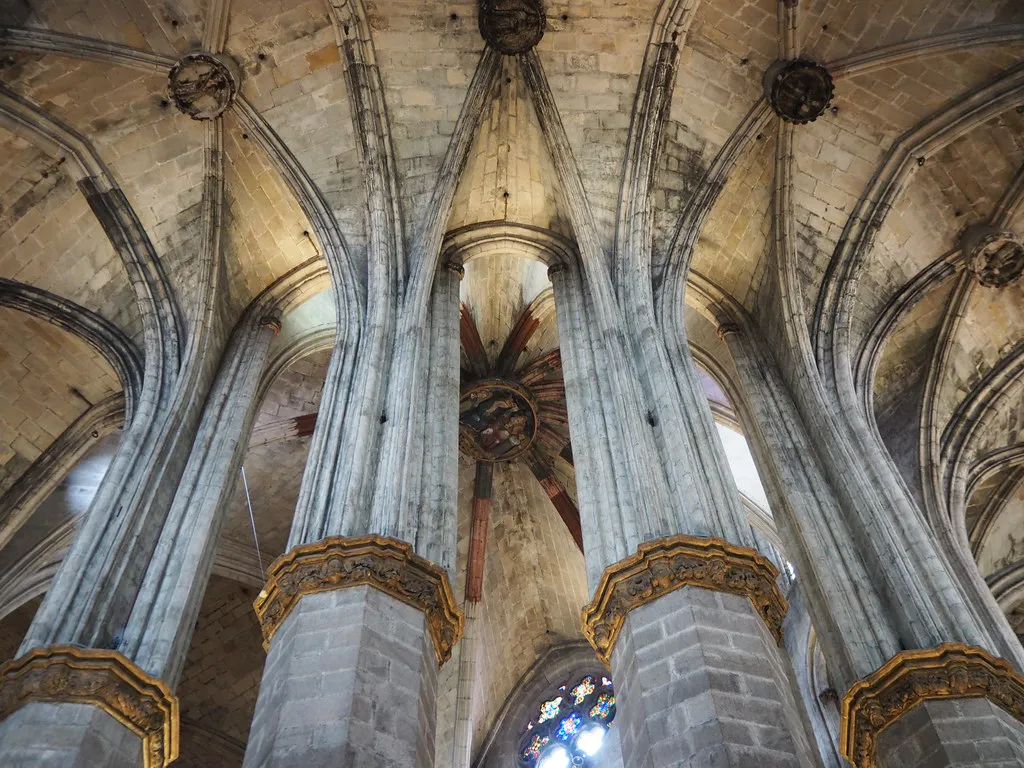
Unlike the ornate Cathedral in the Gothic Quarter, this church feels remarkably light and spacious inside. A devastating fire in 1936, set during anti-clerical riots, destroyed the baroque decorations and interior furniture that had accumulated over centuries. Rather than a loss, the result was the full revelation of the original 14th-century Gothic design — pure, uncluttered, and structurally extraordinary. The lack of ornamentation allows the stained glass windows to fill the interior with soft, filtered light in a way that busier churches simply cannot.
Fans of historical fiction will recognize the building from Ildefonso Falcones's novel "Cathedral of the Sea." The book follows the common people who funded and built this site across generations, and reading it before visiting adds real emotional depth to the experience. The church is built by the people of the Ribera, not by kings or bishops — which is exactly what you feel standing inside. Tickets for the rooftop tour are affordable and provide a close-up view of the bell towers and the surrounding medieval roofline.
Palau de la Música Catalana: Modernisme at the Edge of El Born
Most visitors to El Born walk straight to the Picasso Museum and miss the Palau de la Música Catalana, the UNESCO World Heritage concert hall that marks the northern boundary of the barrio. Designed by Lluís Domènech i Montaner and completed in 1908, it is arguably the most extraordinary interior in Barcelona — and it is not Gaudí's. The auditorium features a stained glass skylight that floods the hall with natural light during daytime concerts, sculpted columns that bloom into floral canopies, and a stage framed by mosaic figures of Catalan folk songs. There is nothing else quite like it in the world.
The hall is still a functioning concert venue, which means the best way to experience it is not a daytime tour but a live performance. Concerts range from flamenco evenings aimed at tourists (around €30–45) to full symphony and choral programmes (€15–80) that attract Barcelona's classical music audience. Booking through the official Palau website at least a week ahead is essential for evening performances in spring and autumn. The Barcelona modernism beyond Gaudí guide covers Domènech i Montaner's other major works in the city if you want to build a full Modernisme day around this visit.
If a performance does not fit your schedule, the 55-minute guided tour (€22 in 2026, bookable online) covers the history of the building and gets you inside the auditorium. Tours run daily from 09:00 to 15:30. The exterior alone — covered in glazed ceramic reliefs, stained glass, and terracotta — is worth the short detour from Passeig del Born, which sits roughly 500 metres to the south. Factor in at least 90 minutes whether you attend a concert or take the guided tour.
| El Born Attraction | Entry Cost | Visit Duration | Book in Advance? |
|---|---|---|---|
| Basilica de Santa Maria del Mar | Free (rooftop €8) | 45–60 min | No |
| Palau de la Música (tour) | €22 | 55 min | Yes |
| Palau de la Música (concert) | €15–80 | 2 hrs | Yes (weeks ahead) |
| Picasso Museum | €12–15 | 2 hrs | Yes (peak season) |
| El Born CCM (ruins) | Free (guided €5) | 45–60 min | No |
| AIRE Ancient Baths | €30–50 | 90 min | Yes (2–3 weeks) |
World-Class Museums: Picasso and Moco
Art lovers flock to this district to see the early works of a legendary Spanish painter at the Picasso Museum on Carrer de Montcada. The museum occupies five medieval palaces that are just as impressive as the artwork inside. You will see how the artist's style evolved from classical academic training to his famous Blue Period. This is one of the most comprehensive collections of his formative years anywhere in the world, with over 4,000 pieces.
Exploring the galleries is one of the most 27 Unique Things to Do in Barcelona: Hidden Gems & Local Secrets for culture seekers. Booking tickets in advance is essential as the museum often sells out during peak season, particularly in June and July. Plan to spend at least two hours wandering through the courtyards and permanent collection. The chronological layout makes it straightforward to follow Picasso's creative development during his years in Barcelona.
Just a few steps away, the Moco Museum Barcelona offers a bold contrast with its contemporary art focus. This modern gallery features works by iconic artists like Jean-Michel Basquiat and Yayoi Kusama alongside digital and immersive installations. The vibrant energy inside the ancient stone walls creates a productive tension between old and new that feels quintessentially El Born. Both museums are on the same street, so combining them in one afternoon is practical and genuinely rewarding.
El Born Centre de Cultura i Memòria
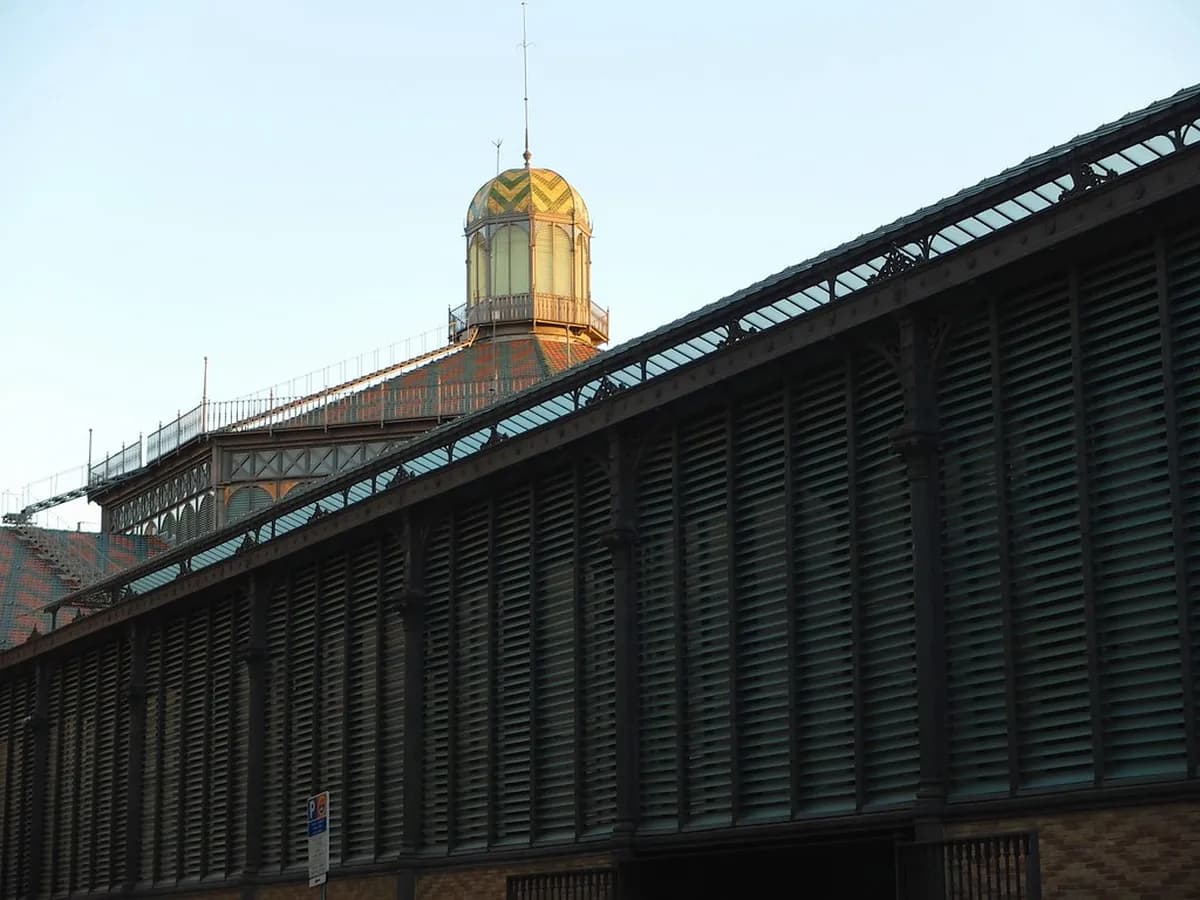
The El Born Centre de Cultura i Memòria is a unique space that blends a 19th-century cast-iron market hall with a major archaeological site. Originally built in 1876, the building was slated for demolition when city planners decided to convert it into a library. During renovations in the early 2000s, workers discovered remarkably preserved ruins of the city from before the 1714 Siege of Barcelona — streets, wells, and the foundations of homes flattened by the Bourbon troops. The decision to preserve and display these ruins rather than build over them was significant for Catalan cultural memory.
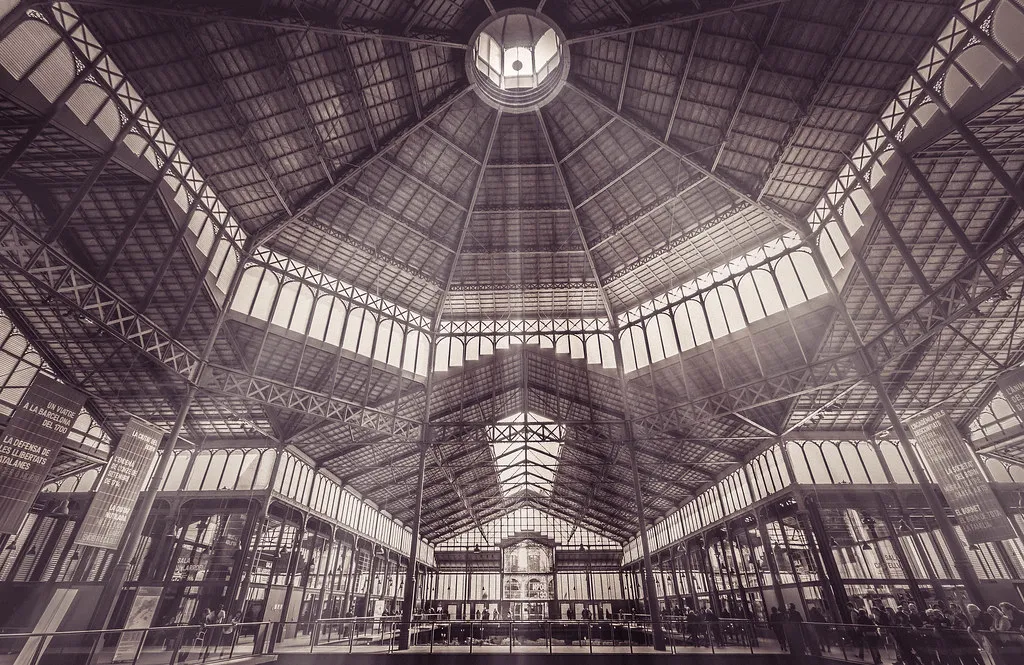
Visitors can walk along elevated platforms to view the streets and houses of the lost city below. The El Born Centre de Cultura i Memòria provides detailed displays about the families who lived here, connecting named individuals to specific addresses. It is a powerful place to reflect on questions of identity, memory, and what urban renewal costs. The contrast between the iron-and-glass market roof above and the stone ruins below is visually extraordinary.
Access to the main building and the viewing platforms is free for all visitors. This makes it one of the best 15 Best Places to Visit in Barcelona for Free while exploring the neighborhood. A small fee applies if you want a guided tour down into the ruins, which provides much more detail about the specific artifacts and families identified during the excavation. The surrounding Plaça Comercial is a good place to decompress afterward — local families gather here in the evenings and the pace is noticeably slower than the tourist-heavy streets near the basilica.
Where to Eat: Tapas Bars, Bakeries, and Markets
Dining in this neighborhood is an adventure with options ranging from traditional to genuinely cutting-edge. Start your culinary journey at El Xampanyet on Carrer de Montcada, a historic bar famous for its house sparkling wine and salt-cured anchovies. This family-run spot has served locals for generations and maintains a lively, crowded atmosphere with marble counters and tiled walls that have not changed in decades. Arriving before 13:00 or after 19:30 gives you the best chance of getting a spot at the bar rather than waiting outside.
For those who love cheese and wine, Vila Viniteca on Carrer dels Agullers is a mandatory stop. This gourmet shop offers over 7,500 wines and spirits alongside an impressive selection of Catalan and Spanish cheeses. You can sample rare products or pick up a bottle to enjoy later on Passeig del Born. It sits at the crossroads of several of the 12 Best Local Restaurants in Barcelona Travel Guide, so building a loose food crawl around this block makes sense.
Sweet treats are easy to find in the bakeries tucked into side streets. Forn Vilamala in Ciutat Vella bakes traditional Catalan pastries including coca de llardons and pa de pessic using recipes that predate the building itself. Many of these bakeries open by 07:30, which makes early morning the best time to catch freshly baked goods and nearly empty streets. Tapas bars in El Born are perfect for a slow evening of moving from one door to the next — order two or three small plates per stop and expect dinner to start no earlier than 20:30.
Shopping for Local Crafts and Independent Boutiques
Shopping in this district is a refreshing change from the global chains found on the main avenues. The area is famous for its independent boutiques and small artisan workshops where products are made on-site. You can find everything from handmade leather goods to custom jewelry, ceramics, and plant-based dyes. Many designers choose this neighborhood specifically for its creative community and the density of customers who are looking for something genuinely local.
Pottery enthusiasts should visit the Born to Clay Studio to see local artists at work. The studio offers hands-on ceramic workshops for all skill levels — sessions typically last two hours and cost around €35–45, with the option to glaze and fire your piece for collection or shipping. Taking home a piece of handmade pottery is a more lasting reminder of the neighborhood than anything available in a souvenir shop. Casa Panot runs similar creative workshops nearby, covering ceramics, printing, and textile crafts, with a particular focus on sustainable materials.
Fashion seekers will enjoy a Barcelona Guide Bureau Shopping Tour to find the best independent labels. These tours go behind the scenes of the most interesting shops and introduce you to the designers themselves. Carrer de Flassaders and Carrer del Rec are the two streets with the highest concentration of quality independent stores; most open around 10:00 and close between 14:00 and 17:00 before reopening in the evening. Planning shopping for the late morning or early evening maximizes the number of open doors.
Relaxation at AIRE Ancient Baths and Ciutadella Park
After a day of walking, the AIRE Ancient Baths on Passeig de Picasso offer a peaceful escape in a restored 18th-century warehouse. This candlelit spa features a series of thermal pools at different temperatures, a salt bath, and optional massages in a quiet, atmospheric setting. The contrast between the ancient brick walls and the modern facilities is striking. Booking two to three weeks in advance is recommended in high season as sessions are capped to maintain the calm atmosphere.
For a breath of fresh air, walk to the nearby Parc de la Ciutadella, located just on the eastern edge of the district. This large green space was once the site of the military fortress built after the 1714 siege — the same fortress that destroyed much of La Ribera. Today it serves as the city's main green lung, where people come to picnic, row boats on the lake, and exercise. The Cascada Monumental fountain at the northern end was partly designed by a young Gaudí in the 1870s, making it a low-key piece of architectural history that most visitors walk past without realizing its significance.
Families often spend an entire afternoon here exploring the wide paths, outdoor sculptures, and the adjacent Barcelona Zoo. The park provides a natural balance to the dense, stone-heavy streets of the medieval center. Entry is free and the park stays open until sunset throughout the year. It connects directly to the waterfront, so combining a park visit with a walk along the Barceloneta promenade makes for a full half-day out of the neighborhood.
Practical Travel Tips: How to Get There and When to Visit
Reaching El Born is straightforward. The Jaume I metro station on the Yellow Line (L4) is the closest stop for most visitors and puts you at the edge of the barrio in under a minute. You can also walk from the Gothic Quarter in less than ten minutes by crossing Via Laietana at any of the pedestrian crossings. Most internal streets are pedestrian-only, so comfortable shoes are essential once you arrive.
Choosing the 11 Key Insights on the Best Time to Visit Barcelona will make your experience considerably more enjoyable. Spring (March to May) and autumn (September to November) offer the best balance of pleasant weather and manageable visitor numbers. In 2026, Barcelona's city government is continuing its overtourism management measures, which include capping tourist apartments and redirecting cruise arrivals away from peak hours — these policies have had a modest but measurable effect on crowds in El Born's most visited streets. Early mornings before 09:00 remain the quietest time to photograph the basilica and the medieval alleys before the guided tour groups arrive.
If you are considering staying in the neighborhood, be aware that streets near Passeig del Born can be loud until 03:00 on weekends. Requesting a room at the rear of your building and above the second floor significantly reduces noise. Safety is generally good, but stay aware of your belongings in crowded areas — the metro at Jaume I and the narrow alleys near the Picasso Museum are known spots for opportunistic theft. Following basic precautions will help you have a relaxed and memorable visit to one of Barcelona's most atmospheric districts.
Keep valuables in a front pocket near Jaume I metro and the Picasso Museum alleys — these are the most common spots for opportunistic pickpocketing in the El Born district.
Frequently Asked Questions
What is El Born Barcelona known for?
El Born is famous for its narrow medieval streets, vibrant nightlife, and high-end artisan shops. It is home to the Picasso Museum and the stunning Santa Maria del Mar Basilica. The area perfectly blends ancient Catalan history with a modern, creative atmosphere for travelers.
Is El Born a good area to stay in Barcelona?
Yes, it is an excellent area for those who want to be in the heart of the city's cultural scene. You will be within walking distance of many top attractions and great dining options. However, some streets can be noisy at night due to popular bars.
How do you get to El Born from the city center?
You can easily reach the district by taking the L4 metro line to the Jaume I station. It is also a short ten-minute walk from the Gothic Quarter or Plaça de Catalunya. Most of the neighborhood is pedestrianized, making it very easy to explore on foot.
El Born is a neighborhood that rewards those who take the time to explore its hidden corners.
From the soaring arches of the Basilica to the modernisme splendor of the Palau de la Música, the contemporary galleries, and the artisan workshops, there is something for every kind of traveler.
We hope this guide helps you create your own perfect day in one of Barcelona's most atmospheric districts.
Continue exploring
More guides you'll find useful