12 Best Things to Do in East London (2026)
Plan things to do east london with top picks, neighborhood context, timing tips, and practical booking advice for a smoother trip.

On this page
12 Best Things to Do in East London
East London offers the city's most authentic creative pulse, combining industrial heritage with a cutting-edge food scene that rivals any global capital. This sprawling area — covering Shoreditch, Hackney, Brick Lane, Spitalfields, Bethnal Green, and beyond — rewards visitors who stray from the tourist trail. This guide was refreshed in May 2026 to ensure all pricing and opening times reflect the current landscape for travelers in the United Kingdom.
Visitors often stick to the West End, but crossing into the East reveals a completely different side of London life. You will find historic silk-weaver cottages standing alongside glass skyscrapers and world-class street art. Whether you are a dedicated foodie or a history buff, the East End provides a dense concentration of unique experiences within easy walking distance of each other.
Must-See East London Attractions
Three places stand above everything else in East London and should anchor any visit, regardless of how much time you have. The Columbia Road Flower Market (Columbia Road, E2) transforms into a blooming jungle every Sunday from 8:00 to 15:00. Arrive before 09:00 for the best selection, or after 14:00 for the best prices. Entry is free, though the street becomes genuinely packed by 11:00 in the summer months.

Brick Lane runs through the heart of the East End and functions as an open-air gallery, market, and dining strip simultaneously. The Sunday Upmarket in the Old Truman Brewery (Brick Lane, E1, 10:00–17:00) sits alongside independent restaurants and vintage shops that are open most of the week. Walk the length of the street from Bethnal Green Road down to Whitechapel High Street to take it all in properly.
Spitalfields Market (16 Horner Square, E1) operates seven days a week and is the area's most reliable indoor destination in any weather. The antiques traders arrive on Thursdays, while the general market runs daily from 10:00 to 17:00. The Georgian architecture of the surrounding streets — particularly Fournier Street and Elder Street — is some of the best-preserved in London and free to explore on foot. Many of the best hidden gems in London sit just off this main cluster, so allow time to wander the adjacent lanes.
Columbia Road Flower Market runs every Sunday from 8:00 to 15:00 and entry is free. Arrive before 09:00 for the best flower selection, or after 14:00 when vendors discount remaining stock.
Museums, Art, and Culture in East London
The Whitechapel Gallery (77-82 Whitechapel High Street, E1) has been launching careers and premiering major works since 1901. General admission is free for most of its programme; ticketed exhibitions typically cost £12–£18. It is open Tuesday to Sunday, 11:00–18:00, with a late closing at 21:00 on Thursdays. The bookshop and ground-floor cafe are both worth your time even if you only have 30 minutes.
Dennis Severs' House (18 Folgate Street, E1) is one of the most unusual things to do in London for visitors who want something genuinely different. This Georgian townhouse is arranged as if the fictional Huguenot family who lived there has just stepped out — fires burning, food half-eaten, candles lit. Visits are conducted in silence and last around 45 minutes. Tickets cost £15–£20 and must be booked in advance via the official Dennis Severs' House website; the evening candlelight sessions between November and January are particularly atmospheric.
The Museum of the Home (136 Kingsland Road, E2) occupies a set of 18th-century almshouses near Hoxton station and explores how domestic life has changed from the 1600s to today. Admission is free. The "Rooms Through Time" exhibit walks you through a sequence of period interiors — Tudor parlour to 1980s living room — and takes around 90 minutes. The museum also has one of the best shop selections in East London for design-led gifts. After a major redevelopment in 2021, it is now also a genuinely welcoming space for families with young children.
Sutton House (2-4 Homerton High Street, E9) is the oldest surviving domestic building in Hackney, constructed in 1535. It is managed by the National Trust and costs approximately £8–£10 for adults, open Wednesday through Sunday. The Tudor oak panelling is exceptional, but the real talking point is the preserved "squatters' room" from the 1980s when the house was briefly occupied by activists — a layer of history that most heritage buildings would erase. Take the 254 bus from Bethnal Green station to reach it directly.
Parks, Gardens, and Outdoor Spots in East London
Victoria Park (Grove Road, E3) is the area's grandest green space, covering 86 hectares between Mile End and Hackney Wick. Entry is free from 07:00 to dusk daily. The boating lake, ornate Victorian pagodas, and the restored Chinese pagoda by the canal make it one of London's most photogenic parks. A Sunday food market operates near the Bonner Gate from around 10:00 to 15:00, with some of the borough's best artisanal food stalls.
London Fields (London Fields West Side, E8) is smaller and more neighborhood-focused. The heated lido (E8 3EU, open year-round) is a genuine local institution and one of the few outdoor swimming pools in London that operates through winter — adult entry is around £6. On warm afternoons, the park fills with picnickers and musicians. The Pavilion Cafe by the Lido serves excellent food and is a strong base for a morning spent between the park and nearby Broadway Market.
Regent's Canal runs from Victoria Park through Hackney and Haggerston toward King's Cross, and walking the towpath is one of the best free activities in East London. The stretch from Broadway Market to Victoria Park takes around 40 minutes at a relaxed pace. You will pass narrowboats, canal-side cafes, and patches of wild planting. Sit at the Towpath Cafe (De Beauvoir Town, near Haggerston station) along the way — their seasonal outdoor kitchen serves one of the best brunches in the city, with most plates costing £9–£16. They operate roughly April to October, Wednesday through Sunday from 09:00.
East London Food Markets and the Bakery Crawl
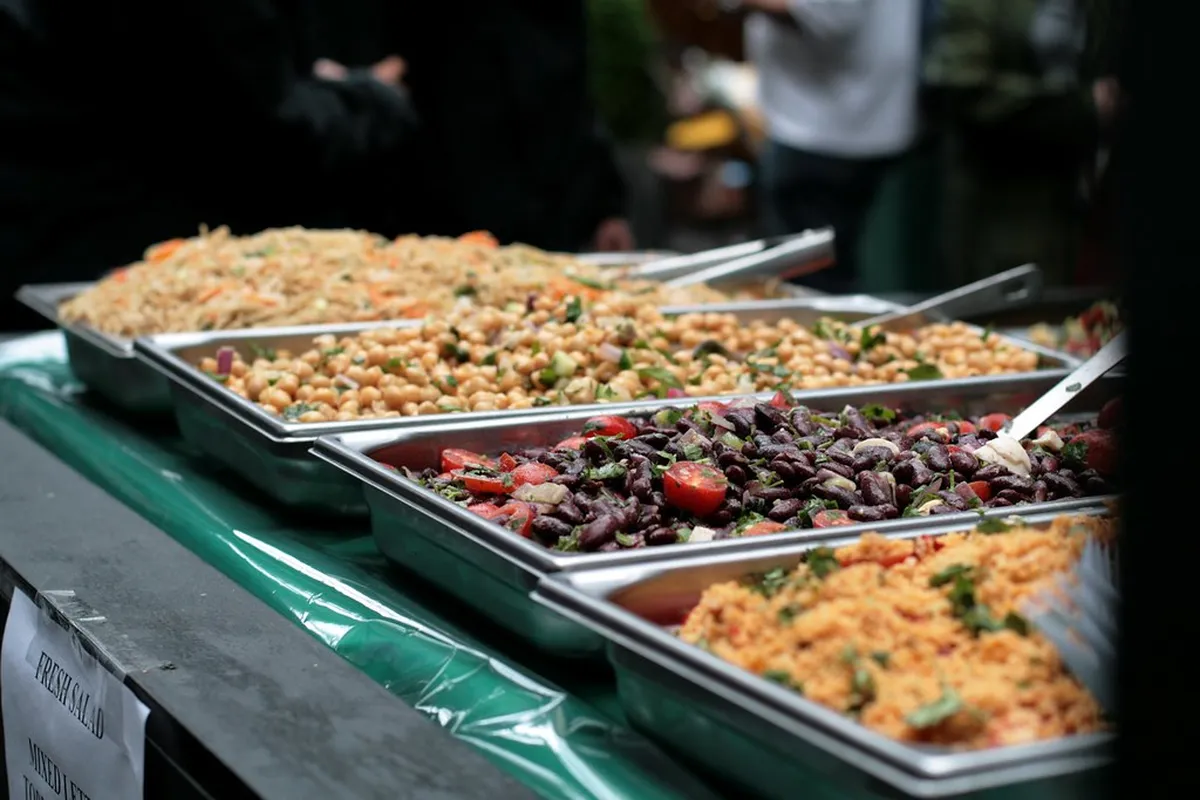
Broadway Market (Broadway Market, E8) runs every Saturday and attracts more than 100 stalls alongside a permanent row of independent shops. It sits at the southern end of London Fields and is one of the cornerstones of London food markets. Most street food dishes cost £8–£12. Donlon Books and Climpson & Sons coffee are both on the street and worth a stop. Arrive by 10:00 to navigate the stalls before the afternoon crowds arrive.

East London's bakery scene is strong enough to justify a dedicated morning crawl. Start at Jolene Bakery on Redchurch Street (E2) — their changing pastry selection runs out by midday, so arrive before 10:00. A pastry and coffee will cost around £6–£8. From there, walk to Yeast Bakery near Broadway Market for laminated croissants in seasonal flavours, then loop back via E5 Bakehouse near London Fields station for organic sourdough and a proper filter coffee. If you are in Dalston, Dusty Knuckle Bakery (Abbot Street, E8) makes the best focaccia sandwich in East London — around £7–£9 — on their coal-fired bread. The entire crawl covers roughly 3 km on foot.
For a sit-down experience with history attached, Townhouse Spitalfields (5 Fournier Street, E1) serves tea and handmade cake in a Georgian kitchen setting directly opposite Christ Church. A pot of tea and cake costs £10–£15. It feels like a deliberate pause away from the market crowds outside and pairs well with a visit to Dennis Severs' House two streets away. Open daily 11:00–18:00.
| Venue | Area | Day(s) Open | Hours | Cost |
|---|---|---|---|---|
| Columbia Road Flower Market | Bethnal Green, E2 | Sunday | 08:00–15:00 | Free |
| Spitalfields Market | Spitalfields, E1 | Daily | 10:00–17:00 | Free entry |
| Broadway Market | London Fields, E8 | Saturday | 09:00–17:00 | Free entry |
| Victoria Park food market | Mile End, E3 | Sunday | 10:00–15:00 | Free entry |
| Walthamstow Market | Walthamstow, E17 | Mon–Sat | All day | Free entry |
Dennis Severs' House must be booked in advance — walk-ins are not accepted, and the popular candlelit evening sessions in November–January sell out weeks ahead. Book via the official website to avoid disappointment.
Family-Friendly and Budget-Friendly Options in East London
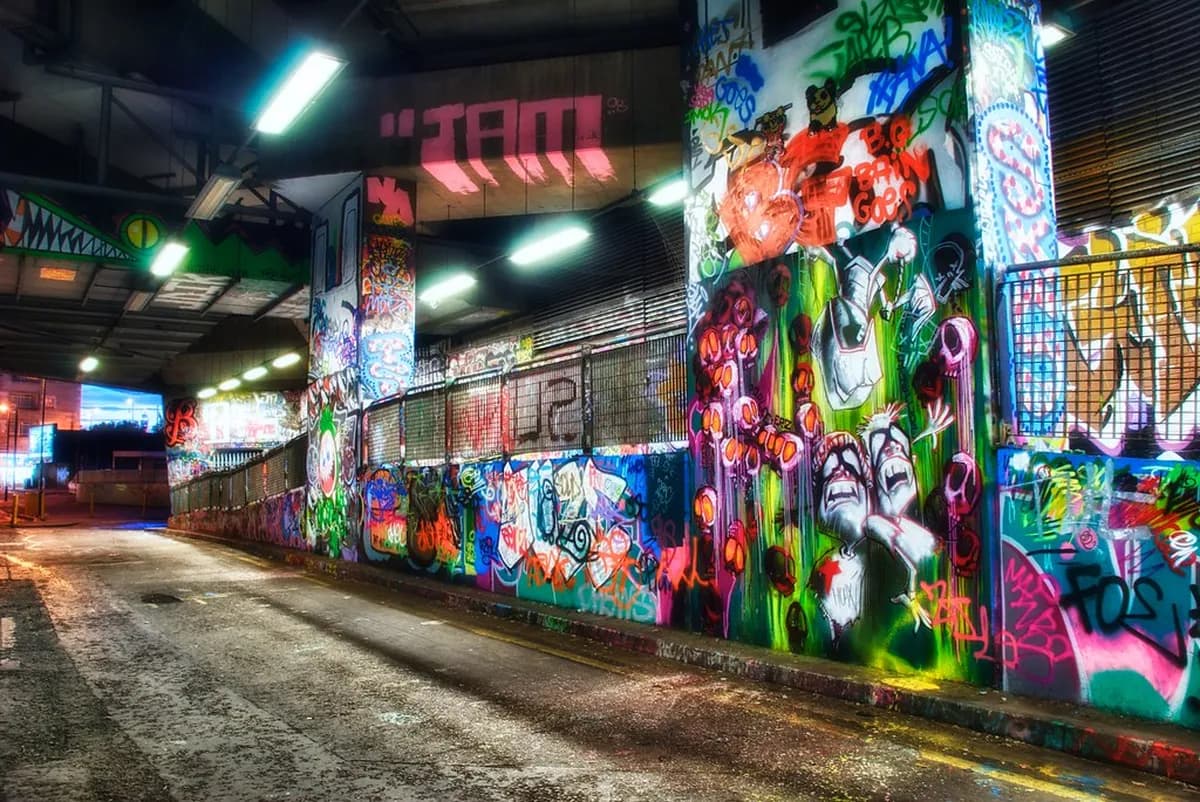
Much of East London costs nothing to enjoy. The street art circuit around Brick Lane, Shoreditch High Street, Fashion Street, and Hanbury Street is entirely free and changes regularly. Works by internationally recognised artists appear alongside newer commissions, and the density of murals within a 10-minute walk is unmatched anywhere in the UK. A self-guided London street art guide walk takes about 90 minutes and requires no booking.
The Museum of the Home, Whitechapel Gallery, and London Fields Lido between them offer a full day that costs under £10 per adult if you swim. The museum and gallery are both free; the lido charges £6. Children's playgrounds in Victoria Park and London Fields are good quality and free. The Sunday Victoria Park food market means families can graze through lunch without paying restaurant prices.
For families with older children who enjoy history, Sutton House is one of the best National Trust properties in London for its compact size and layered storytelling. The Breaker's Yard garden — built from recycled materials and salvaged caravan parts — is genuinely interesting for kids in a way that conventional heritage rooms often are not. Book tickets in advance online to save time at the door.
Walthamstow: The East London Neighbourhood Most Visitors Miss
Almost every East London guide stops at Hackney and goes no further north-east. Walthamstow, four stops from Liverpool Street on the Overground (around 20 minutes), is one of the most undervisited areas in the city for people who would otherwise enjoy this entire guide. The William Morris Gallery (Lloyd Park, Forest Road, E17) is the only public museum dedicated to the designer and social reformer, and admission is free. The collection covers his wallpaper designs, textiles, and political writing in a converted Georgian house within Lloyd Park. Plan around 75 minutes.
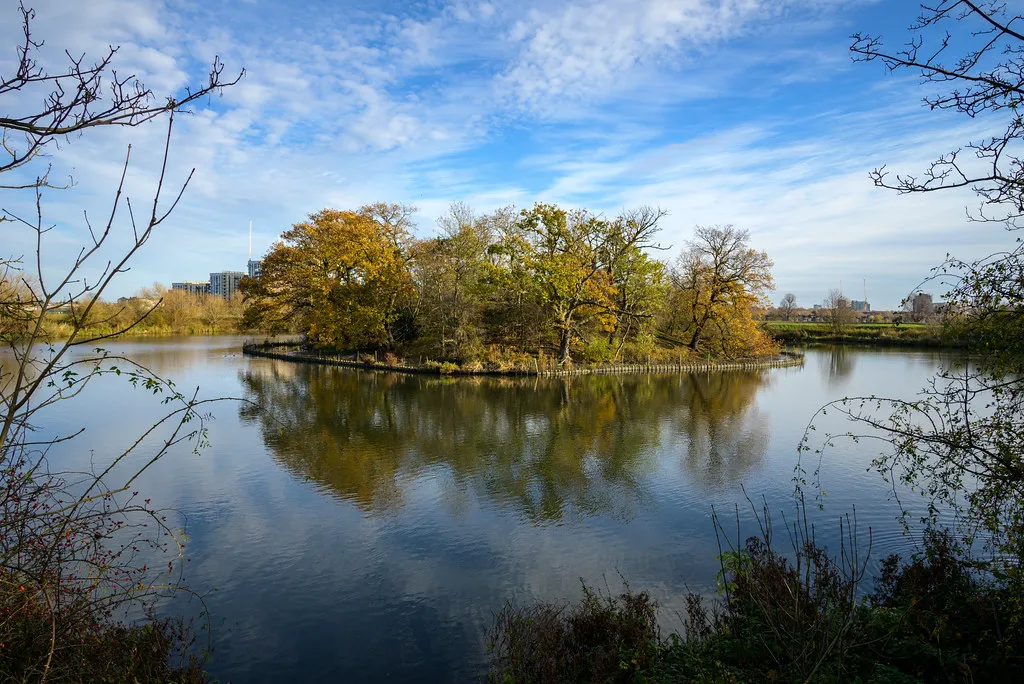
Walthamstow Village sits immediately south of the gallery — a quiet grid of Victorian terraces with a cluster of independent shops, the excellent Eat 17 restaurant (28-30 Orford Road, E17), and the Ancient House pub. It feels almost nothing like Shoreditch and that is precisely the point. If you have already done Brick Lane three times and want to find the version of East London that has not yet appeared on every travel influencer's feed, this neighbourhood is the answer.
Walthamstow Market on the High Street (E17) is the longest outdoor market in Europe — roughly a kilometre of stalls running Monday to Saturday. It is a working-class market, not a tourist market: fruit and vegetables, fabrics, household goods, and cheap street food. Prices are a fraction of Broadway Market. Come hungry and bring cash.
How to Plan a Smooth East London Day
Timing matters more in East London than in most parts of the city because many venues only operate on specific days. Sundays are the busiest days overall — the flower market, Brick Lane Market, and Victoria Park food market all run simultaneously. If you only have one day, Sunday gives you the most to see, but expect crowds on Columbia Road by 10:30. Mondays are the quietest for museum visits; Thursdays are good for galleries and the Spitalfields antiques market.
The London Overground connects Shoreditch High Street, Hoxton, Haggerston, Dalston Kingsland, and Hackney Central in a single arc. The Elizabeth Line stops at Whitechapel and Liverpool Street, providing fast connections from Heathrow and Central London. For Walthamstow, take the Overground from Highbury & Islington or the Victoria Line to Walthamstow Central. A daily Travelcard (Zones 1–2) covers all of these for around £14.90 in 2026.
Most of the best experiences are found by leaving the main roads. Safety is generally good across all the areas covered in this guide, but stay aware of your surroundings in crowded market areas. Keep your phone and wallet secure while photographing street art. If you want a quieter afternoon break, the area has several London independent bookshops worth ducking into — Paper & Cup on Calvert Avenue (E2) and Donlon Books on Broadway Market are both excellent.
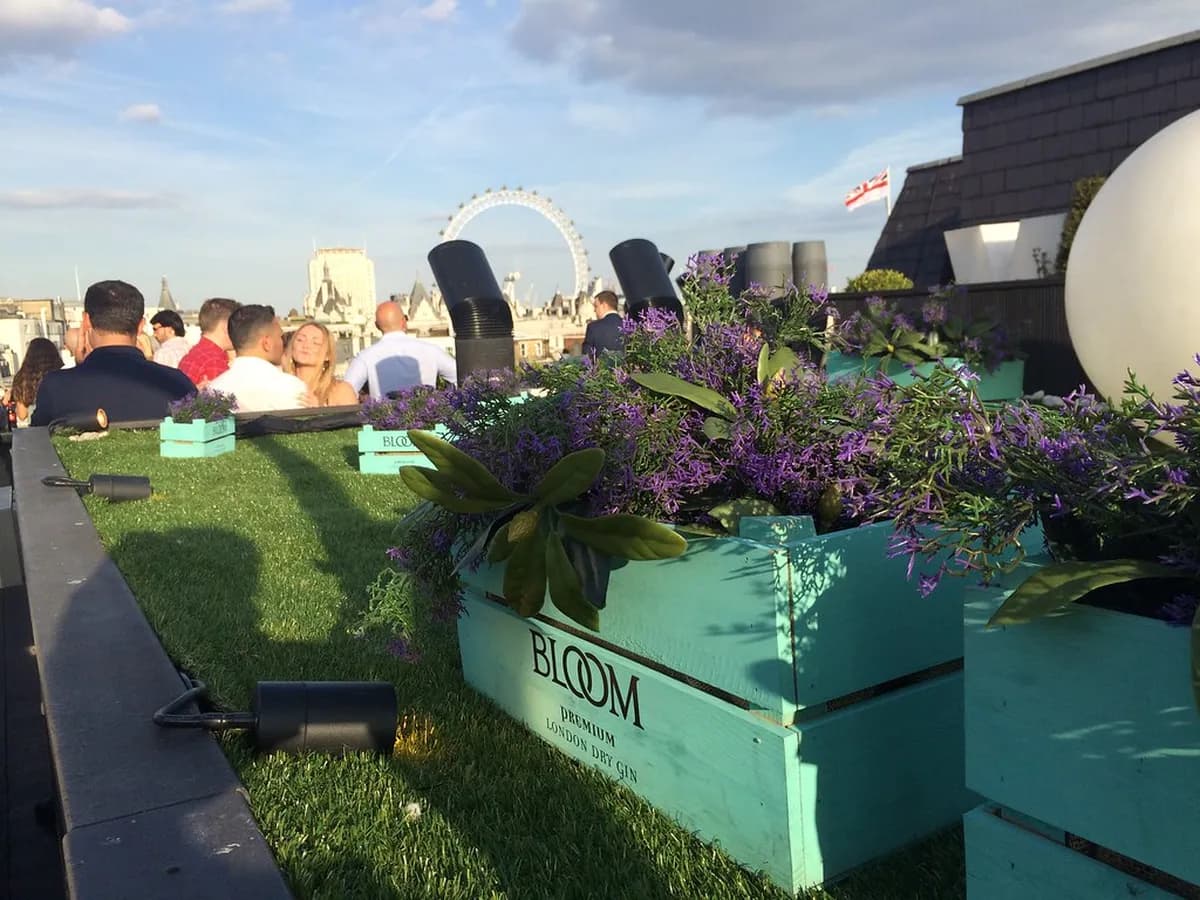
Two days is the ideal minimum: one day for Spitalfields, Shoreditch, and the Whitechapel Gallery area; a second day for Hackney, Broadway Market, Victoria Park, and the canal towpath. Add Walthamstow as a half-day extension on either day if your schedule allows. After a long evening, the London rooftop bars near Shoreditch offer a good way to close the day with views across the city.
Frequently Asked Questions
Which things to do east london options fit first-time visitors?
First-time visitors should prioritize the Columbia Road Flower Market on a Sunday morning and a walk through Brick Lane. These spots offer the most iconic East End atmosphere and are easily combined with a visit to Spitalfields Market. Both locations are free to explore and provide excellent photography opportunities.
How much time should you plan for things to do east london?
You should ideally plan for at least two full days to see the major highlights without rushing. Use one day for the Spitalfields and Shoreditch area and another for the Hackney and Victoria Park neighborhoods. This allows enough time to enjoy the museums and long lunches at local cafes.
What is the best way to get around East London?
The London Overground is the most efficient way to travel between the various creative hubs like Shoreditch and Dalston. Walking is also highly recommended because many of the best street art murals and small boutiques are hidden in narrow alleyways. The Elizabeth Line provides the fastest connection to Central London.
East London remains the city's most dynamic district, offering a blend of history and modernity that is hard to find elsewhere. From the blooming stalls of Columbia Road to the quiet halls of Sutton House, and from the canal towpath to the William Morris Gallery in Walthamstow, there is a surprise around every corner. The area rewards those who take the time to look a little closer at its rough edges.
Continue exploring
More guides you'll find useful