25 Unusual Things To Do In London: A Local's Guide (2026)
Discover 25 unusual things to do in London, from coffee in a Victorian toilet to secret underground tours. Includes local tips, costs, and hidden gems for 2026.
On this page
25 Unusual Things To Do In London
After living in London for over a decade, I have realized the city's real magic hides in its eccentric corners. While Big Ben and the Eye are iconic, the true character of the capital lies in secret underground tunnels, Victorian ruins, and cafes that used to be public conveniences. Our editors have reviewed every neighborhood to bring you the most hidden gems in London for your next trip.
This guide was refreshed in May 2026 to ensure all opening times and prices are accurate for the current year. Every entry below has been personally verified for logistics, including which spots require advance booking and how far in advance to do it. Whether you are visiting for the first time or have been living here for years, these quirky spots consistently surprise even seasoned Londoners.
The list is organized thematically — eccentric heritage and hidden history, immersive art and modern experiences, secret green spaces, and unique transport adventures. Use the booking lead time table near the end to plan your schedule before you leave home. Some of these experiences release tickets just once a week; missing the window means waiting months.
Coffee in a Former Victorian Toilet
Attendant in Fitzrovia occupies a restored 1890s men's public convenience beneath the pavement of Foley Street, a few minutes' walk from Oxford Circus. Patrons sit at the original porcelain urinals, which have been repurposed as individual booth counters, while enjoying specialty espresso drinks and seasonal brunch dishes. The space is genuinely small — there are roughly 20 seats — so it fills quickly on weekday mornings and the wait can stretch to 30 minutes on weekends.
A full brunch with coffee typically costs between £12 and £20. The kitchen closes at 15:00, so this works best as a morning or early afternoon stop rather than a late-day detour. If you cannot get a seat, the coffee is available to take away and the adjacent street is pleasant for people-watching.
A Tour of Highgate Cemetery
Highgate Cemetery is one of London's "Magnificent Seven" Victorian burial grounds, opened in 1839 to relieve the overcrowded churchyards of the inner city. The West Cemetery — the older, more atmospheric half — is only accessible with a pre-booked guided tour. The Egyptian Avenue, the Circle of Lebanon, and the Terrace Catacombs are genuinely theatrical, and the stories uncovered during a tour go far beyond the famous grave of Karl Marx on the East side.
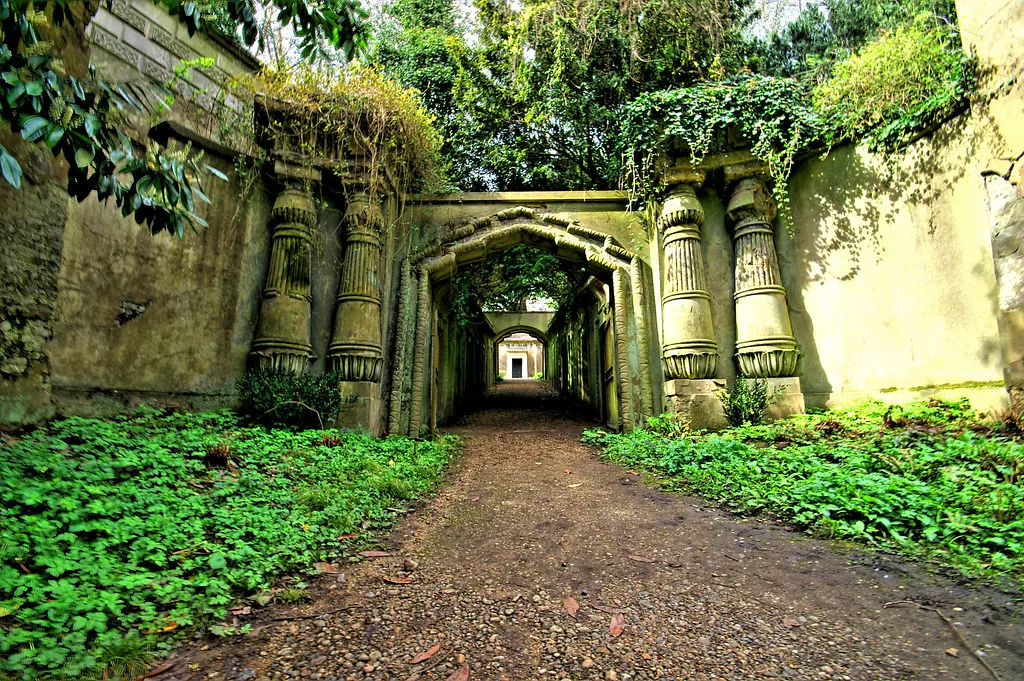
The Highlights Tour runs roughly 70 minutes and costs £18 per adult. Tickets must be purchased via the cemetery's website; walk-up entry to the West Cemetery is not permitted. After the tour ends, your ticket grants same-day access to the East Cemetery, where you can wander among the graves of George Eliot, Douglas Adams, and Malcolm McLaren at your own pace. Bring sturdy shoes — the paths are uneven and become muddy quickly after rain.
Visit Word on the Water
Word on the Water is a floating bookshop moored on the Regent's Canal in King's Cross, housed aboard a 1920s Dutch barge. Inside, a wood-burning stove keeps the narrow interior warm while shelves of curated second-hand and independent titles line every wall. It is open every day from 12:00 to 19:00, including most bank holidays — the main exception is Christmas Day.
Entry and browsing are completely free. The barge is small enough that you share the space with perhaps ten other visitors at any one time, which gives it a quiet, unhurried atmosphere unlike any high-street bookshop. The rooftop deck hosts occasional live jazz and spoken word events; check the barge's Instagram for upcoming performances. It is located just past The Lighterman pub, about a seven-minute walk from King's Cross St. Pancras station.
A Rooftop Sauna with City Views
Rooftop Saunas operates two locations — Brixton and Hackney — each offering private Finnish-style cabins perched above the city with open views of the skyline. Sessions come in 30-, 60-, and 90-minute increments and include a changing area, shower with amenities, herbal tea, and cold-plunge baths chilled to between 5 and 7 degrees Celsius. Towels are not supplied, so bring your own or pay the rental fee at the door.
A 60-minute session for up to four people costs approximately £25–£35 per person and must be booked online; last-minute slots are rare at weekends. The Hackney location has a particularly good panorama over East London and is often cited by regulars as the better of the two for views. This experience sits at the intersection of wellness and urban adventure — unusual for a city that does not traditionally lean into Nordic sauna culture.
Become Part of the Illusion at the Twist Museum
Located on Oxford Street near Oxford Circus, the Twist Museum sits beneath London's busiest shopping street — an incongruity that adds to the experience. TWIST stands for The Way I See Things, and the museum uses light, color, geometry, and sound to challenge how visitors perceive their surroundings. Rooms vary from straightforward optical illusions to genuinely disorienting environments where floors and ceilings swap roles.
Adult tickets cost between £22 and £30; the museum is open daily from 10:00 to 20:00. It is wheelchair accessible throughout, though a couple of inclined installations present minor challenges. Free lockers are available at the entrance, which is useful since the interactive elements tend to make bags a nuisance. Plan for 60 to 90 minutes and visit on a weekday morning for the best photos without other visitors in frame.
Afternoon Tea on a Double-Decker Bus
Brigit's Bakery runs afternoon tea service aboard vintage London Routemaster buses, combining a sightseeing loop with finger sandwiches, scones, cakes, and unlimited tea or coffee. The route passes Westminster Abbey, Downing Street, Marble Arch, the Royal Albert Hall, and several other landmarks over approximately 90 minutes. Departures operate several times daily from Victoria Coach Station and Trafalgar Square.
Tickets range from approximately £60 to £80 per adult. The top deck front row seats give the most unobstructed views, so book these specifically when reserving online. The experience is genuinely popular with visitors celebrating birthdays and anniversaries, so weekday departure times tend to be quieter and more relaxed. Children aged 3 to 12 pay a reduced rate, making it a workable family option.
Discover London's Roman Wall
Around 200 AD, the Romans built a defensive wall around Londinium that stretched roughly 3 kilometres. While most of it disappeared under medieval and modern construction, three substantial fragments survive and are viewable for free at any time of day. The most accessible section stands just outside Tower Hill station, rising to several metres in height and still bearing the courses of reused Roman tile that distinguish it from later medieval additions.
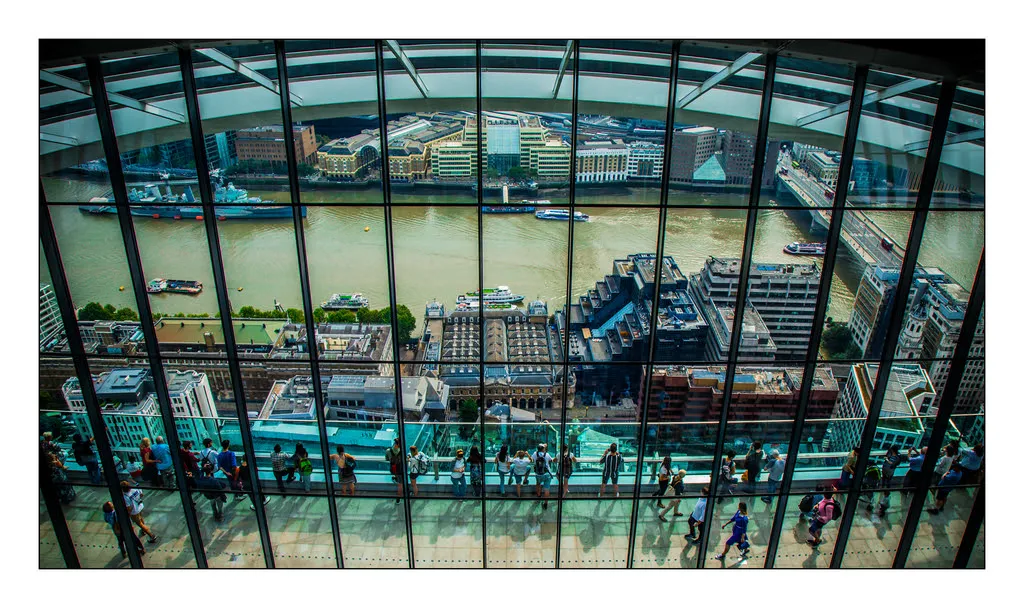
The marked London Wall Walk connects the surviving sections through the modern financial district. The route takes about two hours at a relaxed pace and passes other Roman traces, including fragments embedded in office courtyards and car parks that most commuters walk past without a second glance. It is one of the few genuinely free activities in the city that is also genuinely surprising — the contrast between a 1,800-year-old wall and the glass towers behind it never gets old.
Free Immersive Arts at The Outernet
The Outernet occupies a vast underground public space at Tottenham Court Road, wrapping floor-to-ceiling high-resolution LED screens around a central plaza. The immersive art installations rotate regularly and have included works by internationally recognized digital artists as well as live concert broadcasts and short film seasons. Everything shown in the main atrium is free and open to the public throughout the day and into the late evening.
Paid ticketed events take place in the concert venue at the rear, but the LED display area itself requires no ticket. The space is open from around 07:00 until midnight daily. Weekday afternoons between 13:00 and 16:00 are consistently the least crowded window; the venue fills significantly on weekend evenings when the music programming draws large crowds from nearby Oxford Street.
Walk Under the River Thames
The Greenwich Foot Tunnel is a Victorian cast-iron tube that runs beneath the Thames, connecting Cutty Sark in Greenwich to Island Gardens on the Isle of Dogs. It is one of the few places in London where you can walk under a major river without paying anything or boarding any transport. The tunnel itself is slightly eerie — 503 metres of white-tiled tunnel with a gentle curve that means you cannot see the far end from either entrance — and the experience of passing under an active shipping lane on foot is genuinely hard to forget.
The tunnel is free and open 24 hours a day. However, the lifts at both ends are frequently out of service, requiring you to descend 15 metres via a long spiral staircase. From the north entrance at Island Gardens, the view back across the river to the Royal Naval College and the Cutty Sark is one of the best free vantage points in the city. Allow 10 minutes to walk through and another 10 to explore Island Gardens before returning or continuing into Greenwich.
The Crypt Gallery at Saint Pancras Church
Saint Pancras New Church on Euston Road is a Greek Revival building completed in 1822, recognizable by the terracotta caryatids on its tower. Below it, the vaulted brick crypt hosts a rolling programme of contemporary art exhibitions that gain an unusual intensity from their surroundings. The low ceiling, stone floor, and dim lighting give artworks a weight they would not carry in a white-walled gallery above ground.
Entry is usually free, though some exhibitions charge a small admission of £5 to £10. The gallery is only open during active exhibitions, so check the church's website before visiting. It is a three-minute walk from both Euston and King's Cross St. Pancras stations, making it easy to combine with Word on the Water as a single afternoon in the King's Cross area.
Explore the Leake Street Arches
Running beneath Waterloo Station, Leake Street is London's largest designated legal graffiti space — a 300-metre tunnel where artists work openly and murals change almost daily. The tunnel was originally a car park approach road before Banksy used it for a 2008 event called "Cans Festival," after which the landowner designated it a permanent free-paint zone. The result is one of the most dynamic outdoor art spaces in Europe, where the same wall can look completely different on consecutive days.
Access is free and the tunnel is open around the clock, though daytime hours are more comfortable given the low lighting and the occasional powerful smell of spray paint. Several bars and street food operators have since opened in the adjacent arches, making the area a workable evening destination in its own right. It sits a five-minute walk from Waterloo station and is easily combined with a visit to the off-the-beaten-path London Southbank area.
The Barbican Conservatory
Tucked inside the Barbican Centre's brutalist concrete bulk is a lush indoor rainforest covering over 2,000 square metres and housing more than 1,500 species of tropical plants and trees. It is the second-largest conservatory in London after Kew Gardens, but unlike Kew it is entirely free to enter. The contrast between the grey concrete exterior and the dense tropical interior is one of London's more memorable architectural surprises.
Tickets are released every Thursday at 09:30 via the Barbican website for the following Sunday. They disappear within minutes — set a calendar reminder for 09:25 if you want a specific date. The conservatory is only open on Sundays (12:00–17:00) and certain bank holidays, which makes booking timing critical. It is not accessible for wheelchairs due to the narrow path layout inside the planting zones.
St Dunstan in the East Church Garden
St Dunstan in the East is a former parish church in the City of London whose interior was gutted by the Blitz in 1941. Rather than rebuild, the Corporation of London left the roofless shell standing and opened it as a public garden in 1971. The result is one of the city's most photogenic spaces: stone Gothic arches draped in ivy and climbing plants, with garden benches where office workers eat lunch surrounded by what feels like a ruin from another century.
The garden is free and open daily from 08:00 until dusk. Late spring is the best time to visit, when the foliage is at its most vigorous against the stone. It sits a five-minute walk from Monument station. The surrounding streets of the City are largely empty at weekends, which makes a Saturday or Sunday morning visit unusually peaceful for such a central location.
Hill Garden and the Pergola
The Hill Garden and Pergola in Hampstead Heath is one of the least-known landmarks in north London — an Edwardian raised walkway and pergola built for Lord Leverhulme around 1905 that now sits in dignified semi-decay above the Heath. Wisteria, roses, and clematis grow over the pergola's ironwork in late spring, and the structure itself feels like a fragment of a formal Italian garden that somehow landed in a north London park.
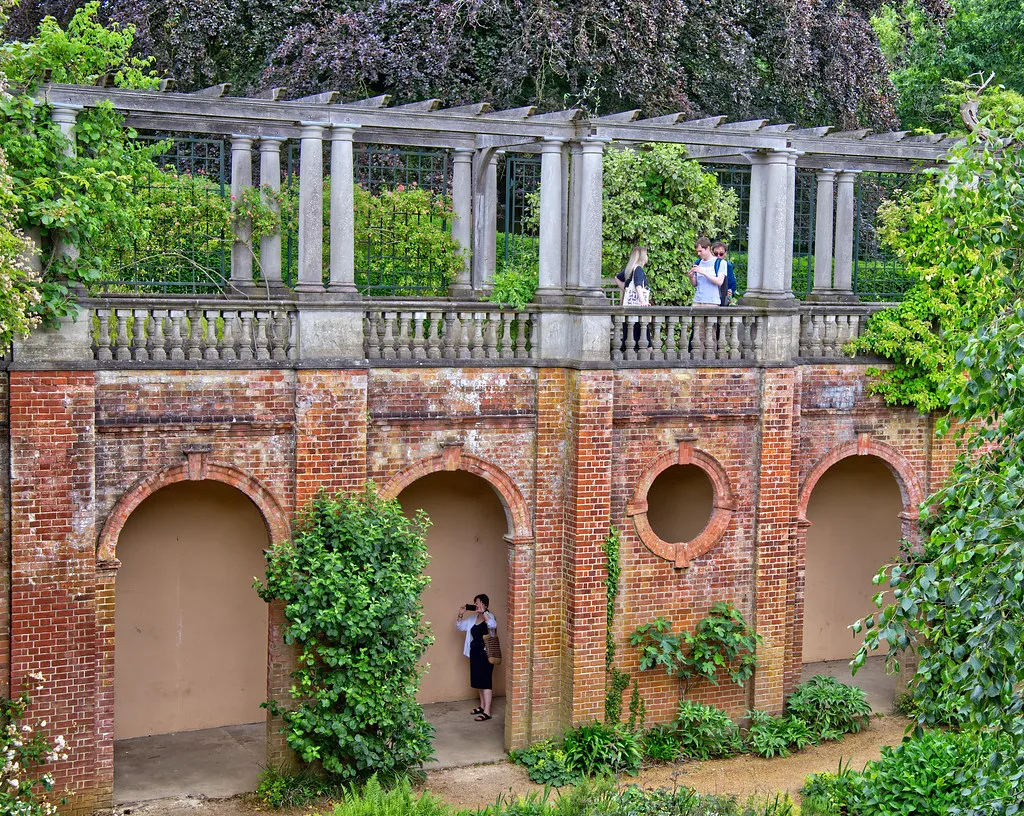
Entry is free and the garden is open daily from 08:30 until roughly 30 minutes before sunset. The nearest tube is Golders Green or Hampstead; from either it is a 15-minute uphill walk. There are no facilities on site, so bring water if you plan to sit for a while. Very few visitors find their way here even on busy Heath weekends, which makes it one of the genuinely quiet spots within walking distance of Zone 2.
The Hill Garden and Pergola peaks in late April and early May when wisteria blooms over the ironwork. Visit on a weekday — even on busy Heath weekends, very few visitors find their way here.
Go Behind the Scenes on the London Underground
Hidden London Tours, operated by the London Transport Museum, take visitors into a rotating selection of disused and closed-off Underground stations and tunnels. Past tour locations have included Aldwych, Down Street, and Charing Cross, each offering a different window into the history and engineering of the world's oldest metro system. The guides are knowledgeable and the spaces are genuinely atmospheric — dusty 1930s tiles, frozen-in-time signage, and the distant rumble of active Tube lines above.
Tickets cost between £45 and £60 per adult and are released in seasonal batches, typically selling out within hours of going live. Tours involve significant walking and stair-climbing in dusty conditions, so comfortable shoes and a light layer are recommended. A mask is advisable in the tunnel sections. The London Transport Museum's mailing list is the fastest way to know when new batches are released before they sell out publicly.
See the Original Wedding Cake Church
St Bride's Church on Fleet Street has a tiered spire that local legend attributes as the inspiration for the modern tiered wedding cake. The story goes that a pastry chef named William Rich, who lived opposite the church in the 18th century, looked up at the steeple and decided to replicate its shape for a wedding confection. Whether or not the story is entirely accurate, the spire's influence on cake design is widely accepted, and the church itself is worth visiting on those terms alone.
Below the church, a crypt museum houses Roman mosaic floors, Saxon evidence, and artifacts tracing the history of British journalism — Fleet Street was the centre of the press for most of the last three centuries and many journalists are buried here. Entry to both the church and crypt is free, with donations welcome. The church is generally open Monday to Friday from 09:00 to 17:00; avoid midday on Sundays when services are in progress.
Ride the Mail Rail at the Postal Museum
The Mail Rail is a miniature underground railway that operated beneath central London from 1927 to 2003, carrying mail between sorting offices without ever surfacing into traffic. The train cars are genuinely small — they were designed for parcels, not people — and the narrated ride through the tunnels passes original platforms that have barely changed since the line closed. It is one of the very few ways to ride on a piece of London's hidden infrastructure that most residents never knew existed.
Tickets cost approximately £18 to £22 and include entry to the main Postal Museum building across the street, which is worth at least an hour on its own. The cramped carriages are a genuine consideration for anyone with claustrophobia — the ceiling is low and the seats are narrow. The museum is open Tuesday to Sunday from 10:00 to 17:00. For families, this rates highly as a shared experience that works across a wide age range, from curious children to adults with an interest in industrial history.
Immerse Yourself in Modern Art at Moco Museum
Moco Museum opened its London location at Marble Arch in 2023, following successful venues in Amsterdam and Barcelona. The collection focuses on accessible contemporary and street art, with major works by Banksy, Jean-Michel Basquiat, KAWS, and Keith Haring alongside a dedicated immersive digital floor. The building itself is a converted townhouse, which gives the galleries an intimate scale that contrasts with the grand proportions of nearby public museums.

Adult tickets are priced between £15 and £25; the museum is open daily from 10:00 to 21:00. Evening slots from 18:00 onwards are quieter and the digital installations are more effective in lower ambient light. Pre-booking via the Moco website is recommended, particularly at weekends, as the venue sells out on busy days. Allow 90 minutes minimum for the full building.
Admire the Architecture of the Natural History Museum
The Natural History Museum is free, which is reason enough to visit. But most visitors walk straight past the building's most extraordinary feature: the Romanesque terracotta facade designed by Alfred Waterhouse in the 1870s. Every column, window surround, and corbel is decorated with cast animals, plants, and fossils — living species on the eastern half of the building, extinct species on the western half. It is a deliberate program of natural history told in fired clay on the exterior of the building.
Inside Hintze Hall, look at the ceiling rather than the blue whale skeleton hanging at its centre. The painted vaulting contains 162 panels depicting plants from around the world, added as part of a Victorian decorative scheme that most visitors never notice. Entry is free and timed tickets can be reserved online. The museum opens daily at 10:00; arriving at opening time is the most reliable way to avoid the queues that build by mid-morning.
Enjoy the Eccentricity of Sir John Soane's Museum
Sir John Soane was the architect of the Bank of England and a compulsive collector who crammed his Lincoln's Inn Fields townhouse with ancient sarcophagi, Hogarth paintings, Canaletto canvases, architectural fragments, and thousands of drawings. When he died in 1837 he left the house to the nation on the condition that nothing be moved or altered. The result is a museum where every surface is covered and every room opens onto another room that should not physically exist given the footprint of the building.
Entry is free and the museum is open Wednesday to Sunday from 10:00 to 17:00. Bags must be left at the free cloakroom and photography is not permitted inside. The monthly Soane Lates candlelit evening — held on the first Tuesday of each month from 18:00 to 21:00 — is the best version of this visit. Soane designed specific lighting apertures into the ceilings and walls so that the collection could be viewed by candlelight, which was how he actually lived here. Tickets for Candlelit Evenings are released online one month in advance, cost £15, and sell out fast — this is the single best-value unusual experience in London that almost no competitor guide mentions.
Sir John Soane's Candlelit Evening tickets (£15) are released one month in advance and sell out within hours. Check the museum website on the first day of the prior month — missing this window means waiting a full month for the next release.
Step Back in Time at Lincoln's Inn Chapel
Lincoln's Inn is one of London's four Inns of Court — the historic complexes where barristers study and keep chambers. The grounds are open to the public during weekday working hours, and the chapel, completed in 1623, is one of the quieter historic interiors in the city. The vaulted undercroft below the chapel was historically used by barristers to meet clients; before that, it served as a space for foundlings left by impoverished mothers at the Inn's door.
The chapel features early 17th-century stained glass with heraldic coats of arms and a peaceful interior that feels far removed from the nearby legal offices. It is free to visit, open weekdays from 09:00 to 17:00, and lunchtime organ recitals take place periodically — check the Inn's website for the schedule. The surrounding courtyards are worth 20 minutes of wandering in their own right.
Explore the London Canal Museum
The London Canal Museum occupies a former Victorian ice warehouse in King's Cross, built in the 1860s to store ice imported from Norway by the Venetian ice cream merchant Carlo Gatti. The building's most striking feature is an ice well — a deep circular shaft cut into the ground — visible through a glass floor panel in the main gallery. Alongside the ice trade history, the museum covers the working life of the canal boatmen and women who lived and worked on London's inland waterways.
Entry costs approximately £8 to £12 per adult; the museum is open Tuesday to Sunday. The museum periodically runs narrated boat trips through the Islington Tunnel, a 960-metre canal tunnel that passes beneath the Islington streets — these must be booked separately and book up quickly. It is a short walk from King's Cross station and pairs naturally with Word on the Water into a half-day canal-themed itinerary.
Take a Tour of the Crossness Pumping Station
Built in 1865 to address London's Great Stink — a summer when the Thames became so polluted that Parliament nearly had to relocate — the Crossness Pumping Station is one of the most spectacular industrial buildings in Britain. The engine house contains four massive beam engines and an interior of cast-iron decorative work in reds, blues, and golds that earned it the nickname "Cathedral of Sewage." The ornamental ironwork was designed partly as a morale investment for the engineers who worked here; the result looks more like a Victorian ballroom than a sewage facility.
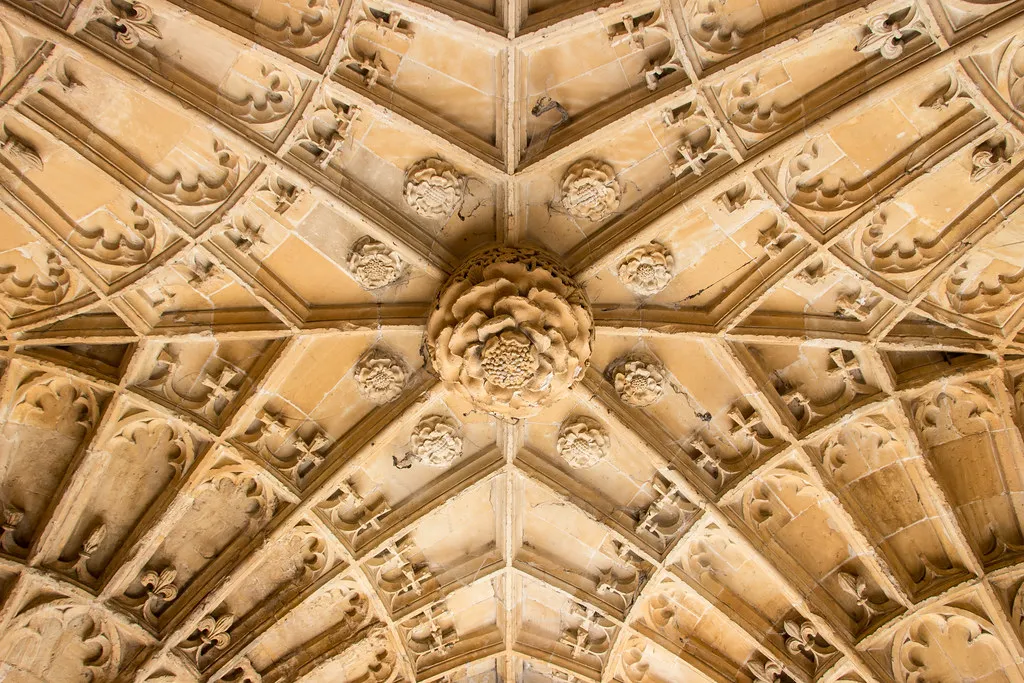
Crossness is not a standard open-to-the-public museum. Access is through specific "Steaming Days" when the original Victorian engines are powered up, or via pre-booked guided tours on selected dates. Check the Crossness Engines Trust calendar before traveling; the site is in Abbey Wood, a 30-minute journey from London Bridge. The remote location means it is a deliberate half-day trip rather than a passing detour, but visitors consistently describe it as one of the most genuinely surprising things they have seen in London.
Faff Around in an Adult Ball Pit
Ballie Ballerson in Shoreditch is a bar built around a series of large ball pits containing over a million illuminated balls, designed entirely for adults. The concept sounds gimmicky until you are actually in it — the combination of cocktails, music, and the physical absurdity of jumping into a ball pit with other adults produces a reliably good evening. Brunch sessions run until around 21:00 and include bottomless pizza and drinks alongside ball pit time, making them the more popular format.
Ticket prices for evening sessions typically range from £15 to £25 depending on the day and whether you book in advance. The venue is genuinely popular, so weekday sessions are the better choice if you want more space in the pits. Use the provided lockers — phones lost in ball pits are a recurring problem. Ballie Ballerson is in Shoreditch High Street, close to several other East London unusual venues for an extended evening out.
Slide Down the ArcelorMittal Orbit
The ArcelorMittal Orbit is a 114-metre red steel sculpture in the Queen Elizabeth Olympic Park in Stratford, built as a landmark for the 2012 London Olympics. In 2016, the Helix slide was added — a 178-metre tunnel slide that spirals around the outside of the structure 12 times before depositing riders at the base in approximately 40 seconds. It is the world's longest and tallest tunnel slide, and at speeds of up to 15 miles per hour it qualifies as a genuine thrill rather than a children's attraction.
A combined ticket for the viewing platform and the slide costs approximately £15 to £20 per person. There is a minimum height requirement of 1.3 metres and a maximum weight limit of 140 kilograms; check the official website before booking. Book specifically for the Helix slide and not just the observatory level, as the two are separate ticket types. The Olympic Park itself is worth a wander before or after the slide, particularly if you have not visited since the Games.
Booking Lead Times: What to Reserve Before You Leave Home
Several of the experiences above have ticket systems that operate on a specific release schedule rather than general on-sale availability. Showing up without a booking is not an option for these, and missing the release window often means a wait of weeks. Use the table below to plan your schedule before you travel.
- Barbican Conservatory — tickets released every Thursday at 09:30 for the following Sunday; sell out within 5 minutes. Set a calendar alarm for 09:25 Thursday.
- Hidden London Underground Tours — released in seasonal batches, typically 2–4 months in advance; sell out within hours. Join the London Transport Museum mailing list for advance notice.
- Sir John Soane's Candlelit Evening — first Tuesday each month, tickets released one month ahead; cost £15, sell out in hours. Check the museum website on the first day of the prior month.
- Highgate Cemetery West Tour — book 1–2 weeks ahead online for weekdays; popular weekend dates book 3–4 weeks out.
- Mail Rail at the Postal Museum — book 1–2 weeks ahead; rarely sells out more than a week in advance but walk-up access is not guaranteed.
- Crossness Pumping Station Steaming Days — check the Crossness Engines Trust calendar; typically 6–8 open days per year, publicized months ahead.
- Brigit's Bakery Afternoon Tea Bus — book 2–4 weeks ahead for weekend departures; weekday slots are usually available 5–7 days out.
- Rooftop Saunas — book 1–2 weeks ahead for weekends; midweek slots available 3–4 days out.
| Experience | Cost | Booking Lead Time | Duration |
|---|---|---|---|
| Barbican Conservatory | Free | Thursday 09:30 for following Sunday | ~1 hour |
| Hidden London Underground Tours | £45–£60 | Seasonal batches, months ahead | ~2 hours |
| Sir John Soane's Candlelit Evening | £15 | 1 month in advance | 3 hours (18:00–21:00) |
| Highgate Cemetery West Tour | £18 | 1–4 weeks ahead | ~70 minutes |
| Mail Rail at the Postal Museum | £18–£22 | 1–2 weeks ahead | ~1 hour ride + museum |
| Crossness Pumping Station | Varies | Check Trust calendar (6–8 days/year) | Half day |
| Brigit's Bakery Afternoon Tea Bus | £60–£80 | 2–4 weeks (weekends) | ~90 minutes |
| Rooftop Saunas | £25–£35/person | 1–2 weeks ahead (weekends) | 60–90 minutes |
For everything else on this list — Leake Street, St Dunstan in the East, the Roman Wall, the Outernet, Greenwich Foot Tunnel — no booking is required and there is no crowd threshold that makes the experience feel diminished. These are the best fallback options when weather or plans change unexpectedly.
How Many Days Do You Need for Quirky London?
Three to four days is the right window if you want to cover at least eight to ten of the experiences above without rushing. London is geographically spread — the distance from Crossness Pumping Station in Abbey Wood to the Hill Garden in Hampstead is nearly 20 miles — so the key is grouping by neighborhood rather than trying to cross the city for individual stops. One day in the City and Southwark area covers St Dunstan in the East, Leake Street, and St Bride's Church comfortably. A second day around King's Cross gets you Word on the Water, the Canal Museum, and the Crypt Gallery at Saint Pancras.
A weekend visit works if you concentrate on a single zone. The East End — Leake Street, Ballie Ballerson, the Twist Museum — is dense enough to fill a full day without significant travel. If your trip is only two days, prioritize the experiences that require advance booking and fill remaining time with the free no-booking options. Our hidden gems in London guide has a neighborhood-by-neighborhood breakdown if you want to build a tighter route.
Always leave a half-day unscheduled. London consistently produces unplanned discoveries — a tiny independent bookshop, a courtyard garden, a market that wasn't in any guide. Some of the best hours I have spent in this city came from a wrong turn between two planned stops.
Frequently Asked Questions
What are the most unusual free things to do in London?
The most unusual free things in London include the stunning ruins of St Dunstan in the East and the Barbican Conservatory. These locations offer an incredible atmosphere without any entry fee. I recommend booking the conservatory online in advance because the free tickets disappear very quickly.
Is the Mail Rail at the Postal Museum worth it for adults?
The Mail Rail is definitely worth it for adults who enjoy industrial history and unique engineering. While the train cars are small, the narrated journey through the dark tunnels is genuinely fascinating. It provides a rare look at a hidden part of the city's infrastructure.
Which quirky London attractions require booking in advance?
You must book Hidden London Underground tours and the Barbican Conservatory well in advance as they sell out almost immediately. The Mail Rail and Highgate Cemetery tours also require pre-booking to guarantee a spot. Check official websites at least two weeks before your planned visit.
London is a city that rewards the curious traveler who is willing to step away from the traditional tourist paths. From the porcelain urinals of Attendant to the iron cathedrals of Crossness, the capital is overflowing with eccentric and memorable experiences. I hope this guide inspires you to look a little closer at the buildings and alleyways during your next visit to this incredible city.
Remember to check opening times and booking requirements in advance, as many of these spots have limited access or seasonal hours. Exploring the unusual side of London will leave you with stories and photos that most visitors completely miss out on. Whether you are sliding down the Orbit or walking under the Thames, enjoy every quirky moment of your 2026 London adventure.
Continue exploring
More guides you'll find useful