10 Best Off the Beaten Path London Gems to Visit (2026)
Discover London off the beaten path with our guide to 10 essential categories of hidden gems, including secret gardens, niche museums, and local neighborhood tips.
On this page
10 Essential Off the Beaten Path London Gems
After living in London for a decade, I've realized the city's true magic lies far beyond the red buses of Piccadilly Circus. Our editors have reviewed every neighborhood to find spots that retain an authentic local character while escaping the typical tourist crush. This guide covers 2026-accurate pricing and access details to help you plan with confidence.
When exploring hidden gems in London, it is often best to skip overcrowded areas like Leicester Square. Venues like M&M's World or the main drag of Oxford Street often under-deliver on charm and over-charge for basic experiences. Instead, focusing on the quiet corners of the City or the industrial history of the East End provides a deeper connection.
Finding places off the beaten path in London requires a bit of curiosity and a willingness to wander down narrow alleys. Many of these locations are completely free to enter and offer a peaceful respite from the bustling metropolitan pace. Whether you are a first-time visitor or a seasoned local, these ten selections will change how you view the capital.
10 Must-See Off the Beaten Path London Gems
The following list represents a diverse mix of historical ruins, vibrant markets, and serene gardens scattered across the city's unique neighborhoods. We have selected these items based on their historical significance, visual appeal, and the quality of the visitor experience they offer. Many of these spots are located in residential or business districts that tourists often overlook during a standard sightseeing itinerary.

To make the most of your time, consider grouping these attractions by their general geographic location within Greater London. For instance, several of the historic sites are clustered in the City of London, while others require a short journey to the suburbs. Always check the official websites before visiting, as some smaller venues have limited opening hours or require advanced booking.
Each entry below includes practical details to help you navigate the city like a local and avoid common logistical pitfalls. I remember discovering the Hill Garden Pergola at sunset; the lack of crowds made the golden hour feel incredibly personal and rare. Exploring unusual things to do in London is the best way to see the city's true personality.
- The Ruins of St Dunstan in the East
- This hauntingly beautiful public park is set within the shell of a church largely destroyed during the Blitz in 1941.
- Located in the City of London, it is free to enter and typically open daily from 8am until dusk.
- Take the Tube to Monument station and walk five minutes to find this lush, vine-covered escape from modern skyscrapers.
- The benches are often full at midday with local office workers, so visit in the early morning for total silence.
- Sir John Soane's Museum in Holborn
- This eccentric historic house was the former home of the architect of the Bank of England and remains packed with antiquities.
- Entry is free for all visitors, and the museum is open Wednesday to Sunday from 10am to 5pm.
- It sits on Lincoln's Inn Fields near Holborn station and usually requires about 90 minutes to explore the dense collection.
- Look for the hidden panels in the Picture Room that swing open to reveal even more layers of classical paintings.
- The Hill Garden and Pergola in Hampstead
- This elevated Georgian terrace and overgrown walkway offer some of the most romantic and quiet views in North London.
- The site is free to visit and stays open from 8:30am until roughly 30 minutes before dusk throughout the year.
- Walk fifteen minutes from Hampstead station through the heath to reach this hidden architectural marvel tucked away from the main paths.
- Photographers should head here during the late afternoon when the light filters through the wooden beams and climbing flowers.
- The Kyoto Garden at Holland Park
- Gifted by the Chamber of Commerce of Kyoto, this Japanese garden features tiered waterfalls and a pond full of koi carp.
- It is located in the heart of Holland Park in West London and is free to access during park hours.
- Use the Holland Park Tube station and follow the signs toward the center of the park to find this peaceful sanctuary.
- Keep an eye out for the resident peacocks that frequently roam the area and provide excellent, colorful photo opportunities.
- Maltby Street Market in Bermondsey
- This narrow weekend market is a local favorite for gourmet street food and artisanal produce tucked under Victorian railway arches.
- Entrance is free, but you should expect to spend £8–£15 on high-quality snacks or craft beverages from independent traders.
- The market is open on Saturdays from 10am to 5pm and Sundays from 11am to 4pm near London Bridge station.
- Try the famous honey-soaked brownies or the grilled cheese sandwiches while standing among the colorful flags and brickwork.
- God's Own Junk Yard in Walthamstow
- This dazzling warehouse in East London houses a massive collection of vintage neon signs and salvaged movie props.
- It is free to enter, though the onsite Rolling Stones Cafe serves drinks and light bites for a small cost.
- The gallery is open to the public on Fridays, Saturdays, and Sundays, located a short walk from Walthamstow Central station.
- Note that professional photography with DSLRs is strictly prohibited without a prior permit, so stick to quick phone snaps.
- Horniman Museum and Gardens in Forest Hill
- This South London gem features an eclectic natural history collection and a famous overstuffed walrus from the Victorian era.
- The main museum and the surrounding 16 acres of gardens are free, though the aquarium requires a small paid ticket.
- Take the Overground to Forest Hill station and spend at least two hours exploring the galleries and the hilltop views.
- The Sunday farmers' market held on the grounds is a fantastic place to mingle with locals and buy organic treats.
- Leadenhall Market's Victorian Splendor
- This ornate covered market features a stunning painted roof and was used as a filming location for the Harry Potter films.
- The public walkways are free to explore 24/7, though the shops and pubs generally follow standard City business hours.
- Located near Bank and Monument stations, it is best visited on a weekend when the financial district is mostly empty.
- Look for the entrance to 'The Leaky Cauldron' at 42 Bull's Head Passage for a fun cinematic reference point.
- The Artist Colony at Eel Pie Island
- This private island in the Thames is home to a quirky community of artists and has a rich rock-and-roll history.
- While the island is mostly private, the main footbridge from Twickenham is open to the public for a scenic walk.
- Travel by train to Twickenham station and check the official community site for the rare 'Open Studio' weekends twice a year.
- Respect the residents' privacy by staying on the marked paths and enjoying the eccentric sculptures visible from the fences.
- Crossness Pumping Station in Abbey Wood
- Often called the 'Cathedral of Sewage,' this Victorian engineering masterpiece features incredible ornate ironwork and massive steam engines.
- Guided tours and steaming days cost approximately £10–£18 per adult and must be booked well in advance.
- It is located in South East London and is accessible via a short taxi ride or long walk from Abbey Wood station.
- Check the trust's official website for their limited public opening dates, as the site is not open every day.
Hidden Museums, Art, and Culture
London is home to hundreds of small, specialized museums that offer a more intimate experience than the massive British Museum. The Museum of the Home in Hoxton provides a fascinating look at domestic life through the centuries in a series of period rooms. Visiting these smaller venues allows you to avoid long security lines and provides a deeper look at specific historical niches.
In Bermondsey, you can find several independent art galleries that showcase contemporary works without the crowds of the Tate Modern. White Cube Bermondsey is one of the largest and most influential, often hosting world-class exhibitions in a sleek, industrial setting. The Dulwich Picture Gallery — Britain's oldest public art gallery, opened in 1817 — is another underrated option in South London, set in a Sir John Soane building and free for under-18s.
Culture in London also extends to its historic houses, such as Dennis Severs' House in Spitalfields, which offers a sensory journey. This 'still-life drama' uses sights, sounds, and smells to recreate the life of a Huguenot silk-weaving family from the 18th century. Tickets for these immersive experiences usually range from £15 to £20 and should be booked at least two weeks in advance.
The Marianne North Gallery inside Kew Gardens is one of the most overlooked cultural spaces in the city. Every inch of the walls is covered in Victorian botanical paintings by North herself — 833 works in total — and the scale and vibrancy of the collection catches first-time visitors completely off guard. Kew entry costs £21.50 for adults in 2026, but the gallery alone is worth the admission.
Dennis Severs' House in Spitalfields offers an immersive sensory experience recreating Huguenot life through the 18th century. Tickets cost £15–£20 and should be booked at least two weeks in advance as sessions are limited.
Secret Parks, Gardens, and Outdoor Spots
Beyond the famous Hyde Park, London boasts numerous 'pocket parks' and secret gardens that offer total tranquility. St John's Lodge Gardens in Regent's Park is a prime example, often overlooked by those walking toward the main boating lake. This circular garden is designed for meditation and features beautiful stone statues and meticulously manicured flower beds.
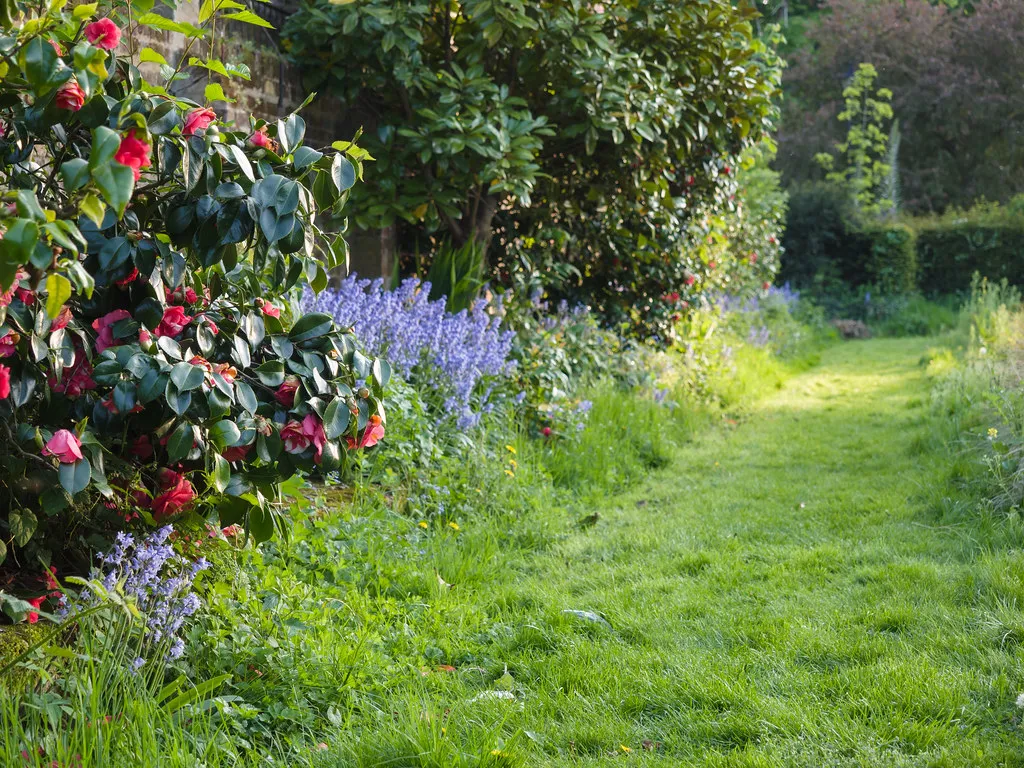
The Chelsea Physic Garden is another outdoor treasure, serving as the oldest botanical garden in London with a focus on medicinal plants. It is tucked behind high brick walls near the Thames and offers a quiet cafe that feels miles away from the city. Entry fees are typically around £12–£15, which helps support the conservation of its unique collection of rare plant species.
The Inner Temple Gardens near The Strand are free to visit on weekday lunchtimes, making them an easy add-on for anyone already visiting the City. This lush garden belongs to the Inns of Court and is rarely mentioned in mainstream travel guides despite sitting minutes from Embankment station. The contrast between the manicured lawns and the surrounding medieval-style law buildings is striking.
For those who enjoy a bit of mystery, Highgate Cemetery offers a hauntingly beautiful walk through Victorian funerary architecture. The West Cemetery is only accessible by guided tour, while the East Cemetery allows for self-guided exploration of famous graves. According to the Friends of Highgate Cemetery Trust, these tours often sell out, so checking their calendar early is essential.
Family-Friendly and Budget-Friendly Hidden Gems
London has a reputation as an expensive city, but many of its most rewarding off-the-beaten-path spots cost nothing at all. The Horniman Museum and its 16 acres of gardens in Forest Hill is entirely free, and children are genuinely thrilled by the oversized walrus specimen in the natural history gallery. The aquarium adds a small paid ticket but remains far cheaper than London Zoo or SEA LIFE.
Crystal Palace Park is another free destination that rewards families willing to travel to Zone 3. The park contains 29 life-size Victorian dinosaur sculptures installed in 1854 — the world's first dinosaur sculptures — dotted around an island in the boating lake. A free self-guided trail map is available from the park's visitor point, and the sculptures are a genuine surprise for children who stumble across them.
Walthamstow Wetlands in North East London is one of the largest urban wetland nature reserves in Europe and free to enter year-round. The site covers 211 hectares, has an excellent café, and is easy to reach from Tottenham Hale station via the Overground. It suits families who want a genuine countryside feel without leaving Greater London, and the birdwatching hides keep older children engaged for hours.
The Sky Garden at 20 Fenchurch Street and the Garden at 120 Fenchurch Street both offer free elevated views of the city — but both require advance booking online, sometimes days ahead. Many visitors arrive expecting to walk straight in and are turned away. Book the Sky Garden (floors 35–37) or the Garden at 120 at least 48 hours in advance; entry is genuinely free once you have a timed slot.
Exploring East London's Hidden Gems
East London rewards visitors who push past the well-worn streets of Shoreditch. Deptford High Street and its surrounding market — open Thursday to Saturday — is one of the most authentically local markets in the city, stocked with affordable Caribbean and West African food, vintage fabric stalls, and independent traders who have been here for decades. Deptford DLR station drops you right at the door.
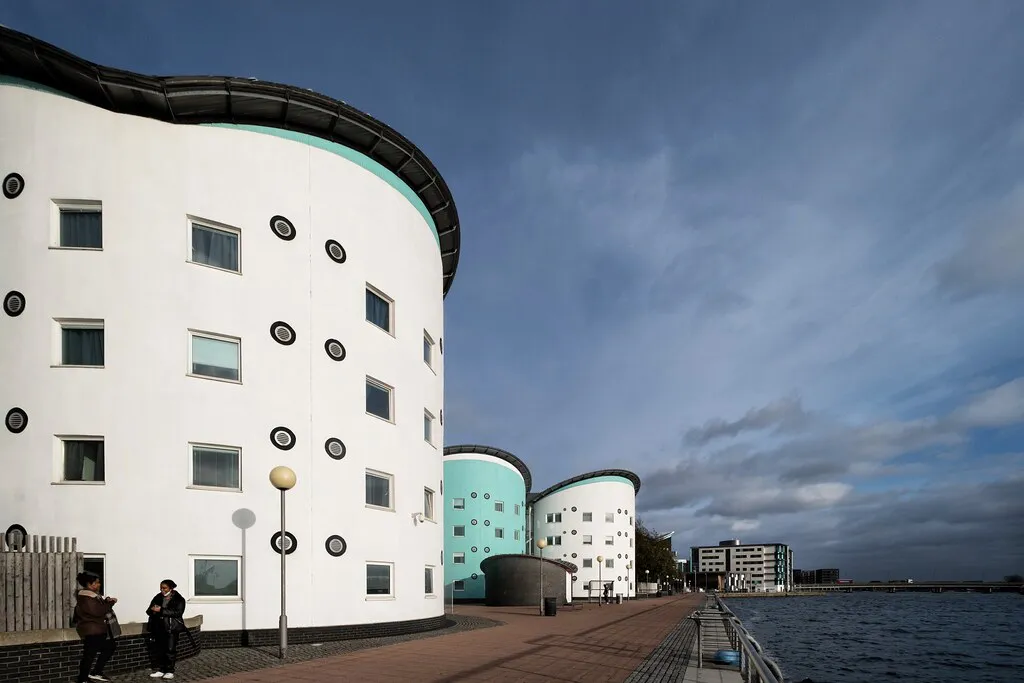
The Nomadic Community Garden in Bethnal Green is a wildly creative space run entirely by local volunteers. Former shipping containers have been converted into studios and communal workshops, and the garden itself changes character with each season. It is free to visit, though check their Instagram for opening hours as they vary by event.
Further east, the Museum of the Home in Hoxton (formerly the Geffrye Museum) traces domestic life from 1600 to the present through a series of period room displays. Entry to the permanent galleries is free, and the restored almshouse gardens are worth a visit in any season. The museum sits on Kingsland Road, a ten-minute walk from Hoxton station on the Overground.
Walthamstow itself deserves more than a single stop at God's Own Junk Yard. The William Morris Gallery — free to enter in the childhood home of the designer — and the bustling Walthamstow Market (reportedly Europe's longest outdoor market at nearly a mile) sit within a few hundred metres of each other. Together they make a convincing full-day itinerary in one of London's most underrated neighborhoods.
The National Gallery vs. The British Museum: Which to Visit?
Both are free, both are world-class, and both sit within a short walk of Central London's main transport hubs — but they suit very different types of visitors. The National Gallery on Trafalgar Square holds over 2,300 paintings and is navigable in two to three hours if you focus on a single wing. The British Museum in Bloomsbury is genuinely vast; a full circuit of every gallery takes a full day and leaves most visitors with decision fatigue.
The crowd patterns differ significantly between the two. The British Museum is relentlessly busy around the Rosetta Stone and the Egyptian mummies throughout the day, whereas the National Gallery empties noticeably on weekday mornings before 11:00. If you want a quieter experience at the British Museum, head directly to the upper floors — the Roman Britain and medieval Europe galleries are frequently deserted even at peak times.
For a genuinely off-the-beaten-path approach to both, use the timed "quiet hours" strategy: arrive at the National Gallery at 10:00 on a Tuesday or Wednesday and explore the Sainsbury Wing (early Renaissance paintings) before the school groups arrive. At the British Museum, the Americas galleries on the ground floor north wing see a fraction of the footfall of the central courtyard. Both institutions offer free audio guides via their respective apps, which eliminates the need to pay for a tour.
Tate Modern vs. Tate Britain: Which to Visit?
Choosing between the two Tates depends largely on whether you prefer contemporary installations or classical British masterpieces. The Tate Modern, housed in a former power station, focuses on international modern art from 1900 to the present day. In contrast, Tate Britain houses the national collection of British art from 1500 to the present, including many works by J.M.W. Turner.
A 'hidden' way to travel between the two galleries is the RB2 river boat service that runs along the Thames. This boat trip offers a scenic view of the city skyline for the price of a standard river bus fare, which is roughly £9. Our editors suggest taking hidden London tours if you want to learn more about the architecture of these riverside landmarks.
Both museums offer free entry to their permanent collections, though special temporary exhibitions always require a separate paid ticket. Tate Britain is generally much quieter than its modern counterpart, making it the better choice for those seeking a peaceful afternoon. If you visit the Tate Modern, head to the viewing level in the Blavatnik Building for a free 360-degree view of London.
Seasonal Highlights: London's Best Christmas Decorations
London's Christmas decorations are famous worldwide, but the most memorable displays are rarely on the tourist circuit. Regent Street and Oxford Street draw enormous crowds, but Elizabeth Street in Belgravia offers a far more intimate festive atmosphere. The independent boutiques along this quiet Chelsea border street hang unusual installations each year, and the low footfall means you can actually stop and look without being jostled.
Marylebone Village — specifically the stretch of Marylebone High Street between Paddington Street and Weymouth Street — is another local favorite that rarely makes it into visitor guides. The village-scale decorations suit the neighborhood's independent shops and feel completely different from the corporate displays a mile south on Oxford Street. The Conran Shop and the DAUNT Books branch on this stretch both decorate their shopfronts beautifully through December.
For a free outdoor experience, Kew Gardens at Christmas is exceptional though ticketed in the evenings. The daytime garden visit in late November and early December still carries a standard admission but showcases the winter garden plantings before the evening light trail sells out. Carnaby Street in Soho also installs a free overhead installation each year — in 2024 it was an oversized flower canopy — and the surrounding streets are walkable from Oxford Circus in under ten minutes.
How to Plan a Smooth Off the Beaten Path Day
Navigating the city to find these spots is much easier if you use the Transport for London (TfL) Go app for real-time updates. Many hidden gems are located in Zone 2 or 3, so ensure your contactless card or Oyster card is loaded for multiple Tube or bus transfers. I recommend starting your day early to catch the most popular London food markets before the lunchtime rush begins.
The Sky Garden and the Garden at 120 Fenchurch Street are both free but require advance booking online — many visitors arrive expecting to walk in and are turned away. Book at least 48 hours ahead to secure a timed slot.
| Gem | Area | Entry Cost | Advance Booking? |
|---|---|---|---|
| St Dunstan in the East | City of London | Free | No |
| Sir John Soane's Museum | Holborn | Free | Recommended |
| God's Own Junk Yard | Walthamstow | Free | No |
| Horniman Museum | Forest Hill | Free (aquarium £ extra) | No |
| Crossness Pumping Station | Abbey Wood | £10–£18 | Yes — sells out |
| Kyoto Garden | Holland Park | Free | No |
| Maltby Street Market | Bermondsey | Free entry, £8–£15 food | No |

One budget tool that almost no visitor uses is the TfL "Hopper" fare for buses: pay for one bus journey and any subsequent bus rides within 60 minutes cost nothing extra, for a flat cap of £1.75. If you are hopping between neighborhood gems in Bermondsey, Deptford, or along the South Bank, a single bus fare can cover three or four consecutive stops on different routes. This makes South London in particular much cheaper to explore than relying entirely on the Tube.
Grouping your visits by neighborhood is the most efficient way to see more without spending your whole day on the Underground. For example, you can easily combine a visit to Leadenhall Market with the ruins of St Dunstan in the East in one morning, then take bus routes 35 or 47 south to Bermondsey for the afternoon without touching the Tube. Before you head out, read more about where to stay in London to find a convenient base for your explorations.
Keep in mind that some off-the-beaten-path locations may have limited facilities like restrooms or cafes compared to major tourist hubs. Carrying a reusable water bottle and a portable battery charger will ensure you stay comfortable while exploring the city's quieter corners. Always have a digital map downloaded for offline use, as some older brick buildings can interfere with your mobile signal.
Essential Tips for Enjoying London Off the Beaten Path
To truly enjoy the city's secret spots, you should try to visit during the weekdays when local foot traffic is at its lowest. Many of these locations are cherished by residents, so it is important to keep noise levels down and respect local etiquette. Always carry a light raincoat or umbrella, as London's weather can change rapidly while you are walking between outdoor sites.
Don't be afraid to ask locals for recommendations, as many Londoners are proud of the unique spots in their own neighborhoods. You might discover a tiny independent bookshop or a traditional pub that hasn't made it into the major guidebooks yet. Check out the United Kingdom travel section for more regional guides and inspiration for your British adventures.
Finally, remember that the joy of going off the beaten path is the sense of discovery and the stories you'll have to tell. Take your time at each location rather than rushing through a long checklist to ensure you truly absorb the atmosphere. London is a city that rewards the patient traveler who looks just a little bit closer at the world around them.
Frequently Asked Questions
Which off the beaten path London options fit first-time visitors?
St Dunstan in the East and Leadenhall Market are perfect for first-timers because they are centrally located. They offer stunning historical architecture without requiring a long journey from major landmarks. Both are free to visit and provide excellent photo opportunities.
Are hidden gems in London safe to visit alone?
Yes, most hidden gems are located in safe, well-traveled residential or business areas of the city. As with any major capital, stay aware of your surroundings and keep your belongings secure. Use official transport apps to plan your routes safely.
Do I need to book hidden London attractions in advance?
While many parks and ruins are open to the public, niche museums and specific tours often require advanced booking. Sites like the Crossness Pumping Station or Sir John Soane's candlelight tours sell out weeks ahead. Always check official websites before your visit.
Exploring London off the beaten path allows you to see a side of the city that most tourists completely miss. From the neon lights of Walthamstow to the quiet ruins of the City, these gems provide a rich and varied experience. I hope this guide encourages you to step away from the crowds and find your own favorite secret corner of the capital.
Remember that the city is constantly evolving, with new independent spaces and community projects opening every year. Whether you are seeking history, art, or nature, London always has something unexpected waiting just around the corner.
Continue exploring
More guides you'll find useful