14 Unusual Things to Do in Florence: Local Hidden Gems (2026)
Discover 14 unusual things to do in Florence, from secret wine windows to historic leather schools. Plan your alternative itinerary with local tips.

On this page
14 Unusual Things to Do in Florence (2026)
After my sixth visit to the Tuscan capital, I realized the real magic happens away from the Uffizi queues. While the Duomo is magnificent, the city hides hundreds of curious corners that most tourists walk right past. I have spent weeks wandering the narrow alleys to find the most authentic and non-touristy things to do in Florence. This guide shares those secrets to help you build a truly unique Italian adventure.
Last refreshed in early 2026, this list reflects the latest opening times and local trends. Florence is evolving, with new artisan workshops and vintage spots opening in the quieter districts. Finding hidden gems in Florence requires a bit of patience and a willingness to get lost. You will find that the most rewarding experiences often cost very little and require no advanced booking.
Our editors have vetted every location on this list to ensure they offer genuine value. We prioritize places that showcase the living history and craftsmanship of the Renaissance city. Whether you are a first-timer or a repeat visitor, these stops will change how you see the city. Prepare to see a side of Tuscany that feels frozen in time yet vibrantly alive.
| Experience | Entry Cost | Booking Needed | Hours |
|---|---|---|---|
| Officina Profumo di Santa Maria Novella | Free to browse | No | 09:30–20:30 daily |
| Secret Passages, Palazzo Vecchio | €15–€20 + museum entry | Yes — 1+ week ahead | Daily (English slots vary) |
| Buchette del Vino (active windows) | Wine €5–€8 per glass | No | Afternoon onwards |
| Scuola del Cuoio (Leather School) | Free to watch | No | Weekdays + Sat mornings |
| Museo di Palazzo Davanzati | €6–€9 | No | Closed most Tuesdays |
| Fotoautomatica Film Booths | €2 per strip | No | 24/7 (public streets) |
| Cimitero delle Porte Sante | Free | No | 08:00–18:00 daily |
Officina Profumo-Farmaceutica di Santa Maria Novella
This is not a shop — it is a 13th-century pharmacy turned sensory museum, still selling the same herbal remedies and perfumes Dominican friars developed centuries ago, and the Officina Profumo-Farmaceutica di Santa Maria Novella remains family-run. The interior alone justifies the detour: vaulted frescoed ceilings, hand-carved wooden cabinetry, and rows of glass bottles displayed like sacred objects. Most visitors walk straight past the entrance on Via della Scala because there is no prominent sign advertising it to street traffic.
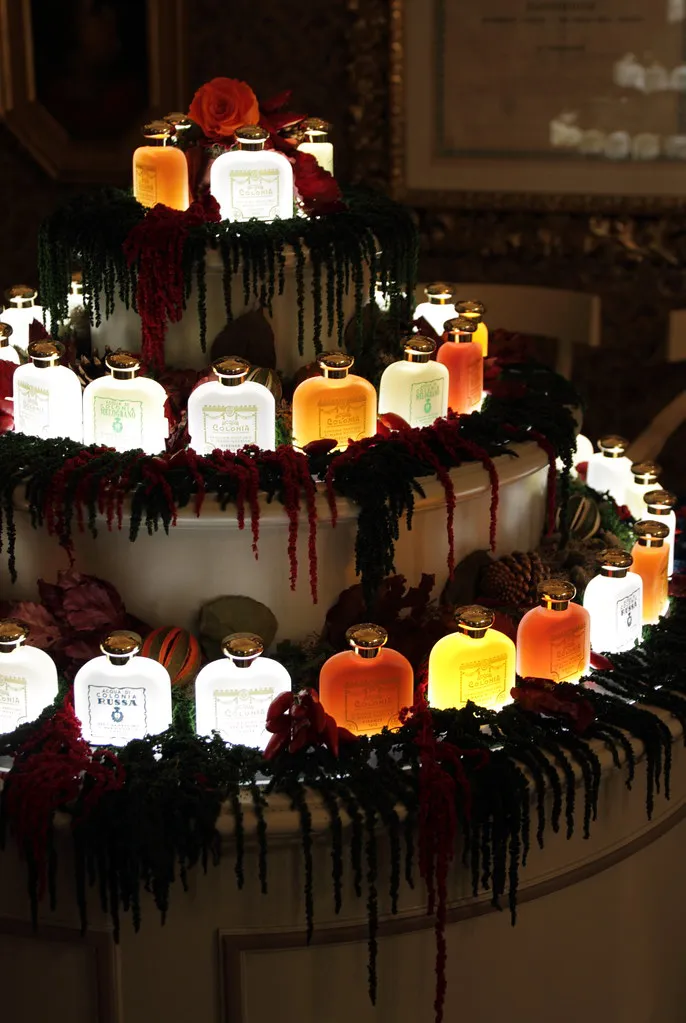
Entry for browsing is free and the pharmacy opens daily from 09:30 to 20:30. If you buy anything here, choose the Acqua di Santa Maria Novella cologne — it has been produced to the same recipe since 1381 and smells nothing like anything sold in airport duty-free shops. Prices run high, but the products are genuinely made in Tuscany. Ask a member of staff to show you the tea room hidden in a back chamber, which operates as a quiet escape from the street noise outside.
Secret Passages of Palazzo Vecchio
The public rooms of Palazzo Vecchio are impressive, but most visitors never discover the network of narrow passages hidden behind the grand tapestries and painted walls. The Secret Passages tour takes small groups up steep stone staircases into the Duke's private chambers, a mezzanine walkway above the Salone dei Cinquecento, and a rooftop corridor used by Medici spies to observe the city undetected. Groups are capped at twelve people, so the experience never feels crowded.
Tickets cost roughly €15 to €20 on top of the standard museum entry and must be reserved in advance through the official Musei Civici Fiorentini website. Walk-in availability is rare, especially between April and October. The tour lasts about 75 minutes and is conducted in Italian and English on a rotating schedule — check the booking page for the English-language slots before you confirm dates. Wear flat, non-slip shoes; the stone steps are steep and the corridors extremely narrow.
The Secret Passages tour at Palazzo Vecchio is capped at 12 people and walk-in spots are extremely rare between April and October. Book at least one week in advance through the official Musei Civici Fiorentini website and verify the English-language schedule before confirming your dates.
The underground section of the same museum, accessible on a separate Roman Florentia tour, reveals the remains of a Roman theatre beneath Piazza della Signoria. This second option pairs well with the passages tour if you want a full morning at the palazzo.
Buchette del Vino (Wine Windows)
Renaissance nobles installed these fist-sized holes in the walls of their palaces to sell wine directly to the street without letting commoners into the courtyard. Florence has around 150 of these buchette, but only a fraction are still active today. Knowing which ones actually serve drinks saves you a lot of door-knocking on decorative stone.
The most reliably active window in 2026 is on Via dell'Isola delle Stinche near the Santa Croce district, operated by the Vivoli gelateria. Ring the small bell, wait for a hand to appear, and order a glass of Chianti, a scoop of gelato, or a shot of espresso depending on which window you visit — not every active buchetta serves all three. Wine runs €5 to €8 per glass and is typically available from the early afternoon. Gelato windows often serve from noon. A few buchette near the Oltrarno serve coffee in the mornings. Tap the bell once and wait; knocking twice or rattling the door is considered rude by locals.
Before you go, cross-check active locations on the Associazione Buchette del Vino map (searchable online), which tracks which windows are serving versus which are purely ornamental. The association revived many of these windows during the 2020 pandemic as a contactless service, and several have continued operating since.
Loggia Roof Bar at Hotel Palazzo Guadagni
The rooftop loggia at Hotel Palazzo Guadagni is one of those spots that locals know and tourists discover by accident. It sits directly above Piazza Santo Spirito in the Oltrarno district, offering a 180-degree view across the terracotta rooftops that extends all the way to the hills above Fiesole. The bar is technically attached to the hotel but open to non-guests.
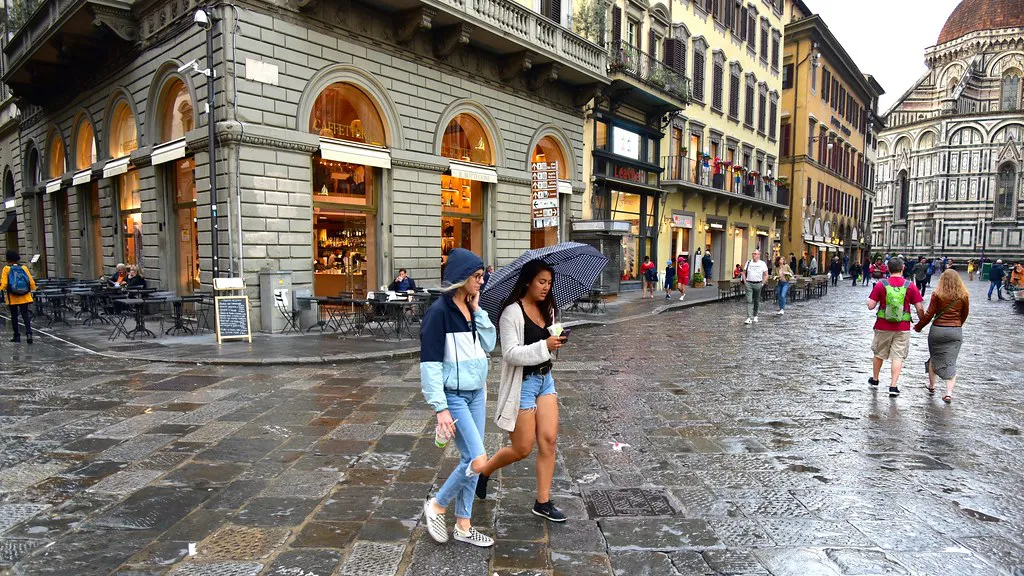
Drinks range from €10 to €18, and the bar opens around 16:00 daily. Arrive no later than 30 minutes before sunset to secure one of the window-facing chairs. The aperitivo hour here is far less crowded than the main piazza bars below, and the atmosphere is genuinely elegant without tipping into pretentious. Book a table through the hotel's website for Friday and Saturday evenings — it fills up quickly in the warmer months.
Scuola del Cuoio (Leather School)
Hidden behind the Santa Croce Basilica through a discreet archway to the left of the church facade, the Scuola del Cuoio is one of the few places in Florence where you can watch artisans hand-stitching bags using the same gilding techniques developed during the Renaissance. The school was founded in 1950 by Franciscan friars and the Gori family to teach war orphans a trade. It is still run by the founder's family and is still a working school.
You walk through what was once the monks' dormitory — designed by Michelozzo — with fragments of fresco still visible on the vaulted ceilings above the leather-cutting tables. Entry to watch is free, though the handmade goods are priced as genuine luxury items. A wallet starts at around €80; a structured bag can run to several hundred euros. The school is open most weekdays and Saturday mornings but closes for extended periods in August. Confirm hours on the official Scuola del Cuoio website before making the trip. Ask the craftspeople about the gold-leaf stamping process — most are happy to demonstrate it if the workshop is not mid-production.
Santa Margherita de' Cerchi (Dante's Church)
Tucked down a narrow lane between the Duomo and Piazza della Signoria, this tiny 11th-century chapel is where a nine-year-old Dante Alighieri is believed to have first seen Beatrice Portinari, the woman who would inspire the Divine Comedy. The church is one of Florence's oldest, dating to 1032, and it still functions as an active place of worship rather than a museum. Admission is free.
The interior holds the tombs of the Portinari family, including what is claimed to be Beatrice's tomb — historians note this is almost certainly apocryphal, as she was likely buried with her husband's family at Santa Croce. The legend persists nonetheless, and visitors leave handwritten notes and flowers in a basket at the tomb requesting help in matters of the heart. The altarpiece by Neri di Bicci (circa 1480) is genuinely beautiful and almost always overlooked. The church is typically open from 10:00 to 17:00. While you are in the lane, the tiny sandwich shop Da' Vinattieri is directly next door and serves the best schiacciata in the neighborhood for around €5.
Mercato delle Pulci (Flea Market)
The real flea market in Florence is not the tourist-facing stalls near the Porcellino fountain. It is the cluster of antique dealers set up behind the Sant'Ambrogio food market in the Largo Annigoni area, about fifteen minutes east of the Duomo. Dozens of vendors spread out vintage postcards, antique jewelry, old Italian cinema posters, embroidered linens, and mid-century home objects across permanent and semi-permanent stalls.
Browsing costs nothing. The market operates daily from approximately 09:00 to 19:00, but Sunday mornings offer the widest selection and the best competition among vendors, which occasionally translates into lower prices. Arrive early — anything genuinely valuable tends to move by 11:00. This market attracts a mix of serious local collectors, interior designers sourcing props, and the occasional visiting antique dealer from Rome. It does not cater to tourists, which is exactly why it is worth your time.
Giovanni Baccani (The Blue Shop)
The Blue Shop is one of those Florentine establishments that has been operating in the same space for so long that locals have stopped noticing it — which is precisely why tourists miss it entirely. Giovanni Baccani is a gallery, picture framer, and stationery shop with an interior so ornately detailed that it functions as a minor attraction in its own right. The walls are lined floor-to-ceiling with antique prints, gilded frames in various states of completion, and handmade Florentine paper in the traditional marbled patterns.
You will find it near the San Lorenzo market area. Prices for marbled paper and small prints are reasonable compared to the tourist-facing stationery shops near the Duomo, where the same patterns are sold at a significant markup. If you want a single authentic Florentine souvenir, a sheet of genuine marbled carta from Baccani is a better choice than anything sold in the souvenir markets. The shop is open for visitors daily but hours shift seasonally — phone ahead if you are visiting in January or August.
Museo di Palazzo Davanzati
While most of Florence's museums show you what wealthy patrons commissioned, the Museo di Palazzo Davanzati shows you how those patrons actually lived. This 14th-century nobleman's home has been preserved almost intact, with the original furniture, kitchen equipment, and wall paintings still in place. The rooms carry names like the Hall of Parrots and the Chamber of Peacocks, both decorated with vivid medieval frescoes of birds and hunting scenes that predate the Renaissance aesthetic entirely.
The building itself is a feat of engineering: it has an internal well on every floor, an extraordinary luxury at the time, and a kitchen positioned on the top floor to keep the heat away from the living quarters in summer. The lace and embroidery collection on the upper floors is exceptional and almost never mentioned in standard Florence guides. Admission runs €6 to €9 and the museum closes on most Tuesdays. It sits in the city center near the Mercato Nuovo and is almost always uncrowded, even during peak tourist season.
Fotoautomatica Vintage Film Booths
Scattered across Florence are a handful of fully functional analog photo booths — real film machines from the 1970s, not digital recreations with a retro filter applied. They produce a strip of four black-and-white photographs developed on actual photographic paper using a chemical process. The results are grainy, slightly imperfect, and entirely unlike anything produced by a smartphone. They make better souvenirs than anything sold in the souvenir markets.
Each strip costs €2 and requires a single two-euro coin to operate — bring one specifically because change machines are not always nearby. You will find a booth on Via dell'Agnolo in the Santa Croce area and another close to S. Forno bakery in the Oltrarno near Piazza Santo Spirito. Search "fotoautomatica" on Google Maps and several pins will appear across the center. After inserting the coin, you have about fifteen seconds to position yourself before the first flash. Wait the full four minutes for the chemical development process to complete before opening the tray — pulling the strip early ruins the exposure.
Each Fotoautomatica strip costs exactly €2 and requires a single two-euro coin — change machines are rarely nearby so come prepared. Wait the full four minutes after inserting the coin before opening the tray or the chemical development process will be ruined.
Cimitero delle Porte Sante
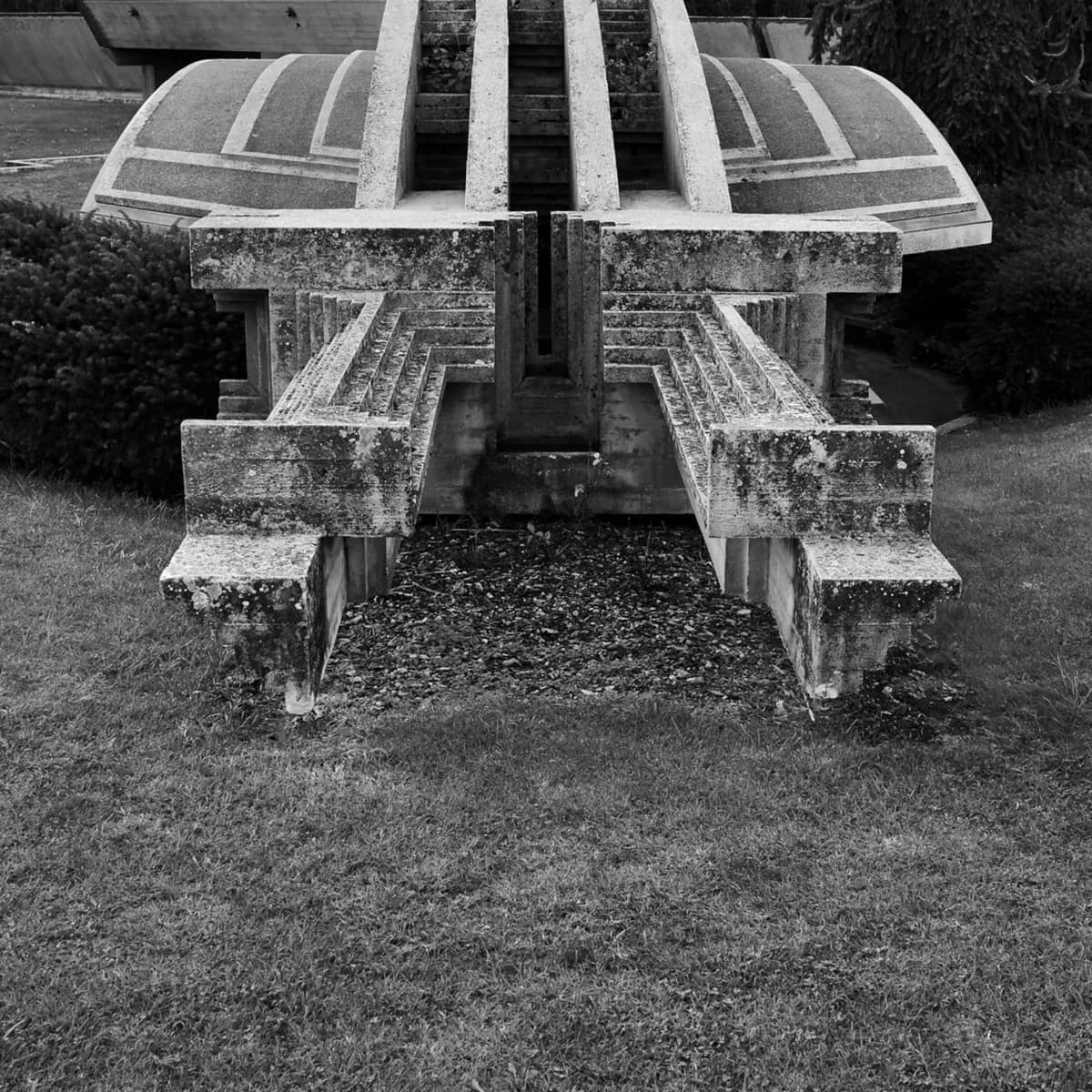
Florence has no shortage of views, but the monumental cemetery directly behind San Miniato al Monte church on the hill above San Niccolo offers a perspective that even long-term residents rarely discuss. The cemetery was designed in the 19th century as an extension of the ancient church grounds and is filled with elaborate Neo-Gothic and Art Nouveau tombs that function as small sculptures in their own right. Entry is free, and the gates are open from 08:00 to 18:00 daily.
Walk to the far eastern edge of the grounds for a panorama that looks over the entire city toward the hills of Fiesole — cleaner and less photographed than the Piazzale Michelangelo view immediately below. Look for the grave of Carlo Collodi, the author of Pinocchio, marked by a modest stone near the central chapel. The climb from the San Niccolo neighborhood takes about fifteen minutes on foot. The path connects naturally with a visit to San Miniato al Monte itself, one of the finest Romanesque churches in Tuscany and almost always quiet after 16:00.
Street Art by Blub
The Florentine street artist Blub has spent years repainting the city's most famous Renaissance masterpieces — adding full scuba diving masks to the faces of Botticelli's Venus, Michelangelo's David, and dozens of other canonical figures. The works appear on utility boxes, transformer housings, and building corners across the city, primarily in the San Niccolo and Santo Spirito neighborhoods south of the river. The series is called "L'Arte sa nuotare" (Art Knows How to Swim).
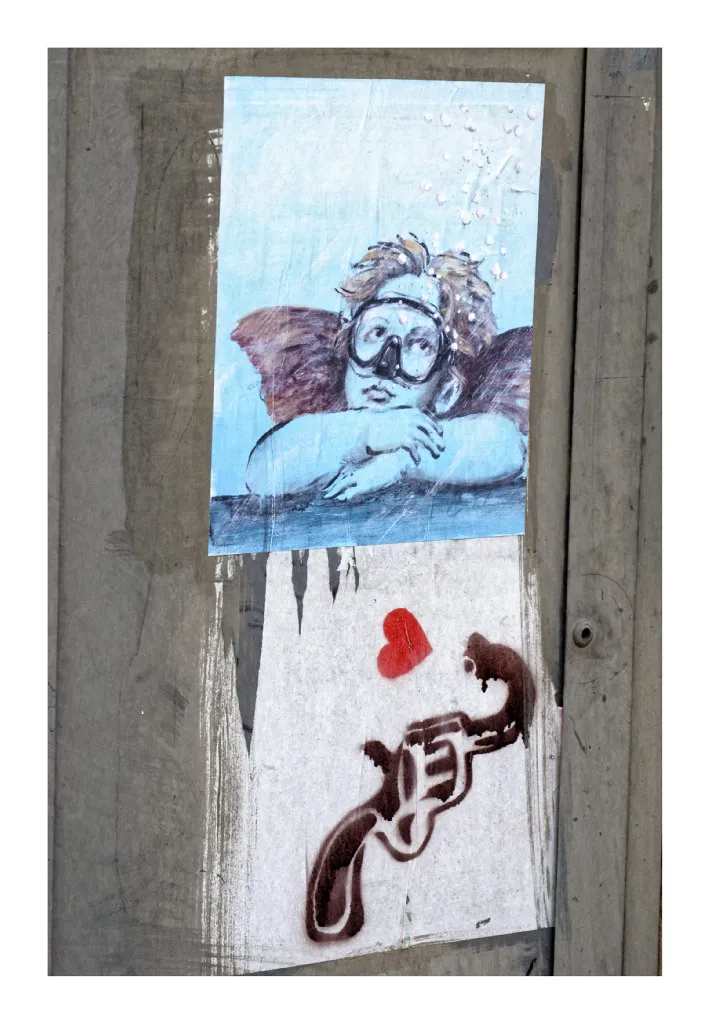
This experience is entirely free and works best as a walking game rather than a fixed itinerary stop. Follow the Florence street art scene using a dedicated map — several local blogs publish updated location guides as new pieces appear and older ones fade or get painted over. Most pieces are found within a fifteen-minute walk of Ponte Vecchio on the Oltrarno side.
Sant'Ambrogio Market Food Hall
The Mercato di Sant'Ambrogio is where Florentine cooks actually shop, which makes it the most honest food experience in the city. The indoor hall sells fresh pasta, vegetables, cheese, and meat without the tourist markup that plagues the more photogenic San Lorenzo market nearby. A handful of lunch counters inside the hall serve simple cooked food at prices locals are willing to pay: around €8 to €15 for a full plate with wine.
The market runs from early morning and closes by 14:00, so this is a late-morning or lunchtime activity. Walk fifteen minutes east of the Duomo and the market occupies a low, unpretentious building on Piazza Sant'Ambrogio. Try the bollito sandwich at the central butcher counter for a real taste of old Florentine street food. The tripe stand in the corner serves lampredotto — braised cow stomach — which is the traditional working-class lunch of the city and costs around €5. It is an acquired taste but worth trying once.
Ospedale degli Innocenti Gallery
The Ospedale degli Innocenti, completed in 1445, is widely considered the first building of the Italian Renaissance and was the world's first purpose-built orphanage. Filippo Brunelleschi designed the facade, and the geometric precision of its arcaded loggia — perfectly proportioned arches, circular terracotta medallions by Andrea della Robbia — established a visual grammar that defined European architecture for the next three centuries. Most visitors to Piazza della Santissima Annunziata photograph it without realizing what they are looking at.
Admission to the museum inside costs approximately €10 and the building is open daily until 19:00. The upper floors display paintings, ceramics, and documents relating to the orphanage's nine centuries of operation. The institution remained an active children's home until 1875 and the records room holds baptismal tokens left by mothers who hoped to reclaim their children one day — most never did. Head to the Florence rooftop bars level for a coffee with a clear line of sight to the Duomo across the city.
Unique Experiences in the Oltrarno
The Oltrarno — the neighborhood south of the Arno river — is the single most rewarding district for travelers who want to see Florence as a living city rather than a museum. The streets around Piazza Santo Spirito and San Frediano still contain working artisan studios where craftspeople restore antique furniture, repair shoes, and print fabric using techniques unchanged for generations. Many workshops keep their doors open during business hours and welcome curious visitors who ask before entering.
The trade-off is honest: the Oltrarno is further from the train station, the terrain is hillier as you move south toward San Miniato, and public transport connections are thinner. The electric buses (lines C3 and D) link the district to the center, but if you are staying in the Santa Maria Novella area you will face a 20-minute walk across Ponte Vecchio or Ponte alla Carraia each time you cross. For travelers who prioritize authenticity over convenience, this is worth the inconvenience. For those with mobility concerns or heavy luggage, staying on the northern bank and visiting the Oltrarno as a day excursion makes more practical sense.
The Piazza Santo Spirito hosts a small organic market on Sunday mornings and a general market on Monday through Saturday until early afternoon. The bars around the square keep late hours and cater predominantly to Florentine students and young professionals. For an evening drink, the Loggia Roof Bar at Hotel Palazzo Guadagni (listed above) offers a quieter alternative to the sometimes chaotic street-level scene in the piazza itself.
Best Time to Visit Florence for Fewer Crowds
Timing your trip is the most effective way to enjoy the city without the stress. Late October and November offer crisp air and significantly shorter lines at major sites. The winter months are surprisingly peaceful — you can walk into popular cafes without a reservation during the January lull. The cold can be sharp in December and January, but the city is genuinely beautiful under a clear winter sky.
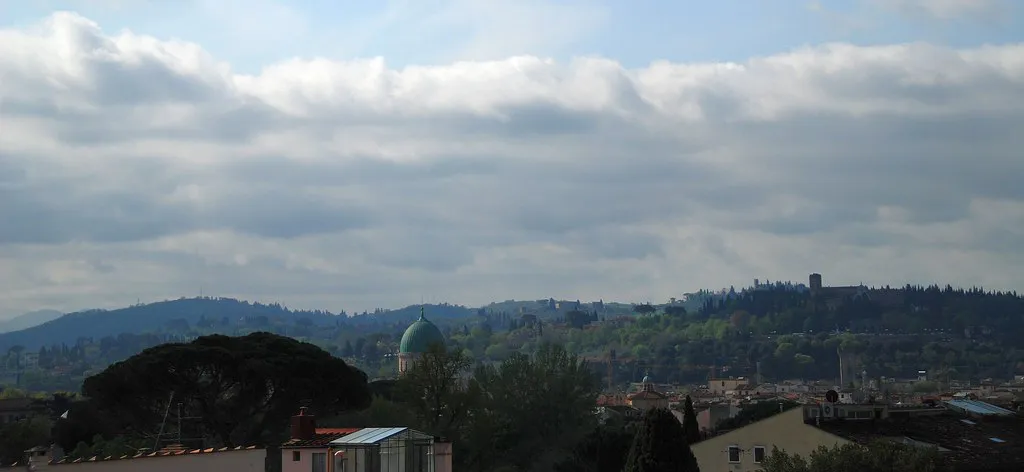
Avoid the peak summer months of June through August if you dislike intense heat. The humidity in the Arno valley can make outdoor sightseeing quite exhausting for many. Early spring in March provides a lovely balance of blooming gardens and manageable foot traffic. The Giardino Bardini is particularly stunning during the wisteria bloom in mid-April, and the Iris Garden below Piazzale Michelangelo opens for only a few weeks in early May when the irises are in bloom.
Mid-week visits are always preferable to weekends when regional tourists flood the center. Tuesdays and Wednesdays are the quietest days for exploring the artisan quarters. Many locals head to the coast on Sundays, leaving the city slightly more breathable. Plan your museum visits for the late afternoon to avoid the morning tour groups that move through the major sites between 10:00 and 13:00.
Where to Stay in Florence: Neighborhood Guide
Choosing the right base can define your entire experience in the Renaissance city. The Oltrarno is the best choice for those seeking a bohemian and artistic atmosphere. Staying here allows you to easily visit local restaurants in Florence every night without competing with tour groups. Expect narrow streets filled with antique shops and small wine bars that stay open late.
Sant'Ambrogio is a fantastic option for travelers who prioritize food and local life. This area is slightly further from the main sights but feels much more authentic. You will find lower prices for accommodation and dining compared to the Duomo area. The neighborhood is well-connected by the local electric bus lines and safe to walk at night.
San Niccolo offers a quiet retreat at the base of the hill leading to San Miniato. It feels like a small village tucked away from the frantic energy of the center. This is a good base for those who want easy access to the viewpoints and countryside walks above the city. Many smaller guesthouses here offer garden views that make you forget you are in a densely built medieval city.
Planning Your Trip to Florence Last Minute
Spontaneous trips to Tuscany are genuinely possible with a few smart moves. Many of the attractions on this list — the wine windows, the flea market, the Fotoautomatica booths, the Cimitero delle Porte Sante — require no booking at all. Save advance reservation energy for the two experiences that truly need it: the Secret Passages tour at Palazzo Vecchio (book at least a week out in high season) and the Brancacci Chapel in the Oltrarno (30-person capacity per slot, sells out fast).
Walking is almost always faster than taking a taxi in the pedestrianized historical center. The cobblestones are uneven and hard on your feet after a few hours — invest in good walking shoes before you go rather than after you have already developed blisters. Most major landmarks are within a twenty-minute walk of each other. Download the official Musei Civici Fiorentini app to check real-time availability for city-run museums.
Dining without a reservation is possible if you embrace the Florentine aperitivo culture. Many bars in the Oltrarno and Sant'Ambrogio neighborhoods offer generous snacks with a drink starting at 18:30. This is a practical way to eat well without needing a formal table reservation. The Piazza Santo Spirito has some of the best evening energy in the city and the bars there rarely turn away walk-in customers outside of peak summer weekends.
Essential Connectivity: Best eSIM for Italy
Staying connected is vital for navigating the winding medieval streets of the city center. An eSIM is the most convenient way to get data without hunting for a physical shop. You can activate these plans before you even land at the Peretola airport. Reliable data allows you to use translation apps for menus in smaller trattorias and to navigate the Fotoautomatica booth locations in real time.
Most digital nomads in Tuscany prefer providers like Airalo or Holafly for short stays. These services offer various data packages that cover all of Italy and Western Europe. Ensure your phone is carrier-unlocked before you attempt to install a digital SIM card. Public Wi-Fi in the city can be spotty, especially inside thick stone palace walls.
Frequently Asked Questions
Are the wine windows in Florence still open?
Yes, many wine windows are active today, especially in the Oltrarno and Santa Croce districts. They typically serve wine, gelato, or coffee during the late afternoon. Look for the 'Buchette del Vino' signs to find them.
How do I book the secret passages tour in Palazzo Vecchio?
You must book this tour through the official Musei Civici Fiorentini website or at the museum ticket office. Reservations are highly recommended as group sizes are limited to 12 people. Tours are available in multiple languages daily.
Is the Oltrarno district worth visiting?
The Oltrarno is absolutely worth visiting for its authentic artisan workshops and vibrant local food scene. It offers a quieter alternative to the crowded tourist center. You will find the best artisan crafts and local bars here.
Florence is a city that rewards those who look beyond the famous museum facades. By visiting these unusual spots, you support the local artisans who keep Florentine traditions alive. Your trip will be much more memorable if you balance the icons with these hidden treasures. Enjoy the slower pace of the side streets and the stories they have to tell.
Remember that the best experiences in Italy often involve a bit of unplanned wandering. Keep your eyes open for the small details, from street art to ancient stone wine portals. The city of the Renaissance still has many secrets left for you to discover in 2026.
Continue exploring
More guides you'll find useful