10 Non Touristy Things to Do in Florence (2026)
Discover non touristy things to do in Florence with our 2026 guide. Explore local markets, hidden wine windows, and artisan workshops away from the crowds.

On this page
10 Non Touristy Things to Do in Florence
After five visits to the cradle of the Renaissance, I finally learned that the real magic happens away from the Duomo. My first trip was spent entirely in museum lines, but my recent returns focused on the quiet corners of the city. This guide highlights the authentic side of the city that most visitors miss while rushing between major landmarks. I last refreshed this advice in May 2026 to ensure all pricing and neighborhood details reflect the current local scene.
Many travelers feel overwhelmed by the sheer density of tourism in the historic center during peak season. By choosing florence off the beaten path activities, you can find quiet piazzas and genuine interactions with residents. You will likely save money on meals and souvenirs by avoiding the high-traffic zones near the main train station. Exploring these areas provides a much deeper understanding of how modern Florentines actually live and work today.
Where to Stay in Florence, Italy
Choosing the right base is essential for finding non touristy things to do in Florence without a long commute. I highly recommend looking at the oltrarno florence district for a more traditional atmosphere. This area across the Arno river is famous for its artisan workshops and vibrant evening culture. You will find far fewer souvenir shops and many more local grocery stores and hardware shops here.
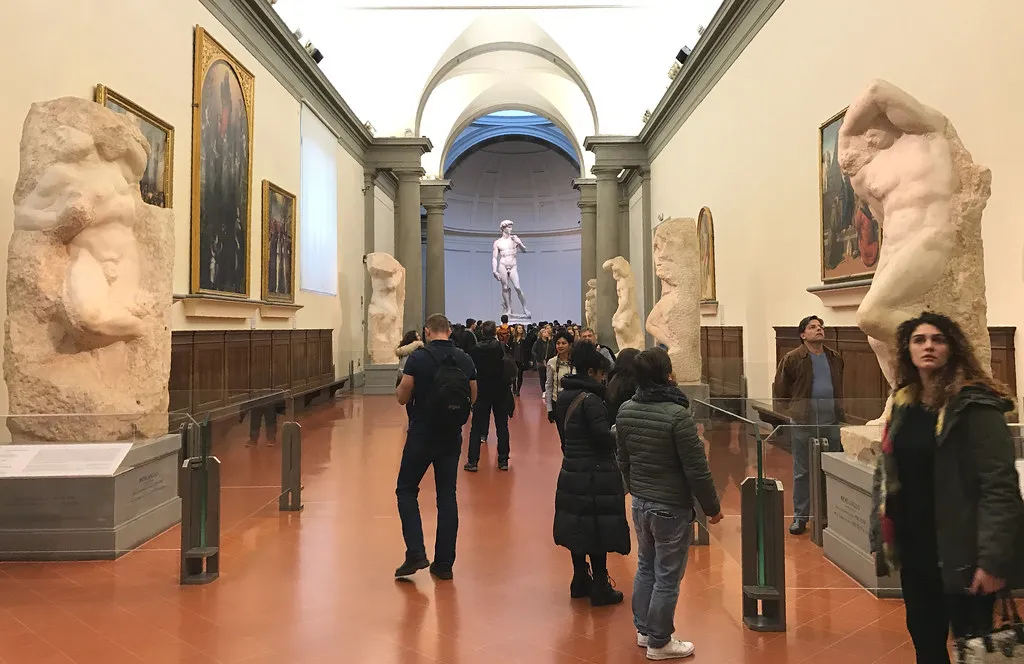
The neighborhood of san frediano florence is another fantastic choice for younger travelers or foodies. It was recently named one of the coolest neighborhoods in the world by major travel publications. Staying here allows you to enjoy a morning espresso alongside residents rather than other tour groups. Expect to pay between €110 and €240 per night for a quality boutique apartment in this residential area.
If you prefer to stay on the main side of the river, focus on the streets behind Santa Croce. This area remains residential enough to feel authentic while still being within walking distance of the center. Avoid the immediate vicinity of the Duomo or the leather market if you want a peaceful night's sleep. The eastern edge of the city center offers a great balance of accessibility and local charm.
Climb Giotto's Bell Tower Instead of the Duomo
Both the Duomo and Giotto's Campanile offer 360-degree views from the most central part of Florence, but the Bell Tower is the smarter climb. From the top, you get the actual Duomo dome in the foreground of your panoramic shots, which makes for far more memorable photographs. The 414-step climb is narrower than the dome's ascent but offers several landing platforms where you can rest and take photos as you rise.
A combined pass for the Duomo complex costs approximately €22 and requires a timed entry reservation. Book through the official Opera del Duomo website to avoid third-party markups. The tower is open daily from 08:15 to 19:45, and the last hour before closing bathes the city in soft golden light that is worth timing your visit around.
While you are in the area, grab a sandwich at All'Antico Vinaio nearby. They serve schiacciata — a traditional Tuscan flatbread — and the line moves faster than it looks. A filled sandwich costs around €5 and makes an excellent lunch before the climb.
The combined Duomo complex pass (approximately €22) covers both Giotto's Bell Tower and other Duomo complex sites. Book via the official Opera del Duomo website — the tower is open daily from 08:15 to 19:45.
Sip Brunello di Montalcino, Not Chianti Classico
Chianti Classico is practically synonymous with Tuscany and you should absolutely try a glass — look for the black rooster on the label. But if you want to drink the way locals do when they are treating themselves, order Brunello di Montalcino instead. Both are DOCG wines, Italy's highest quality classification, but Brunello is made entirely from sangiovese grapes and tends toward a fuller body with velvety tannins. It pairs exceptionally well with the region's bistecca, cinghiale, and aged pecorino.
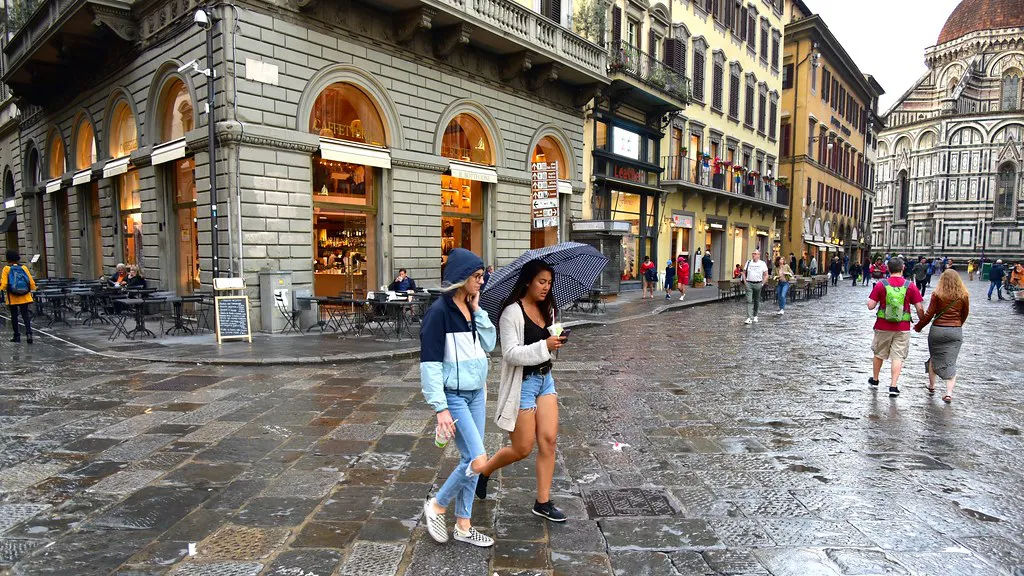
Brunello can be expensive at restaurants, with glasses running €15–€25. If that is outside your budget, ask for a Rosso di Montalcino instead — it is made from the same grape in the same region, costs roughly half as much per glass, and is released younger with a lighter, more approachable style. This is the detail that most wine guides skip, and it is the one that will save you money on every dinner. Almost no enoteca in Florence will fail to stock it.
For the most immersive experience, look for an enoteca in the Oltrarno or Santo Spirito area rather than one near the tourist corridors. The markup is lower and the staff are more willing to talk through the differences between producers. The area around Piazza Santo Spirito has several good options within a few minutes of each other.
Skip the Bar and Find a Buchette del Vino
These tiny arched openings set into palace walls date back to the plague years of the 1600s, when shopkeepers used them to sell wine to customers while minimizing contact. A local preservation movement beginning around 2015 has seen more than 100 of them restored across Florence's historic center. Several now operate again, and you can ring a small bell to receive a glass of local red poured directly through the stone.
Babae in the Oltrarno is one of the most consistently open wine windows in the city. A glass usually costs €8–€12 depending on the wine. Hours vary by attached restaurant, but most serve from late afternoon until midnight. Check ahead if you are planning a specific visit, as some close during slower shoulder-season months.
If you are not in the mood for wine, seek out Vivoli Gelateria on Via Isola delle Stinche. They have been serving gelato through their wine window — which is over 600 years old — since they revived the tradition. Getting a scoop of house-made gelato handed through a medieval stone window is one of those Florence moments that no itinerary can fully plan for. A single cup costs around €3.
Watch the Sunset from Piazzale Michelangelo
Most first-time visitors crowd along the Ponte Vecchio for the sunset, and the view is genuinely beautiful. But for a panoramic sweep of the entire Renaissance skyline without shoulder-to-shoulder crowds, Piazzale Michelangelo is the better choice. The large square sits high above the city and offers open space, live acoustic music most evenings, and a full view that stretches from Fiesole to the hills beyond Oltrarno.
Arrive about an hour before sunset to settle in and watch the warm light change over the terracotta rooftops. Grab a bottle of local wine and a panino from one of the vendors near the square — pricing is tourist-level but you are paying for the view. The bus 12 runs up from the center if you prefer not to tackle the steep uphill walk.
If you want fewer people still, continue up the hill to San Miniato al Monte, the Romanesque church directly above the piazzale. The marble facade is one of the most beautiful in Tuscany and the interior is hauntingly quiet. You can often hear the monks chanting Vespers in the crypt during late afternoon services, usually starting around 17:30. The church and viewpoint are free to access.
Shop Near Santa Croce, Not the San Lorenzo Leather Market
The San Lorenzo leather market is a classic Florence experience — noisy, bustling, and all about the haggle. It is worth walking through once for the atmosphere, but if you want to actually buy quality leather goods, head to the Santa Croce neighborhood instead. This was Florence's leather trade hub for centuries, and several genuine workshops still operate here. The pace is quieter and the craftsmanship is traceable.
The Scuola del Cuoio — the Leather School — is tucked behind the Basilica of Santa Croce through a discreet archway to the left of the church facade. Founded in 1950 by Franciscan friars and the Gori family, it was originally a social project to teach war orphans a trade. Now run by the founder's descendants, it remains a working school where you can watch students cutting, stitching, and gilding leather using Renaissance techniques. Entry is free to browse; products reflect true artisan pricing. Open Monday through Friday from 10:30 to 18:00.
When evaluating any leather goods in Florence, look for a Vera Pelle tag — this indicates genuine leather rather than bonded or synthetic material. Vendors who wave lighters under items to demonstrate they do not burn are not providing a reliable test. The tag is the only reliable indicator. Boutiques like Leonardo's on Borgo dei Greci near Santa Croce are good places to find this standard reliably met.
| Activity | Cost | Advance Booking | Best Time |
|---|---|---|---|
| Giotto's Bell Tower | €22 (combined pass) | Required (Opera del Duomo) | Last hour before 19:45 closing |
| Brancacci Chapel | ~€10 | Recommended (often same-day) | Morning, before school groups |
| Scuola del Cuoio (Leather School) | Free entry | Not required | Mon–Fri 10:30–18:00 |
| Buchette del Vino (Babae) | €8–€12 per glass | Not required | Late afternoon to midnight |
| Sant'Ambrogio Market | €1–€5 for food | Not required | 07:00–10:00 daily except Sun |
Trade the City Center for the Oltrarno Neighborhood
The Oltrarno is the area of Florence that most guidebooks mention but few visitors actually spend time in. It sits south of the Arno, accessible via any of the central bridges, and within twenty minutes of most city-center hotels on foot. This former working-class neighborhood was home to skilled artisans for centuries and still is — bookbinders, goldsmiths, printmakers, and furniture restorers all maintain workshops here, and many are happy to let you observe if you enter quietly and show genuine interest.
The neighborhood centers on Piazza Santo Spirito and the Brunelleschi-designed church of the same name. The piazza hosts a small organic market on Sunday mornings and regular evening markets throughout the week. The church interior — often described as a quieter version of the great Florentine basilicas — contains a Michelangelo crucifix in the sacristy and is free to enter, with a small fee for the crucifix room. Opening hours are generally 10:00–13:00 and 15:00–18:00 daily.
For the best aperitivo in the area, walk five minutes to the best aperitivo in florence spots along Via di Santo Spirito or head to the rooftop terrace at Hotel Palazzo Guadagni overlooking the piazza. The Pitti Palace and the Bardini Gardens are also within easy walking distance. Spending a full afternoon here rather than queuing at another major museum is one of the most consistently rewarding decisions a visitor to Florence can make.
Snack Like a Florentine at Sant'Ambrogio Market
Mercato Centrale is the market most tours bring you to, and it is genuinely impressive, but it is also heavily oriented toward visitors. Sant'Ambrogio Market, located just east of the city center near Piazza Ghiberti, is where Florentines actually shop. Residents come daily for fresh bread, seasonal produce, cheese, and local meats. The energy is chaotic in the best way, particularly between 07:00 and 10:00 when vendors are setting out their freshest goods.
The indoor stalls offer affordable lampredotto (Florentine tripe) sandwiches and fresh pasta from suppliers who sell to local restaurants. Most stalls operate from 07:00 to 14:00 daily except Sunday. Arrive before 10:00 for peak atmosphere and the best selection. A tripe sandwich costs around €4; a coffee at the bar inside the market is about €1.20.
Behind the main food market is the Mercato delle Pulci, a permanent flea market selling vintage postcards, old coins, mid-century furniture, antique textiles, and Italian collectibles. It is a regular haunt for local interior designers and worth an hour of slow browsing. Prices are negotiable, particularly if you are buying more than one item. After the market, pick up some focaccia, cheese, and ripe fruit and walk ten minutes to Piazza d'Azeglio for a picnic well away from the tourist trail.
See World-Class Art Without a Reservation
The Uffizi and Accademia are magnificent and worth booking in advance if you can. But Florence's second tier of art venues is genuinely world-class and rarely requires a wait. The Brancacci Chapel in the Oltrarno holds some of the most revolutionary paintings in Western art history — the frescoes Masaccio completed in the 1420s established scientific perspective and unified lighting in ways that changed everything that came after. Young Michelangelo came here to study and copy the figures. You get a 30-minute timed slot; book ahead at the Carmine church ticket office, but same-day availability is common outside summer. Entry is around €10.
The Officina Profumo-Farmaceutica di Santa Maria Novella on Via della Scala near the station is free to enter and deserves more than a quick look. Founded by Dominican friars in 1221, the interior is a masterpiece of frescoed ceilings and antique wooden cabinetry. It functions as a working pharmacy selling traditional herbal remedies, soaps, and perfumes. Open daily from 09:00 to 22:00. Ask staff about the Acqua della Regina scent created for Catherine de' Medici — the story is genuinely good.
Churches like Santo Spirito and Santa Trinita contain masterpieces by Brunelleschi and Ghirlandaio that are free to enter and rarely require a wait. The Basilica of Santo Spirito on the Oltrarno side is particularly rewarding because the piazza outside provides excellent people-watching context around the visit. Check where do locals eat in florence for restaurant options directly around these churches once you are done.
Best Time to Visit Florence
To enjoy these non touristy things to do in Florence, timing matters as much as your itinerary. Late October and early November are consistently the best weeks: the summer heat has faded, the local restaurants start serving hearty seasonal chestnut and truffle dishes, and hotel prices drop significantly after the wedding season concludes in September. The city takes on a cozy, unhurried atmosphere that suits slow exploration.
Winter is another underrated window for those who do not mind crisp air. January and February offer the quietest streets and almost no lines at the smaller museums. Car rental rates for day trips into the Tuscan countryside are also at their lowest — you can find deals on car rental rates here if you want to reach towns like Montalcino or Greve in Chianti on your own schedule.
Avoid June, July, and August if you are sensitive to heat or large crowds. The humidity in the Arno valley can be intense, and many locals leave the city in August, leading to closures at smaller shops and workshops. Spring is beautiful but can be crowded during Easter and the major festivals. If you must visit in peak season, shifting your days earlier — arriving at markets by 07:30 and churches by 09:00 — makes a significant difference.
Many smaller workshops and independent shops close entirely in August as local artisans take their annual holiday. If artisan experiences are the focus of your trip, avoid late July through the end of August.
Planning Your Trip to Florence Last Minute?
If you find yourself in the city without reservations for the Uffizi or Accademia, do not panic. Many of the best non touristy things to do in Florence require no advance booking at all. The churches, the leather school, the wine windows, the markets — none of these need a ticket bought days in advance. I often find these experiences more enjoyable than the major museums because you have space to breathe and move at your own pace.
For those who still want to see the main sights, check for late-night openings and early-morning slots on the official Opera del Duomo and Uffizi ticketing portals. Some museums offer extended hours on specific days during summer. The Firenze Card (currently €85 for 72 hours) can provide flexibility for last-minute entries and covers public transport, which helps when you need to reach the hills above the city quickly. Always book via official portals rather than third-party resellers.
Consider a day trip if the city center feels congested on a holiday weekend. Towns like Pistoia and Prato are reachable by train in under 40 minutes and offer extraordinary art and food with only a fraction of the international visitors. Returning to Florence in the evening — when the day-trippers have departed — often feels like arriving in a different, quieter city entirely.
Frequently Asked Questions
What is the best way to avoid crowds in Florence?
Cross the Arno river into the Oltrarno or San Frediano neighborhoods. These areas remain residential and offer a more authentic atmosphere away from the major museum lines and souvenir shops.
Are the wine windows in Florence still active?
Yes, many historical wine windows have recently reopened for service. You can find them by looking for small arched openings in palace walls, particularly in the Santo Spirito and Santa Croce districts.
Is it possible to see great art without a reservation?
Absolutely. Churches like Santo Spirito and Santa Trinita contain masterpieces by Brunelleschi and Ghirlandaio that are free to enter and rarely require a wait or pre-booked ticket.
Florence is a city of layers, and most visitors only ever see the very top one. By seeking out these non touristy things to do in Florence, you will discover a living city that still honors its artisan roots. Whether you are sipping wine from a hole in a wall or watching a leather master at work, these moments create lasting memories. I hope this guide encourages you to step off the main path and find your own favorite corner of the Renaissance.
Remember that the best experiences often come from unplanned interactions and slow afternoons in a quiet piazza. Pack comfortable walking shoes and an open mind as you prepare to explore this historic Italian treasure. Safe travels as you navigate the beautiful, winding streets of the city I have come to love so much.
Continue exploring
More guides you'll find useful