12 Best Aperitivo in Florence: A Local's Guide (2026)
Discover the best aperitivo in Florence with our 2026 guide. We cover 12 top spots, neighborhood tips, and pricing for a perfect Italian evening.
On this page
12 Best Aperitivo in Florence for an Authentic Experience
After my fifth extended stay in the Tuscan capital, I have realized that finding the best aperitivo in Florence is a rite of passage for every traveler. The ritual usually begins around 7:00 PM when the golden light hits the Arno and locals gather to unwind with a Spritz or a Negroni. I personally found my favorite spot while wandering the narrow alleys of the Oltrarno district away from the heavy crowds. This guide was last refreshed in May 2026 to ensure all pricing and hours are accurate for your visit.
Understanding the Why Aperitivo Still Matters is essential for appreciating the local culture beyond just the drink. In Florence, this tradition has evolved from massive buffets to more refined, high-quality small plates that showcase regional ingredients. Whether you are looking for a historic cafe or a trendy hole-in-the-wall, the city offers a diverse range of evening experiences. I have vetted these selections based on the quality of the drinks, the atmosphere, and the authenticity of the food pairings.
What to Expect from the Florence Aperitivo Scene
The Italian aperitivo tradition in Florence is not just a discount on drinks but a social bridge between work and dinner. Most venues charge a fixed price that includes one cocktail or glass of wine plus a selection of snacks or a small plate. Prices generally range from €10 to €18 depending on the prestige of the location and the complexity of the food. You will find that the best spots prioritize seasonal flavors over quantity.

Many establishments have moved away from the self-service buffet style to prevent food waste and improve hygiene. Expect to receive a curated wooden board or a series of small plates delivered directly to your table with your beverage. This shift has significantly improved the quality of the bites, often featuring artisanal cheeses and local cured meats. I recommend arriving early if you want a seat without a reservation, especially on Friday and Saturday nights.
It is also worth knowing the difference between true aperitivo and the student-budget version known as apericena. An apericena — the portmanteau of aperitivo and cena (dinner) — is the all-you-can-eat buffet model where a €6–8 drink buys access to heaped trays of fried snacks and pasta. It feeds a crowd cheaply but the quality rarely matches proper aperitivo bars. For a first-time visitor, start with a dedicated bar that serves curated bites alongside your drink before exploring the buffet side of Florence later in the trip.
If you are looking for a deeper dive into the city's liquid history, consider a food tour in Florence just for Aperitivo. These tours often explain how the Negroni was born in this very city back in 1919. Learning about the Florence's Cocktail Renaissance via Eater.com adds a layer of appreciation to every sip. Local bartenders are incredibly proud of their craft and often use house-made bitters or botanical infusions.
Where to Get Aperitivo in Florence, by Neighborhood
Florence is compact enough to walk between its main aperitivo neighborhoods in under 30 minutes, but each area has a distinct character. Mapping your evening by zone prevents you from backtracking across the river or fighting peak-hour foot traffic near the Duomo. The neighborhoods below cover the full spectrum from local-only wine taverns to design-forward cocktail bars.
Santa Croce and Sant'Ambrogio
This is the most lively and authentically local aperitivo belt. Piazza Sant'Ambrogio fills up by 7:00 PM with students, market vendors, and residents from the surrounding streets. Caffè Sant'Ambrogio (Piazza Sant'Ambrogio) anchors this zone with a strong wine list, good martinis, and tables that spill into the square. Soul Kitchen on Via de' Verrocchio draws a younger crowd with creative cocktails, a €12 aperitivo plate of pasta and crostini, and DJ sets on Friday and Saturday nights — book ahead for groups of four or more. Cibrèo Caffè (Via del Verrocchio, 5r) is a step up in price at €15 and above, but the chef-driven bites — especially the chicken liver pâté crostini — are the best in this category anywhere in the city.
Oltrarno, Piazza Santo Spirito, and San Frediano
Cross the river and the tempo slows. The San Frediano area draws artists and craftsmen, and the bars here rarely print menus — trust the chalkboard. Volume (Piazza Santo Spirito) is a former wood workshop with bohemian decor, €10 drinks, and the best outdoor seating in the square; on hot nights locals bring their own wine and sit on the church steps. Il Santino (Via di Santo Spirito, 60/R) is the wine-cellar sibling of the celebrated Il Santo Bevitore restaurant, with around 200 labels, cured meats sliced to order, and complimentary crostini. Bulli e Balene (Via dello Sprone, 14/R) does Venetian-style cicchetti on toast — burrata, artichoke, prosciutto — with a €4 Spritz served in crystal-cut highball glasses that makes it the best value proposition in the Oltrarno.
Via Tornabuoni and Near the Train Station
This corridor runs through the luxury shopping district and the bars match the setting. Procacci 1885 (Via de' Tornabuoni, 64r) is the most civilised aperitivo in the city: truffle buns, an Antinori wine list, and art-deco interiors unchanged since the 1880s. Dress smartly — tourists in trainers attract visible disapproval. Manifattura (Piazza di Santa Pancrazia, 1) goes the other direction: it exclusively stocks Italian-made spirits and vermouth, offering a masterclass in domestic distilling culture for €12 to €15 per cocktail. The bartenders guide every order.
San Niccolo and Piazzale Michelangelo
The hillside neighborhood of San Niccolo is almost entirely local and worth the short walk from Ponte Vecchio. Fuoriporta Enoteca (Via del Monte alle Croci, 10/R) runs all-day hours without a break, offers a serious Durello sparkling wine that beats prosecco for the price, and serves lavishe crostone as snacks. Non Sai (Lungarno Benvenuto Cellini, 43) has a river-facing terrace and bar bites precise enough to belong in a restaurant, all at aperitivo prices.
Florence Invented the Negroni — Order It Where It Was Born
No aperitivo guide to Florence should skip the Negroni's origin. In 1919, Count Camillo Negroni walked into a bar on Piazza della Repubblica and asked his bartender, Fosco Scarselli, to strengthen his usual Milano-Torino by adding gin instead of soda. The result became one of the world's most copied cocktails and it still belongs most fully to this city. Drinking a Negroni in Florence is not a cliché — it is the most historically grounded drink you can order.
Caffè Gilli on Piazza della Repubblica is close to the site where the Negroni was invented in 1919. Cocktails cost €15–€20 and the terrace is open daily 07:30–midnight — arrive at aperitivo hour for the full historical experience.
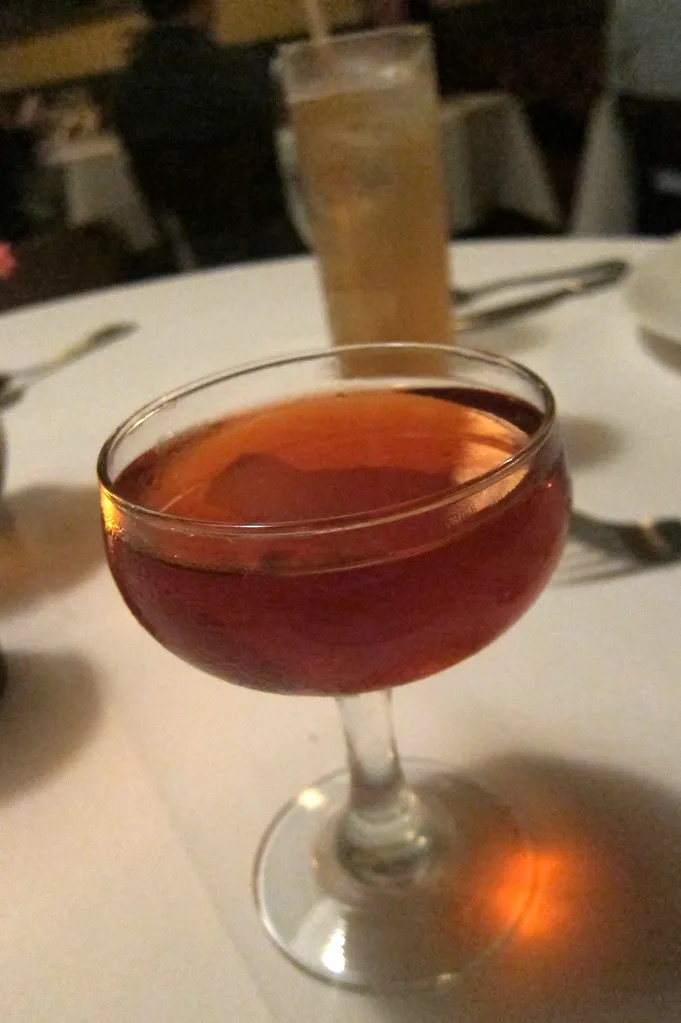
Caffè Gilli (Via Roma, 1r) sits close to the site of the original bar and pours Negronis strong and properly proportioned. The terrace on Piazza della Repubblica is open daily from 7:30 AM to midnight; a cocktail costs €15 to €20 and arrives with a refined tray of olives and savory pastries. Rivoire on the same square also claims historical connection to the cocktail and is worth a stop for the setting alone. For a more modern take, Locale (Via delle Seggiole, 12r) rotates its Negroni seasonally — the Mezcal Negroni with kombucha vermouth and saffron is a perennial on the menu and the best argument for what the drink can become a century after its invention.
The practical tip that no competitor makes explicit: if your Florence trip is only two or three nights, build one evening around a Negroni crawl in the historic center rather than trying to cover multiple neighborhoods. Start at Caffè Gilli for the historical reference point, walk to Vineria Sonora (Via degli Alfani, 39r) for a natural wine interlude, and finish at Locale for the avant-garde version. Three bars, three interpretations, all within a 15-minute walk. It is the most efficient way to understand Florence's aperitivo range in a single evening.
Cristina's 3 Favorite Local Picks
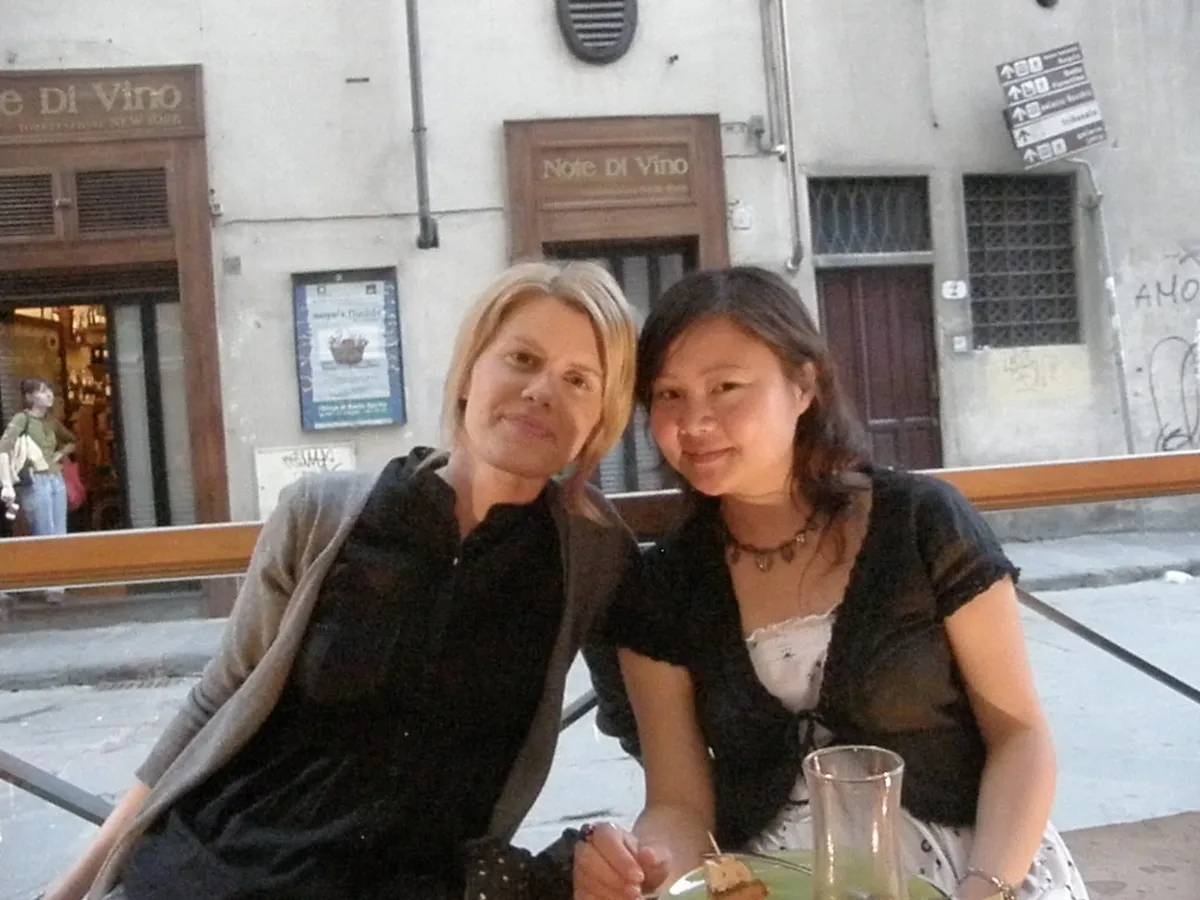
Cristina is a long-time resident who avoids the main squares in favor of authenticity and value. Her first pick is always a small enoteca where the focus is strictly on the relationship between the vine and the glass. She recommends looking for places that don't have a printed menu but instead rely on a rotating chalkboard. This ensures that you are drinking what is currently at its peak according to the season.
Her top choice for unpretentious quality is Enoteca Sosta e Papi (Borgo la Croce, 81r) in the Sant'Ambrogio neighborhood. This is among the last genuinely old-fashioned enoteche in the city — wooden barrels on display, kitsch bunches of plastic grapes at the entrance, and Chianti Classico sold near cost price by the litre. A glass of house wine costs under €5 and is served alongside the most Florentine aperitivo possible: coccoli (deep-fried dough balls), soft stracchino cheese, and local prosciutto. Florentines of every age keep it full by early evening.
Her second pick is in the San Niccolo neighborhood, where the crowd is almost entirely local — artists, craftsmen, and residents from the surrounding studios. You won't find flashy signage or English menus, just high-quality vermouth and honest hospitality. It is a perfect example of the Florence off the beaten path experience that rewards the traveler willing to walk ten minutes past the last tour group.
Finally, she returns regularly to Vineria Sonora (Via degli Alfani, 39r) near the Duomo for its exclusively Italian organic and biodynamic wine list. Glasses change weekly, orange wines rotate by season, and the soundtrack is whatever record is on the turntable. A glass runs €6 to €12 and comes with fat Tuscan olives, grissini, and grilled cheese toasties with onion marmalade. This is the bar she recommends first to friends who want a single spot that captures the current Florence wine culture without travelling far.
Donna's Top 3 Aperitivi for Views and Vibes
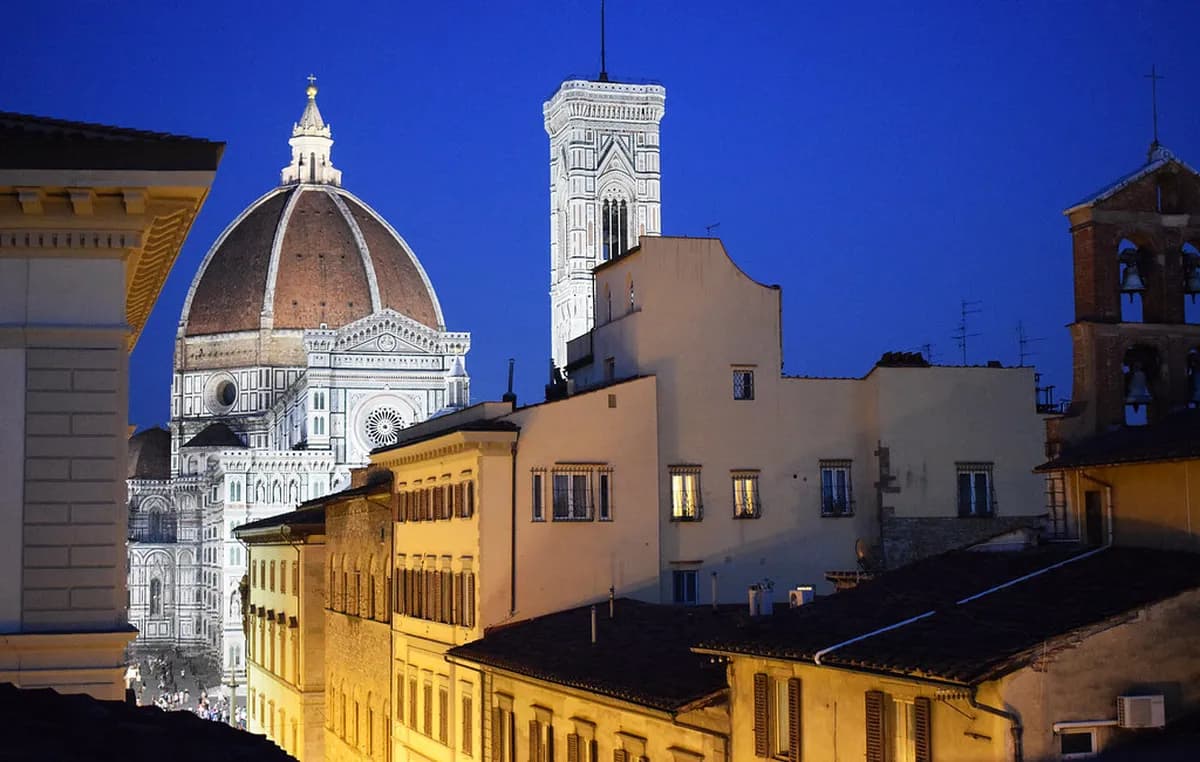
Donna focuses on the visual impact of the evening, seeking out the best Florence rooftop bars for her sunset fix. She believes that the first drink of the night should always come with a view of the Brunelleschi's Dome. While these spots often require a reservation, the sensory experience of seeing the city light up is worth the effort. Her selections prioritize comfort and a sense of luxury without being overly pretentious.
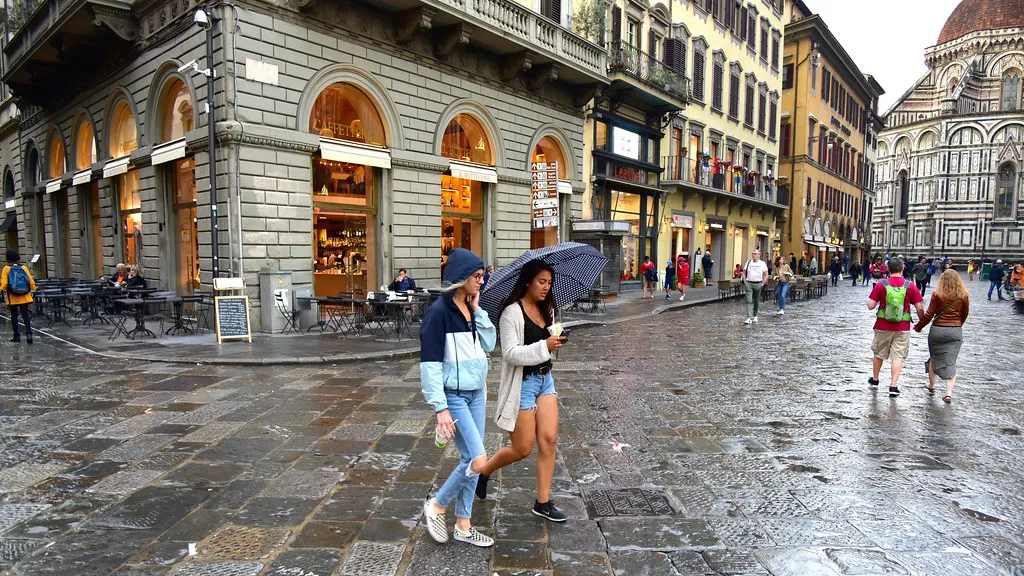
Her first pick is the Loggia Roof Bar at Hotel Palazzo Guadagni overlooking Piazza Santo Spirito. Cocktails run €16 to €22 and the terrace is open to the public daily from 4:00 PM to 11:00 PM, though reservations are essential on weekends. Arrive 30 minutes before sunset to watch the sky turn over the red-tiled rooftops — the view extends to the Boboli Gardens and the hills beyond. The snacks are high-end olives and crackers, simple but sufficient for the setting.
Her second choice is Il Continentale (Vicolo dell'Oro, 6r), a riverside rooftop that she rates above other hotel bars primarily because the cocktails are genuinely good — most rooftop bars coast on location and serve weak drinks. It looks directly at Ponte Vecchio and the Arno below, and the bar team takes craft seriously. Book through the hotel website and confirm your spot the morning of your visit. For those who want more space and a younger crowd, Hotel Lucchesi's Empireo Bar (Lungarno della Zecca Vecchia, 38) offers the second-best panoramic view of the city in a more casual atmosphere and includes a small selection of no-alcohol options.
Her third suggestion is not a rooftop but a garden setting: a hidden courtyard with lemon trees that provides cool shelter during summer. These garden-bar hybrids appear mostly in boutique hotels and private clubs rather than on mainstream booking platforms, so ask your hotel reception or a local guide for the current best option in 2026. Live acoustic music in these spaces enhances the Mediterranean atmosphere significantly and makes them ideal for a slow, romantic start to the evening.
What to Skip: Avoiding the Tourist Traps
Not every place offering a drink and a snack provides a good value for your money. I strongly advise skipping the bars directly facing the Duomo that use bright pictures of food on their menus. These spots often charge a 'service fee' that can double your bill without warning. The food is frequently mass-produced and lacks the freshness found in neighborhood establishments.
Be wary of the 'all-you-can-eat' buffets that have been sitting out under heat lamps for hours. While they may seem like a bargain, the quality of the pasta and salads is often disappointing. Locals generally avoid these apericena spots unless they are specifically on a very tight student budget. You are better off paying for a single, high-quality plate of local meats and cheeses at any of the neighborhood bars listed in this guide.
Avoid any place where the staff is aggressively beckoning you inside from the street. Authentic Florentine bars don't need to hunt for customers because their reputation keeps them full. If a place feels like a factory designed for tourists, it almost certainly is. Trust your instincts and walk a few blocks further into the side streets for a better experience.
Top Experiences to Pair with Your Aperitivo Evening
The aperitivo hour is more rewarding when it follows a specific afternoon activity, because you arrive with something to talk about and a natural appetite. The most logical pairing is a late-afternoon gallery visit — the Uffizi and the Bargello both close at 7:00 PM, leaving you positioned in the historic center at exactly the right moment. Step out and walk directly to Piazza della Repubblica for a Negroni at Caffè Gilli without changing neighborhoods.
For a more local sequence, spend late afternoon in the Oltrarno exploring the artisan leather workshops and paper-marbling studios concentrated between Piazza Santo Spirito and Borgo San Jacopo. Most workshops close between 5:30 PM and 6:00 PM. You are then within a two-minute walk of Volume, Bulli e Balene, and Il Santino for the first drink of the evening. This route through the non-touristy things to do in Florence allows you to see working Florence before stepping into its social evening rhythm.
Florence Cocktail Week, held annually in April, is worth building a trip around if your dates are flexible. The eighth edition ran 7–13 April 2025; the 2026 edition will follow a similar window in spring. During the week, pop-up bars appear in unexpected locations, established venues host guest bartenders from across Europe — several of them recognised on The World's 50 Best Bars list — and mixology masterclasses run throughout the day. Checking the Conde Nast Traveler listings in late February will confirm the 2026 dates as they are announced. This is the single best week to explore the city's cocktail scene in concentrated form.
How to Plan a Smooth Aperitivo Day
Timing is everything when it comes to enjoying the best aperitivo in Florence. Most locals start their evening between 7:00 PM and 8:30 PM before heading to dinner at 9:00 PM. If you arrive too early, you might find the food hasn't been prepared yet; too late, and the best items might be gone. The sweet spot is 7:15 PM on weekdays and 7:00 PM sharp on Fridays and Saturdays.
Avoid bars facing the Duomo that use large food photos on their menus — these frequently add an undisclosed service fee that can double your bill. Authentic neighborhood bars in Oltrarno and Sant'Ambrogio charge straightforward, listed prices.
Consider grouping your aperitivo stop with a visit to some hidden gems in Florence to maximize your time. For example, you can explore the artisan workshops of the Oltrarno before settling in at Piazza Santo Spirito. This allows you to see the city transition from a working daytime hub to a social evening playground. Wear comfortable shoes as the best way to move between these spots is on foot.
If you are traveling in a large group, always call ahead to book a table. Many of the best bars are quite small and can only accommodate a few people at a time. Having a reservation ensures you won't spend your evening standing on a crowded sidewalk. Most places will hold a table for 15 minutes, so try to be punctual.
| Bar / Venue | Neighborhood | Aperitivo Price | Style |
|---|---|---|---|
| Caffè Gilli | Piazza della Repubblica | €15–€20 | Historic, Negroni birthplace |
| Volume | Piazza Santo Spirito | €10 | Bohemian, best outdoor seating |
| Bulli e Balene | Oltrarno | €4 Spritz + cicchetti | Venetian-style, best value |
| Il Santino | Via di Santo Spirito | €8–€14 wine | Natural wine, cured meats |
| Loggia Roof Bar | Hotel Palazzo Guadagni | €16–€22 | Rooftop, Santo Spirito views |
| Vineria Sonora | Via degli Alfani | €6–€12 | Organic/biodynamic, vinyl soundtrack |
Frequently Asked Questions
What is the typical cost for an aperitivo in Florence?
You can expect to pay between €10 and €18 for a standard aperitivo in Florence. This price usually includes one drink and a selection of small snacks or a curated plate. Upscale rooftop bars may charge closer to €25 for the experience.
Do I need to make a reservation for aperitivo?
Reservations are highly recommended for popular rooftop bars and high-end historic cafes, especially on weekends. For casual neighborhood spots, you can usually find a seat if you arrive by 7:00 PM. Larger groups should always call ahead to ensure space.
What is the difference between aperitivo and happy hour?
Aperitivo is a cultural ritual focused on socializing and preparing the appetite for dinner with small food pairings. Unlike a standard happy hour, it rarely features 'buy one get one' deals. The emphasis is on the quality of the drink and the accompanying snacks.
Finding the best aperitivo in Florence is one of the most rewarding ways to experience the city's vibrant social life. By stepping away from the main tourist drags and following the locals into the Oltrarno or Sant'Ambrogio, you will discover the true heart of Tuscany. Remember that the best experiences are often found in the simplest moments, like sharing a glass of wine in a crowded piazza at dusk.
Whether you choose a historic landmark like Caffè Gilli or a hidden gem like Vineria Sonora, the ritual of the evening drink will stay with you. I hope this guide helps you navigate the many options and find your own favorite corner of this beautiful city. Salute to your upcoming Florentine adventure!
Continue exploring
More guides you'll find useful