San Niccolò Florence: The Ultimate Neighborhood Guide
Discover San Niccolò, Florence's most authentic neighborhood. Our guide covers the Torre di San Niccolò, hidden gardens, artisan shops, and the best local dining.
On this page
San Niccolò Florence
San Niccolò is the most authentic neighborhood in Florence today. Located at the foot of the hills south of the Arno, it feels like a separate village. Travelers often miss this area while rushing toward the main museums.
This district belongs to the famous Oltrarno Florence area known for its craft traditions. You will find narrow medieval streets that remain quiet during the morning hours. Locals gather in the small squares to enjoy a slower pace of life.
The neighborhood offers a perfect blend of history, art, and modern dining. You can climb ancient towers or explore gardens filled with modern sculptures. Planning a visit here allows you to see the city from a new perspective. Discover more of the Florence neighborhoods that define the city's character.
The Authentic Vibe of the San Niccolò Neighborhood
Walking into San Niccolò feels like stepping back in time compared to the busy city center. The neighborhood sits tucked between the river and the steep hills leading to the south. You will notice fewer souvenir shops and more local hardware stores or small groceries.
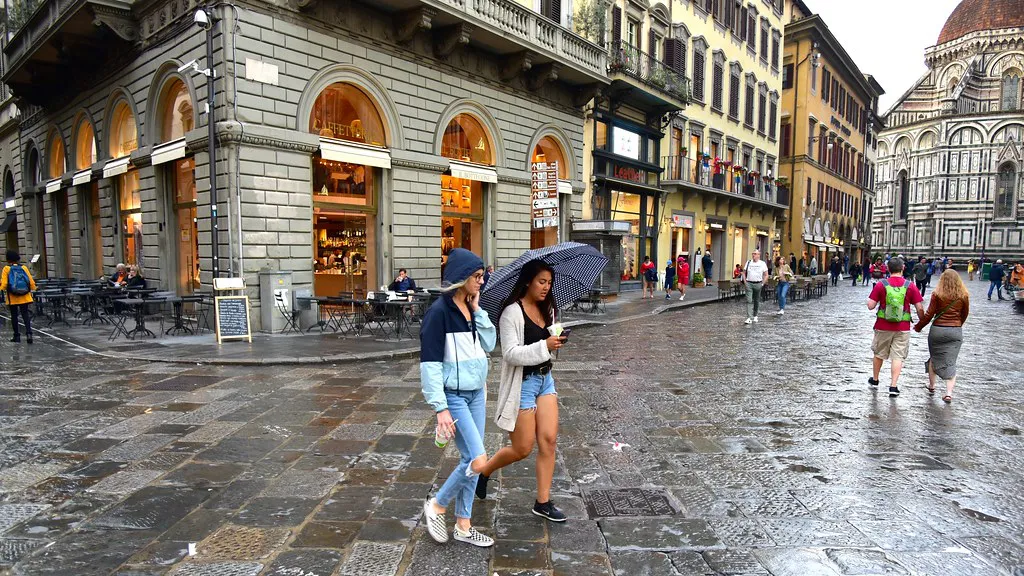
This area is a highlight for those seeking hidden gems in Florence away from the crowds. The architecture features rugged stone walls and charming flower boxes on every window. Residents often chat across balconies while the smell of fresh bread fills the air.
Daytime in the district is peaceful and perfect for a quiet stroll through history. Many visitors enjoy the lack of traffic on the narrower side streets. You can truly hear the sounds of the city without the roar of tour buses.
As the sun sets, the neighborhood transforms into a lively hub for young professionals. The local bars fill with people enjoying a glass of wine after a long day. It maintains a community feel that is hard to find in more touristy districts.
Top Landmarks: Torre di San Niccolò and Porta San Miniato
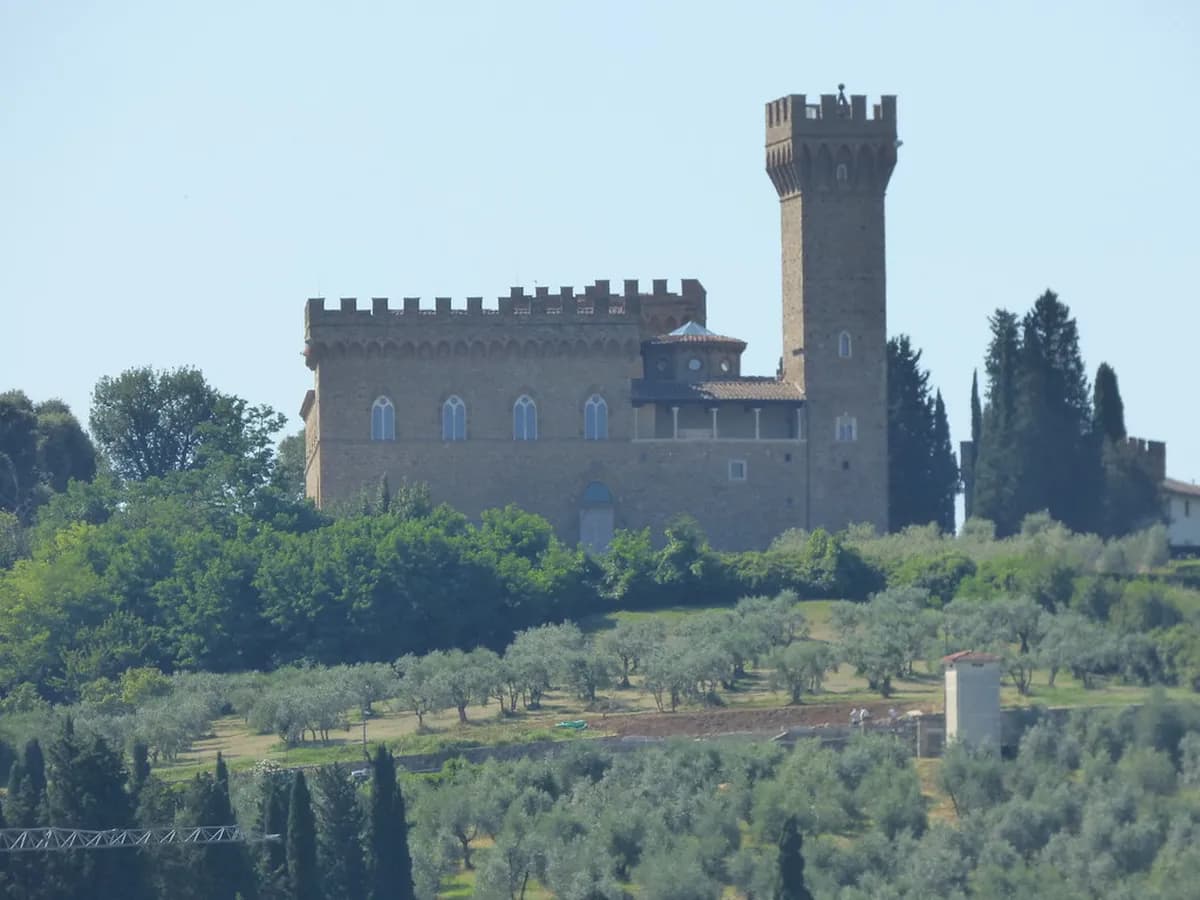
The Torre di San Niccolò is the only medieval gate in the city that retains its original height. It stands as a proud reminder of the defensive walls built by Giuseppe Poggi in the 19th century. You can see this impressive structure from across the river as a landmark of the district.
Climbing the tower is one of the most rewarding experiences for active travelers in the city. Visitors must navigate 161 stone steps to reach the top platform for panoramic views. Check the official Visittuscany.com page for current seasonal opening hours.
Torre di San Niccolò entry costs just €3 per person with 30-minute guided slots available in the afternoon only. Arrive a few minutes early as slot capacity is limited and the tower is only open seasonally from June to September.
Porta San Miniato is another significant gate located just a short walk away. This entrance leads directly toward the steep path heading up to the hills. It showcases the massive scale of the ancient fortifications that once protected the Tuscan capital.
These structures provide a tangible link to the medieval history of the Oltrarno. You can still see the slots where massive wooden doors once hung to keep out invaders. Exploring these sites helps you understand the strategic importance of this riverside district. The nearby San Frediano quarter shares similar medieval character.
- Torre di San Niccolò Logistics
- Cost: 3 Euros per person
- Climb: 161 stone steps
- Access: Afternoon tours only
- Duration: 30-minute guided slots
| Landmark | Entry Cost | Opening Season | Highlights |
|---|---|---|---|
| Torre di San Niccolò | €3 | June–September | Panoramic views, 161 steps, guided slots |
| Porta San Miniato | Free | Year-round | Ancient gate, path to the hills |
| Giardino delle Rose | Free | Year-round (best May–June) | 350 rose varieties, Japanese Garden, Folon sculptures |
| Basilica di San Miniato al Monte | Free | Year-round | Romanesque facade, 13th-century ceiling, monks' chanting |
| Piazzale Michelangelo | Free | Year-round (24/7) | Best panoramic city view, sunset crowds |
Artistic Heritage: Artisan Workshops and Richard Ginori
Artisans have worked in the San Niccolò district for hundreds of years. You can still find masters of woodcarving, leatherwork, and jewelry making in small ground-floor studios. These workshops keep the traditional spirit of the city alive in the modern era.
Street art has also found a unique home among the ancient walls of this neighborhood. Look for the playful modified street signs created by the local artist known as Clet. You can find more Florence street art examples tucked into the corners of Via dell'Olmo.
The district is home to prestigious heritage brands like Richard Ginori, famous for fine porcelain. Their presence highlights the high level of craftsmanship that defines the local economy. Many shops offer high-quality items that make for meaningful and lasting souvenirs.
A short detour up Costa San Giorgio, the steep lane rising from the back of the neighborhood, brings you to a detail most visitors walk straight past. At number 11, a stone building marks the house where Galileo Galilei lived and worked during the early 17th century. Fixed to the rear wall is a sundial he designed and built himself — a working instrument, still legible today, calibrated for the latitude of Florence. It is not a museum and there is no entrance fee; the sundial is simply there on the exterior wall for anyone who looks up.
The church of San Niccolò Oltrarno carries its own quiet historical record. On the left side of the entrance, a small white marble plaque marks the precise water level reached by the Arno during the catastrophic flood of November 1966. The line sits well above head height. Seeing it in person makes the scale of the disaster viscerally clear in a way that photographs cannot. Both details — the sundial and the plaque — are the kind of things a resident notices and a day-tripper misses entirely.
Watercolorists often set up their easels near the river to capture the changing light. You might see them painting the reflection of the bridges in the early morning. Supporting these local creators helps preserve the creative soul of the San Niccolò area.
Dining in San Niccolò: From Coffee to Traditional Trattorias
Food in this neighborhood focuses on seasonal ingredients and traditional Tuscan recipes. You can find everything from quick street food to elegant sit-down meals in historic buildings. Many restaurants here are family-run and have served the community for generations.
Starting your evening with a best aperitivo in Florence is a local tradition in the main piazza. Order a Negroni or a glass of Chianti while watching the world go by. Most bars provide a small selection of snacks to accompany your drink.
Traditional trattorias offer hearty dishes like ribollita or wild boar pasta in cozy settings. These spots often require a reservation on weekends due to their popularity with residents. Look for menus written in Italian to find the most authentic culinary experiences.
Wine bars in the area specialize in labels from small Tuscan vineyards. You can learn about different grape varieties from knowledgeable staff who love sharing their passion. Take time to savor a slow meal in this relaxed and welcoming environment.
- Local Dining Recommendations
- Zeb: Modern deli and pasta
- Beppe Fioraia: Large garden seating
- Fuori Porta: Expert wine selection
- Antica Mescita: Historic vaulted cellar
The Best Views in Florence: Piazzale Michelangelo
Piazzale Michelangelo offers the most famous panoramic view of the entire city skyline. It is a short but steep walk up from the heart of the San Niccolò district. Most visitors arrive just before sunset to see the sky turn orange over the Duomo.
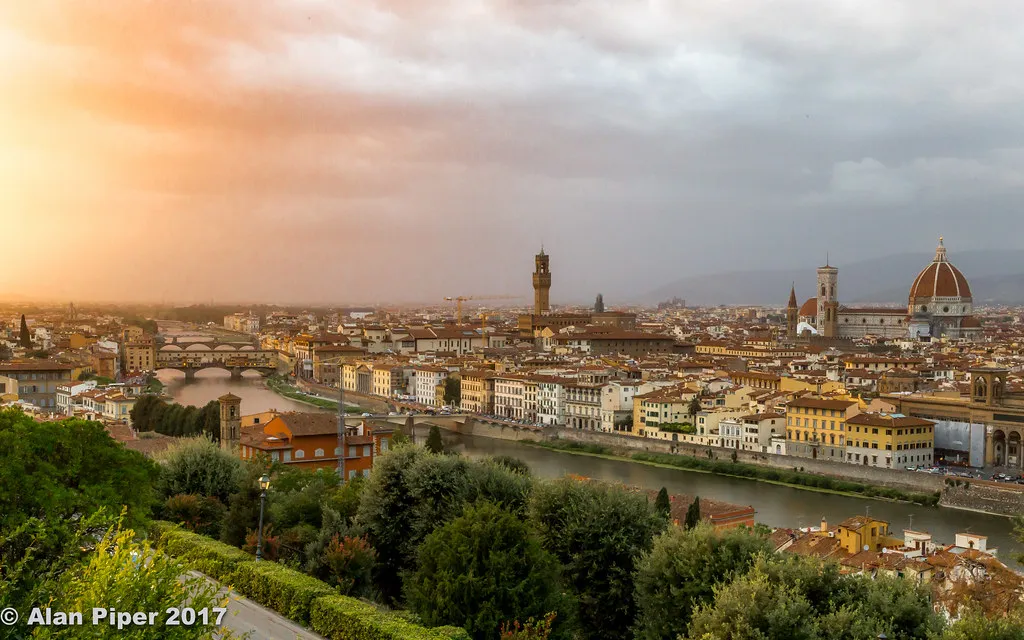
Following an Oltrarno walk will lead you even higher to the Basilica of San Miniato al Monte. This church is a masterpiece of Romanesque architecture with a stunning green and white marble facade. It remains one of the most peaceful spots in the entire city.
The cemetery behind the church holds the grave of Carlo Collodi, the author of Pinocchio. Many travelers find this literary connection a surprising and touching part of their visit. The grounds also offer a quiet space for reflection away from the crowded viewpoint below.
Inside the basilica, you can often hear the monks chanting during the late afternoon services. The interior features ancient mosaics and a beautifully preserved wooden ceiling from the 13th century. It provides a spiritual experience that complements the physical beauty of the view outside.
Hidden Greenery: The Rose Garden and Beyond
The Giardino delle Rose is a beautiful terraced garden located on the slope below the piazzale. It contains over 350 varieties of roses that fill the air with fragrance during the spring. This is one of the best non-touristy things to do in Florence for nature lovers.
A unique Japanese Garden sits within the larger rose garden as a gift from Kyoto. This twin-city connection adds an unexpected element of Zen to the heart of Tuscany. You can find traditional water features and carefully pruned trees in this quiet corner.
Bronze sculptures by the Belgian artist Jean-Michel Folon are scattered throughout the greenery. These whimsical figures provide excellent photo opportunities against the backdrop of the city. The garden is free to enter and offers many benches for a restful break.
May and June are the best months to see the roses in their full glory. Even outside of blooming season, the garden remains a pleasant spot for a morning walk. You can enjoy the shade of the olive trees while looking out over the red-tiled roofs.
The Giardino delle Rose is free to enter and contains over 350 rose varieties as well as a Japanese Garden gifted by Kyoto. Visit in May or June for peak blooms and to see the Jean-Michel Folon sculptures at their most photogenic.
Practical Travel Tips: Getting There and Best Times
Reaching San Niccolò on foot is easy if you start from the famous Ponte Vecchio. Walk east along the river through Via de' Bardi to reach the main neighborhood square. This route takes about fifteen minutes and offers beautiful views of the water.
The streets in this district can be very steep and paved with uneven cobblestones. Wear comfortable walking shoes to handle the climb up toward the gardens and viewpoints. Travelers with strollers may find the Rampa delle Coste challenging due to the many stairs.
Summer months in 2026 will likely bring the most visitors to the panoramic areas. Plan your visit for early morning or late evening to avoid the heat and the largest crowds. Spring and autumn offer the most pleasant weather for exploring the outdoor sites.
Public buses like the C3 or the 12 and 13 also serve the area regularly. These are helpful if you want to reach the top of the hill without the long walk. Check the local transit app for real-time schedules and ticket information.
- Suggested Walking Route
- Start: Ponte Vecchio bridge
- Path: Via de' Bardi
- Climb: Rampa delle Coste
- End: San Miniato al Monte
Frequently Asked Questions
Is San Niccolò Florence worth visiting?
Yes, San Niccolò is definitely worth visiting for its authentic atmosphere and incredible views. It offers a quieter alternative to the crowded city center and features unique artisan shops. You can also find some of the best local dining experiences in this district.
How do I get to San Niccolò from the Florence city center?
You can walk to San Niccolò from the Uffizi Gallery by crossing the Ponte alle Grazie. The walk takes about ten minutes and follows the river bank. Alternatively, take the C3 electric bus for a quick ride directly into the heart of the neighborhood.
What is the best time to climb the Torre di San Niccolò?
The best time to climb the tower is in the late afternoon during the summer months. The tower is usually open from June to September with guided tours every half hour. You should check Thistuscanlife.com for seasonal updates on access.
Are there hidden gardens in the San Niccolò district?
The Giardino delle Rose is the most famous hidden garden in the area. It features a secret Japanese Garden and beautiful sculptures by Jean-Michel Folon. Entry is free, making it a perfect spot for a relaxing break during your sightseeing day.
San Niccolò remains a vital part of the Florence experience for those who look beyond the main squares. It offers a rare glimpse into the local way of life while providing world-class views. You can spend an entire day here exploring towers, gardens, and artisan workshops.
The neighborhood successfully balances its medieval heritage with a vibrant modern energy. Whether you are climbing the tower or enjoying a quiet dinner, the district leaves a lasting impression. Make sure to include this authentic corner of the Oltrarno in your next Italian itinerary.
Take your time to wander the side streets and discover your own favorite spots. The beauty of San Niccolò lies in the small details and the warm welcome of its residents. It is a place where history feels alive in every stone and every glass of wine.
Continue exploring
More guides you'll find useful