Oltrarno Walking Tour: A Complete Self-Guided Route
Explore Florence's artisan district with our self-guided Oltrarno walk. Includes a route map, wine window stops, Renaissance art highlights, and local tips.
On this page
1-Day Oltrarno Walking Tour
I spent years exploring the quieter side of Florence to find the perfect route across the Arno River. This oltrarno walk is designed for first-timers who want to escape the heavy crowds near the Duomo. We found that the artisan heart of the city beats strongest in the narrow streets of San Frediano. Updated May 2026 after my most recent spring visit to the Tuscan capital.
The Oltrarno district offers a glimpse into the authentic daily life of Florentine residents and master craftsmen. You will discover hidden churches, historic wine windows, and some of the best sunset views in Italy. Crossing the bridges feels like entering a different world where time moves a little slower — and it's a key stop in our wider guide to hidden gems in Florence. This guide provides everything you need for a successful self-guided exploration of the 'other side'.
About Our Oltrarno Walking Tour
The Oltrarno — literally "beyond the Arno" — has been Florence's artisan and working-class quarter for centuries. While the north bank drew the Medici's grand palaces and banking families, the south bank stayed the domain of tanners, woodcarvers, gilders, and marble-workers. That distinction persists in 2026. The streets are quieter, the cafes are cheaper, and the creative energy is more immediate and harder to perform.
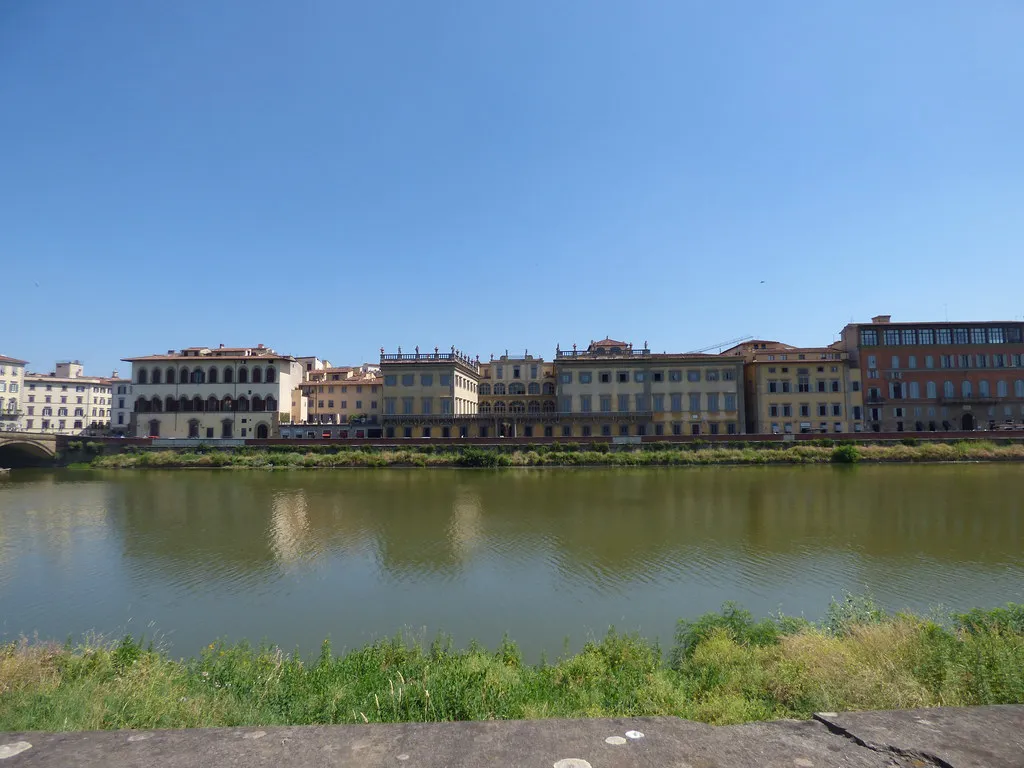
Our route links the key stops chronologically from west to east, then climbs toward the panoramic hills. For each attraction, we include opening times and booking notes. You will need a wireless connection to use the embedded map pins, so download an offline map before you leave your accommodation. The walk fits naturally on Day 2 of a longer Florence stay — see our guide to the Oltrarno for full neighborhood context.
The sights are listed in the order you will encounter them on foot. Some can be entered for free; others require a timed ticket booked in advance. If you plan to visit the Brancacci Chapel and Palazzo Pitti on the same day, book both before you arrive — capacity at the chapel is strictly limited and slots sell out weeks ahead in high season.
Self-Guided Oltrarno Walk Route Map
The walk covers approximately 5.5 miles in total, including the hill climb to Piazzale Michelangelo. Plan on three to four hours for a brisk pace. A full day is realistic if you enter museums, sit for lunch, and browse the artisan workshops. If you want a printable version with a map and additional tips, you can Buy the PDF!
The route begins at Ponte alla Carraia on the north bank and loops clockwise, finishing at San Niccolò near Porta San Niccolò tower. Below is the sequence of stops in order.
- Ponte alla Carraia — cross to the south bank
- Porta San Frediano — the 14th-century city gate
- Borgo San Frediano — main artisan street
- Brancacci Chapel (book ahead)
- Piazza Santo Spirito and Basilica di Santo Spirito
- Wine window at Babae — Borgo San Frediano
- Via Maggio — antique galleries and palaces
- Piazza della Passera — lunch stop
- Santa Felicita church
- Palazzo Pitti and Boboli Gardens (optional)
- Forte di Belvedere
- Rose Garden (Giardino delle Rose)
- Piazzale Michelangelo
- San Miniato al Monte
- San Niccolò — finish at Porta San Niccolò tower
The Step-by-Step Oltrarno Walk Itinerary
Begin at Ponte alla Carraia, which offers an unobstructed view of the Arno and the distant hills. Walk south into the San Frediano neighborhood and immediately look for the Porta San Frediano. This hulking brick gate dates to the 1330s and was the original "Gateway to Pisa." The thick wooden doors and iron tethering rings are original — a rare surviving slice of the medieval city walls.
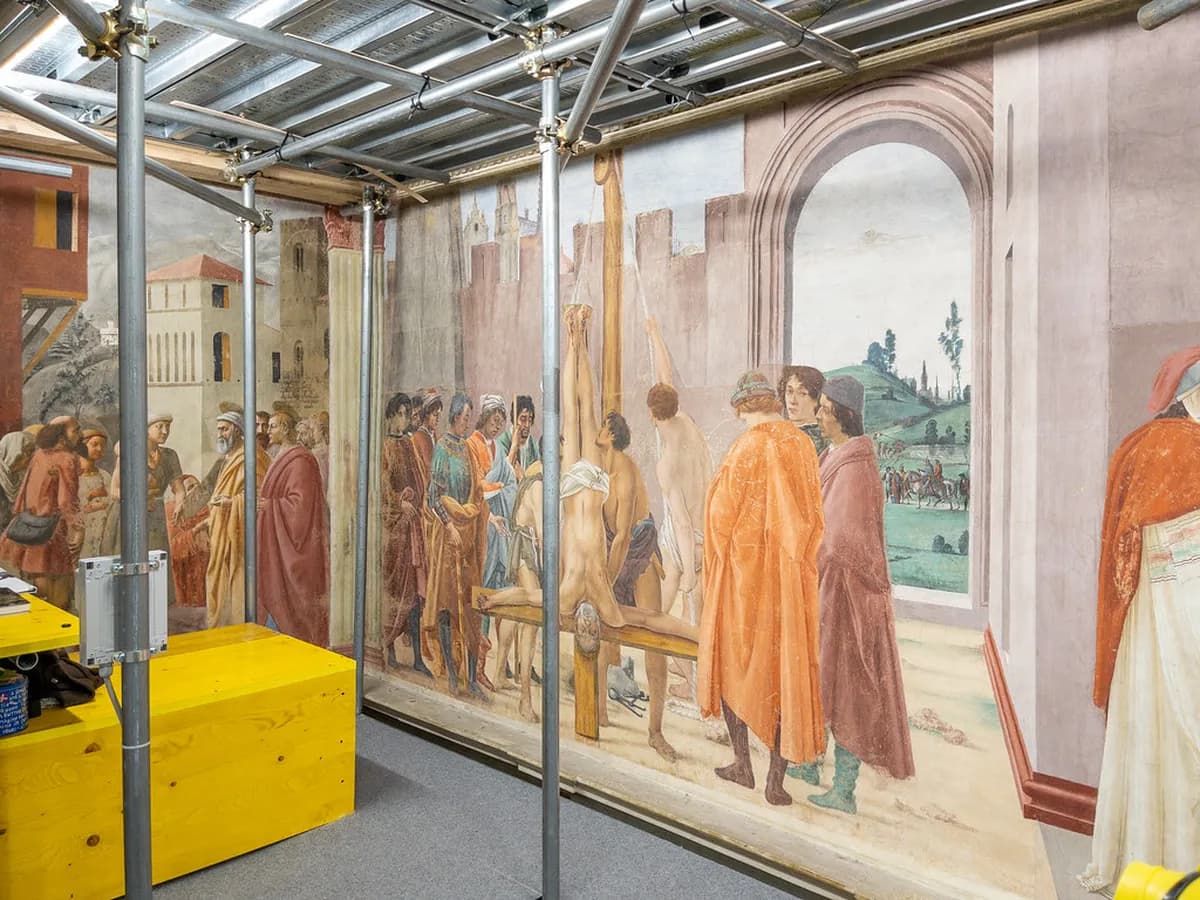
Continue east along Borgo San Frediano, the neighborhood's main thoroughfare. This is where the walk feels most alive: woodcarvers, leatherworkers, and paper marblers occupy workshop doorways. Stop at Libreria Café La Cite for a coffee if you need fuel early in the morning. Reach the Brancacci Chapel at 10:00 AM to avoid afternoon school groups — the frescoes by Masaccio and Masolino are among the most important paintings of the early Renaissance.
From the chapel, walk to Piazza Santo Spirito, the social heart of the district. The square hosts a morning antique market most weekdays and fills with locals in the evening. After the square, head south along Via Maggio to see the Palazzo di Bianca Cappello at number 26, whose sgraffito facade marks one of the finest 16th-century palace fronts in the city. Piazza della Passera, tucked one block further, is the natural lunch stop — Schiaccia Passera serves excellent Florentine sandwiches and Gelateria della Passera is next door.
The afternoon is best spent at Santa Felicita — Florence's second-oldest church, famous for Pontormo's Deposition from the Cross — before deciding whether to detour into Palazzo Pitti. Finish by climbing toward the hills for the sunset views that make the Oltrarno famous. Look for hidden gem restaurants in San Niccolò for dinner after the descent.
Must-See Renaissance Art and Historic Churches
The Brancacci Chapel inside Santa Maria del Carmine is the Oltrarno's artistic crown. Masaccio's Expulsion from the Garden of Eden, painted between 1425 and 1427, changed Western painting with its naturalistic emotion and pioneering use of perspective. Michelangelo studied these frescoes as a young artist — you can feel the influence. Entry requires a timed ticket (currently around €10); book at least 30 days ahead in summer.
The Basilica di Santo Spirito is often overshadowed by the Duomo but deserves serious attention. Brunelleschi designed the 320-foot nave in 1428, and the interior is a lesson in Renaissance mathematical proportion across 38 side chapels. The carved wooden Crucifix in the sacristy is one of the earliest sculptures by Michelangelo, made when he was just 18. Entry to the nave is free; a small ticket is required for the sacristy.
Santa Felicita, on the route between Via Maggio and Palazzo Pitti, is Florence's second-oldest church. The Barbadori-Capponi Chapel was designed by Brunelleschi, and inside it Pontormo painted the Deposition from the Cross — one of the strangest and most beautiful Mannerist paintings in the world. Put a €1 coin in the light slot to see the intense, acidic colors properly. The Vasari Corridor crosses the church's facade above the entrance, a detail most visitors walk straight past.
The Brancacci Chapel requires a timed ticket (currently around €10) and slots fill 30+ days ahead in summer. Book through the official Comune di Firenze portal — third-party resellers typically charge 25–40% more for the same entry.
Artisan Workshops and Traditional Botteghe Etiquette
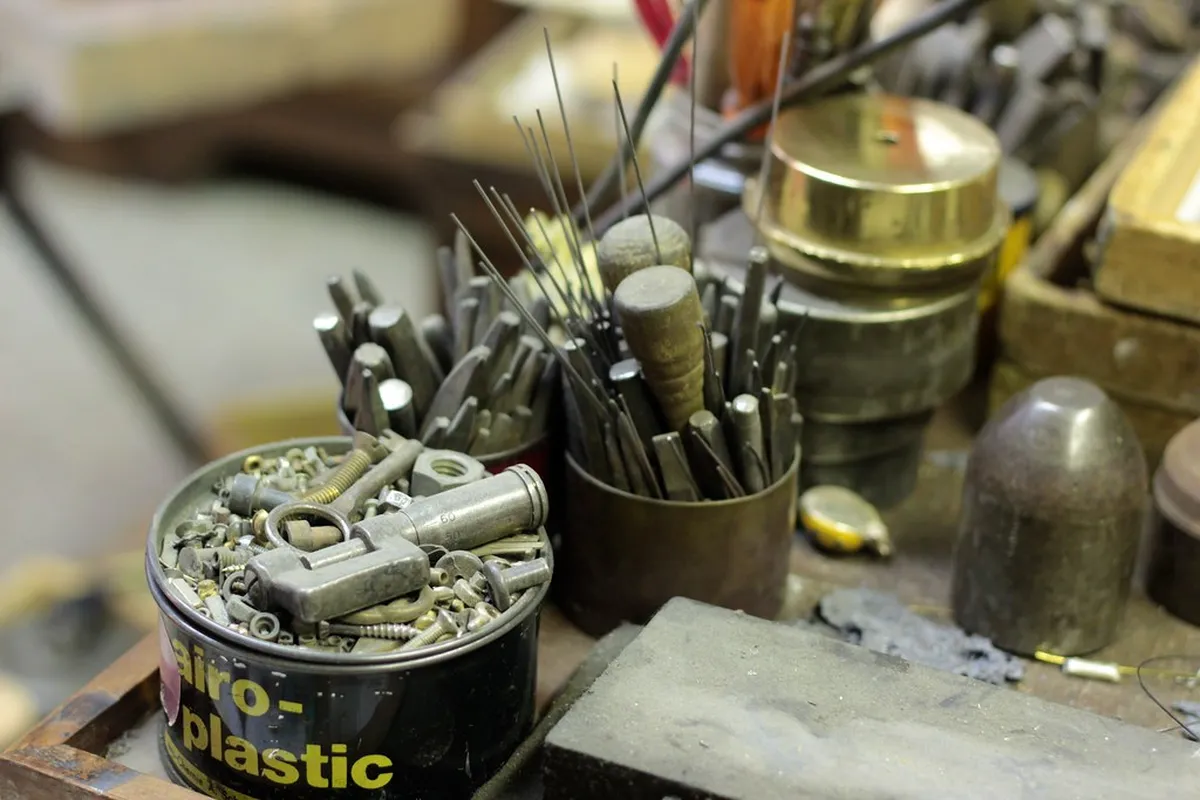
The Oltrarno's botteghe are active workspaces, not museums or retail stores. Visiting them is one of the most non-touristy things to do in Florence. Always greet the artisan with a polite "Buongiorno" when you enter. If the craftsman is in the middle of detailed work, wait near the door rather than approaching immediately.
Do not touch tools, unfinished pieces, or raw materials unless explicitly invited. Many gilders, bookbinders, and leatherworkers are happy to explain their process if they are not on deadline. If you spend meaningful time watching someone at work, buying a small item is the appropriate courtesy — even a bookmark or a scrap piece of marbled paper. Always ask before photographing; most will say yes, but it is their workspace and their call.
Supporting these workshops matters in a practical sense. The Oltrarno has faced sustained pressure from short-term rental conversions that price out long-standing botteghe. The craftsmen who remain have chosen to stay in the neighborhood rather than relocate or go online-only. Spending money here — even a small amount — directly sustains a tradition that goes back to the Medici era. You will find handmade leather shoes, gilded frames, hand-sewn notebooks, and intricate jewelry at prices that reflect real labor.
Botteghe are active workspaces, not showrooms. Never touch tools, unfinished pieces, or raw materials without an explicit invitation — and always ask before photographing. Ignoring this etiquette can end a visit quickly.
Where to Find the Best Oltrarno Wine Windows
The buchette del vino — wine windows — date from the 17th century, when noble families sold wine directly from their palazzo walls. During the plague they enabled contactless transactions, an early form of social distancing. The Oltrarno has a higher concentration of surviving windows than the north bank, and several are still active. Most operate from late afternoon, roughly 17:00 onward.
The window at Babae on Borgo San Frediano is the most visited and is consistently open. Expect to pay €6–9 for a glass of local Chianti or Morellino. Further along the neighborhood, several windows on Via Santo Spirito have been converted into small art displays, which makes hunting for them an entertaining way to explore the side streets. Check out the best aperitivo spots nearby if you want to pair your wine with a small plate of snacks.
A wine window map specific to the Oltrarno side of the river is harder to find than guides to the city center. The most reliable approach is to walk Borgo San Frediano, Via Sant'Agostino, and Via dei Serragli with your eyes at door-frame level — many windows are easily missed at eye height. The historical society Associazione Buchette del Vino maintains an updated register online if you want to plan stops in advance.
Exploring the Hills: Arcetri, Bellosguardo, and Beyond
Three hill routes extend beyond Piazzale Michelangelo, each with a different effort-to-reward ratio. Choosing the right one depends on your fitness level and available time.
The Hill of Arcetri is the most demanding. The round trip from Porta San Giorgio takes approximately two hours, gaining significant elevation through residential streets. The reward is Galileo's former villa and a deeply quiet hilltop atmosphere that most Florence visitors never see. This route is best suited to walkers who are comfortable with sustained inclines and have half a day to spare.
Bellosguardo sits at medium difficulty — roughly 90 minutes for the circuit — and produces a classic panorama of the Duomo from an angle that Piazzale Michelangelo cannot match. The path passes several historic villas and is considerably less crowded than the main viewpoint. Photographers specifically chase the Bellosguardo angle for its unobstructed northern view of the cathedral dome.
The Marignolle hill is the gentlest option. A 45-minute stroll through olive groves leads to an elevated neighborhood that feels genuinely rural, just minutes from the city center. It is the right choice for those who want green space and quiet without a serious climb. Via del Podestà and the Galluzzo hill extend this circuit further for those with a full afternoon free.
Useful Practical Information for Your Walk
The total route distance is approximately 5.5 miles. The terrain is mostly flat through San Frediano and Santo Spirito, but the final section up to Piazzale Michelangelo and San Miniato al Monte involves a sustained climb of around 100 meters. Wear shoes with grip — the medieval cobblestones are uneven and become slippery in wet weather. Most workshops and smaller churches close for lunch between 13:00 and 15:30.
If the hill climb to Piazzale Michelangelo is not possible — for seniors, travelers with mobility issues, or anyone simply out of steam by late afternoon — buses 12 and 13 run from the south bank up to the piazzale. The stop is near Ponte San Niccolò. This is a practical option that no amount of fitness determination can replicate on a hot August afternoon. Take the bus up and walk the Rampe del Poggi staircase down for the best of both.
A less-obvious alternative rest point is the Rose Garden (Giardino delle Rose), which sits just below Piazzale Michelangelo and is free to enter. It contains more than 350 rose species — peak bloom runs from late April to early June — plus sculptures by Belgian artist Jean-Michel Folon and a small, inexpensive coffee bar. For anyone who finds the piazzale too crowded, the Rose Garden delivers the same elevated views in a calmer setting and is genuinely accessible on gentle paths.
Bring a refillable water bottle for the public drinking fountains (nasoni) in the main squares. Public toilets are available at Piazza Santo Spirito and near Piazzale Michelangelo. The San Niccolò area at the base of the hill is where the walk ends, with several small bars and restaurants for a recovery aperitivo before the journey home.
Book in Advance: Essential Oltrarno Reservations
While the Oltrarno is less crowded than the historic center, the Brancacci Chapel has very limited daily capacity and strictly timed entry slots. In summer, slots fill 30 or more days in advance. Admission is currently around €10 per person. Book through the official Comune di Firenze booking portal — third-party reseller prices are typically 25–40% higher for the same slot.
Palazzo Pitti is another site where advance purchase saves meaningful time. Tickets range from €16 to €25 depending on the season and which of the five internal museums you choose. A combined ticket covers Boboli Gardens and the Bardini Garden. Buy at least 48 hours ahead and proceed directly to the security entrance on arrival.
Popular restaurants on Piazza Santo Spirito fill fast on weekend evenings. A 19:30 reservation is easier to secure than 20:00. Many locals eat at 20:30, so an earlier slot often means a quieter room. Always check the official website of any church or chapel for current holiday closures — several close unexpectedly for religious observances in May and June 2026.
| Site | Entry Cost | Book Ahead | Notes |
|---|---|---|---|
| Brancacci Chapel | ~€10 | 30+ days in summer | Official Comune di Firenze portal only |
| Palazzo Pitti | €16–€25 | 48 hours minimum | Combined ticket includes Boboli + Bardini |
| Boboli Gardens | Included with Pitti | With Pitti ticket | Closes seasonally — check hours |
| Basilica di Santo Spirito (sacristy) | Small fee | Not required | Michelangelo crucifix; open daily |
| Santa Felicita Church | Free | Not required | €1 coin for Pontormo chapel lighting |
Frequently Asked Questions
How long does an Oltrarno walk take?
A basic walk takes about three to four hours. If you visit the Pitti Palace or artisan shops, plan for a full day. The total distance is roughly three miles.
What are the best wine windows in Oltrarno?
Babae in Santo Spirito is the most popular choice for travelers. You can also find historic windows along Via Santo Spirito and in the San Niccolò area. Most serve local red wine.
Is the Brancacci Chapel worth visiting?
Yes, it is a masterpiece of early Renaissance art. The frescoes by Masaccio changed the course of painting forever. You must book a timed entry slot in advance.
The Oltrarno walk is a journey into the soul of Florence that most tourists miss. By crossing the river, you discover the artisans and traditions that built the city. From the gold-leaf workshops to the sunset at the Piazzale, every step is memorable. We hope this guide helps you find the magic on the other side of the Arno.
Take your time to wander through the alleys and talk to the locals. Florence is a city that rewards those who slow down and look closely. Enjoy your walk through the most authentic neighborhoods in the Tuscan capital. Safe travels as you explore the beautiful and historic Oltrarno district.
Continue exploring
More guides you'll find useful