10 Essential Tips and Sights for Trastevere Rome
Plan your visit to Trastevere, Rome's bohemian heart. Includes a neighborhood map, top food picks, where to stay, and tips for avoiding the crowds.
On this page
10 Essential Tips and Sights for Trastevere Rome
Many travelers consider Trastevere to be the most charming and authentic district in the Eternal City. This neighborhood sits on the west bank of the Tiber River and maintains a distinct village atmosphere that most of Rome has long abandoned.
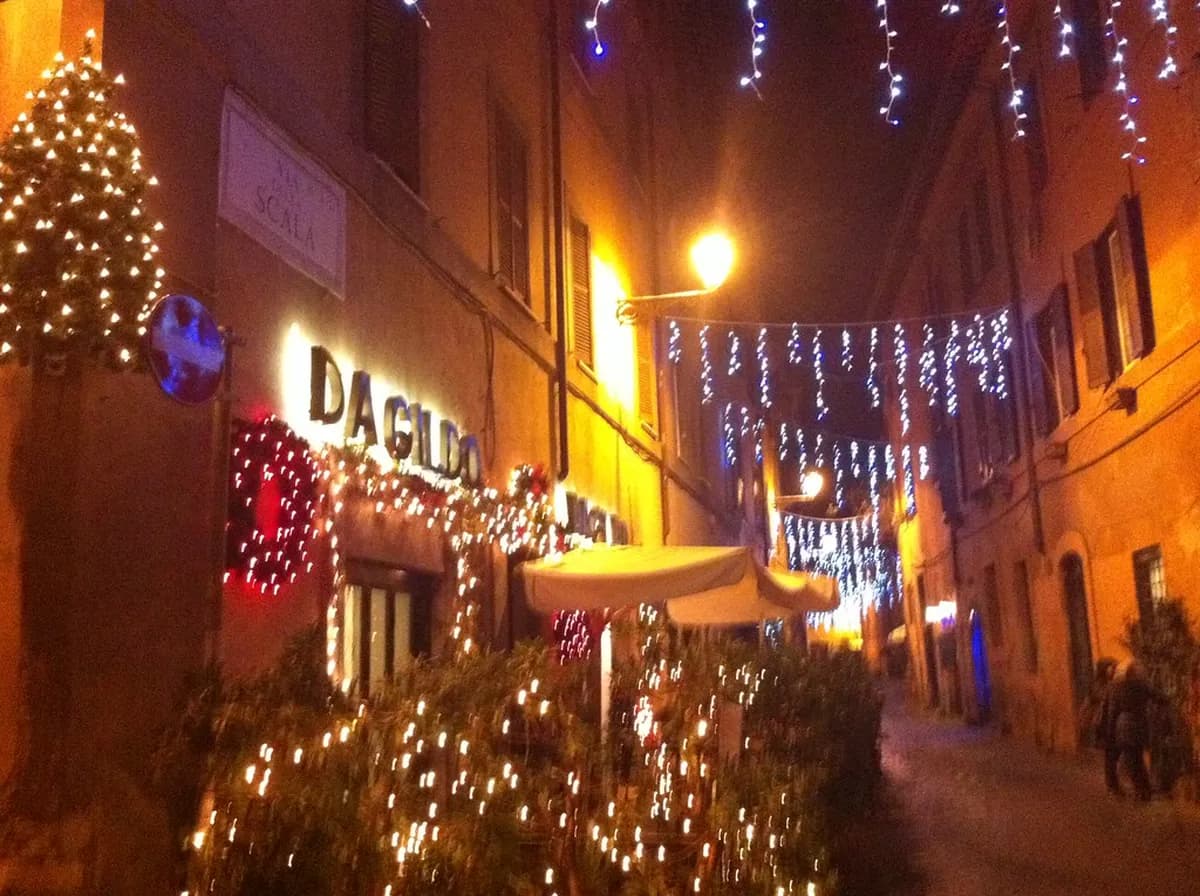
You will find narrow cobblestone streets lined with ivy-clad buildings and vibrant orange facades throughout the area. It serves as a perfect escape from the heavy tourist traffic found near the historic center — and it is within walking distance of almost everything.
This guide covers the neighborhood's layout, its food scene, where to sleep, and the lesser-known corners that most visitors walk straight past. If you are only spending a day here, consider staying overnight instead.
Trastevere, Rome Map
The neighborhood is naturally bordered by the Tiber River to the east and the Janiculum Hill (Gianicolo) to the west. Its northern edge meets the ancient Ponte Sisto footbridge; the southern edge bleeds into quieter residential streets that transition toward Testaccio. Most visitors never cross that invisible southern border, which means the streets below Via Trastevere are noticeably less congested.
Most of the activity concentrates around two piazzas. Piazza di Santa Maria in Trastevere is the social heart — the basilica's lit facade, a central fountain, and clusters of people on the steps at all hours. Piazza Trilussa sits closer to the river and is the preferred gathering spot for the aperitivo crowd after 18:00. Between these two squares you will find the bulk of the neighborhood's bars, trattorias, and gelaterias.
Navigation is simple in practice even though the streets seem chaotic on paper. Head toward the basilica's bell tower when you lose your bearings. From there, the Janiculum is uphill to the west and the river is downhill to the east.
A Break Down of Rome for First-Timers
Rome is effectively split by the Tiber River into two distinct experiences. The east bank — where the Colosseum, Pantheon, Trevi Fountain, Piazza Navona, and Spanish Steps all sit — is where the bulk of Rome's fourteen million annual visitors concentrate. It is magnificent and overwhelming in equal measure.
The west bank is a different city. Quieter streets, fewer tour groups, and a much more local rhythm. Trastevere occupies the southern section of the west bank. The Vatican sits further north. The Janiculum Hill forms a natural backstop to the west, and crossing any of the Tiber bridges from the east always feels like stepping off a stage and into real life.
The name Trastevere literally means "across the Tiber" in Italian. Residents here — known historically as the Trasteverini — have long considered themselves the true Romans, distinct from the rest of the city. That cultural pride is part of what makes the neighborhood feel like it has its own gravitational pull, even today after decades of gentrification.
Bars and Cafes in Trastevere
The social life of Trastevere runs from early morning until well past midnight, and each time slot has its own rhythm. Locals start the day standing at a bar counter with a short espresso and a cornetto — the Italian version of a croissant. Caffè Lungara 1940 on Via della Lungara is a reliable neighbourhood institution with good pastries and an unhurried atmosphere. Caffè Settimiano near Porta Settimiana lets you sit outside in the morning sun.
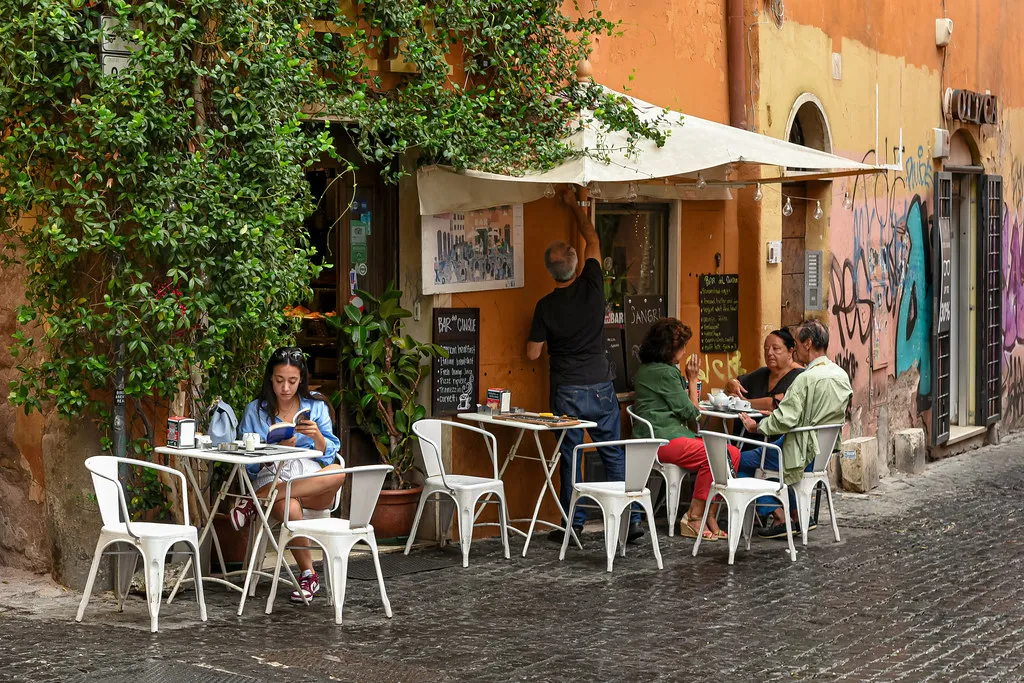
Afternoons belong to the aperitivo. Bar San Calisto on Piazza di San Calisto is the go-to local bar — cheap drinks, no frills, and a mix of neighbourhood regulars and savvy visitors who found it off the tourist trail. Pimm's Good on Via di Santa Dorotea does a proper aperitivo platter with Aperol spritzes from around 19:00. The bruschetta that comes with it is worth the visit alone.
After dark, Piazza Trilussa fills with people clutching takeaway drinks and sitting on the bridge steps. Freni e Frizioni is the neighbourhood's most popular cocktail bar — creative drinks, a lively crowd, and a useful fork in the road between starting your evening and ending it. You can find some of the 12 Best Restaurants in Trastevere Travel Guide clustered within a five-minute walk of this piazza.
Where to Eat in Trastevere: Street Food and Sit-Down
The food here is the main reason Trastevere draws locals from other parts of Rome on a Friday evening. The golden rule for finding good restaurants anywhere in Italy applies doubly here: avoid places with laminated picture menus, hawkers at the door, or flags of multiple nations. Walk one block from any busy piazza and the quality rises sharply.
For street food, Trapizzino near the basilica is the essential stop — triangular pockets of white pizza stuffed with slow-braised fillings like chicken cacciatore or oxtail. Suppli Roma serves the classic Roman supplì: crisp fried rice balls filled with mozzarella, eaten on the street for around €2 each. Both are genuinely local inventions rather than tourist adaptations.
For a sit-down lunch, Da Enzo al 29 on Via dei Vascellari is frequently cited as one of the better spots for Cacio e Pepe and Carbonara in the city. Book ahead or arrive right at the 12:30 opening — by 13:30 there is often a queue. Taverna Trilussa has been serving Bucatini all'Amatriciana long enough to feel like a fixture of the neighbourhood rather than a restaurant that could be anywhere. Roma Sparita, made famous by Anthony Bourdain, is still worth visiting but now requires a reservation for dinner.
For gelato: Otaleg on Via di San Cosimato has an ever-changing seasonal menu with serious flavours — the ricotta and fig in summer is a benchmark. Avoid anywhere displaying gelato in tall pyramids or with neon-coloured pistachio. Real pistachio is pale grey-green, not vivid lime.
Piazza and Basilica di Santa Maria in Trastevere
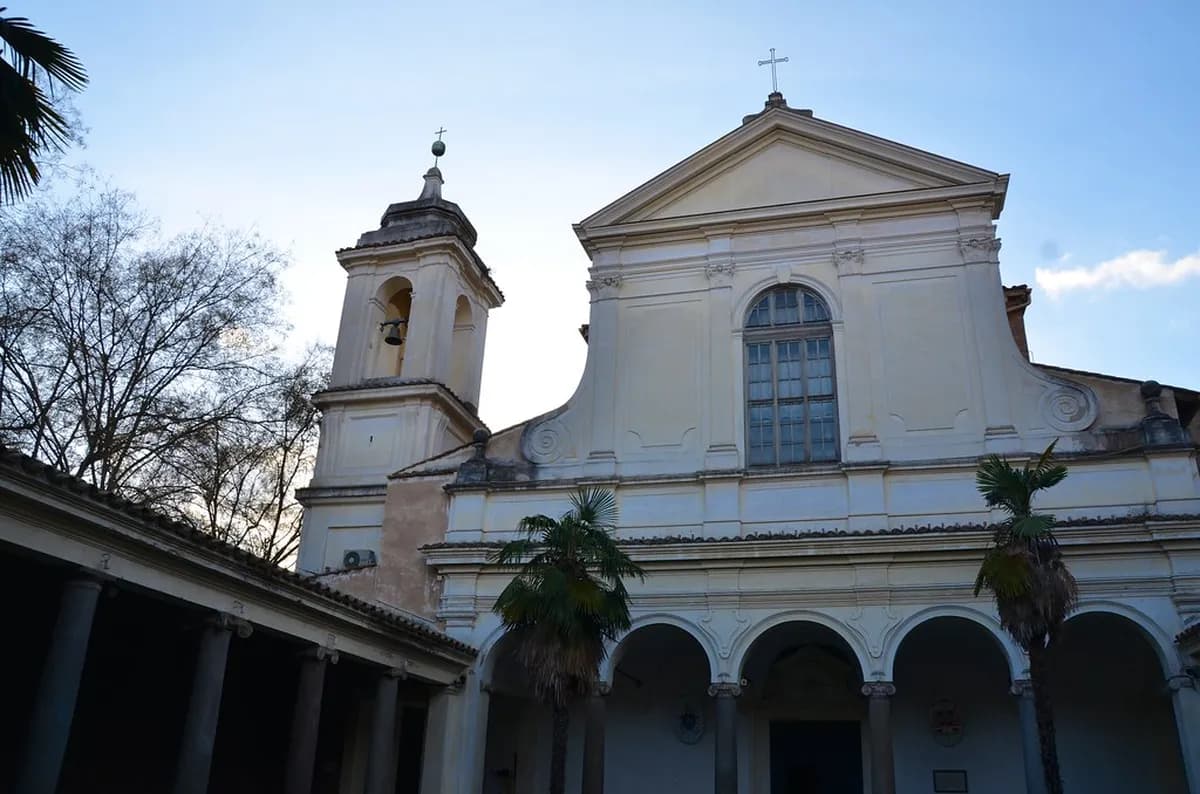
The Basilica di Santa Maria in Trastevere is one of the oldest churches in Rome — the structure dates to the 3rd century, with significant expansions through the 12th and 13th centuries. Its facade is decorated with a mosaic of the Virgin and ten attendant figures, lit at night by floodlights that give the piazza in front of it a warm, otherworldly glow. Entry is free and donations are encouraged.
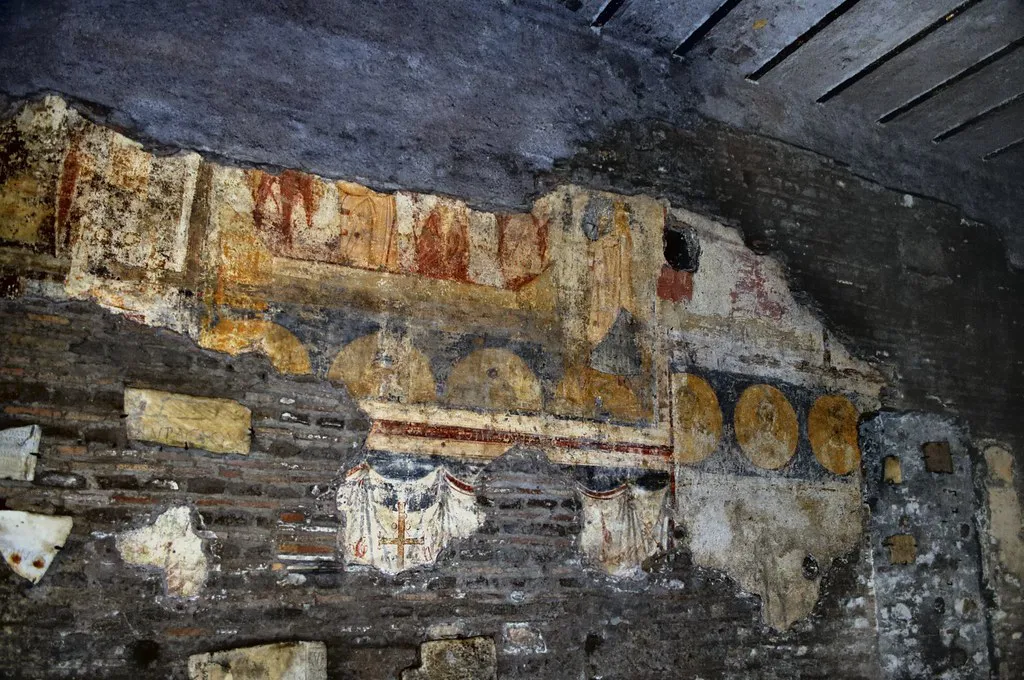
The interior mosaics are the real draw. Pietro Cavallini's 13th-century apse mosaics of the Life of the Virgin are among the finest medieval artworks in Italy. Most visitors spend five minutes inside before heading back out — give it twenty and let your eyes adjust to the light. The detail in the gold tesserae is extraordinary.
Photographers should visit during the late afternoon, from around 16:00 to 18:00 in summer, when the golden hour light falls directly on the facade. This is easily one of the most 12 Beautiful Places in Rome to Visit for capturing the essence of medieval architecture. The surrounding piazza serves as the neighborhood's living room — street performers, children on the fountain steps, old men reading newspapers, tourists on their phones. It is a good place to sit and watch the neighbourhood move.
Farmacia Santa Maria Della Scala
A short walk from the basilica on Via della Scala, this 17th-century pharmacy is one of Rome's most overlooked attractions. It was established by the Carmelite monks of the adjacent church in 1600 and operated as a working pharmacy until 1954. The interior is effectively unchanged — original wooden cabinets, porcelain jars labelled in Latin, alembics, and reference texts from the era of herbal medicine.
It feels genuinely unlike anywhere else in the city. While the Colosseum and Vatican draw millions, this small museum receives a fraction of that traffic. The monks stored remedies for everything from fevers to eye disorders, using plants cultivated in the Orto Botanico a short walk up the hill. A guided tour of the upper floors, which must be booked in advance, covers the monk's dispensary records and the evolution of Roman pharmacology from the Renaissance through the 19th century.
It remains one of the most intriguing stops for anyone with even a passing interest in the hidden history of the city. Budget thirty minutes minimum and combine it with a walk uphill to Janiculum afterward.
The Orto Botanico: Trastevere's Forgotten Green Space
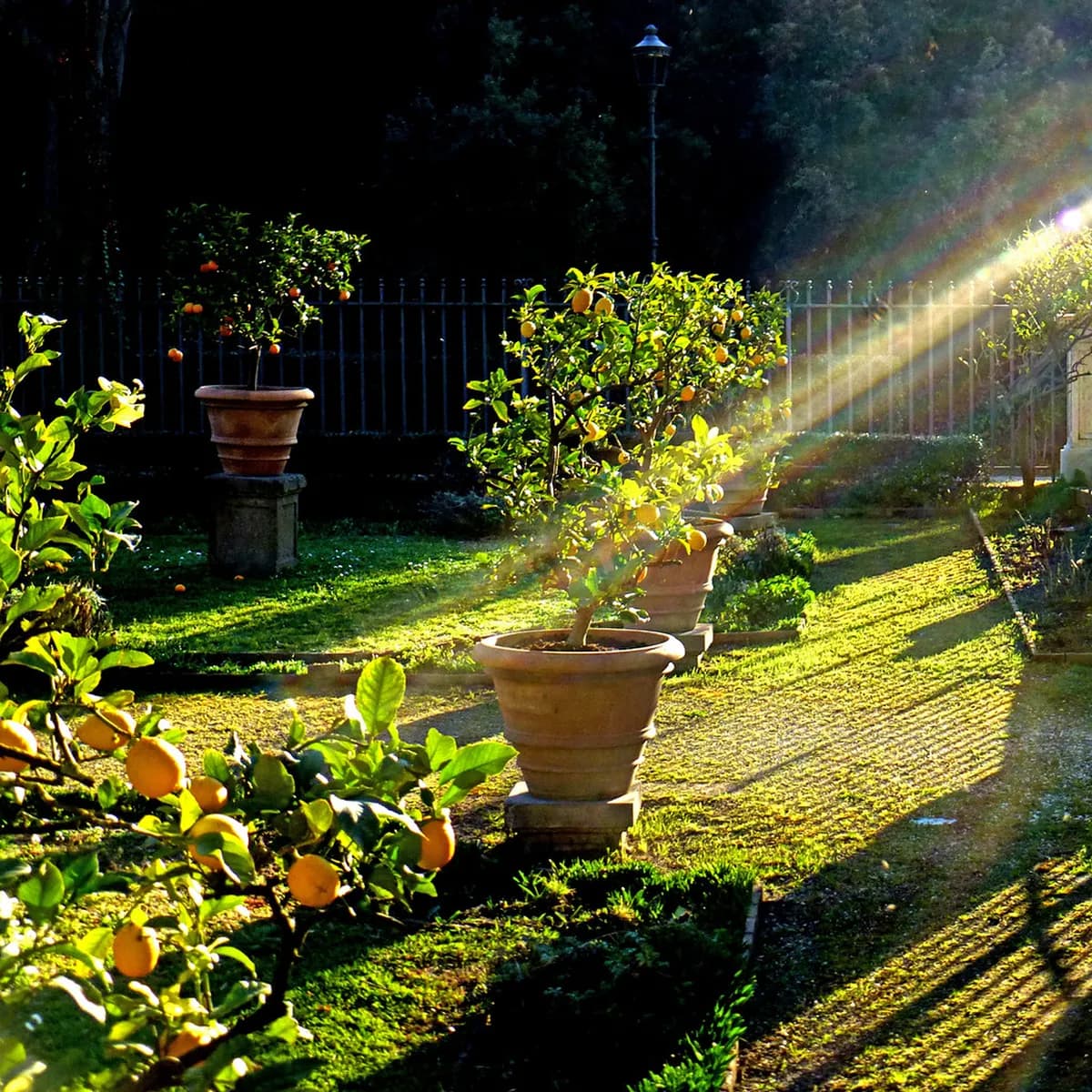
Most visitors to Trastevere never make it to the Orto Botanico, Rome's botanical garden, despite the fact that it sits directly inside the neighbourhood on the lower slopes of the Janiculum Hill. This is a significant oversight. The garden covers 12 hectares of terraced grounds containing around 3,500 plant species, a Japanese garden, a section of medicinal herbs, a rose garden, and an impressive collection of cacti.
The botanical connection to the Farmacia Santa Maria della Scala is not coincidental — the Carmelite monks sourced many of their medicinal plants from gardens on this hillside, and the current Orto Botanico traces its lineage to those collections. The garden passed to the University of Rome La Sapienza in the 19th century and has been managed by them ever since.
Opening hours in 2026 are Tuesday to Saturday 09:00 to 18:30, with last entry at 18:00. Admission is around €8 for adults. It is one of the most peaceful places in Rome on a warm afternoon and a genuine contrast to the busier lower streets of the neighbourhood — for the full guide, see the dedicated article on the botanical gardens in Rome. Allow ninety minutes minimum to walk the upper terraces, which offer partial views over the rooftops toward the Tiber.
The Orto Botanico is open Tuesday to Saturday 09:00–18:30 (last entry 18:00) and admission is around €8. The upper terraces offer partial views over the rooftops toward the Tiber and are far less crowded than the lower streets.
Where To Stay In Trastevere
Staying in Trastevere rather than near Termini or the historic center changes the texture of a Rome trip considerably. The streets are quieter after midnight, the morning coffee is genuinely local, and you do not need to budget time for escaping crowds before your day begins. The trade-off is straightforward: there is no Metro station. You walk or take the tram.
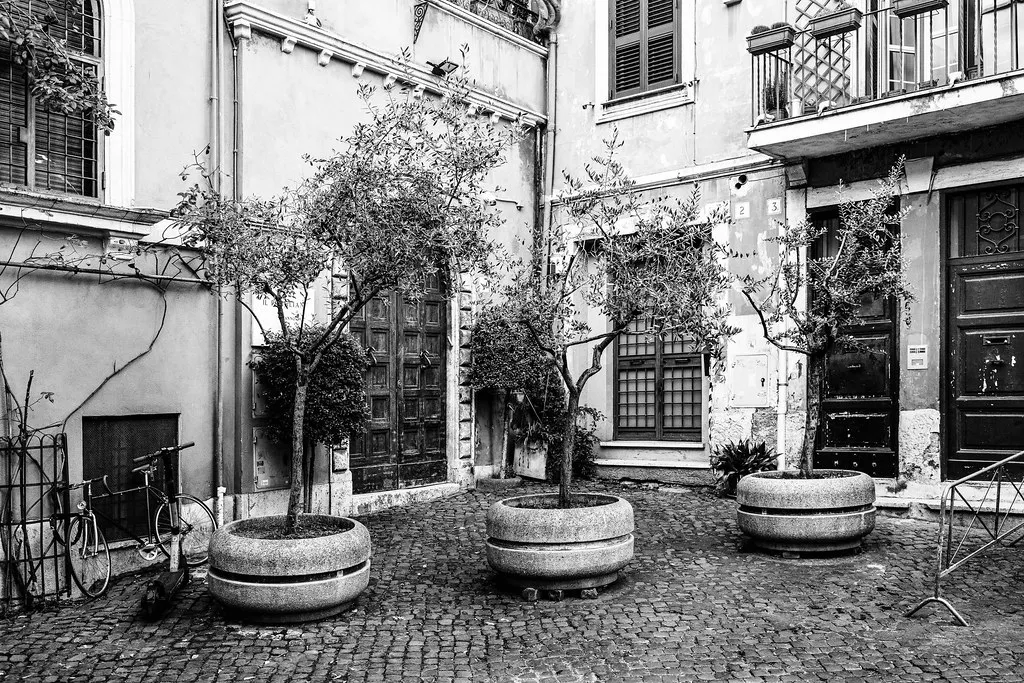
The hotel options are limited but characterful. UNAHOTELS Trastevere Roma is the best-located large hotel in the neighbourhood — a thoughtful mix of old and new, with an interior bar worth stopping at even if you are not a guest. Grand Hotel Del Gianicolo sits further up the hill with a rooftop view that takes in the Vatican and St. Peter's Cathedral. Trilussa Palace Hotel Congress & Spa sits slightly outside the core but has a pool and spa that earns its place on a hot summer itinerary.
Apartment rentals suit Trastevere well. Sonder Trastevere near Ponte Sisto is the most requested option — clean, central, with a full kitchen and washing machine. La Gatta De Lisa near the main piazza sleeps four comfortably. Nikis Collection Trastevere offers elegantly designed apartments in the centre, with a hot tub suite option that regularly sells out. For something more budget-oriented, Etruska is a no-frills apartment with enough space for a small group.
Distances to Major Landmarks from Trastevere
The absence of a Metro station concerns most people before they arrive. In practice it is rarely an issue. Walking times from the Basilica di Santa Maria in Trastevere to Rome's major sights are manageable, and Tram 8 connects the neighbourhood to Largo di Torre Argentina (for the Pantheon area) and Piazza Venezia in around fifteen minutes.
- The Vatican: 25 minutes on foot via Via della Lungara, which runs parallel to the river and requires no bridge crossing. Morning run route. Buy fast-track tickets online — skip-the-line tickets still leave you in the security queue.
- Pantheon: 20 minutes on foot via Ponte Garibaldi, or 10 minutes on Tram 8 to Largo di Torre Argentina.
- Campo de' Fiori: 15 minutes on foot via Ponte Sisto — one of the most pleasant walks in Rome, along the river before crossing the bridge into the Campo.
- Piazza Navona: 20 minutes on foot, continuing from Campo de' Fiori.
- Colosseum: 35 minutes on foot along the Lungotevere and into the historic center, or 20 minutes on Tram 8 to Piazza Venezia then Bus 75.
- Trevi Fountain: 30 minutes on foot via Ponte Garibaldi and through the historic center.
- Janiculum Hill (Gianicolo): 15 minutes on foot uphill from the basilica — the easiest sunset panorama in Rome with no ticket required.
The tram and bus network fills most gaps. The key route to memorize is Tram 8 from Viale Trastevere toward the center. For night buses, the n23 and n8 cover most of the same ground after the daytime tram stops running.
| Destination | Walk Time | Transit Option |
|---|---|---|
| Vatican | 25 min via Via della Lungara | Bus 23 |
| Pantheon | 20 min via Ponte Garibaldi | Tram 8, 10 min |
| Campo de' Fiori | 15 min via Ponte Sisto | Walk only |
| Piazza Navona | 20 min via Campo de' Fiori | Walk only |
| Colosseum | 35 min along Lungotevere | Tram 8 + Bus 75, ~20 min |
| Trevi Fountain | 30 min via Ponte Garibaldi | Tram 8 + walk |
| Janiculum Hill | 15 min uphill from basilica | Walk only |
How To Avoid The Crowds In Rome. Sort of.
There is no fully crowd-free Rome between April and October. The practical approach is a reverse commute: hit the major sights at 07:00 or 08:00 before the coach groups arrive, then retreat to Trastevere for a long lunch when the rest of the city hits peak congestion. By 14:00, the streets around the Pantheon are at their most brutal. By the same time, the alleys of Trastevere are peacefully quiet.

Timing matters more than location for the Vatican specifically. St. Peter's Basilica opens at 07:00. The first thirty minutes are genuinely quiet — you can stand in the nave and hear almost nothing. By 09:30 it is transformed. The Vatican Museums require fast-track tickets with a specific entry time; skip-the-line tickets (a different product) still funnel you into a long security queue.
Seasonally, late October through November and March through early April hit the sweet spot — warm enough to sit outside in the evenings, thin enough that restaurant reservations are not always necessary. July and August are genuinely punishing: 34°C cobblestone heat, no shade on the major piazzas, and gridlock crowds everywhere except the residential back streets of Trastevere itself.
July and August in Rome bring 34°C heat and gridlock crowds on all major piazzas. If you visit in summer, retreat to Trastevere's residential back streets between Via Merry del Val and Porta Portese for relief from the congestion.
Within Trastevere, the streets south of Viale Trastevere see a fraction of the visitor traffic of the northern section. If you want a sense of what the neighbourhood looked like before it became famous, walk the blocks between Via Merry del Val and the old Porta Portese market street on a Tuesday morning.
The Best Local Neighborhood To Stay In Rome
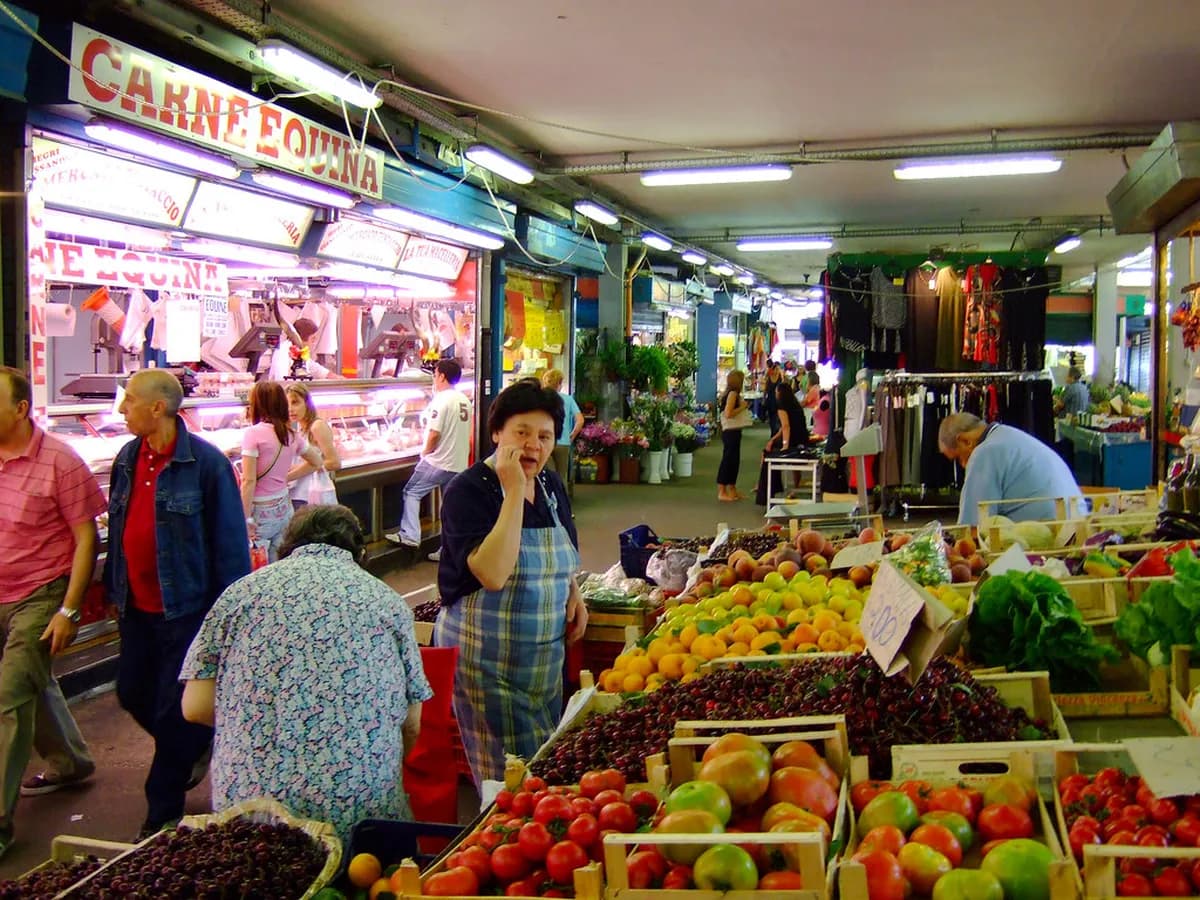
Trastevere wins on atmosphere over logistics. Termini is convenient and characterless. Prati is comfortable and slightly sterile. The historic center near the Pantheon is expensive and noisy until 02:00. Trastevere has the energy of a working neighbourhood — laundry strung between windows, a fruit vendor on the corner, a plumber's van blocking the cobblestones — layered on top of serious food, good bars, and medieval architecture.
The lack of a Metro station is the most common objection. After one or two days, most visitors stop noticing. The tram is reliable. The walks to the Pantheon and the Vatican are pleasant rather than burdensome. And the absence of the Metro is precisely why Trastevere does not feel like a theme park version of Rome: the infrastructure that normally delivers tourists in bulk simply does not reach here at the same volume.
Exploring Rome at Night: The Ultimate Guide to the Eternal City from a Trastevere base also works better than from almost anywhere else. You finish dinner, walk fifteen minutes along the Lungotevere for a river view, and return to your apartment through lit alleys. The city feels like it belongs to you in a way that it does not near Termini at midnight.
Walk Until Your Feet Hurt
The best way to understand Trastevere is to start at Ponte Sisto and walk without a plan. The bridge itself is pedestrian-only and often has a street musician performing on the arch. Cross from the east bank around 17:00 and the neighbourhood is just shifting into its afternoon gear — shutters opening, bar stools going out, the smell of garlic and olive oil from kitchen windows.
Turn south after the bridge and follow the smaller streets toward Piazza di San Cosimato — the local market square that sees almost no tourists and a great deal of neighbourhood life. Continue north and uphill toward Via della Scala to find the Farmacia and, beyond it, the path that climbs to the Orto Botanico gardens. From the upper terrace of the garden you can see over the rooftops to the dome of St. Peter's.
Continue up to Piazzale Giuseppe Garibaldi on the Janiculum ridge before 19:30 for the panoramic view over the entire city. A cannon fires here every day at noon — if you are nearby it is startlingly loud. Descend back through the back streets as the evening begins, stopping at any bar that looks inhabited by locals. If visiting in July, the neighbourhood comes alive during the Festa de Noantri, the centuries-old celebration of Trastevere's unique identity. The quality of a Trastevere evening is almost entirely determined by how willing you are to choose the unremarkable-looking door over the well-reviewed one.
Frequently Asked Questions
Is Trastevere Rome safe for tourists to visit at night?
Yes, Trastevere is generally very safe for tourists during the evening hours. The neighborhood is very active with diners and locals, which creates a secure social environment. You should still exercise standard urban precautions and watch your belongings in crowded piazzas.
What are the must-eat foods when visiting Trastevere?
You should definitely try traditional Roman pasta dishes like Cacio e Pepe or Carbonara at local trattorias. Street food favorites include Suppli, which are fried rice balls filled with mozzarella. Many visitors also enjoy visiting the Botanical Gardens nearby for a peaceful break between meals.
How do I get to Trastevere from Fiumicino Airport?
The most convenient way is taking the FL1 regional train directly to the Roma Trastevere station. This journey takes about 30 minutes and is much cheaper than a private taxi. From the station, you can take the Tram 8 to reach the heart of the district.
Are there any free things to do in the Trastevere area?
Visiting the Basilica di Santa Maria is free, though donations are always appreciated for maintenance. You can also enjoy a free sunset view from the top of Janiculum Hill. Wandering the historic streets and enjoying the street performers in the piazzas costs nothing at all.
Trastevere remains one of the most captivating neighborhoods for anyone looking to experience the true soul of the city. Its blend of historical depth and vibrant modern life creates a unique atmosphere that stays with you.
Whether you are visiting for the world-class food or the medieval architecture, you will find something special in these alleys. Plan your trip to Italy with enough time to truly get lost in this bohemian district.
Take the time to slow down and enjoy the simple pleasures of a Roman afternoon in a local cafe. You will soon understand why so many travelers fall in love with this corner of the Eternal City.
Continue exploring
More guides you'll find useful