18 Hidden Gems in Rome: The Ultimate Guide (2026)
Discover 18 hidden gems in Rome, from secret courtyards to authentic foodie neighborhoods. Plan your off-the-beaten-path trip with local tips and timing advice.
On this page
18 Hidden Gems in Rome
After seven trips to the Eternal City, I finally stopped chasing the Colosseum crowds and started looking behind heavy wooden doors. Rome reveals its truest self in the quiet courtyards and gritty residential neighborhoods where locals actually live and eat. Our editors have vetted every corner of the city to bring you this curated list of secret spots.
This guide was last refreshed in May 2026 to reflect the latest ticketing rules and opening hours. Finding 15 Unusual Things to Do in Rome: Hidden Gems and Secret Spots requires moving beyond the standard tourist map. I once spent an entire afternoon lost in Garbatella only to be invited for espresso by a local nonna.
Rome is hosting elevated visitor numbers in 2026 as crowds from the 2025 Jubilee year continue to ripple through the travel calendar. While the Vatican remains iconic, these 12 Beautiful Places in Rome to Visit offer a much more intimate connection to history. The sites below are the places Romans actually spend their time — prepare to see a version of the capital that most visitors miss entirely.
Key Takeaways
- Best Overall: Quartiere Coppedè for its unique and whimsical architecture.
- Best for Families: Park of the Aqueducts for wide-open spaces and ancient ruins.
- Best Rainy-Day: Doria Pamphili Gallery for an indoor art experience that rivals the Vatican.
- Best Free: Galleria Sciarra, a stunning Art Nouveau courtyard hidden in the city center.
1. Quartiere Coppedè: Rome's Whimsical Architectural Escape
Tucked into the Trieste district north of the center, Quartiere Coppedè is the most architecturally improbable corner of Rome — a small cluster of buildings that blends Gothic towers, Art Nouveau ironwork, and Baroque excess into something that resembles a stage set. Designed by Gino Coppedè and built between 1913 and 1927, it was created for Rome's upper middle class and has aged into one of the city's most photogenic secrets. The defining entrance is a massive outdoor chandelier arch strung between two palaces over Via Dora; most Romans walk past it daily without a second glance.
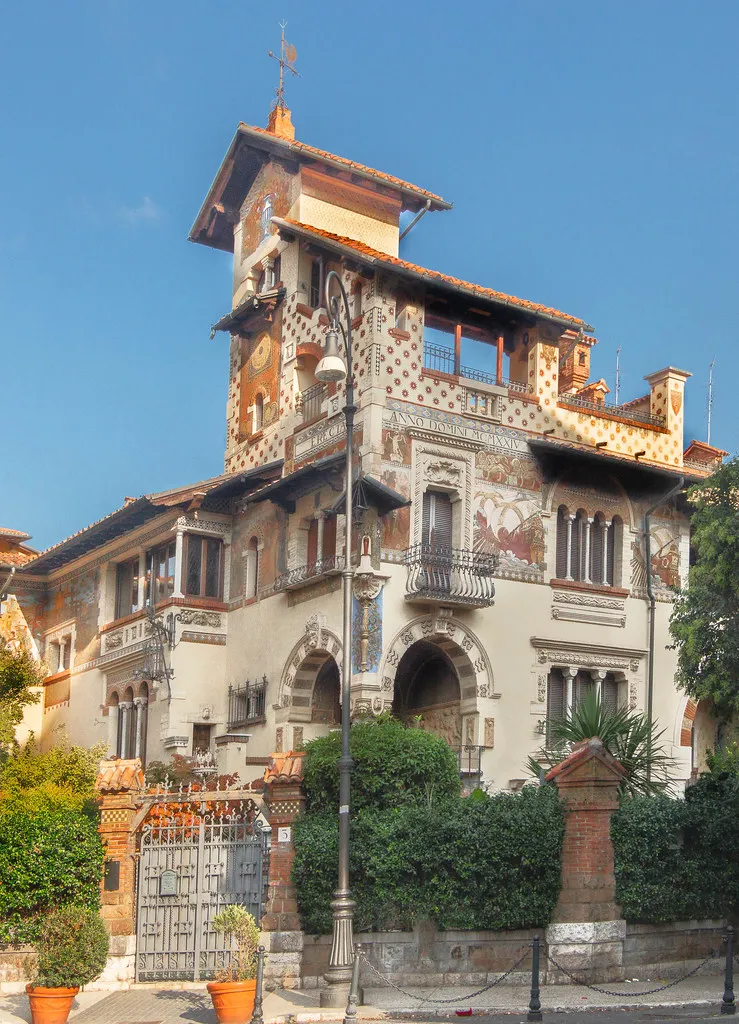
Entry is free and the neighborhood is accessible at any hour, though daylight reveals the full detail of the Frog Fountain (Fontana delle Rane) and the mosaic-encrusted facades. Take the 3 or 19 tram to Piazza Buenos Aires and walk two minutes east. Allow 45 minutes to circle the small cluster of streets. Avoid bringing a large tour group — the lanes are narrow and the residential peace is easy to shatter.
Quartiere Coppedè is entirely free to visit and accessible at any hour. Tram 3 or 19 to Piazza Buenos Aires puts you two minutes from the chandelier arch entrance on Via Dora.
2. Aventine Hill: The Knights of Malta Keyhole and Orange Garden
The brass keyhole set into the gate of the Priory of the Knights of Malta is Rome's most theatrical optical trick. Peer through and a perfectly framed view of St. Peter's Basilica dome appears, centered in a green hedge tunnel — three sovereign territories (Italy, the Knights of Malta, and Vatican City) aligned in a single sightline. The surrounding area holds some of the most 12 Beautiful Places in Rome to Visit for a quiet morning walk.
The site is free. By midday the line can stretch forty minutes; arrive before 08:00 for zero wait and the best morning light for photography. Immediately after, walk two minutes to the Giardino degli Aranci (Orange Garden) for one of Rome's best panoramic views of the city — this is the detail most guides omit. The garden smells of citrus in spring and gets genuinely quiet after sunset. Bus 23 or 280 from Largo Argentina to Lungotevere Aventino puts you at the hill base in under fifteen minutes.
3. Galleria Sciarra: The Hidden Art Nouveau Courtyard
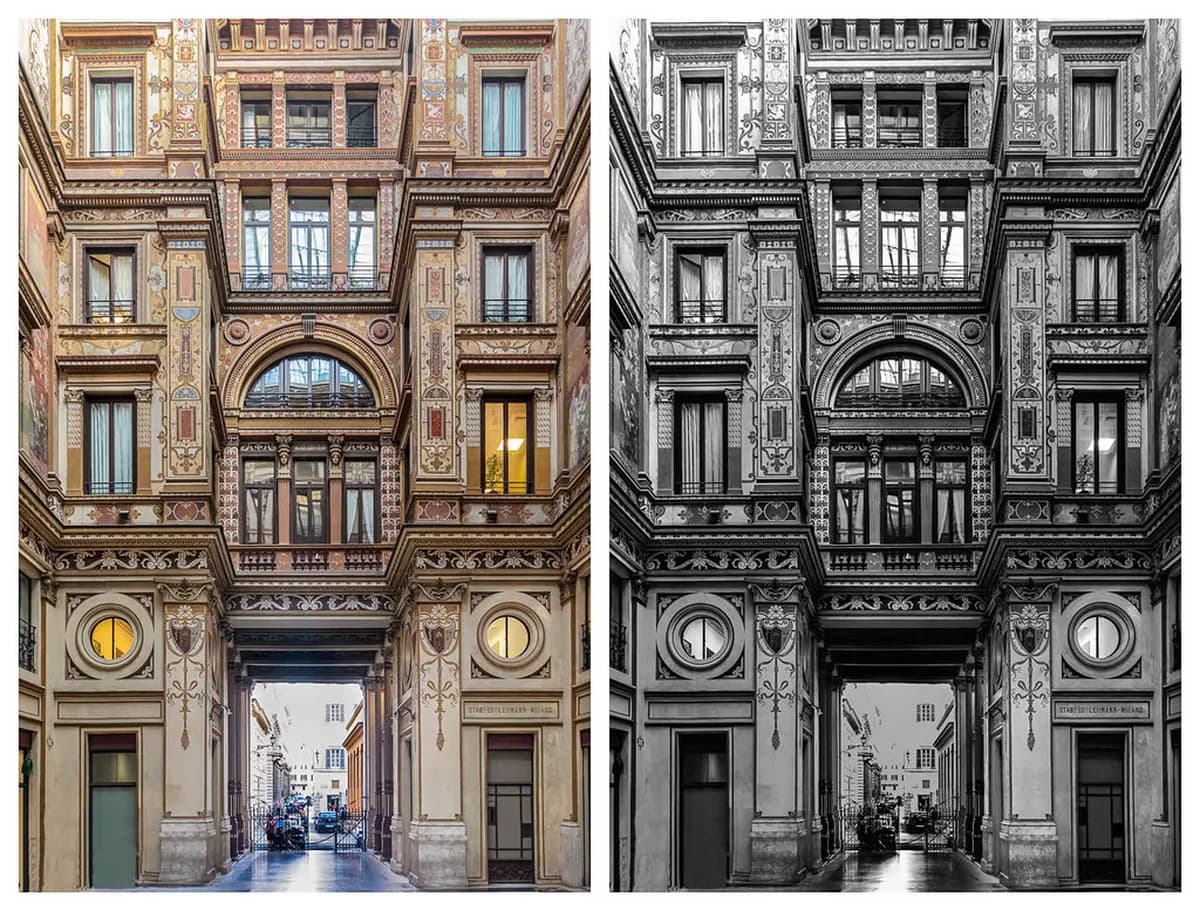
Steps from the Trevi Fountain sits one of central Rome's most overlooked spaces. Galleria Sciarra is a covered courtyard inside a private office building on Via Marco Minghetti, decorated floor to ceiling with vivid frescoes celebrating feminine virtues — allegories of Prudence, Strength, and Justice painted in a swooping Liberty style that Rome rarely shows tourists. The building functions as offices, which keeps it almost entirely crowd-free even during summer peak.
Entry is free during weekday business hours (generally 08:00–19:00), though the gates sometimes close without notice. Consult the Galleria Sciarra Guide before visiting for current access notes. Do not go on weekends — the building is locked. The courtyard takes fifteen minutes to explore thoroughly; combine it with the nearby Trevi Fountain visit timed for early morning to make the most of the area.
4. Basilica di Santo Stefano Rotondo: A Circular Journey Through History
Built in the fifth century on the Caelian Hill, Santo Stefano Rotondo is one of the oldest and most unusual churches in Rome. Its circular nave is vast and hushed, ringed by ancient columns salvaged from earlier Roman structures. What stops visitors cold are the thirty-four frescoes lining the outer walls, each depicting in graphic anatomical detail the martyrdom of a Christian saint. Commissioned in the 1580s, they were intended as meditations for Jesuit novices preparing for missionary danger.
Entry is free. Opening hours are generally 09:30–12:30 and 15:00–18:00 daily, though confirm before visiting as volunteer staff sometimes close early. The church sits a short walk from the Colosseum on Via di Santo Stefano Rotondo, but its atmosphere could not be more different — no ticket lines, no audio tour packs, just a circular corridor and a silence that feels genuinely ancient. Allow 30 minutes.
5. The Capuchin Crypt: Bone Art Beneath the Eternal City
Beneath the church of Santa Maria della Concezione on Via Veneto lie six small chapels decorated entirely with the bones and skulls of approximately 3,700 Capuchin friars who died between 1500 and 1870. The displays are not horror exhibits — they are precisely arranged as vanitas art, elaborate patterns of femurs and vertebrae framed by robed skeletons posed in contemplation. A placard at the entrance reads: "What you are now, we once were; what we are now, you shall be." Few lines in Rome land harder.
Tickets are approximately €10 per adult in 2026 and include a small but well-curated museum about the Capuchin order. Open daily 10:00–19:00. Families with children should know the content is graphic but not gratuitous — the intent is philosophical rather than theatrical. The crypt sits on the upper end of the elegant Via Veneto; combine the visit with a coffee at one of the terraced cafes along the boulevard for a tonal contrast that is very Roman.
6. Appian Way & Park of the Aqueducts: Ancient Ruins Without the Crowds
The Via Appia Antica — "Queen of Roads" — was Rome's first great highway, built in 312 BC and still paved with original basalt stones in sections. The stretch south of the city is lined with ancient tombs, family mausoleums, and catacombs. Walking it feels less like sightseeing and more like crossing a threshold into a different era. This is one of the most once-in-a-lifetime things to do in Rome for anyone interested in Roman history beyond museum cases.
Sundays are the best day: the road closes to private vehicles, leaving it to cyclists and pedestrians. Rent a bike near Cecilia Metella (approximately €15 for half a day) to cover the distance comfortably. The adjacent Park of the Aqueducts is free to enter and shows the skeletal arches of the Aqua Claudia stretching across open farmland — a scale that photographs cannot convey. Reach both sites via Metro Line A to Colli Albani or bus 664 from the Appio-Latino neighborhood. Allow at least three hours.
7. Doria Pamphili Gallery: A Private Art Collection Rivaling the Vatican
On Via del Corso, hidden behind an unmarked facade, the Palazzo Doria Pamphili contains one of the most significant private art collections in Europe — still owned and managed by the noble Pamphili family. The Hall of Mirrors predates Versailles. The gallery holds Velázquez's portrait of Pope Innocent X (the one Francis Bacon obsessively repainted), Caravaggio's Penitent Mary Magdalene, and a Titian that has never left the building. None of this is advertised on a billboard outside.
Tickets cost approximately €16 in 2026. Open daily 09:00–19:00; closed on Thursdays. The audio guide is narrated by a current family member — an unusual intimacy that transforms a palace tour into something more personal. Because most visitors to the nearby Pantheon never cross the street to find it, the gallery is consistently quiet. Allow 90 minutes minimum.
8. Testaccio: Where Real Roman Food Culture Lives Every Day
Testaccio is the neighborhood that Trastevere used to be before it became a destination. Built on land that was Rome's ancient slaughterhouse district — the Mattatoio — it remains a working-class residential area with one of the most honest food cultures in the city. The Mercato Testaccio (open Tuesday–Saturday, 07:00–14:00) is the best morning market in Rome: small stalls selling Roman street food alongside local produce, with none of the theatrical staging of the Campo de' Fiori. Arrive before 09:00 for a maritozzi — the sweet cream-filled bun that is Rome's true breakfast — from one of the bakery counters inside.
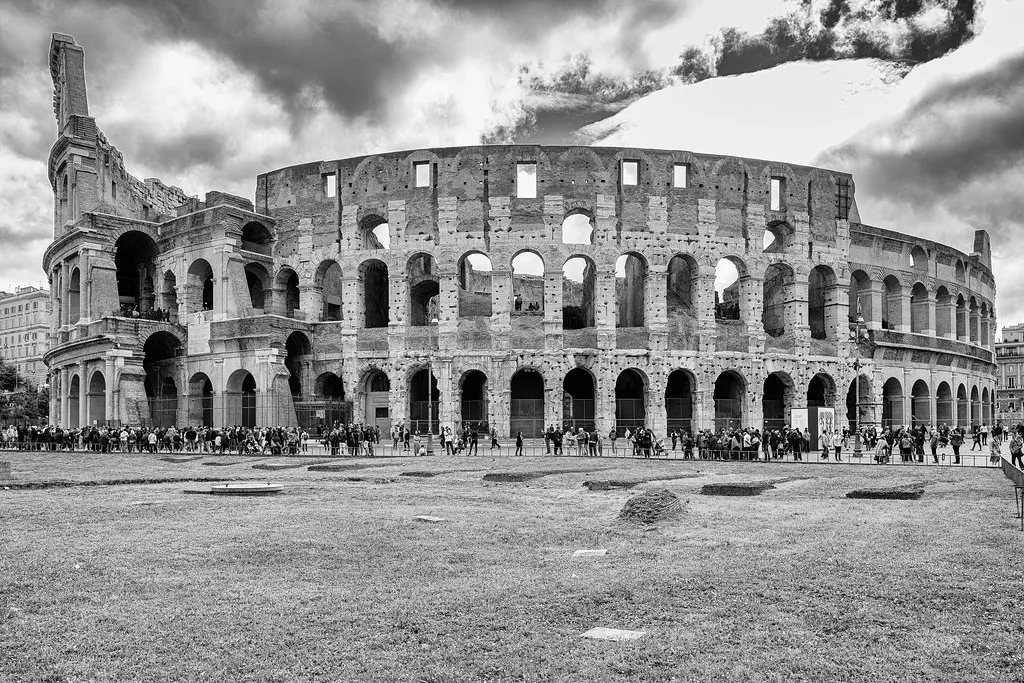
By evening, the neighborhood transitions from market bustle to neighborhood trattorias where the menu changes daily and reservations are taken by phone. The Protestant Cemetery sits at Testaccio's southern edge, where Keats and Shelley are buried next to the ancient Pyramid of Cestius — one of the more surreal adjacencies in the city. Testaccio is less photogenic than Trastevere but more honest: the trade-off is that you eat better, pay less, and share the experience with people who live there rather than people who are also tourists.
Mercato Testaccio runs Tuesday through Saturday, 07:00–14:00. It is closed on Sundays and Mondays — arrive early on weekdays to catch the full range of stalls before they begin packing up around 13:30.
9. Garbatella: The Garden-City Neighborhood That Feels Like a Village
Garbatella was designed in the 1920s as workers' housing following the "garden city" movement — curved streets, communal courtyards, buildings painted pink, yellow, and deep red. The Lotto architecture (the neighborhood is organized into numbered residential lots, or lotti) creates a texture that is unlike anything else in Rome: archways connecting blocks, unexpected staircases leading to quiet terraces, laundry drying across balconies above geranium-filled window boxes. Walking through it feels like being inside an illustration of mid-century Italian working-class life.
The practical case for visiting: Metro Line B to Garbatella is a ten-minute ride from Termini, and the neighborhood feels like a fifty-year time jump. It has almost no tourist infrastructure — no English menus outside trattorias, no souvenir shops, no ticket offices. That is the point. Walking through its quiet alleys is one of the most relaxing 13 Best Free Things to Do in Rome: Budget Travel Guide. Allow two hours minimum and bring no agenda.
10. San Lorenzo: Where Student Energy Collides With Working-Class Rome
San Lorenzo sits just outside the ancient city walls near Porta Tiburtina, east of Termini Station. It was a heavily bombed district during World War II — you can still see patched bullet holes on exterior walls — and it has spent the decades since operating as Rome's primary student and working-class neighborhood simultaneously. The university population brings craft beer bars, affordable trattorias, and rotating street art that covers entire building sides. The working-class history keeps prices honest and the atmosphere ungentrified in ways that most central neighborhoods have long since abandoned.
The trade-off is directness: San Lorenzo is not a polished neighborhood and it can feel gritty after dark on certain streets around Via dei Volsci. During daylight and early evening it is excellent — the street art changes every few months and some pieces are genuinely museum-quality. Come for lunch at one of the trattorias that has been serving construction workers since the 1970s, then walk the murals before the evening student crowd takes over. This is the neighborhood where contemporary Roman culture actually lives, not where it performs for visitors.
11. Camere di Sant'Ignazio: Mind-Bending Illusionist Frescoes
Next to the Church of Sant'Ignazio di Loyola near the Pantheon lies an unassuming door leading to three small rooms that contain some of the most technically complex illusionist painting in Rome. The Camere di Sant'Ignazio were the apartments of Saint Ignatius himself, preserved after his death in 1556 and decorated with trompe-l'oeil frescoes that make flat walls appear as marble corridors and domed ceilings appear to open into sky. The perspective trick only works from one specific spot marked on the floor — standing on it and looking up is a genuinely disorienting experience.
The rooms are free to visit. Hours are limited — typically weekday mornings and select weekend hours — so check the schedule before visiting. If the side entrance is locked, ask the sacristan in the main church who will direct you. The whole experience takes twenty minutes but the technical achievement is difficult to forget. Sant'Ignazio church itself, directly adjacent, has a famous flat ceiling painted to appear as a barrel-vaulted dome — a second illusionist trick on the same visit.
12. Palazzo Massimo alle Terme: The Best Ancient Bronzes in Rome
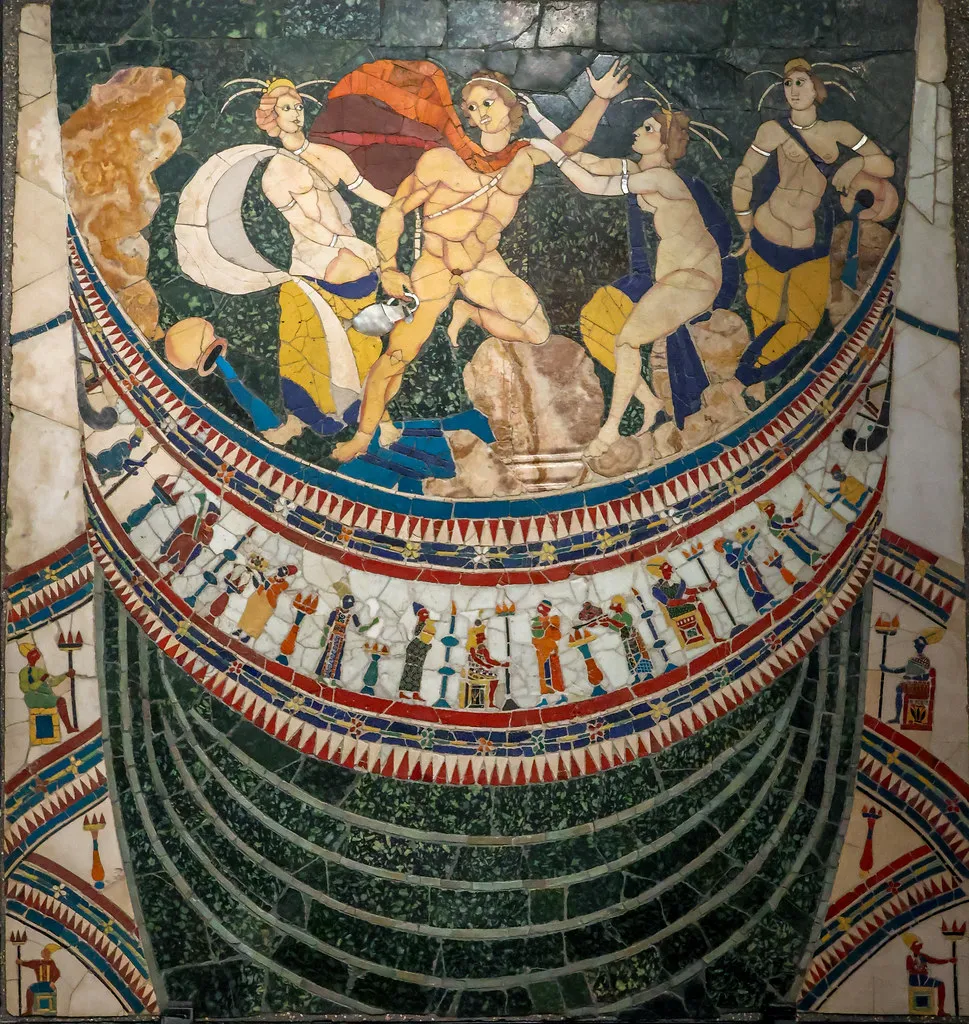
Across the street from Termini Station sits one of the great understated museums in Europe. Palazzo Massimo alle Terme holds the Boxer at Rest — a Hellenistic bronze from around 330 BC that captures a beaten athlete at the moment of exhaustion, blood still visible in inlaid copper on the lips and eyebrows. Seeing it in person stops visitors cold. The same floor holds the Discus Thrower, the Lancellotti Discobolus, and garden frescoes from the Villa di Livia that were detached from their walls and reassembled here, showing a complete Roman domestic garden painted in hyperrealistic botanical detail.
Tickets are approximately €12 in 2026 and include entry to the Baths of Diocletian across the street. The museum is closed on Mondays. Because most visitors exit Termini and head directly toward the historic center, Palazzo Massimo operates at a fraction of the crowd level of any Vatican museum. Arrive at opening and you will often have the bronze galleries entirely to yourself for the first thirty minutes. Allow 90 minutes to cover the four floors properly.
Rome Off the Beaten Path Museums: Beyond the Vatican
The Vatican Museums are undeniably grand, but the queues — typically two to three hours without advance booking — can make the experience exhausting rather than enriching. Rome's lesser-known museums operate at a fraction of that crowd level and, in several cases, hold collections that rival the Vatican for quality. The three essential alternatives are Palazzo Massimo (ancient bronzes), Centrale Montemartini (classical sculpture in an industrial setting), and the Doria Pamphili Gallery (Renaissance and Baroque painting in a still-inhabited palace).
Centrale Montemartini deserves separate mention. Located in the Ostiense district, this former municipal power plant displays classical marble statues against the backdrop of massive early-twentieth-century diesel engines. The contrast — white Greek torsos next to black cast-iron turbines — is visually extraordinary and photographically unique. Reach it via Metro B to Garbatella, then a short walk. Entry is approximately €10, and the museum is rarely crowded on weekday afternoons. Allow 60 minutes.
If your interest runs to the esoteric, the Museo Nazionale Romano system (which includes Palazzo Massimo) also encompasses the Palazzo Altemps, which houses ancient sculptures in a Renaissance cardinal's palace near Piazza Navona. One combined ticket covers all four sites in the system. Most visitors to Rome do not know this ticket exists.
Green Spaces and Panoramic Views That Most Tourists Miss
The best views in Rome are not always on the paid itinerary. The Janiculum Hill (Gianicolo) offers a panorama of the entire city from above Trastevere that is more complete than the view from St. Peter's dome and costs nothing. Every day at 12:00 exactly, a cannon fires a blank shell from the Garibaldi monument — a tradition since 1847. Arrive ten minutes early to secure a railing spot. It is a short, steep walk up from Trastevere and the views make it worth every step.
The Roseto Comunale, Rome's public rose garden on the Aventine slope near the Circus Maximus, opens only from late April through early June when the roses bloom — approximately 1,100 varieties in a terraced garden above the ancient chariot track. Entry is free. Almost no English-language guides mention it, and during peak bloom it is one of the genuinely beautiful free experiences in the city. The garden closes at 18:00 and is a short walk from the Protestant Cemetery, making a natural combination for an afternoon.
Villa Torlonia, in the Nomentano neighborhood, is a public park containing Mussolini's former residence and the extraordinary Casina delle Civette (Owl House) — a Gothic Revival villa covered in stained glass whose interiors look like a forest spirit's residence. Grounds entry is free; the museum inside costs approximately €11. The park is open Tuesday through Sunday, 09:00–19:00. Almost no tourists reach it, and the contrast between the decorative fantasy of the Owl House and its political history makes it one of the stranger afternoons available in the city.
Testaccio, Garbatella, San Lorenzo: How to Choose Between Rome's Three Local Neighborhoods
Visitors planning to stay or spend serious time in an authentic Roman neighborhood typically face the same three options. Each serves a different traveler. The table below is a direct comparison based on vibe, who actually goes there, and what to eat.
| Neighborhood | Vibe | Best For | Must-Eat | Transit |
|---|---|---|---|---|
| Testaccio | Working-class, food-focused | Authentic Roman food culture | Supplì, cacio e pepe, maritozzi | Metro B Piramide + walk |
| Garbatella | Quiet, residential, architectural | Architecture, photography, no tourist infrastructure | Espresso and cornetto at a local bar | Metro B Garbatella |
| San Lorenzo | Student-heavy, street art everywhere | Creative, countercultural present-day Rome | Pizza al taglio, craft beer on Via dei Volsci | Walk from Termini |
- Testaccio — Vibe: old working-class, food-focused, slightly rough around the edges in a comfortable way. Best for: first-timers who want authentic Roman food culture without committing to a gritty atmosphere. Must-eat: supplì (fried rice balls) from the market stalls, cacio e pepe at Remo or Da Remo pizzeria, maritozzi at the Mercato Testaccio bakery counter. The neighborhood is less pretty than Trastevere but more honest, and the food is better.
- Garbatella — Vibe: quiet, residential, architecturally distinctive, almost entirely free of tourist infrastructure. Best for: architecture enthusiasts, photographers, and travelers who want to experience Rome's urban fabric without any performance. Must-eat: there are no famous restaurants here — that is the point. Find a bar for espresso and a cornetto, or bring a picnic to one of the communal courtyards. Reach it in ten minutes on Metro B.
- San Lorenzo — Vibe: student-heavy, politically charged, street art everywhere, affordable. Best for: travelers who want Rome's creative and countercultural present rather than its ancient past. Must-eat: craft pizza by the slice at Pizzarium-style spots on Via dei Sabelli, followed by cheap craft beer at the bars along Via dei Volsci. Caution: certain streets feel unsafe after midnight — stay on the main strips.
None of these neighborhoods are interchangeable. Testaccio suits the food traveler, Garbatella suits the urban flaneur, and San Lorenzo suits the traveler who wants to understand where young Romans actually spend their money and their evenings. If time allows only one, choose based on your primary interest rather than proximity to the historic center.
What to Skip: Overrated Attractions That Waste Your Time
The Mouth of Truth (Bocca della Verità) is the most overrated minor sight in Rome. Visitors often wait forty minutes in direct sun to put their hand in a stone face for a five-second photo. The gem alternative is inside the same building — the Basilica of Santa Maria in Cosmedin, which contains stunning Cosmatesque floor mosaics from the twelfth century that almost nobody examines because they are looking at the drain cover in the portico.
The Trevi Fountain is beautiful, but visiting at midday during summer is an exercise in being jostled. The fountain was recently fenced to manage crowd pressure, and the viewing distance has increased. Visit before 07:00 or after midnight for the experience it is supposed to be. The gem alternative for a water monument without the crowds is the Fontana dell'Acqua Paola on the Janiculum Hill — larger, grander, and shared at peak times with a handful of locals rather than thousands of tourists.
Tourist-trap restaurants cluster most densely around the Pantheon, the Spanish Steps, and Campo de' Fiori. The tell: an outdoor waiter actively inviting you in, a menu with photos, and prices that do not include a coperto (cover charge) listed clearly. Walk fifteen minutes into Testaccio or the Jewish Ghetto for a meal that is better in every respect. In 2026, the average cost differential between a tourist-trap pasta and an equivalent dish in a neighborhood trattoria is approximately €8–€12 per person.
The Art of Timing: When to Find Rome Quiet
2026 is a particularly important year to understand Rome's crowd cycles. The 2025 Catholic Jubilee drew an estimated 30 million pilgrims to the city, and the residual travel interest — travelers who postponed or extended itineraries — is keeping visitor numbers elevated through 2026, particularly at Vatican-adjacent sites. This makes the off-the-beaten-path approach more valuable, not less. The Aventine Keyhole line, which could already stretch to an hour by midday in normal years, now forms earlier. Arriving before 08:00 is not optional advice — it is the difference between a two-second glimpse and a proper experience. Mastering the art of timing is the secret to enjoying even the most popular 12 Best Underground Rome Sites to Explore sites.
Shoulder seasons — late October through early November, and the first three weeks of March — offer the best weather-to-crowd ratio. During these windows you can walk the Appian Way without the July heat or the January rains, and the smaller museums (Centrale Montemartini, Palazzo Massimo, Camere di Sant'Ignazio) often have extended weekday hours that are not published on tourist-facing sites. Always check the Rome's transit site for holiday schedules before planning early-morning visits — Italian public holidays close museums and alter bus routes without warning to foreign visitors.
Evening is the best time to explore residential districts like Garbatella or San Lorenzo. As the sun sets, the local piazzas come alive with residents enjoying aperitivo before dinner — a ritual that begins around 18:30 and peaks around 20:00. This is when Rome most resembles a collection of villages rather than a capital city. The major landmarks are still accessible and relatively quiet in the evening, but the neighborhood atmosphere that defines the city only appears after the day-trip crowds return to their hotels.
Wrap up – Hidden Gems in Rome
The eighteen locations in this guide share one quality: they reward curiosity over planning. None require advance booking under normal circumstances (Doria Pamphili and the Capuchin Crypt benefit from arriving at opening). None demand two hours of queuing. Several are free. The city has been hiding them in plain sight for centuries.
For first-time visitors, the practical sequence is to anchor the Aventine Hill and Galleria Sciarra into a morning that also takes in the Pantheon — they are all within fifteen minutes of each other and the contrast between the famous and the overlooked is instructive. Repeat visitors should head directly to the neighborhoods: a day in Testaccio followed by a half-day in Garbatella gives a more complete picture of Roman life than any combination of monuments. History enthusiasts should not leave without seeing Palazzo Massimo and the Appian Way — together they tell the full arc of ancient Rome in ways the Colosseum alone cannot.
Rome is a city of layers, and the deeper you dig, the more rewarding the experience becomes. The Eternal City has been absorbing visitors for two thousand years and it has learned to keep its best material slightly out of reach. That is not a problem to solve — it is the design. Prepare to be surprised by what you find when you stop following the obvious path.
Explore hidden gems in other cities
Frequently Asked Questions
Which hidden gems in Rome fit first-time visitors?
First-time visitors should prioritize the Aventine Keyhole and Galleria Sciarra. These spots are centrally located and offer high visual impact without requiring a long detour from major sites like the Trevi Fountain or Colosseum.
How much time should you plan for Rome's hidden attractions?
Most hidden gems require 30 to 60 minutes to appreciate fully. However, if you are visiting outlying areas like the Park of the Aqueducts or the Appian Way, you should set aside at least half a day.
What should travelers avoid when planning an off-the-beaten-path itinerary?
Avoid over-scheduling your day, as many of these sites have unpredictable opening hours. It is better to pick one or two gems per neighborhood rather than rushing across the city and missing the relaxed atmosphere.
Rome is far more than just a checklist of ancient ruins and Renaissance art. By stepping off the main tourist path, you unlock a version of the city that is intimate, surprising, and deeply authentic. Whether you are wandering through the whimsical streets of Coppedè or sharing a meal in Testaccio, these experiences will stay with you.
The true magic of the Eternal City lies in its ability to keep secrets even after thousands of years. As you plan your 2026 trip, remember that the most memorable moments often happen when you least expect them. Pack your walking shoes, keep an open mind, and prepare to fall in love with the hidden side of Rome.
Explore More Rome Guides
Rome rewards those who wander past the obvious. Dive deeper into its neighborhoods, underground layers, food markets, rooftop bars, parks, and crowd-free itineraries with these specialist guides.
Neighborhoods & Districts
Food & Markets
Night & Underground
Parks, Gardens & Beautiful Places
Free Things & Itineraries
Continue exploring
More guides you'll find useful