18 Once In A Lifetime Things To Do In Rome (2026)
Discover 18 once in a lifetime things to do in Rome, from opening the Vatican at dawn to hidden museums and offbeat neighborhoods. Plan your epic trip today.
On this page
18 Once In A Lifetime Things To Do In Rome
After four visits to Rome, I still find myself mesmerized by the golden light hitting the ancient stone. According to official data, Rome is the second most visited city in Europe, right after Paris, yet it still hides secret corners. Our editors have curated this list to help you navigate the crowds while finding truly transformative moments.
This guide reflects current booking rules and local price changes for 2026. I recommend a Holafly eSIM to stay connected while navigating the winding alleys of the historic center. Having reliable data makes finding hidden trattorias much easier during a busy afternoon of exploring.
Marvel in Every Shade of Ocher There Is
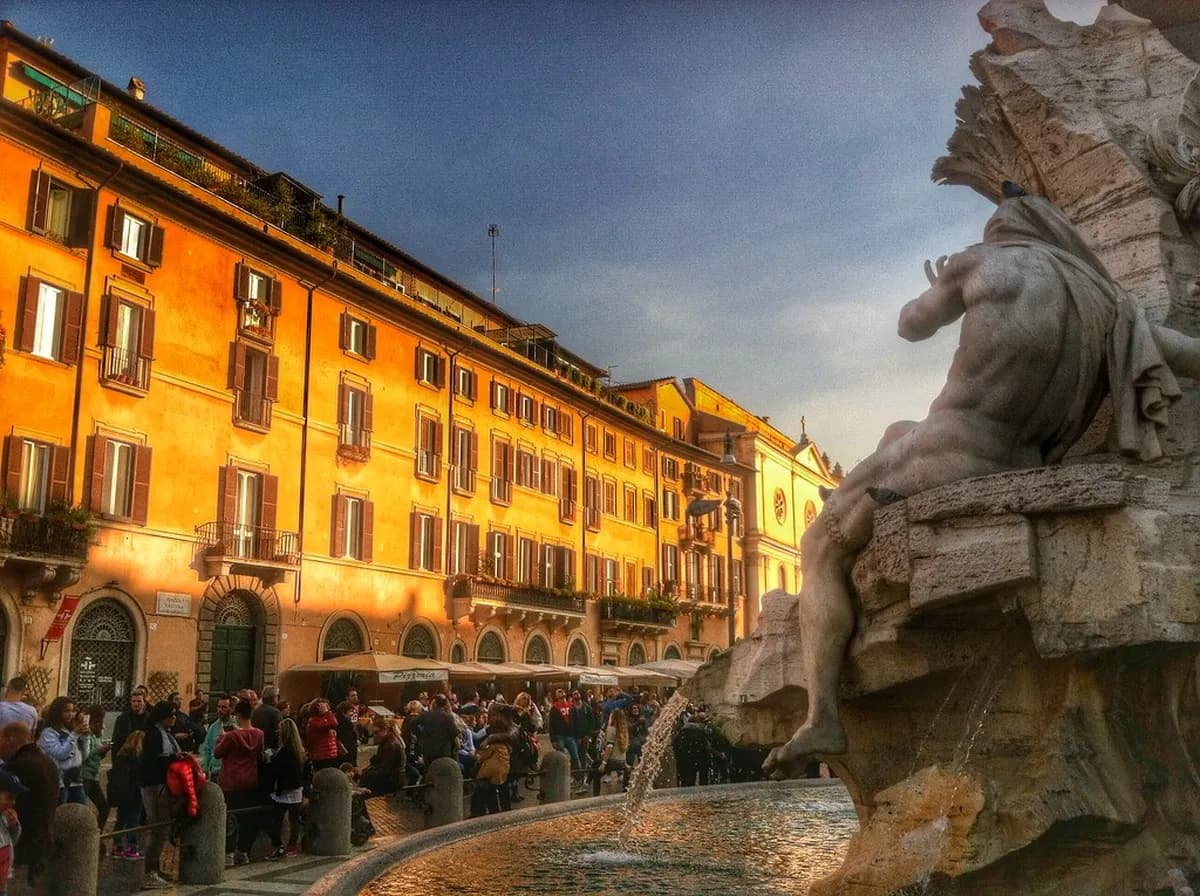
Rome is famous for its warm, earthy color palette that glows during the late afternoon. I never knew what the color ocher was until I first walked these streets — that golden hue that shifts from bright mirror in the afternoon to a soothing amber blanket at night. Even during Rome's chilly winter, the ocher-colored facades warm your soul against the bright blue sky.
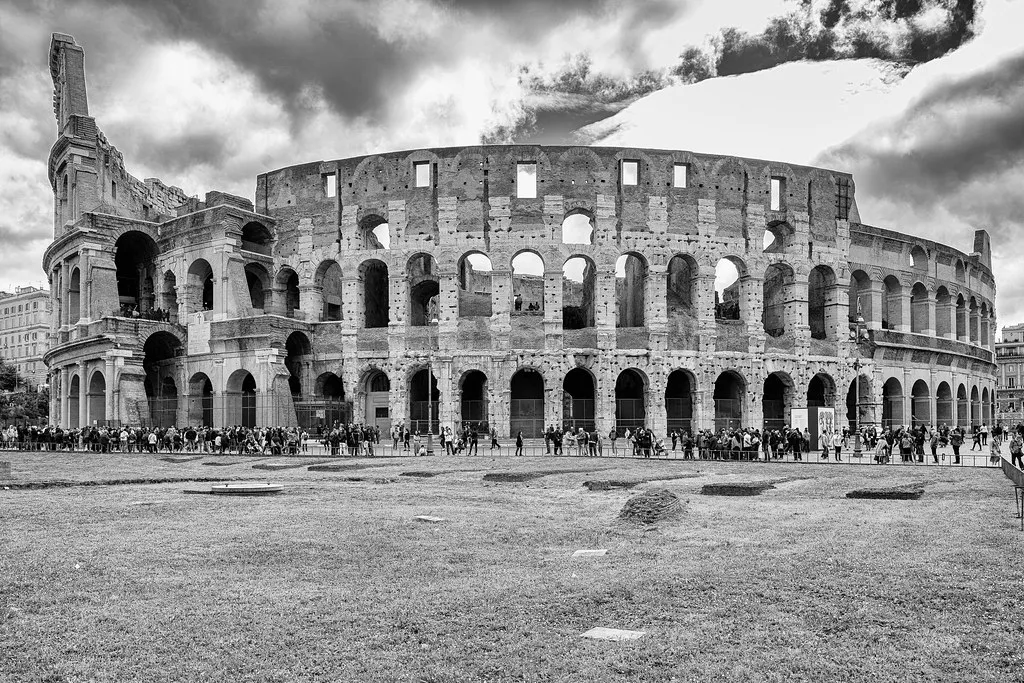
I suggest walking down Via Margutta and the Aventino to see the best examples of these ivy-covered ocher buildings. These 12 Beautiful Places in Rome to Visit offer a sensory experience that feels like stepping into a classic film. Decay has never looked so good — Rome wears it like a fine linen suit.
Many visitors rush between monuments and miss the subtle beauty of the residential side streets. Take a moment to notice the weathered shutters and the small shrines tucked into building corners. Photographers should prioritize the golden hour, around 18:30 in summer, when the stone facades appear to radiate their own internal light.
The Pantheon: My Favorite Building in the World
If you have not been inside the Pantheon, you probably do not fully understand why it sits at the top of every list. Once you are inside, you feel it. This building has been here for two thousand years, and the moment sunlight beams through the 9-meter oculus onto the marble floor, time collapses in a way no photograph captures.
Entry costs €5 and requires advance booking, especially on weekends and religious holidays. Visit at 09:00 to catch the morning light column before the organized tour groups arrive. The official reservation portal fills up weeks ahead in peak season — book as soon as your flights are confirmed.
The Pantheon entry is free on the first Sunday of each month. Arrive before 09:00 on free Sundays — the queue fills the piazza quickly once the morning tour groups arrive.
Walk ten minutes from the Largo di Torre Argentina transit hub to reach the Pantheon on foot through the historic center. Check the site for Sunday morning closures during religious services. Even on a second or third visit, this building delivers.
Hang Out All Morning in the Roman Forum
The Roman Forum is the center of everything. This is where Rome was decided, argued over, celebrated, and mourned across twelve centuries of civilization. Walk through it without a guide and it is a beautiful field of ruins. Walk through it with one and your mind simply breaks open.
Standard tickets cost €18 and include entry to the Colosseum and Palatine Hill, valid over 24 hours. Enter via Via dei Fori Imperiali to see the ruins from above first. The site is open daily from 09:00 until one hour before sunset.
Shade is almost nonexistent in the Forum, which is a serious pain point in summer. The most reliable shade is in the northwest corner near the Basilica Emilia and along the colonnade of the Temple of Saturn. Bring a refillable water bottle — the ancient nasoni drinking fountains are scattered every few hundred meters throughout the grounds and provide cold, clean water at no cost. Fill up before entering the main excavation area, as the fountains inside the site are fewer and harder to find when you are deep in the ruins.
Get a Private Tour of the Colosseum
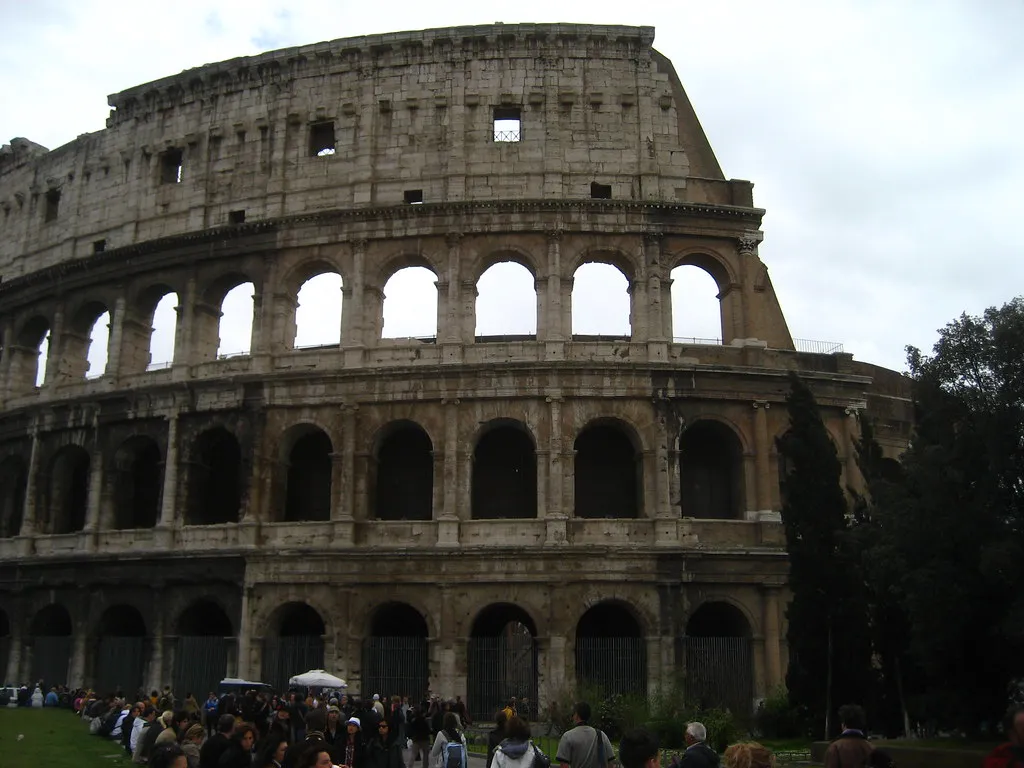
A private tour allows access to the arena floor and the underground tunnels where animals and gladiators waited before combat. If you just walk in, it is impressive and brings back memories of the film. But with a guide explaining the mock sea battles, the retractable awnings, and the trapdoors, the structure becomes genuinely staggering.
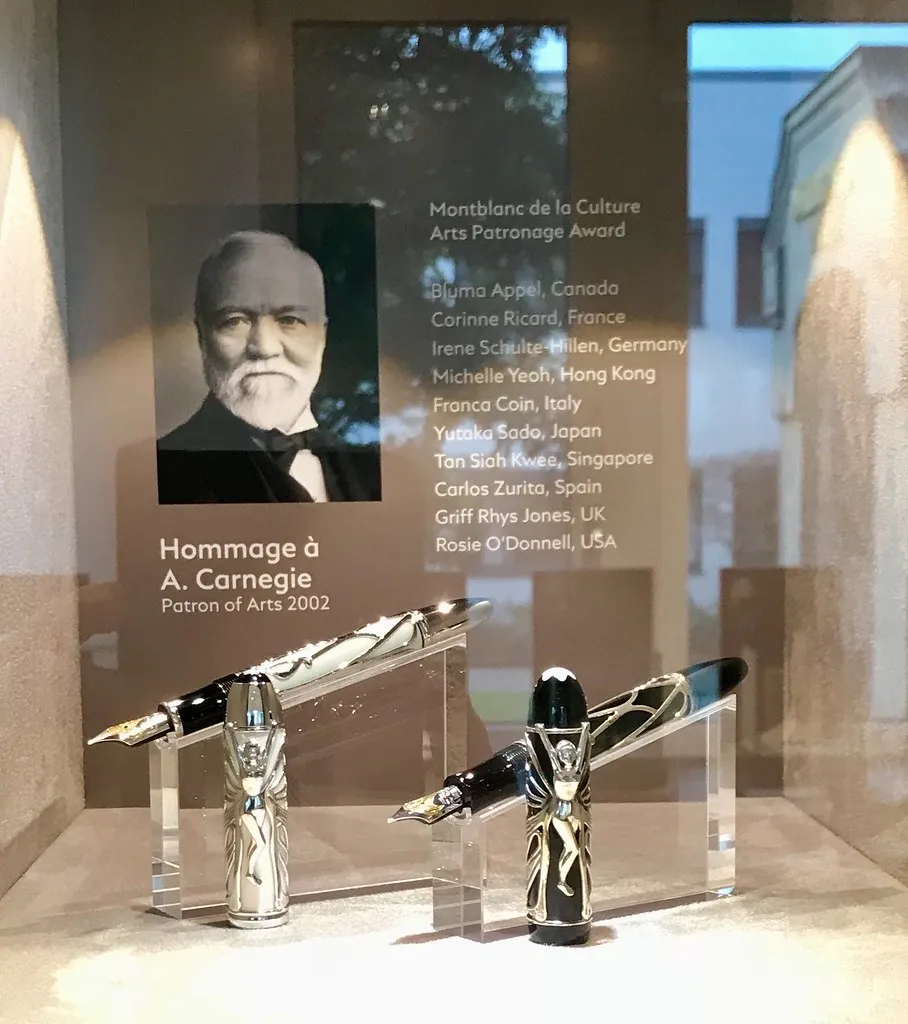
Expect to pay €80 to €150 per person for a high-quality guided experience with skip-the-line access. The Rome Colosseum At Night Tour: Booking Guide & What to Expect is a fantastic way to avoid the midday heat and see the structure lit up dramatically. Security lines are mandatory for everyone, so arrive at least thirty minutes before your scheduled entry time.
Most tours last three hours and include the nearby Forum and Palatine Hill ruins. Avoid the costumed gladiators outside the main entrance — they charge inflated fees for photos and sometimes become persistent. Book through official channels or a reputable operator.
Open the Vatican Museums at 6:30 AM
The Key Master tour allows a tiny group to open the museum doors alongside the official staff. You arrive at 06:30, turn the keys in the ancient locks, and walk into the Vatican Museums before anyone else on earth. The Sistine Chapel sits completely empty for around forty minutes. It is the single most moving experience I have had in Italy.
This exclusive experience costs approximately €350 per person but includes a full breakfast in the Pinecone Courtyard after the walk. Book this months in advance — it sells out faster than any other luxury experience in Rome and the window tightens sharply from March through October. Wear modest clothing covering both shoulders and knees to comply with the strict dress code.
Vatican dress code is strictly enforced — both shoulders and knees must be covered at all entry points including the Key Master tour and the Sistine Chapel. Guards will turn you away at the gate; carry a scarf or spare layer regardless of the weather.
If the Key Master tour is sold out, the next best option is a standard early access Vatican tour that starts at 08:00, before general admission opens. You will not have the chapel to yourself, but the crowd difference between 08:00 and 10:00 is enormous. Combine this visit with St. Peter's Basilica, which is free to enter and includes Michelangelo's Pietà.
Escape the Crowds in Rome's Villa Borghese Gardens
This is my favorite thing that most people miss in Rome. The giant Villa Borghese Gardens, Rome's Central Park, offer a peaceful respite when you have hit your limit with the bus tour crowds. The park is free and open around the clock, making it perfect for a picnic or an early morning run.
Enter through the Porta Pinciana from Via Veneto for the most direct route to the lake area. Rent a rowboat for €4 per person to see the Temple of Aesculapius from the water — the temple reflects perfectly in the still early-morning pond before wind picks up. The best shaded walking paths are along the northern perimeter behind the Galleria Borghese.
The Villa Borghese Gardens also house a world-class art gallery with Bernini sculptures that stop people in their tracks. Timed entry tickets for the gallery cost €15 and must be booked weeks in advance — the gallery strictly limits group sizes. If you want the garden without the gallery, simply walk in for free and find your own quiet bench.
Look Out Over Every Ancient Thing from the Palatine Hill
Everyone who visits the Roman Forum typically enters and walks the lower levels. But climb the two staircases at the back of the Forum and you emerge onto the Palatine Hill, one of the original seven hills of Rome, with a plateau that overlooks the Forum, the Colosseum, and virtually everything ancient in one sweeping view.
Entry is included in the standard €18 Forum ticket, valid for one entry across the combined site. The Farnese Gardens on top provide shade and benches — a rare and appreciated combination in this part of the city. I watched the sunset here once and the ruins turned a deep glowing purple in the dusk. It is the best free upgrade in Rome.
For timing, aim for golden hour between 18:00 and 19:30 in summer. Tour bus groups clear out by 17:00 on most days, leaving the hill quiet for the final hours before closing. Take the 75 bus to the Celio Vibenna stop for the easiest uphill access if you are coming from Trastevere.
Check Out the Cool Centrale Montemartini Museum
Centrale Montemartini is the museum that cognoscenti in Rome always rave about, and they are right to. The concept is blunt and brilliant: classical marble statues from the Capitoline Museums collection are displayed inside a decommissioned power plant in the Ostiense district. Ancient Roman senators and gods stand between massive diesel engines and turbine housings that still dwarf the sculptures beneath them.
The juxtaposition is not just visual — it is philosophical. The industrial machinery represents the 20th century's faith in progress, and the marble figures represent the ancient world's faith in the divine. Together, they make a single gallery that rivals anything in the Vatican for sheer originality. Tickets cost €11 and the galleries are almost always quieter than any other major museum in the city.
Photography enthusiasts will particularly love the high-contrast lighting between white marble and dark iron machinery. Use a wide lens if you have one, as the turbine hall demands it. The museum is open Tuesday through Sunday from 09:00 to 19:00. Take Metro B to Garbatella station and walk eight minutes west.
Duck into the Serenity of Palazzo Doria Pamphili
Right between the busy Via del Corso and Piazza Navona sits the quiet courtyard of Palazzo Doria Pamphili, still privately owned by one of Rome's oldest noble families. Inside are ornate galleries resembling Versailles, with paintings by Caravaggio, Titian, Raphael, and Bernini. It is less crowded than other palazzi and the architecture alone justifies the entry fee.
Entry is €16 per adult and includes an excellent audio guide narrated by the current family descendants — a detail that genuinely changes the visit. The Velvet Room is a highlight, though be aware the lighting there is very low, especially on overcast days, making photography difficult without a fast lens or a high ISO setting. Allow at least two hours for the four main galleries and the ornate private chapel.
What no competitor mentions: the palace also contains a small private cinema used by the family, visible through a half-open door in the east wing. It is not listed on any map, but staff will point it out if you ask. The Via del Corso entrance is easy to miss — look for the rust-colored facade with the family coat of arms above the gate.
Exploring Lesser Known Southeast Rome
The neighborhoods south of the Aventine — Ostiense, Garbatella, and Pigneto — are where actual Romans live, not the ancient Disneyland of the centro storico. Garbatella in particular has become genuinely popular over the last few years for good reason: the Barocchetto architecture is extraordinary and almost completely unknown to tourists.
Barocchetto Romano is a 1920s style unique to Rome, a hybrid of Baroque flourishes and rationalist planning commissioned by Mussolini's urban program. In Garbatella, this produced blocks of whimsical villas with rounded balconies, mosaic friezes, and communal garden courtyards called "lotti." Walking into Lotto 7 or Lotto 9 feels like stumbling into a film set that nobody else found. Entry is free — these are residential streets, not paid attractions.
Stop at a local bar on Piazza Benedetto Brin for a grattachecca, the Roman shaved ice drink that is almost impossible to find in the tourist center. Take Metro B to Garbatella and walk south from the station. Combine the neighborhood with a visit to Centrale Montemartini, which is a fifteen-minute walk north. The Wall Street Journal ran an excellent feature on Rome's residential neighborhoods worth reading before you go.
Check Out the Market at Campo de' Fiori
Campo de' Fiori is the most famous and best market in Rome for fresh produce and atmosphere. Every morning, vendors set up abundant stalls selling fruit, vegetables, and flowers across the square. The people-watching is fantastic and the energy is genuinely Roman, not performed for visitors.
The stalls run Monday through Saturday from 07:00 until roughly 14:00. Come in the morning when local Romans are actually shopping. Avoid the pre-packaged pasta sets and the overpriced spice mixes aimed squarely at tourists — you will see them piled high near the statue of Giordano Bruno in the center. They charge three to four times the supermarket price for the same product. Buy fresh fruit or a bunch of flowers instead, which are fairly priced and excellent quality.
After the produce stalls close, sidewalk cafes replace them and the square transforms into a pre-dinner aperitivo scene. By nightfall it is one of the liveliest outdoor bars in Rome. Walk fifteen minutes west from Campo de' Fiori to reach Trastevere, or north to reach Piazza Navona — both easy combinations in a single afternoon.
Explore the Offbeat Residential Neighborhoods
Beyond Garbatella, Rome has several residential neighborhoods that offer a completely different texture from the historic center. Parioli is upscale and quietly beautiful. Trieste contains the extraordinary Quartiere Coppedè — a fantasy district of interlocking villas and apartment blocks built between 1913 and 1927 in a style that looks like Barcelona's Eixample designed by Tolkien. Spiders' webs, carved frogs, and Byzantine arches cover the facades on a single city block, and almost no tourists find it.
The Aventino hill neighborhood is serene and green, with the Knights of Malta keyhole that frames a perfectly aligned view of St. Peter's dome through a hedge tunnel. The Orange Garden nearby offers one of the better free panoramic views in Rome without the crowds that gather on the Janiculum. Ostiense, anchoring southeast Rome, hosts street art, wine bars, and the Centrale Montemartini all within walking distance.
Exploring these areas requires nothing more than comfortable shoes and a willingness to use public transit. The No. 3 tram connects the Colosseum area to the Aventino and Testaccio. The Metro B line handles Ostiense and Garbatella. Most of these neighborhoods are best visited on foot once you disembark.
Gorging Ourselves On Italian Food
Roman food is a cuisine built on a small number of techniques applied with obsessive precision. Carbonara, cacio e pepe, amatriciana, and coda alla vaccinara are all Roman dishes, and they are profoundly different from what most of the world calls "Italian food." Order carbonara everywhere — it should be creamy from egg yolk and pecorino, never cream, and it will ruin restaurant carbonara at home for you permanently.
The Testaccio neighborhood is where locals go for serious eating. The Testaccio Market on Via Aldo Manuzio is open Monday through Saturday from 07:00 to 15:30, and stall number 15 serves the allesso di scottona sandwich, a slow-braised beef in broth that is one of the most satisfying things you can eat in Rome for under €7. The market entry is free. For a sit-down lunch, check the best things to do in Rome at night for the neighborhood trattorie that stay open late.
Trastevere offers evening dining in a more photogenic setting, with outdoor tables spilling onto cobblestone alleys. The neighborhood draws tourists, but also plenty of Romans who live there — the mix keeps standards honest. For a genuine Roman aperitivo, head to Pigneto in the early evening, where the bars are local, the prices are fair, and no one is offering you an €18 Spritz.
Throwing a Coin in the Trevi Fountain
Legend says throwing a coin over your left shoulder with your right hand ensures a return to the Eternal City. The fountain is free to visit and open around the clock. However, new visitor-management rules introduced in 2024 limit the crowd around the fountain to 400 people at a time between 09:00 and 21:00, with barriers and queue management during peak hours.
Visit at 07:00 or earlier to experience the site without throngs. Fifty people at 07:15 feels spacious compared to the hundreds packed in by 10:00. The fountain's dramatic illumination at night makes the 12 Best Underground Rome Sites to Explore area particularly atmospheric after dark. Avoid souvenir vendors who cluster at every corner — they are uniformly overpriced.
From the Trevi, it is a ten-minute walk east to the Spanish Steps or south to Campo de' Fiori, making it an easy hub for a morning walking loop through the historic center.
Walking Up the Spanish Steps at Sunrise
The 135 steps connect Piazza di Spagna with the Trinità dei Monti church at the top, and at sunrise the sky turns pink over the rooftops in a way that is genuinely worth the early alarm. Climbing is free, but sitting on the steps is strictly prohibited and carries fines of up to €400, a rule that has been actively enforced since 2019.
The Spagna Metro A station sits directly at the base of the staircase. Walk up to the church level and continue ten minutes to the Pincio Terrace for a panoramic view over Piazza del Popolo and the city stretching south. The terrace is free, quiet at dawn, and one of the more underused viewpoints in Rome.
Walking Around Trastevere Like a Local
Trastevere, which translates to "across the Tiber," was originally settled by Syrians and Jewish boatmen coming up the river, and has always been a Bohemian neighborhood. The narrow cobblestone streets and ivy-covered buildings that spill into each other at odd angles make it one of the most visually distinctive areas in Rome. Exploring is free, though you will spend money on the food.
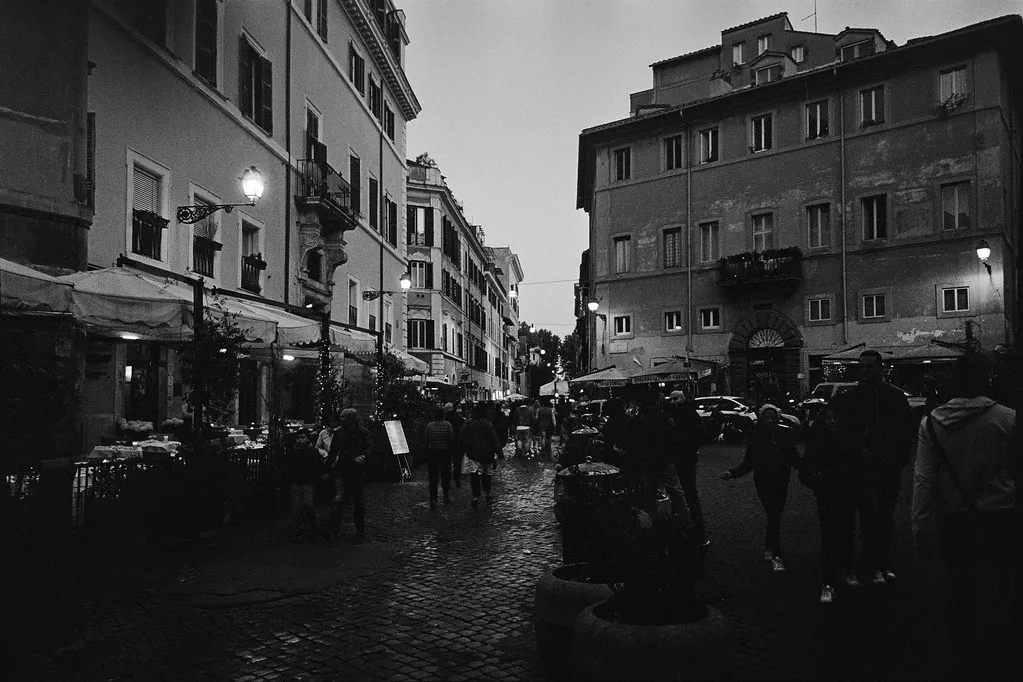
Visit in the late afternoon as bars and restaurants open. Cross the Ponte Sisto bridge on foot from the historic center to enter the neighborhood from its north side. The Basilica of Santa Maria in Trastevere, one of the oldest churches in Rome with a floor plan dating to the 4th century, anchors the neighborhood's main piazza. The 12th-century gold mosaics inside are spectacular. Most people walk past the ancient Latin carved-stone plaques just inside the entrance — each one stripped from a Roman monument centuries ago, each one worth stopping for.
The Trastevere neighborhood is best on a weekday evening when local residents outnumber tourists. The weekend draws larger crowds from across the city, which changes the atmosphere considerably. Combine with a visit to the Rome Botanical Gardens at the foot of the Janiculum Hill, a five-minute walk south, which offers 3,000 plant species and a genuinely peaceful Japanese garden section.
Train Like a Gladiator at the Appian Way School
No competitor article mentions this, but the Scuola Gladiatori Roma operates a functioning gladiatorial combat school on the outskirts of the city near the Appian Way. The school is run by the Gruppo Storico Romano, a historical re-enactment society, and the half-day training sessions are one of the most physically engaging and genuinely unusual bookable experiences in Rome in 2026.
Sessions run on Saturday and Sunday mornings and cost approximately €60 per person. You dress in a period-accurate subarmalis (the padded undergarment), pick up a wooden rudis, and work through actual gladiatorial combat forms under instruction from trainers who take the historical accuracy seriously. It is not a costume photo-op — it is a two-hour workout with swords, shields, and footwork drills on a dirt training ground under the umbrella pines.
Book via the Gruppo Storico Romano website, which also runs the gladiator parade at the Circus Maximus each April during the birthday of Rome celebrations. Combine the school with a bike ride on the Appian Way, which closes to most vehicle traffic on Sundays, making the stretch from the visitor center near the Tomb of Cecilia Metella ideal for cycling. Bike rentals run €15 to €20 for a half-day from the park entrance.
Best Time to Visit Rome for Epic Experiences
Spring and autumn offer the most pleasant weather for walking between the major archaeological sites. April and May provide blooming flowers and the famous Ottobrate golden light returns in October. These shoulder seasons are popular, so book accommodation several months in advance. The brief window from late April to mid-May, before the main summer wave arrives, offers the best balance of good weather and manageable crowds.
Winter is a seriously underrated choice for those who want indoor museums without summer heat. The Vatican and Colosseum queues in late January are a fraction of the summer numbers, and luxury hotels offer their lowest rates of the year. August is the hardest month: intense heat, many local shops closed for the Ferragosto holiday, and tourist numbers at their annual peak. If you visit in summer, schedule all outdoor activity before 10:00 or after 18:00.
A practical crowd-timing guide by major site for 2026: the Colosseum is least crowded on weekday mornings before 09:30, the Vatican on Friday and Saturday mornings (counterintuitive but true — the weekend crowds arrive later), and the Trevi Fountain on any morning before 07:30. Palatine Hill sees its smallest crowds on Tuesday afternoons after 15:00, once the school groups leave. The Roman Forum on a rainy weekday in November is one of the great underrated travel experiences in Europe.
How to Plan a Smooth Once-in-a-Lifetime Day
Start your morning at the most popular sites before the organized tour groups arrive at 10:00. Book your Vatican or Colosseum tickets as the earliest available time slot. This single decision separates a genuinely magical morning from an hour of queuing in a crowd.
| Experience | Cost (2026) | Duration | Book-Ahead |
|---|---|---|---|
| Key Master Vatican Tour | ~€350/person | ~2 hrs + breakfast | Months in advance |
| Vatican Museums evening access | €30–50 | 19:00–22:00 | Weeks ahead |
| Private Colosseum tour | €80–150 | ~3 hrs | Several weeks |
| Borghese Gallery | €15 + €2 fee | 2 hrs (enforced) | Weeks in advance |
| Centrale Montemartini | €11 | ~60 min | Not required |
| Palazzo Doria Pamphili | €16 | ~2 hrs | Not required |
| Gladiator School (Appian Way) | ~€60/person | ~2 hrs | Via Gruppo Storico website |
Spend the midday hours at a local market or a shaded park. The Testaccio Market Guide: 10 Things to Know Before You Go is an excellent choice for high-quality food at reasonable local prices and runs until 15:30. After lunch, retreat to the Villa Borghese or the Botanical Gardens during the hottest part of the day. Walking between sun-exposed ruins in 35-degree heat from 12:00 to 16:00 is the most common first-timer mistake in Rome, and the resulting exhaustion cuts the day short.
End your evening in a vibrant neighborhood to enjoy the nightlife and Roman pasta. Use the public tram system to reach residential areas where the best food is found. Most Romans eat dinner after 20:30, so book restaurant tables accordingly — showing up at 19:00 marks you immediately as a tourist and limits your options to the tourist-trap places that open early.
Logistics: Getting Around and Where to Stay
Walking covers most of the historic center efficiently, but the Metro and trams handle longer distances well. The Metro B line connects Termini station to Ostiense, Garbatella, and the EUR district in the south. Tram 8 runs from Largo di Torre Argentina directly to Trastevere. The 75 bus covers the Colosseum-to-Trastevere corridor and is the most useful single bus route for first-time visitors.
For accommodation, the neighborhoods directly around the Pantheon and Campo de' Fiori put you in the center of the historic district, walkable to most major sites. Trastevere offers a quieter base with more local atmosphere. For splurge stays, the Hotel de Russie near Piazza del Popolo and the Albergo del Senato overlooking the Pantheon are two of the most celebrated addresses in the city. For style at a lower price point, the Hoxton Rome near the Colosseum delivers consistently good design and service. If you are a points-first traveler, Marriott's Autograph Collection has several boutique properties in Rome worth considering.
Frequently Asked Questions
How far in advance should I book things to do in Rome?
You should book major attractions like the Vatican and Colosseum at least 4-6 weeks in advance. Popular tours, such as the dawn Vatican opening, often sell out months ahead during the peak summer season.
Is Rome safe for solo travelers at night?
Rome is generally safe for solo travelers, especially in well-lit areas like Trastevere and the historic center. Always stay aware of your surroundings and keep your belongings secure in crowded squares to avoid pickpockets.
What is the best way to get around Rome?
Walking is the best way to see the historic center, but the Metro and trams are useful for longer distances. Use the Metro B line to reach Ostiense and the tram 8 to get to Trastevere quickly.
Rome is a city that rewards those who take the time to look beyond the famous postcards. By mixing iconic landmarks with quiet neighborhood strolls, you can create a trip that feels both epic and personal. I hope this list of 18 once-in-a-lifetime experiences helps you fall in love with the Eternal City just as I did.
Remember to stay flexible and allow for spontaneous discoveries between your scheduled tours. Whether you are throwing a coin in the Trevi or eating pasta in Testaccio, every moment in Rome is a piece of history. Safe travels on your upcoming Italian adventure.
For the wider city context — including 25+ lesser-known places that pair with these premium experiences — see our complete hidden gems in Rome guide.
Continue exploring
More guides you'll find useful