13 Best Free Things to Do in Rome: Budget Travel Guide (2026)
Discover the best places to visit in Rome for free. From the Pantheon and Trevi Fountain to hidden gardens and free museum days, plan your budget trip today.
On this page
13 Best Free Things to Do in Rome
After five visits to the Eternal City, I still find new ways to enjoy it without spending a single Euro. Rome is an open-air museum where the most breathtaking art often sits right on the street corner. Exploring these historic sites allows you to feel the city's heartbeat without stressing over your daily budget. I recently discovered a quiet courtyard near the Forum that felt miles away from the usual tourist bustle.
Budget travel in Italy requires a bit of strategy but offers immense rewards. This guide was refreshed for 2026 to reflect the most current pricing and access rules, including recent fee changes at the Pantheon and Trevi Fountain. We have verified every entry to ensure your planning remains accurate. For those traveling with children, there are many excellent options for families visiting Rome on a budget.
Walking is the best way to uncover the layers of history hidden beneath modern pavement. Most iconic landmarks sit within a 30-minute walk of each other if you wear comfortable shoes and carry a reusable water bottle. The city's Nasoni fountains provide free cold drinking water at hundreds of points — use them constantly and skip the bottled water entirely.
How to Plan a Free Day in Rome
Start your morning before 09:00 if you want the iconic spots without the crowds. Trevi Fountain at 07:00 is a completely different experience from the afternoon scrum. The Spanish Steps, Piazza Navona, and the exterior of the Pantheon are all best before the tour buses arrive. Building your route around an early start costs nothing and saves hours of frustration.
State-run museums including the Colosseum are free on the first Sunday of each month; Vatican Museums are free on the last Sunday. Both days draw large queues — arrive at least 60 minutes before opening and confirm whether free-ticket online booking is required that month.
Pay attention to the day of the week before you build your itinerary. State-run museums including the Colosseum are free on the first Sunday of each month. The Vatican Museums follow a separate rule: free entry falls on the last Sunday of the month. These two days should anchor your museum strategy, but they draw enormous queues, so treat them as a feature to plan around rather than a guaranteed easy win.
Keep the first Sunday and last Sunday rules in your calendar even if they do not fall on your travel dates. Booking affordable lodging near Termini station gives you fast metro access to both the Vatican and the main archaeological zone. Travelers arriving by rail should check train deals to Rome — advance bookings can cut the journey cost by half compared to same-day fares.
Iconic Free Landmarks: The Essentials
The Pantheon is one of the best-preserved ancient buildings on earth, and its 43-metre concrete dome — still the largest unreinforced dome ever built — is genuinely breathtaking in person. Since 2023 it charges a €5 entry fee on most days. The exception is the first Sunday of each month, when entry is free. Arrive before 09:00 on free Sundays to secure entry before the queue fills the piazza.
St. Peter's Basilica in Vatican City is free to enter daily from 07:00 to 19:00 in summer months. Michelangelo's Pieta and Bernini's massive bronze baldacchino are both visible from the main floor at no cost. Security lines at the colonnade can run long; showing up at 08:00 on a weekday typically gets you through in under 20 minutes. The basilica alone justifies most of a morning.
The Trevi Fountain remains one of Rome's unmissable sights. Note the 2026 change: a €2 fee applies to access the lower basin directly beside the water between 09:00 and 21:00. Viewing the fountain from the surrounding piazza at street level stays free at all hours. Visit before 08:30 to see it without the crowds and without paying the basin fee — the experience at sunrise, when the lights are still on and the square is quiet, is genuinely magical.
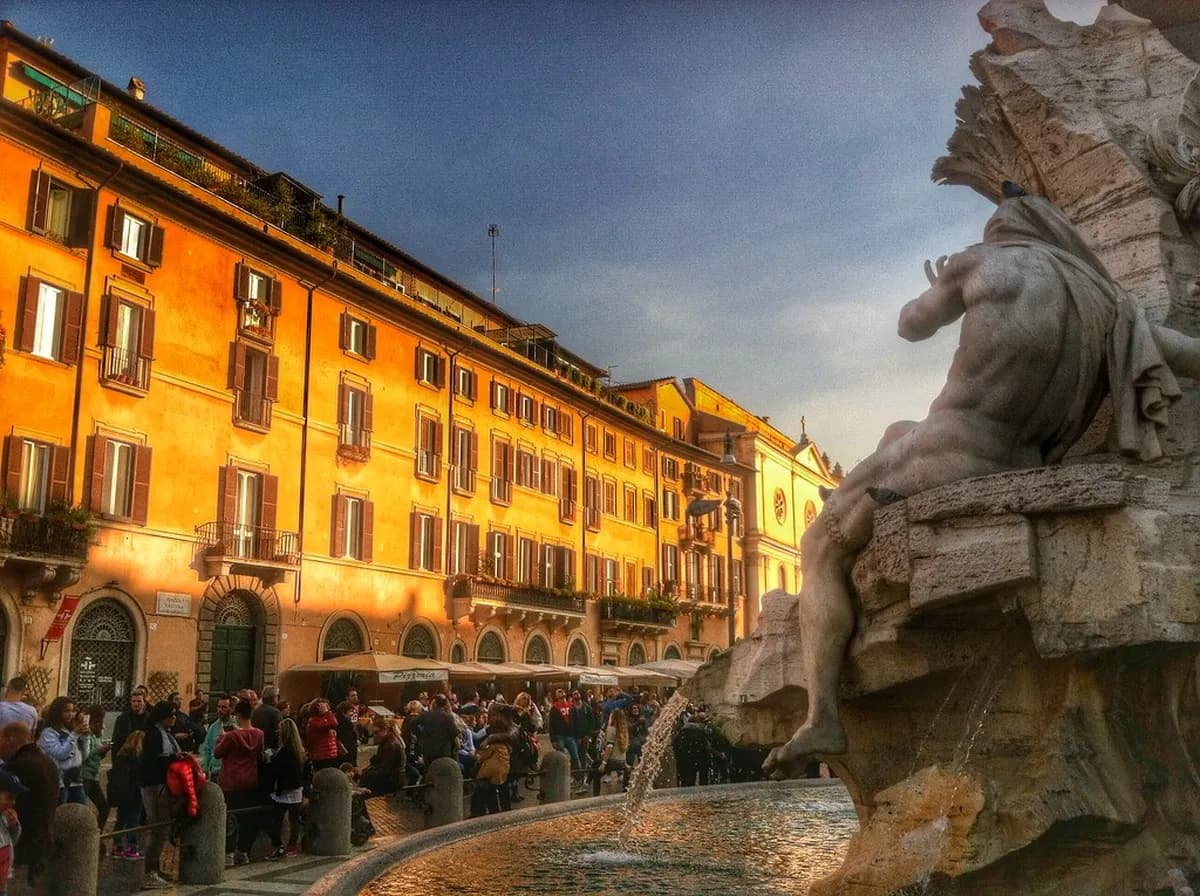
Piazza Navona is open 24 hours and costs nothing. Bernini's Fountain of the Four Rivers anchors the oval square, and the church of Sant'Agnese in Agone just behind it is free to enter for a look at its Baroque interior. The Spanish Steps, all 135 of them, are free to climb at any time. Sitting on the steps is now prohibited and enforced, so head to the top for the view and keep moving.
Free Churches and World-Class Art
Rome's churches are among the greatest free art galleries on the planet. The Basilica of Santa Maria in Trastevere contains glittering 12th-century golden mosaics that rival anything in a ticketed museum. San Luigi dei Francesi, just off Piazza Navona, holds three Caravaggio paintings in its Contarelli Chapel — you can stand a metre away from them for free. San Pietro in Vincoli houses Michelangelo's monumental statue of Moses and requires no ticket.
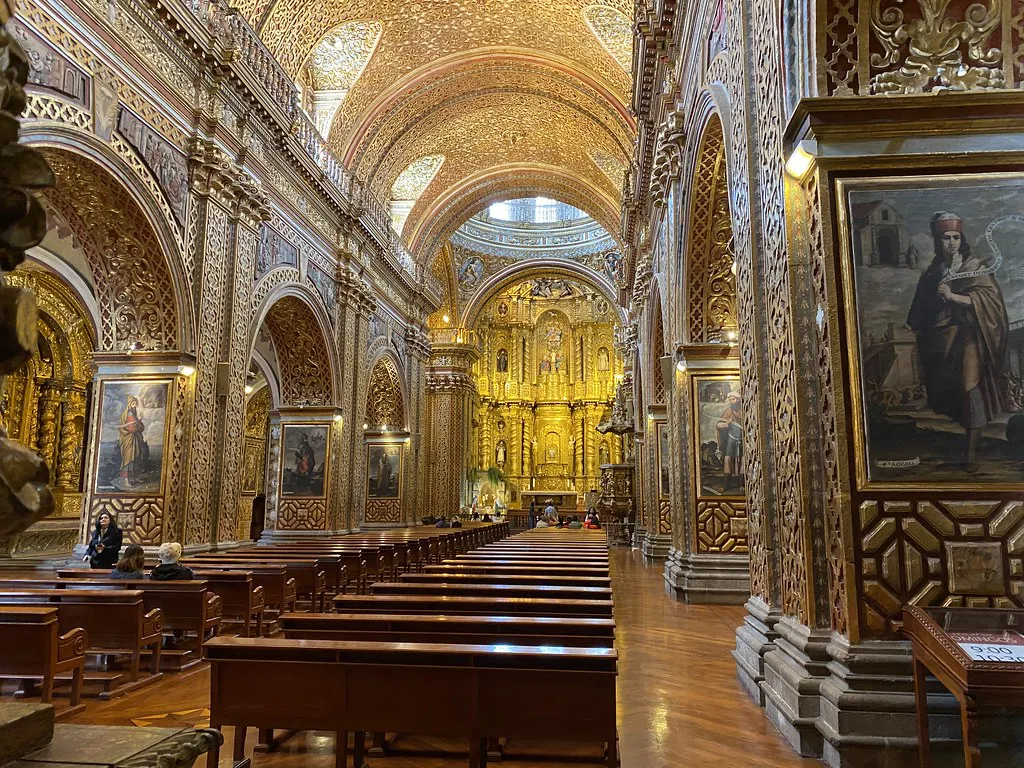
The rule for entry is consistent across almost all of Rome's churches: cover your shoulders and knees. Carry a light scarf or a spare layer in your day bag and you will never be turned away at the door. Most churches close during midday hours, typically from 12:00 to 15:00, so plan your church visits for morning or late afternoon slots. Many stay open in the evening during summer, which gives you a cool, quiet environment to appreciate the art properly.
The Basilica di Santa Maria Maggiore is one of Rome's four major basilicas and free to enter. Its 5th-century mosaics in the nave and the gilded coffered ceiling — reportedly built with the first gold brought from the Americas — are extraordinary and almost entirely overlooked by budget guides. Combine it with a walk through the surrounding Esquilino neighborhood, which has one of Rome's best covered food markets at Piazza Vittorio.
Free Parks, Gardens, and Viewpoints
Villa Borghese is Rome's most central park and entirely free to enter from dawn to dusk. The Pincio Terrace at the park's western edge gives you a classic panoramic view over the city's rooftops and domes, best at golden hour before sunset. The small lake near the Temple of Aesculapius is worth the detour — rowboats can be rented inexpensively, but the lakeside walk costs nothing. The Villa Borghese Gardens also contain two permanently free museums: Museo Pietro Canonica and the Carlo Bilotti Museum, which holds works by Warhol and de Chirico.
Gianicolo Hill offers one of the best panoramic views in Rome and is completely free. The real local draw is the daily cannon fire at exactly 12:00, a tradition that has marked noon for the city since 1847. Most tourists miss it entirely. Position yourself near the Fontana dell'Acqua Paola before midday and watch locals stop what they are doing to observe the ritual. The hill is accessible by foot from Trastevere in about 20 minutes.
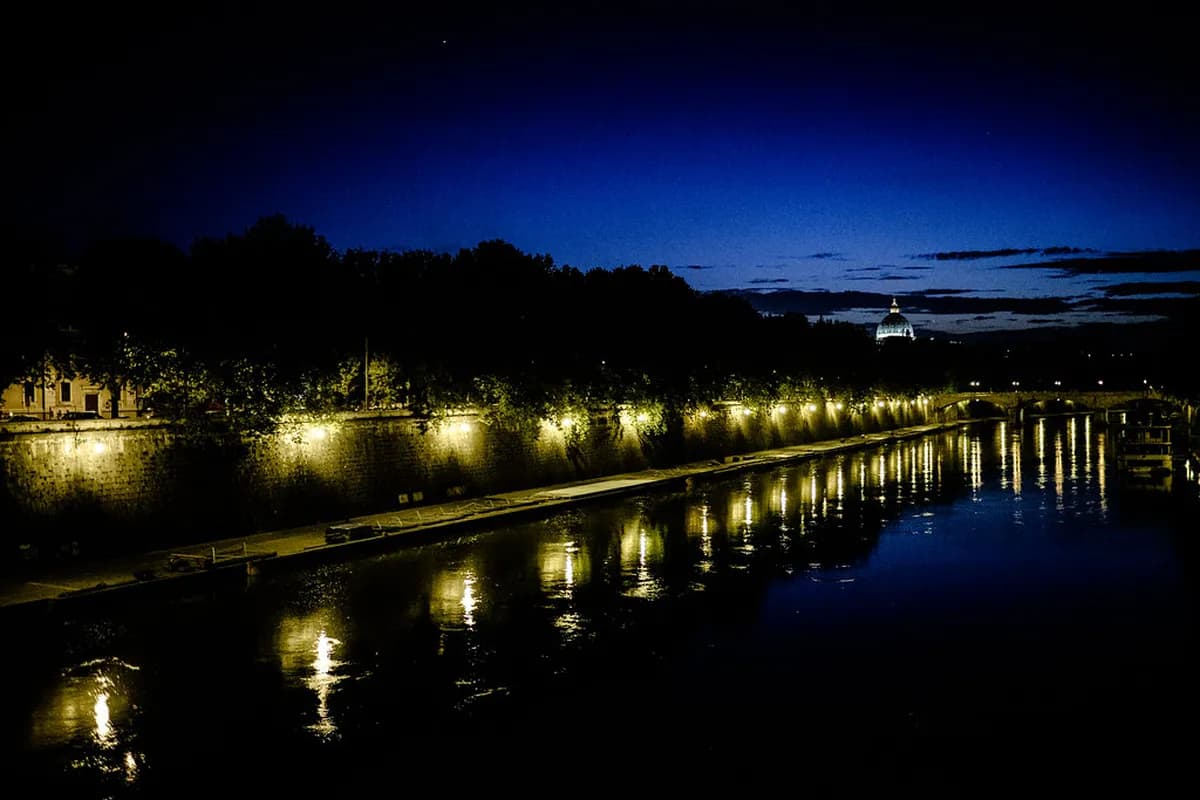
The Orange Garden on Aventine Hill — Giardino degli Aranci — is open daily from 07:00 until sunset at no charge. The view from its terrace looks directly across to St. Peter's dome. A two-minute walk from the garden brings you to the Knights of Malta Keyhole, where a perfectly framed view of the dome appears through the ironwork — free, unusual, and very satisfying. The Tiber River banks and Isola Tiberina are also free to walk at any time and provide a completely different, quieter perspective on the city away from the main tourist circuit.
Hidden Free Gems the Crowd Misses
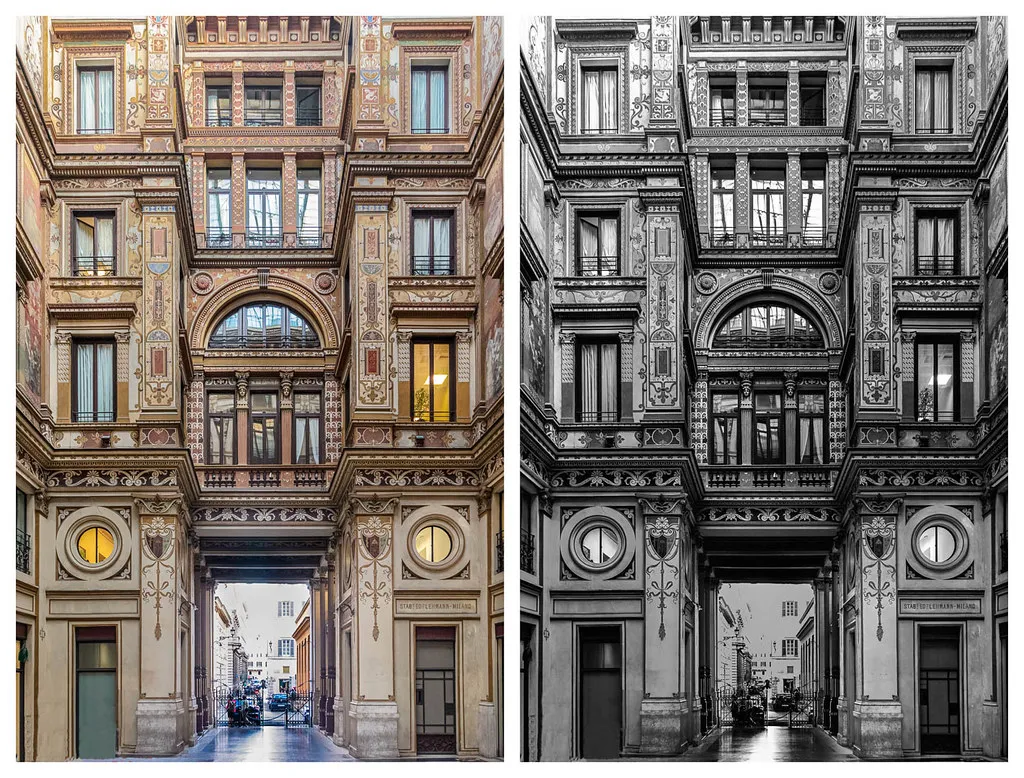
The Galleria Sciarra is one of Rome's most beautiful free spaces and almost nobody visits it. It sits near Via del Corso in the Palazzo Sciarra — walk through the archway off Via Marco Minghetti and you enter a covered Liberty-style courtyard decorated with elaborate Art Nouveau frescoes. The allegorical paintings covering the walls and vaulted ceiling were completed in 1885 and depict virtues of feminine domestic life in vivid colour. It is open during business hours Monday to Friday and feels like a genuine secret even in peak season.
The Coppedè district in the Trieste neighborhood is a free 20-minute walking loop through Rome's most eccentric architecture. The Sicilian architect Gino Coppedè designed this block of buildings between 1913 and 1927 as an eclectic collision of Art Nouveau, Art Deco, Gothic, and medieval references. The Fairy Tale Fountain at the center of Piazza Mincio is the anchor, but the surrounding facades — with carved grotesques, wrought-iron spiders, and mosaic friezes — reward slow inspection. The Beatles reportedly found inspiration here, and director Dario Argento used the district as a location for the film Suspiria.
The Museo della Liberazione, housed in Via Tasso near San Giovanni in Laterano, is permanently free and open Tuesday through Sunday from 09:30 to 12:30. The building served as a Gestapo prison during the Nazi occupation of Rome from 1943 to 1944. Graffiti scratched by prisoners on the cell walls remains visible and provides an intensely personal encounter with that history. Largo di Torre Argentina, where Julius Caesar was assassinated in 44 BC, is viewable for free from street level at any hour. The 18 Hidden Gems in Rome: The Ultimate Guide extend well beyond the usual tourist checklist once you know where to look.
Free Museum Days and Timing
State-run museums and archaeological sites — including the Colosseum, Roman Forum, and Palatine Hill — are free on the first Sunday of each month. Arrival at least 60 minutes before opening is essential, and many sites now require you to book your free ticket online in advance to manage capacity. Check the official site (coopculture.it) in the week before you travel to confirm whether advance booking is required that month.
The Vatican Museums follow a separate rule: free entry falls on the last Sunday of every month, with hours shortened to 09:00–14:00. The queue on these days can circle the outer walls of Vatican City, which is several hundred metres long. If you plan to use free Sunday at the Vatican, arrive by 07:30, bring food and water, and accept that it will be your only major activity of the day. The alternative — buying a skip-the-line ticket for €25–40 — takes two hours off your wait and is worth calculating against your time budget.
Several smaller city museums offer free entry year-round. The Napoleonic Museum near the Campo de' Fiori documents the Bonaparte family's Roman years through paintings and personal memorabilia at no charge. The Carlo Bilotti Museum in Villa Borghese is permanently free and far quieter than the headline sites. The Galleria dell'Accademia di San Luca inside Palazzo Carpegna houses works by Guido Reni and other academy-associated artists — also free, also almost always uncrowded. These smaller venues offer the kind of unhurried access to serious art that the major ticketed museums cannot provide.
Where to Eat in Rome on a Budget
Avoid any restaurant displaying a picture menu near the major landmarks — prices are typically double what you will pay two streets away. Seek out a Forno for pizza al taglio, sold by the 100-gram slice for €2–4. The Testaccio Market Guide: 10 Things to Know Before You Go is the best destination in the city for gourmet street food at local prices: supplì (fried rice balls with mozzarella), cacio e pepe pasta, and fresh porchetta sandwiches, all at stalls used by the neighborhood's residents every day.
Tavola Calda spots are the office-worker's lunch solution — pre-cooked Roman dishes sold at counter service for €6–10 per plate. They are busy between 12:30 and 14:00 and nearly empty after 14:30, which is the right time to stop in for a relaxed meal. An Alimentari is the Italian equivalent of a corner deli and the cheapest source of bread, cured meat, and cheese for a park picnic. Eating on the Pincio Terrace or the Tiber embankment provides views that would cost a great deal in a restaurant setting.
Avoid any restaurant with a picture menu near major landmarks — prices are typically double what you pay two streets away. The tell is an outdoor waiter actively inviting you in and a menu that does not list the coperto (cover charge, usually €2–4 per person) clearly.
Drinking water is free throughout the city. Rome's Nasoni fountains — small green iron drinking spouts — appear at virtually every major junction and piazza. The water is clean, cold, and supplied from the same ancient aqueduct system that served the city 2,000 years ago. Carry a reusable bottle, use the Nasoni constantly, and you will spend nothing on drinks during a full day of walking. Affordable lodging options like YellowSquare Rome are popular with budget travelers and often provide kitchen access, which cuts food costs further.
When It Is Worth Paying for Access
Free Rome is exceptional, but a few paid upgrades are worth calculating into your budget. The interior of the Colosseum, the Roman Forum, and Palatine Hill together cost €16 and give you a fundamentally different experience from viewing the ruins from outside Via dei Fori Imperiali. The free exterior view along that road is impressive and worth doing, but the interior scale of the Colosseum arena floor is not replicable from the street.
| Site | Free Option | Paid Option | Free Day |
|---|---|---|---|
| Colosseum | Exterior view from Via dei Fori Imperiali | €16 (interior + Forum) | First Sunday/month |
| Pantheon | First Sunday of month | €5 | First Sunday/month |
| Vatican Museums | Last Sunday of month (09:00–14:00) | €25–40 skip-the-line | Last Sunday/month |
| St. Peter's Basilica | Free daily 07:00–19:00 | Dome: €8–10 | Every day |
| Borghese Gallery | Park grounds (free) | €15 + €2 fee | No free day |
| Galleria Sciarra | Free (weekday business hours) | — | Mon–Fri only |
The Borghese Gallery inside Villa Borghese requires a timed ticket (€15, booked weeks in advance) and contains Bernini marble sculptures that are among the finest artworks in existence. If you have any interest in Baroque sculpture, this is not a place to skip for budget reasons. The Appian Way Regional Park is free to walk, but some of the catacombs along the route — including San Callisto and San Sebastiano — charge €8 entry and offer a genuinely unique underground experience that no street-level visit replicates.
For travelers who want a fully curated experience beyond what this guide covers, the once-in-a-lifetime things to do in Rome article covers the premium paid experiences worth considering alongside your free itinerary. Budget travel and splurge experiences are not mutually exclusive — one or two well-chosen paid entries alongside a mostly-free itinerary often produces the best overall trip.
Frequently Asked Questions
Is the Pantheon still free to visit in Rome?
The Pantheon now charges a €5 entry fee for most visitors. However, it remains free on the first Sunday of every month. You should check the official site for any sudden holiday closures.
When are museums free in Rome?
State museums are free on the first Sunday of each month. The Vatican Museums offer free entry on the last Sunday of the month. Arrive very early to handle the large crowds.
Can you see the Trevi Fountain for free?
Viewing the fountain from the piazza remains free for everyone. Starting in early 2026, a small fee applies only to enter the lower basin area. Sunrise visits are best for avoiding fees and crowds.
What are the best free parks in Rome?
Villa Borghese is the most famous and central free park. The Orange Garden on Aventine Hill offers incredible views. Villa Pamphili is a massive local favorite perfect for long walks.
Free Days in Other Expensive Cities
Rome's churches alone hold more free Caravaggios and Berninis than most national galleries own. Ljubljana's free things to do cover a whole city on the same basis, and Kraków's free options include several of its most significant sites.
Exploring Rome on a budget is not just about saving money; it is about seeing the city like a local. By visiting these free sites, you bypass the commercial polish and connect with the raw history of the city. The memories of a sunrise at Trevi Fountain or a cannon blast at noon on Gianicolo Hill often outlast any expensive tour. I hope this guide helps you navigate the Eternal City with confidence and curiosity.
Remember to stay flexible and embrace the spontaneous moments that happen between the major landmarks. Whether it is a Caravaggio in a candlelit chapel or an Art Nouveau courtyard hidden behind a Roman arch, the city always delivers for those who slow down and look. Pack your walking shoes, refill your water bottle at a Nasoni, and enjoy the magic of Italy without the high price tag.
Continue exploring
More guides you'll find useful