12 Best Restaurants in Trastevere Travel Guide (2026)
Plan best restaurants in trastevere with top picks, neighborhood context, timing tips, and practical booking advice for a smoother trip.
On this page
12 Best Restaurants in Trastevere
Trastevere remains the dining neighborhood that Roman locals defend most fiercely. The ivy-clad alleys and ochre buildings create a backdrop that makes every plate of pasta feel earned, but the area has enough tourist traffic in 2026 that choosing the wrong table is easy. This guide cuts through the noise with vetted picks, honest price ranges, and the practical context you need before you sit down.
Our editors refreshed these selections for the 2026 season, checking for kitchen changes and updated reservation policies. The culinary landscape in Italy shifts when new chefs take over historic kitchens, and several Trastevere institutions changed hands in the last two years. We focus on places that earn repeat visits from Romans, not just first-time tourists.
You will find everything from century-old bakeries to contemporary bistros that push Roman tradition forward. Prepare your palate: the neighborhood's range is wider than most visitors expect.
Overview of Trastevere as a Dining Destination
Trastevere translates literally to "across the Tiber," and that physical separation once kept the area distinct from the imperial center. Today, that isolation has evolved into a fiercely proud local identity reflected in the neighborhood's kitchens. Eating here feels like a bridge between Rome's ancient past and its vibrant present.
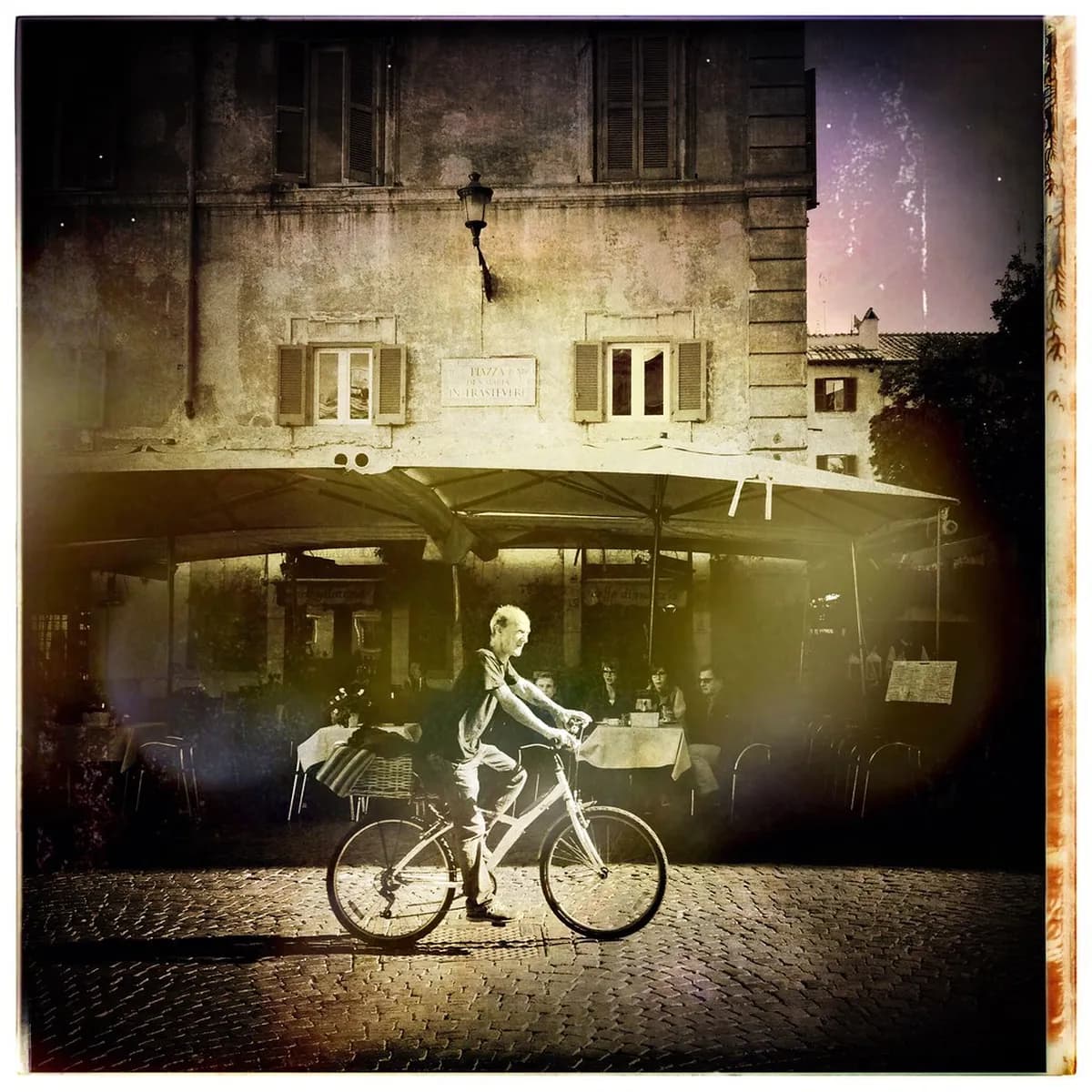
The area is famous for its bohemian atmosphere and narrow medieval streets that come alive after dark. While many tourists flock here, the best restaurants in Trastevere still cater to locals who demand precision in their carbonara. Choosing the right table requires navigating past the flashy sandwich boards to find the dimly lit doorways of true osterias.
Two broad poles define the dining scene. On one end you have family-run trattorias serving recipes unchanged for fifty years; on the other, a new wave of contemporary bistros reinterpreting Roman classics with modern technique. Both are worth your time, and knowing which you want before you walk in saves you from ending up in the wrong room.
Which Street You Eat On Matters
Trastevere has three distinct dining micro-zones, and the crowd level, price, and authenticity differ significantly between them. Piazza Santa Maria in Trastevere and the immediate surrounding streets are the most photographed and the most tourist-saturated. Restaurants here can charge an extra two to four euros per dish for the view alone, and quality is inconsistent.
Book Da Enzo al 29 and Seu Pizza Illuminati at least two weeks in advance for dinner — both are consistently booked out. Walk-ins are more realistic for lunch at the trattorias, especially mid-week.
Via di San Francesco a Ripa runs through the more residential southern half of the neighborhood. This is where you find Suppli, La Fraschetta, and Ivo a Trastevere — places locals actually queue for on weekday lunches. The street is louder and less scenic, but the kitchens are more honest.
Piazza Trilussa and the lanes off Vicolo del Cinque occupy a middle ground: charming, slightly elevated in price, and good for aperitivo culture. Trapizzino anchors this zone for street food. If you have two nights in Trastevere, eat Via San Francesco a Ripa one evening and the Trilussa zone the other — the contrast tells you more about the neighborhood than any guidebook paragraph can.
Trattorias and Osterias: Old-School Roman Dining
The backbone of Trastevere is its old-school trattorias, where the menu rarely changes and neither does the clientele. These spots live and die by four or five Roman classics: carbonara, cacio e pepe, and coda alla vaccinara, and fried artichokes prepared alla giudia. The best of them have been run by the same family for two or three generations.
- Da Enzo al 29 (Via dei Vascellari, 29) — Legendary carbonara and fried artichokes in a rustic, ten-table room. Expect to pay €25–€45 per person for a full meal including house wine. Open Monday to Saturday 12:15–15:00 and 19:00–23:00. Book at least two weeks ahead for dinner.
- Osteria Nannarella (Piazza di S. Calisto, 7/a — see map) — Massive portions of saltimbocca and house-made pasta at €20–€40 per person. Open daily 12:00–23:30. Despite long queues the service moves fast.
- Tonnarello (Via della Lungaretta, 1) — Famous for serving cacio e pepe in copper pans. Prices are mid-range at €20–€40 per person. Open daily 11:30–23:30. Visiting at 16:00 is the best way to skip the dinner queue.
- Otello in Trastevere — Operating since 1948, Otello maintains a classic courtyard setting perfect for alfresco dining at €25–€50 per person. Open daily 12:00–23:30. Ask for a garden table to eat under the vines.
- Le Mani in Pasta (Via Dei Genovesi, 37) — Upscale osteria specializing in seafood and fresh pasta, €35–€55 per adult. Open Tuesday to Sunday 12:30–15:00 and 19:30–23:30. The truffle pasta is the standout in autumn months.
A key rule for these places: if a man is standing outside actively beckoning you in, keep walking. The best trattorias in Trastevere are too busy filling tables to recruit off the street.
| Restaurant | Price per person | Hours | Best dish | Book ahead? |
|---|---|---|---|---|
| Da Enzo al 29 | €25–€45 | Mon–Sat lunch & dinner | Carbonara / fried artichokes | Yes — 2 weeks |
| Osteria Nannarella | €20–€40 | Daily 12:00–23:30 | Saltimbocca | No |
| Tonnarello | €20–€40 | Daily 11:30–23:30 | Cacio e pepe in copper pan | No (go at 16:00) |
| Otello in Trastevere | €25–€50 | Daily 12:00–23:30 | Alfresco courtyard dining | Recommended |
| Le Mani in Pasta | €35–€55 | Tue–Sun lunch & dinner | Truffle pasta (autumn) | Yes |
Modern Bistros and Contemporary Italian Cuisine
A quieter but genuinely exciting part of Trastevere's food scene involves kitchens that take Roman tradition as a starting point and push it somewhere unexpected. These are not fusion restaurants for tourists. They are run by Roman chefs who grew up eating cacio e pepe and now want to do something more interesting with the same ingredients.
- Seu Pizza Illuminati — Chef Pier Daniele Seu makes modern pizzas with thick, airy crusts and creative seasonal toppings. A meal costs €30–€60 depending on drinks. Open daily from 19:00 until midnight, with weekend lunch hours in 2026. Book at least two weeks ahead — this is one of Rome's trendiest spots right now.
- Antico Arco (Piazzale Aurelio, 7) — Sits on the Janiculum Hill border of Trastevere with a sophisticated, modern take on Italian cuisine. Tasting menu or a la carte dinner runs €60–€100 per person. Open 12:30–14:30 and 19:00–23:00, closed Tuesdays. Walk five minutes after dinner for one of Rome's best city panoramas.
- Proloco Trastevere — Focuses on D.O.L. products sourced directly from small Lazio producers. Regional specialties cost €40–€70 per person. Open daily 12:00–15:00 and 19:00–23:00. The cheese board is an education in local agriculture and should not be skipped by food-focused travelers.
The price gap between old-school trattorias and these contemporary spots is real — roughly €20–€30 more per person. That premium buys you a more composed, technically precise meal. Whether it is worth it depends entirely on what you are eating in Trastevere for.
Street Food and Casual Picks Worth Your Time
Roman street food in Trastevere is not a consolation prize for travelers on a budget. Suppli, trapizzino, and pizza al taglio are the foods Romans actually eat for lunch. Knowing where to get them properly is as important as knowing where to book dinner.
- Trapizzino Trastevere (near Piazza Trilussa) — Triangular pizza pockets stuffed with Roman stews like chicken cacciatore or polpette al sugo. Each pocket costs €5–€8. Open daily 12:00–01:00. Add a supplì on the side for the full Roman street food experience.
- Biscottificio Artigiano Innocenti (Via della Luce, 21) — Family-run bakery producing handmade cookies using vintage machinery since the 1920s. Most treats cost €1–€3. Open approximately 08:00–20:00, closed Sunday afternoons. Look for the brutti ma buoni ("ugly but good") cookies — they are the ones the regulars always grab first.
- Pizzeria Ai Marmi (Viale Trastevere 53–59) — Nicknamed "the morgue" for its long marble tables. Thin-crust Roman pizza, a fried starter, and a large beer for €15–€30. Open evenings from 18:00 until 01:00, usually closed Wednesdays. Expect noise and speed — that is the point.
- La Fraschetta (Via di S. Francesco a Ripa, 134) — Rustic eatery focused on Roman countryside food: cured meats, fresh porchetta, and local cheeses. A generous platter with a carafe of wine runs €20–€35 per person. Open daily 12:00–23:00 without a mid-afternoon break. The porchetta is sliced fresh and is one of the best versions in the city center.
Wine, Aperitivo, and Alfresco Dining
Trastevere's aperitivo scene is one of the most underused parts of the neighborhood's dining day. Arriving around 18:00 — before the dinner crush — and settling into a wine bar with a spritz and a plate of olives is both cheaper and more enjoyable than queuing for a table. Most wine bars offer small snacks (olives, bruschetta, small pizzas) at no extra charge with a drink order of €6–€10.
Bar San Calisto on Piazza San Calisto is the most local option: packed with Romans at all hours, very cheap, and no-frills. By contrast, the enoteca-style bars near Piazza Santa Maria are more refined, with longer wine lists from Lazio producers like Frascati and Cesanese del Piglio. Both styles are worth trying on separate evenings.
For dinner al fresco, Otello's courtyard and Nannarella's piazza tables are the most reliable picks. Many restaurants move tables outside in spring and summer, but call ahead in 2026 — terrace seating fills up first and is sometimes bookable separately. An evening that starts with aperitivo near Trilussa and ends with dinner on Via San Francesco a Ripa is a reliable Trastevere template that few first-timers think to plan in advance.
Dietary Preferences and Restrictions
Roman cuisine is historically meat and dairy heavy, but Trastevere has enough range to accommodate most dietary needs if you know where to look. The challenge is not finding vegetarian options — pasta, suppli, and pizza adapt easily — it is finding genuinely good gluten-free and vegan cooking rather than afterthought dishes.
For gluten-free diners, Mama Eat (open daily 11:00–00:00) is the neighborhood benchmark. The kitchen takes celiac needs seriously with dedicated equipment, and the gluten-free pizza crust is notably good rather than merely acceptable. Mozzichi on Vicolo del Cinque also offers gluten-free pasta and is worth noting because its kitchen is smaller and more attentive.
Vegetarians are well served at L'Insalata Ricca, open daily 12:00–15:30 and 19:00–00:00, where the tomato and basil spaghetti and extensive vegetable-based menu hold their own without feeling like concessions to a dietary restriction. Fatamorgana gelateria (Via Roma Libera, 11) is worth noting for people with multiple restrictions: all flavors are made from natural seasonal ingredients, and a significant portion of the range is both lactose-free and gluten-free.
Notes on Italian Restaurant Culture
Italian dining involves specific customs that can catch visitors off guard. The coperto — a cover charge of €2–€4 per person — appears on almost every bill in Trastevere. It covers bread, linens, and table service. It is standard and not negotiable, so do not treat it as a hidden tax or an error on the receipt.
Avoid restaurants directly on Piazza Santa Maria in Trastevere for your main meal — kitchens there often charge a premium for the view without a matching quality increase. Use the piazza for aperitivo and move to Via San Francesco a Ripa for dinner.
Water is not served free from the tap. You will be asked to choose between naturale (still) and frizzante (sparkling). Ordering a large bottle for the table is the local norm and costs €1.50–€3. Coffee is traditionally enjoyed after the meal, never alongside the main course. Ordering a cappuccino after noon marks you immediately as a tourist, which is fine, but you may get a slightly pained look from the barista.
Waiters in Trastevere operate by the rule that the table is yours until you signal otherwise. They will not bring the bill until you ask for it — say "il conto, per favore." This is a feature, not a bug. Dinner typically starts at 20:00 for Romans and can last two hours comfortably. If you sit down at 19:00, expect a quiet room that fills completely by 20:30.
Go on a Local Food Tour in Rome
If you are overwhelmed by the choices, a guided food tour is the most efficient way to sample multiple spots in one evening. Expert guides take you to 18 Hidden Gems in Rome: The Ultimate Guide that you would walk past without context. Tours also add the neighborhood history that makes the food make sense — understanding why Roman cuisine relies on offal and preserved meats has everything to do with the working-class origins of Trastevere itself.
Most tours in Trastevere last three to four hours and include five or six stops covering suppli, pizza al taglio, pasta, wine, and gelato. Prices in 2026 typically run €60–€90 per person depending on whether drinks are included. It is worth doing a tour early in your trip so you can return independently to the spots you liked most.
Many guides also offer a shortlist of personal recommendations for the rest of your stay. This insider knowledge is especially useful for navigating the neighborhoods around Trastevere — the guide's recommendations for Testaccio or the nearby Testaccio Market are often as valuable as the tour itself. Book through a guide with a proven Trastevere specialization rather than a generic Rome city tour that passes through briefly.
What to Skip: Overrated Picks in Trastevere
Trastevere's charm makes it easy for weak kitchens to coast on atmosphere. The clearest warning sign is a tourist menu board with photos of food outside the entrance. These spots routinely use frozen ingredients and the servers speak English before Italian. Walk past them.
Restaurants directly on Piazza Santa Maria in Trastevere charge a premium for the setting without a corresponding kitchen quality increase. That does not mean every table on the piazza is bad, but it does mean you should read recent reviews specifically for food rather than views before sitting down. The best approach is to use the square for aperitivo and move elsewhere for your main meal.
Similarly, be wary of any restaurant with an aggressive host working the street. The best restaurants in Trastevere have a line of locals waiting patiently, not a promoter. Following the queue is the most reliable quality signal in any Roman neighborhood.
Final Thoughts: Savor the Soul of Trastevere
Trastevere is busy enough in 2026 that a little planning separates a memorable meal from an expensive disappointment. The neighborhood earns its reputation — the ingredients are good, the traditions are real, and the best kitchens genuinely care. But the tourist density means you need a filter, and this guide is designed to be that filter.
Whether you choose a quick street snack at Biscottificio Innocenti or a long dinner at Antico Arco, remember to let the meal breathe. You might even discover 15 Unusual Things to Do in Rome: Hidden Gems and Secret Spots by chatting with your neighbors at the table. The connections made over a bottle of Cesanese are often the best part of any Italian evening.
Plan your reservations at least two weeks in advance for the trattorias, arrive for aperitivo at 18:00 to beat the crowds, and let your nose guide you through the alleys when in doubt. Trastevere rewards the prepared visitor and punishes the impulsive one.
Frequently Asked Questions
Do I need to book restaurants in Trastevere in advance?
Yes, booking is highly recommended for popular spots like Da Enzo or Seu Pizza. Many restaurants now use online systems, making it easy to secure a table weeks before your arrival. Walk-ins are possible for lunch, but dinner usually requires a reservation.
What is the best time to eat dinner in Trastevere?
Romans typically eat dinner between 8:00pm and 9:30pm. Most restaurants open their doors around 7:00pm or 7:30pm for the evening service. Arriving early at 7:00pm is a good strategy if you do not have a reservation.
Is Trastevere expensive for dining?
Trastevere offers a wide range of prices, from $5 street food to $100 fine dining. On average, a standard trattoria meal will cost between $25 and $40 per person. It remains one of the best-value neighborhoods for high-quality food in Rome.
Dining in Trastevere is a highlight of any trip to the Eternal City. By choosing vetted spots and respecting local customs, you ensure a fantastic experience. The neighborhood's energy and flavors are truly one of a kind.
We hope this 2026 guide helps you navigate the bustling streets with confidence. From the first bite of suppli to the final sip of espresso, enjoy every second. Rome is best experienced one plate at a time.
Continue exploring
More guides you'll find useful