Hidden Rome 3 Day Itinerary: 10 Essential Planning Steps
Discover the ultimate hidden Rome 3 day itinerary. Explore secret Vatican tours, local neighborhoods like Monti, and the best off-the-beaten-path Roman eats.
On this page
Hidden Rome 3 Day Itinerary: 10 Essential Planning Steps
This 3-day Rome itinerary is built for travelers who want the famous landmarks without the worst of the crowds. You will see the Colosseum, the Vatican, and the Pantheon — but you will also walk streets that most tour buses never reach. The goal is a pace that lets you linger, eat well, and actually feel the city.
Each day is anchored in one major area to minimize transit time. Morning slots hit the big sites before the midday surge. Afternoons slow down in local neighborhoods. This rhythm works whether you are visiting Rome for the first time in 2026 or returning after years away.
Is 3 Days Enough for a Hidden Rome Itinerary?
Three days is the minimum that allows you to cover Rome's layers without feeling like a checklist sprint. You can reach the Colosseum, the Vatican, and the Jewish Ghetto — and still have time for a slow lunch in a neighborhood trattoria. The key is to resist the urge to do everything and instead commit to doing a few things properly.
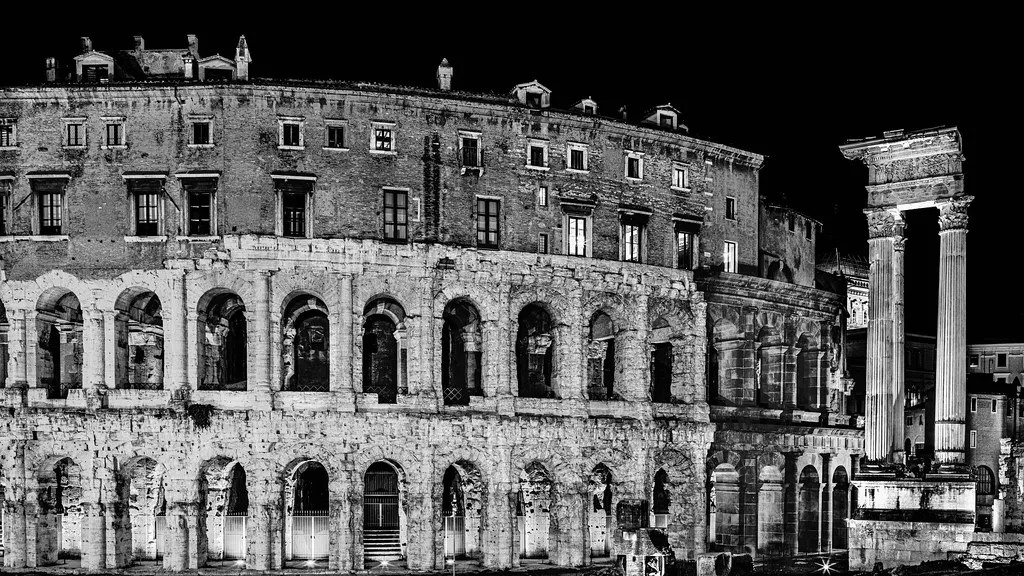
Grouping activities by district saves hours of unnecessary travel. Rome's historic center is compact enough that you can walk between major landmarks in under twenty minutes. Trastevere, Monti, Aventine Hill, and the Jewish Ghetto are all within two kilometers of each other. This itinerary uses that geography deliberately to keep your days coherent rather than exhausting.
Three days will not get you to every site on your list. You will leave things undone — and that is the right outcome. First-timers who try to tick fifty boxes leave with no real memory of any of them. This plan gives you three neighborhoods you will genuinely know by the time you leave.
Where to Stay: Choosing Local Neighborhoods Over Tourist Hubs
Monti is the strongest base for this itinerary. It sits directly behind the Colosseum, has the Cavour metro stop, and feels like a real Roman neighborhood rather than a tourist staging ground. The streets around Piazza della Madonna dei Monti fill up with locals drinking wine in the evenings — a genuinely pleasant alternative to the tourist bars near the Forum. Expect to pay €120–220 per night for a mid-range hotel here in 2026.
Monti, Trastevere, and Prati each serve a different traveler type. Monti is the best all-around base at €120–220/night; Trastevere is the most atmospheric evening base at €90–180/night; Prati saves commute time on Vatican days at €100–200/night.
Trastevere is the right choice if you want to be in the middle of Rome's most atmospheric evening neighborhood. The tradeoff is a longer walk to the Vatican and Colosseum. Stay on the northern end of Trastevere, near Piazza Trilussa, for the best balance of character and connectivity. Prices run slightly lower than Monti: €90–180 for a comparable room.
Prati, the neighborhood directly across the river from the Vatican, is underrated for short visits. It is quieter than both Monti and Trastevere, has excellent local cafes on Via Cola di Rienzo, and puts you thirty seconds from the Vatican Museums entrance. If your Day 2 includes an early Scavi tour slot, staying in Prati saves a forty-minute commute. Budget €100–200 per night for a solid three-star option here.
- Monti — best all-around base; central, local feel, metro access, close to Colosseum
- Trastevere — best for evening atmosphere and dining; slightly farther from Vatican and Colosseum
- Prati — best if Vatican is your Day 2 priority; calm, excellent cafes, lowest tourist density
Essential Things to Know Before Visiting Rome
Book major tickets before you leave home. The Borghese Gallery sells out days or weeks in advance through its official booking site and caps each visit at two hours. The Colosseum releases tickets in waves thirty days ahead — check at midnight Rome time when new slots appear. The Scavi tour at the Vatican requires an email request three to four months in advance (see Day 2 details below).
Dress codes apply at every major religious site. Shoulders and knees must be covered at St. Peter's Basilica, the Pantheon, and the Scavi tour. Carry a light scarf you can wrap around your waist at the door — this is not optional and guards enforce it. The same applies to smaller churches you might walk into spontaneously across the city.
Drink from the street fountains called nasoni. Rome has over 2,500 of them across the city and the water is cold, clean, and free. Bring a refillable bottle and use them constantly — bottled water at tourist cafes runs €3–5. The cobblestones are hard on feet, so wear proper walking shoes from day one. Even short distances feel longer on uneven stone.
Public transport uses a flat fare of €1.50 per 90-minute ticket. The metro has only two lines (A and B), so you will often rely on trams and buses for cross-city moves. A 72-hour travel pass costs around €18 and covers unlimited rides — worth it if you plan to move between neighborhoods daily. Validate your ticket on entry or risk a €100 fine.
Day 1: Ancient Wonders and the Artisans of Monti
Start at the Colosseum by 09:00 — the arena is open from 09:00 to 19:00 in summer and the first two hours are noticeably calmer than midday. A standard ticket costs €18 and covers the main interior and the Roman Forum. The full-experience ticket at €24 adds access to the arena floor and the 12 Best Underground Rome Sites to Explore hypogeum passages, which is worth it — the tunnel system beneath the arena floor is where gladiators and animals were staged before combat, and it reads completely differently from the tiered seating above.
After the Colosseum, walk ten minutes uphill into Monti for lunch. The neighborhood clusters around Piazza della Madonna dei Monti and the streets radiating off Via del Boschetto. Skip the restaurants directly facing the Colosseum — they cater to tired tourists and charge accordingly. Inside Monti, look for places with handwritten menus and no photos on the wall. Lunchtime pasta with house wine runs €12–18 per person at a good local spot.
Spend the afternoon browsing Monti's boutiques. The neighborhood is known for vintage clothing, ceramic work, and small-batch jewelry from independent designers. Via del Boschetto and Via Panisperna are the two main streets worth walking slowly. This is not a shopping district in the tourist sense — most of the shops are run by the makers themselves and prices are reasonable. By early evening, settle into one of the wine bars on Piazza della Madonna dei Monti for a natural wine aperitivo with Romans unwinding after work.
Pro tip: Take the Metro Line B to Colosseo to arrive directly at the entrance. From Termini, the journey takes four minutes. If you are staying in Monti, you can walk to the Colosseum in eight minutes — take Via Cavour down from the Cavour metro stop.
Day 2: Vatican Treasures and the Underground Scavi Tour
The Vatican is the most logistically demanding day of this itinerary. Arrive at St. Peter's Square by 08:30 to reach the Basilica before the morning tour groups arrive in force. Admission to the Basilica is free. The dome climb costs €8 (stairs) or €10 (elevator plus stairs), takes about forty-five minutes, and gives you the best close-up view of Michelangelo's interior lantern from above the drum.
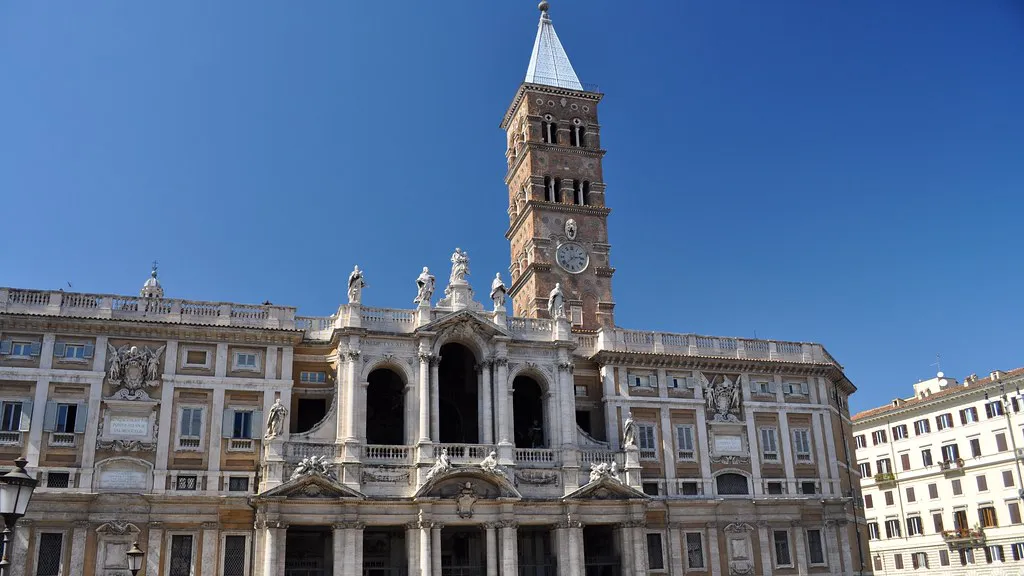
If you secured a Scavi tour slot, this is the undisputed highlight of the entire three days. The Vatican Necropolis sits twelve meters beneath St. Peter's Basilica — a partially excavated Roman cemetery from the 1st century AD. Groups are capped at fifteen people. The 90-minute tour ends directly beneath the main altar, at what is believed to be the tomb of Saint Peter himself. No photography is allowed underground. Tickets cost €15 and can only be booked by emailing the Vatican Excavations Office at scavi@fsp.va at least three months before your trip. Include your names, group size, preferred language, and a two-week window of possible dates — the office assigns you a time slot and you must confirm payment within ten days.
After the Vatican, cross into the Prati neighborhood for lunch. The streets around Via Cola di Rienzo have none of the Vatican tourist-trap pricing. A proper Roman lunch — cacio e pepe or carbonara — runs €10–14 at a Prati trattoria. Spend the afternoon at the Vatican Museums if your energy holds, or walk along the Tiber to Castel Sant'Angelo for the exterior views and the bridge. End the evening in Trastevere for dinner and a walk through the ivy-covered streets. The neighborhood lights up after 20:00 and the atmosphere is one of the best in any European city.
Finish Day 2 by climbing to the Janiculum Hill (Gianicolo) overlook just above Trastevere for the city's best 360-degree night panorama. The walk from Piazza Trilussa takes about fifteen minutes uphill. There are no entrance fees and the terrace stays accessible all night.
Pro tip: If the Scavi tour is sold out, ask about last-minute cancellations in person at the Scavi office on your first morning. A small number of spots open daily from no-shows. Arrive at 07:30 — earlier than most tourists — and ask directly at the window facing Via Paolo VI.
Day 3: The Jewish Ghetto, Orange Gardens, and Aventine Hill
Begin at the Jewish Ghetto by 10:00, arriving when the morning market around Piazza Mattei is still running and the neighborhood feels residential rather than touristic. The Turtle Fountain (Fontana delle Tartarughe) in the piazza center is one of Rome's most intimate public sculptures — four bronze youths helping tortoises drink, cast in 1581. Walk through the narrow streets to the Portico d'Ottavia ruins, originally commissioned by Augustus and one of the few ancient structures that was continuously inhabited from Roman times into the medieval period. The layers of construction here — Roman, medieval, and Baroque — are visible in a single glance.
Lunch in the Ghetto means one dish: carciofi alla giudia, the deep-fried whole artichoke that is the neighborhood's signature. The preparation is specific — the artichoke is flattened, double-fried in olive oil until the leaves crisp into edible chips, and served whole at the table. This is categorically different from carciofi alla romana, which is braised with garlic and mint and found across the city. The Giudia version requires a specific high-heat technique and the Ghetto restaurants have been perfecting it for centuries. La Taverna del Ghetto on Via del Portico d'Ottavia is the most reliable option, with Roman-Jewish cooking served in a room that has been a restaurant since the 1800s. Expect to pay €14–18 for a full lunch.
After lunch, cross the Aventine Hill to the Giardino degli Aranci (Orange Garden). This is Rome's best alternative to the crowded Pincio Terrace on Pincian Hill — the view from the garden's terrace looks directly over the Tiber toward St. Peter's dome with far fewer visitors. Arrive between 17:00 and 18:30 for the best light. The garden is free, open daily, and in spring the orange trees that give it its name are in fruit. The walk from the Jewish Ghetto takes twenty minutes on foot.
Just outside the Orange Garden, turn right and follow the short queue at the large wooden door of the Priory of the Knights of Malta. The famous keyhole frames a perfectly centered view of St. Peter's dome at the end of a long garden avenue — one of the city's most precise and satisfying visual tricks. The queue moves quickly and the experience is free. It typically takes under ten minutes from joining the line to peering through.
End the day in the Trastevere neighborhood if you did not go there on Day 2, or head to Testaccio for a less touristed evening. Testaccio is Rome's original working-class food district and its covered market — Mercato di Testaccio on Via Galvani — closes at 14:00 but the surrounding restaurants open for dinner by 19:30. This is the neighborhood Romans go when they want to eat well without performing for tourists.
Pro tip: The Aventine Hill area is flat-out quiet on weekday afternoons. If you visit Rome mid-week and want to experience the Orange Garden with almost no other visitors, come on a Tuesday or Wednesday between 15:00 and 16:00, before the after-work crowd arrives.
The Capuchin Crypt: Rome's Most Overlooked Hour
None of the major Rome itineraries mention the Capuchin Crypt as a deliberate stop — it appears in listicles but rarely gets woven into a day plan. The crypt is located at the Church of Santa Maria della Concezione on Via Veneto, a fifteen-minute walk from the Villa Borghese gardens. The combination of Borghese Gallery in the morning and the Crypt in the afternoon makes for one of the most tonal contrasts available in a single afternoon in Rome: Bernini's polished marble Apollo versus bones arranged into ceiling chandeliers.
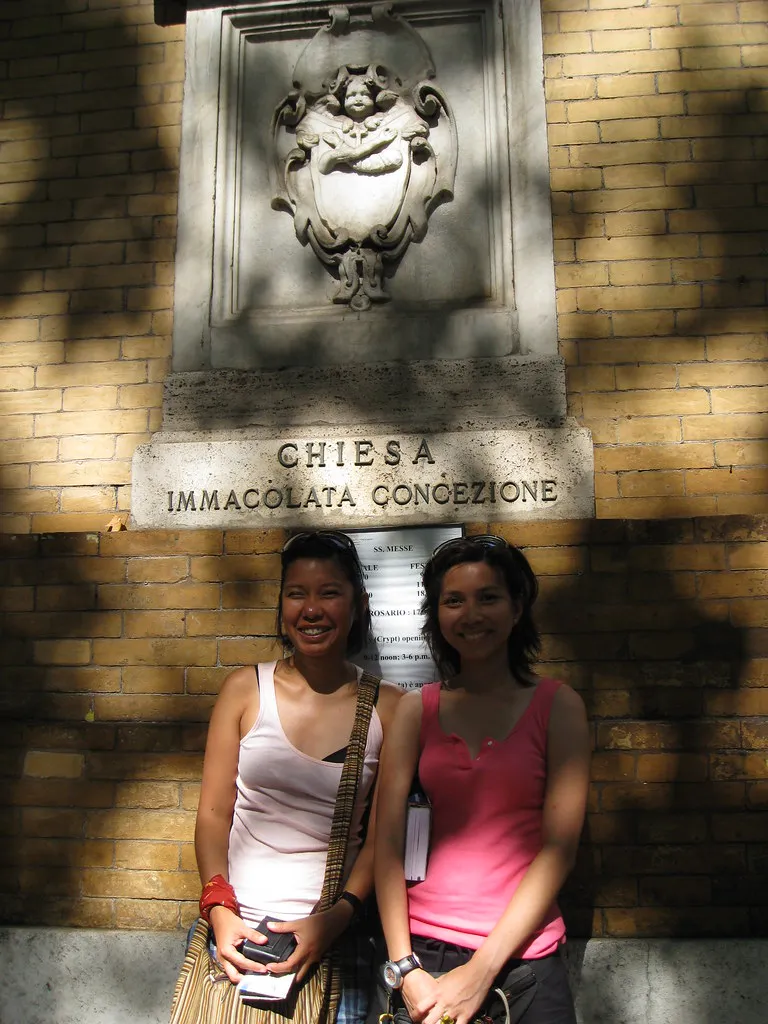
The Crypt contains six small chambers decorated entirely with the skeletal remains of approximately 3,700 Capuchin friars, moved here between 1631 and 1870. The bones are not dumped haphazardly — they are arranged into deliberate patterns. Vertebrae form rosettes. Shoulder blades become decorative arches. Pelvic bones line the ceiling in repeating geometric rows. A Capuchin friar's mummified remains stand dressed in robes at the end of the final chapel. A placard reads: "What you are now, we once were; what we are now, you will be." The effect is genuinely unsettling and completely impossible to forget.
Entry costs €9 and includes a small museum with Caravaggio's Saint Francis in Meditation. The crypt takes about forty minutes at a thorough pace. It is open daily 09:00–19:00. Photography is not permitted inside the crypt chambers. Children under ten may find it distressing — it is worth considering before including it on a family itinerary.
Photography is strictly prohibited inside the Capuchin Crypt chambers. Children under ten may find the bone displays distressing — the content is philosophical rather than theatrical, but graphic nonetheless.
Authentic Dining: Where to Find Real Roman Pasta
Roman pasta is a narrow canon: cacio e pepe, carbonara, amatriciana, and gricia. Each dish uses a small number of ingredients and depends entirely on technique. Cacio e pepe is just Pecorino Romano, black pepper, and pasta water emulsified into a sauce — there is no cream and no shortcuts. Carbonara uses guanciale (cured pork cheek), eggs, Pecorino, and black pepper. Any restaurant that adds cream to either dish is catering to tourists and should be avoided.
The best way to find a reliable trattoria is to look for menus printed on paper rather than laminated picture boards, restaurants with no touts standing outside, and places where the pasta is listed without a dozen sauce variations. Book through EatWith Roman Dinner Experiences if you want a home-cooked meal hosted by a Roman family — this is one of the best ways to eat carbonara that has not been adapted for foreign palates, and many hosts will walk you through the technique at the table.
For the Jewish Ghetto, La Taverna del Ghetto on Via del Portico d'Ottavia serves the Ghetto's Roman-Jewish cooking with recipes that have been unchanged for generations. For Trastevere evenings, look for restaurants on the side streets rather than the main Piazza di Santa Maria in Trastevere — the quality drops sharply the closer you get to the tourist center of the piazza. In Prati, the side streets off Via Cola di Rienzo have a cluster of lunch-focused trattorias that close by 15:00 and are almost entirely local clientele.
One rule that applies city-wide: eat lunch when Romans eat lunch, between 13:00 and 14:30. Show up at 12:00 and you will be the only person in a restaurant that fills up an hour later. The best seats — and the freshest pasta — go to the people who arrive when the kitchen is ready for them.
Book in Advance: Securing Rome's Hardest Tickets
The Scavi tour is the most time-sensitive booking in this itinerary. Email scavi@fsp.va at least three to four months before your trip. Include exact participant names, group size, preferred language, and a flexible two-week date window. The office assigns your time — you do not choose it. Confirm and pay within ten days of receiving a confirmation or the spot is released. The tour costs €15 per person and admits only fifteen people per session. Minimum age is fifteen and ID may be checked at the entrance.
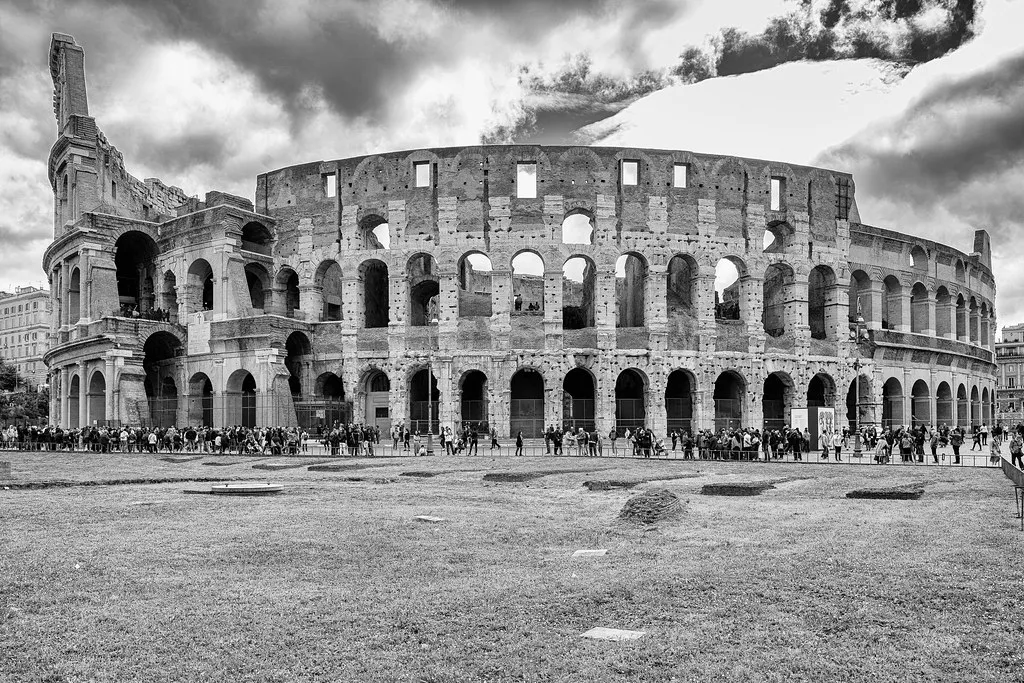
The Borghese Gallery has its own strict capacity system. Maximum two hours per visit, strictly enforced. Book directly through the official Borghese Gallery booking site — third-party sellers charge significant markups. Morning slots (09:00 and 11:00) are quieter than afternoon. The gallery closes on Mondays. Tickets run €15 plus a €2 booking fee. This is one of the world's best collections of Bernini sculpture and Caravaggio paintings in a single building — do not skip it to save time.
For the Colosseum, book exactly thirty days before your visit when the next wave of tickets releases. The full-experience ticket (€24) adds underground hypogeum access, which is the part of the site most connected to the actual mechanics of gladiatorial combat. The standard ticket (€18) covers the tiered interior and the Forum. Both sell out in peak season by mid-morning of the release day. Set a reminder and book at midnight Rome time when slots go live.
Logistics: Getting Around the Eternal City
The metro covers only two lines but handles the two most important journeys: Line B connects Termini to the Colosseum (Colosseo stop), and Line A connects Termini to the Vatican area (Ottaviano stop). Between these two stops and the walkable historic center, you can manage most of this itinerary without a bus at all. A single ticket costs €1.50 and lasts 90 minutes, covering unlimited transfers within the validity window.
For the Jewish Ghetto and Trastevere from the Colosseum area, Tram 8 runs directly along the Largo di Torre Argentina and into Trastevere. It is faster than the bus and easier to navigate for first-time visitors. The Big Bus Tours Rome hop-on hop-off route is worth considering on your first morning to orient yourself spatially — it covers the major sights in a loop and lets you understand the city's geography before committing to a walking plan.
Walking remains the fastest option inside the historic center. Streets between the Pantheon, Piazza Navona, and Campo de' Fiori are largely pedestrianized or so narrow that taxis cannot move faster than a brisk walk. The major frustration for first-time visitors is that Rome's cobblestones are not flat — they are rounded and uneven, and even short distances fatigue your feet disproportionately. Budget extra time and wear shoes with real soles. Sandals will destroy your feet within two hours.
For late-night returns from Trastevere or the Ghetto, taxis are the practical choice. Official Rome taxis are white and metered — flag one on the street or use the itTaxi app to book ahead. The starting fare is €3.50 in the daytime and €6.50 at night. A ride from Trastevere to Monti typically runs €8–12 depending on traffic. Avoid unmarked drivers approaching you at tourist sites offering fixed fares.
3-Day Hidden Rome Itinerary At a Glance
Use this summary to confirm your booking priorities before you leave home. The Scavi tour and Borghese Gallery need to be secured months in advance; everything else can wait until thirty days out. The day-by-day structure below is designed to minimize backtracking and maximize the ratio of quality time to transit time.
| Attraction | Ticket Price | Book-Ahead Lead Time | Best Arrival Time |
|---|---|---|---|
| Colosseum (standard) | €18 | 30 days | 09:00 |
| Colosseum full-experience | €24 | 30 days | 09:00 |
| St. Peter's Basilica | Free (dome: €8–10) | No booking | 08:30 |
| Scavi Tour (Vatican) | €15 | 3–4 months (email) | Assigned by office |
| Borghese Gallery | €15 + €2 fee | Weeks in advance | 09:00 or 11:00 |
| Capuchin Crypt | €9 | No booking | 10:00 |
- Day 1: Colosseum and Roman Forum (09:00) → lunch in Monti → afternoon in Monti boutiques → evening aperitivo in Piazza della Madonna dei Monti. Metro Line B to Colosseo.
- Day 2: St. Peter's Basilica (08:30) → Scavi tour (if booked) → lunch in Prati → Castel Sant'Angelo or Vatican Museums → evening in Trastevere → Gianicolo sunset. Metro Line A to Ottaviano.
- Day 3: Jewish Ghetto (10:00) → lunch at La Taverna del Ghetto → Orange Garden at sunset → Knights of Malta keyhole → dinner in Testaccio or Rome at Night: The Ultimate Guide to the Eternal City in Trastevere. Tram 8 from Largo Argentina.
Optional add-on: Borghese Gallery on Day 3 morning (book in advance), followed by the Capuchin Crypt on Via Veneto in the afternoon before heading to the Orange Garden. This sequence pairs perfectly because both sites are within a fifteen-minute walk of each other near Villa Borghese gardens. It adds roughly three hours to Day 3 but turns it into one of the more memorable days you can build in Rome.
For broader Rome exploration beyond these three days, the 18 Hidden Gems in Rome: The Ultimate Guide guide covers lesser-known sites across the city in detail. Cross-reference it against this itinerary to find additional stops that fit your specific interests and energy level.
Frequently Asked Questions
How do I book the Scavi Tour at the Vatican?
Booking the Scavi Tour requires sending an email to the Vatican Excavations Office months in advance. You must provide your name, group size, and preferred dates to secure a spot. This exclusive tour costs approximately fifteen euros and offers a rare look at ancient Roman history.
What is the best neighborhood in Rome to avoid tourists?
Prati and Testaccio are excellent neighborhoods for avoiding the heaviest tourist crowds. These areas offer a more authentic local atmosphere and superior dining options compared to the city center. You will find quieter streets and a slower pace of life in these Roman districts.
Is 3 days enough to see the hidden parts of Rome?
Three days is enough time to see both major icons and several secret locations. By grouping your activities by neighborhood, you can minimize travel time and maximize your exploration. This duration allows for a balanced and very rewarding introduction to the city's many layers.
Rome is a city that rewards those who take the time to look deeper. This 3-day plan ensures you see the legends while discovering the hidden soul. I hope this itinerary helps you create unforgettable memories in the Eternal City. Safe travels as you explore the winding streets and ancient secrets of Rome.
Continue exploring
More guides you'll find useful