Hidden London Tours: The Ultimate Guide to Secret Sites
Discover the best hidden London tours, from disused Tube stations like Aldwych to secret bunkers. Learn how to book tickets and what to expect underground.
On this page
Hidden London Tours: The Ultimate Guide to Secret Underground Sites
Exploring the secret side of the capital often leads travelers away from the typical landmarks. Many visitors seek out hidden gems in London to escape the usual crowds. The London Transport Museum offers exclusive access to abandoned Tube stations and forgotten tunnels. These hidden London tours provide a rare glimpse into the history beneath the city streets.
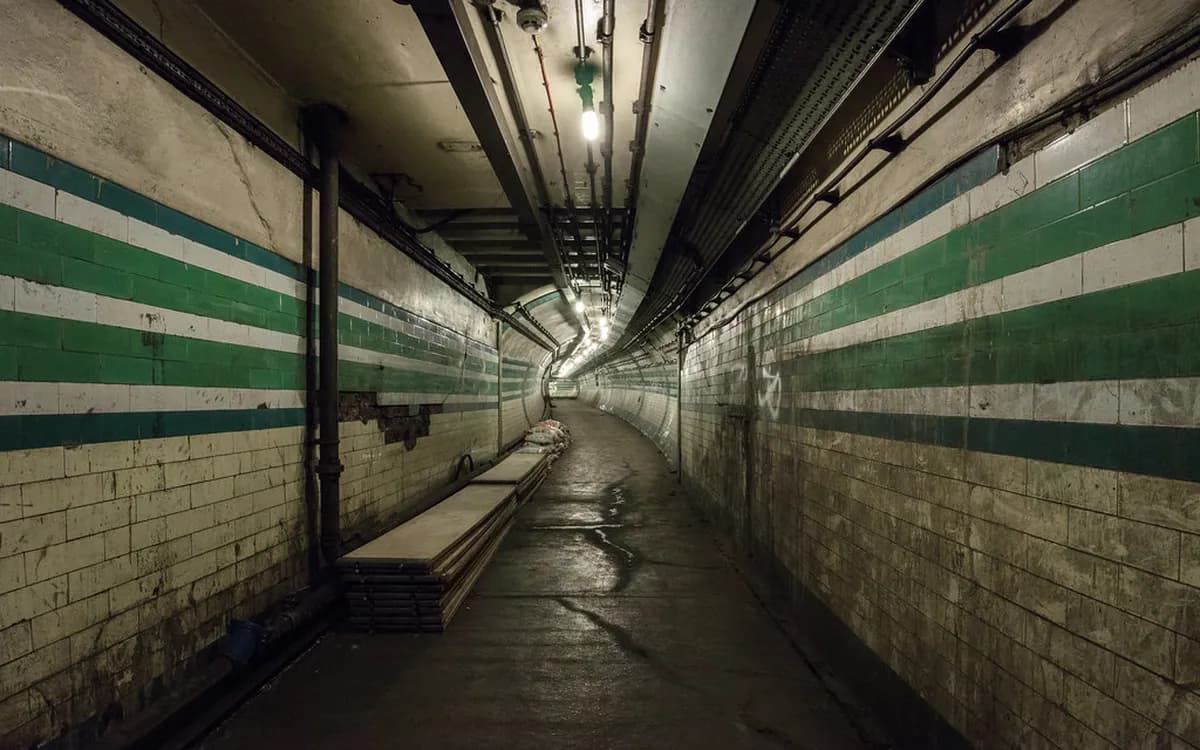
Walking through disused stations allows you to step back in time to different eras. You can see original Edwardian tiles and posters from the Second World War. These experiences are quite different from the daily commute on the modern Underground. This guide covers everything you need to know about booking and enjoying these secret adventures in 2026.
What Are Hidden London Tours?
Hidden London is a programme run by the London Transport Museum, based in Covent Garden. It opens restricted parts of the Underground network — disused stations, sealed tunnels, decommissioned lift shafts — to small guided groups. Expert guides draw on the museum's extensive archives to tell the stories of these forgotten spaces. The programme won "Best Hidden Gem in the World" at the Tiqets Remarkable Venue Awards in 2022.
Most of these sites served vital roles during the Blitz as deep-level air-raid shelters. Others were simply closed when passenger numbers dropped or new lines were built. Each tour focuses on a single station or site, lasting roughly 60 to 90 minutes, and group sizes are kept deliberately small to protect both the fabric of the buildings and the quality of the experience.
It is worth separating "Hidden London" (the LTM brand) from the broader category of "secret London" walking tours offered by independent operators. LTM tours go below ground into genuinely restricted infrastructure. Third-party tours, by contrast, explore surface-level alleyways, medieval courtyards, and historic streets. Both are valid, but they are not the same product. If you are drawn to off the beaten path London experiences on street level, a private walking tour is more flexible and easier to book. If you want to descend into sealed tunnels, the LTM programme is the only credible option.
Subscribing to the London Transport Museum newsletter gives you a 24-hour priority booking window before Hidden London tour tickets open to the general public — the difference between securing a spot and waiting months for the next release cycle.
Top Hidden London Underground Stations to Explore
The LTM rotates its tour schedule across several disused stations throughout the year. Each site has a different historical focus, a different physical intensity, and a different atmosphere. Understanding the differences helps you choose the right one for your interests and fitness level.
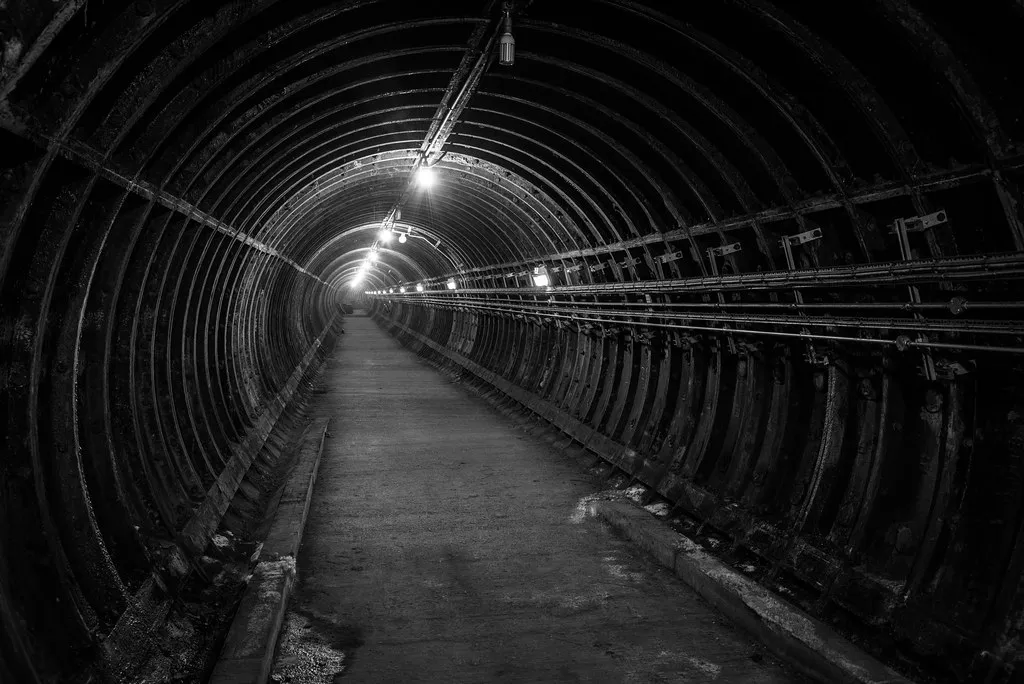
Aldwych is the most recognisable starting point for first-timers. Closed in 1994, it served as a Blitz shelter and later became one of the most-used filming locations in the British film industry. You can see the original ticket hall, wartime posters still in place on the platforms, and corridors that have barely changed since the 1940s. The physical demand is moderate — expect a significant number of stairs but nothing extreme.
Down Street in Mayfair closed to passengers in 1932 and was converted into a heavily fortified bunker used by Winston Churchill and the Railway Executive Committee during the Second World War. The tunnels here are notably narrower and darker than Aldwych. The claustrophobic atmosphere is part of the appeal, but anyone sensitive to tight spaces should factor that in before booking. This is the most demanding tour in terms of both physical effort and atmosphere.
Clapham South takes a different angle, focusing on social history. Its deep-level shelter housed the Windrush generation when the SS Empire Windrush docked in 1948 — thousands of Caribbean migrants were temporarily accommodated here while awaiting permanent housing. That layer of twentieth-century social history makes this tour stand out from the purely architectural offerings. Charing Cross is a further option, focusing on a station within a station, with lift landings and passageways closed for decades. Euston rounds out the main schedule with vast ventilation shafts and disused passenger corridors dating from the original Victorian build.
| Site | Historical Focus | Physical Demand | Standout Feature |
|---|---|---|---|
| Aldwych | WWII Blitz shelter; film location | Moderate (significant stairs) | Wartime posters still in place on platforms |
| Down Street | Churchill's WWII bunker | High (narrow, dark tunnels) | Most claustrophobic; best for atmosphere |
| Clapham South | Windrush generation social history | Moderate | Unique 20th-century social history layer |
| Piccadilly Circus | Edwardian design; WWII art storage | Moderate (100+ steps) | Original 1906 tiling and pre-closure signage |
| Charing Cross | Station within a station | Moderate | Sealed lift landings closed for decades |
How to Book Hidden London Tickets and Availability
Tickets are released in seasonal blocks, typically aligned with spring and autumn programming cycles, on the Hidden London Official Tickets page. New dates for the most popular stations — Aldwych and Down Street especially — are gone within hours of release. Checking the website once a week during the run-up to a new season is the minimum viable strategy.
The most reliable approach is subscribing to the London Transport Museum newsletter. Newsletter subscribers receive advance notice of new tour dates and a 24-hour priority booking window before tickets open to the general public. That head start is the difference between securing a spot and waiting another three months for the next release cycle. LTM Friends members get an even earlier window on top of that.
Prices in 2026 range from around £40 for shorter or less-physical tours up to approximately £90 for the longer or more specialist experiences. Virtual tours are also available via Zoom for those who cannot travel in person — a genuine option if you want to preview the content before committing to a trip or if accessibility is a concern. Always check current pricing on the official website, as rates are adjusted seasonally.
Piccadilly Circus: The Heart of London Tour Experience
The Piccadilly Circus tour is the programme's flagship offering and the most frequently scheduled. It focuses on the original 1906 station designed by Leslie Green, whose distinctive ox-blood glazed terracotta tiles still define the look of many Central London stations today. When the station was rebuilt and expanded in the 1920s to handle increased passenger numbers, the original tunnels were sealed and forgotten rather than demolished.
The tour descends more than a hundred steps through a locked door into those sealed passageways. Walls retain original teal, green, and cream tiling. Painted signs from before the 1929 closure are still legible. During the Second World War the corridors were used as an air-raid shelter and for the secret storage of artworks from national collections — masterpieces were quietly moved underground while Londoners slept in the same tunnels a few metres away.
Guides stop at key points to explain how the original plans included fashionable shops, how the escalators replaced lifts at enormous engineering cost, and how the travertine marble imported from Tivoli in Italy remains in place while the mural commissioned to sit above the escalators has disappeared entirely. This tour is a good starting point for unusual things to do in London if you want a single experience that covers Victorian engineering, Edwardian design, and wartime history in one go.
LTM Surface Tours and Private Walking Tour Alternatives
The London Transport Museum also runs overground walking tours, departing from the museum piazza in Covent Garden on selected days. One recurring route retraces the roads that shaped London's early transport system and draws on exclusive archive findings about the area around "Convent Garden" — the original spelling before a transcription error fixed the current name. This is a gentler option that requires no descending into tunnels, suits all fitness levels, and is typically easier to book than the underground experiences.
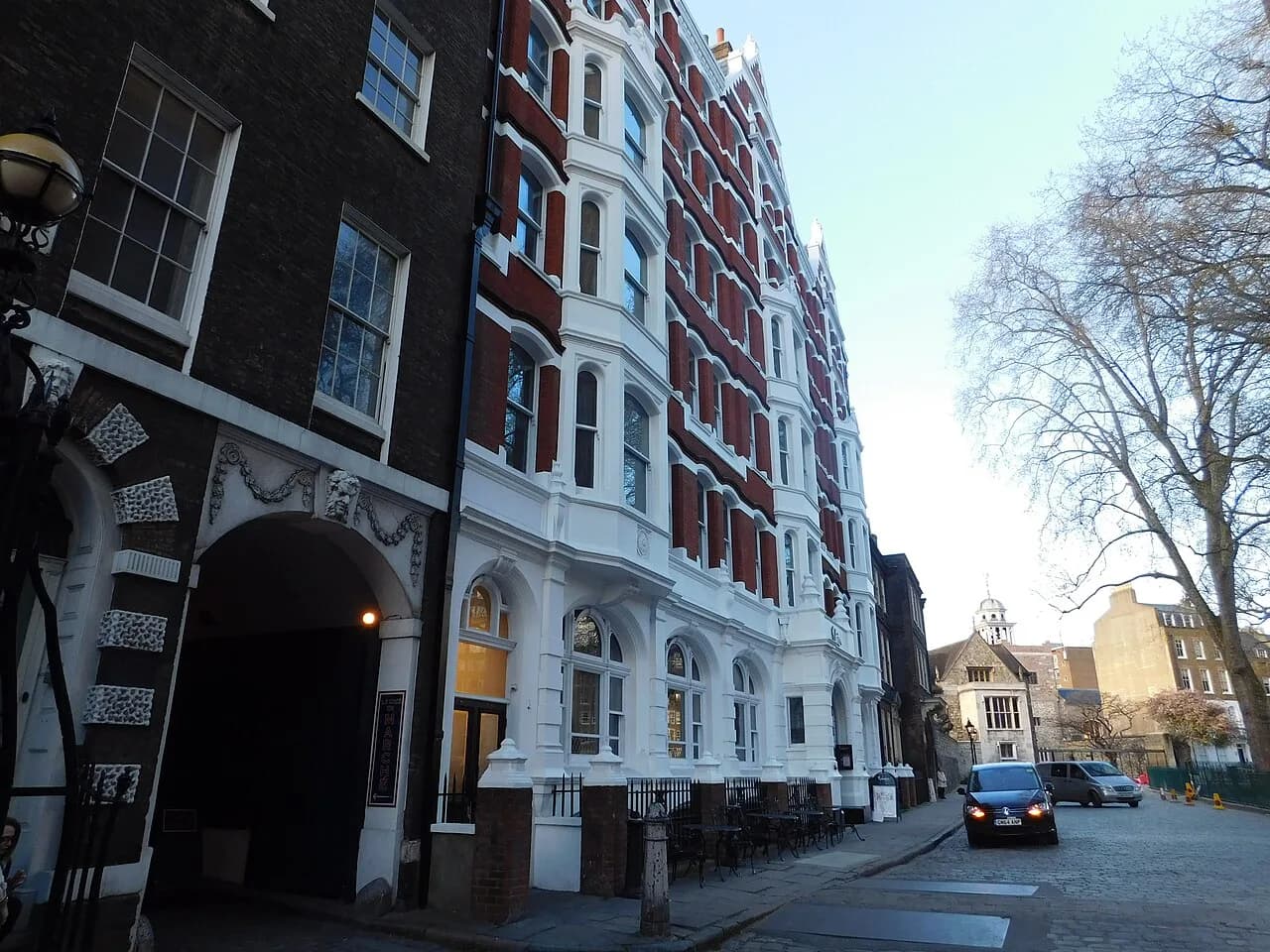
Independent operators offer a parallel market of private secret London walks that cover medieval alleyways, hidden courtyards around Fleet Street and the Strand, and the surviving enclaves of Middle and Inner Temple. These tours operate on open booking, run daily in most seasons, and need no advance planning weeks ahead. They are a practical fallback if LTM tickets have sold out, and they suit anyone who finds confined underground spaces uncomfortable.
Ghost tours and street art walks round out the surface alternatives. An evening london ghost tour covers the historical mysteries and darker folklore of the city and is easy to book on short notice. For the East End specifically, exploring east london hidden gems through a street art walk offers a completely different angle — contemporary rather than historical, above ground rather than below, and accessible without any prior booking window planning.
Essential Tour Details: Accessibility, Age Limits, and Preparation
Every Hidden London underground tour has a mandatory footwear policy: sturdy closed-toe shoes with a flat sole and a firm grip are required. High heels, sandals, flip-flops, and open-toed shoes of any kind are refused entry without exception. The tunnels are dusty, damp, and have uneven floors — wear clothing you are comfortable getting dirty, and bring a layer because underground temperatures are lower than street level year-round.
Open-toed shoes and sandals are refused entry without exception on all Hidden London underground tours. If you arrive wearing them you will be turned away — wear sturdy closed-toe shoes with a flat sole and bring a warm layer, as underground temperatures are lower year-round.

Most underground tours set a minimum age of 14. This reflects both the physical demands (significant stair climbing, no working lifts at most sites) and the safety protocols required in restricted infrastructure. Photography with handheld phones and cameras is generally permitted during the tour; tripods and professional lighting rigs are not allowed. Follow the guide's instructions about when and where shooting is permitted — some tunnel sections require both hands free on railings.
Accessibility varies significantly by site. Most disused stations have no working lifts and involve descending long spiral staircases. If you have mobility impairments, check the specific site details before booking — the LTM website describes the physical demands for each tour individually. Notably, Hidden London schedules dedicated BSL (British Sign Language) tours for deaf visitors: a BSL-interpreted Piccadilly Circus tour is planned for Thursday 24 September 2026, and similar dates appear across the schedule. This is rarely advertised loudly, but the booking page lists BSL dates alongside standard sessions — worth filtering for if you need it. The virtual Zoom tours are also a fully accessible alternative for anyone who cannot manage the physical demands of the underground sites.
Choosing Between LTM Tours and Independent Operators
The core decision is simple: if you want to go underground into genuinely restricted Tube infrastructure, only the London Transport Museum can grant that access. No private operator has permission to run tours inside disused stations. The LTM programme is the only route, which is why tickets are competitive and advance planning is non-negotiable.
If flexibility matters more than exclusivity, independent walking tours win. They run year-round, book up within days rather than months, and cost significantly less — most surface hidden London walks price between £15 and £30 per person. They also work well as a warm-up before visiting an LTM underground site, giving you the street-level context that makes the underground history easier to follow.
A practical two-day sequence works well for visitors in London for a short trip: take an independent surface walk on arrival to orient yourself in the historical geography of the city, then do the LTM underground tour the following day with the context already loaded. This pairing gives you a more complete picture of the city's layered history than either experience delivers alone.
Frequently Asked Questions
What is the best hidden London tour for first-timers?
The Aldwych disused station tour is widely considered the best choice for first-time visitors. It offers a perfect balance of Edwardian architecture and wartime history. You will see iconic filming locations and learn about the station's role as a Blitz shelter. This tour provides a great introduction to the subterranean world.
How do I get tickets for the Aldwych disused station tour?
You can purchase tickets through the official website of the London Transport Museum. These tours are released in seasonal blocks and sell out very quickly. Joining the museum's newsletter is highly recommended to receive alerts about new ticket releases. Early booking is essential for this popular site.
Are there age restrictions for underground tube tours?
Yes, most Hidden London tours have a minimum age requirement of fourteen years old. This rule is in place due to the safety risks and physical demands of the disused tunnels. Younger children are generally not permitted for safety reasons. Always check the specific tour details before booking for a family.
What should I wear for a hidden London underground tour?
You must wear sturdy, closed-toe shoes with a flat sole and good grip. The tunnels are often dusty, damp, and have uneven floors that can be slippery. Avoid wearing white or delicate clothing that you don't want to get dirty. Practical layers are best as the temperature can vary underground.
Is the Piccadilly Circus hidden tour worth it?
The Piccadilly Circus tour is definitely worth it for those interested in Edwardian design and engineering. It offers a rare look at the original features of one of the world's most famous stations. You can find more hidden gems in London by exploring these unique historical sites.
Hidden London tours offer an unparalleled journey into the secret history of the city. From wartime bunkers to abandoned stations, these sites tell the story of London's resilience. While booking requires some effort, the reward is a truly unique and memorable experience. Start planning your underground adventure today to see the side of London most people miss.
Continue exploring
More guides you'll find useful