10 Hidden Gems in London: A Local's Guide (2026)
Discover 10 hidden gems in London that locals love. From secret gardens to historic ruins, plan your off-the-beaten-path trip with our expert guide.
On this page
10 Hidden Gems in London You Need to Visit
After five years of living in South London, I have learned that the city's true magic hides behind its famous landmarks. While everyone flocks to the London Eye, the most memorable moments often happen in quiet ruins or neighborhood markets. I have spent countless weekends scouting these corners to ensure you can escape the overwhelming crowds of Central London.
This guide was last refreshed in May 2026 to include the most current pricing and opening hours for every location. Exploring off-the-beaten-path London allows you to see the capital through the eyes of a resident. Our editorial team has vetted these spots to ensure they remain authentic and relatively quiet for your visit.
Whether you are a first-time visitor or a seasoned traveler, these locations offer a refreshing break from the typical tourist circuit. We focus on places that offer historical depth, unique aesthetics, and a genuine sense of discovery. Prepare to see a side of the city that most people simply walk past without noticing.
Key Takeaways
- Best overall gem: St Dunstan in the East for its incredible atmosphere and central location.
- Best for families: Crystal Palace Park for the dinosaur sculptures and open green space.
- Best rainy-day pick: Sir John Soane's Museum for its dense and fascinating indoor collection.
- Best free view: The Garden at 120 for 360-degree skyline sights without a booking.
What Defines a True London Hidden Gem?
A genuine hidden gem must offer more than just a lack of crowds to be worth your limited vacation time. We look for places with deep historical roots, local community importance, or a unique atmosphere that cannot be replicated. Authenticity is the primary metric we use when deciding which locations earn a spot on this exclusive list.

Many travelers mistake secondary attractions for hidden gems, but there is a distinct difference between the two. A secondary attraction is often just a smaller version of a major landmark, whereas a gem provides a totally different perspective. For example, skipping the Shard for The Garden at 120 offers a similar view without the steep entry fee.
True gems often require a bit more effort to reach, sitting just outside the main transport hubs of Zone 1. This distance acts as a natural filter that keeps the atmosphere calm and the experience more personal for visitors. We prioritize spots where you can still hear the birds chirping or have a conversation without shouting over a tour group.
Skip the Landmark, Try This Instead
Some of London's most famous attractions are worth skipping entirely — not because they are bad, but because quieter alternatives exist that deliver more for less money and far less stress. Knowing the swap before you leave gives you back hours you would otherwise spend in ticket queues.
- Instead of the Sky Garden — visit The Garden at 120 on Fenchurch Street. Free entry, no advance booking, open until 9pm in summer, and the Gherkin view is arguably better. The Sky Garden requires booking weeks ahead and charges up to £15.
- Instead of the Shard viewing platform — visit the rooftop at Tate Modern's Blavatnik Building (free, Level 10). The view south over the Thames and the City is spectacular and costs nothing beyond museum entry, which itself is free.
- Instead of crowded Borough Market on Saturday — visit Maltby Street Market on a Saturday morning before 1pm. It is a ten-minute walk from London Bridge, focused on quality food producers, and never reaches the shoulder-to-shoulder density of Borough.
- Instead of the Tower of London — walk around St Dunstan in the East, which is five minutes away on foot. You get medieval architecture, free entry, and genuine atmosphere without queuing for an hour to pay £33.
- Instead of Hampton Court maze — try the Kyoto Garden in Holland Park, which is free, open every day, and offers peacocks, tiered waterfalls, and Japanese maples in a setting that most visitors to Kensington never find.
The pattern is consistent across the city. For almost every famous paid landmark, a free or cheap alternative exists nearby that offers a comparable or more intimate experience. The trick is knowing where to look before you arrive.
10 Must-See Hidden Gems in London
This selection represents the best of London's secret spots, ranging from medieval ruins to eccentric private museums. Each location has been chosen for its ability to surprise even those who think they know the city well. Most of these sites are either free or significantly cheaper than the major paid attractions in the West End.
We have included practical logistics for every entry to help you navigate the city's complex transport network with ease. Pay close attention to the timing tips, as some of these spots have very specific opening windows or peak hours. These unusual things to do in London will surely become the highlight of your entire trip.
- St Dunstan in the East Church Garden — This bombed-out medieval church ruin sits quietly between London Bridge and the Tower of London. Entry is free and the gates open daily from 8am until dusk. Arrive before 10am to avoid the lunchtime office crowd. Access note: flat stone paths, fully step-free.
- Kyoto Garden in Holland Park — A traditional Japanese garden with tiered waterfalls and roaming peacocks in the heart of Kensington. Free entry, opens at 7:30am. Allow one hour from High Street Kensington station. Access note: gravel paths in places, some uneven ground near the waterfall.
- Little Venice Waterfront Walk — A picturesque canal junction with colorful houseboats near Paddington. The towpath walk is free; narrowboat tours cost £12–£18 per person. Start at Warwick Avenue station and walk toward Camden. Access note: towpath is mostly flat and paved.
- Sir John Soane's Museum — The former home of the Bank of England's architect, packed with antiquities and paintings. Free entry with timed booking required; open Wednesday to Sunday from 10am. Access note: narrow doorways and steep stairs throughout — not suitable for large strollers or wheelchairs beyond the ground floor.
- The Painted Hall in Greenwich — Britain's answer to the Sistine Chapel, located at the Old Royal Naval College. Tickets are approximately £16.50 for adults; open daily 10am–5pm. Take the Uber Boat to Greenwich Pier for a scenic approach. Access note: step-free access available via the Discover Greenwich visitor centre entrance.
- Postman's Park Memorial — A small park near St. Paul's with a touching memorial to everyday heroes, free and open 8am–7pm. Takes twenty minutes to read the hand-painted tiles. Look for the Alice Ayres plaque that inspired a scene in the film Closer. Access note: fully flat, step-free.
- Leadenhall Market Architecture — A Victorian covered market that served as the Diagon Alley filming location. Walking through is free; best visited on Saturday morning to photograph without the weekday banker crowd. Accessible from Bank or Monument stations. Access note: level cobblestone floor, step-free throughout.
- Eel Pie Island Artist Colony — A private island in the Thames with a rock-and-roll history. Only opens during studio weekends in June and December; check dates before traveling from Twickenham (20 minutes from Waterloo). Access note: footbridge has slight incline; interiors of individual studios vary.
- The Garden at 120 — A free public rooftop garden at 120 Fenchurch Street with views of the Gherkin, Walkie Talkie, and Shard. No booking required; open 10am–9pm in summer. Access note: lift access to the roof; fully wheelchair accessible.
- Wilton's Music Hall — The world's oldest surviving grand music hall, tucked in an alley near Tower Hill. Bar entry is free; show tickets cost £15–£35. Book guided tours on Mondays to see the auditorium uncluttered. Access note: stairs to main auditorium level; call ahead for accessibility options.
| Hidden Gem | Cost | Best Time to Visit | Zone |
|---|---|---|---|
| St Dunstan in the East Garden | Free | Before 10:00 (before office crowd) | 1 |
| Kyoto Garden, Holland Park | Free | Opens 07:30, weekday mornings | 2 |
| Sir John Soane's Museum | Free (timed booking) | Wed–Sun 10:00; monthly candlelit evenings | 1 |
| The Painted Hall, Greenwich | ~£16.50 adults | Daily 10:00–17:00; arrive by Uber Boat | 2 |
| The Garden at 120 | Free | Open 10:00–21:00 summer, no booking | 1 |
| Hill Garden and Pergola | Free | 8am–dusk; golden hour in late spring | 3 |
| Wilton's Music Hall | Free–£35 | Monday guided tours (auditorium clear) | 1 |
Museums and Art: The Intimate Side of London Culture
London's major museums are world-class, but they can be exhausting due to their sheer scale and massive crowds. Smaller galleries like the Dulwich Picture Gallery or the Wallace Collection near Oxford Street offer a much more personal connection to art. These spaces allow you to linger in front of a painting without being pushed by a passing tour group.
The Horniman Museum in Forest Hill is one of the city's best-kept secrets — a free anthropology and natural history collection with a famous overstuffed walrus and a remarkable collection of world musical instruments. Take the Overground to Forest Hill station and allow two hours. The surrounding gardens are free and offer a surprisingly good view north toward the City.
Sir John Soane's Museum runs monthly candlelit evenings where the entire collection is lit by candles, giving the narrow rooms a genuinely atmospheric quality that daylight visits cannot match. Tickets for these evenings go quickly; book the moment they release on the museum website. The London independent bookshops in nearby Bloomsbury often stock niche catalogs related to these specific collections. If you have mobility concerns, call ahead — many of these older buildings lack modern lifts, and staff can advise on the best entry point.
Parks and Gardens: Finding Nature Without Leaving the City
While Hyde Park is iconic, the city's smaller gardens often provide a more tranquil and immersive nature experience. The Chelsea Physic Garden, founded in 1673, is the oldest botanical garden in London and feels like a secret sanctuary tucked behind a brick wall on the Chelsea Embankment. You can find rare medicinal plants and unusual trees in a space that rarely draws more than a few dozen visitors at any time.
Regent's Canal offers a wonderful walking route connecting several of these green gems in a single afternoon. Following the towpath from Angel to Victoria Park reveals a side of the city dominated by wildlife, allotments, and houseboats. Many locals use these paths for their morning runs, so try visiting during midday for a slower pace and better light for photography.
Hampstead Heath remains a favorite for its wild, unmanicured landscapes and the famous swimming ponds. The view from Parliament Hill is one of the city's few protected vistas, preserving a clear sightline to St. Paul's Cathedral. Pack a sturdy pair of walking shoes — the hill paths are uneven and can be muddy in wet weather, which is most of the year.
The Hidden Roof of Hampstead: Hill Garden and Pergola
Most visitors who make it to Hampstead Heath stop at Parliament Hill for the city view or queue for the ponds. Almost none walk the extra ten minutes north-west to the Hill Garden and Pergola — a raised Victorian walkway that stretches roughly 180 metres above the Heath's edge. The structure was built in the early 1900s for Lord Leverhulme as a private entertaining space, and it has the feel of a ruined folly transplanted from a Mediterranean estate.
In spring, wisteria and roses cascade over the stone columns. In autumn, the whole walkway turns amber and gold, and on a clear afternoon the southern sightline toward the Shard and Canary Wharf is as good as any purpose-built viewpoint in Zone 2. There are no ticket barriers, no queues, and no food stalls. Most days you will share the space with a handful of dog walkers and the occasional art student sketching the columns.
Getting there is straightforward: take the Northern line to Golders Green station, then either walk fifteen minutes south through the Heath or take the 268 bus two stops to North End. Enter the Heath at the Golders Hill Park gate. The pergola entrance is unmarked on most tourist maps — look for the wooden gate beside the formal water garden. It opens from 8am until dusk every day, and entry is free. Go in the golden hour before sunset in late spring for the best photographs.
The Hill Garden and Pergola at Hampstead Heath is free, open from 8am until dusk, and almost never crowded. The entrance is unmarked on tourist maps — look for the wooden gate beside the formal water garden near the Golders Hill Park entrance.
Family-Friendly and Budget-Friendly Hidden Spots
Traveling with a family in London can become expensive, but many unusual free things to do in London exist for kids. The Mudlarks gallery at the Museum of London Docklands is a fantastic interactive space for younger children, often far less crowded than the central museum branches. It sits at the West India Quay DLR station, making it easy to combine with a riverside walk along Canary Wharf.
Crystal Palace Park features Victorian dinosaur sculptures that are both educational and slightly surreal. These were the world's first full-scale dinosaur models, commissioned in 1852, and they are still scientifically fascinating even though some are now known to be inaccurate. The park is free to enter and includes a maze and a boating lake. It is in Zone 4 but the Overground from Victoria to Crystal Palace runs every fifteen minutes.
Coram's Fields in Bloomsbury is a unique park where adults are only permitted if accompanied by a child. This rule creates a safe, dedicated play environment in one of the city's busiest districts. The park includes a small farm with goats and sheep, which provides a surprisingly rural interlude just around the corner from the British Museum.
Where Locals Eat: Authentic London Food and Drink
Finding authentic food in a tourist hub requires moving away from the bright lights of Leicester Square. The London food markets like Maltby Street offer a more curated experience than the massive Borough Market. Local vendors focus on quality over volume, serving everything from smoked meats to natural wines in a converted railway arch setting on Saturdays from 9am to 4pm.

E. Pellicci on Bethnal Green Road is where seasoned visitors go for a proper Full English breakfast. This family-run cafe has been here since 1900, and the Art Deco interior is listed by Historic England. Order the full breakfast — eggs cooked to order, proper back bacon, beef sausages, beans, toast, strong builders tea. It costs around £12 and takes roughly twenty minutes. One critical detail: cash only, so bring notes. According to Historic England, the interior is Grade II listed for its cultural and architectural significance.
E. Pellicci on Bethnal Green Road is cash only — no cards accepted. The Art Deco interior is Grade II listed and the cafe has operated since 1900, but you will be turned away if you arrive without notes.
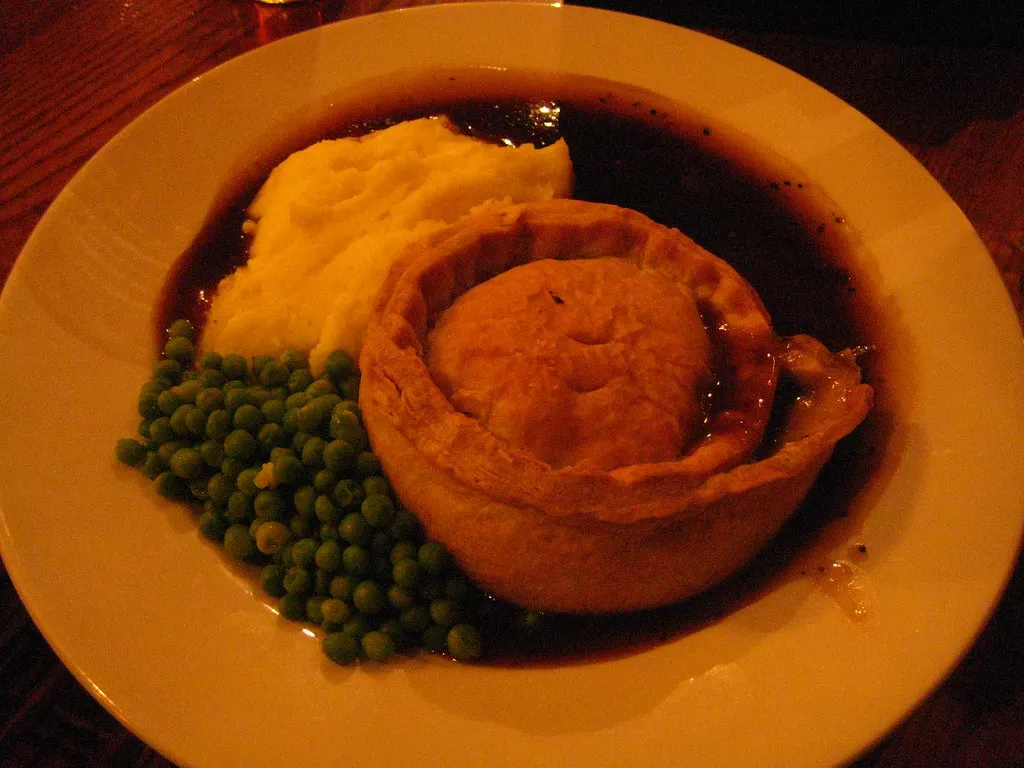
For traditional pub culture, The Spaniards Inn in Hampstead dates to 1585 and has served John Keats, Charles Dickens, and Bram Stoker. Order a London Pride or a guest ale and ask for the snug at the back. The historic toll gate building beside the pub narrows the road to a single car width — one of the few places in London where you can feel the pre-Georgian street layout. For a true East End experience, try G. Kelly pie and mash on Roman Road in Bow, where a plate of meat pie, mash, and parsley liquor costs around £5 and has done so for decades.
Neighborhoods That Reveal London's Immigrant Heart
London's diversity is best experienced in neighborhoods like Brixton, where Caribbean culture has thrived for decades. The Brixton Village market is a vibrant hub of independent shops, record stores, and international eateries. Visiting on a Saturday afternoon lets you experience the energetic street music and bustling community that no guided tour can replicate.
In East London hidden gems, Bethnal Green showcases the long history of both the Bengali and Bangladeshi communities. Brick Lane is famous for curry houses, but the side streets reveal historic synagogues, Turkish ocakbasi grill restaurants, and bagel shops that have run continuously since the early 20th century. Try a salt beef bagel from Beigel Bake on Brick Lane — it opens 24 hours and has been there since 1974.
Tooting in South London has arguably the best concentration of South Asian food in the entire city, concentrated along Tooting High Street and Upper Tooting Road. A dosa at one of the Sri Lankan restaurants here costs under £8 and will put most West End Indian restaurants to shame. Southall in West London offers a complementary experience — the main street is a sensory explosion of colorful fabrics, aromatic spice shops, and gold jewelry vendors, easily accessible via the Elizabeth line in under thirty minutes from Paddington. Both neighborhoods reward slow, aimless walking far more than any planned itinerary.
How to Plan Your Off-the-Beaten-Path Itinerary
Planning a day around hidden gems requires more logistical foresight than a standard sightseeing tour. Group your visits by neighborhood to save hours of travel time on the Tube or bus. A practical approach is to pick one anchor attraction and then find two or three smaller spots within walking distance — St Dunstan in the East pairs naturally with Leadenhall Market and Postman's Park, for instance, as all three sit within a fifteen-minute walk in the eastern City.
Check opening hours before you leave because smaller museums keep irregular schedules. Sir John Soane's Museum is closed on Mondays and Tuesdays, and Eel Pie Island is only open to the public during specific studio weekends in June and December. Many tourists have arrived at these spots only to find a locked gate because they assumed standard museum hours apply everywhere.
Use a contactless payment card or an Oyster card for all public transport — single cash fares cost nearly double the capped daily Oyster rate. The Citymapper app finds the fastest walking and transit routes, often including towpath and park shortcuts the Tube map does not show. Carry a small portable charger, as navigating these lesser-known areas keeps your screen on constantly. For a guided experience across several of these spots, a hidden London tour with a local guide can link the dots in a way that self-guided walking struggles to match.
Frequently Asked Questions About London's Hidden Gems
Visitors often have concerns about safety and accessibility when venturing away from the main tourist zones. London is generally a very safe city, but it is always wise to stay aware of your surroundings in quieter areas. Most hidden gems are located in safe, well-populated neighborhoods with excellent public transport links.
Booking requirements vary widely between these locations, so checking ahead is essential for a smooth day. While gardens and parks are open-access, smaller museums almost always require a pre-booked time slot. We have addressed the most common logistical questions below to help you prepare for your exploration.
Final Thoughts: Why Exploring the Unknown Matters
Stepping away from the major landmarks allows you to contribute to a more sustainable form of tourism. By visiting smaller sites, you help distribute tourist spending to local businesses and community projects. This support is vital for maintaining the diverse cultural fabric that makes London so unique.
The stories you gather from exploring a city at this level are often more interesting than any standard guidebook fact. Finding a quiet garden or a historic pub creates a personal connection to a place that a bus tour cannot manufacture. We hope this guide inspires you to wander a little further and discover your own favorite secret corner of the city.
London is a city of layers, and the most rewarding experiences are often found just beneath the surface. Whether you are admiring the ruins of St Dunstan or the art at Sir John Soane's, these gems offer true magic. Take the time to explore slowly and let the city surprise you with its hidden history.
Explore More London Guides
Deep-dive companions to this pillar — from rooftop bars and hidden speakeasies to lesser-known neighborhoods and secret photography spots. Pair them with this guide to plan a full off-the-beaten-path London trip.
Food & Drink
Tours & Walks
Neighborhoods & Culture
Themed Guides & Photography
Sub-Pillars (Deep Dives)
London Hidden-Gem Attraction Guides
- London's Hidden-Gem Attractions
- Brunel Museum
- Dennis Severs' House
- Estorick Collection
- God's Own Junkyard
- Leighton House Museum
- Old Operating Theatre Museum
More European Hidden Gems
Explore hidden gems in other cities
- Prague's hidden gems
- Porto's hidden gems
- Berlin's hidden gems
- Madrid's hidden gems
- Budapest's hidden gems
- Lisbon's hidden gems
- Athens's hidden gems
- Amsterdam's hidden gems
- Salzburg's hidden gems
- Helsinki's hidden gems
- Reykjavik's hidden gems
- Tallinn's hidden gems
- Ljubljana's hidden gems
- Split's hidden gems
- Lyon's hidden gems
- Granada's hidden gems
- Nice's hidden gems
- Bruges's hidden gems
- Dubrovnik's hidden gems
- Istanbul's hidden gems
- Stockholm's hidden gems
- Krakow's hidden gems
- Brussels's hidden gems
- Copenhagen's hidden gems
- Munich's hidden gems
Continue exploring
More guides you'll find useful