London Street Art Guide Travel Guide
Plan your london street art guide with top picks, neighborhood context, timing tips, and practical booking advice for a much smoother trip in 2026.
On this page
London Street Art Guide
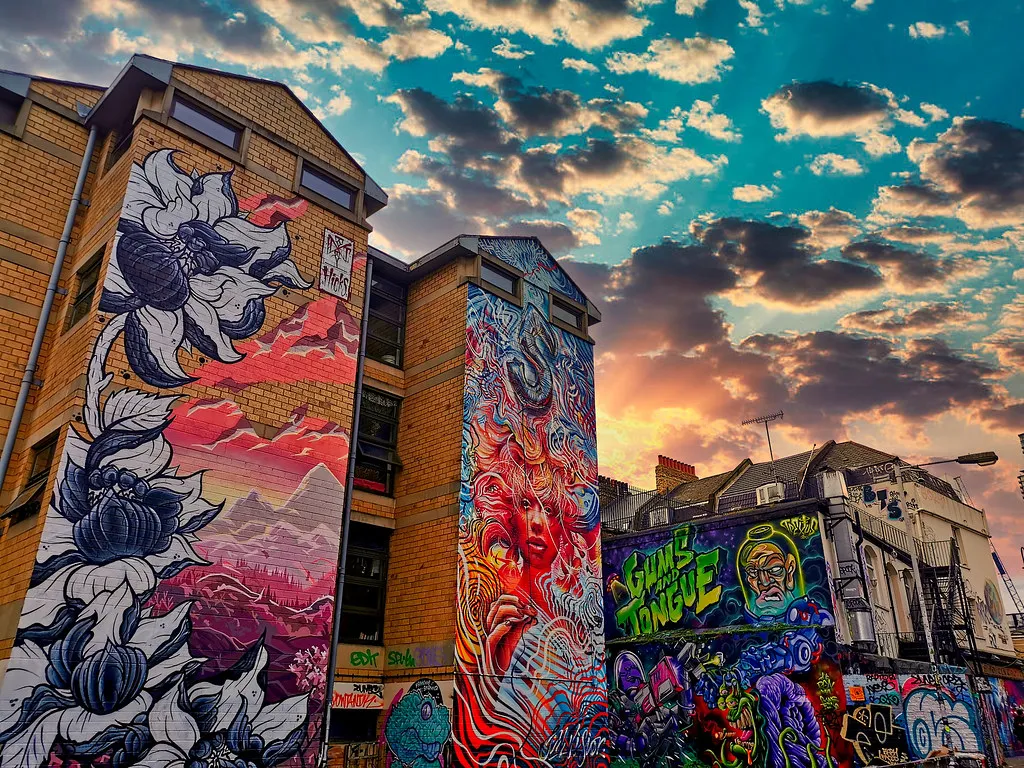
London's East End is one of the most densely painted urban environments in the world. Shoreditch, Spitalfields, and Hackney together form a continuous open-air gallery that stretches across several square miles of former industrial streets. This london street art guide tells you exactly where to look, who made the work, and how to plan a visit that actually rewards the time you put in.
The scene here is genuinely different from anything you find in other European cities. The art turns over fast — six months is roughly the average lifespan of a piece before a new artist repaints the same wall — which means the streets look different every season. That pace is both the appeal and the practical challenge this guide helps you navigate.
Street Art in Shoreditch, East London
Brick Lane is the obvious starting point, and it earns that reputation. The walls along the street and down the side alleys change constantly, with Fanakapan's inflated 3D balloon murals among the most recognisable recurring styles. Seven Stars Yard, accessed off Brick Lane near the old pub site, is a tighter space where artists work over each other's pieces in real time.
Allen Gardens rewards a longer look. The collaborative mural by Fanakapan and Jim Vision, painted during the Graffestival Mural Festival, is one of the more photographed pieces in the area. Grimsby Street has a rotating roster of large-format paste-ups, and Bacon Street displays portraits of Carol and Charlie Burns — locals with decades of history in the neighbourhood — painted by Nether410 from Baltimore.
Ebor Street is worth the five-minute detour for Ben Eine's typography mural, which runs the full length of a building facade. Eine's bold lettering has become shorthand for London street art and you will see it reproduced in galleries at ten times the price. On Old Street, close to the New Inn Yard junction, look for Stik's stick-figure characters — immediately recognisable, deliberately simple, and genuinely hard to find if you do not know which wall to check.
Exploring these streets also uncovers east London hidden gems that do not appear on most tourist maps. Whitby Street in particular holds dense coverage: Jimmy C (James Cochran) uses repeated spheres to build impressionist portraits, and Jim Vision's vivid dream-like faces cover an adjacent wall. Give yourself at least two hours just for the Shoreditch loop before crossing into Spitalfields.
East-facing walls in Shoreditch are front-lit between 08:00 and 11:00 — arrive early for the best photography light and near-empty streets. Overcast days give even, shadow-free coverage of large murals.
Street Art in Spitalfields and Hackney, East London
Spitalfields is a ten-minute walk south of the main Shoreditch cluster and has its own distinct character. Hanbury Street holds one of the most-referenced pieces in East London: ROA's crane, painted in his signature monochromatic style. Shepard Fairey has also worked this street, and his graphic, activist-inflected pieces sit alongside Dan Kitchener's neon Asian-cityscape murals that glow even in flat London daylight.
Commercial Street, just off Spitalfields Market, has a mural of Salvador Dali by Zabou. Fashion Street is where Mr Cenz places his swirling, full-spectrum portraits — they are among the most technically precise large-scale works in the area and worth finding before they are painted over.
Hackney requires a separate half-day. Wellington Row has a Louis Masai orangutan mural from his #ProtectPongo campaign against palm oil use — one of the more explicitly political pieces you will find. Scawfell Street holds a large Axel Void mural, and the canal paths near Hackney Marshes carry warehouse-side works that reflect off the water. These off the beaten path London locations are quieter than Shoreditch but reward the extra travel time on the Overground.
Who Are the London Street Artists?
Banksy remains the most internationally recognised name, though his Shoreditch pieces appear and disappear unpredictably. His work uses stencil technique and dry political humour — the famous quote attributed to him runs: "People say graffiti is ugly, irresponsible and childish… but that's only if it's done properly." You will not find a guided Banksy tour that can guarantee a live piece, because that is not how he operates.
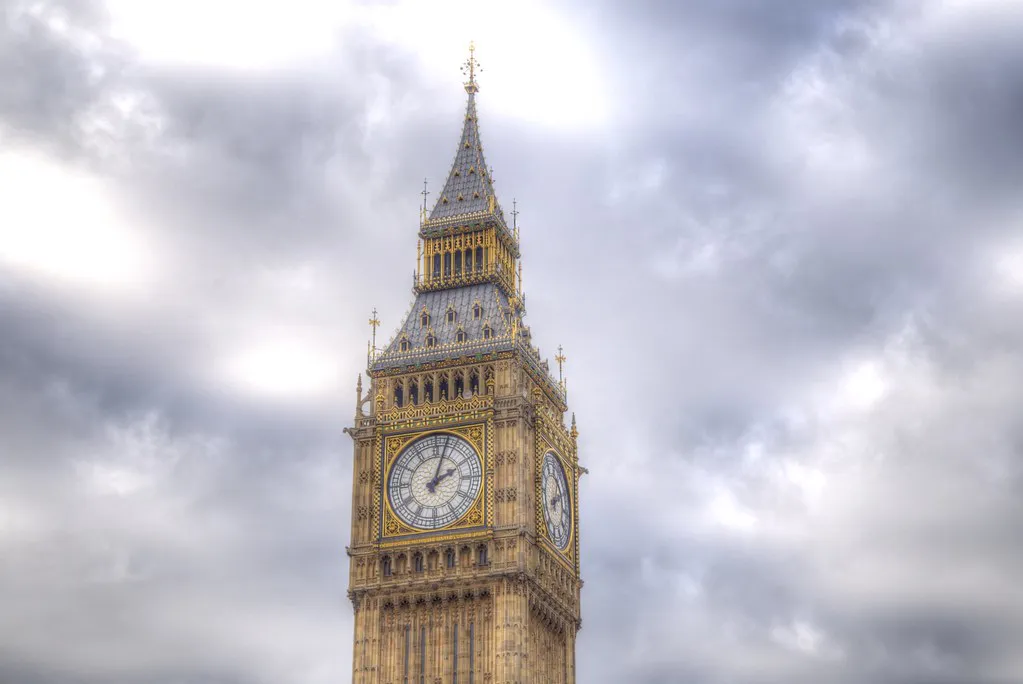
Stik is a London-based artist whose stick figures — minimal, expressive, often depicting vulnerability or solidarity — appear across Old Street and Bethnal Green. His work is commissioned legally, which means it tends to survive longer than average. Thierry Noir, known for painting the Berlin Wall, uses bold flat colour and simple cartoon faces; his pieces appear on Old Nichol Street and carry an unmistakable visual weight.
Ben Eine is responsible for most of the typography murals you see on shopfront shutters across the East End. D*Face works in a pop-art lineage that references Warhol and Lichtenstein but with a darker edge. Fanakapan's 3D foil balloon figures are immediately identifiable and among the most shared on social media. Getting to know these signatures before you walk makes the self-guided experience significantly richer.
Leake Street Tunnel and Legal Graffiti Zones
Leake Street Tunnel near Waterloo Station operates as a sanctioned graffiti space, which means anyone can paint there without permission. The tunnel stretches roughly 300 metres and the art changes weekly, sometimes daily. You can arrive on a Monday and find an entirely different set of pieces compared to Sunday.
The tunnel is open 24 hours and is free to enter. It smells strongly of spray paint most days, which is part of the experience. Visiting in the morning gives you better light from the open ends of the tunnel and fewer people to navigate around for photographs. It is one of the few places where you can watch the painting process unfold in real time.
The Nomadic Community Garden in Shoreditch is another legal space, this one built around recycled sculpture and mural-covered fencing. It functions as a community park during the day and provides context that the street walls do not — information boards, conversations with artists, and a calmer setting for families. Check opening hours before visiting as community spaces in this area keep irregular schedules.
Finding hidden gems in London often means pausing at spaces like these rather than rushing between the headline walls. The Nomadic Garden regularly hosts events and open studios, particularly on weekends, which can turn a photography walk into a longer afternoon.
Why Street Art Changes Fast — and What That Means for Your Visit
Six months is roughly the average lifespan of a street art piece in East London. Walls get repainted, weather degrades paste-ups, and artists return to rework their own pieces. This is the single most important planning factor that no map or screenshot can protect you from. If you research a specific mural from a blog post written twelve months ago, there is a genuine chance it no longer exists.
Street art in Shoreditch has an average lifespan of six months. Never plan a visit around a specific piece found in an old blog post — check the artist's Instagram the week before you travel to confirm it still exists.
| Area | Key Streets | Walk Time | Notable Artists |
|---|---|---|---|
| Shoreditch | Brick Lane, Whitby St, Ebor St | 2+ hours | Ben Eine, Fanakapan, Stik |
| Spitalfields | Hanbury St, Commercial St, Fashion St | 1–1.5 hours | ROA, Shepard Fairey, Mr Cenz |
| Hackney | Wellington Row, Scawfell St | Half-day | Louis Masai, Axel Void |
| Leake Street Tunnel | Near Waterloo Station | 30–60 min | Open to all (legal zone) |
The practical implication: treat any pre-researched wall list as a starting point, not a guarantee. The best approach is to arrive with a rough route based on streets (Brick Lane, Whitby Street, Hanbury Street, Ebor Street) rather than a list of specific pieces. The streets reliably contain art; the individual works do not reliably persist.
Guided tours handle this problem well because guides walk the route in the days before each session and update their content accordingly. The London Walks Street Art Tour, which runs most Sundays from Liverpool Street Tube at 11:00, is explicitly built around this volatility — the guides describe it as a walk that changes every time because the gallery gets "rehung" constantly. If you have a specific piece you want to photograph, check the artist's own Instagram account the week before you travel. Most active street artists post when their work goes up.
The Street Art Tour — Walk Times and Practical Details
The London Walks Street Art Tour (officially "Bombing with Banksy & Co.") runs most Sundays at 11:00. Meet just outside the Bishopsgate West Exit of Liverpool Street Tube, at the top of the escalator near Eataly on Bishopsgate. The walk ends near Shoreditch High Street, a short distance from both Old Street and Liverpool Street stations, so the return leg is easy regardless of which direction you are staying.
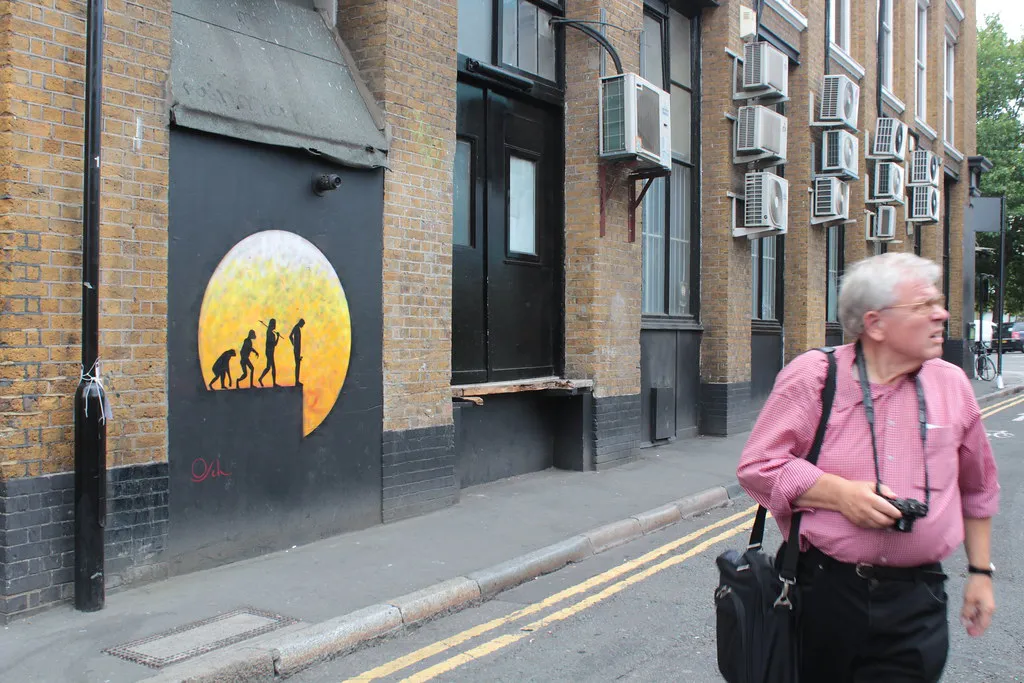
The guides — David, Leo, Laura, Jackie, and Fabrizio — all hold Blue Badge qualifications and specialise in the East London scene. Several of them have personal connections to working artists and occasionally make introductions on the route. The walk typically runs around two hours and covers Shoreditch and Spitalfields, adjusting the specific stops based on what is currently on the walls.
Private bookings are available for groups, families, or anyone who cannot make the Sunday slot. Call 020 7624 3978 or email the office to arrange a tailored date and time. Private walks are straightforward value for groups of four or more when split equally. The format also works well for corporate team outings and birthday events, where the guide can focus on a particular artist or theme.
Reviews for the Street Art Tour
Reviewers consistently highlight the guides' depth of knowledge rather than just the art itself. A recurring theme across tour reviews is the sense of getting two experiences at once — the visual walk and a detailed cultural history of the East End. One visitor noted that the guide "brought it to life" even for a South-East Londoner who had never explored Shoreditch properly.
Fabrizio receives strong mentions for his ability to hold large groups together on busy streets while still keeping individuals engaged. Leo is frequently praised for connecting visitors to working artists mid-walk, which is something no self-guided map can replicate. Guides field detailed questions throughout, so the experience rewards curiosity rather than passive observation.
The consistent takeaway across reviews is that prior knowledge of street art is not required. Visitors who arrived knowing nothing about the scene described leaving with a lasting framework for understanding public art as political and community expression. That is a harder outcome to engineer than a good photograph, and it is what makes the guided format genuinely worth the price over a free self-guided walk.
Self-Guided Walks and Free Options
Budget-conscious visitors can join the free street art and graffiti tour offered by Strawberry Tours. These walks run on a tips-only basis and cover the core Shoreditch and Brick Lane circuit with a knowledgeable local guide. They operate multiple days per week and are a solid option if your schedule does not align with the Sunday London Walks tour.

Self-guided walks are the most flexible option. For background on the form itself, Tate's primer on street art distinguishes it from graffiti and is useful reading before you walk the Shoreditch and Spitalfields circuits. Save offline maps from your preferred mapping app before you leave your accommodation — signal in the deeper Shoreditch alleys can be unreliable.
A practical self-guided route covers: Brick Lane and Seven Stars Yard → Allen Gardens → Grimsby Street → Bacon Street → Redchurch Street → Whitby Street → Ebor Street → Hanbury Street (Spitalfields). That circuit takes three to four hours at a comfortable pace. Add Leake Street Tunnel as a separate half-day if you are spending more than one day in the area. Wear flat shoes — the paving in the alleys off Brick Lane is uneven and wet cobbles are slippery in rain.
Families with younger children will find that the Nomadic Community Garden and Allen Gardens both have open space where kids can roam while adults photograph. These locations also work well for unusual things to do in London with a mixed-age group that might otherwise struggle to hold interest across a two-hour walk.
Photography Tips for the Best Shots
Early morning gives you the best combination of light and empty streets. Most of the key walls in Shoreditch face east, which means they are front-lit between roughly 08:00 and 11:00. By mid-afternoon, direct sun creates harsh shadows that flatten the texture of spray-painted work. Overcast days are actually excellent for even, shadow-free coverage of large murals.
Five locations stand out for consistent photographic quality. Brick Lane's Spitalfields end has the widest walls and the most varied styles. Whitby Street in Shoreditch offers dense coverage in a compact area. Ebor Street is best for Ben Eine's typography. Hanbury Street in Spitalfields gives you ROA's crane and Shepard Fairey in the same stretch. Leake Street Tunnel produces strong atmospheric shots using the natural light tunnelling in from both ends — position yourself about a third of the way in from the entrance for the best depth.
Check the secret photography spots in London guide for additional locations that are less crowded than the Brick Lane main strip. New Inn Yard and King John Court at the crossing in Shoreditch carries large-scale murals by Mr Cenz and Lovepusher that photograph well even on a grey day. Arrive before 09:00 on weekdays for the cleanest shots without pedestrians.
Getting There and Planning Your Day
Liverpool Street Tube and Overground station is the main gateway — Shoreditch High Street Overground (East London line) drops you directly into the art district. Shoreditch High Street, Whitechapel, and Bethnal Green stations all sit within walking distance of the core Brick Lane circuit. An Oyster card or contactless payment covers all of these; the zones involved are 1–2.
Plan for a half-day minimum if you are self-guiding, and a full day if you intend to cover Shoreditch, Spitalfields, and Hackney in one go. Start at Shoreditch High Street station by 09:00, work east toward Brick Lane, then south toward Hanbury Street. Cross back north into Hackney for the afternoon. Finish in Hackney Wick if you want to combine the art walk with a look at artist studios — that neighbourhood has one of the highest concentrations of working creatives in Europe and several ground-floor spaces are open to visitors on weekdays.
Check the weather forecast before you go. Most of the art sits on exposed walls with no shelter nearby. A compact umbrella takes up minimal space and means a light shower does not cut your walk short. London rain in spring tends to be short and frequent rather than sustained, so waiting it out under a market awning at Spitalfields is usually a viable option.
Frequently Asked Questions
IS THE STREET ART TOUR RIGHT FOR ME?
The street art tour is perfect for anyone who enjoys urban culture and creative storytelling. You will learn about the history of the neighbourhood while seeing world-class murals. It fits travelers who prefer guided insights over wandering alone through the east London hidden gems.
WHO ARE THE LONDON STREET ARTISTS?
London hosts a diverse group of artists including world-famous names like Banksy and Stik. Local legends like Thierry Noir and D*Face also contribute significantly to the city's visual landscape. Many emerging talents use the streets of Shoreditch to showcase their work to a global audience.
Which london street art guide options fit first-time visitors?
First-time visitors should start with a guided tour of Shoreditch and Brick Lane. These areas offer the highest concentration of high-quality art in a relatively small space. A structured tour ensures you see the most important pieces without getting lost in the winding side streets.
How much time should you plan for london street art guide?
You should plan for at least three to four hours to properly explore the main art hubs. This allows enough time for walking, taking photographs, and stopping for a quick coffee or snack. A half-day itinerary is usually sufficient to see the highlights of the East End scene.
London's street art scene is one of the few genuinely open-access cultural experiences the city offers. You do not need a ticket, a booking, or prior knowledge to walk Brick Lane, Hanbury Street, and Ebor Street and spend four hours in the company of world-class public art. The only real requirement is comfortable shoes and an understanding that the walls change — which is exactly what makes coming back worth it.
Whether you choose a guided Sunday walk from Liverpool Street, a Strawberry Tours free option, or a solo circuit with a downloaded map, the East End delivers. The art is free, the streets are walkable, and the scene in 2026 is as active as it has ever been.
Continue exploring
More guides you'll find useful