8 Essential Tips for Your Estorick Collection Visitor Guide
Plan your visit with our Estorick Collection of Modern Italian Art visitor guide. Learn about Futurism, transport tips, and London Pass savings today.
On this page
8 Essential Tips for Your Estorick Collection Visitor Guide
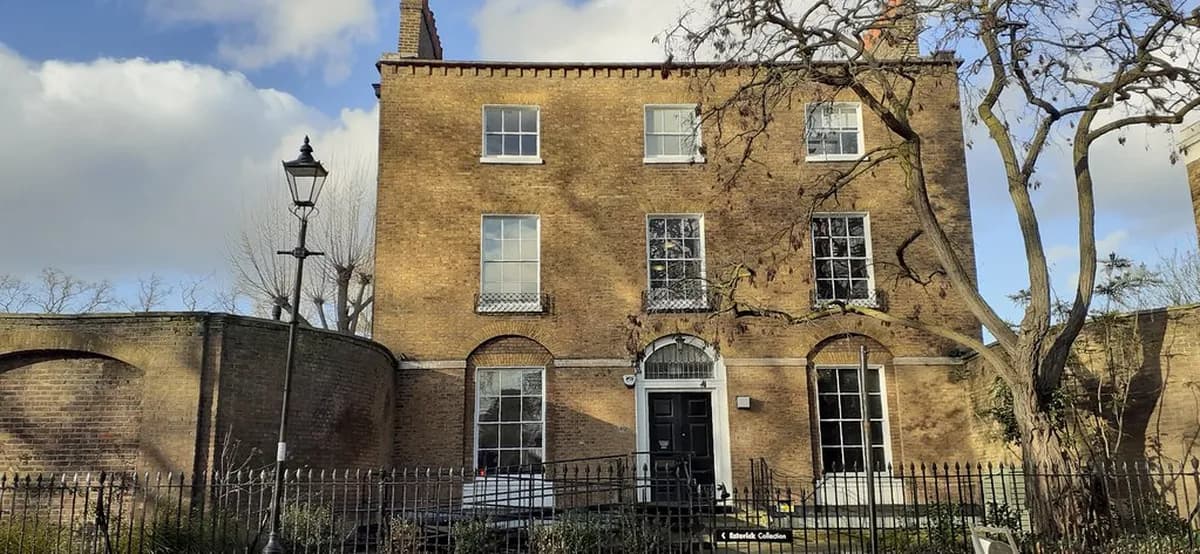
London hides many cultural treasures within its quiet residential squares and Georgian streets. This Estorick Collection of Modern Italian Art visitor guide helps you find one of Islington's most rewarding hidden-gem museums. The collection sits inside a Grade II listed Georgian villa on Canonbury Square, a calm setting that suits its focused look at Italian Futurism and 20th-century art.
Travelers often overlook the Estorick in favor of much larger galleries. That is part of its appeal: you can see works by artists such as Modigliani, Boccioni, Balla, Severini, Morandi and de Chirico without building a whole day around one museum. A little planning helps you avoid match-day crowds, make better use of the audio guide, and leave time for the cafe, garden and nearby Islington streets.
Essential Visitor Information: Location, Hours, and Transport
Getting to Canonbury Square is straightforward by public transport. The nearest Tube and rail stop is Highbury & Islington, served by the Victoria line and London Overground, and the museum is a short walk south through residential streets. Check the Official Estorick Collection Website before you travel, especially around holidays, private events and late-opening evenings.
Always check the local football schedule before you travel to this part of Islington. Highbury & Islington station can become extremely crowded during Arsenal home games at the Emirates Stadium, with longer queues and occasional access controls. If your dates are flexible, choose a non-match weekday for the easiest journey and the quietest galleries.
The museum is in a residential square, so parking is limited and public transport is the practical choice. The walk from the station usually takes five to ten minutes, but leave extra time if you are arriving with children, mobility aids or luggage. A common mistake is treating the Estorick like a major museum with a big entrance plaza; look instead for the townhouse setting on Canonbury Square.
- Transport Options for Reaching the Museum
- Tube: Victoria Line
- Train: London Overground
- Bus: Routes 4, 19, 30
- Station: Highbury & Islington
Highbury & Islington station can become extremely crowded on Arsenal home-game days at the Emirates Stadium. Check the Arsenal fixture schedule before you travel and choose a non-match weekday if your dates are flexible.
Must-See Highlights of the Estorick Collection
The permanent collection features important works by Umberto Boccioni, Giacomo Balla, Gino Severini and other artists linked to Futurism. You can explore selected works using the Smartify App for Estorick on your smartphone. Download the app before you arrive, bring headphones, and use the venue page as a lightweight audio companion while you move through the galleries.
Amedeo Modigliani's portraits and drawings are often a major draw for international visitors. His elongated figures sit well beside Giorgio Morandi's quiet still lifes and Giorgio de Chirico's more enigmatic modern Italian imagery. That contrast is useful if you are new to the collection: the Estorick is not only about speed and machines, but about the broader range of Italian modernism.
Rotating temporary exhibitions often focus on specific themes or individual Italian artists. These shows change throughout the year and give locals a reason to return, so check the gallery map and exhibition rooms when you arrive. Staff members are usually available to answer questions about the house, the founders and the current display.
Understanding Futurism and Modern Italian Art
Futurism was an early 20th-century movement that celebrated technology, youth, speed and the shock of modern urban life. Artists like Gino Severini used fragmented forms, bold color and repeated shapes to suggest movement on a still canvas. You can learn more about this style in Modern Art Explained - Reference for extra context, but the Estorick's wall texts are enough for a first visit.
Eric Estorick was an American sociologist who began collecting these works in the 1940s. He and his wife Salotto built one of the finest collections of its kind, and their private collecting eventually became this public museum. That backstory matters because the Estorick feels less like an encyclopedic institution and more like a concentrated personal vision of modern Italian art.
The artwork reflects the transition from traditional styles to radical machine-age ideas. Many pieces explore dynamism, industrial energy and the challenge of depicting motion, while quieter works by Morandi and Modigliani slow the pace down. Read the introductory panels before you start scanning individual works; they make the small collection easier to understand in 2026.
Family-Friendly and Budget-Friendly Visiting Tips
The Estorick Collection works well for art lovers who want a focused museum without the time cost of a blockbuster gallery. You can gain entry using London Pass Admission Details if the pass already fits the rest of your itinerary. Students and younger visitors should check current concessions at reception rather than assuming one universal London museum price. This makes the Estorick a good pairing with the Sir John Soane's Museum for a small-museum day.
Families will find the smaller scale much less overwhelming than a national gallery. The galleries are compact, the visit can be kept short, and Canonbury Square gives restless children somewhere calmer to decompress after the art. Art-loving teens may enjoy the Futurists' rebellious tone, especially if you frame it as a movement obsessed with noise, speed, machines and breaking old rules.
Do not plan around free entry unless you have confirmed a current community open day, festival or membership benefit. For most travelers, the better budget tactic is to visit on a quiet weekday, use any valid pass or concession, and eat nearby on Upper Street rather than in a tourist-heavy central zone. Check family workshop dates if you are visiting with children during school holidays.
How to Plan a Smooth Estorick Museum Day
Start with a quiet walk through Canonbury Square, then enter the museum before the day builds up around Upper Street. Allow about 1.5 to 2 hours for the permanent collection, a temporary exhibition, the shop and a cafe stop. If you are short on time, prioritize the Futurist rooms first, then loop back to the quieter works by Modigliani and Morandi.
To use the Smartify app effectively, download it over Wi-Fi before you leave your hotel or flat. Open the Estorick venue page, bring headphones, and scan selected artworks rather than trying to listen to every possible stop. The museum is quiet, so low-volume audio and silent phone settings make a noticeable difference for other visitors.
Accessibility planning is worth doing in advance because this is a historic townhouse rather than a purpose-built mega-gallery. The spaces are manageable and staff are known for being helpful, but visitors with step-free access needs should confirm the current route with the museum before travelling. Avoid bringing large bags if you can; the visit is easier when you can move through the smaller rooms lightly.
Is the Estorick Collection Worth Visiting?
Travelers often wonder if a niche museum is worth limited London time. The honest answer is yes if you like modern art, Italian culture, small museums or off-the-beaten-path neighborhoods, and maybe no if you only want the biggest names and the broadest survey. The Estorick is the UK's only museum dedicated to modern Italian art, so its value is depth rather than scale.
Compared with Tate Modern, the Estorick is smaller, quieter and more specialized. Tate gives you the global sweep; the Estorick gives you a focused encounter with Futurism, modern Italian drawing and a collector's point of view. That makes it a useful second or third London art stop once you want something calmer than the riverfront museum circuit.
The Georgian building itself is part of the experience for anyone who enjoys historic London interiors. You can see serious art without the exhausting crowds of the West End or South Bank, then step straight back into residential Islington. In 2026, that combination of depth, calm and neighborhood texture is exactly why the Estorick still works as a London hidden gem.
- Comparing the Estorick to Major Galleries
- Size: Small and intimate
- Focus: Modern Italian Art
- Crowds: Usually very low
- Vibe: Historic Georgian home
| Gallery | Adult Price | Focus | Crowd Level | Setting |
|---|---|---|---|---|
| Estorick Collection | £9.50 | Italian Futurism & modern Italian art | Usually very low | Georgian townhouse, Canonbury |
| Tate Modern | Free (permanent) | Global modern & contemporary art | High to very high | Former power station, South Bank |
| National Gallery | Free (permanent) | Western European masters | High | Classical building, Trafalgar Square |
The Estorick Collection opens Wednesday to Saturday 11am–6pm and Sunday noon–5pm. The last Thursday of each month has a late opening until 8pm, which is the best slot for a quiet evening visit after work.
Membership Benefits and Joining the Club
Frequent visitors might benefit from joining the museum's official membership program. Membership makes most sense for Londoners, repeat Islington visitors and people who want to see several temporary exhibitions in a year. One-time tourists should compare the membership cost with single admission, pass access and the rest of their 2026 itinerary before joining.
Members typically value the cultural extras as much as the entry benefit: exhibition access, talks, private views, shop or cafe savings, and closer contact with the museum's Italian art programme. It is also a practical way to support a small institution that preserves a specialist collection outside Italy.
The museum occasionally partners with cultural travel groups such as Cox & Kings for events and talks. These collaborations tend to suit visitors interested in Italian travel, collecting history and art context beyond the gallery walls. Ask at reception for the current membership details rather than relying on older online reviews.
Community Insights: The Silver Travel Advisor Perspective
Visitors from the Silver Travel Advisor community often praise the Estorick for its manageable scale and calm atmosphere. That feedback is useful for anyone who finds London's major museums tiring: the rooms are compact, the pace is slower, and staff are frequently noted as welcoming. Still, if step-free access is essential, confirm arrangements directly before you travel.
Rosemary Brown and other community reviewers have highlighted the friendly atmosphere and the appeal of pairing art with local food or events. The on-site cafe and small garden make the visit feel more relaxed than a standard checklist attraction. It is also a good solo stop because you can linger without feeling swallowed by a crowd.
After your visit, explore the boutiques, restaurants and pubs around Upper Street and Canonbury. Islington has a lived-in North London feel that contrasts with the city center, and it pairs well with other characterful cultural stops such as Leighton House Museum. Walking these streets gives you a better sense of local London life in 2026.
Frequently Asked Questions
Is the Estorick Collection included in the London Pass?
Yes, the Estorick Collection is included in the London Pass. You can simply present your digital pass at the entrance for free admission. This is a great way to save money while exploring niche London attractions.
How long does it take to see the Estorick Collection?
Most visitors spend about 1.5 to 2 hours exploring the galleries. This allows enough time to see the permanent collection and any temporary exhibitions. You might want extra time if you plan to visit the museum cafe or shop.
What is the best way to get to the Estorick Collection by Tube?
The best way is to take the Victoria Line to Highbury & Islington station. From there, it is a short five-minute walk to Canonbury Square. You can also use the London Overground to reach the same station easily.
Are there any good cafes near the Estorick Collection in Islington?
The museum has its own lovely cafe serving Italian coffee and light meals. For more options, Upper Street is just a few minutes away with dozens of restaurants. You will find everything from casual bakeries to high-end Italian dining nearby.
The Estorick Collection offers a unique and focused look at modern Italian art. Its intimate setting and world-class collection make it a highlight of North London. By using this visitor guide, you can plan a smooth and rewarding trip to Islington. Explore the energy of Futurism and enjoy a quieter side of the city's art scene.
Browse all of our London hidden gems in the London attractions hub.
Continue exploring
More guides you'll find useful