Amsterdam's headline museums — the Rijksmuseum, the Van Gogh Museum, the Anne Frank House — sell out weeks ahead and shuffle you through in slow, shoulder-to-shoulder lines. But step a few streets off the Museumplein and the city opens up into something quieter and, frankly, more memorable: intimate canal-house museums where you often have a room to yourself, a clandestine Catholic church hidden in an attic, one of the oldest botanical gardens on earth, and a handful of gloriously offbeat niche museums most visitors never hear about. This is the Amsterdam you came for — the one behind the postcard.
This guide collects 7 genuine hidden gems for 2026, all of them crowd-free alternatives to the queues. Four are preserved Golden Age canal houses on the Grachtengordel and just off the Red Light District — Museum Van Loon, Museum Willet-Holthuysen, the secret-church Ons' Lieve Heer op Solder (Our Lord in the Attic), and the relatively well-known but still calm Rembrandt House Museum, the one famous name here and a far gentler stop than the mega-museums. One is the historic Hortus Botanicus garden in the leafy Plantage district. And two are pure Amsterdam curiosities: Electric Ladyland, billed as the world's first museum of fluorescent art, and the Houseboat Museum, a real 1914 barge moored on the Prinsengracht.
Each card below links to a full visitor guide with verified opening hours, current 2026 ticket prices, and practical tips. Further down you'll find the gems grouped by neighborhood and by type, a 2026 ticket-price table, advice on the I amsterdam City Card and Museumkaart, two crowd-free routes, and answers to the questions visitors ask most. Bookmark this page as your starting point for a slower, more rewarding Amsterdam.
7 hidden-gem attractions in Amsterdam
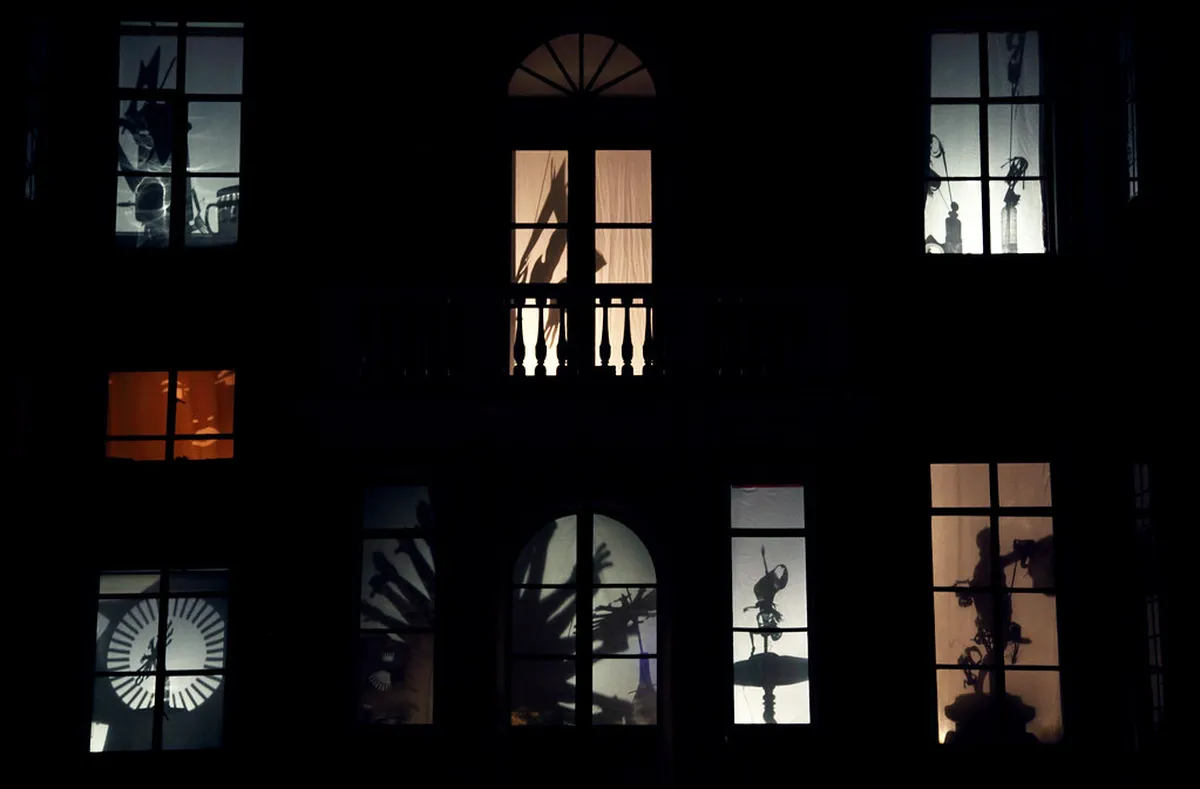
Museum Van Loon
Museum Van Loon is an aristocratic 17th-century canal house on Amsterdam's Keizersgracht, preserved with its original family interiors, portrait collection, formal garden and coach house. A quietly atmospheric hidden gem that shows how the city's wealthy merchant elite once lived.
Visitor guide →
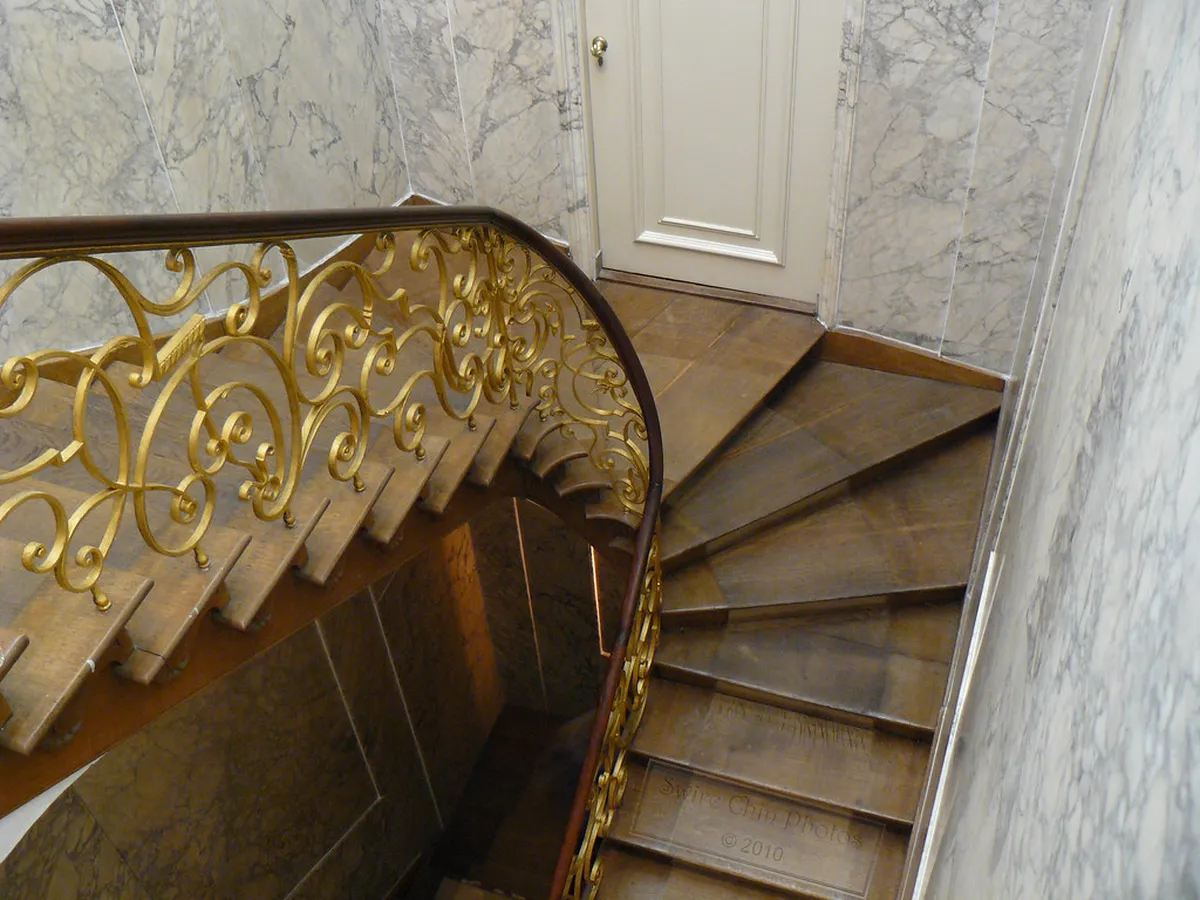
Museum Willet-Holthuysen
Museum Willet-Holthuysen is an opulent 17th-century canal house on the Herengracht preserved with its lavish 19th-century interiors and a restored French-style garden, one of central Amsterdam's most atmospheric hidden gems.
Visitor guide →
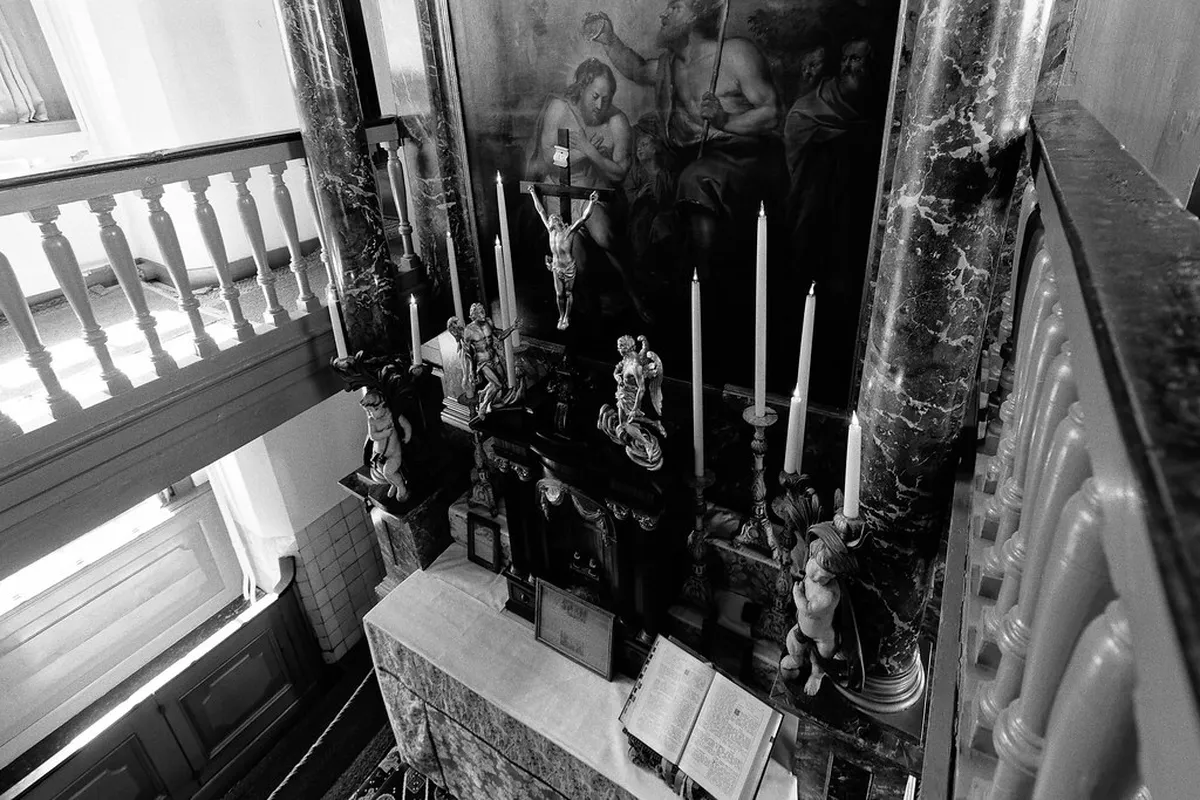
Ons' Lieve Heer op Solder (Our Lord in the Attic)
Ons' Lieve Heer op Solder ('Our Lord in the Attic') is a clandestine 17th-century Catholic attic church hidden across the upper floors of an ordinary Amsterdam canal house, secretly built when public Catholic worship was banned. One of the city's most surprising hidden gems, it preserves the secret church and its period domestic interiors as an atmospheric museum just off the canals.
Visitor guide →

Rembrandt House Museum
Rembrandt's restored 17th-century home and studio on Amsterdam's Jodenbreestraat, where he lived and worked from 1639 to 1658 — period rooms, his etching collection, and daily etching and paint-making demonstrations.
Visitor guide →

Hortus Botanicus Amsterdam
Hortus Botanicus Amsterdam is one of the world's oldest botanical gardens, founded in 1638, with historic glasshouses, a tropical Butterfly House and around 4,000 plant species in the heart of Amsterdam's Plantage district.
Visitor guide →

Electric Ladyland
Electric Ladyland is a tiny basement museum in Amsterdam's Jordaan, billed as the world's first museum of fluorescent art — a participatory glow-in-the-dark room of UV-reactive minerals and artworks that's one of the city's quirkiest hidden gems.
Visitor guide →
Houseboat Museum
A quirky hidden gem on the Prinsengracht, the Houseboat Museum lets you step aboard the Hendrika Maria - a real 1914 cargo barge turned canal home - to experience first-hand what it's like to live on the water in Amsterdam's Jordaan district.
Visitor guide →
Amsterdam hidden gems by neighborhood
One of the best things about these seven gems is how tightly they cluster. Apart from the botanical garden, every one sits inside the historic centre, so you can string several together on foot or with a single tram hop. Here's how they break down by district.
Canal Ring (Grachtengordel)
The horseshoe of 17th-century canals is where the canal-house museums live. Museum Van Loon stands on the Keizersgracht, an aristocratic family home preserved with its original interiors, portrait collection and a rare formal back garden with a coach house. A few minutes' walk away on the Herengracht, Museum Willet-Holthuysen shows off opulent 19th-century rooms — a ballroom, a blue room and a restored French-style garden. Also moored in this area, on the Prinsengracht in the southern Jordaan-edge stretch, is the Houseboat Museum. These three alone make a perfect, almost entirely crowd-free Canal Ring afternoon.
Jordaan
The Jordaan's narrow lanes and indie cafés hide one of the city's quirkiest stops: Electric Ladyland, a tiny basement museum of fluorescent art where the owner walks you through a glowing, UV-reactive room of minerals and participatory artworks. It's a few streets from the Prinsengracht, so it pairs naturally with the Houseboat Museum and a wander through the Jordaan's hofjes (hidden courtyards).
Plantage
East of the centre, the green and genteel Plantage district is home to Hortus Botanicus Amsterdam, founded in 1638 and one of the oldest botanical gardens in the world. Its historic glasshouses, tropical Butterfly House and thousands of plant species make it the quietest, leafiest escape on this list — and an easy tram ride from the canals.
City centre, near the Red Light District
Tucked into the oldest part of the city, a short walk from Centraal Station and the edge of the Red Light District, Ons' Lieve Heer op Solder (Our Lord in the Attic) hides a complete clandestine Catholic church across the upper floors of an ordinary canal house. Nearby, just over the water on the Jodenbreestraat, the Rembrandt House Museum reconstructs the master's 17th-century home and studio — the one relatively famous name here, but still calm enough to enjoy properly, with daily etching and paint-making demonstrations.
By type: canal-house museums, gardens & quirky museums
If you'd rather plan around interests than geography, the seven gems sort cleanly into three kinds of experience.
Canal-house museums
Four of the seven are preserved historic houses, and together they tell the story of how Amsterdam's merchant and Catholic communities actually lived. Museum Van Loon and Museum Willet-Holthuysen are the classic Golden Age mansion experience — period rooms, family art collections and formal gardens behind grand canal façades. Ons' Lieve Heer op Solder adds an extraordinary twist: a fully fitted secret church squeezed into the attic, built when public Catholic worship was banned. And the Rembrandt House Museum is the artist's-home version — a working studio recreated where Rembrandt lived from 1639 to 1658. If you love atmospheric interiors over blockbuster galleries, this quartet is the heart of the list.
Gardens
Hortus Botanicus is the outlier and the breather. After a morning of dim, wood-panelled rooms, an hour among palm houses, a butterfly greenhouse and 1638-vintage plantings is the perfect reset — and it's one of the few major Amsterdam sights that's genuinely pleasant in any weather thanks to its heated glasshouses.
Quirky & offbeat museums
Two gems are pure character. Electric Ladyland is a one-of-a-kind fluorescent-art museum — small, participatory and unlike anything else in the city. The Houseboat Museum lets you step aboard the Hendrika Maria, a 1914 cargo barge converted into a canal home, to see exactly what living on the water is like. Neither takes more than 30–45 minutes, which makes them ideal fillers between the bigger houses.
Ticket prices & passes
These are the verified 2026 adult walk-up prices. All seven are inexpensive compared with the headline museums, and several are covered by the city passes below.
- Museum Van Loon — €17.50
- Museum Willet-Holthuysen — €15
- Ons' Lieve Heer op Solder (Our Lord in the Attic) — €18
- Rembrandt House Museum — €19.50
- Hortus Botanicus Amsterdam — €14.75
- Electric Ladyland — €5
- Houseboat Museum — €9.50
Two passes can bring those costs down, but they work differently and don't all cover the same gems — so check each attraction's own pass list before you buy.
I amsterdam City Card. Aimed squarely at visitors, this pass bundles unlimited GVB public transport, one free canal cruise and free entry to 70+ museums and attractions, sold in fixed time blocks (24 to 120 hours). For a short, museum-heavy trip it's usually the better-value option, and it covers several of the smaller canal-house gems and Hortus Botanicus. Note that it does not include the Van Gogh Museum or Anne Frank House — which matters less here, since this list deliberately skips them.
Museumkaart. A year-long Dutch museum pass that's excellent value if you live in (or are spending a long stretch in) the Netherlands, covering hundreds of museums nationwide. For a typical short tourist trip the City Card usually wins on value. Crucially, not every gem on this list accepts the Museumkaart — Hortus Botanicus, for example, accepts the I amsterdam City Card but per its own visitor information does not accept the Museumkaart — so always confirm acceptance on each museum's website before relying on it.
Suggested routes
Because the gems cluster so tightly, you can see them at a relaxed, crowd-free pace. Here are two ready-made itineraries.
Half-day (crowd-free morning)
Start early at Ons' Lieve Heer op Solder near Centraal Station — mornings here are the quietest. Walk south-east over to the Rembrandt House Museum on the Jodenbreestraat (about 10 minutes on foot), catch an etching demonstration, then take a short tram east to the Hortus Botanicus in the Plantage to finish among the glasshouses. Three contrasting gems, almost no queues, and home by lunch.
Full-day (canal-house deep dive)
Open with Museum Van Loon on the Keizersgracht, then stroll the Canal Ring to Museum Willet-Holthuysen on the Herengracht. Break for lunch on the canals, then drop into the Houseboat Museum on the Prinsengracht and finish with the glowing rooms of Electric Ladyland a few streets into the Jordaan. The whole route is walkable, with trams on hand if your feet give out — and you'll have touched five gems without standing in a single mega-museum line.
Getting around Amsterdam's hidden gems
The good news: six of these seven sights are within easy walking distance of one another in the historic centre, so the canal ring is best explored on foot. The city is flat, compact and built for walking, and half the pleasure is the route between stops — gabled houses, humpback bridges and quiet hofjes.
When you do need wheels, Amsterdam's GVB trams are the simplest option, with frequent lines threading the centre and out to the Plantage for Hortus Botanicus. A GVB day pass (or the transport built into the I amsterdam City Card) covers unlimited trams, buses and metro and pays off quickly if you're hopping around. Cycling is the quintessential local way to travel — rental bikes are everywhere — but if you're not used to Amsterdam's busy bike lanes, walking plus the occasional tram is the stress-free choice for visiting these particular gems, all of which are easy to reach without a bike.
Best time to visit
The whole point of these gems is dodging crowds, and timing helps. The shoulder seasons — roughly April to mid-May and September to October — bring mild weather and noticeably thinner crowds than the July–August peak, when even the smaller museums fill up and the canals throng. If you're visiting in high summer, go early: most of these museums are at their calmest in the first hour or two after opening, and the canal-house rooms are small enough that an early start genuinely changes the experience.
One seasonal note for Hortus Botanicus: spring brings the garden to life, and a visit in tulip season (broadly late March to early May, peaking in April) lines up beautifully with the Netherlands' famous bulb fields if you're planning a day trip out to the Keukenhof gardens nearby. The heated glasshouses, meanwhile, make Hortus a reliable rainy-day or winter pick year-round.
Frequently asked questions about Amsterdam's hidden gems
What are the best hidden gems in Amsterdam?
The best hidden gems are the city's small, crowd-free canal-house museums and offbeat collections rather than the headline galleries. Standouts include Museum Van Loon and Museum Willet-Holthuysen (preserved Golden Age mansions), Ons' Lieve Heer op Solder (a secret attic church), the Rembrandt House Museum, the 1638 Hortus Botanicus garden, the fluorescent-art Electric Ladyland, and the Houseboat Museum on the Prinsengracht. All seven are profiled in full on this page.
Which Amsterdam museums are less crowded?
The smaller canal-house and niche museums are far quieter than the Rijksmuseum, Van Gogh Museum and Anne Frank House. Museum Van Loon, Museum Willet-Holthuysen, Ons' Lieve Heer op Solder and Electric Ladyland rarely have long lines, and even the relatively well-known Rembrandt House Museum is a calmer experience. Visiting in the first hour after opening or in shoulder season makes them quieter still.
Is the I amsterdam City Card worth it?
For most visitors on a short, museum-heavy trip, yes. The I amsterdam City Card bundles unlimited GVB public transport, a free canal cruise and entry to 70+ museums and attractions, so it usually beats buying individual tickets — and it covers several of the smaller gems on this list plus Hortus Botanicus. It does not include the Van Gogh Museum or Anne Frank House, which matters less if you're focusing on the hidden gems here. Do the maths against your planned stops before buying.
What is Our Lord in the Attic?
Ons' Lieve Heer op Solder, or "Our Lord in the Attic," is a clandestine 17th-century Catholic church built across the upper floors of an ordinary canal house in Amsterdam's city centre. It was created in secret when public Catholic worship was banned, and today it's preserved as a museum with the hidden church and period domestic interiors intact — one of the most surprising sights in the city.
How many days do you need to see Amsterdam's hidden gems?
You can cover the highlights in a single focused day — the full-day route on this page links five gems on foot — but two days lets you take them at a slower pace and add a couple of the headline sights if you want them. Because the museums are small and tightly clustered, even a half-day yields three contrasting, crowd-free stops.
Are Amsterdam's canal-house museums worth visiting?
If you enjoy atmospheric, lived-in interiors over blockbuster art galleries, absolutely. The canal-house museums — Van Loon, Willet-Holthuysen, Ons' Lieve Heer op Solder and the Rembrandt House — let you walk through preserved Golden Age rooms, gardens and studios with hardly anyone around, for a fraction of the price and queue of the big museums. They're the single best way to feel what 17th-century Amsterdam was actually like.
How much do tickets to the hidden gems cost in 2026?
Adult walk-up prices for 2026 are: Museum Van Loon €17.50, Museum Willet-Holthuysen €15, Ons' Lieve Heer op Solder €18, Rembrandt House Museum €19.50, Hortus Botanicus €14.75, Electric Ladyland €5 and the Houseboat Museum €9.50. Several are covered by the I amsterdam City Card; check each museum's own pass list before relying on the Museumkaart, as not all of them accept it.
Plan your Amsterdam trip
Ready to dig deeper? Our full blog guides go beyond these seven entity pages with neighborhood walks, itineraries and more offbeat picks. Browse the complete roundup in hidden gems in Amsterdam, see how the quieter collections stack up in our best museums in Amsterdam guide, and find more left-field ideas in unusual things to do in Amsterdam. Pair any of those with the visitor guides linked from the cards above and you'll have a slower, smarter, crowd-free trip mapped out.