Old Operating Theatre Museum & Herb Garret Visitor Guide
Plan your visit to Europe's oldest surviving surgical theatre. Includes ticket prices, history of the Herb Garret, and tips for the spiral stairs.
On this page
Old Operating Theatre Museum & Herb Garret Visitor Guide
Tucked away in a church attic, this museum offers a chilling glimpse into medical history. It stands as Europe's oldest surviving surgical theatre and a genuine hidden gem for visitors looking beyond the obvious riverside sights. Visitors discover a space where surgeons once performed procedures without modern pain relief. This unique atmosphere makes it a memorable stop for anyone exploring London.
The museum combines the grit of Victorian surgery with the mystery of ancient herbalism. You will find it above St Thomas' Church on St Thomas Street, close to London Bridge station but easy to miss from the pavement. Every corner of the wooden attic tells a story of survival, improvisation, and scientific progress. This old operating theatre museum & herb garret visitor guide helps you plan every detail for 2026.
Old Operating Theatre Museum & Herb Garret Visitor Guide
The museum is a rare survivor of a time when surgery was a public spectacle. It served the female patients of the original St Thomas' Hospital nearby, with students watching from the steep timber gallery. The space was forgotten for nearly a century before its dramatic rediscovery. Today, it remains one of the most atmospheric historical sites in the London Bridge area.
The collection includes everything from jagged bone saws to delicate glass apothecary jars. Walking through the rooms feels like entering a different century entirely, especially because the museum still sits inside the old roof space rather than a purpose-built gallery. The dim lighting and creaking floorboards add to the immersive historical experience. It offers a stark contrast to the modern skyscrapers, Borough Market crowds, and busy station concourses around it.
History of St Thomas’ Church and the Attic
St Thomas’ Church was built in 1703 by Thomas Cartwright for the hospital's use. Sir Christopher Wren was a governor of St Thomas' Hospital during the rebuilding period, and Cartwright had worked within Wren's architectural circle. The attic, or garret, was originally used to dry and store medicinal herbs for the hospital apothecary. In 1822, the space was converted into a purpose-built theatre for surgical operations, partly because it sat near the women's surgical ward.
That attic location mattered. It gave medical students a separate route into the theatre, kept the operating space away from the main wards, and helped contain the sound of procedures. When the hospital moved in 1862, the theatre was boarded up and forgotten. It was only rediscovered in 1956 by a researcher looking for the lost space. You can read more about this fascinating recovery on the Operating Theatre Museum & Herb Garret Official Site. The restoration preserved the original timber frames and the unique semi-circular seating.
Essential Visitor Information: Tickets and Opening Times
Planning your visit for 2026 requires checking current entry requirements, timed-entry availability, and any special demonstration days before you travel. London Bridge station is the easiest arrival point, with Jubilee line, Northern line, National Rail, and bus connections all nearby. From the station, head for St Thomas Street rather than the riverfront; the entrance is small, and first-time visitors often walk past it while looking for a conventional museum facade.
Adult tickets are reasonably priced, but the family ticket structure is quite specific. It typically covers two adults and two children at a set discounted rate. Solo parents or smaller families might find individual tickets more cost-effective for their needs, so compare the total before making your final purchase. Booking in advance is recommended during peak tourist seasons to guarantee your entry and reduce waiting at the base of the stairs. For more background on the site, consider the Old operating theatre, museum & herb garret : a brief guide (Amazon).
Adult tickets cost £10, with concessions at £8 and a family ticket for two adults and two children at £25. Booking in advance is recommended during peak seasons and school holidays to secure your entry slot.
- Current Ticket Pricing Details
- Adult: £10.00
- Concessions: £8.00
- Children: £6.00
- Family: £25.00
- Standard Operating Hours
- Monday: 10:30 - 17:00
- Tuesday-Sunday: 10:30 - 17:00
- Last Entry: 16:15
- Closures: Major Holidays
Navigating the 52-Step Spiral Staircase
The journey into the museum begins with a climb up a very narrow staircase. This 52-step spiral is the original access point to the church belfry, and it is the most important practical constraint on the visit. Because the passage is so tight, a traffic light system manages visitor flow. Wait for the green light before you begin your ascent or descent, and do not assume you can pass another visitor halfway up.
Visitors with claustrophobia, vertigo, limited mobility, or heavy bags should consider these physical constraints carefully. The stairs are steep, enclosed, and awkward when the museum is busy. For the calmest climb, aim for the first admission period of the day or a quieter weekday slot, and avoid school-holiday afternoons if you are nervous about confined spaces. There is no lift, and pushchairs are not practical inside the staircase. Staff members are available at the base to offer guidance, but the historic access route cannot be bypassed.
The museum is only accessible via a narrow 52-step spiral staircase with no lift. It is not suitable for visitors with limited mobility, claustrophobia, or those carrying large bags or pushchairs.
Inside the Herb Garret: Apothecary and Remedies
The Herb Garret showcases the evolution of medicine from plants to modern pills. Bundles of dried herbs hang from the rafters, filling the air with faint scents. You will see jars containing substances once used to treat everything from fevers to pain. The collection highlights how early doctors relied on nature for their primary cures, long before standardised pharmacy and laboratory medicine.
What is the history of the Herb Garret?
The Herb Garret began as the hospital apothecary's working attic, where herbs, ointments, tinctures, and poultices could be dried and stored above the church. Its warm, dry roof space made practical sense for medicine storage, and its position near the women's ward later made it suitable for the operating theatre. The displays help connect those two histories: daily hospital care, plant-based remedies, and the more dramatic surgical work that followed.
Live apothecary demonstrations are a major highlight for many visitors to the museum. These sessions explain how pharmacists once mixed tinctures and prepared complex powders, and they often make the herb displays easier to understand than labels alone. Check the museum schedule before you book, especially for weekend demonstrations and surgery talks, because small-capacity events can fill quickly. Listening to the London History Podcast - Old Operating Theatre Episode adds great context.
The Operating Theatre: Surgery Before Anaesthesia
The heart of the museum is the semi-circular theatre where operations occurred. Surgeons worked quickly in the center while students watched from the tiered stands, learning by sight in a space designed for observation. Speed was essential because patients were fully awake during the entire procedure. The wooden floor was historically covered in sawdust to absorb any spilled blood.
It is a somber space that reflects the bravery of both patients and doctors. You can still see the original operating table and various terrifying surgical instruments, including tools used before anaesthesia and antiseptic practice transformed surgery. The lack of running water or modern infection control shows the risks of 19th-century medicine. This room provides one of the most powerful historical experiences in Southwark, but it is best approached as medical history rather than a simple shock attraction.
Practical Tips for a Smooth Visit
Photography is permitted inside the museum, but tripods are strictly prohibited due to space. The low-light conditions in the attic require a steady hand for clear photos, so use a wider lens or your phone's night mode rather than blocking the narrow walkways. The semi-circular operating gallery photographs best from the side benches, where you can frame the table, railings, and skylight without leaning into other visitors.
Try to visit on a weekday morning to enjoy the space without large crowds. This allows you to read the detailed placards, spend time with the Life at the Hospital exhibits, and move through the stairs without feeling rushed by others. The most common mistakes are arriving too close to last entry, bringing bulky luggage, expecting step-free access, or treating the museum as a quick novelty stop instead of giving it at least an hour.
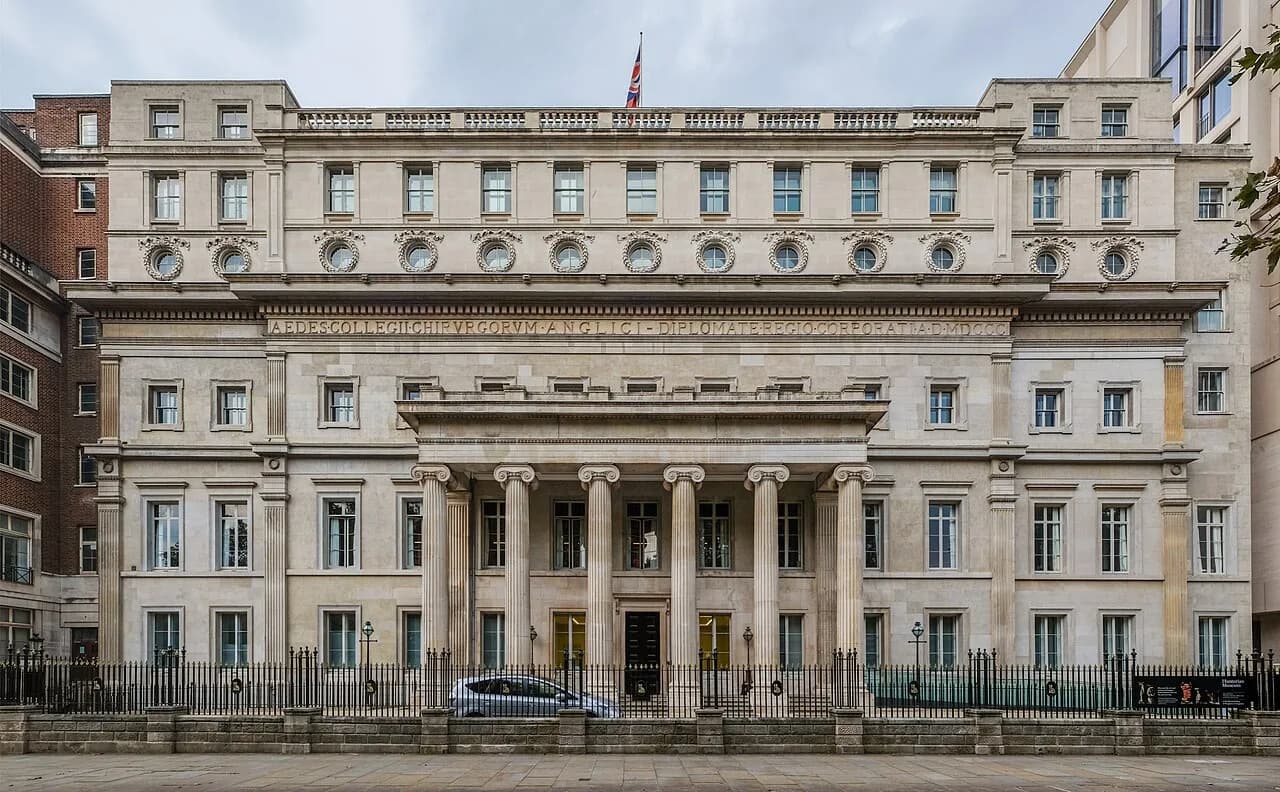
If you enjoy this darker history, consider visiting the nearby Clink Prison Museum or the Golden Hinde on the same Southwark walk. The Clink offers a more theatrical look at crime and punishment in London, while the Old Operating Theatre is quieter and more focused on medical facts. For a different healthcare story, the Florence Nightingale Museum in Lambeth pairs well with this site because it shows later reform and nursing history.
| Small Museum | Best For | Area | Typical Visit |
|---|---|---|---|
| Old Operating Theatre Museum | Medical history and surgery before anaesthesia | London Bridge | 60-90 minutes |
| Clink Prison Museum | Crime, punishment, and theatrical dark history | Bankside | 45-60 minutes |
| Florence Nightingale Museum | Nursing, hospital reform, and public health | Lambeth | 60 minutes |
Other Things to Do Near London Bridge
Southwark is home to many other unique historical attractions within walking distance. Southwark Cathedral, Borough Market, the Golden Hinde, and the river path toward Tate Modern can all fit around a short museum visit. The Shard is nearby too, but the Old Operating Theatre works best as the off-the-beaten-path counterpoint to those better-known landmarks.
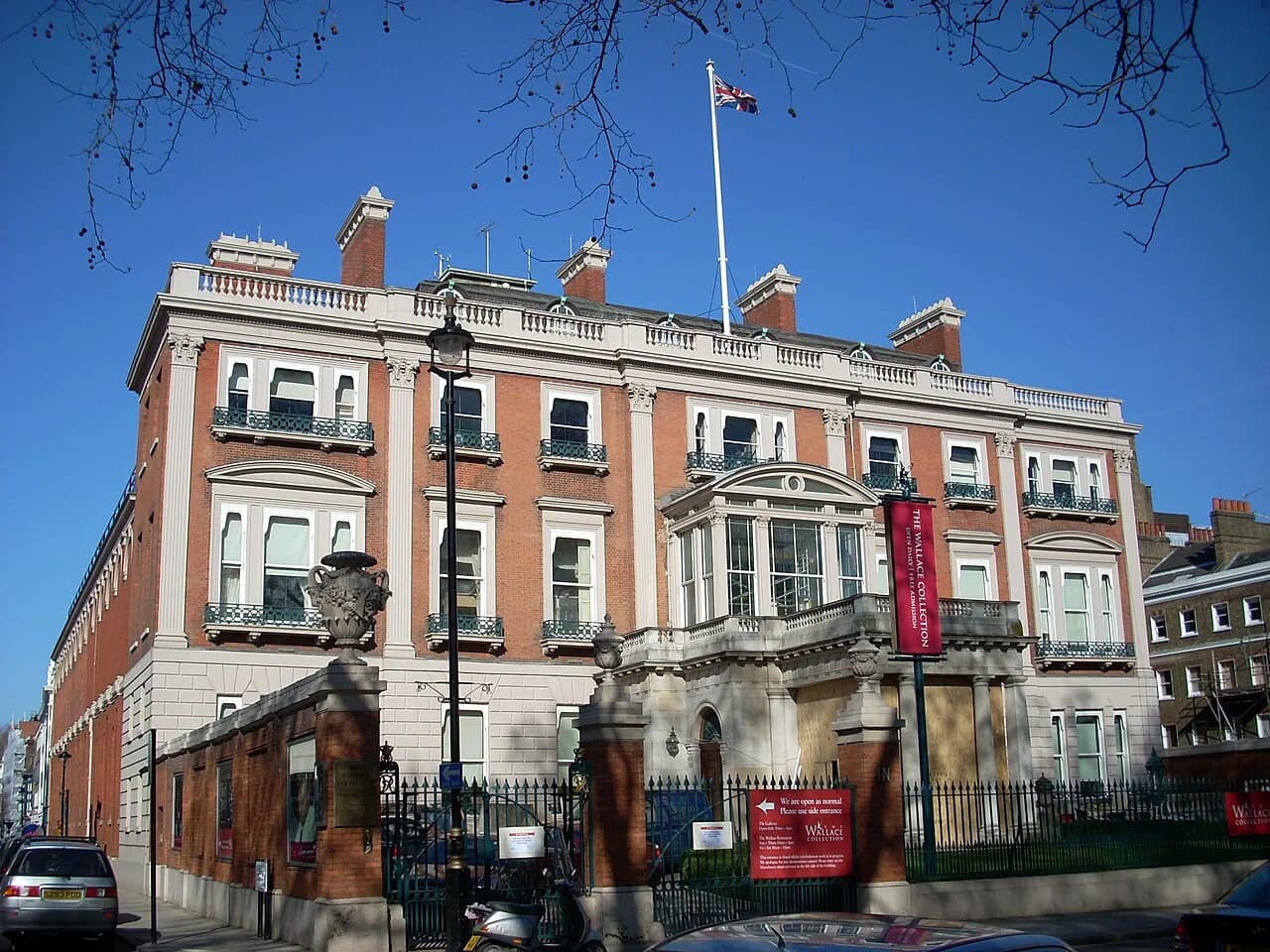
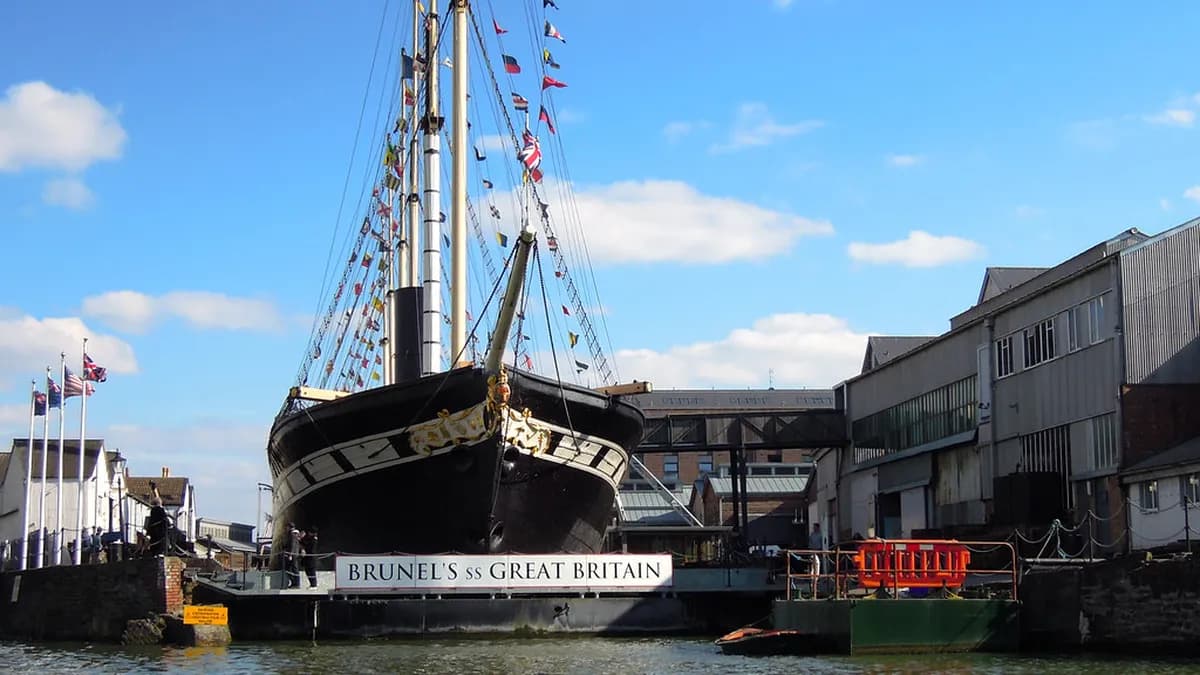
The Brunel Museum is a short journey away and explores Victorian engineering in Rotherhithe. For more art and culture, look into the Leighton House Museum in Kensington. Another quirky option is the Wiltons Music Hall for a taste of old London entertainment. These smaller venues offer a more intimate experience than the major galleries and fit the hidden-gems side of a London itinerary.
Frequently Asked Questions
What is the Old Operating Theatre & Herb Garret?
It is the oldest surviving surgical theatre in Europe, located in a church attic. The museum showcases 19th-century medical history, surgical tools, and traditional herbal remedies. It offers a unique look at medicine before anaesthesia. You can find more London attractions to pair with your visit.
Is the Old Operating Theatre Museum accessible for disabled visitors?
Unfortunately, the museum is not fully accessible due to its historic location. Access is only via a narrow 52-step spiral staircase in the church tower. There is no elevator available for visitors. Those with mobility issues may find the climb very difficult or impossible.
How long does it take to visit the Old Operating Theatre?
Most visitors spend between 60 and 90 minutes exploring the exhibits. The museum is relatively small but contains many detailed displays and artifacts. If you attend a live demonstration, you should allow for more time. It is a perfect addition to a Southwark walking tour.
Do you need to book tickets in advance for the Old Operating Theatre?
While you can often buy tickets at the door, booking in advance is recommended. This is especially true on weekends and during school holidays when the attic can get crowded. Advance booking ensures you have a reserved time slot. It helps you avoid waiting at the base of the stairs.
Other Museums of Medicine Before Anaesthetic
A timber operating theatre in a church garret, rediscovered in 1956 and left as the surgical students would have crowded it. Florence's Museo Galileo covers the instruments that made such precision thinkable. Amsterdam's Hortus Botanicus was founded to grow the medicinal plants these same physicians prescribed. In the same city, the Hunterian Museum holds the specimens the era produced.
The Old Operating Theatre Museum & Herb Garret is a captivating destination for history lovers who prefer London's quieter, stranger corners. It provides a rare and visceral connection to the medical challenges of the past. From the narrow stairs to the sawdust floors, every detail creates a lasting impression. Build it into a Southwark or London Bridge walk, and give yourself enough time to absorb the attic rather than rushing back down the spiral staircase.
Continue exploring
More guides you'll find useful