Dennis Severs' House Visitor Guide: Tips for an Immersive Experience
Plan your visit to Dennis Severs' House in Spitalfields. Our guide covers the Huguenot history, booking tips, stiletto bans, and the "still-life drama" experience.
On this page
Dennis Severs' House Visitor Guide
Stepping into 18 Folgate Street feels like walking directly into a living oil painting from the eighteenth century. This off-the-beaten-path London destination offers what the creator called a still-life drama for every curious visitor. Guests explore rooms that appear as if the residents just stepped out for a brief moment. This dennis severs' house visitor guide will help you navigate the sensory journey without breaking the spell.
Unlike a traditional museum, you will not find glass cases or informative plaques explaining the various artifacts. The experience relies on your imagination to fill in the gaps of the Jervis family narrative. You might see a half-eaten meal on a table, catch the smell of a fire, or hear the distant sound of a passing carriage. It is a rare chance to see the past without the usual barriers of modern exhibitions.
The Concept: A "Still-Life Drama" in Spitalfields
The house is designed to stimulate all five senses through carefully curated rooms and objects. Dennis Severs spent decades arranging every detail to suggest the presence of an invisible family. A still-life drama means the story is staged through rooms, traces, smells, sounds, and silence rather than labels or actors. Visitors often compare the atmosphere here to the eclectic collections found at the Sir John Soane's Museum across town. Both locations prioritize a personal and artistic vision over standard historical categorization.
Lighting plays a crucial role in creating the immersive mood within the historic walls. Natural light filters through dusty windows while candles flicker in the darker corners of the basement. The air often smells of beeswax, old wood, and the faint scent of roasting food. These elements work together to transport you back to a time before electricity and modern noise.
As you move from floor to floor, you witness the changing fortunes of the fictional Jervis family. The lower rooms reflect the modest beginnings of silk weavers in the Georgian era. Higher levels showcase the growing wealth and complexity of Victorian life through more ornate decorations. Every object tells a story about the people who supposedly lived and worked in these spaces.
A History in Flux: From 1724 to Dennis Severs
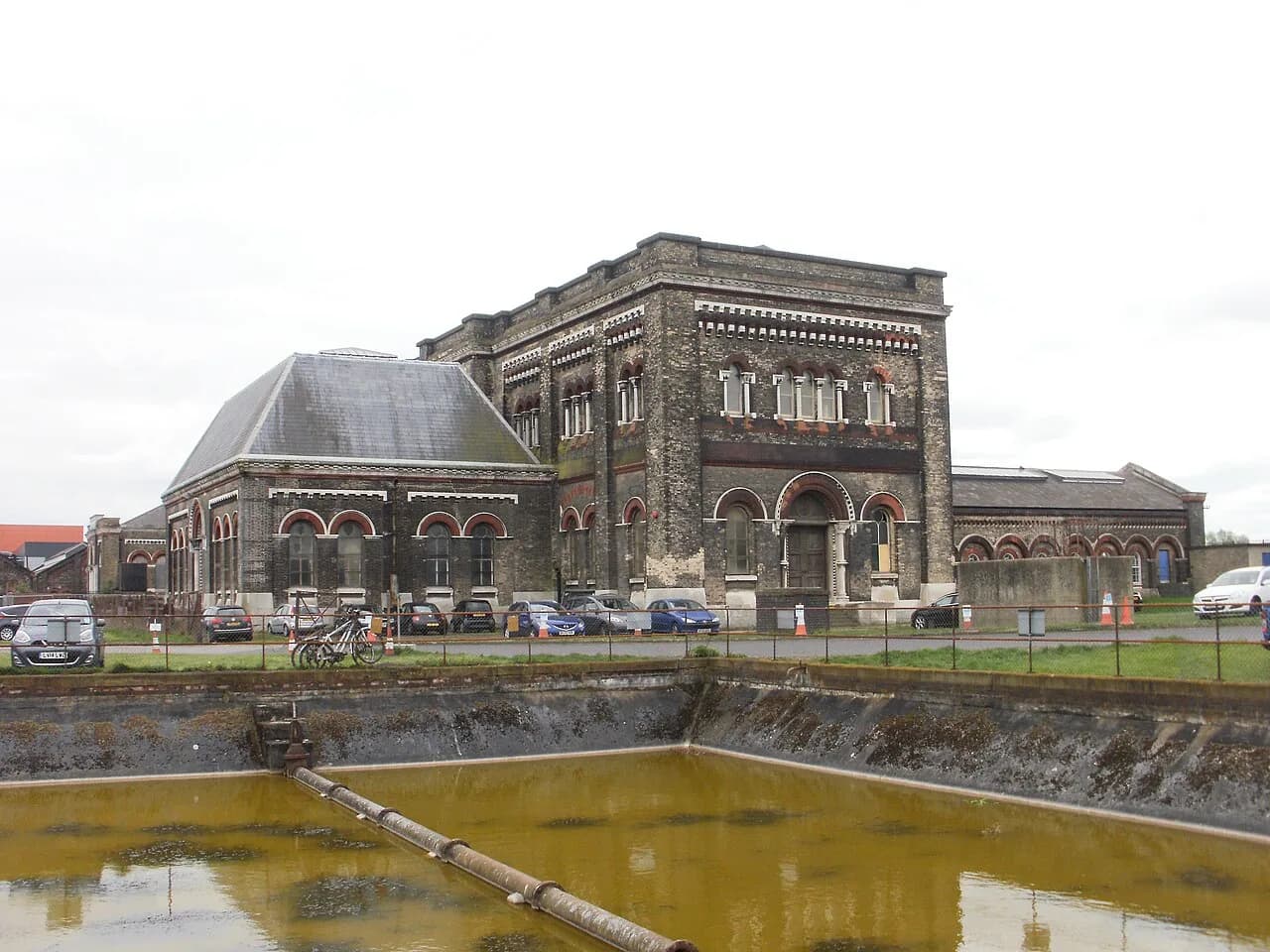
The building at 18 Folgate Street dates back to 1724 and originally housed Huguenot silk weavers. These skilled artisans moved to the Spitalfields area to escape religious persecution in France. You can learn more about the engineering history of the city at the Brunel Museum during your trip. The house changed hands many times before Dennis Severs purchased the derelict property in 1979.
Severs lived in the house without modern comforts like central heating or electric lighting. He dedicated his life to restoring the property as a canvas for his historical imagination. His goal was to create a place where time seemed to stand still for those who entered. The house survived the rapid redevelopment of the surrounding East London neighborhoods over several decades.
Spitalfields has transformed from a neglected industrial zone into a vibrant cultural hub. The house remains a quiet anchor to the past amidst the glass skyscrapers of the nearby City. Preserving this specific history allows visitors to understand the diverse roots of the local community. It serves as a physical reminder of the waves of immigration that shaped modern London.
The Spitalfields Historic Buildings Trust
The Spitalfields Historic Buildings Trust played a vital role in saving the area from destruction. During the late twentieth century, many Georgian houses in the neighborhood faced demolition for new offices. The Trust fought to preserve these architectural gems for future generations to enjoy and study. Their work ensures that the unique character of Folgate Street remains intact today.
Preservation involves more than just keeping the walls standing in their original positions. It requires careful maintenance of the period-accurate interiors and the fragile historical fabrics. The Trust works closely with the house curators to balance public access with conservation needs. This partnership allows the still-life drama to continue without compromising the building's structural integrity.
Visitors can see the results of these efforts in the authentic textures of the walls and floors. Nothing is polished to a modern shine, as the goal is to show the patina of time. This approach provides a more honest view of history than many newly renovated heritage sites. It creates a sense of continuity that connects the 1720s directly to the present day.
A Story Through Time: What to Expect Inside
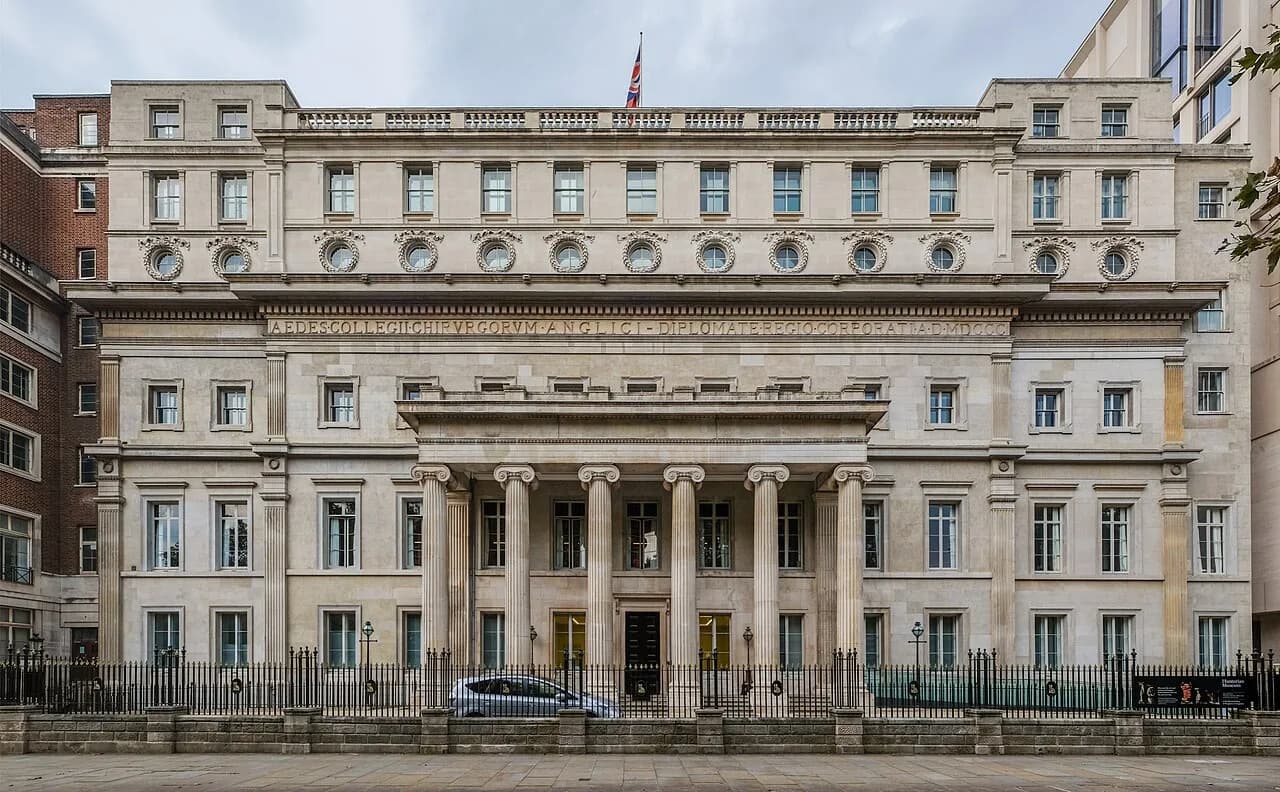
Your journey begins in the cellar where the sounds of the street seem far away. The atmosphere is thick with the history of the Old Operating Theatre Museum style of visceral storytelling. Each room represents a different period in the life of the house and its inhabitants. You will notice small details like an unmade bed, a half-written letter, or food left as if dinner has just been interrupted.
The sensory experience is carefully managed to keep your focus on the narrative. Clocks tick rhythmically in the background while the floorboards creak under your feet. You might catch the scent of seasonal fruit or the sharp smell of coal smoke. These small cues encourage you to slow down, look into corners, and read the room as evidence rather than display.
The house is a maze of narrow corridors and steep staircases that require careful navigation. Every turn reveals a new tableau that feels both intimate and slightly eerie. It is not a place for a quick visit, as the details reveal themselves slowly to the patient observer. The most common mistake is rushing through it like a standard museum; expect to leave with more questions about the Jervis family than when you first entered.
Dennis Severs' House Visitor Guide: Dates and Booking
Booking your tickets in advance is essential because capacity is tightly limited inside the historic rooms. The house offers several different ways to experience the still-life drama throughout 2026, and the right choice depends on how much silence, structure, and theatricality you want. Timed entry slots help the rooms stay intimate, so arrive early enough to check in calmly rather than rushing from Liverpool Street.
Silent visits place the emphasis on observation and atmosphere. The Dennis Severs' Tour is more theatrical, with the Gentle Author connected to the modern reinvention of the house's storytelling. Special events often occur during the Christmas season when the rooms are decorated in period style, and these seasonal visits can sell out well ahead of time.
All visits must be booked in advance — there is no walk-in admission at Dennis Severs' House. Silent Night candlelit slots cost £25 and sell out weeks ahead, especially around Christmas; book as early as possible for evening dates.
| Visit style | What it feels like | Best for | Visitor note |
|---|---|---|---|
| Silent Visit | Self-guided, hushed, and meditative | Visitors who want to study the rooms at their own pace | Keep conversation, phones, and photography away so the soundscape works |
| Relaxed Day Visit | More flexible and less formal | Families or first-time visitors who may need a gentler format | A better choice if strict silence would make the visit stressful |
| Dennis Severs' Tour | Theatrical, narrated, and more structured | Visitors who want the Jervis family story brought forward | Book early for evening and seasonal dates |
Accessibility and House Rules (The Stiletto Ban)
Visitors must follow strict rules to protect the fragile historic fabrics and wooden floorboards inside the house. The management famously bans stiletto heels because the sharp points can easily puncture the original floor surfaces. Choose flat shoes or soft-soled boots to ensure you can navigate the narrow staircases safely and comfortably. Staff may ask those wearing inappropriate footwear to wear provided slippers during their tour.
The Rule of Silence is a fundamental part of the daytime visiting experience. This policy allows guests to fully immerse themselves in the sounds and smells of the house. Avoiding conversation helps maintain the illusion that the Jervis family is still present. It creates a meditative environment that contrasts sharply with the busy streets of modern London nearby.
Accessibility is the main practical limitation to consider before booking. The route involves steep stairs, uneven floors, narrow passages, low light, and no conventional museum layout. Visitors with limited mobility should check the official access guidance before choosing a date, and anyone uncomfortable in confined historic interiors may prefer a quieter daytime slot.
- Wear flat, stable shoes rather than stilettos or narrow heels.
- Do not take photos or film inside the house; the rule protects both the atmosphere and other visitors' experience.
- Expect dim candlelit spaces, open fires, and strong period scents.
- Travelers with asthma or smoke sensitivity should factor in real fires and candles before booking.
- Nut and dried-fruit displays may be present in rooms, so visitors with allergies should plan carefully.
- For children, the relaxed format is usually easier than a strict silent visit.
Stiletto heels are banned to protect the original 18th-century wooden floorboards. Photography and filming are strictly prohibited inside the house. Visitors with asthma or smoke sensitivity should note that real fires and candles are lit throughout the rooms.
Location: Finding 18 Folgate Street in London
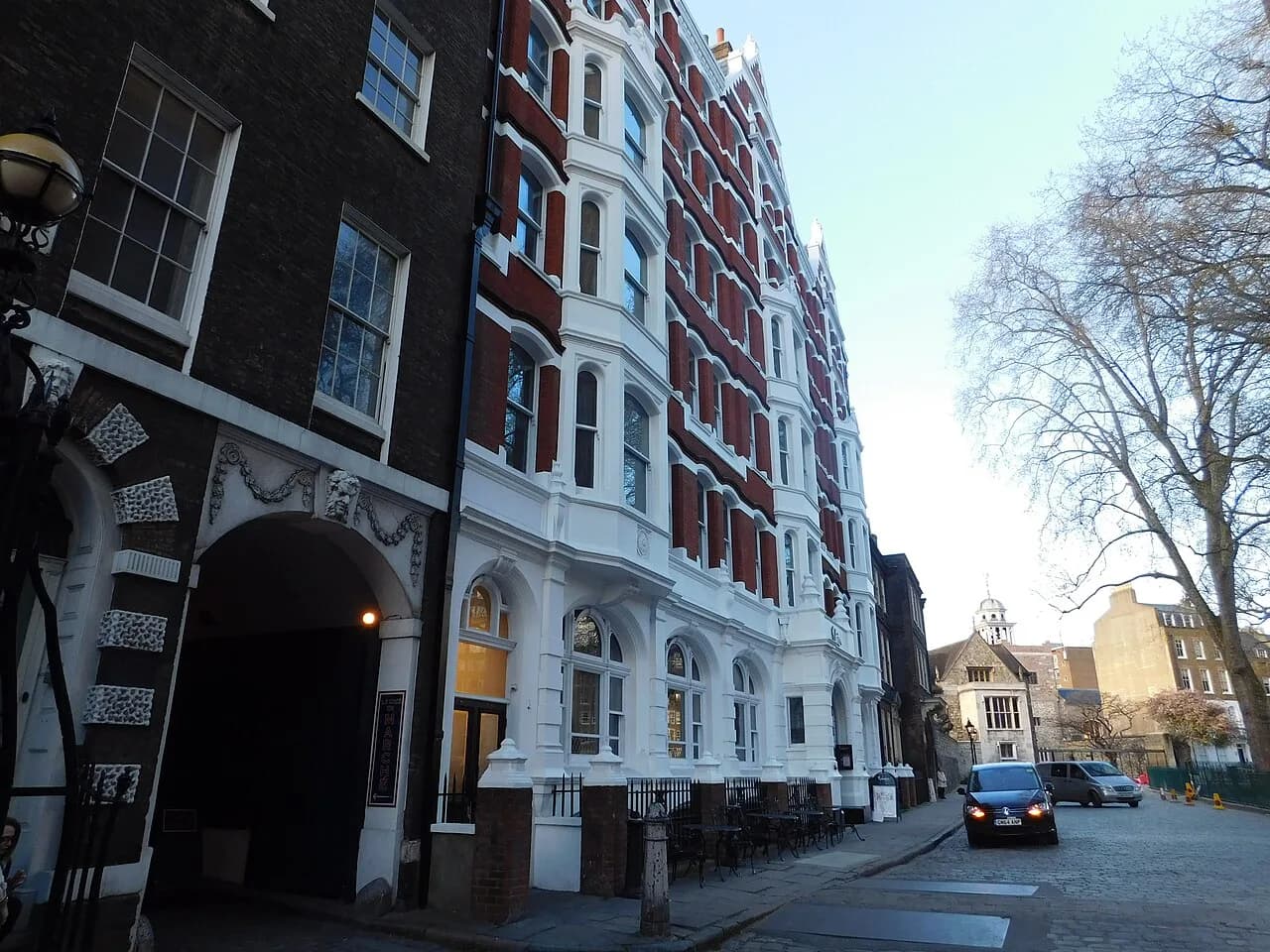
Finding the house is part of the adventure as it sits tucked away on a quiet side street. It is located just a short walk from Liverpool Street Station in the heart of Spitalfields, with Shoreditch High Street also within easy walking distance. The surrounding area is famous for its historic markets and diverse culinary scene. You can easily pair your visit with a walk through the nearby brick-lined alleys.
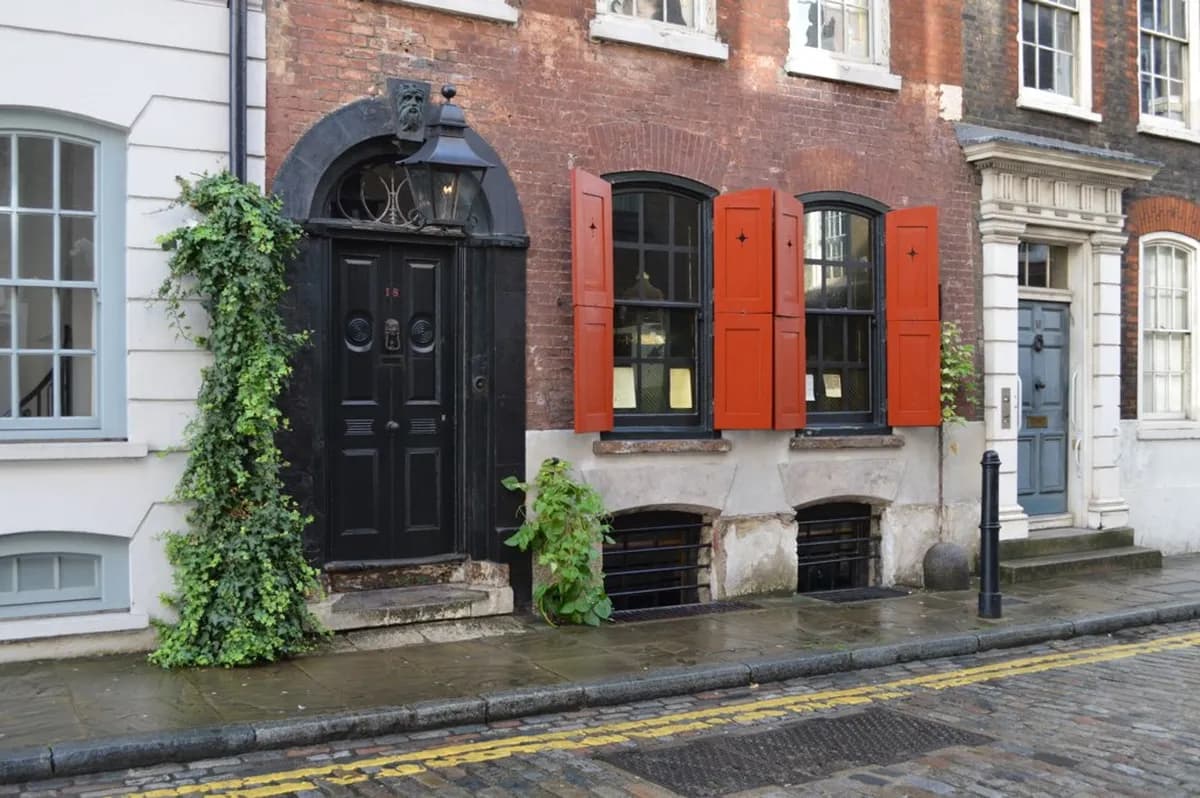
Walking from Liverpool Street usually takes about five to ten minutes depending on your pace. Look for the traditional iron railings and the flickering gas lamp outside the front door. The exterior of the building is deliberately understated to match its eighteenth-century origins, so do not expect a large museum-style entrance. Build in a little buffer time because late arrival can disrupt a timed visit.
The neighborhood offers a fascinating contrast between old traditions and modern trends. You will find independent boutiques and historic pubs just steps away from the museum entrance. Plan to spend some time wandering the local streets after your tour concludes. The area remains one of the most atmospheric parts of the city for history lovers.
Nearby in Spitalfields
Dennis Severs' House works best as the quiet centrepiece of a slower Spitalfields walk. Before or after your timed entry, you can visit Old Spitalfields Market, look at the eighteenth-century houses around Elder Street and Fournier Street, or pause outside Christ Church Spitalfields to see how grand Georgian architecture framed the old silk-weaving district.
If you want to keep the hidden-gem theme going, stay east rather than crossing straight back into the City. Brick Lane, historic pubs, small galleries, and Huguenot walking routes all fit naturally with the story of 18 Folgate Street. For another atmospheric East London interior, the restored performance spaces at Wilton's Music Hall make a strong pairing on the same day.
The House After Dennis: A Legacy Preserved
Since the passing of Dennis Severs, the house has been managed with great care to maintain his vision. The curators work hard to ensure the still-life drama remains as vibrant as it was decades ago. You can read more about his life and impact through Spitalfields Life: Remembering Dennis Severs online. His legacy continues to inspire artists and historians who visit from all over the world.
The Gentle Author is a modern figure who has helped keep the house's story alive for new audiences. Their writing highlights the importance of preserving the small, human details of the past. If you enjoy historic venues, you might also appreciate the charm of Wilton's Music Hall in East London. Both places offer a window into a version of the city that has largely disappeared.
Maintaining the house requires a delicate balance of artistic flair and practical conservation. Every candle replaced and every fire lit contributes to the ongoing performance of the space. The curators treat the house as a living entity rather than a static collection of objects. This commitment ensures that the Jervis family will continue to 'live' at 18 Folgate Street for years to come.
Frequently Asked Questions
What is the "still-life drama" at Dennis Severs' House?
It is an immersive experience where rooms are arranged to look like a family just left them. The drama uses sights, sounds, and smells to tell a story without actors. If you enjoy this style, you might also like the Leighton House Museum for its artistic interiors.
How long does a visit to Dennis Severs' House take?
Most visitors spend between 45 and 60 minutes exploring the ten rooms of the house. The self-guided nature of the silent visits allows you to set your own pace. Evening theatrical tours may take slightly longer due to the structured narrative elements.
Why are stiletto heels banned at Dennis Severs' House?
The house bans stiletto heels to protect the original eighteenth-century wooden floorboards from damage. The sharp points of the heels can easily puncture and scratch the fragile surfaces. Visitors should wear flat shoes or soft-soled boots for their safety and the building's preservation.
Is Dennis Severs' House suitable for children?
The house is generally not recommended for young children due to the fragile environment and the rule of silence. Most tours have a minimum age requirement of 12 years old. The dim lighting and steep, narrow stairs can also be challenging for younger visitors to navigate.
Can you take photos inside Dennis Severs' House?
Photography and filming are strictly prohibited inside the house to maintain the immersive atmosphere for all guests. This rule encourages visitors to focus on their sensory experience rather than their screens. You are welcome to take photos of the building's exterior from Folgate Street.
Dennis Severs' House remains one of London's most unusual hidden-gem interiors. By following this guide, you can ensure a smooth and respectful visit to this historic treasure. The house offers a rare opportunity to disconnect from the modern world and step into a different era. It rewards visitors who are willing to slow down, stay quiet, and let the rooms do the storytelling.
Remember to book your tickets early, choose the visit format that suits you, and leave your stiletto heels at home for the best experience. Allow yourself to be carried away by the sights and sounds of the Jervis family's world. The memories of your visit to 18 Folgate Street will likely stay with you for a very long time. Prepare to see London through a quieter and stranger lens after you step back out onto the street.
Continue exploring
More guides you'll find useful