11 Key Insights on the Best Time to Visit Barcelona
Discover the best time to visit Barcelona with our seasonal guide. Compare weather, crowds, and costs month-by-month to plan your perfect Mediterranean getaway.
On this page
11 Key Insights on the Best Time to Visit Barcelona
The short answer: mid-May to mid-June, or the first three weeks of October. These two windows give you warm weather, open beaches, and enough breathing room at the Sagrada Família to actually look up. Everything else involves trade-offs — and in 2026, those trade-offs matter more than they did five years ago.
Barcelona has changed. The 2024 overtourism protests — residents soaking tourists with water guns on Barceloneta, organised marches demanding a cap on visitor numbers, the city council freezing new Airbnb licences — were not a one-summer blip. They signalled a structural shift in how the city manages mass tourism. Understanding that shift changes which months work for a foreign visitor. You can find many 27 Unique Things to Do in Barcelona: Hidden Gems & Local Secrets year-round, but when you arrive shapes how much of the city you actually reach.
When is the Best Time to Visit Barcelona, Spain?
May and September are the consensus picks across every travel guide, and the consensus is right — but for reasons that go deeper than "nice weather." May sits before the European school-holiday surge that kicks in around mid-June. September gives you a city recovering from its own summer: residents return from August vacations, outdoor terraces reopen with a relaxed pace, and La Mercè festival (around 24 September) turns the streets into a free, city-wide celebration of Catalan culture.

Temperatures in both months hover between 18–25°C / 64–77°F — warm enough for Barceloneta without melting, cool enough to walk the Gothic Quarter at midday. Hotel rates in May average 20–35% below the July peak. September rates depend heavily on whether La Mercè week falls in your dates; book that window 60+ days out.
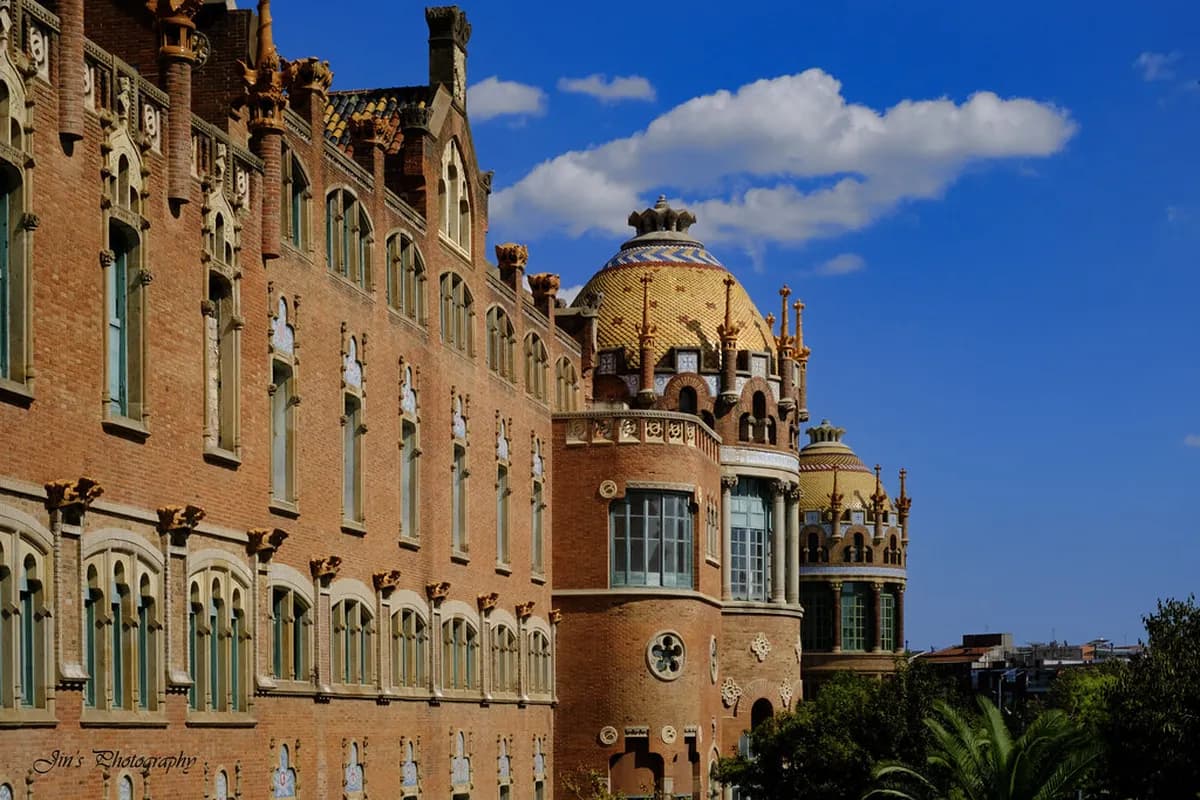
Winter is the right call for budget travelers willing to trade beach access for silence. I visited Hospital de Sant Pau in January with zero queues and paid under €12 entry. The same ticket in July means 40-minute queues even with pre-booking. Flights and hotels in January–February are the cheapest of the year, often 40–55% below the August peak.
Why Summer 2026 Is Different from Five Years Ago
Between 2019 and 2024, Barcelona's tourist numbers climbed back past 26 million annual visitors. The breaking point came in summer 2024: residents in Barceloneta armed with water guns drenched tourists on the beach promenade, holding signs reading "Barcelona is not for sale." Organised marches drew thousands through the Eixample. The city council responded with a freeze on new tourist apartment licences and tighter capacity enforcement at Park Güell — which now operates a hard cap of 400 visitors per half-hour slot with no same-day walk-up tickets sold at the gate.
What this means practically for a visitor in summer 2026: Barceloneta beach on a Saturday in July is not a relaxed Mediterranean afternoon. It is a density problem. The tram to Barceloneta (L4) is sardine-packed by 10:00. Free beach areas near the W Hotel are ringed by informal vendor networks. Residents who haven't already left for the Catalan coast are visibly done with tourist behaviour. None of this appears in standard travel guides recommending summer for "beach days and festivals" — because that framing was accurate in 2018 and is now misleading.
June is the partial exception. The first three weeks of June retain the beach energy without the August hostility. Sea temperatures reach 22–23°C / 72–73°F. The Sant Joan bonfires on the night of 23–24 June are genuinely spectacular and draw mostly locals. After that date, crowd density tips into the uncomfortable zone in central tourist corridors.
Park Güell now operates a hard cap of 400 visitors per half-hour slot with no same-day walk-up tickets in summer 2026. Barceloneta beach on a July Saturday is a serious density problem — residents have actively protested mass tourism since 2024.
Month-by-Month Guide: Weather, Crowds, and Travel Costs
The table below uses three variables for each month: typical temperature range, relative crowd density (1 = quietest, 5 = most congested), and approximate midrange hotel cost per night in a central 3-star property based on 2025–2026 booking data.
| Month | Temperature | Crowd Level | Hotel (avg/night) | Key Event |
|---|---|---|---|---|
| January | 10–15°C / 50–59°F | 1 / 5 | €80–€110 | Three Kings Parade (5 Jan) |
| February | 10–16°C / 50–61°F | 1 / 5 | €80–€115 | Carnival (mid-Feb) |
| March | 12–18°C / 54–64°F | 2 / 5 | €95–€130 | Spring light returns |
| April | 13–20°C / 55–68°F | 3 / 5 | €120–€160 | Easter / Sant Jordi (23 Apr) |
| May | 16–24°C / 61–75°F | 3 / 5 | €130–€170 | Primavera Sound (late May) |
| June | 19–27°C / 66–81°F | 4 / 5 | €160–€210 | Sant Joan (23–24 Jun) |
| July | 22–30°C / 72–86°F | 5 / 5 | €190–€260 | Cruïlla festival |
| August | 23–31°C / 73–88°F | 5 / 5 | €200–€280 | Festa Major de Gràcia |
| September | 20–28°C / 68–82°F | 3 / 5 | €140–€185 | La Mercè (24 Sep) |
| October | 16–24°C / 61–75°F | 2 / 5 | €110–€150 | Barcelona Jazz Festival |
| November | 12–18°C / 54–64°F | 1 / 5 | €85–€120 | All Saints / quiet streets |
| December | 10–15°C / 50–59°F | 2 / 5 | €95–€135 | Fira de Santa Llúcia market |
One caveat on April: Easter (Semana Santa) falls in late March or April and reliably spikes accommodation 20–30% above the monthly average. If your April dates land on Easter week, treat it like early-June pricing. Mobile World Congress in late February–early March fills the city with tech-industry visitors and inflates hotel rates by 40–60% in that specific window.
Visiting Barcelona by Season
Spring (March to May) is the most consistently rewarding window for first-time visitors. Park Güell in April is still manageable on a timed-entry ticket booked a week out. The Boqueria market on Las Ramblas, which is essentially a tourist trap by July, is actually used by locals in March. Temperatures in the 13–22°C / 55–72°F range let you walk the Eixample grid for hours without stopping. Sant Jordi on 23 April — the Catalan equivalent of Valentine's Day, when the city fills with book and rose stalls — is one of Barcelona's most genuinely local spectacles.
Summer (June to August) concentrates almost everything the city does well into a hot, expensive, contested space. The sea is warm, the festivals are real, and the outdoor cinema at Sala Montjuïc (July–August) is worth attending. But July and August now carry the crowd-level consequences described above. If summer is your only option, stay in Gràcia or Poble Sec rather than the tourist corridor, arrive at Sagrada Família at 09:00 for your pre-booked slot, and avoid Barceloneta beach on weekends entirely. Use quieter neighbourhood alternatives even in peak season.
Autumn (September to November) is the underrated window. September combines warm sea water (still 25°C / 77°F), thinner crowds than August, and La Mercè — a free festival that fills the streets with castellers (human towers), fire-runners, and concerts. October brings the Jazz Festival and the first reasonable hotel prices since May. The sea is too cold for most swimmers by November, but the light for photography in Montjuïc and the Barri Gòtic is exceptional. Explore the 12 Secret Viewpoints in Barcelona in October when haze lifts and crowds have thinned.
Winter (December to February) is Barcelona without its tourist face on. The Fira de Santa Llúcia Christmas market beside the cathedral runs from late November through 23 December. January and February are the quietest and cheapest months: hotel rates at their floor, no queues at Casa Batlló or the Picasso Museum, and the Gaudí buildings finally legible without scaffolding of selfie sticks. February Carnival in the Raval and Barceloneta runs Friday–Sunday over two weeks and brings real street energy at no cost.
Best Time to Visit Based on Your Travel Style
First-time visitors and architecture focus: May is the strongest single-month pick. Sagrada Família timed slots are available 2–3 weeks out (versus same-day sellouts in July). Park Güell's paid zone is manageable. You can walk the entire Eixample modernisme route — Sagrada Família, Casa Batlló, Casa Milà, Palau del Baró de Quadras — in a single day without heat collapse. Temperatures rarely exceed 24°C / 75°F.
Beach and sea: Early June for the balance of warm water and tolerable density, or the last two weeks of September when sea temperature stays above 24°C / 75°F and the beach population drops by roughly half. If August is unavoidable, go to Bogatell or Mar Bella rather than Barceloneta — both beaches are 20 minutes east by tram and 60–70% less crowded on an identical summer day.
Budget travelers: January–February outside Mobile World Congress week. The 15 Best Places to Visit in Barcelona for Free — Parc de la Ciutadella, the Born neighbourhood, the Barceloneta seafront — are at their most peaceful. Flights from most European hubs drop to €30–€60 return. The first Sunday of every month gives free entry to the Picasso Museum, MNAC, and the Fundació Joan Miró.
Football fans: La Liga runs September through May. FC Barcelona home matches at Spotify Camp Nou sell out, but the stadium experience tour operates daily and is manageable on weekday mornings November through March. El Clásico against Real Madrid typically falls in October or April — book match tickets six months out via the official FC Barcelona website, not resellers.
Families with children: Late April (avoiding Easter week) or early October. Theme park Tibidabo is fully operational, beach water is swimmable in early October, and school-holiday crowds from northern Europe haven't arrived. The Zoo and CosmoCaixa science museum are significantly less queued in these windows.
Which Neighbourhoods Are Actually Liveable by Season
The crowd problem in Barcelona is geographically concentrated. Las Ramblas, the Gothic Quarter, Barceloneta, and the blocks immediately around Sagrada Família absorb the majority of the 26 million annual visitors. Everywhere else, the city functions at a normal European capital pace. This distinction matters more in summer, but applies year-round.
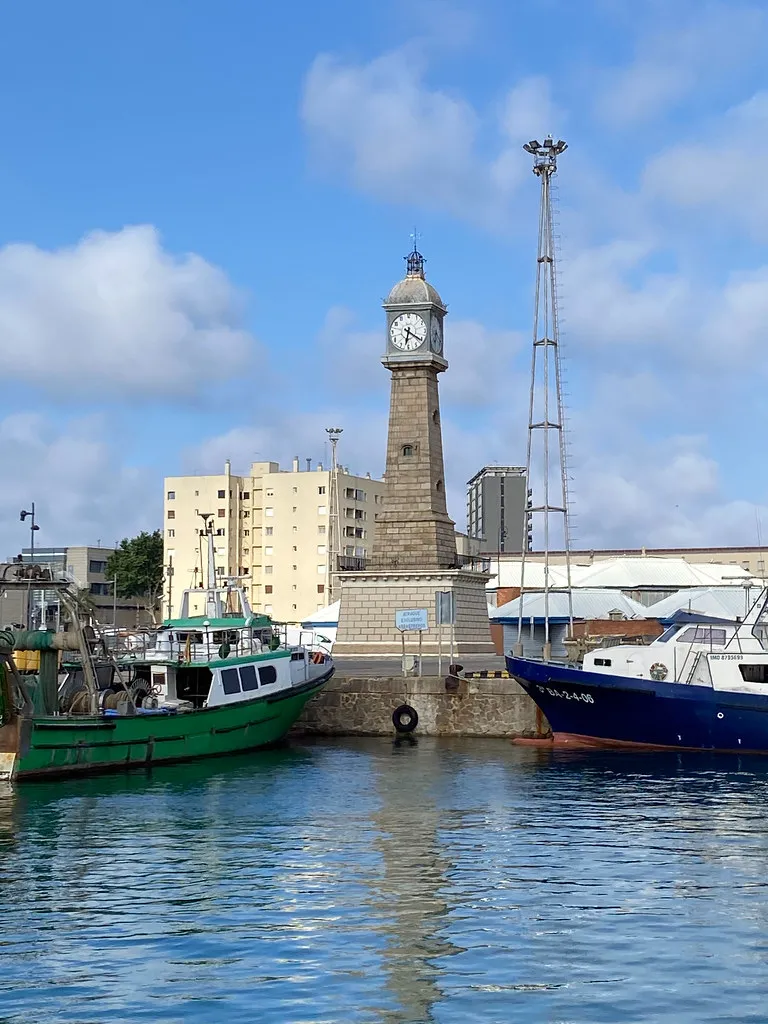
In summer, base yourself in Gràcia (north of Eixample, bohemian and local-facing), Poble Sec (below Montjuïc, restaurant-dense, quiet streets), or Sant Antoni (western Eixample, weekend market, zero tourist infrastructure). Each of these is 15–25 minutes by metro from the main sights. Hotel and apartment prices in these neighbourhoods run 25–40% below equivalent quality in the Barri Gòtic.
In winter, neighbourhood choice matters less because the entire city is operating at low volume. But El Born rewards winter visits particularly: its medieval lanes and independent shops are best appreciated without summer foot traffic, and the 12 Best Local Restaurants in Barcelona Travel Guide in this area maintain their lunch menus through the low season while tourist-facing operations on Las Ramblas sometimes reduce hours.
Local Insights: What Most Tourists Don't Know
The Diada Nacional de Catalunya falls on 11 September. It is a public holiday, not a tourist event. Many neighbourhood restaurants and smaller shops close, public transport runs a Sunday schedule, and the political dimension of the day — it commemorates the fall of Barcelona in 1714 during the War of Spanish Succession — means large marches through the Eixample. If your September arrival is the 10th–12th, plan museum visits and restaurant reservations around this.
The Garbí wind, a southwesterly Mediterranean breeze, typically arrives in the afternoon from April through October. It can drop the felt temperature by 4–6°C on beach days and makes evening terrace dining significantly more comfortable than the thermometer suggests. On days when it doesn't appear — usually in late July and August — the humidity stacks up and the city genuinely becomes unpleasant for extended walking after 14:00.
Mobile World Congress (MWC) runs the last week of February into early March and brings 90,000+ technology industry delegates to the city. Hotels within 3km of Fira Barcelona Gran Via in L'Hospitalet book out entirely and prices triple citywide. If your dates overlap MWC, book accommodation six months in advance or plan to stay in Sitges (40 minutes south by train) and commute in.
When is the Cheapest Time to Visit?
January and February (outside MWC) are the cheapest months overall. A central 3-star hotel that costs €220/night in August can be found for €85–€100 in January. Return flights from London, Paris, or Amsterdam to Barcelona El Prat regularly drop below €50 in this window. The key exception: any dates overlapping Mobile World Congress (typically the last week of February) flip hotel prices back to peak-season levels regardless of weather or crowds.
November is the second-cheapest window and arguably more pleasant than January for walking — temperatures average 12–18°C / 54–64°F and rainfall, while slightly higher than summer, is concentrated in short evening storms rather than all-day rain. Late November also catches the very beginning of Christmas decoration on Las Ramblas and Passeig de Gràcia before the holiday crowds arrive.
Mid-week travel (Tuesday–Thursday arrival) consistently yields 10–20% lower rates than weekend bookings regardless of season. Booking accommodation 60–90 days out gives the best rate-to-flexibility ratio for shoulder season. Avoid booking within two weeks of travel in May, September, or December — last-minute rates in popular months trend upward in Barcelona, unlike some cities where unsold inventory discounts.
January and February (outside Mobile World Congress week) are Barcelona's cheapest months — a central 3-star hotel that costs €220/night in August can be found for €85–100 in January. MWC in late February–early March triples hotel prices citywide regardless of season.
Museums, Art, and Culture by Season
The first Sunday of every month gives free entry to the Picasso Museum, MNAC (National Museum of Catalan Art on Montjuïc), and the Fundació Joan Miró. In winter and autumn these free Sundays are genuinely quiet; in summer you will queue for 45–60 minutes. For a full list of Barcelona's seasonal events and museum details, consult Barcelona's official tourism website. If free Sunday access is part of your plan, visit in October, November, or January for zero wait.
Sala Montjuïc open-air cinema runs July and August. Films are mostly English-language with Catalan/Spanish subtitles, and the setting — a hillside lawn with the illuminated Montjuïc castle behind the screen — is one of the genuinely non-touristy summer experiences in the city. Tickets sell for around €8 and typically go on sale two weeks ahead. Spring is the strongest season for Gaudí's outdoor architecture: Park Güell in April has the best photography light and the lowest queue pressure of the warm-weather months.
Family-Friendly and Budget-Friendly Timing Options
Late April (post-Easter) and early October are the two strongest family windows. Both offer beach access without full summer density, manageable queues at the Aquàrium and Zoo, and hotel pricing below the July–August peak. Tibidabo Amusement Park operates full hours through October; it reduces to weekends-only in November. For families, the ride from Plaça Catalunya to Tibidabo via the historic blue tram and funicular is itself worth scheduling.
Budget families should prioritise the free assets: Parc de la Ciutadella (zoo-adjacent, free, excellent for children), the Barceloneta seafront (free), and the Font Màgica light show on Montjuïc (free Thursday–Sunday evenings, April–October; check exact schedule as hours vary by month). Explore Spain beyond Barcelona in shoulder season and you will find the combined cost of accommodation, transport, and food 30–40% lower than peak summer.
Frequently Asked Questions
What is the cheapest month to fly to Barcelona?
January is typically the cheapest month to fly to Barcelona. You can find significant discounts on both flights and hotels. The city is quiet, making it ideal for budget-conscious travelers.
Is Barcelona too hot in August?
August can be very hot and humid with temperatures reaching 29°C / 84°F. Many locals leave the city for their own vacations. Be prepared for high humidity and crowded tourist areas.
When is the rainy season in Barcelona?
Autumn is the rainiest season, particularly in October and November. Storms are usually short but can be quite intense. Always carry a small umbrella if visiting during these months.
Mid-May to mid-June and the first three weeks of October are the best times to visit Barcelona in 2026 for most travelers. These windows give you warm weather, open water, functioning city infrastructure, and a population that is broadly happy you are there. Summer remains viable — but only for visitors who go in with accurate expectations about crowd density and the structural shifts the 2024 protests set in motion.
Plan your dates around one anchor event — Sant Jordi in April, La Mercè in September, the Jazz Festival in October — and book accommodation and Sagrada Família tickets at least 6–8 weeks before arrival. The city rewards preparation at any time of year.
Combine this with our main Barcelona hidden gems guide for a fuller itinerary.
Continue exploring
More guides you'll find useful