12 Best Hidden Gems in Amsterdam: A Local's Guide (2026)
Discover 12 authentic hidden gems in Amsterdam, from secret attic churches to floating cat sanctuaries. Skip the crowds with these local-only tips for 2026.
On this page
12 Best Hidden Gems in Amsterdam
After living in the Jordaan for several years, I have seen the city change through every season. The famous canals are beautiful, but the true magic of the city hides behind nondescript wooden doors, in medieval courtyards, and on the far side of a free ferry crossing. This guide covers the hidden gems locals actually use — not the spots that only appear hidden because they are a five-minute walk from the Rijksmuseum.
We last refreshed this guide in January 2026 to ensure all prices and hours remain accurate. Every entry here has been chosen because it represents something real about the city: a piece of mercantile history, a surviving social institution, or a corner that has simply not yet been swallowed by souvenir shops. You will discover that the most rewarding moments happen in quiet courtyards and repurposed industrial shipyards.
Overtourism has made certain areas feel like theme parks, but authentic Dutch culture is still very much alive. The contrast between the neon lights of the center and the stillness of a hidden courtyard is striking. Prepare to see a side of the capital that most tourists miss entirely on their first visit.
Ons' Lieve Heer op Solder: The Secret Catholic Church
From the outside, number 40 Oudezijds Voorburgwal looks like three modest canal houses joined together. Step inside and you find a fully operational Catholic church hidden across the top three floors — a genuine secret that dates back to 1663. The church was built during the period when Catholics were banned from public worship, and a wealthy merchant paid to conceal an entire congregation behind a respectable merchant facade. The Dutch term for this kind of clandestine church is a schuilkerk, and Amsterdam once had dozens of them. This is the only one that survived intact.
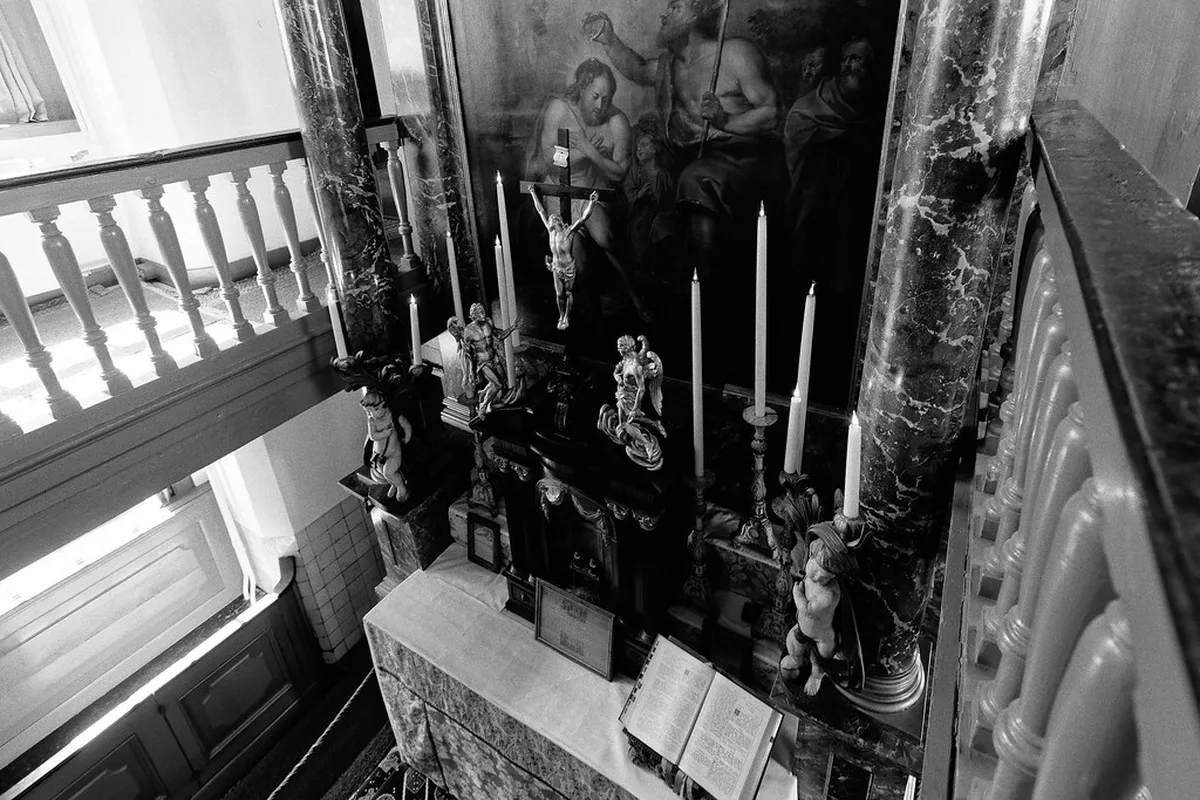
The museum costs €16.50 for adults in 2026 and is open daily from 10:00 to 18:00. The narrow staircases are genuinely steep — take your time. Beyond the two-story church itself, the furniture and decorations are original Golden Age style, so you get architecture, social history, and religious history in one visit. Arrive on a weekday morning before 11:00 and you may have the candlelit altar almost entirely to yourself.
Pro tip: The iAmsterdam City Card covers entry. If you are planning three or more paid museum visits, the card pays for itself on this stop alone. The museum is located in the Centrum district, a two-minute walk from Centraal Station.
This is one of only 25 known schuilkerken (hidden churches) that existed in Amsterdam during the Catholic ban. It is the sole survivor and remains a fully operational church after over 360 years.
Hortus Botanicus: A 17th-Century Tropical Escape
Established in 1638, the Hortus Botanicus in the Plantage district is one of the oldest botanical gardens still operating anywhere in the world. It was founded specifically to grow medicinal plants for Amsterdam's physicians during plague outbreaks, and it expanded dramatically as VOC ships began returning with exotic specimens from Java, Ceylon, and the Cape Colony. The garden is directly responsible for the global spread of coffee — a single Coffea arabica plant from this greenhouse became the genetic ancestor of most of the world's coffee crop.
General admission is €13.50 in 2026 and the gates open at 10:00 daily, closing at 17:00 on weekdays. The butterfly house in the main greenhouse offers a genuinely warm tropical escape during the cold, grey months that define a Dutch winter. Walk through the outdoor medicinal garden to see the species that 17th-century physicians actually prescribed. The garden sits less than fifteen minutes on foot from the Waterlooplein flea market, making it an easy pairing.
Pro tip: The Hortus requires roughly 90 to 120 minutes to appreciate properly. If you are short on time, the three-climate greenhouse alone — tropical, desert, and subtropical in one building — is worth the entry price. Check for occasional evening events in summer when the garden stays open after dark.
Begijnhof: The Medieval Sanctuary in the City Center
The Begijnhof is the most-mentioned secret in Amsterdam, but it still surprises people who find it. It is a medieval courtyard tucked just off Spui square, entirely invisible from the street. The entrance is a small, unmarked wooden door next to the American Book Center. The courtyard was built to house the Beguines — lay religious women who took vows of chastity but were allowed to own property and marry, unlike nuns. Women have lived in these houses continuously since the 14th century.
Entry is free, but the courtyard carries a strict silence rule. The residents who still live in the surrounding houses are not a backdrop — they are people going about their daily lives. Keep your voice low, avoid using a tripod or flash photography, and do not peer into ground-floor windows. The courtyard is typically open from 09:00 to 17:00. House number 34 contains one of only two remaining wooden houses in Amsterdam, dating to around 1425.
There is also a hidden Catholic chapel within the courtyard, converted from a warehouse during the same period when public Catholic worship was banned. Look for the small door inside the courtyard on the left side. The contrast between the noisy Spui and the silence just thirty seconds away is one of the most disorienting moments available for free anywhere in Europe.
De Poezenboot: The World's Only Floating Cat Sanctuary
De Poezenboot has been moored on the Singel canal since 1968. It started when a local woman named Henriette van Weelde began taking in stray cats from the streets, eventually converting a houseboat into a permanent cat sanctuary. Today it houses between 50 and 70 rescued and abandoned cats at any given time, all awaiting adoption. The concept is so singular that it has remained one of Amsterdam's most genuinely surprising addresses for over fifty years.
Visiting is free, though donations help cover veterinary costs. The boat is typically open on weekdays from 13:00 to 15:00 and on weekends from 13:00 to 14:00, but you must book a time slot online in advance at depoezenboot.nl. The visiting windows are short — the staff keeps them tight to avoid stressing the animals. Arrive exactly on time. The boat is moored on the Singel near the Kat en Muis bridge, a short walk from the Centraal area.
Pro tip: This is not a tourist performance — the cats are genuinely waiting for homes. If you travel frequently or know someone looking to adopt, the sanctuary maintains an active adoption list. Adoption enquiries in English are welcome.
Amsterdam's Hofjes: The Hidden Residential Courtyards
The Begijnhof gets all the attention, but Amsterdam has around 50 hofjes — enclosed residential courtyards that were built from the 15th century onward as social housing for widows, orphans, and the elderly poor. Most are still functioning residential properties, which is exactly why they feel so different from conventional tourist sites. They are lived in. They are quiet by necessity. And almost none of them have signs.
The Karthuizerhof on Karthuizerstraat in the Jordaan is the largest remaining hofje in the city, and far less visited than the Begijnhof. It is a private residence that kindly permits public entry — which means the rules matter: no loud voices, no professional photography equipment, leave before sunset. The Raepenhofje, dating to 1648, sits nearby on Palmgracht and is marked only by a small circle carved above the entrance door. It was established for widows by a local merchant family whose descendants still own the property today.
A third option is the Zevenkeurvorstenhofje on Tuinstraat, originally named for the seven elector-princes of the Holy Roman Empire. It remains social housing in its original spirit — the residents are real, the quiet is real, and access is never guaranteed. If the door is closed, it is closed. Finding an open hofje in the Jordaan is genuinely luck-dependent, which makes it one of the few activities in Amsterdam that feels like actual discovery rather than tourism. Treat these places with the same care you would give a neighbor's garden.
NDSM Wharf: Creative Gems in Amsterdam Noord
The NDSM Wharf sits on the north bank of the IJ river, a twenty-minute walk from Centraal Station once you cross by ferry. Until the early 2000s it was an abandoned industrial shipyard, the largest in the Netherlands during its operational years. It has since been occupied by artists, street art collectives, and independent businesses, and it now feels like the most honest version of the city's creative identity — rough-edged, large-scale, and genuinely not designed for tourists.
The entire area is free to explore. Catch the F4 ferry directly behind Centraal Station — it runs every 15 minutes and is free. The IJ-Hallen flea market takes place on the first weekend of most months and is the largest monthly flea market in Europe, drawing around 750 stalls and 40,000 visitors each day. Arriving at 09:00 on Saturday gives you access before the crowds peak. Pllek, the restaurant built from shipping containers on the riverbank, has excellent coffee and a view of the city that is nothing like the canal-house postcard.
Also worth finding: the giant repurposed submarine shed that now serves as a creative working space for resident artists. Entry is sometimes possible during open-studio events. The area surrounding the wharf is worth an hour of wandering on its own — mosaic-covered shipping containers, semi-permanent art installations, and the kind of low-key community life that Amsterdam's center lost decades ago.
The NDSM Wharf is free to explore, and the free F4 ferry from behind Centraal Station is the fastest way to reach it. The IJ-Hallen flea market here draws 40,000 visitors per day during its monthly runs, making it the largest monthly market in all of Europe.
Amsterdam's Floating Life: Beyond the Houseboat Hype
Around 2,500 people live on houseboats permanently moored along Amsterdam's canals. Most visitors notice the boats and photograph them, but very few understand how this floating community actually works. The city maintains a strict licensing system — houseboat moorings are not freely available, and many have been passed down through families or traded on a specialist market. Prices for licensed mooring spots in the Canal Ring can exceed €300,000 on their own, before the cost of the boat.
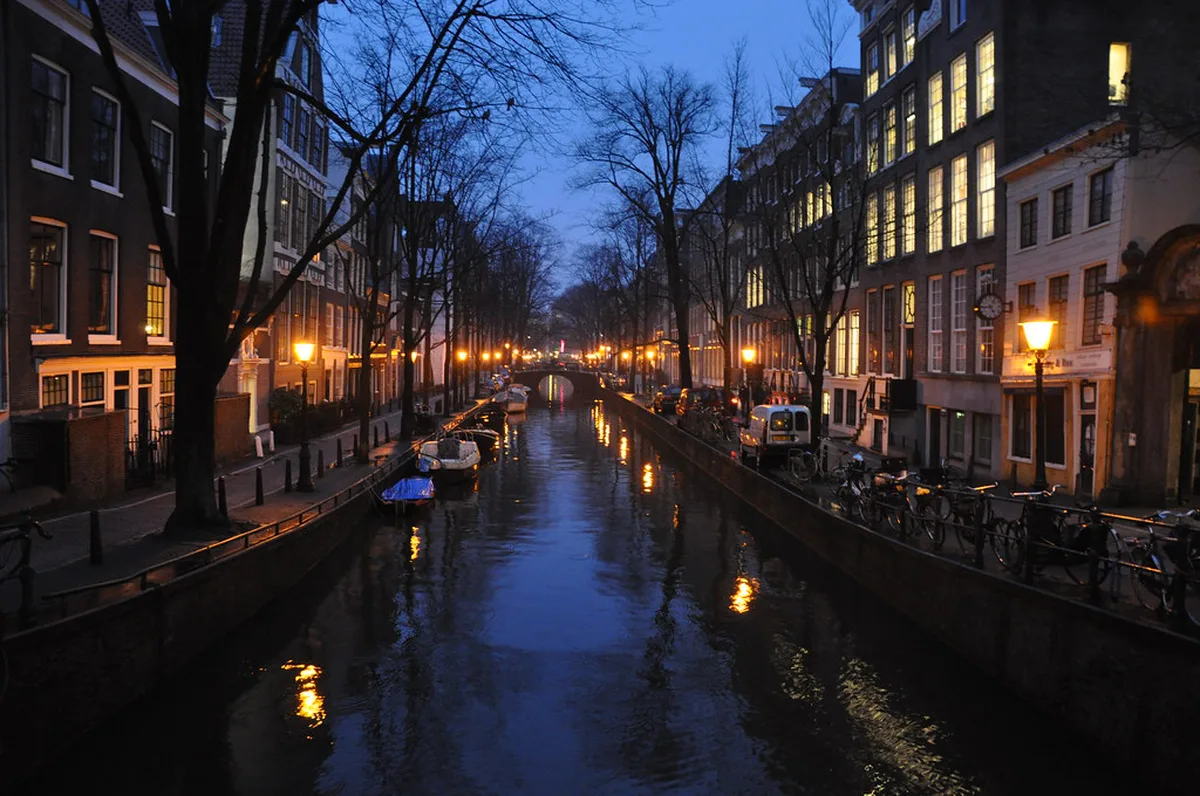
The Prinsengracht and the Brouwersgracht hold the highest concentration of lived-in houseboats in the city. Walking the Brouwersgracht on a weekday morning — before the tourist boats start running — gives you a genuine sense of this community: bikes parked on deck, window boxes in bloom, cats sleeping in portholes. The Woonbootmuseum (Houseboat Museum) on Prinsengracht 296K is open from 10:00 to 17:00, Tuesday through Sunday, for €5. It is one of the few houseboats that visitors can actually enter, and it shows the interior layout and daily mechanics of canal living in surprising detail.
For something more social, Rederij Lampedusa operates canal tours on boats built by refugees as part of a social enterprise. Tours cost approximately €25 per person and focus on stories of migration, the IJ waterway, and Amsterdam's long history as a port city. This is a direct contrast to the narrated canal tours that circle the same bridges for forty-five minutes — the Lampedusa experience is conversational, smaller in scale, and better for the trip budget. Book via rederijlampedusa.nl.
Small Museum Moments: Canal Houses Without the Crowds
The Rijksmuseum and the Van Gogh Museum represent Amsterdam's art at its most internationally legible. But three smaller house museums give you something the large institutions cannot: a specific life, in a specific building, almost completely intact. Museum Van Loon on Keizersgracht 672 is an 18th-century merchant residence with the original coach house, a formal rear garden, and a basement kitchen with copper pots and 17th-century Dutch tiles still in place. Tickets are €15, open daily from 10:00 to 17:00. The garden alone makes it worth the price.
Museum Willet-Holthuysen on Herengracht 605 covers a slightly later period and includes a lavish interior that reads as a social-status document — every room was designed to impress visitors rather than to be comfortable. Entry is covered by the iAmsterdam City Card. The contrast between the public-facing rooms and the working quarters at the back is the most interesting thing in the building. Note: photographing the rear garden requires advance permission.
For the VOC angle, the Oost-Indisch Huis (Dutch East India Company Headquarters) on Kloveniersburgwal is technically not a museum — it is still in use by the University of Amsterdam — but the courtyard is typically open to the public during business hours on weekdays. The stone carvings above the doors date to the 1600s and describe the trading routes the company controlled. There is no entry fee. Getting here requires navigating the Oude Zijde district, which keeps the crowds thin.
Local Markets: Authentic Culture Over Tourist Magnets
The Bloemenmarkt, Amsterdam's floating flower market on the Singel, consistently appears in guidebooks and consistently under-delivers. The boats are permanently moored and have been for decades — the "floating" aspect is now largely nominal. Most stalls sell plastic tulip bulbs, fridge magnets, and Delftware that was manufactured outside the Netherlands. The market survives on reputation rather than quality.
A better alternative for where to eat in the city and genuine local commerce: the Noordermarkt on Saturday morning in the Jordaan. It runs from 09:00 to 16:00 at the foot of the Noorderkerk. Half the market is organic produce from Dutch farms; the other half is vintage clothing, secondhand books, and antique jewelry. Locals use it for their weekly grocery shopping. Arriving before 08:30 gives you access to the best vintage pieces before the regular crowd arrives.
The Albert Cuyp Market in De Pijp is the other essential stop — it is the largest outdoor market in the Netherlands and runs Monday through Saturday from 09:00 to 17:00 along Albert Cuypstraat. It is not a hidden gem by any definition, but the food stalls here represent the actual culinary mix of the city: Surinamese roti, Dutch stroopwafels fresh off a waffle iron, Indonesian satay, Turkish flatbread. One circuit of the full street takes about twenty minutes and costs nothing if you are disciplined about the food.
Overrated "Hidden Gems" and Better Local Alternatives
The Nine Streets (De Negen Straatjes) appear on every local-focused guide and are genuinely pleasant, but they are no longer under the radar. Weekend afternoons in the Nine Streets now involve the same density of people as the main shopping streets. If you want independent boutiques without the queue, the streets east of the Waterlooplein — Staalstraat, Groenburgwal, and the streets around the Zuiderkerk — offer comparable shopping at lower prices with no foot traffic to speak of.
The Anne Frank House is the inverse problem: it is not a hidden gem, but it is consistently the most meaningful thing visitors say they did in Amsterdam. Book weeks in advance online — the queue system means walk-in entry is functionally unavailable in 2026. The same Prinsengracht stretch is home to the Westerkerk, which hosts free lunchtime organ recitals on Tuesdays in summer. Attending one is fifteen minutes of something no tour package includes.
The Torensluis Bridge near the Singel is worth ten minutes of your time for a specific reason: underneath the cobblestones there are former prison cells from the 17th century, visible through barred windows at ground level. The bridge itself is the widest in Amsterdam. It is free, always accessible, and mentioned in almost no guidebook. Stand at the southern edge of the bridge and look down to find the ventilation grilles that reveal the cell chambers below.
LGBTQIA+ Amsterdam: Beyond Reguliersdwarsstraat
Amsterdam was the first city in the world to legally recognize same-sex marriage, in 2001, and its queer history runs considerably deeper than the main bar street. The Homomonument next to the Westerkerk consists of three large pink granite triangles arranged around a central point. One triangle steps down into the canal water. It was designed by artist Karin Daan and inaugurated in 1987 as a memorial to all LGBTQIA+ people persecuted throughout history — not only during the Second World War. It is free to visit at any time and is one of the most quietly moving public memorials in the city.
Reguliersdwarsstraat is the most visible gay bar strip, but it has become expensive and fairly homogenous. The local community tends to use venues in the Pijp and the Jordan more regularly. Café t'Mandje on Zeedijk has been open since 1927 and is widely considered the oldest gay bar in the Netherlands. The interior has barely changed: leather jackets and biker memorabilia cover every surface, and the bartenders know their regulars by name. It is open most evenings from around 16:00.
During King's Day (27 April) and Amsterdam Pride (late July to early August in 2026), the Homomonument becomes a gathering point covered in flowers and flags. If your visit falls outside these dates, the monument is still worth visiting simply as architecture and as context — understanding why it exists is a more honest introduction to Amsterdam's tolerance politics than any canal tour script.
Planning Your Time: Grouping Gems by Neighborhood
A three-day visit gives you the right frame: use the first day for the big museums, and let days two and three cover these lesser-known spots by neighborhood. Grouping by area saves transit time and lets you walk between entries rather than tram-hopping. Planning a three-day Amsterdam plan is more effective when you anchor each day to a single district rather than a list of individual addresses.

Day two suggestion: Jordaan and the Western Canal Ring. Ons' Lieve Heer op Solder in the morning, the Begijnhof before lunch, then the Noordermarkt area in the afternoon for the tiny hidden houses and the hofjes. This loop takes roughly six hours at a relaxed pace and covers the Canal Ring's most concentrated layer of hidden history. The the top sights to see in this area alone could fill an entire day for a detail-oriented traveler.
Day three suggestion: Amsterdam Noord and the Plantage district. Take the free ferry in the morning, spend two hours at NDSM, then cross back and walk to the Hortus Botanicus in the afternoon. The two ends of the day are only connected by the ferry and a twenty-minute tram ride, but the contrast between the industrial creative space and the 17th-century tropical greenhouse is the kind of juxtaposition that makes cities feel genuinely interesting.
Explore hidden gems in other cities
Frequently Asked Questions
Are there any free hidden gems in Amsterdam?
Yes, many of the best spots like the Begijnhof, the Tiny Hidden Houses, and the NDSM Wharf are free. You can find more free things to do by exploring the local parks and public markets.
How do I find the tiny hidden houses in the Jordaan?
Navigate to Westerstraat 54 and look closely at the gap between the buildings. These seven miniature houses are tucked into the crevice at eye level. It is a whimsical site that is easy to miss if you are walking too fast.
Is the floating cat boat worth visiting?
De Poezenboot is definitely worth it for animal lovers, but you must book a time slot in advance. It offers a very unique perspective of canal life. The visit is short, usually lasting only twenty minutes, so plan accordingly.
Amsterdam is a city of layers, and the most interesting ones are often the hardest to find. By stepping away from the main tourist squares, you gain a much deeper appreciation for the local way of life. Whether it is an attic church, a medieval courtyard, or a former shipyard full of street art, these experiences provide lasting memories that a two-hour canal tour cannot replicate. Slowing down your pace is not just pleasant advice — it is the only way to actually see the city.
Remember to travel respectfully and support the small businesses that keep these gems alive. Saying "Goedemiddag" to residents in places like the Begijnhof or the hofjes of the Jordaan is a small gesture that signals you understand these are real neighborhoods, not sets. If you are looking for even more inspiration, check out our guide on unusual things to do for your next trip. Safe travels and enjoy the quiet beauty of the Dutch capital.
Explore More Amsterdam Guides
Plan every part of your Amsterdam trip — from how to spend your days and what to eat, to free museums, canalside nights, and easy day trips from the city.
Itineraries & Planning
- Amsterdam attractions hub: tickets, hours & maps
- A three-day Amsterdam plan
- One day in Amsterdam
- The top sights in Amsterdam
Culture, Museums & History
Food, Coffeeshops & Nightlife
Free & Budget Amsterdam
Neighborhoods & Day Trips
- The Red Light District explained
- The city-centre highlights
- Unusual things to do in the city
- Day trips from Amsterdam
For Couples & Young Travelers
Continue exploring
More guides you'll find useful