10 Best Things to Do in Amsterdam for Young Adults (2026)
Discover the best things to do in Amsterdam for young adults, from street art in Noord and hidden churches to quirky shops and the best local foodie spots.
On this page
10 Best Things to Do in Amsterdam for Young Adults
My first visit to the Dutch capital involved getting hopelessly lost in the Jordaan's narrow alleys. I quickly learned that the city's real magic happens away from the crowded Dam Square. After five return trips, I have discovered where the locals actually hang out and which spots are worth your time.
Amsterdam in 2026 is a playground for young travelers who enjoy a mix of grit, history, and social energy. Whether you want industrial raves or quiet canal-side coffee, this city delivers a unique experience every time. This guide cuts through the tourist noise and focuses on the experiences that actually matter for a younger crowd.
Is Amsterdam Actually Fun for Young Adults?
The city offers a level of freedom and creativity that is hard to find elsewhere in Europe. You will find that the atmosphere shifts dramatically between the historic center and the surrounding neighborhoods. Young adults often prefer the edgy vibes of the north or the bohemian streets of the south.
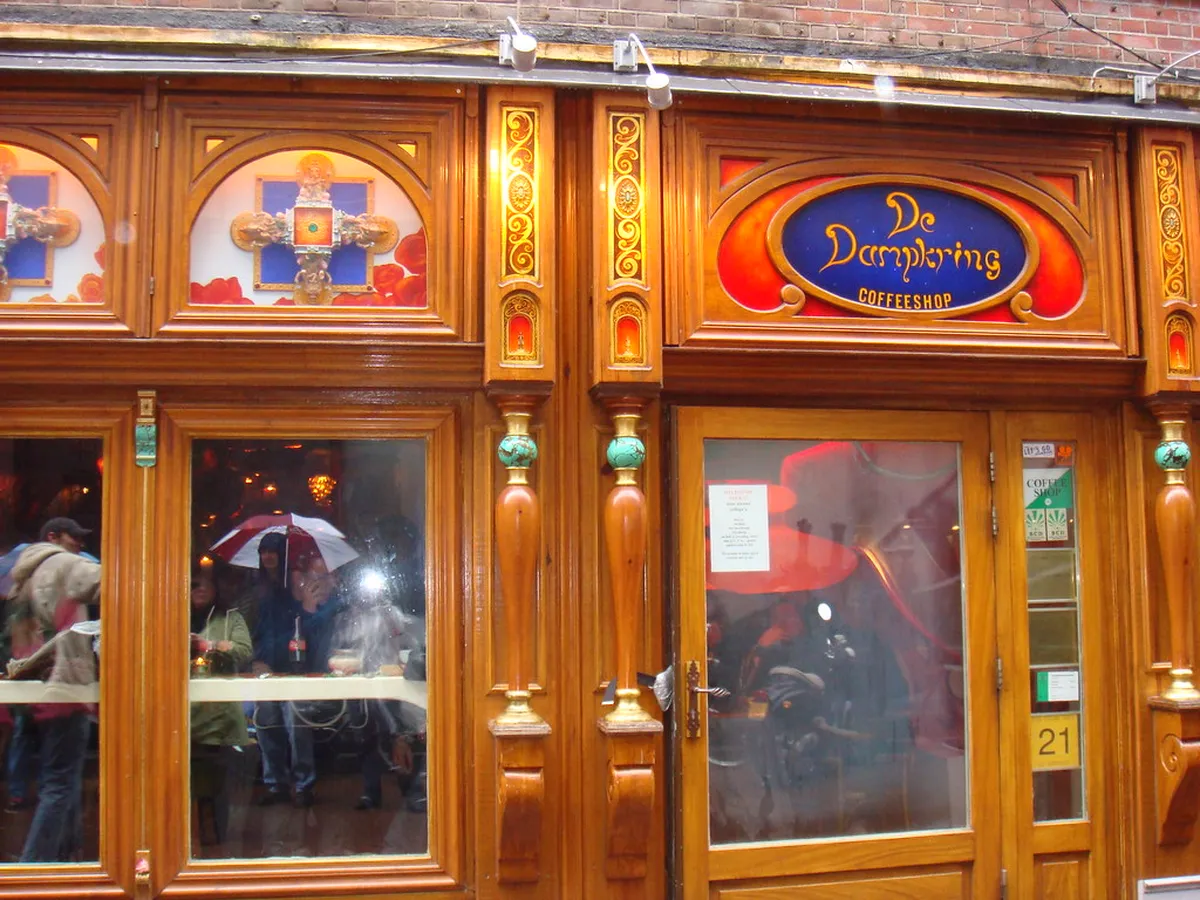
Navigating the canals is simple once you master the local tram system and bike etiquette. Many visitors start by exploring the best coffeeshops in Amsterdam before heading to more cultural sights. The city's compact size makes it ideal for a social weekend trip with friends.
Safety is rarely an issue here, even when exploring the Amsterdam Red Light District at night. Locals are generally friendly and speak excellent English, which helps when you need directions or recommendations. Expect a city that feels both ancient and incredibly forward-thinking at the same time.
Neighborhood Vibe Guide: De Pijp vs Noord vs Jordaan
Where you spend your time in Amsterdam shapes the entire trip. The three neighborhoods most popular with young adults each have a distinct character, and picking the right base for each day makes a measurable difference. Here is how they break down in practice.
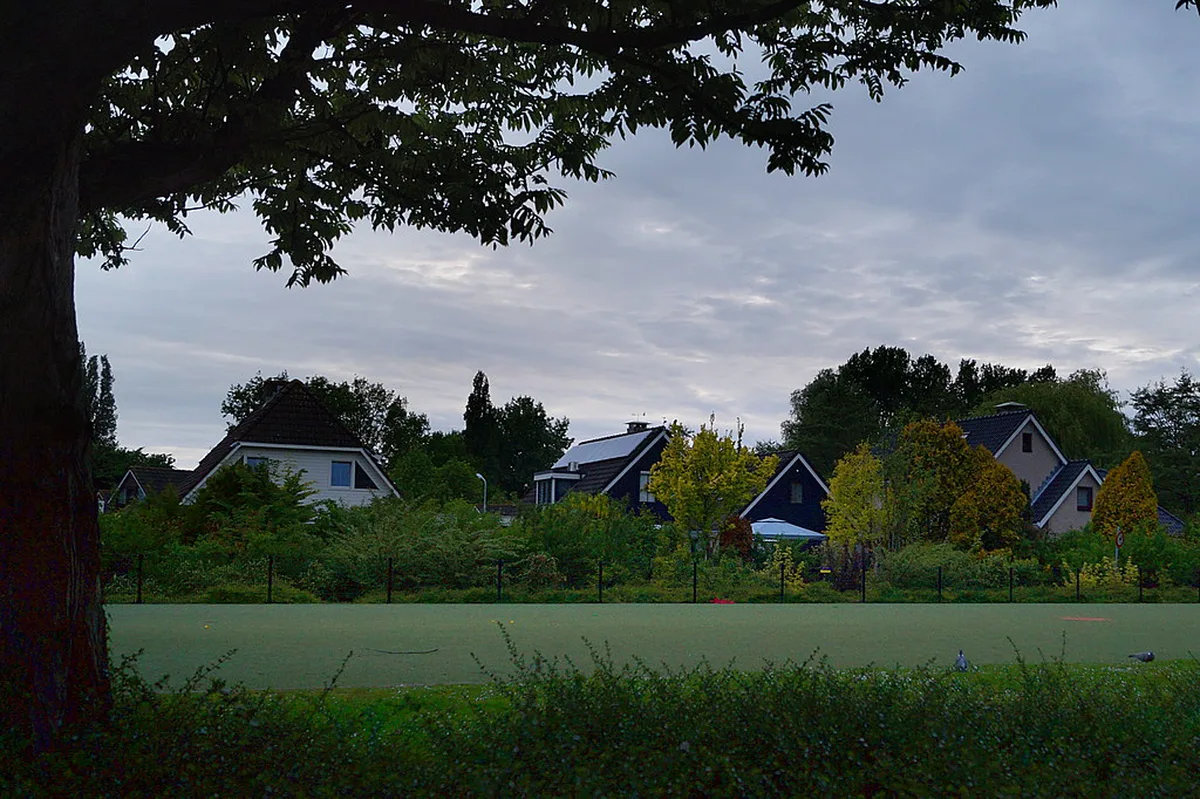
- De Pijp — Bohemian and foodie. Home to Albert Cuyp Market, craft beer bars, and some of the best brunch spots in the city. The local crowd skews toward young professionals and international students. It gets lively after dark without feeling as tourist-heavy as the center.
- Amsterdam-Noord — Industrial and edgy. Reached by free ferry from behind Centraal Station in under 10 minutes. NDSM-Werf dominates, with STRAAT Museum, Pllek beach bar, and the IJ-Hallen flea market (held most weekends). This is where you go when you want to feel like you have found somewhere most visitors miss.
- Jordaan — Scenic and traditional. The UNESCO canal-belt core, lined with boutique shops, brown cafes, and the hidden hofjes courtyards. De Negen Straatjes (The Nine Streets) runs through it. More expensive than De Pijp but authentically Amsterdam in a way that still rewards slow wandering.
A practical itinerary spreads across all three. Start mornings in Jordaan before the day-trippers arrive, spend afternoons in De Pijp around Albert Cuyp, and take the evening ferry to Noord for sunset drinks at Pllek. That single day covers more tonal range than most visitors see in a full week.
Things to Do in Amsterdam: The Essential Bucket List
This list focuses on experiences that balance iconic landmarks with modern, youthful hangouts. Prices are included to help you build a realistic daily budget. Many of these spots sell out days in advance, so booking ahead is the only way to guarantee entry for the most popular ones.
- STRAAT Museum at NDSM-Werf — Over 150 giant murals by international street artists inside a former shipyard warehouse. Entry is €19 per adult. Take the free ferry from behind Centraal Station; look for the giant Anne Frank mural on the exterior wall before you go in. Open daily 10:00–18:00.
- Albert Cuyp Market in De Pijp — The largest outdoor market in Europe. Browsing is free; budget €5–10 for fresh stroopwafels and bitterballen. Monday to Saturday 09:00–17:00. This is also the best launch point for the best food in Amsterdam.
- The Condomerie — The world's first specialty condom shop, located in the historic center near the Red Light District. Entry is free; hand-painted souvenirs start at around €5. Open daily 11:00–18:00. A quick 10-minute stop that surprises most first-timers.
- De Negen Straatjes (The Nine Streets) — A maze of independent boutiques, vintage clothing stores, and canal-side cafes in the Jordaan. Free to wander; shops open around 10:00 and close by 18:00. Laura Dols on Wolvenstraat is the best stop for 1950s-era Dutch vintage fashion.
- Museum Ons' Lieve Heer op Solder — A fully intact 17th-century Catholic church hidden inside the attic of a canal house. Tickets are approximately €16.50. Be prepared for extremely steep and narrow stairs; the interior is unchanged from when it was built. Open Monday to Saturday 10:00–18:00.
- Vondelpark — The city's largest park, open 24 hours and completely free. Best experienced on a sunny afternoon when locals take over the grass with picnics and music. Grab supplies from an Albert Heijn supermarket on the way in and join the regulars.
- A'DAM Lookout and Swing — Panoramic city views from Amsterdam-Noord with the option to ride Europe's highest swing over the edge of the building. General entry is €16.50; the swing costs an additional €6. Open daily 10:00–22:00, directly across the ferry from Centraal.
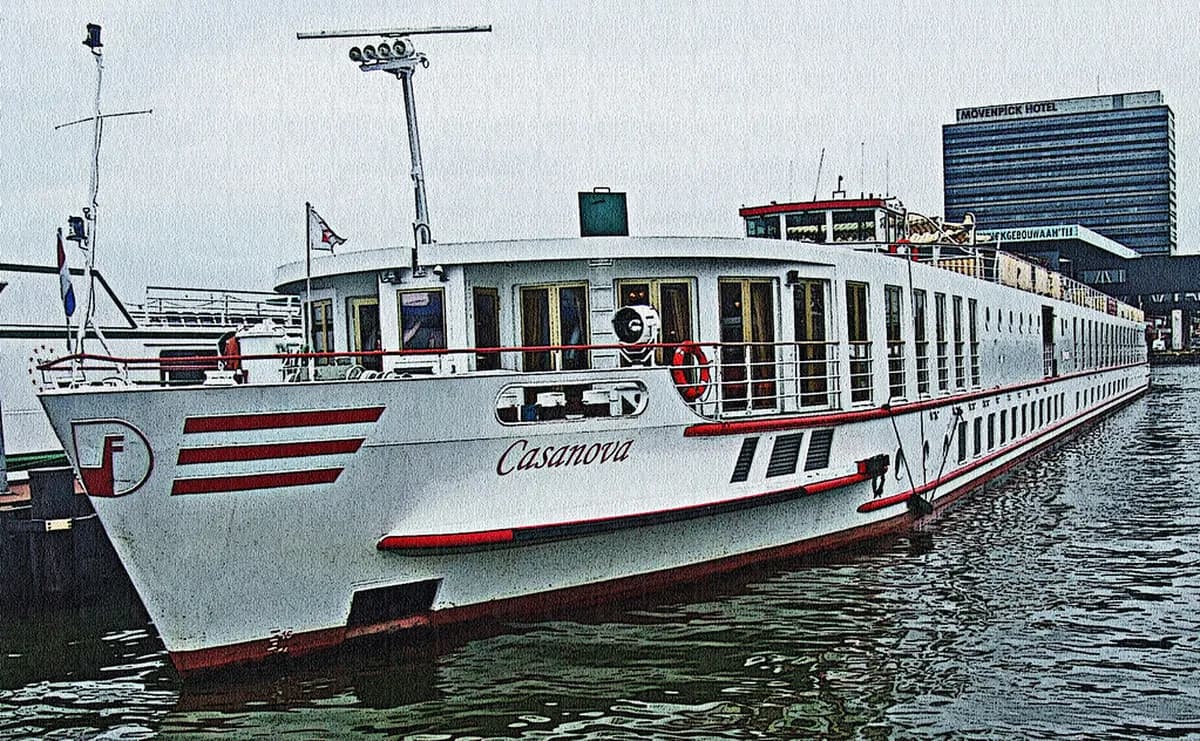
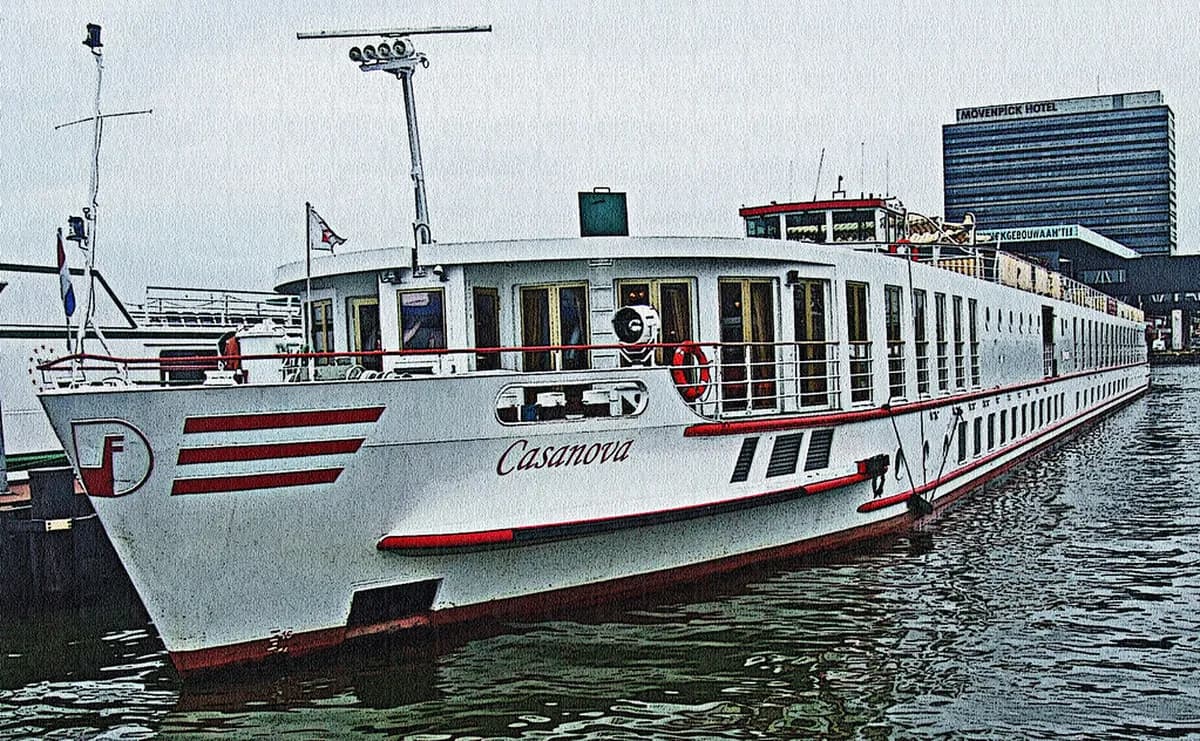
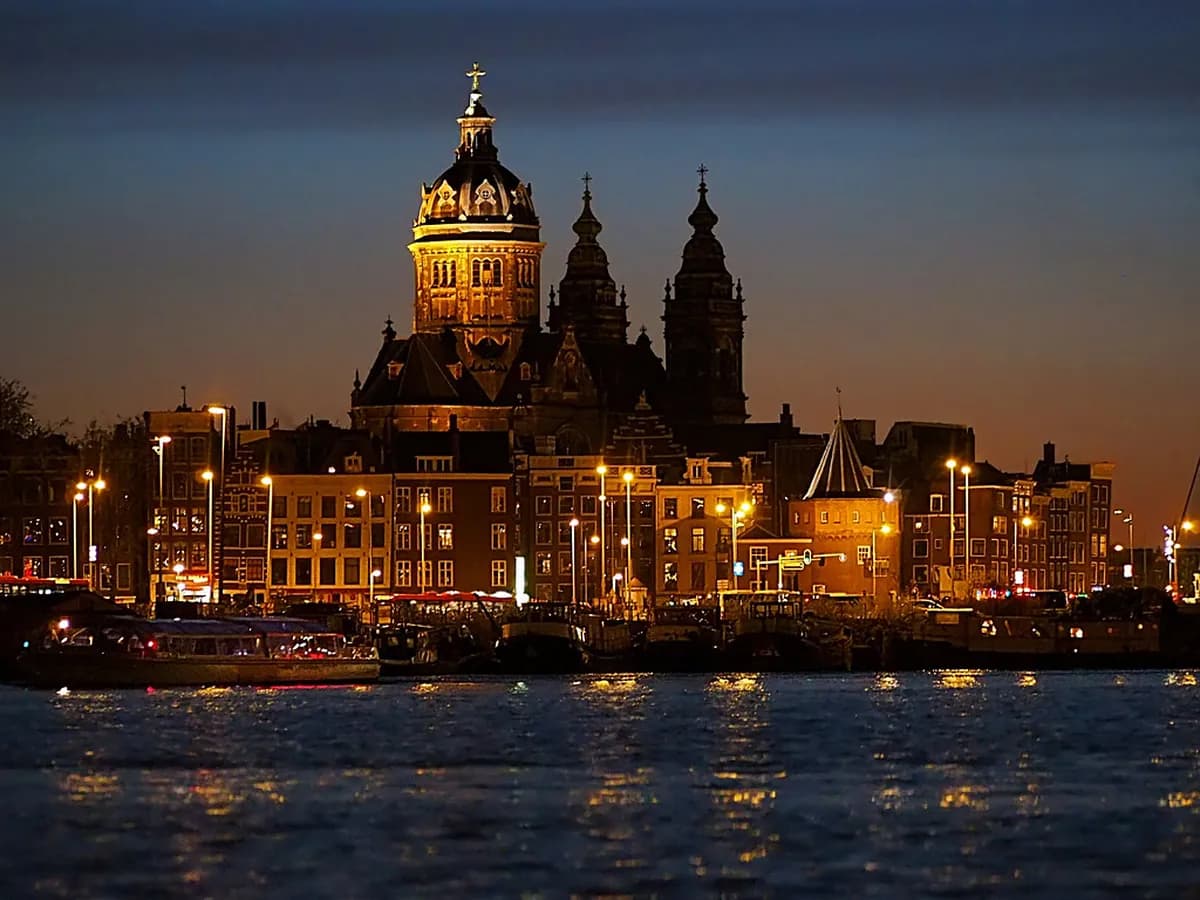
- Evening Canal Cruise — Seeing the city from the water at night is essential for understanding Dutch canal architecture. Standard cruises run around €20 per person and depart from multiple points in the center from 09:00 until 21:00. Smaller operators like Those Dam Boat Guys offer a more interactive experience than the big group boats.
- Electric Ladyland Fluorescent Museum — The world's first museum dedicated to fluorescent art. Admission is around €5 but requires a pre-booked time slot. Located in Jordaan; typically open Wednesday to Saturday for limited afternoon hours. Surreal and unusual, which is exactly why it works.
- IJ-Hallen Flea Market at NDSM-Werf — Europe's largest flea market, held most weekends in the same industrial zone as STRAAT Museum. Entry costs approximately €5. Arrive before 10:00 to get the best finds before the serious dealers clear the stalls.
Explore the NDSM-Werf and STRAAT Museum
The northern part of the city feels like a different world compared to the traditional canal houses. You can reach this area by taking the free ferry from the back of the main train station in about 8 minutes. Many visitors find our hidden gems guide by simply wandering through the old shipping containers and re-purposed industrial units here.
STRAAT Museum is the anchor of this district, but the surrounding graffiti walls and large-scale murals covering the warehouses outside are equally impressive and completely free to see. The same complex hosts the IJ-Hallen flea market on most weekends, making it easy to combine both in a single half-day trip. Check the NDSM website before you go since festival programming can close off certain areas with no notice.
The free ferry from behind Centraal Station reaches NDSM-Werf in about 8 minutes, making it one of the quickest escapes from downtown Amsterdam.
If you enjoy climbing, The Klimmuur Centraal is a short ferry ride away for an active afternoon break. The area also features the Space Invaders Amsterdam game — small ceramic tile mosaics hidden across the city that you can track down using the official app. Noord is the best single argument for why Amsterdam remains one of Europe's most interesting cities for young adults in 2026.
Museums and Art Galleries Worth Your Time
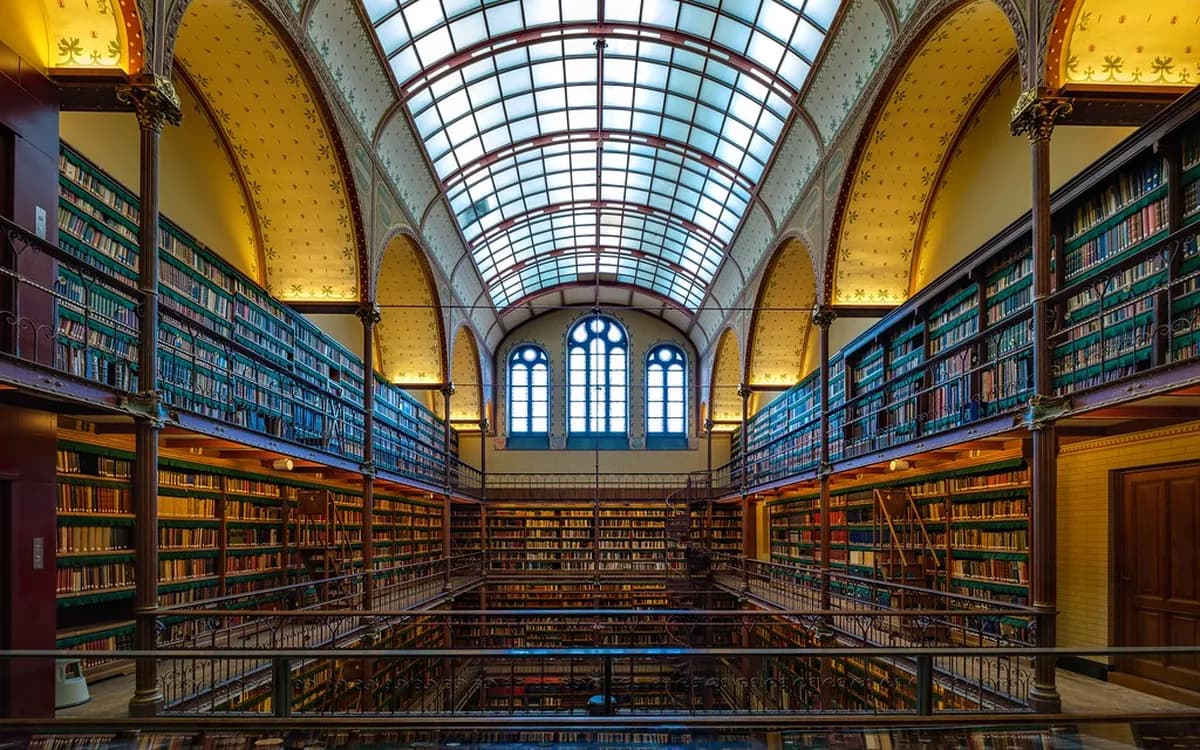
Amsterdam has more museums per square kilometer than almost any city in Europe, which makes choosing feel overwhelming. The honest answer is that most visitors should skip the Rijksmuseum on a short trip unless Dutch Golden Age painting is a genuine interest — it is expensive (around €22.50), very large, and crowded throughout the day. Save that time for museums that are genuinely unusual.
The best picks for a young adult crowd are MOCO Museum on Museumplein for the Banksy collection and rotating modern exhibitions (around €22.50, not included in the I amsterdam City Card), the Anne Frank House for one of the most genuinely moving experiences in Europe (book tickets at least two weeks in advance, they sell out fast, approximately €16), and the Dutch Resistance Museum near Plantage for WWII context that teen and twenty-something visitors find more affecting than they expect. The last two are included in the I amsterdam City Card, which pays for itself quickly if you plan to hit three or more paid sights.
For photography lovers, Huis Marseille Amsterdam is a world-class photography museum housed in a 17th-century canal mansion in De Negen Straatjes. Entry is around €12 and the rotating exhibitions are consistently excellent. It is a far better use of an hour than the Bloemenmarkt (Floating Flower Market), which has largely been taken over by bulb-packaging stalls and sells very little that is actually in bloom.
Canal Cruises and Water Activities
Getting on the water is non-negotiable in Amsterdam, but there is a wide range between a standard canal tour and something genuinely memorable. A basic one-hour cruise from the Damrak or Centraal area costs around €15–20 and gives you a fast orientation of the main canals and architecture. Go at sunset if possible — the light on the canal houses is exceptional between 19:00 and 21:00 in summer.
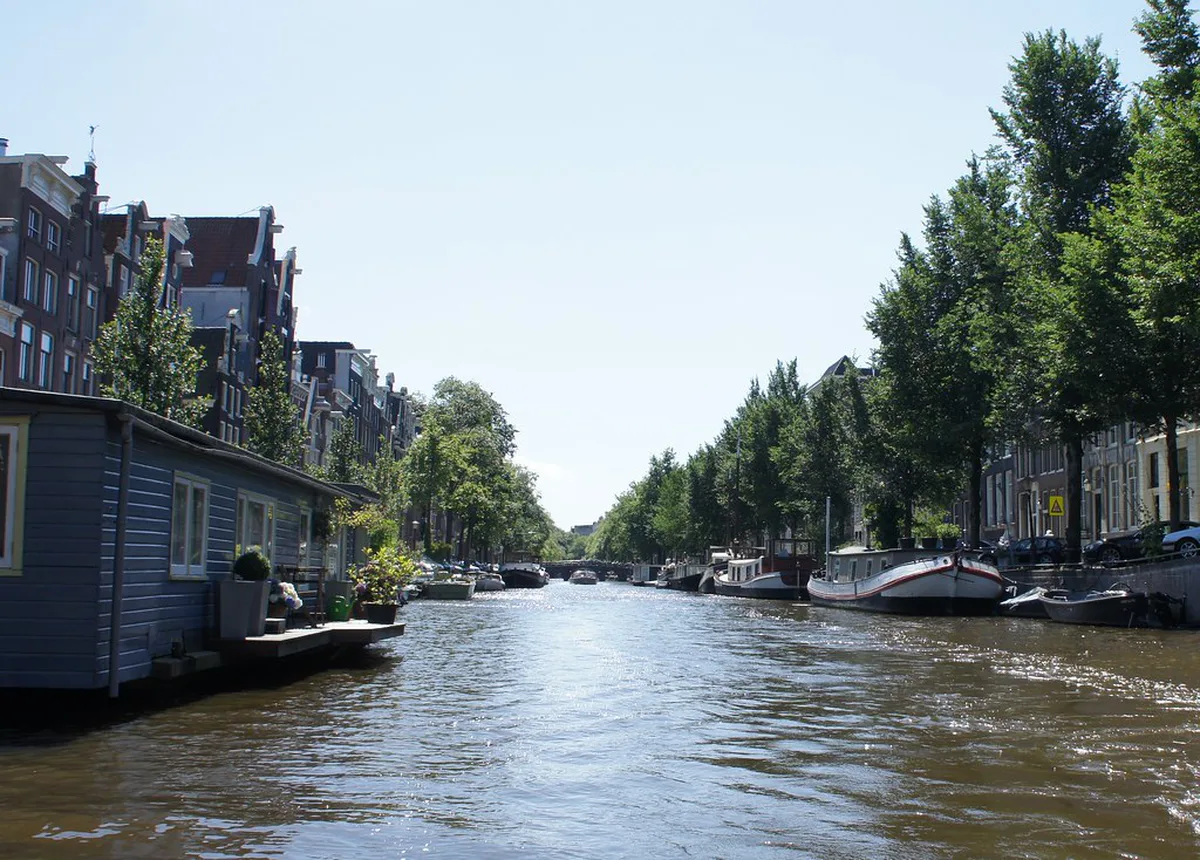
For more active options, SUP paddle-boarding tours operate from May through September and are offered by a small number of operators along the Amstel. It is a surprisingly effective way to see street-level Amsterdam from a different angle, and the two-hour group sessions typically cost around €45 per person. Pedal boat rentals are another option near Vondelpark and the Jordaan canals, though navigating alongside canal tour boats requires some composure.
The free ferry network itself is underused as a leisure activity. Taking the overnight GVB ferry to IJburg or the daytime ferries to Noord at different times of day gives you a free view of the IJ waterway and the city's expanding eastern docklands. None of this requires a booking or any cost beyond your OV-chipkaart.
Dutch Fried Snacks and Where to Find the Best Ones
Amsterdam's food culture is more interesting than most guides give it credit for, and the fried snack tradition is the fastest way to eat like a local on a budget. The key items to try are bitterballen (small deep-fried beef ragout balls, served with mustard), kroketten (the elongated version, often served in a bun), and frieten — Dutch fries that come with a choice of sauces that goes well beyond ketchup. Order patat oorlog (potato war: mayo, satay sauce, raw onion) at least once.
The best spots in Amsterdam for serious frieten are Vleminckx on Voetboogstraat (cash only, queue expected, roughly €3–5 for a portion) and Manneken Pis on Damrak for a more central location. Both are fast-food windows, not restaurants. For bitterballen with a beer, any old-style bruine kroeg (brown cafe) in the Jordaan will serve a solid version — Café 't Smalle on Egelantiersgracht is a reliable choice with canal-side seating.
Albert Cuyp Market in De Pijp is the best place to graze across multiple snacks in one stop. A fresh stroopwafel from one of the market stalls costs around €1.50 and is the single best value food experience in the city when eaten warm. The market runs Monday through Saturday from 09:00 to 17:00, and the stalls in the middle section tend to be better quality than the ones closest to the entry points.
Shop the middle stalls at Albert Cuyp Market for the best quality snacks; those near the entry points cater more to casual foot traffic and charge tourist prices.
The Dutch Jenever Trail: A Local Drinking Experience Most Visitors Skip
Most young adult visitors default to craft beer or the Heineken Experience when thinking about Dutch drinking culture. Both are fine, but jenever (Dutch gin, the predecessor to London dry gin) is the drink that actually defines Amsterdam and almost no tourist guide covers it properly. The local style is either jonge (young, lighter) or oude (old, more complex and malty) and is traditionally served in a tulip glass filled to the brim — you lean down to take the first sip without lifting the glass.
The best starting point is Wynand Fockink, a tasting house and working distillery that has been operating since 1679 inside a narrow alley behind the Grand Hotel Krasnapolsky on Dam Square. Entry is free; a pour of house jenever costs around €3.50–5 and they produce over 70 varieties. The space feels genuinely unchanged from the 17th century. From there, walk to Café de Dokter on Rozenboomsteeg, reportedly the smallest bar in Amsterdam, for a second pour in an atmosphere that matches.
Brouwerij 't IJ at the De Gooyer windmill in Plantage also has jenever on the menu alongside their own craft beers, and the setting is visually unlike anything else in the city. The brewery taproom opens at 14:00 Thursday to Sunday. Combining Wynand Fockink and Brouwerij 't IJ as a self-guided afternoon route takes roughly three hours and covers two completely different sides of Amsterdam in a way that most bar-hopping itineraries miss entirely.
Plan Your Perfect Amsterdam Trip: Budget and Timing
A realistic budget for a young adult is around €100 per day including food and sights. You can save significantly by using the I amsterdam City Card for transport and entry fees if you plan to visit three or more paid attractions. Many travelers wonder a three-day Amsterdam plan — three days is usually enough to cover the center and one or two outer neighborhoods.
The city is most vibrant from May to September when the weather allows for outdoor dining, canal swimming, and festivals. June in particular brings Open Garden Days (usually a single weekend in June when private canal house gardens open to the public — a genuinely exclusive experience that costs around €20 and sells out fast). July and August are peak season with higher accommodation prices; April brings tulip season crowds around Keukenhof. For a younger, social crowd, late September to October hits a sweet spot of manageable weather and fewer families.
Transport is best handled by walking or using the GVB tram network. Renting a bike is a classic Amsterdam experience but can feel chaotic for visitors not used to dense urban cycling. Always tap in and out of trams and buses with an OV-chipkaart or bank card to avoid the €4 fine for non-tappers. For late-night returns, check the night bus routes (N-prefixed lines) since trams stop running around 00:30 on weekdays. Those exploring Amsterdam after dark will need to plan around the night bus schedule or use a taxi app.
Frequently Asked Questions
Is Amsterdam expensive for young travelers?
Amsterdam can be pricey, but a budget of €80 to €100 per day is manageable. You can save money by visiting free parks and eating at local markets. Many museums also offer discounts for those under 26 years old.
How many days should I spend in Amsterdam?
Three days is the ideal amount of time for a first-time visit. This allows you to see the main museums and explore two or three distinct neighborhoods. You will have enough time to enjoy the nightlife without feeling rushed.
What is the best way to get around the city?
Walking is the best way to see the historic center's details and hidden alleys. For longer distances, the tram system is efficient and very easy to navigate. Only rent a bike if you feel confident in fast-moving urban traffic.
Amsterdam is a city that rewards those who look beyond the obvious tourist attractions. By exploring the industrial north and the bohemian south, you will find a much more authentic vibe. The combination of history and modern creativity makes it one of the best destinations for young adults in 2026.
Remember to book your must-see museums in advance to avoid long lines in the city center. Whether you are here for the art, the food, or the nightlife, the Dutch capital will not disappoint. Safe travels and enjoy discovering the hidden corners of this incredible European hub.
Continue exploring
More guides you'll find useful