12 Best Things to See in Amsterdam (2026)
Discover the best things to see in Amsterdam, from the Anne Frank House to hidden canal-side gems. Includes local secrets, booking tips, and neighborhood guides.
On this page
12 Best Things to See in Amsterdam
After five visits to the Dutch capital, I still find new corners to explore every time I return. The city is much more than its famous nightlife and crowded central streets. If you are planning a trip to the Netherlands, the capital is the perfect starting point for your journey.
This guide was last refreshed in 2026 to include the newest gallery openings and updated ticket rules. I have included a mix of world-famous landmarks and quiet local spots that most tourists overlook. You will find practical advice on booking windows and how to avoid the biggest crowds.
Iconic Must-See Landmarks
Amsterdam's most famous sights reward visitors who plan ahead. The Anne Frank House is the city's most emotionally significant landmark — a preserved canal house where Anne Frank and her family hid for over two years during the Nazi occupation. Tickets sell out weeks in advance: the official site releases them exactly six weeks ahead of each visit date, every Tuesday at 10:00 CET. Have your payment details ready and set three alarms. A small number of same-day tickets are also released at 09:00 CET, but these disappear within minutes.
Dam Square is the historic heart of the city and takes no planning at all — just show up. The Royal Palace (Koninklijk Paleis) on the western side opens daily for tours around €12.50, and the adjacent Nieuwe Kerk hosts rotating cultural exhibitions. The square itself can feel overwhelmed with tourists midday, but early mornings before 09:00 are genuinely calm.
The Westerkerk tower, completed in 1638, stands 85 metres tall and remains the highest point in Amsterdam's old city. Guided climbs run April through October (closed Sundays) for about €9.50. The view from the 40-metre wooden platform looks directly down onto the Anne Frank House queue, which gives you a useful sense of crowd volume before you head there.
The Westerkerk tower's 40-metre platform overlooks the Anne Frank House queue, so you can scout crowd levels before deciding whether to visit that day.
One important correction for 2026: the large iAmsterdam sign was permanently removed from Museumplein several years ago to reduce overcrowding. Do not build your afternoon around finding it there. A version exists at Schiphol Airport, and smaller signs occasionally appear at rotating city locations — check the official I Amsterdam city site before you go.
World-Class Art and History Museums
The Museumplein groups three major institutions within walking distance of each other. The Rijksmuseum houses 800 years of Dutch art and history across 80 galleries. Head straight to the Gallery of Honour on the second floor for Rembrandt's Night Watch and Vermeer's The Milkmaid — both hang in the same room and both stop most people in their tracks. Entry is €22.50; the museum is open daily 09:00–17:00. Visiting after 15:00 noticeably thins the crowds around the Night Watch frame.
Rembrandt's Night Watch and Vermeer's The Milkmaid hang in the same room at the Rijksmuseum and are best viewed after 15:00 when crowds thin significantly.
The Van Gogh Museum next door holds the world's largest collection of his work. Most visitors rush toward the Sunflowers and miss the more powerful progression — start with the dark Brabant paintings on the first floor, then follow his palette as it explodes after he reaches Paris in 1886. Tickets are €24 for adults; book at least two weeks out. Midweek mornings (Wednesday or Thursday) give you enough space to stand in front of paintings without someone's elbow in your ribs.
History buffs should add the Dutch Resistance Museum in the Plantage district to their list. It covers life under occupation through the personal stories of ordinary citizens and is significantly less crowded than the Anne Frank House. Admission is around €16 and it pairs well as an afternoon complement to the Anne Frank House in the morning. The Amsterdam's top museums collection also extends to the Moco Museum and FOAM photography museum for those with more time.
Scenic Canals and Historic Waterways
The Grachtengordel — Amsterdam's concentric canal ring — was built during the Dutch Golden Age and is a UNESCO World Heritage Site. Walking its banks gives you the famous view of leaning 17th-century merchant houses, humpback bridges, and houseboats moored along the water. The Herengracht, Keizersgracht, and Prinsengracht are the three main canals; the Prinsengracht runs directly past the Anne Frank House and is the most photographed stretch.
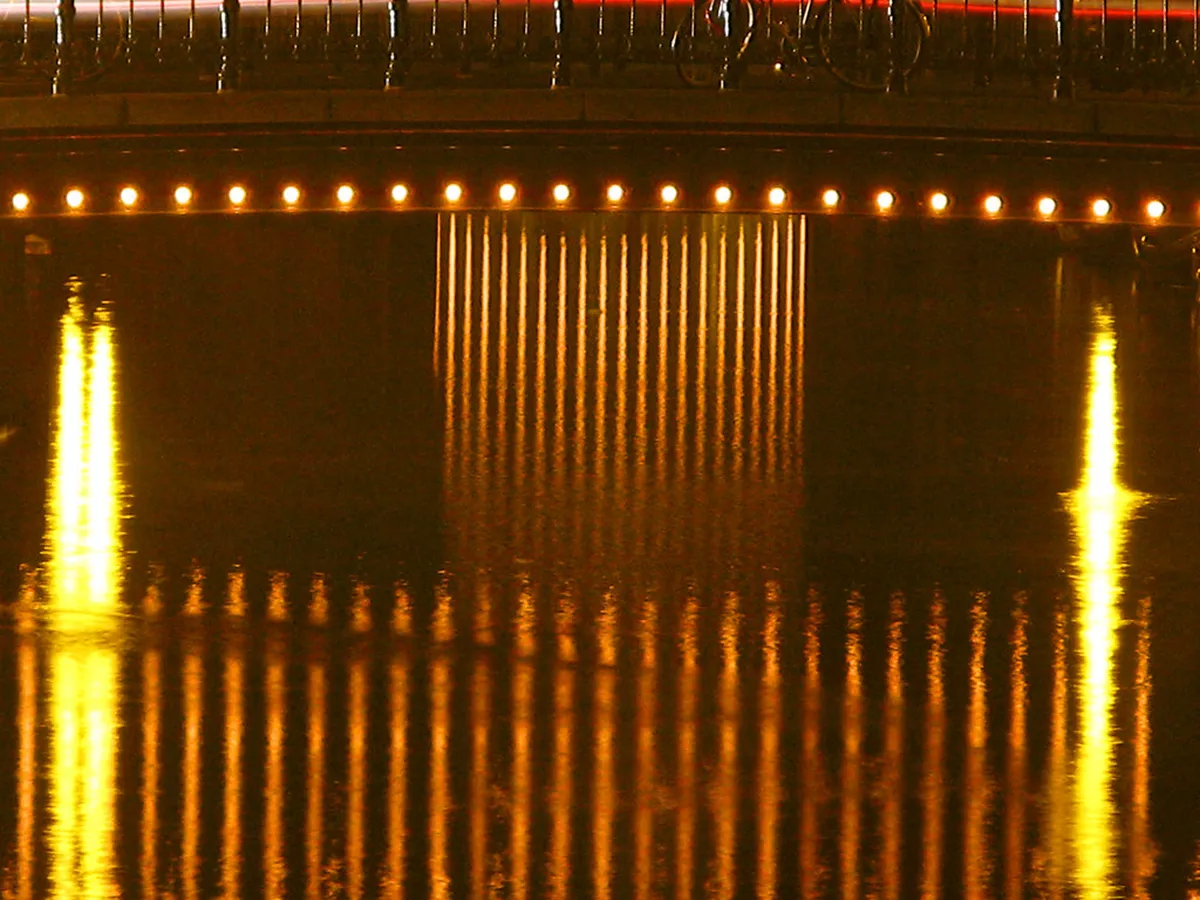
A canal cruise is the best single way to understand the city's layout. Standard one-hour tours depart frequently from near Centraal Station and cost between €18 and €25. Open boats that can navigate the smaller canals give a more intimate experience than the covered glass tourist barges. Evening cruises are particularly good: bridges across the canal ring are lit with thousands of small lights after dark, and the reflections on the water are genuinely spectacular.
For something more active, rent a pedal boat (known locally as a fluisterboot or whisper boat) from the Singelgracht and navigate the quieter waterways yourself. Rentals run about €15–€20 per hour and boats hold two to four people. This lets you duck into the narrower side canals where tour boats cannot go. The 3-day Amsterdam itinerary includes a suggested canal circuit that links several key sights by water.
The Most Charming Neighborhoods to Explore
The Jordaan is the most picturesque district in the city. This former working-class quarter is now filled with independent galleries, antique shops, and some of the best brown cafés in Amsterdam. The streets are narrow enough that you will inevitably get pleasantly lost. The Saturday Noordermarkt is the best weekly market in the neighborhood — organic produce on the north side, vintage clothing on the south, and fresh stroopwafels pressed in front of you at a small stand near the church entrance.
De Pijp, south of the city center, is where Amsterdam's multicultural identity is most visible. Albert Cuyp Market runs Monday through Saturday 09:00–17:00 along a 400-metre stretch of the main street. It is the busiest outdoor market in the Netherlands and sells everything from Dutch cheese and fresh herring to Indonesian spices and Moroccan pastries. Browsing is free; budget €10–€15 for snacks. The neighborhood around the market has some of the city's most interesting restaurants at prices significantly below what you pay nearer the canal ring.
Oud-West is the least-visited of the three main residential neighborhoods but arguably the most authentically local. The Ten Katemarkt operates year-round and serves actual residents — Turkish, Moroccan, and Dutch families doing their weekly grocery shopping, not tourists looking for souvenirs. Westerpark, at the neighborhood's northern edge, combines a large green space with cultural venues in converted 19th-century gas factory buildings at Westergasfabriek.
Hidden Gems and Secret Courtyards
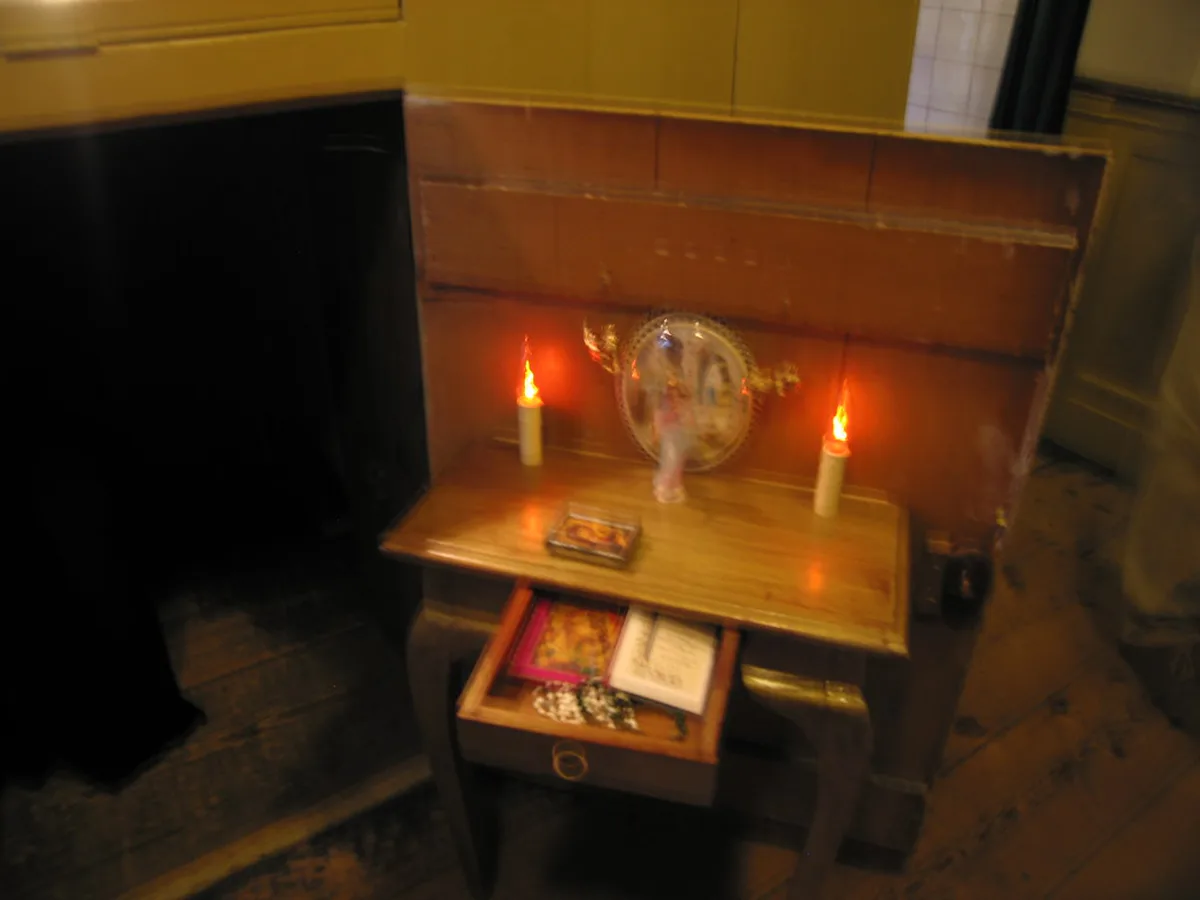
Our Lord in the Attic (Ons' Lieve Heer op Solder) is a fully preserved 17th-century Catholic church built inside the upper floors of a canal house on Oudezijds Voorburgwal. After the Protestant Reformation, Catholics were banned from public worship and this hidden church served a congregation for over 150 years. The entire building has been turned into a museum; entry is €16.50 and it is open daily 10:00–18:00. It is one of the genuinely surprising places in the city — visitors expecting a small curiosity usually spend 45 minutes longer than planned.
Begijnhof is a medieval courtyard that sits two minutes from the busy Spui square but is unknown to most tourists walking past. Enter through an unmarked wooden door — the sign is small. Inside, 17th-century almshouses ring a grass courtyard where a small Catholic chapel still holds services. It is one of Amsterdam's oldest surviving inhabited spaces. Entry is free; arrive around 16:00 for the best light on the chapel windows. The courtyard is still a residential area, so keep noise low and avoid flash photography.
The Jordaan hofjes — small hidden courtyard gardens tucked behind unassuming street doors — are Amsterdam's best-kept secret for a quiet afternoon. Karthuizerhof on Karthuizerstraat opens daily 10:00–20:00. Hofje van Brienen on Prinsengracht operates Monday to Friday 06:00–18:00 and Saturday 06:00–14:00. Both are free, genuinely tranquil, and completely absent from most tourist itineraries. A two-hour walking circuit connecting three or four hofjes through the Jordaan is one of the most rewarding things you can do in the city — and it is found in almost no published guide. These are the our hidden gems guide that repeat visitors cite as their favourite discovery.
Authentic Dutch Food and Local Markets
Dutch street food is better than its reputation. Raw herring (maatjesharing) is the classic test — cured rather than cooked, served with finely chopped onions and pickles. The correct technique is to hold the fish by the tail and take bites from below, though a fork works fine. The herring cart at Nieuwmarkt has been operating since the 1980s and consistently serves the best version in the city center. The Albert Cuyp Market in De Pijp also has reliable herring stands at lower prices.
Stroopwafels from the supermarket are a pale imitation of the real thing. At the Albert Cuyp or Noordermarkt, they are pressed fresh to order and the caramel syrup is still warm enough to melt when it reaches you. Bitterballen — deep-fried ragout croquettes — are the standard Dutch bar snack. Most places serve frozen versions; Café Hoppe on Spui has been making them from slow-cooked beef since 1670 and the difference is immediately obvious.
Indonesian food is essential in Amsterdam. The Netherlands' colonial history with Indonesia means rijsttafel (rice table) — a spread of 15–25 small dishes — has been a local staple for generations. Warung Spang-Makandra in De Pijp serves everyday Indonesian food at neighbourhood prices and is where residents eat, not tourists. For Dutch pancakes, look beyond the Pancake Bakery near Anne Frank House (popular but tourist-priced) and find the smaller spots in the Jordaan, where thin crepe-style pancakes with bacon and cheese make a proper lunch for under €12.
More Amsterdam Adventures
Zaanse Schans, 45 minutes northwest of Amsterdam by train (direct from Centraal, alight at Zaandijk-Zaanse Schans), is the most accessible windmill experience. The site is free to enter; individual working windmills charge €5–€7 for an interior tour. It is busy on weekends, so arrive before 10:00 or after 15:00. If Zaanse Schans feels too packaged, the Clara Marie Farm nearby in Zaandam offers a smaller, less choreographed experience — it is a working organic farm with a clog-making demonstration that feels noticeably more authentic. The trade-off is a slightly longer walk from the station.
Haarlem is 20 minutes west by train and is worth a half-day even if you have only 36 hours in Amsterdam. The Frans Hals Museum houses one of the finest collections of 17th-century Dutch portraiture outside the Rijksmuseum. The Saturday market around the Grote Markt is where locals from both cities come to shop. The tourist density is a fraction of Amsterdam's, and café prices reflect that.
For the Concertgebouw, one detail almost no visitor knows: the Royal Concertgebouw Orchestra plays free public concerts every Wednesday at 12:30 in the main hall. These lunchtime performances run about 45 minutes and are genuinely world-class — the building opened in 1888 and has acoustics that modern concert halls still cannot replicate. No booking required; arrive by 12:15 and queue at the side entrance. This is the single highest-value free cultural experience in the city and it is consistently overlooked in published guides.
The A'DAM Lookout tower in Amsterdam Noord offers a 360-degree rooftop view for €16, with an optional Over the Edge swing for an extra €7. The free GVB ferry from behind Centraal Station takes three minutes. The North side of the water also hosts the Straat Museum of street art in the NDSM Wharf, a former shipyard now filled with giant murals from international artists. Tickets are €19; the industrial scale of the building makes the art hit differently than a standard gallery.
Smart Spots to Skip or Swap
The Bloemenmarkt, Amsterdam's floating flower market, is on almost every tourist list and disappoints almost as many visitors. Most stalls now sell plastic souvenirs, fridge magnets, and bulbs that cannot legally be exported to many countries including the US. The flower bikes you see photographed around the city are actually art installations by local resident Warren Gregory — they make far better photos than anything you will find at the market, and they cost nothing to see.
The Heineken Experience is a high-production interactive tour priced at around €23. The beer at the end is fine but the visit can feel like a branded theme park. A better alternative is Brouwerij 't IJ, a craft brewery built into the base of a working windmill on Funenkade. Entry costs €5 for a tasting, the beer is brewed on site, and the setting — canal, windmill, outdoor terrace — is more atmospheric than anything the Heineken tour offers.
The Red Light District is worth walking through once, but the main streets (Oudezijds Voorburgwal, Warmoesstraat) have become very congested on weekend evenings. If you want to understand Amsterdam's liberal history, the Red Light District museum on Oudezijds Achterburgwal explains the area's context more usefully than standing in a slow-moving crowd.
Practical Tips for Your Amsterdam Sightseeing
Three days is the minimum to see the main highlights without feeling rushed — one day for major museums, one day for neighborhoods and canals, one day for a day trip or slower exploration. If you only have 24 hours, choose the Jordaan in the morning and one major museum in the afternoon. Do not try to combine both the Van Gogh Museum and the Rijksmuseum in one morning; museum fatigue sets in fast and you will not do either justice. For a full route, the day trips from Amsterdam page covers Haarlem, Utrecht, and Zaanse Schans with transport times.
The GVB public transport app is the most practical navigation tool in the city. Tap your contactless credit or debit card directly on readers — no separate travel card needed. The free ferries from behind Centraal Station to Amsterdam Noord run continuously and cost nothing. Bicycles are the default transport for locals and they move fast; always check before stepping off a kerb, because red-paved surfaces are dedicated bike lanes, not wide pavements.
Most venues in the city center are completely cashless. The I Amsterdam City Card covers entry to the Rijksmuseum, Van Gogh Museum, and the Amsterdam Museum, plus unlimited GVB public transport. The 48-hour card costs €65 and pays for itself if you visit three or more major museums. Check the full inclusions list first, as several premium attractions like the Anne Frank House are not included and must be booked separately regardless.
Tap water in Amsterdam is excellent quality and free to ask for in most cafés. Tipping is not mandatory — locals round up bills or leave 5–10% for good service. English is spoken fluently by around 90% of residents, so language is rarely a barrier. Trains from Schiphol Airport to Centraal Station run every 10–15 minutes and take 14–17 minutes; this is consistently the fastest and cheapest option from the airport at around €5.50 per person.
Frequently Asked Questions
What are the top 5 things to see in Amsterdam?
The top five sights include the Anne Frank House, the Rijksmuseum, the historic Canal Ring, the Van Gogh Museum, and the Jordaan district. These locations offer the best mix of history, art, and local atmosphere. We recommend booking all museum tickets at least two weeks in advance.
Is the I Amsterdam City Card worth it for sightseeing?
The card is worth the investment if you plan to visit at least three major museums and use public transport frequently. It includes entry to the Rijksmuseum and a canal cruise, which helps cover the cost quickly. Check the official list of inclusions to match your personal itinerary.
Are there any free things to see in Amsterdam?
Yes, you can explore the Vondelpark, walk the historic Canal Ring, and visit the Civic Guard Gallery for free. Taking the ferry to Amsterdam Noord is also a free way to see the city from the water. Many local markets like the Albert Cuyp are free to browse.
Amsterdam is a city that rewards those who look beyond the most famous tourist traps. By mixing iconic museums with local neighborhoods like De Pijp, you will experience the true Dutch spirit. Remember to book your tickets early and always keep an eye out for the fast-moving bicycles.
Whether you are here for the art or the atmosphere, the canals will surely leave a lasting impression. We hope this guide helps you navigate the best of what the city has to offer in 2026. Safe travels as you explore the beautiful waterways and historic streets of the Dutch capital.
Continue exploring
More guides you'll find useful