15 Unusual Things to Do in Amsterdam: A Local's Guide (2026)
Discover the weird side of the city with 15 unusual things to do in Amsterdam, from fluorescent museums and cat boats to hidden attic churches and street art.

On this page
15 Unusual Things to Do in Amsterdam
After six visits to the Dutch capital, I've learned that the city hides its best secrets behind plain brick facades. While most visitors flock to the same three squares, the real magic happens in attic churches and industrial shipyards. These 15 picks were last verified in 2026 for accurate opening hours and ticket prices. I personally discovered the Cat Boat on a rainy Tuesday and realized that Amsterdam's bizarre side is its most authentic one.
Finding the right balance between iconic sights and weird discoveries is the key to a memorable Dutch holiday. You might already know what Amsterdam is famous for, but a local perspective offers so much more depth. From fluorescent art galleries to floating feline sanctuaries, these picks go beyond the standard guidebook. The official Amsterdam tourism guide can help you find additional events and activities to pair with these unusual spots. Prepare to explore a side of the city that most tourists completely overlook on their first visit.
The Secret Annex at Anne Frank Huis
The Anne Frank House is not a museum in the conventional sense. There are no grand display cases or dramatic lighting effects — just the bare, silent rooms where eight people lived hidden for two years during the Nazi occupation. Walking through the narrow staircase concealed behind a bookcase is one of the most quietly shocking experiences Amsterdam offers.
Tickets cost approximately €16 per adult and must be booked exactly six weeks in advance via the official website. Same-day tickets are not sold on-site. Try to book the very last evening slot (around 21:30) to experience the heavy atmosphere with fewer tour groups. The museum is open daily from 09:00 to 22:00 most of the year, though hours are reduced in winter.
The Hidden History of De Wallen (Red Light District)
Most visitors treat De Wallen as a novelty to tick off a list. The smarter approach is to arrive before noon, when the crowds thin and the neighbourhood reveals its genuine medieval character. The Oude Kerk (Old Church) sits at its heart — built in the 13th century, its floor is made entirely of gravestones, and it hosts contemporary art exhibitions that create a jarring, memorable contrast.
If you want more context, the Red Light Secrets Museum in a former brothel covers the history of sex work in the Netherlands thoughtfully and without sensationalism. Entry runs €12 to €15, and the museum is open daily from 11:00 to midnight. Walking the alleys in daylight also reveals the hidden Begijnhof-style courtyard of the Oudemanhuispoort passage — free, quiet, and almost entirely overlooked by tourists.
Skip the Glass Boats: Alternative Canal Cruises
The large glass-topped tourist boats that dominate the main canal departure points are convenient but impersonal. Plastic Whale runs two-hour tours where you fish for plastic waste from the water while learning how the canal system works — sessions cost around €25 to €35 per person. You leave with a tangible sense of contribution rather than just photographs.
For a more atmospheric option, smaller private boat companies depart from the quieter Jordaan wharves and let you bring your own food and drink. The evening golden-hour window (around 19:30 to 21:30 in summer) turns the canal water amber and the bridges glow. If budget is the constraint, the free IJ ferry from behind Centraal Station is the single best free water view in the city.
Museum Ons' Lieve Heer op Solder: The Attic Cathedral
From the outside this is an ordinary 17th-century canal house on the edge of the Red Light District. Step inside and climb three narrow flights of stairs and you find a complete, functioning Catholic church built into the top floors — complete with an organ, carved altarpiece, and pews. Catholic worship was banned in Amsterdam after 1578, so wealthy merchants built hidden churches like this inside their homes to practice their faith in secret.
Adult tickets cost €16.50 and the museum is open Monday through Saturday from 10:00 to 18:00 and Sunday from 13:00 to 18:00. The entrance is at Oudezijds Voorburgwal 38. Budget about 45 minutes inside. The Museumkaart is accepted here, making it one of the best value stops on this list for cardholders.
De Negen Straatjes: The Nine Streets Bumble
The Nine Streets sit within the UNESCO canal belt directly behind the Royal Palace. Unlike the Leidsestraat or Kalverstraat shopping strips, every business here is independently owned and housed in a narrow canal house. The mix is genuinely eclectic: vintage 1950s fashion at Laura Dols, a specialist toothpaste shop, photography museum Huis Marseille, and the Puccini Bomboni chocolatier widely regarded as the best in the city.
The area operates best as a slow wander rather than a tick-list exercise. Most shops open from 10:00 to 18:00, with cafes opening earlier. On a quiet weekday morning the streets are nearly empty, which is when the architecture — original shuttered facades, mossy stone bridges — is at its most photogenic. Entry to the streets is free; the Museumkaart covers admission to Huis Marseille.
Condomerie: The World's First Specialty Condom Shop
Opened in 1987, Condomerie was the first shop in the world to sell condoms as both a health product and an art object. The window display changes regularly and functions more like a small gallery installation than a shop front — hand-painted designs, themed collections, and condoms shaped like famous Dutch landmarks. It sparked a global wave of similar stores but nothing has quite replicated the original's dry wit and precise curation.
Browsing is entirely free and the staff are straightforward and professional. The shop is open daily from 11:00 to 18:00 and is located at Warmoesstraat 141 in the edge of De Wallen. It takes about ten minutes to see properly. This is the kind of stop that generates more genuine conversation about Amsterdam's history of tolerance than any museum exhibit.
STRAAT: The World's Largest Street Art Museum
STRAAT sits inside a former shipyard warehouse at NDSM-werf in Amsterdam-Noord and contains more than 160 works by over 150 artists from around the world. The scale is what separates it from any indoor art experience in the city — murals run from floor to ceiling across industrial walls the size of apartment blocks. A suspended truck covered in painted panels hangs from the ceiling of the main hall. You can explore the official STRAAT website to check opening hours and plan your visit before arriving.
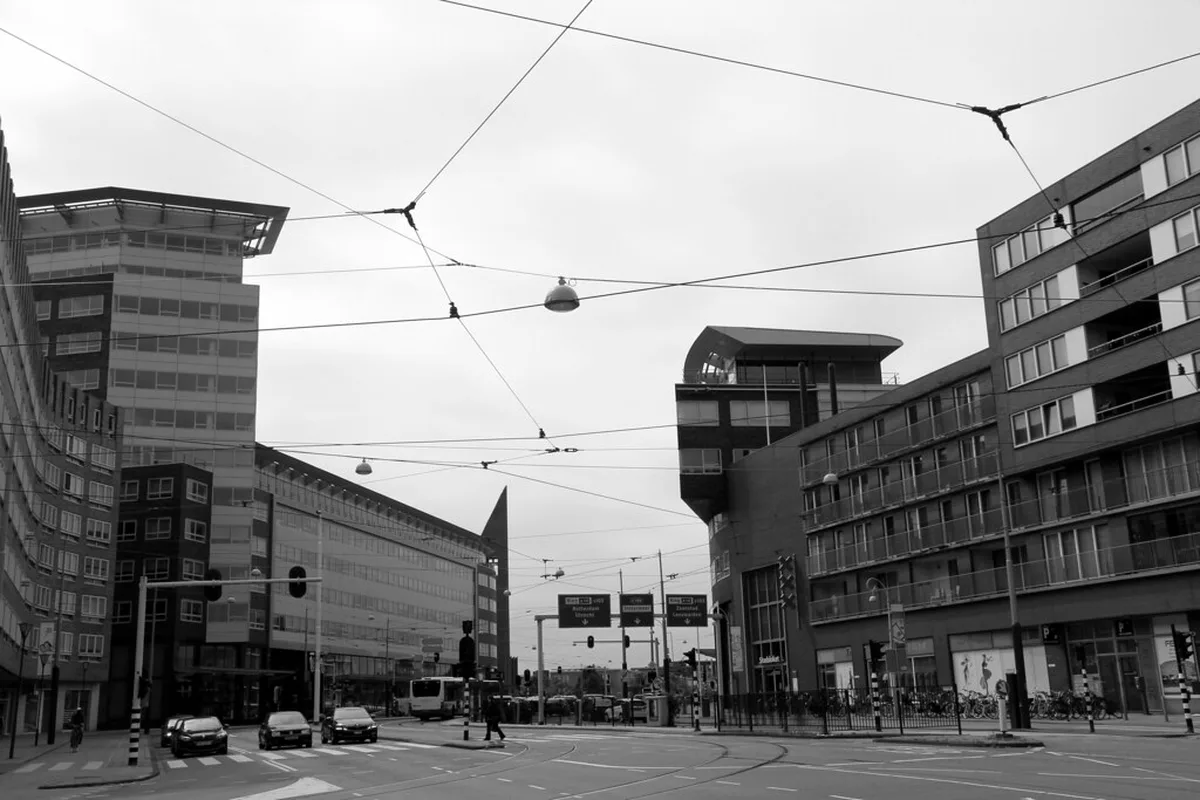
To get there, take the free IJ ferry from Pier 9 behind Centraal Station toward NDSM-werf. The crossing takes about 15 minutes and is one of the best free views of the Amsterdam skyline. Tickets for STRAAT cost €19 per adult and the museum is open daily from 10:00 to 18:00. Allow at least two hours. The surrounding NDSM yard with its shipping container studios and old yellow submarine in the harbour is worth exploring before or after.
Electric Ladyland: The Fluorescent Art Museum
Electric Ladyland in the Jordaan claims to be the first museum in the world dedicated to the phenomenon of fluorescence. It occupies a small basement on Tweede Leliedwarsstraat 5 and holds perhaps thirty visitors at capacity. The experience is guided, intimate, and disorienting in the best way — you put on protective slippers, the lights drop, and minerals, art, and everyday objects begin to glow in colours they have no right to possess.
The trade-off is that the space is genuinely tiny and advance booking is mandatory. Entry costs around €5, which is remarkably low for a singular sensory experience. It typically operates Wednesday through Saturday with afternoon hours only — check the website before visiting as sessions sell out quickly. This is not a place for the impatient; it rewards those who go slowly and ask questions of the guide.
Electric Ladyland requires advance booking and has strict capacity limits of around 30 visitors at a time, with sessions often selling out quickly on Wednesday through Saturday afternoons.
The Cat Boat (Poezenboot): A Floating Feline Sanctuary
Moored on the Singel canal at the corner of Kattengat since 1968, the Poezenboot is a non-profit sanctuary for stray and abandoned cats. At any given time between four and fifty cats live aboard the barge, which is cleaned, maintained, and run entirely by volunteers. It is one of the few genuinely charitable tourist attractions in the city and the atmosphere is calm rather than performative.
This is the one stop on this list that requires the most planning. The boat is only open to visitors from 13:00 to 15:00 on select days, and capacity is tightly limited for the welfare of the animals. Entry is free, but donations are essential — the charity relies on them entirely. Book ahead via their website and arrive at least ten minutes early. Cats are adoptable through the organisation if you happen to live in the Netherlands.
NDSM Wharf: The Industrial Arts Hub
Beyond STRAAT, the wider NDSM-werf site functions as a year-round arts district that most visitors never reach. Shipping containers have been converted into artist studios, a skateboard park sprawls between rusting cranes, and a decommissioned yellow submarine sits in the dock with the quiet dignity of an object that has given up trying to explain itself. The Noorderlicht cultural café and summer beach club operate from here with canal views back toward the city.

The grounds are free to explore and open at all hours, though individual venues have their own schedules. The free ferry from behind Centraal Station (Pier 9, toward NDSM-werf) runs roughly every 30 minutes during the day and every hour at night. The crossing is 15 minutes and the contrast between the golden canal belt you left behind and the raw industrial scale you arrive at is one of Amsterdam's most genuinely surprising transitions.
The free IJ ferry from behind Centraal Station takes only 15 minutes to reach NDSM-werf and runs every 30 minutes during the day, making it one of Amsterdam's best free attractions with a city skyline view.
The Torture Museum: A Medieval Dark History
Near the Bloemenmarkt on Singel, the Torture Museum fills a dimly lit canal house with authentic instruments of medieval punishment. The collection covers execution devices, restraint tools, and religious inquisition artefacts from across Europe, presented with enough historical context to make the experience educational rather than merely sensational. The building's low ceilings and cramped rooms amplify the discomfort in a way that adds to the effect.
Tickets cost around €10 per person and the museum is open daily from 10:00 to 23:00. It takes about 45 minutes to see thoroughly. This is unsuitable for young children but pairs well with a visit to the nearby Museum Ons' Lieve Heer op Solder for a study in how the same era produced both hidden sanctuaries and instruments of terror.
Europe's Highest Swing at A'DAM Lookout
The A'DAM Toren observation deck in Amsterdam-Noord sits directly across the IJ water from Centraal Station. At the top, the "Over the Edge" swing launches you out over a drop of 100 metres with nothing beneath your feet except the city skyline. It is objectively absurd and completely worth doing. The deck also contains a revolving restaurant and a nightclub in the basement, making the tower one of the stranger vertical arrangements in European architecture.
Deck entry costs €18.50 for adults and the swing adds approximately €6 on top. The tower is open daily from 10:00 to 22:00. Reach it via the free IJ ferry from Pier 9 — the crossing takes two minutes. Go at sunset if you can; the light over the canal belt from that height is remarkable, and the queue for the swing is shorter after 20:00.
Woonbootmuseum: Life on the Water
The Houseboat Museum on Prinsengracht 296K is a converted sand barge from 1914 that shows visitors what it actually means to live on Amsterdam's canals full-time. About 2,500 people live on houseboats in the city today and the barge gives an honest picture of that life — compact galley kitchen, narrow sleeping quarters, the constant gentle movement underfoot. The interior is more spacious than it looks from the outside but still requires adjustment.
Entry costs around €6 per adult. The museum is open Tuesday through Sunday from 10:00 to 17:00 and is closed on Mondays. It takes about 30 minutes to see properly. The Museumkaart is not accepted here, but the low ticket price makes it one of the most affordable stops on this list regardless.
Hunt for the Tiniest Houses in Amsterdam
At Westerstraat 54 in the Jordaan, a gap between two canal houses contains seven tiny miniature wooden facades — each less than 20 centimetres wide — tucked into the brickwork at eye level. They were installed by a local creative agency as a temporary gap-fill during construction and were simply never removed. Nobody officially maintains them; they have just become part of the street.
This is a completely free attraction visible at any hour. Use a phone camera in portrait mode to isolate the details — the miniature windows, doors, and window boxes are painted with surprising precision. While you are on Westerstraat, walk the wider Jordaan streets and look for the gable stones above doorways: each one tells the story of the trade or belief of the family who originally lived there, and they are a free alternative to any heritage museum.
Amsterdam's Secret Garden Days (Open Garden Days)
Every third weekend of June, the owners of more than 25 private canal house gardens open their gates to the public for the Amsterdam Open Garden Days. These are gardens that sit behind the tall facades of the canal belt, invisible from the street and inaccessible for the other 362 days of the year. Some are formal Dutch garden designs; others are wild green courtyard spaces that barely look intentional. All of them are unexpected in a city this dense.
A three-day pass costs around €20 and covers all participating gardens between 10:00 and 17:00. The event is popular and some of the larger gardens have short queues in the afternoon. If you can only go on one day, Saturday morning is the quietest window. Plan your trip to Amsterdam for mid-June and this event becomes one of the most memorable things you will do in the city.
The Museumkaart: What No One Tells You Before You Buy It
The Dutch Museumkaart costs €69.95 for adults in 2026, but it is entirely free for visitors under 18 years old — a detail that almost no travel guide emphasises clearly. For a family with two teenagers this changes the calculus of the card dramatically. The card covers admission to more than 400 museums across the Netherlands, including Museum Ons' Lieve Heer op Solder, STRAAT, the Rijksmuseum, the Van Gogh Museum, and the Houseboat Museum on this list.
The break-even point for adults is roughly four to five museum visits at standard prices. If you plan to visit at least that many attractions over two or more days, the card pays for itself and removes the low-grade anxiety of deciding whether each individual museum is "worth" the entry fee. Cards are available at most major museums and at the Amsterdam Centraal tourist office. There is a 31-day validity window from first use, which suits trips of three to seven days perfectly.
One additional advantage most visitors miss: the Museumkaart lets you enter without pre-booking at many sites. At busy museums like the Rijksmuseum, there is a separate dedicated Museumkaart entrance queue that is consistently shorter than the standard ticket queue. Check the Amsterdam's top museums guide for which venues have the shortest Museumkaart lanes by time of day.
What Makes Amsterdam So Beautifully Bizarre?
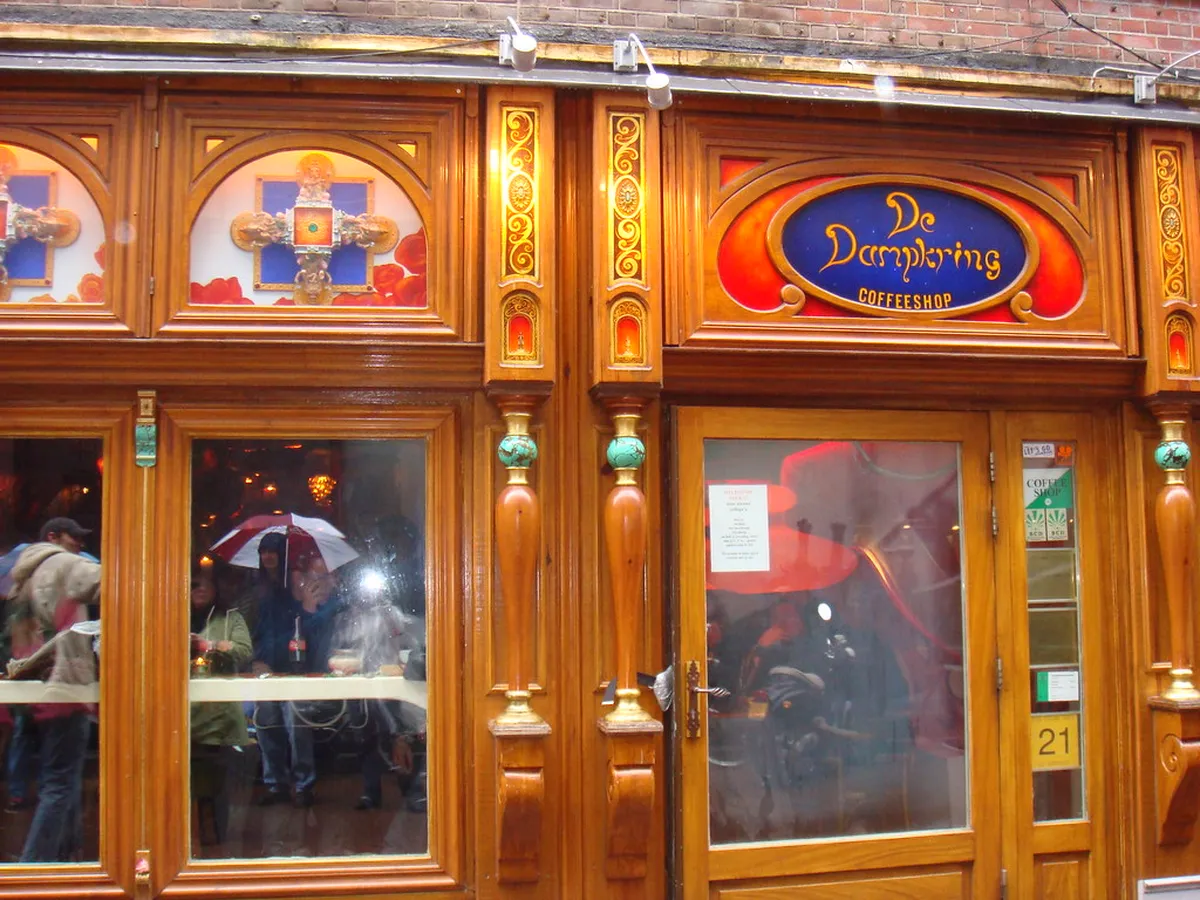
The city's tolerance for the unusual stems from centuries of having to coexist in tight quarters. Because the historic center is so densely packed, locals became experts at hiding their passions behind narrow doors — attic churches, basement fluorescence labs, feline sanctuaries on barges. There are many free things to do that lean into this quirky and resourceful Dutch instinct. Amsterdam's history reveals how tolerance for diverse expression shaped the city's unique cultural identity. Even the local coffee shop culture reveals a society that values unique atmospheres over corporate uniformity.

The contrast between the 17th-century canal belt and the gritty NDSM Wharf shows the city's two distinct personalities. One side is meticulously preserved and golden-age grand; the other is an evolving playground for modern street artists and industrial reimaginers. The most interesting days are those where you bridge these two worlds using the free public ferries — board at Centraal, arrive somewhere that looks like a different city entirely. Most locals appreciate visitors who take the time to cross the IJ rather than staying within the canal ring.
If you are staying for several days, pair the our hidden gems guide on this list with an afternoon in the Jordaan for a coherent portrait of how the city actually works. The neighbourhood's hofjes (hidden courtyards behind unmarked doors) and gable stones are as revealing as any museum. And the Begijnhof — a medieval courtyard accessible through an arch off Spuiplein — is free, genuinely hidden from street level, and almost always quiet even in peak summer.
Frequently Asked Questions
Are these unusual attractions suitable for children?
Most of these spots, like the Cat Boat and the Houseboat Museum, are very family-friendly and engaging for kids. However, the Torture Museum and the Red Light Secrets Museum are better suited for teenagers and adults due to their mature themes.
Do I need to book these quirky museums in advance?
Yes, advance booking is essential for popular spots like the Anne Frank Huis and the tiny Electric Ladyland. The Cat Boat also requires online reservations due to its limited capacity and short visiting hours.
Is the Museumkaart worth it for a short trip?
The card is worth the investment if you plan to visit at least five museums over a few days. It covers many of the unusual spots on this list and allows you to skip some ticket lines.
Amsterdam is a city that rewards the curious traveler who is willing to look beyond the obvious landmarks. By visiting these 15 unusual spots, you will gain a much deeper understanding of the Dutch spirit of innovation and eccentricity. Whether you are swinging over the city or petting cats on a boat, the bizarre side of Amsterdam is where the real fun begins.
Continue exploring
More guides you'll find useful