21 Best Day Trips from Amsterdam (2026)
Discover the 21 best day trips from Amsterdam. From historic windmills to the canals of Utrecht, plan your perfect Dutch escape with this local 2026 guide.
On this page
21 Best Day Trips from Amsterdam
After living in the Netherlands for several years, I have explored nearly every corner of this beautiful country. Amsterdam is a fantastic base, but the real Dutch magic often lies just beyond the city limits. This guide covers everything from 15-minute train escapes to half-day adventures across the Belgian border, all refreshed for 2026.
Before you head out, listen to this Amsterdam Podcast: What to know before your trip for expert advice on planning your time well. If you are still building your in-city list, start with the the top sights to see before venturing out. The Dutch rail network is among Europe's most punctual, and most destinations below require nothing more than a contactless payment card.
Day Trips Grouped by Travel Time
The Netherlands is compact enough that you can reach a completely different landscape in under 30 minutes. Grouping your options by travel time is the most practical way to decide what fits your schedule. All times below are measured from Amsterdam Centraal by the fastest direct public transport.
Under 30 minutes: Haarlem (20 min train), Zaanse Schans (20 min train + short walk), Broek in Waterland (15 min bus from Amsterdam Noord), Muiderslot castle (25 min train to Muiden + bus). These are ideal when you have a free afternoon rather than a full day.
30 to 60 minutes: Utrecht (30 min train), Leiden (35 min), Zandvoort (30 min direct train), Alkmaar (35 min), Amersfoort (50 min), The Hague (50 min), Volendam (35 min bus from Amsterdam Noord). A full morning's travel is not required — you arrive with energy to spare.
60 to 120 minutes: Delft (60 min), Rotterdam (40 min Intercity Direct), Gouda (50 min), Keukenhof/Lisse (seasonal shuttle, 45 min from Schiphol), Kasteel De Haar (train to Utrecht + bus, 90 min total), Kinderdijk (train to Rotterdam + Waterbus, 90 min total), Texel Island (75 min train to Den Helder + ferry), Hoge Veluwe (train to Ede-Wageningen + bus, 90 min), Giethoorn (train to Steenwijk + bus, 120 min). Plan an early start for these and buy your return ticket before 16:00 to avoid peak surcharges.
International (90+ minutes): Antwerp (75 min Thalys or Intercity), Brussels (2 h high-speed). Both require early departures to get a satisfying amount of time on the ground.
Haarlem: The Quintessential Dutch City
Haarlem is the easiest and most rewarding short escape from the capital. The 20-minute train from Amsterdam Centraal drops you into a medieval market square — Grote Markt — that is significantly less crowded than anything you will find in Amsterdam. The Grote Kerk dominates the skyline and the city's canals feel genuinely lived-in rather than staged for tourists.
Art lovers should not miss the Frans Hals Museum, which reopened in 2024 after renovations and holds the finest collection of 17th-century group portraits outside Amsterdam's Rijksmuseum. Entry costs €16. The Jopenkerk, a 19th-century church converted into a craft brewery, is the best place to end the afternoon — order a Hoppen pale ale and take a seat in the former nave.
Trade-off: Beautiful and walkable but very popular on Saturday mornings when the street market fills Grote Markt. Visit on a weekday for the quietest experience. Round-trip train: approximately €10.
Zaanse Schans: Windmills and Heritage
Zaanse Schans is the most-photographed corner of the Netherlands and for good reason. Six working windmills line the river Zaan alongside green wooden houses, a clog workshop, and a cheese farm. The village is not a museum — artisans live and work here — though the crowds at midday can make it feel like one.
Entrance to the village is free. Individual windmill tours cost €5–€7 each. The Zaans Museum at the entrance covers the region's industrial heritage and is worth the €12.50 ticket if you want context. The complex is open daily 09:00–17:00 and reached by bus 391 from Amsterdam Centraal (20 minutes) or by train to Zaandam followed by a 10-minute walk.
Trade-off: Iconic but genuinely busy between 10:00 and 15:00 in summer. Arrive before 09:30 or after 15:30 for clear sightlines and far fewer people.
You can visit Zaanse Schans for free — windmill tours cost €5–€7 each, and the Zaans Museum is €12.50 if you want industrial heritage context.
Arrive before 09:30 or after 15:30 in summer to avoid the midday crowds (10:00-15:00 is peak busy time).
| Destination | Travel Time | Known For |
|---|---|---|
| Zaanse Schans | 20 min train + 10 min walk | Historic windmills, green wooden houses, cheese farm, clog workshop |
Utrecht: Medieval Canals and Culture
Utrecht sits 30 minutes from Amsterdam Centraal by Intercity train, which departs every 10 minutes. Its wharf-level canals are unlike anything else in the Netherlands — the lower-ground terraces of the Oudegracht allow you to eat and drink right at the waterline. This is where students from the Netherlands' oldest university spend their evenings, and the energy is noticeably more local than anything in Amsterdam's tourist core.
The Dom Tower is the tallest church tower in the country at 112 metres. Guided climbs depart hourly and cost €12.50; the view on a clear day stretches to Amsterdam. For a less-trafficked afternoon, walk east to the Wittevrouwen neighbourhood and explore the independent shops and cafés around Voorstraat. The cellar bar 't Oude Pothuys on the Oudegracht hosts live music from Thursday through Sunday — no cover charge, drinks from €4.
Planning a longer Amsterdam stay? Cross-reference a three-day Amsterdam plan to slot Utrecht in without feeling rushed. Trade-off: Excellent by train, less interesting if you drive (parking in the center is expensive and limited to park-and-ride facilities).
Volendam, Edam, and Marken: The Fishing Village Loop
These three villages form a natural loop north of Amsterdam, each offering a distinct character. Volendam is the most famous: its dike promenade is lined with fish stalls, souvenir shops, and cafés in traditional painted wooden houses. It is undeniably touristy, but the harbor at 07:00 — before the buses arrive — is genuinely atmospheric. Try a smoked eel sandwich from one of the waterfront vendors for a proper local breakfast.
Edam is quieter and more authentic, best known for its wax-covered cheese but worth visiting for the 15th-century canal bridges and the Edam Museum (€4 entry). Marken, the former island connected to the mainland by a causeway, is the most serene of the three. The lighthouse at the tip of the peninsula — Het Paard van Marken — is a 40-minute walk from the village centre and offers sweeping Markermeer views.
Bus 316 from Amsterdam Centraal reaches Volendam in 35 minutes; a ferry between Volendam and Marken runs seasonally (€16 return, approximately 30 min crossing). Trade-off: Volendam's main strip can feel like a theme park in peak season — combine all three villages to get the full picture rather than stopping only at the promenade.
Keukenhof and the Bollenstreek: Tulip Fields and Flowers
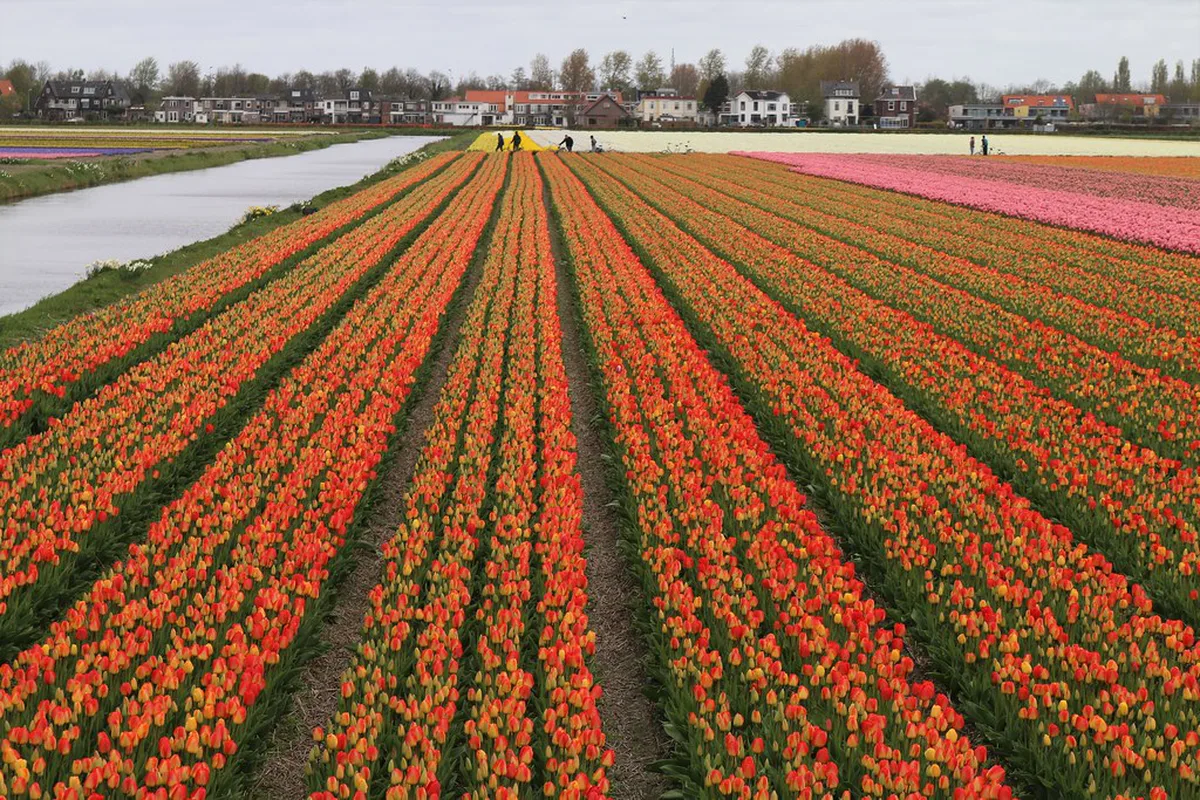
Keukenhof opens annually in late March and closes in mid-May — outside those dates it does not exist as a visitor destination. The garden spans 32 hectares and contains more than seven million bulbs planted in formal arrangements. Ticket prices for 2026 are around €20 per adult and timed-entry slots sell out weeks in advance, particularly for April weekends. Book online before your trip.
The shuttle bus from Schiphol Airport (bus 858) is the simplest route and takes around 30 minutes. If you want to escape the Keukenhof crowds entirely, rent a bicycle from Lisse (bikes available at the train station in nearby Hoofddorp) and pedal through the open tulip fields of the Bollenstreek — the free-to-view flower belt stretching between Lisse and Hillegom. This countryside cycling route is one of the most spectacular things to do in the Netherlands in April and costs almost nothing.
Trade-off: Keukenhof is worth the price but genuinely packed on sunny April weekends. Midweek visits or early morning arrivals (before 10:00) are much calmer.
Delft: Blue Pottery and Historic Squares
Delft is a 60-minute direct train from Amsterdam Centraal and rewards visitors with a compact, manageable historic centre. The town shaped the Dutch Golden Age in two distinct ways: it is the birthplace of painter Johannes Vermeer and the home of the Royal Delft porcelain factory, which has been producing its iconic blue-and-white ware since 1653. A tour of the factory costs €16 and includes a demonstration by working painters — the craft is entirely hand-painted.
Museum Prinsenhof Delft traces the assassination of Willem van Oranje and the origins of Dutch independence. Note: the museum is closed for restoration until 2027, so check before visiting. The New Church on the Markt holds the royal crypt of the Dutch royal family (entry €5). A canal boat tour (€8, departures from Koornmarkt) is the most pleasant way to see the city's gabled facades from the water.
Trade-off: Delft is best visited outside summer weekends when canal-side café tables are monopolised by tour groups. It pairs well with a stop in The Hague (20 min by train) if you want a full day in South Holland.
The Hague and Scheveningen: Royalty and North Sea Beaches
The Hague is the seat of Dutch government and home to the International Court of Justice, giving it a stately and international atmosphere quite different from Amsterdam. The Binnenhof — the medieval complex housing parliament — is viewable from outside for free and looks implausibly grand against the surrounding canal. The Mauritshuis museum (€19, open 10:00–18:00) holds Vermeer's Girl with a Pearl Earring alongside Rembrandt's The Anatomy Lesson in a small 17th-century townhouse setting that puts both paintings at eye level.
Scheveningen beach is a 10-minute tram ride from the city centre (tram 9). The pier with its Ferris wheel is a landmark, but the stretch of beach to the north — past the Kurhaus — is quieter and cleaner. In summer, the beach clubs open from May to September with food service until midnight. Scheveningen is one of the better Amsterdam's top museums-adjacent escapes when you want to combine culture and coast in one day.
Trade-off: The Hague alone fills a comfortable day; adding Scheveningen beach makes it slightly rushed. Split the day between politics and sand or pair The Hague with Delft instead.
Rotterdam: Modern Architecture and Global Ports
Rotterdam sits 40 minutes south by Intercity Direct train and feels like a different country. The entire city centre was destroyed by German bombing in 1940 and rebuilt as a laboratory for architectural experimentation. The Cube Houses (Kubuswoningen) by Piet Blom and the Market Hall (Markthal) — a horseshoe-shaped food market with a painted ceiling covering 96 by 228 metres — are the two unmissable structures. Entry to the Markthal is free; entry to a cube house show unit costs €3.50.
Museum Boijmans Van Beuningen is one of the finest art museums in the Netherlands, though the main building is closed for renovation until 2028 — the Depot building (a mirrored sphere in Museumpark) remains open and worth visiting for the architecture alone. Rotterdam's Delfshaven neighbourhood survived the bombing and preserves pre-war canal-side architecture; it is also where the Pilgrim Fathers departed for America in 1620.
Trade-off: Rotterdam is the easiest major Dutch city to reach from Amsterdam by fast train, and it rewards confident city explorers. It can feel overwhelming on a first Netherlands visit — Haarlem or Utrecht may suit first-timers better.
Alkmaar: Cheese Market and Canal Town
Alkmaar is 35 minutes north of Amsterdam by direct train and is the undisputed Dutch cheese capital. Its Friday morning cheese market — operating on Fridays from 10:00–12:30, March through September — is the oldest running cheese market in the Netherlands. Cheese porters in coloured guild hats carry wax-coated wheels on wooden sledges across the Waagplein; the ritual has not changed since the 17th century. The market is free to watch from street level.
Beyond the market, Alkmaar's canal-ringed centre closely resembles Amsterdam but with far fewer tourists. The Dutch Cheese Museum in the historic weigh house (€5 entry) is compact and interesting. Heerlijk Nel on Langestraat serves excellent Dutch-French cooking at lunch for under €20 per person. Alkmaar is often overlooked by visitors focused on southern Holland — it is among the best value half-days from Amsterdam.
Trade-off: The cheese market is only on Friday mornings and runs for less than three hours. If you can't time your visit for a Friday, the town is still pleasant but less distinctive than on market day.
Giethoorn: The Venice of the North
Giethoorn is a car-free village in Overijssel where the only routes through town are narrow canals. Electric "whisper boats" are the standard transport — you can rent one for around €20–€25 per hour without a licence and navigate entirely at your own pace. The village's thatched-roof farmhouses and footbridges have made it one of the most photographed places in the Netherlands, but the eastern residential section beyond the tourist harbour is genuinely peaceful and less visited.
Getting there by public transport takes approximately 2 hours: train from Amsterdam Centraal to Steenwijk (90 min), then bus 270 to Giethoorn (15 min). This is one of the few destinations where renting a car — around €60–80/day via Discovercars — genuinely saves significant time over public transport. Allow at least 3 hours on the ground once you arrive.
Trade-off: Summer weekends turn the main canal into a traffic jam of rental boats. Visit midweek or in September when the tourist pressure drops sharply and the reed beds turn golden.
Kinderdijk: UNESCO Windmill Network
Kinderdijk's 19 windmills were built in the 1740s to drain the Alblasserwaard polder and have been kept in working order ever since. The site is a UNESCO World Heritage Site and is open daily 09:00–17:30 (until 20:00 in July–August). Entry costs €16 and includes access to two interior windmill mills, the pump station exhibition, and bicycle hire. The best way to see all 19 mills is by bike — the flat path takes about 45 minutes at a relaxed pace.
From Rotterdam, the Waterbus (fast ferry) reaches Kinderdijk in 20 minutes from Erasmusbrug dock. By train and bus from Amsterdam the journey takes approximately 90 minutes total. Note that tickets for summer weekends sell out — book online. Kinderdijk is operated on a timed-entry basis during peak season to manage crowding.
Trade-off: Harder to reach than Zaanse Schans but considerably more authentic — the polders here are still actively managed by pumping, and the landscape is genuinely remote. Combine with Rotterdam for a full south Holland day.
Leiden: University Charm and Botanical Gardens
Leiden is the Netherlands' oldest university city, founded in 1575 as a reward from Willem van Oranje to the city for its resistance during the Spanish siege. The campus is woven into the medieval canal grid rather than occupying a separate campus — you feel the student energy everywhere. The city is also the birthplace of Rembrandt van Rijn, and a walking route through his neighbourhood starts from the tourist office on Stationsplein (free map available).
Naturalis Biodiversity Center is the natural history highlight — its exhibition on the ice age and a complete T-rex skeleton make it excellent for families (€17.50 adult, €9 child). The Hortus Botanicus, the oldest botanical garden in the Netherlands, charges €9 and is particularly beautiful in spring. Leiden's Floating Christmas Market in December draws visitors from across the country. Train from Amsterdam Centraal: 35 minutes, runs every 15 minutes.
Trade-off: Leiden rewards slow exploration more than a rushed 2-hour visit. The city's many museums can easily fill a full day if you have the interest.
Gouda: More Than Just Cheese
Gouda's cheese market operates on Thursday mornings from April through August, free to watch from Markt square. The ritual — traders in white coats testing rounds by smell and sound, then slapping hands to seal deals — is a genuine piece of living Dutch commerce rather than a tourist re-enactment. The best fresh stroopwafels in the Netherlands are sold from the bakery stalls on Markt; buy them warm and eat immediately.
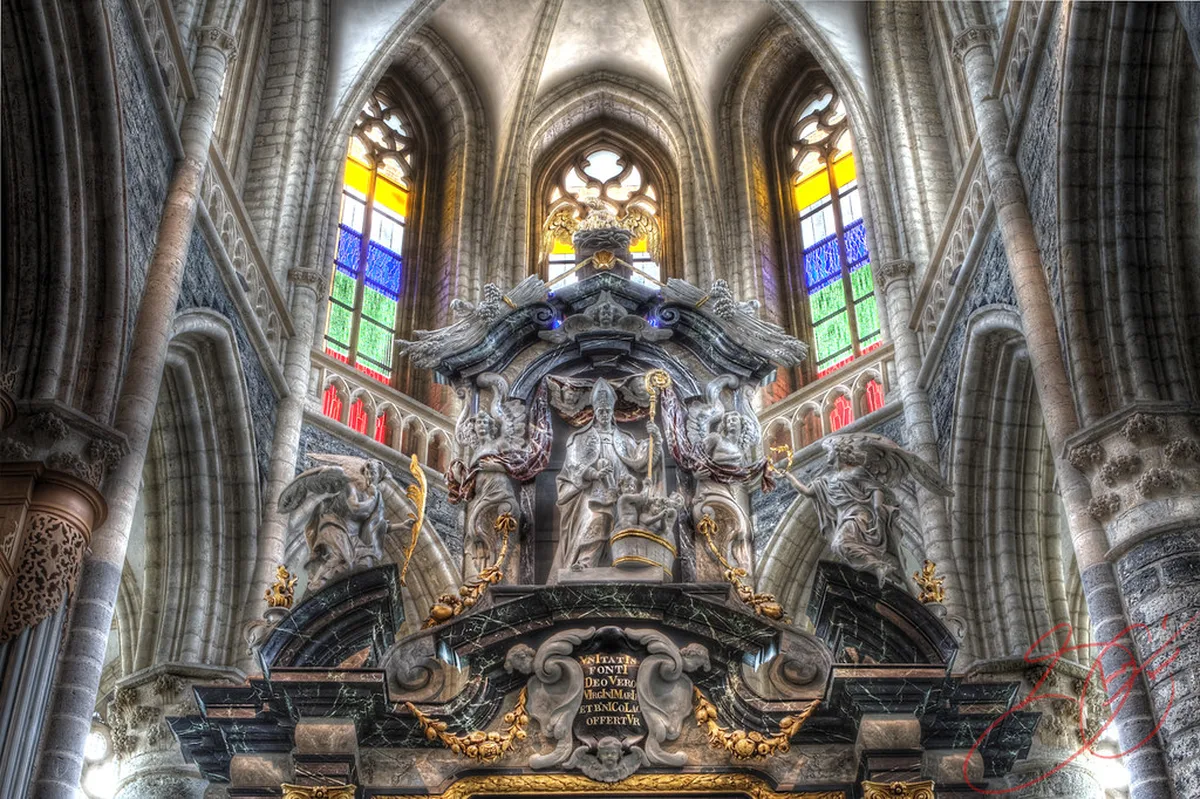
Sint Janskerk, the longest Gothic church in the Netherlands, contains 70 original 16th-century stained glass windows considered among the finest in Europe. Entry costs €3.50. The Stedelijk Museum Gouda houses Dutch Masters and a collection of Gouda pipes — the long-stemmed clay pipe was manufactured here for 400 years. Train from Amsterdam: 50 minutes with one change at Utrecht or Alphen.
Trade-off: Outside the Thursday cheese market, Gouda is quieter and less dramatic than Alkmaar. Both cheese towns together make a very full day but are best visited on separate trips.
Kasteel De Haar: The Netherlands' Largest Fortress
De Haar is the largest and most extravagant castle in the Netherlands, rebuilt in neo-Gothic style between 1892 and 1912 by the aristocratic Van Zuylen family with funding from the Rothschild banking family. It is still part-private residence today — the Van Zuylen descendants stay in a private wing each September, and the castle closes to the public during that month. The combination of towers, moats, drawbridges, and manicured parkland makes it look more like a Disneyland concept than an actual historical building, yet it is entirely real.
Ticket entry covers the castle and the surrounding park and costs €19 for adults. Opening hours are 11:00–17:00 daily (closed in September and during some winter months — check the website). To reach it, take the train from Amsterdam to Utrecht (30 min), then a regional bus to Haarzuilens village (bus 127, 20 min). The castle is a 10-minute walk from the bus stop. Combining De Haar with Utrecht makes a strong full-day itinerary.
Trade-off: Reaching De Haar requires two transport changes and feels like a significant commitment. The payoff is a castle of genuine architectural drama that no other Dutch site matches.
Amersfoort: Medieval Gates and Hidden Streets
Amersfoort is 50 minutes from Amsterdam by direct train and remains largely undiscovered by international tourists. Its best feature is the Koppelpoort, a 15th-century water gate where a drawbridge spans the Eem river — you can walk through it and along the medieval walls without paying entry. The town is the birthplace of Piet Mondrian; the Mondriaanhuis on Kortegracht (€10) traces his early figurative work before he developed the geometric abstraction associated with De Stijl.
The concentration of independent cafés and restaurants on Hof and the surrounding lanes makes Amersfoort an underrated lunch destination. Café 't Haasje on Hof serves Dutch brown-cafe classics. On weekday mornings the city centre is almost entirely local — a rarity among Dutch tourist destinations in 2026.
Trade-off: Less to do than Utrecht in terms of attractions, but more peaceful and more authentically Dutch-daily-life. Ideal for travellers experiencing Amsterdam fatigue who want genuine quiet.
Broek in Waterland: The Countryside Escape
Broek in Waterland sits 15 minutes north of Amsterdam Noord by bus 316 and is among the least-known escapes in the immediate Amsterdam area. The village consists almost entirely of 17th and 18th-century wooden houses painted in pale greens, greys, and blues — a conservation area so strict that residents must seek permission to change their window frames. Napoleon reportedly slept here during his 1811 tour of the Netherlands and described it as the cleanest village in Europe.
Entry to the village is free. The surrounding Waterland polder is ideal for cycling — rent a bike in Amsterdam Noord and pedal the 8-kilometre flat route along the dike. The route passes working farms, open water bodies, and small bird reserves. Canoe hire in the village (seasonal, April–October) costs around €10 per hour for a two-person boat.
Trade-off: There is very little to do in Broek in Waterland beyond walking and cycling — which is exactly the point. Pair it with Volendam for a full Waterland day.
Beverwijk Bazaar: Europe's Largest Indoor Market
The Beverwijk Bazaar is a legitimate institution rather than a tourist attraction — it is a 75,000-square-metre multicultural indoor market that has operated every weekend since 1953 and is used almost entirely by Dutch residents rather than visitors. The market sells spices, textiles, electronics, fresh produce, and second-hand goods across several themed halls. Entry is free; parking costs €5.
The Middle Eastern food hall — known locally as the Mihrab section — serves Lebanese pastries, Egyptian koshari, and Iranian rice dishes that are difficult to find at this quality elsewhere in North Holland. The market opens 08:30–18:00 on Saturdays and Sundays. Train to Beverwijk from Amsterdam Centraal takes 30 minutes; the market is a 15-minute walk from the station.
Trade-off: Not a classic "sightseeing" destination, but a genuine cultural immersion in the Netherlands' multicultural daily life. Best for curious travellers who enjoy people-watching and unusual food.
Texel Island: Dunes, Sheep, and Craft Beer
Texel is the southernmost of the Dutch Wadden Islands and one of the most accessible. The ferry from Den Helder crosses in 20 minutes and costs €2.50 for foot passengers. Train from Amsterdam Centraal to Den Helder takes 75 minutes. Once on the island, renting an e-bike at the ferry dock (€25/day) allows you to cover the lighthouse in the north, the Ecomare seal sanctuary (€10 entry), and the beach villages of De Koog and De Cocksdorp in a single day.
The Texelse Bierbrouwerij produces distinctive ales using local herbs and Texel sheep milk — the tasting room at the brewery in Den Burg is open daily and a flight of five beers costs €12. The island's dunes are part of the Nationaal Park Duinen van Texel, and the walking trails through the northern heath are among the most remote-feeling landscapes within reach of Amsterdam. Check the ferry timetable carefully — missing the last crossing means an unplanned overnight stay.
Trade-off: Long transit time (about 2 hours each way) makes Texel a commitment. It rewards the effort with a genuinely different landscape — flat, windswept, and with almost no commercial development. Best in late spring or early autumn.
Hoge Veluwe National Park: Art and Nature
De Hoge Veluwe covers 5,400 hectares of forest, heathland, and sand drifts in Gelderland. It is the largest nature reserve in the Netherlands and one of the few places in the country where you might see red deer, wild boar, and mouflon sheep in a single walk. Entry to the park costs €13 per adult and includes the use of 1,800 white bicycles available free at the three entrances — no deposit required.
The Kröller-Müller Museum inside the park holds the second-largest Van Gogh collection in the world (87 paintings), alongside a large sculpture garden. Museum entry costs an additional €22 on top of the park ticket. The park is open daily from 09:00, with closing times varying by season (17:00 in winter, 21:00 in summer). Reach the park via train to Ede-Wageningen station, then bus 108 toward Apeldoorn — total journey from Amsterdam is around 90 minutes.
Trade-off: Combining the park and museum makes for a very full and slightly rushed day from Amsterdam. Consider staying overnight in Arnhem or Otterlo if you want to do the park properly.
Antwerp, Belgium: Fashion and Diamonds
Antwerp is reachable in 75 minutes by Intercity train from Amsterdam Centraal — no reservation required, tickets from approximately €25 single. The city's Centraal Station is one of the finest railway terminals in Europe; entering through its neo-baroque main hall is a legitimate sightseeing experience in itself. The Diamond District surrounding the station is the global centre of the diamond trade and worth a 30-minute walk even without buying anything.
The Cathedral of Our Lady on Groenplaats holds two Rubens triptychs that can be viewed as part of the €12 entry. Antwerp's fashion scene — centred around the Nationalestraat and the MoMu fashion museum (€12) — is internationally significant. Belgian fries are better than Dutch fries by most objective standards: find them at any frietkot near the Grote Markt with a cone of stoofvleessaus.
Trade-off: Antwerp works as a day trip if you leave Amsterdam by 09:00 and return by 20:00. It is genuinely different from Dutch cities — the architecture, the food, and the pace all feel distinctly Flemish. More manageable than Brussels for a single day.
Brussels, Belgium: Waffles and Grand Architecture
Brussels is 2 hours from Amsterdam by Thalys high-speed train (book in advance, from €25 single). The Grand Place is considered one of the most beautiful town squares in Europe and is walkable from Brussels-Midi station in 20 minutes. The Atomium (€16 entry) is the 1958 World Expo structure that has become the city's symbol; the views from the top are genuinely worth the visit.
To be direct: Brussels is a long day from Amsterdam. You arrive with roughly 5–6 hours on the ground before you need to consider the return. This is enough time for the Grand Place, the Sablon neighbourhood for chocolate, and one museum. The Comic Strip Center (€12) covering Belgian comics including Tintin and the Smurfs is compact and can be done in 90 minutes. If you have only one day for Belgium, Antwerp offers more value per hour of transit time.
Trade-off: Four hours round-trip on trains for a city that rewards longer stays. Brussels is better as an overnight or weekend trip. If you insist on a day trip, take the first Thalys (departing Amsterdam ±07:00) and return no later than 19:00.
Breukelen and the Vecht River: Castles by Water
Most day-trip guides skip the Vecht River corridor entirely, which makes it one of the best options for travellers wanting something genuinely off the tourist circuit. The stretch between Amsterdam and Utrecht follows the Vecht through a landscape of 17th-century merchant estates, operational drawbridges, and wooded castle grounds. This is where Amsterdam's Golden Age merchants built their country retreats, and it has changed remarkably little since then.
Breukelen village — the original namesake of Brooklyn, New York — sits 25 minutes from Amsterdam by train and is the natural access point. Kasteel Gunterstein and Fort Nieuwersluis are within cycling distance of the station. The banks of the Loosdrechtse Plassen (a chain of connected lakes east of Breukelen) are lined with sailing clubs and waterfront restaurants. Bistrobar Beaune in Rheden serves excellent regional Dutch cuisine at lunch. The most rewarding way to explore this corridor is by renting a bicycle and following the riverside path north toward Loenen or south toward Vreeland — both routes are flat, car-free for long stretches, and take approximately 2 hours at a relaxed pace.
Trade-off: No single headline attraction makes this hard to sell to visitors with a rigid itinerary. It rewards those who want genuine Dutch countryside without coach-tour crowds — and it is the closest unspoiled rural landscape to the city centre.
Seasonal Advice: When to Go Where
Spring (March–May) is the peak season for the flower corridor. Keukenhof and the Bollenstreek tulip fields are the primary draw, but the entire coastal dune belt from Haarlem to Leiden is also worth cycling through in April. This is the busiest and most expensive time to visit the Netherlands — book Keukenhof tickets and accommodation at least four weeks in advance.
Summer (June–August) is beach season. Zandvoort, Scheveningen, and Bloemendaal are all viable half-day trips when temperatures hit 25°C. Note that the North Sea is cold even in August — surface temperatures rarely exceed 18°C. The beach clubs at Scheveningen operate from late May to mid-September with full food and drinks service.
Autumn (September–November) is the best time for cities and parks. Hoge Veluwe's heathland blooms purple in September. Utrecht and Haarlem are at their most pleasant when summer crowds thin and café terraces are still open. Giethoorn in September is the best combination of manageable crowds and warm enough weather for boat hire.
Winter (December–February) suits Leiden's Floating Christmas Market (early December), Gouda's candlelit city walk (second Thursday of December), and Amersfoort's quiet medieval streets. Ice skating on the canals of Broek in Waterland occasionally happens in January during hard frosts — rare but extraordinary when it does.
Logistics: How to Plan a Smooth Day Trip
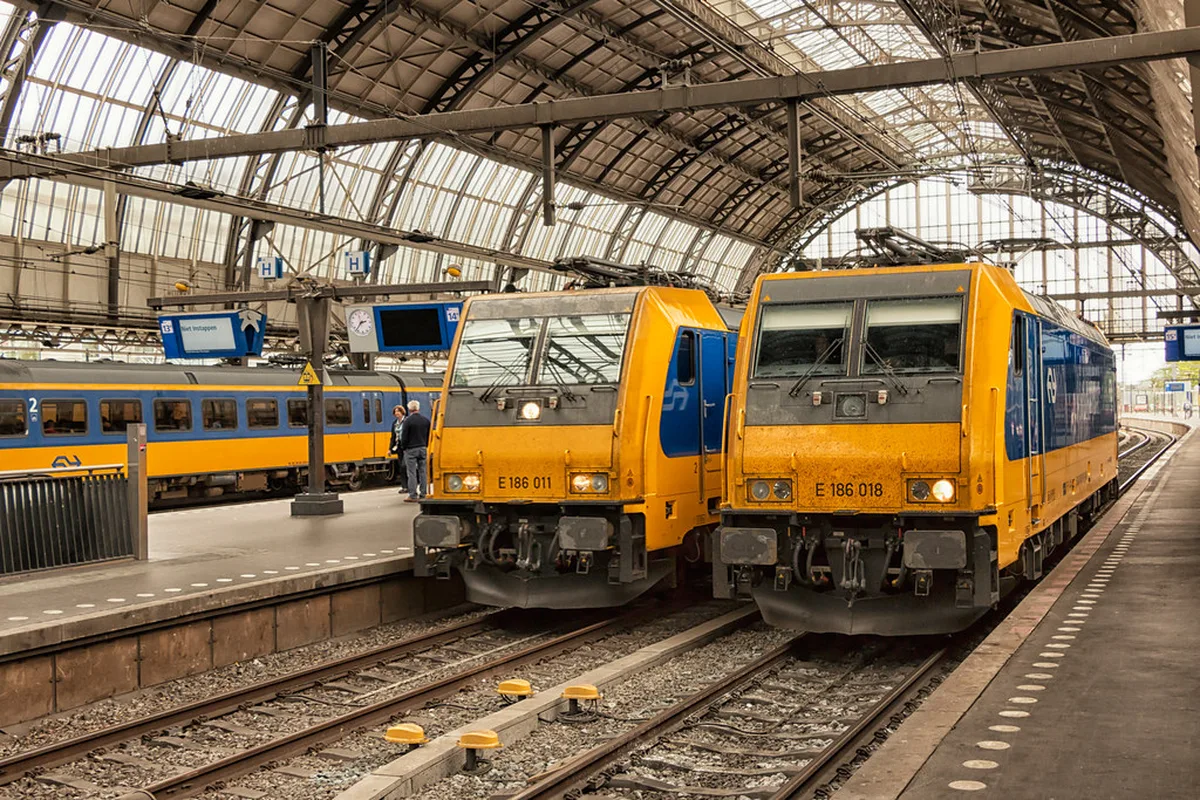
The NS (Dutch Railways) operates most intercity routes and the payment system changed significantly in recent years. As of 2023, all NS trains accept contactless debit and credit cards (Visa, Mastercard, Maestro) directly at the gate — you tap in at Amsterdam Centraal and tap out at your destination. An OV-chipkaart is no longer necessary for tourists on national trains, though it remains useful for trams and regional buses. Prices are automatically calculated as the cheapest available fare. Download the NS app for real-time platform information and schedule changes.
For rural destinations like Giethoorn, Hoge Veluwe, and the Vecht River corridor, car rental simplifies the logistics considerably. Car rental costs around €60–80/day depending on the season and vehicle class. Driving in Dutch cities is inefficient — parking in Delft, Utrecht, or Haarlem city centres costs €3–5 per hour and spaces are limited. If you drive, use the park-and-ride facilities (P+R) on city outskirts and take public transport for the final leg.
For those planning the city-centre highlights alongside day trips, keep the day-trip days flexible rather than fixed — weather in the Netherlands changes quickly and a grey day is better spent in Rotterdam's covered Markthal or in a Utrecht museum than on Scheveningen beach.
Use our Amsterdam hidden gems hub to plan the rest of your trip.
Frequently Asked Questions
What is the easiest day trip from Amsterdam?
Haarlem is widely considered the easiest day trip due to its 15-minute train connection. The city center is compact and walkable, making it perfect for a stress-free afternoon away from the capital.
Can you visit Belgium in a day from Amsterdam?
Yes, you can reach Antwerp in 75 minutes or Brussels in two hours via high-speed trains. While possible, these are long days that require early departures to maximize your time in Belgium.
Do I need to book train tickets in advance in the Netherlands?
Domestic Dutch trains do not require advance booking as prices remain fixed. You can simply tap in and out with a contactless card or buy a ticket at the station before boarding.
Exploring beyond the capital reveals the true variety of Dutch culture, from medieval history to modern innovation. Whether you choose the windmills of Zaanse Schans or the modern streets of Rotterdam, these trips will enrich your journey. There are many free things to do and its surroundings to keep your budget balanced.
Remember to plan for the weather and check train schedules before you leave your hotel. The Netherlands is a small country, meaning a world of different experiences is always just a short ride away. Enjoy your adventures through the beautiful Dutch landscape in 2026.
Continue exploring
More guides you'll find useful