20 Best Things To Do In Amsterdam City Centre (2026)
Discover the 20 best things to do in Amsterdam city centre, from iconic canal cruises and the Anne Frank House to hidden gardens and quirky local shops.

On this page
20 Best Things To Do In Amsterdam City Centre
After visiting the Dutch capital multiple times over the last decade, I still find new secrets hidden within the UNESCO-listed canal ring. Walking through the historic Centrum feels like navigating a living museum where every crooked gable tells a story of the Golden Age. This guide covers the 20 most rewarding experiences, balancing world-class art with the quiet, leafy corners that locals actually frequent.
The city center is remarkably compact, making it easy to transition from bustling markets to serene 17th-century courtyards on foot. Whether you are here for the first time or returning to find our hidden gems guide, these picks ensure a deep dive into local culture. This list was last refreshed in June 2026 to reflect the latest booking rules, prices, and current timed-entry requirements for major attractions.
Quick Tips Before You Go
- All public transport (trams, metro, buses) accepts contactless bank cards and Apple/Google Pay at the gate — no separate OV-chipkaart needed for visitors. But if you do buy an OV-chipkaart, always tap out (uitchecken) when you exit; forgetting to tap out incurs a penalty fare of around €4 per journey.
- Amsterdam is largely cashless in 2026. Most museums, cafes, and even street markets now refuse banknotes — carry a contactless card at all times.
- Book the Anne Frank House, Van Gogh Museum, and Rijksmuseum before you arrive. All three routinely sell out weeks in advance.
- The I amsterdam City Card covers most major museums and unlimited public transport. It pays off if you visit three or more paid attractions plus use trams daily.
1. Hop on a Canal Cruise
Gliding through the UNESCO-listed waterways is the single best orientation activity in the city. The 90-minute loop from Centraal Station takes you past the major canal houses, under dozens of bridges, and alongside the Jordaan — all while a guide explains the Golden Age history overhead. Most standard cruises cost between €15 and €22 per adult.
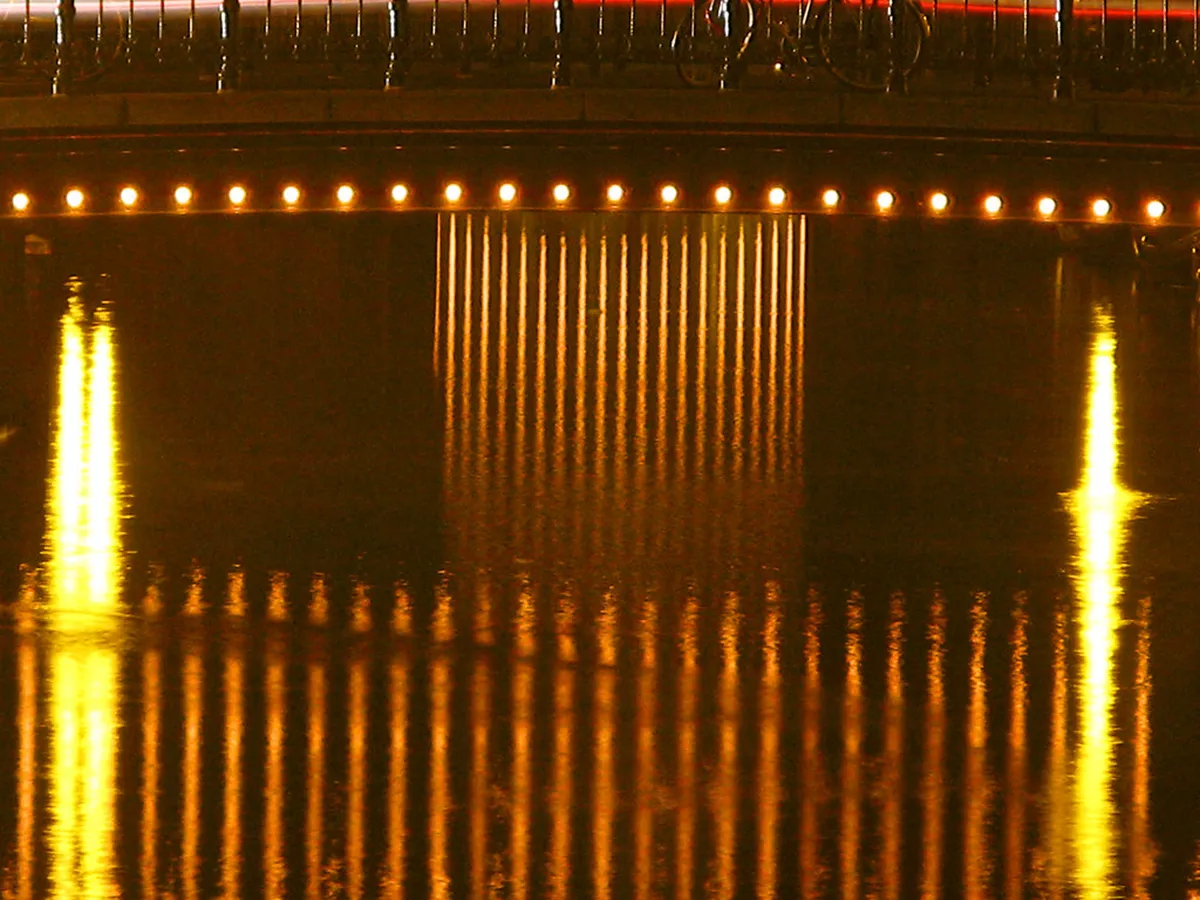
Skip the large glass-roofed tourist boats and book a small open boat instead. Capacity is limited to eight to twelve people, photos are far better, and guides have time to answer questions. Evening departures offer a distinctly different atmosphere as the bridge lights reflect off the dark water. Sunset sailings typically sell out twenty-four hours in advance, so book the day before rather than on the morning of your visit.
2. Visit the Red Light District (De Wallen)
De Wallen is one of the oldest parts of the city and worth walking through for its medieval street plan alone, quite apart from its notorious reputation. The narrow alleys date to the 14th century, and the the Red Light District also contains the Oude Kerk — the city's oldest building, founded around 1213 — surrounded incongruously by the window trade. Entry to the church costs €12.50 and is genuinely worth it for the interior alone.
The city has been steadily shrinking the licensed window area since 2020 as part of a "Project 1012" urban regeneration scheme. Many former window premises have been converted into boutique restaurants and galleries. Guided tours are restricted in the narrowest alleys by city ordinance, but walking the main canals is free and perfectly safe in early evening. Photography of the windows is strictly forbidden and will provoke an immediate and unfriendly response from local security staff.
3. Gorge on Warm Fresh Stroopwafels
Eating a gooey caramel waffle while it is still warm off the iron is a mandatory culinary rite of passage. Stroopwafels originated in Gouda in the early 19th century and are at their best when the heat softens the caramel center into something close to toffee sauce. The plain version — no chocolate coating, no toppings — is the authentic one, and it needs nothing extra.
Van Wonderen Stroopwafels near the Flower Market does excellent theatrical versions if you want an Instagram shot, but the best value is at the covered stalls inside the Albert Cuyp Market in De Pijp, about fifteen minutes south of Centrum by tram. A fresh single waffle costs around €3 to €5 depending on the stall. Look for the ones with a queue of locals rather than tourists — the locals know which irons run hottest.
4. Stuff Your Face With Dutch Fried Snacks (Bitterballen)
Dutch fried snacks are a world of their own and deserve more than a single bite. Bitterballen are the classic — small, round, deep-fried balls of slow-cooked beef ragout coated in breadcrumbs, served hot with sharp mustard. The filling is molten at first bite, so wait thirty seconds or risk a ruined shirt. Most brown cafes serve them from noon in portions of six for around €7 to €9.
Beyond bitterballen, work through the full Dutch snack taxonomy: kroket (the larger sausage-shaped sibling), kibbeling (battered fried fish with garlic mayo), and patat oorlog — fries topped with mayonnaise, peanut satay sauce, and raw onion. The FEBO automat on Leidsestraat is the most famous spot for a late-night kroket dispensed from a wall of coin-operated hatches, and it is genuinely entertaining even if the food is mediocre.
5. Explore the Masterpieces of the Rijksmuseum
The Rijksmuseum is the Louvre of Amsterdam — an astounding collection of 8,000 objects representing Dutch and Flemish art from the Golden Age to the 20th century. Rembrandt's Night Watch hangs in the Gallery of Honour at the far end of the main floor; head there first before the midday crowds arrive. Admission costs €22.50 for adults in 2026 and requires a pre-booked timed entry via the official website.
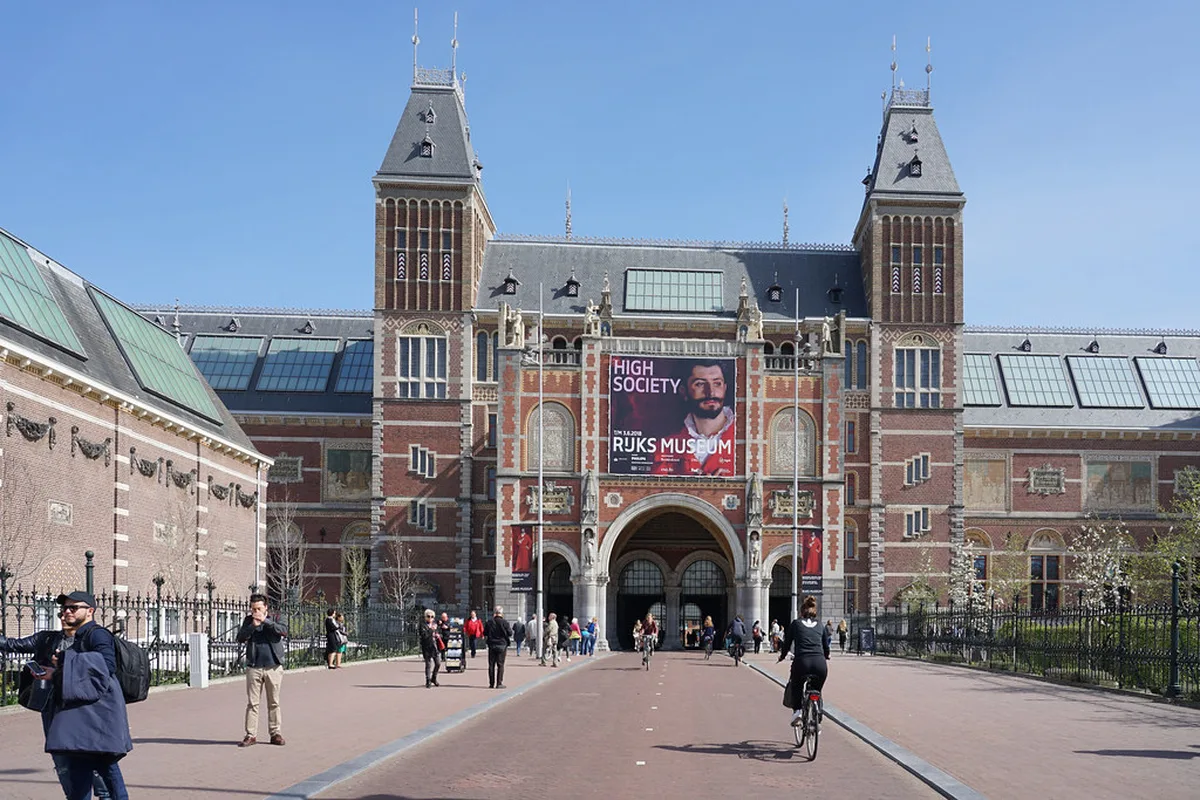
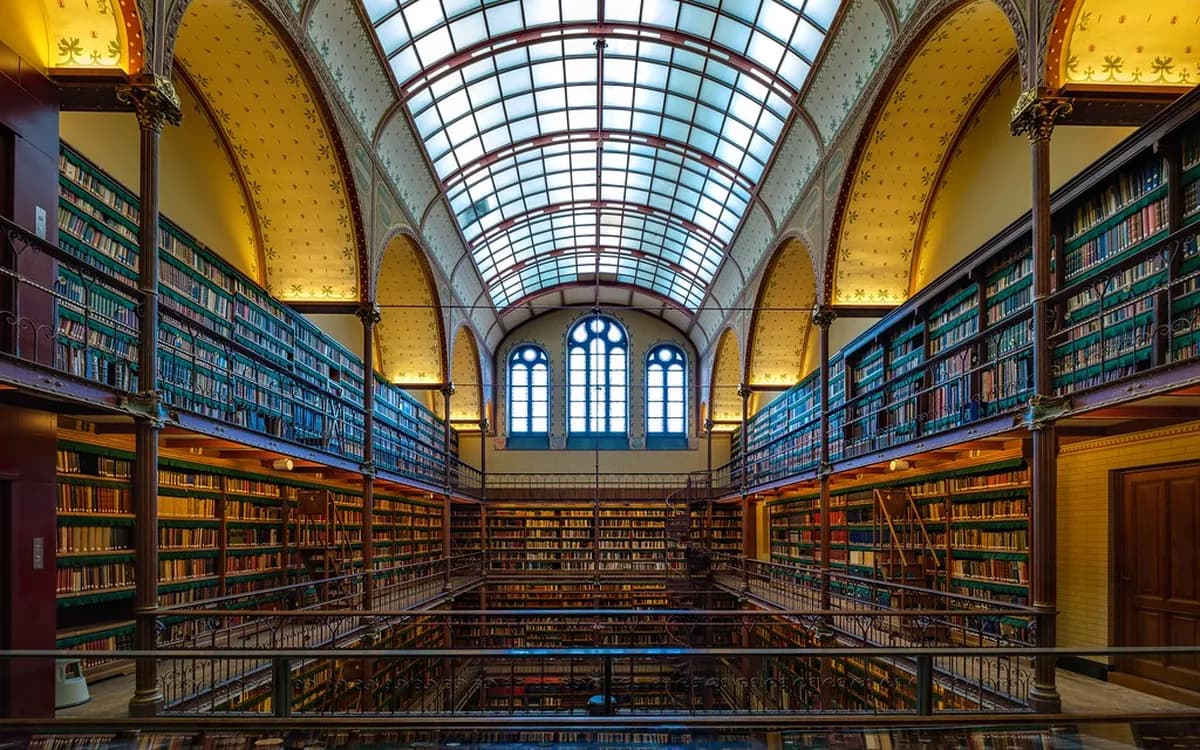
The museum is open daily from 09:00 to 17:00, and the Museumplein gardens outside are accessible for free during summer — a worthwhile stop even if you skip the interior. One underreported feature: the library inside the north wing is one of the most beautiful reading rooms in the Netherlands and is open to the public on weekday mornings. Book a slot for 09:30 to beat the first wave of tour groups. The I amsterdam City Card covers one standard admission to the Rijksmuseum but not temporary exhibitions, which carry a separate charge of €5 to €10.
6. Head to the Van Gogh Museum
The world's largest collection of Vincent van Gogh's work occupies a striking building on Museumplein, just a five-minute walk from the Rijksmuseum. Hundreds of paintings, drawings, and personal letters are displayed across four floors with strong contextual biography. Even visitors who consider themselves indifferent to art tend to find this museum quietly moving.
Adult admission is €22 and tickets are released twelve weeks in advance on the official website. They sell out within hours of release during peak months (April through September), so setting a calendar reminder for the relevant Tuesday at 09:00 is the practical approach. Friday evenings often feature special late-opening events with live music for €5 extra — a far better atmosphere than the mid-morning rush. The I amsterdam City Card does not cover Van Gogh Museum entry; you pay separately regardless.
7. Take the Ferry to the STRAAT Museum
STRAAT is technically in Amsterdam-Noord, but the free ferry from Centraal Station takes exactly five minutes and docks directly at the NDSM Wharf. This former shipbuilding warehouse now houses over 160 giant artworks created specifically for the space by international street artists — including a full-size truck hanging from the ceiling. It is legitimately one of the most impressive art spaces in Europe.
The GVB ferry runs every fifteen minutes during the day and is completely free in both directions. However, if you tap in but forget to tap out at the gate on exit, you will incur an automatic penalty fare of around €4 per journey — and the penalty is not refundable, even if you contact customer service.
Adult tickets are €19.50 and the museum opens at 10:00 every day. Budget at least ninety minutes to cover the main hall and the outdoor yard where large murals wrap around the former industrial buildings. Combine the trip with a walk along the Noord waterfront for views back across the IJ toward Centraal Station — a perspective of the city that most day-trippers never see. The ferry runs every fifteen minutes during the day and is free in both directions.
8. Step Into History at the Anne Frank House
The Anne Frank House on Prinsengracht is the most emotionally significant site in the city. The museum preserves the secret annex where Anne Frank and seven others hid from the Nazis for over two years between 1942 and 1944. Walking through the narrow concealed rooms — still stripped bare as the family left them — is a slow and sobering hour.
Tickets cost €16 per adult and are released every Tuesday at 10:00 CET for visits six weeks later. They sell out within minutes on the release day, so set an alarm and book the moment the window opens. There is no on-the-door sales option. If you miss the Tuesday window, check the website on the day of your intended visit after 09:00 — a small allocation of same-day tickets is occasionally released when cancellations occur. Book the earliest morning slot to avoid the long queue that forms along the canal outside by 10:00 on busy days.
9. Browse De Negen Straatjes (The Nine Streets)
The Nine Streets are nine short lanes connecting the four main canals of the Jordaan — Herengracht, Keizersgracht, Prinsengracht, and Singel — and they form the best independent shopping district in the city. The mix includes vintage clothing at Laura Dols, specialist cheese at Reypenaer, photography at Huis Marseille, and a dozen excellent cafes. Browsing is entirely free and best done on a weekday morning before the weekend crowds arrive.
Canal houses here have been converted into boutiques without losing their 17th-century proportions — steep staircases, low doorframes, and rooms barely wider than a corridor. This is the neighborhood for finding genuinely Dutch design pieces rather than mass-produced tulip magnets. Pluk on Reestraat does outstanding coffee and a short seasonal menu; arrive before 11:00 for a seat by the window.
10. Browse the World's Only Floating Flower Market
The Bloemenmarkt on Singel canal floats on houseboats moored permanently along the southern bank. It is the only floating flower market in the world, though the floats are now fixed in position and the "floating" element is more historical than immediately visible. The market sells tulip bulbs, cut flowers, and a predictable range of Dutch souvenirs.
It is very touristy, but it is also free to walk through and takes about fifteen minutes end-to-end. The best practical stop is the bulb vendors at the eastern end where you can buy vacuum-packed Dutch tulip and narcissus bulbs approved for import into most countries, including the USA and EU. Check your home country's biosecurity rules before buying — the stall holders can advise, and most bulbs come with a phytosanitary certificate. Opening hours are Monday through Saturday 09:00 to 17:30 and Sunday 11:00 to 17:30.
11. Find Peace at the Begijnhof
The Begijnhof is a medieval enclosed courtyard hidden below street level just off the Spui square. You pass through a low archway and descend into a garden of manicured lawns, surrounded by 17th and 18th-century almshouses. This hidden place is one of the few genuinely quiet spots in the Centrum on a busy afternoon.
The courtyard was originally a beguinage — housing for Beguines, lay religious women who lived communally without taking formal vows. People still live in the surrounding houses, and the gates carry a sign asking for silence. Entry is free, and the small English Reformed Church inside dates to 1419. The oldest surviving wooden house in Amsterdam stands in the northeast corner of the courtyard, dating to 1528 and surviving the great fire that banned wooden construction thereafter. Gates are typically open from 09:00 to 17:00 daily.
The Begijnhof courtyard dates back to the Middle Ages and is one of the few genuinely quiet spots in the Centrum. Entry is completely free, but respect the sign asking for silence — people still live in the surrounding houses. The 1528 wooden building in the northeast corner is the oldest surviving wooden house in Amsterdam, having escaped the great fire that later banned wooden construction throughout the city.
12. Explore Amsterdam's Jewish Quarter
The Joods Cultureel Kwartier between Nieuwmarkt and Plantage was once the center of Amsterdam's Jewish community — a community almost entirely destroyed by the Nazi occupation. The Portuguese Synagogue, completed in 1675, is one of the most beautiful in the world and has been in continuous use since it was built. The Jewish Historical Museum next door documents the community's history with a combination of art, artifacts, and personal testimony.
A single combination ticket costs €18 and covers the Portuguese Synagogue, Jewish Historical Museum, National Holocaust Museum (which reopened in its rebuilt form in 2024), and the Hollandsche Schouwburg memorial. Most sites close early on Fridays before the Sabbath — plan for a morning visit to avoid arriving at a locked door. The Holocaust Names Memorial on Weesperstraat, listing 102,000 Dutch Jewish victims, is an open-air public space and free to visit at any hour.
13. Peek Inside the Secret Church in the Attic
Museum Ons' Lieve Heer op Solder — Our Lord in the Attic — is a perfectly preserved clandestine Catholic church hidden inside three adjoining 17th-century canal houses on Oudezijds Voorburgwal. After the Protestant Reformation, Catholics in Amsterdam were banned from public worship. Wealthy merchants responded by secretly converting their attic floors into functioning churches — complete with altars, pipe organs, and confessionals — while keeping the canal-house facade completely unremarkable from the street.

This particular church, built in 1663, operated undisturbed for over two centuries and fits roughly 150 worshippers under its pitched roof. Admission is €17 per adult and includes an audio guide that explains both the architecture and the social history of clandestine worship. Climb all the way to the top floor before descending: the view from the church gallery across the rooftops toward the Amstel is one of the best in the Centrum and virtually no other tourist sees it. The museum is open daily from 10:00 to 18:00.
14. Hunt for the Tiniest Houses in Amsterdam
Amsterdam's narrowest houses are an architectural quirk born of a very practical cause. For centuries, property taxes were calculated based on a building's street-facing width, not its footprint. Owners responded by building as narrow as structurally possible, then extending the house deep into the plot behind. The result is a city full of facades barely wider than their front doors.
The most famous example is Singel 7, which measures just 1 metre wide at its narrowest point — though it widens substantially toward the rear. A second contender is Oude Hoogstraat 22 in the old city, where the street-facing wall is just 2.02 metres across. Turn finding these into a self-guided scavenger hunt: start at Singel 7 near Centraal Station, then walk southeast toward Oudezijds Voorburgwal. Both addresses are free to visit and make for unusual photos against the wider canal houses surrounding them.
15. Stop by the World's First Specialty Condom Shop
The Condomerie on Warmoesstraat, founded in 1987, is the world's first shop dedicated exclusively to condoms — a distinction it holds with some pride. The concept was entirely serious when it opened: the shop was founded at the height of the HIV/AIDS crisis as a public health initiative, stocking quality products and providing frank information at a time when neither was widely available.
Today the window display features elaborately hand-painted designs that have become a famous photo stop in their own right. Browsing is free, and the range inside includes novelty items alongside standard products. It sits directly alongside the Oude Kerk in the heart of De Wallen — the combination of a medieval church, a sex worker district, and a public health shop occupying the same street is a very Amsterdam arrangement, and understanding the history of each makes the whole neighborhood more legible.
16. Enjoy Amsterdam's Secret Garden Days
Open Tuinen Dagen — the Secret Garden Days — are Amsterdam's most exclusive annual event and almost entirely unknown outside the Netherlands. For one weekend each June, roughly thirty private canal house gardens normally closed to the public open their gates for ticketed visitors. These are not public parks; they are the walled private gardens of the grandest historic canal houses on Herengracht, Keizersgracht, and Prinsengracht, some of which have not been seen by non-residents in decades.
A three-day pass costs around €22 and allows unlimited entry to all participating gardens over the weekend. The event takes place on the third weekend of June — check the I amsterdam website for 2026-specific dates as the timing can shift by a few days. Arrive before 11:00 on the Saturday to beat the queues at the most popular Herengracht properties. Gardens range from formal French parterres to wild English-style plantings hidden behind 17th-century facades — the contrast between the austere street front and the lush interior is consistently surprising.
17. Sample Age-Old Jenever Recipes at a Tasting House
Jenever is the Dutch precursor to gin — a malt-wine spirit infused with juniper and herbs — and it has been distilled in Amsterdam since the 17th century. Jonge (young) jenever is light and botanical, closer to a modern gin. Oude (old) jenever is a heavier, barrel-aged spirit with a rounded sweetness. Both are served in a small tulip-shaped glass filled to the absolute brim, requiring the first sip to be taken while the glass remains on the bar.
Proeflokaal Wynand Fockink on Pijlsteeg, a narrow alley just off Dam Square, has been serving jenever since 1679 and remains one of the most atmospheric spots in the city. Tastings run from €4 to €7 per glass. The house is open daily from 15:00 to 21:00. The adjacent Royal Palace on Dam Square stands as a perfect afternoon stop. Order the barrel-aged 10-year-old Oude Genever if it is in stock — it is the single best argument for why the Dutch invented this category and the English merely borrowed it.
18. Chill at the Marineterrein Waterfront
The Marineterrein is a former Royal Navy base on the eastern edge of the Centrum, now converted into a public innovation campus and waterfront park. On warm days the waterfront fills with locals swimming directly in the IJ-connected water — a very Dutch approach to urban recreation that no other European capital quite matches. The swimming area is free and lifeguarded in summer.
Several excellent cafes and a good natural wine bar have opened in the converted naval buildings. The view from the water's edge across to the NEMO Science Museum roof — the stepped green copper structure designed by Renzo Piano — is one of the better skyline compositions in the city. The area is about a fifteen-minute walk east of Centraal Station along the Oosterdok waterfront and is almost entirely absent from standard tourist itineraries.
19. Windowshop Along Haarlemmerstraat
Haarlemmerstraat and its western extension Haarlemmerdijk run from near Centraal Station toward the Jordaan and have been voted the best shopping street in the Netherlands multiple times. Unlike Kalverstraat, which is dominated by international chains, Haarlemmerstraat is almost entirely independent — specialty food shops, concept stores, artisanal chocolatiers, and a particularly good natural wine and cheese shop at number 76.
The street is free to walk and most shops are open from 10:00 to 18:00 Tuesday through Saturday. Stop at one of the artisanal cheese counters for a free sample of aged Gouda (most Dutch specialty shops offer them without prompting). The western end near the Jordaan has a higher concentration of cafes with canal views; the eastern end near the station is more food-focused. Allow forty-five minutes for a comfortable end-to-end walk with stops.
20. Gaze Upwards at the Historic Gabled Houses
The gabled canal houses are the most distinctive element of Amsterdam's skyline, and understanding the different styles makes the walk far more interesting. Step gables — the staircase-shaped profile — are the oldest style, common from 1580 to 1660. Neck gables replaced them through the Golden Age, tapering to a narrow neck at the top. Bell gables are the most ornate, common in the early 18th century with a curved profile resembling an upside-down bell.
Many houses lean visibly forward over the street. This was not an accident or subsidence — buildings were intentionally constructed with a slight forward tilt so that the beam and pulley system at the gable peak (used for hoisting furniture into upper floors) would swing clear of the facade during loading. Look for the iron hook or wooden beam projecting from the very top of almost every canal house; this is the "hijsbalk," still occasionally used today when apartments change hands. The best unbroken run of gable variety is along Keizersgracht between Brouwersgracht and Leidsegracht — the top sights to see rarely get more characterful than this two-kilometre stretch.
Getting Around the Centrum: What's Walkable and What Isn't
The historic Centrum is compact enough that most of the 20 activities above are within a twenty-minute walk of each other. The canal ring is roughly 2.5 kilometres across at its widest point. Comfortable walking shoes are essential — the cobblestones are beautiful but punishing after four hours. Items 1 through 16 on this list are all walkable from Centraal Station without public transport.

Two exceptions require a tram or ferry. The STRAAT Museum (item 7) is in Noord, reached by the free GVB ferry from the docks behind Centraal Station — take the Buiksloterweg ferry and ride to the end. The ferry runs every fifteen minutes and takes five minutes. The Marineterrein (item 18) is a fifteen-minute walk east along the Oosterdok waterfront, but tram 26 from Centraal Station covers it in three minutes if your feet are tired. All GVB trams and ferries accept contactless bank cards at the gate — tap your card on the yellow reader on entry and again on exit (uitchecken). Forgetting to tap out triggers an automatic penalty fare of around €4, and the penalty is not refundable.
Renting a bike is the classic Amsterdam move, but the Centrum's narrow streets and tram tracks are genuinely hazardous for visitors unfamiliar with Dutch cycling conventions. If you do hire one, stick to the designated fietspad (cycle lane) painted in red and never attempt to cross tram tracks at an acute angle — the wheel catches and throws you. For a first-time visitor, trams and your own feet are the safer and equally fast option for getting around the free things to do and paid highlights alike.
Frequently Asked Questions
What are the best things to do in Amsterdam city centre for first-time visitors?
First-time visitors should prioritize a canal cruise and a visit to the Rijksmuseum for a classic experience. Walking through the Nine Streets and the Anne Frank House also provides essential historical context. These activities cover the most iconic aspects of the city's heritage and beauty.
Is the I amsterdam City Card worth it for city centre sightseeing?
The card is worth it if you plan to visit at least three major museums and use public transport frequently. It includes entry to the Rijksmuseum and a canal cruise, which can quickly offset the initial cost. However, it does not cover the Anne Frank House entry.
What should I avoid when visiting the Amsterdam Red Light District?
Avoid taking photos of the workers in the windows, as this is strictly prohibited and disrespectful. You should also be wary of street dealers offering illegal substances or bike tours that can clog the narrow alleys. Stick to the main paths and visit during early evening for a safer atmosphere.
Amsterdam's city center is a rare place where high-brow art and gritty history coexist along beautiful 17th-century canals. By balancing the major museums with hidden attic churches and local snack bars, you get a full picture of the Dutch spirit. The key to a successful trip is booking your must-see attractions early and leaving plenty of time for unplanned canal-side strolls.
Whether you are hunting for the tiniest house or sampling aged jenever, the Centrum always has something new to offer. Pair this list with a look at the where to eat in the city and the most scenic corners of the capital. Enjoy your time in this historic city and remember to always look up at those beautiful, leaning gables.
Continue exploring
More guides you'll find useful