10 Best Free Museums and Art Spots in Amsterdam (2026)
Discover the best free museums in Amsterdam, from the Rijksmuseum Gardens to the City Archives vault. Plan your budget trip with our expert guide.
On this page
10 Best Free Museums and Art Spots in Amsterdam
Amsterdam has a reputation for expensive entry fees, but the city is genuinely generous with free culture if you know where to look. Several world-class institutions charge nothing at all. Others unlock their doors for specific groups or on particular days that most visitors never discover.
This guide covers permanent free spots, seasonal outdoor events, and the smartest ways to stretch your budget across the city's museums in 2026. Every location on this list has been verified for current admission policy.
Amsterdam City Archives: History in the De Bazel Building
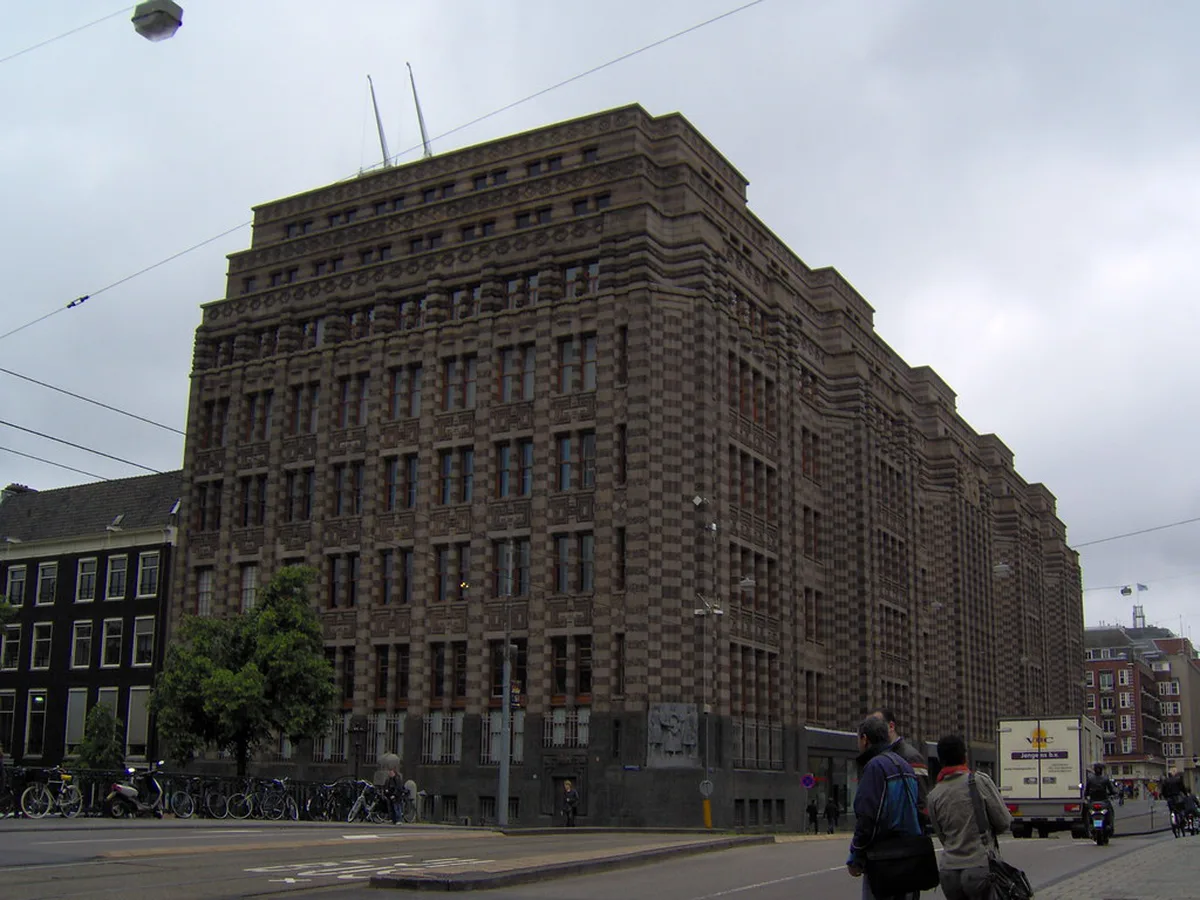
The Amsterdam City Archives sits inside the De Bazel, a monumental Art Deco brick building on Vijzelstraat 32. Architect Karel de Bazel completed it in 1926 for the Dutch Trading Company, and the interior is as remarkable as the exterior: teak paneling, hand-painted murals, and a grand staircase that most visitors walk past without realizing they can enter for free.
The underground vault is the real draw. Once used as a bank strongroom, it now houses permanent exhibitions on Amsterdam's history — original city maps dating back to the 1600s, merchant guild records, and large-format photographs of the harbor in its trading heyday. Admission is completely free for the permanent collection.
Opening hours are Tuesday to Friday 10:00–17:00 and weekends 12:00–17:00. Weekday mornings between 10:00 and 12:00 are almost always quiet — you can have the vault to yourself. Saturday afternoons draw the largest crowds. The entrance on Vijzelstraat has no ticketing queue; just walk in.
The De Bazel building's underground vault was originally a bank strongroom before being repurposed as a museum. This Art Deco masterpiece from 1926 features hand-painted murals and teak paneling that make it worth visiting even before entering the exhibition.
Rijksmuseum Gardens: A Free Outdoor Gallery
The Rijksmuseum's main building requires a ticket (around €22.50 in 2026), but the surrounding gardens are open to everyone at no charge from 09:00 to 18:00 daily. Landscape architect Pierre Cuypers designed them in 1901, and they remain one of the most underused free spaces in the entire city.
Scattered through the formal flowerbeds and water features are permanent sculptures and rotating outdoor installations. Each summer the museum adds a temporary exhibition of monumental works by internationally recognized 20th-century sculptors. In 2026 this runs from late May through September. The garden entrance is via the passage that cuts through the ground floor of the building on Museumstraat — it is signposted and free to pass through even if you do not buy a museum ticket.
Late morning on a weekday is the ideal time to visit. The Museumplein lawn in front of the building is busy throughout the day, but the walled garden on the east side is calm. Combine it with a walk through Vondelpark, which begins just two blocks away, for a leisurely free morning in the museum quarter.
The Rijksmuseum Gardens were designed by landscape architect Pierre Cuypers in 1901 and host rotating outdoor sculpture installations each summer. Access is completely free from 09:00 to 18:00 daily via the passage through the museum's ground floor—you don't need a ticket to the museum itself.
GASSAN Diamond Factory: Free Tours and Craftsmanship
Amsterdam has been a center of the diamond trade since the 16th century, and GASSAN Diamond Factory on Nieuwe Uilenburgerstraat 173 offers the best free introduction to that heritage. The building itself is a restored 19th-century steam-driven factory, and the guided tour explains how rough stones from South Africa and Russia are graded, cut, and polished into finished gems.
Tours run daily from 09:00 to 17:00 in multiple languages including English, Dutch, German, French, and Spanish. Each tour lasts roughly 45 minutes. Walk-ins are welcome for individuals and small groups, though large groups should book in advance via the GASSAN website. At no point is there a hard sales pitch — you can decline the showroom at the end of the tour without any pressure.
The grinder demonstration is a highlight. Visitors can sit behind the polishing wheel and try the technique under supervision. It is a hands-on detail that distinguishes this from a standard museum visit and makes it worth the short walk from Waterlooplein.
| Free Museum or Venue | Area/Neighborhood | Key Highlight | Hours |
|---|---|---|---|
| Amsterdam City Archives | Central (Vijzelstraat) | Historic bank vault, 1600s city maps, Art Deco interior | Tue–Fri 10:00–17:00; Sat–Sun 12:00–17:00 |
| Rijksmuseum Gardens | Museumplein (Oost) | Outdoor sculptures, rotating summer installations, 1901 design | Daily 09:00–18:00 |
| GASSAN Diamond Factory | Waterlooplein (Oost) | Diamond-cutting demos, 19th-century factory, hands-on experience | Daily 09:00–17:00 |
| OSCAM (Contemporary Art Museum) | Bijlmer (Zuidoost) | Emerging artists, postcolonial focus, diverse programming | Daily 10:00–18:00 |
| Independent Galleries (Jordaan) | Bloemgracht, Elandsgracht | Small studios, photography, print workshops | Thu–Sat 13:00–18:00 |
| ARTZUID Sculpture Route | Amsterdam-Zuid (Apollolaan) | Monumental outdoor sculptures, 5 km walking route | 24/7 (permanent works) |
OSCAM: Contemporary Art in Zuidoost
OSCAM (Open Space Contemporary Art Museum) opened in Bijlmer to mark the neighborhood's 50th anniversary, and it remains one of the most overlooked free museums in Amsterdam. The building sits inside the Amsterdamse Poort shopping area in Zuidoost, accessible via metro to Ganzenhoef or Kraaiennest on the 54 line.
The programming focuses on diversity, fashion, and emerging talent — areas that the central-city museums rarely address. Exhibitions frequently feature photographers and multimedia artists from the Surinamese, Ghanaian, and Moroccan communities that shaped modern Bijlmer. Admission is free daily from 10:00 to 18:00.
Zuidoost is worth half a day in its own right. The district has a strong live music culture and some of the best Surinamese and West African food in the Netherlands. OSCAM makes a natural anchor for an afternoon that most first-time visitors to Amsterdam entirely miss. It connects well with the free things to do if you are building a no-cost itinerary around the outer neighborhoods.
Ons' Lieve Heer Op Solder: Free Access via Sunday Mass
The Museum Ons' Lieve Heer Op Solder (Our Lord in the Attic) on Oudezijds Voorburgwal 38 is a hidden Catholic church built into the attic floors of a 17th-century canal house. During the Reformation, Catholics in Amsterdam were forbidden from public worship, so this congregation used a concealed attic chapel from the 1660s onward. Standard museum admission costs around €16 for adults.
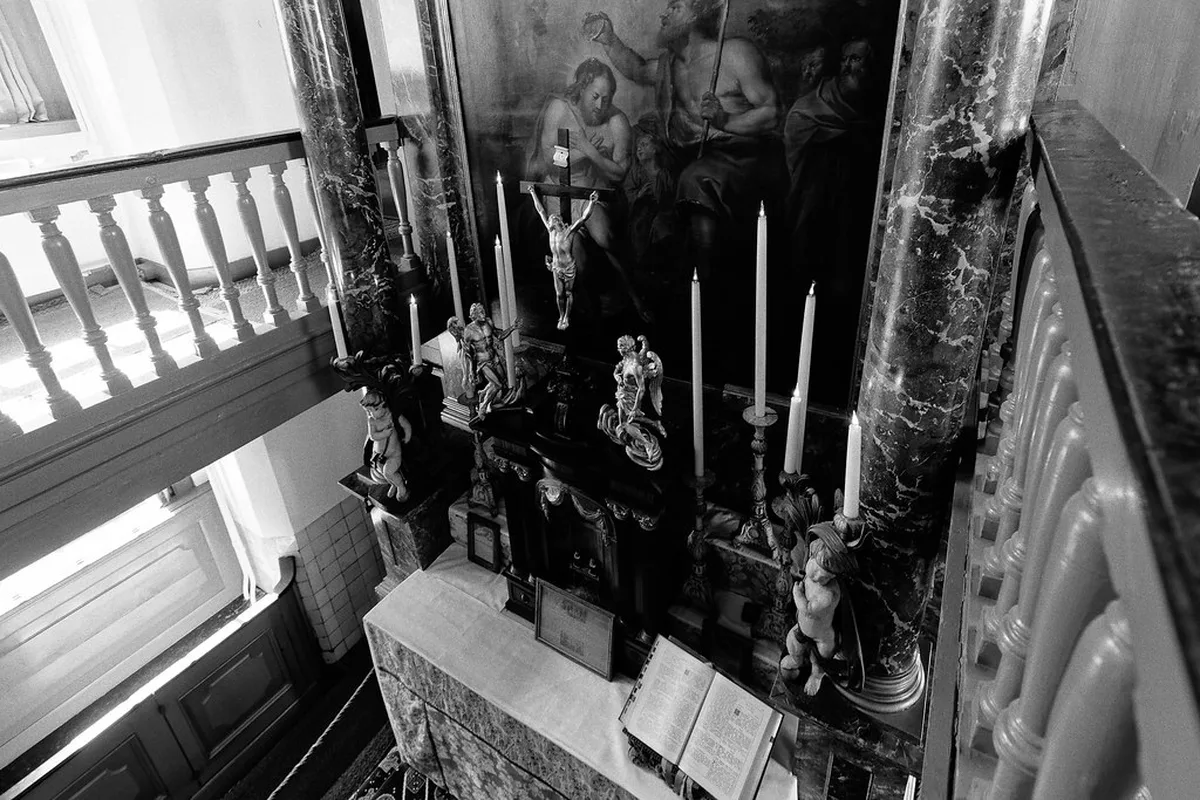
The one way to see it for free is to attend the Mass held on the first Sunday of every month at 11:00. Attendance is open to all, regardless of religious affiliation. The Mass is conducted in the original chapel space — stone altar, Baroque organ, wooden pews — so it is a genuine active church service, not a performance. Arrive by 10:40 at the latest, as seating in the narrow attic is limited and latecomers must stand at the back.
The canal house also contains period rooms from the 1660s that are accessible during the free Mass. Check the museum's official calendar each month to confirm scheduling, as the Mass is occasionally moved for special liturgical dates.
Independent Art Galleries and Project Spaces
Amsterdam's commercial and non-commercial gallery scene is extensive, and almost all of it is free to enter. The Jordaan neighborhood around Bloemgracht and Elandsgracht has the densest concentration: small painting studios, photography galleries, and print workshops that open to the public on Thursday through Saturday from around 13:00 to 18:00.
In Oost, FramerFramed on Oranje-Vrijstaatplein operates as a long-running arts foundation with a consistently strong programme. It focuses on postcolonial and decolonial perspectives and runs public talks and film screenings alongside exhibitions, all free. In the Western Docklands, The Ravestijn Gallery specializes in fine-art photography with large-format prints in a bright warehouse space. Also worth noting is Melkweg Expo near Leidseplein — tucked inside the music venue, it shows emerging photographers and visual artists on a rotating six-week schedule, with late opening until 19:00 on most days.
Mediamatic BIOTOOP on the NDSM wharf in Noord runs interactive installations that blend art, science, and biotechnology. Entry to the permanent installations is free, though some workshops charge a fee. The NDSM wharf itself is covered in commissioned murals and street art, making the 15-minute ferry ride from Central Station worthwhile as a free outdoor gallery in its own right.
Outdoor Art and the ARTZUID Sculpture Route
Every two years, Amsterdam-Zuid hosts ARTZUID, the largest outdoor sculpture exhibition in the Netherlands. The route runs for approximately 5 km through the tree-lined avenues of the Apollolaan, Minervalaan, and surrounding streets, placing monumental works by internationally recognized sculptors in direct dialogue with the neighborhood's early-20th-century architecture.
The 2025 edition ran through September, and the next full edition is due in 2027. Between editions, a selection of permanent works remains in place along the route, accessible 24/7 at no cost. Free printed route maps are available at the information pavilion near Apollolaan, or downloadable from the ARTZUID website. Guided tours and a children's programme run on weekends during the exhibition season.
Year-round, the city's public spaces function as an outdoor museum. Foam Photography Museum regularly takes over Mercatorplein square for open-air exhibitions visible to anyone passing through. Vondelpark hosts portrait series during major cultural events. And at Rokin metro station, the Below the Surface exhibit displays hundreds of archaeological objects recovered during the construction of the Noord/Zuid metro line — visible for free from the platform during any metro journey, no ticket to the exhibit required, just a transit pass.
Amsterdam Light Festival: Seasonal Free Exhibits
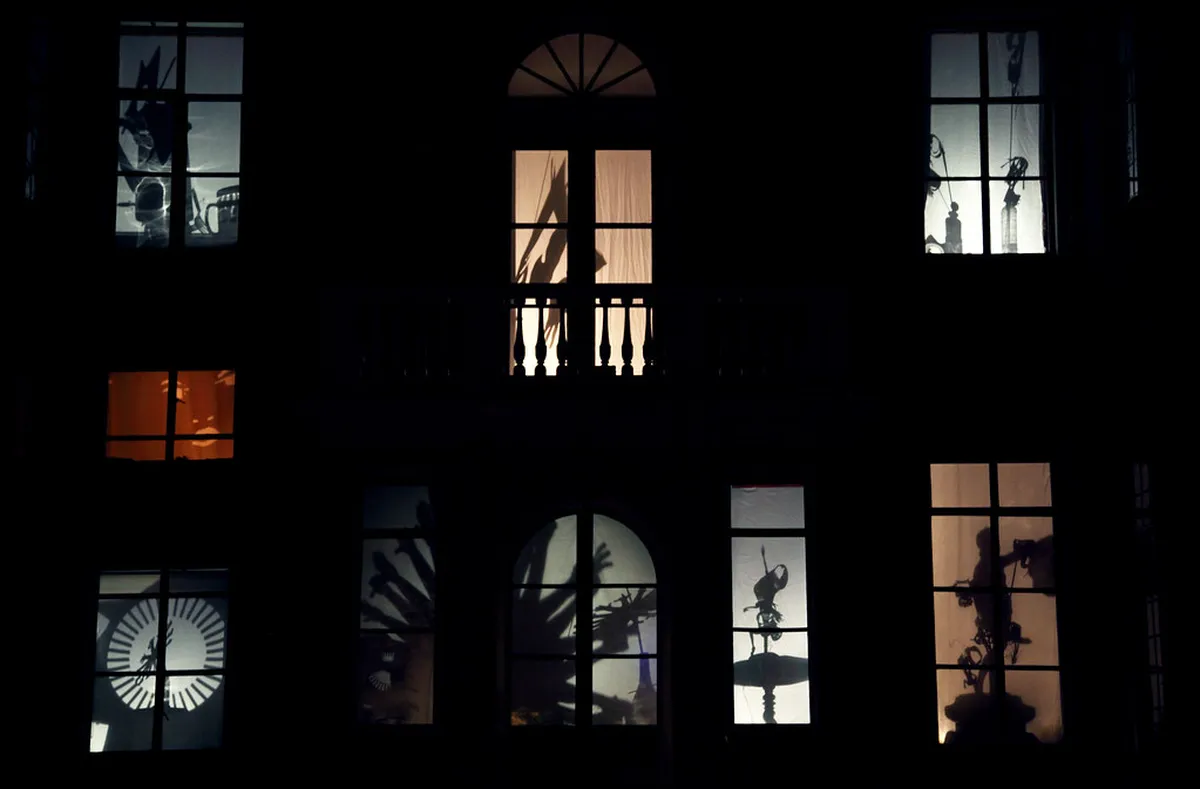
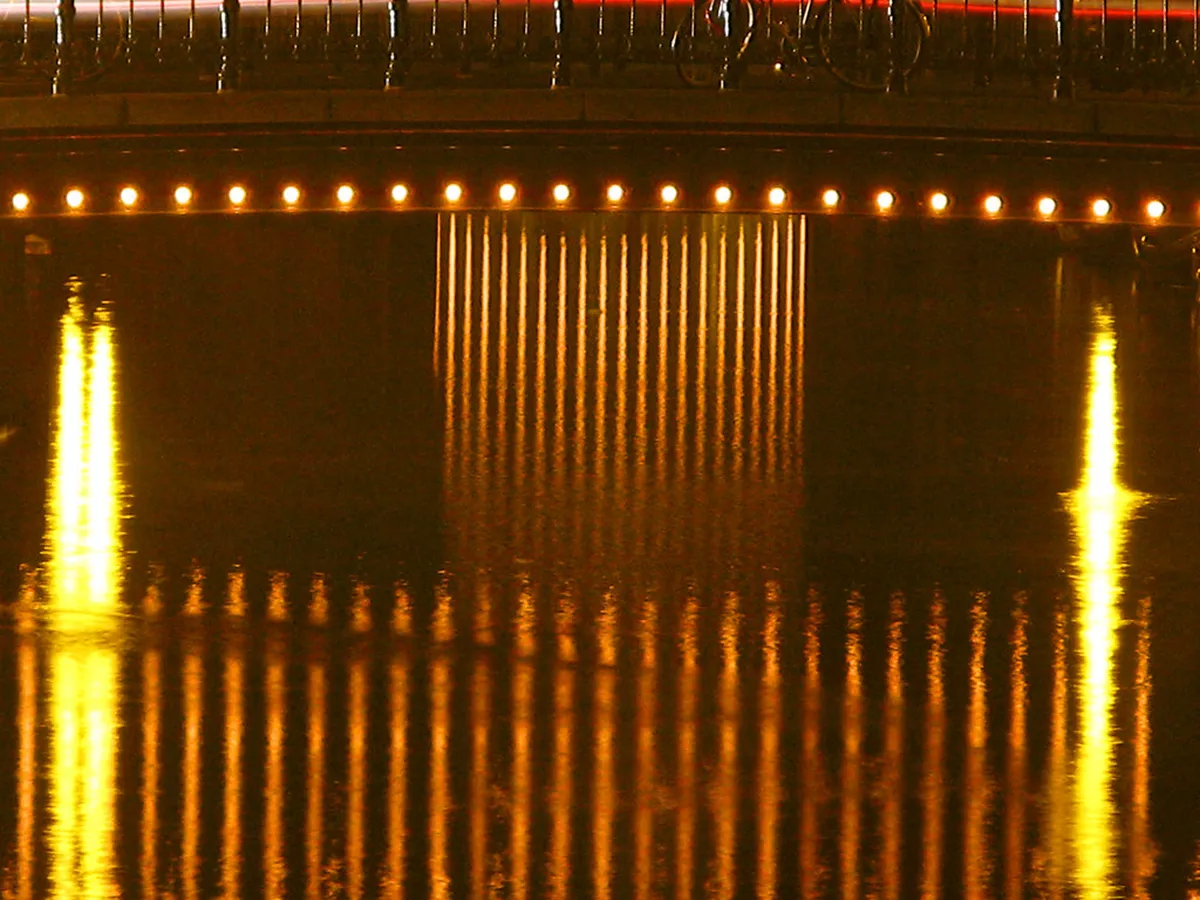
From late November through late January, the Amsterdam Light Festival transforms the canal ring and River Amstel into a free outdoor gallery after dark. International artists create large-scale light installations that are installed on bridges, along waterways, and at fixed points across the historic center.
The land route — a marked walking path through the canal belt — is completely free and accessible from dusk until 23:00. The water route (by boat) requires a ticket for a canal cruise. Most visitors combine the two: walk the free land route over two evenings and optionally book a single boat tour for the water section.
Installations typically switch on at 17:00 and the best viewing window is 18:00 to 21:00 on weekday evenings, when crowds are lighter than weekends. The festival theme changes annually; check the official website in autumn for the 2026–2027 programme and route map.
Museums with Free Entry for Children and Youth
Amsterdam's museum scene is unusually generous with under-18 admission. Ten major institutions offer completely free entry to everyone aged 17 or under: the Rijksmuseum, Stedelijk Museum, Amsterdam Museum @ H'ART, EYE Film, H'ART Museum, Huis Marseille, Luther Museum, the Royal Palace on Dam Square, Van Gogh Museum, and Willet-Holthuysen House.
A further tier of museums is free for children up to 12: COBRA Museum, Diamond Museum, FOAM Photography Museum, Groote Museum at ARTIS, Micropia, National Maritime Museum, Museum of the Mind, STRAAT Museum, Tot Zover, and Van Eesteren Museum. Age limits drop sharply at more entertainment-focused venues — NEMO Science Museum is only free for children under 4, and ARTIS Zoo is free only for under-2s.
The age cut-offs matter for planning. A family with a 10-year-old and a 15-year-old will find the Rijksmuseum fully free for both children but will pay for the 15-year-old at FOAM. Always carry a passport or ID for children who look older than the free-entry threshold. Museum staff are required to check on request, and the age limits are strictly enforced at the larger institutions.
How to Use City Cards for "Free" Museum Access
The I amsterdam City Card bundles public transport with entry to more than 70 museums and attractions for a single prepaid price. In 2026 the card costs €67 for 24 hours, €94 for 48 hours, €115 for 72 hours, €130 for 96 hours, or €140 for 120 hours. It covers the Rijksmuseum, Stedelijk, EYE Film, National Maritime Museum, and dozens of others. It does not cover the Anne Frank House, the Van Gogh Museum, or tours.
The GO City Amsterdam All-Inclusive Pass is an alternative with a slightly smaller museum selection but a children's version available at a discounted rate. It covers over 25 attractions and canal cruises. Dutch residents should instead investigate the Museumkaart (around €65 per year for adults, €32.50 for under-18s), which is valid at nearly all Dutch museums. Non-residents can technically buy it, though the activation process is designed for residents — it is most practical if you plan a trip longer than two weeks.
A city card only pays off with deliberate planning. Calculate your intended visits before buying: at roughly €22.50 per major museum, three paid-entry museums in two days covers the cost of the 48-hour I amsterdam card. Use these cards to access the Amsterdam's top museums that charge adult admission, and combine them with the genuinely free spots on this list to build a budget-smart itinerary. More ideas for keeping costs down appear in our guide to our hidden gems guide.
Frequently Asked Questions
Are there any free days at the Rijksmuseum or Van Gogh Museum?
No, these major museums do not offer free entry days for the general public. However, children under 18 can enter for free at any time. Consider visiting the Rijksmuseum gardens for a no-cost art experience instead.
Is the Anne Frank House free to visit?
The Anne Frank House is never free and requires booking tickets months in advance. Tickets cost around $16 for adults and are rarely available for walk-ins. You can view the exterior and the nearby statue for free.
Can I see the Red Light District museums for free?
Most museums in the the Red Light District require a paid ticket for entry. This includes the Museum of Prostitution and the Erotic Museum. You can walk through the historic district and see the architecture for free.
Amsterdam offers a wealth of culture that does not have to cost a fortune. By mixing these free museums with major paid sites, you can enjoy a balanced trip. Plan your visits to the City Archives and Rijksmuseum gardens to maximize your budget.
Whether you are here for a weekend or a three-day Amsterdam plan, these spots are essential. Enjoy the incredible art and history that the Dutch capital provides to everyone for free.
Continue exploring
More guides you'll find useful