Ons' Lieve Heer Op Solder (Our Lord In The Attic) Visitor Guide & Tips
Plan your visit to Ons' Lieve Heer op Solder (Our Lord in the Attic) with our comprehensive guide. Discover history, practical tips, tickets, and nearby attractions.
On this page
Ons' Lieve Heer Op Solder (Our Lord In The Attic) Visitor Guide
Step into a hidden world at Ons' Lieve Heer op Solder, or Our Lord in the Attic, in Amsterdam. This unique museum reveals a complete 17th-century Catholic church concealed within a canal house. It offers a rare glimpse into a fascinating period of Dutch history. Our 2026 visitor guide helps you plan the timing, tickets, stairs, and nearby stops before you go.
This remarkable site showcases religious tolerance and ingenuity. Visitors explore richly decorated rooms and then ascend to the secret attic church. The museum provides an immersive cultural experience. Discover practical tips, ticket information, and nearby attractions to enhance your visit to this Amsterdam gem.
Understanding the historical context makes the visit even more profound. You will learn about the challenges faced by Catholics in the Dutch Republic. This guide covers everything from opening hours to accessibility. Prepare for an unforgettable journey into Amsterdam's past.
The History of Our Lord in the Attic
Amsterdam in the 17th century was a hub of trade and religious diversity. While officially Protestant, the city tolerated other faiths, including Catholicism, under certain conditions. Public worship for Catholics was forbidden, leading to the creation of clandestine churches.
These 'schuilkerken' or hidden churches were ingeniously built into ordinary houses. Ons' Lieve Heer op Solder is the most well-preserved example remaining today. It demonstrates the resourcefulness of the Catholic community. This secret church allowed them to practice their faith discreetly.
The museum building itself is a beautifully restored canal house from 1663. It was originally owned by a wealthy Catholic merchant named Jan Hartman. He commissioned the construction of the church in his attic. This unique history makes the site a profound historical artifact.
Today, the museum uniquely preserves this narrative of religious freedom and architectural innovation. It offers visitors a tangible connection to Amsterdam's past. The story of this hidden church continues to captivate guests from around the world. Visit the Ons Lieve Heer op Solder official website for more historical insights.
What to Expect: Exploring the Museum Today
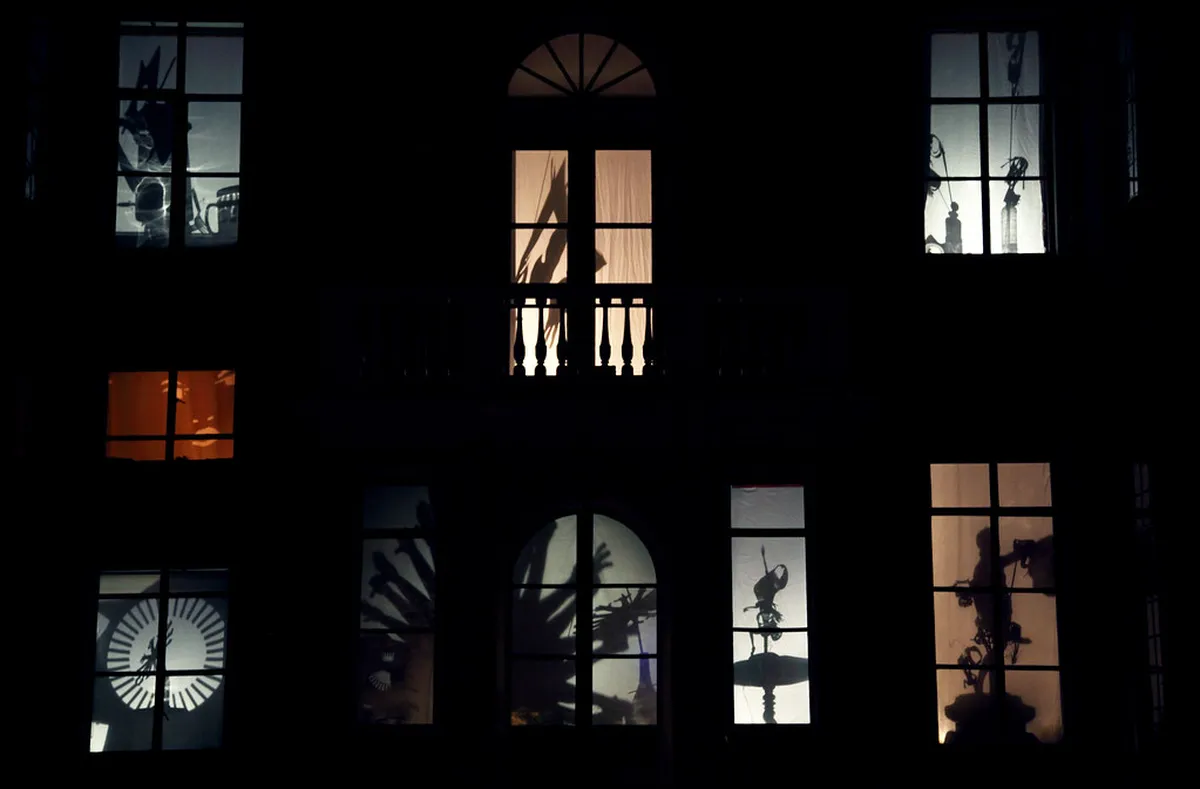
Entering Ons' Lieve Heer op Solder feels like stepping back in time. You begin your journey on the ground floor of a traditional 17th-century canal house. The museum retains much of its original layout and furnishings. This provides an authentic glimpse into daily life.
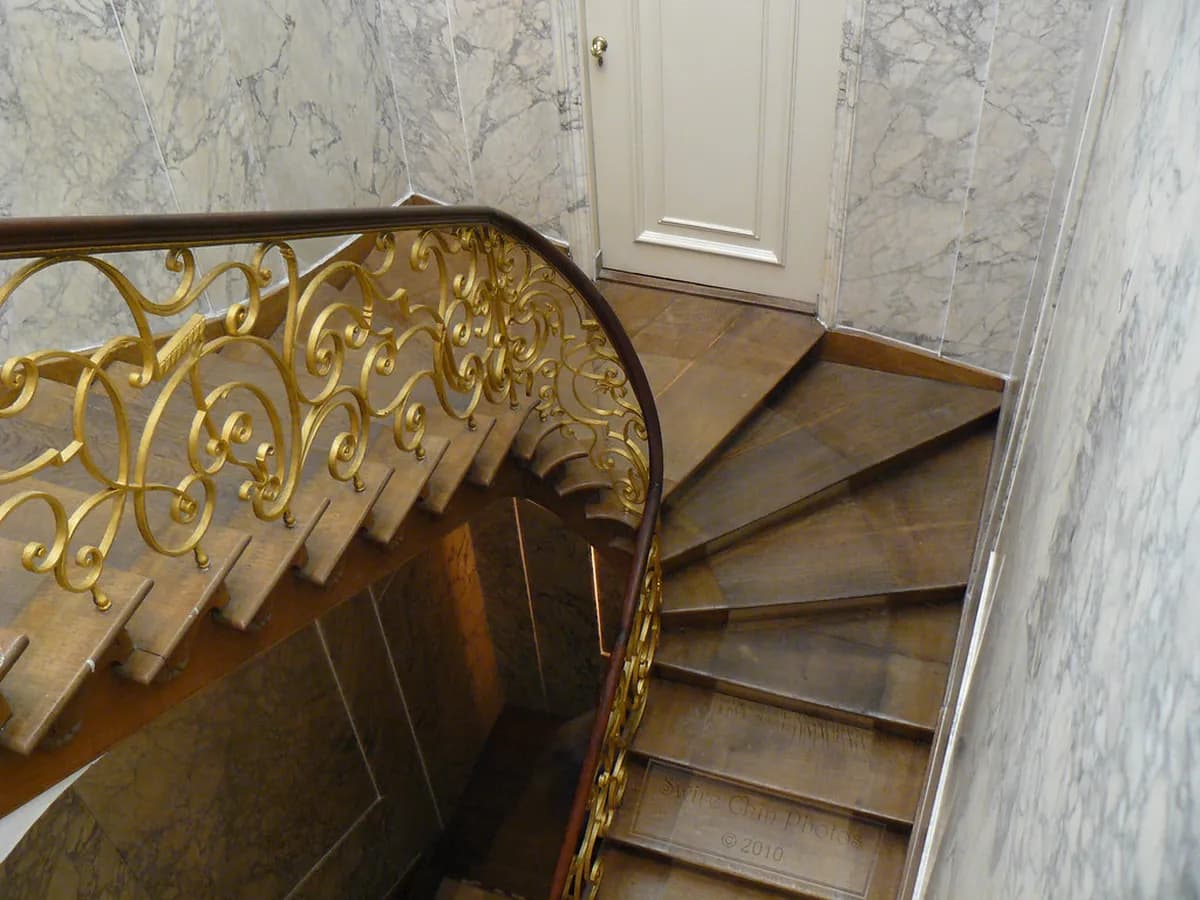
Visitors navigate narrow staircases and winding corridors. Each room on the lower floors offers a glimpse into the merchant family's living quarters. You will see a period kitchen, bedchambers, and a formal reception room. These spaces are beautifully preserved with historical accuracy.
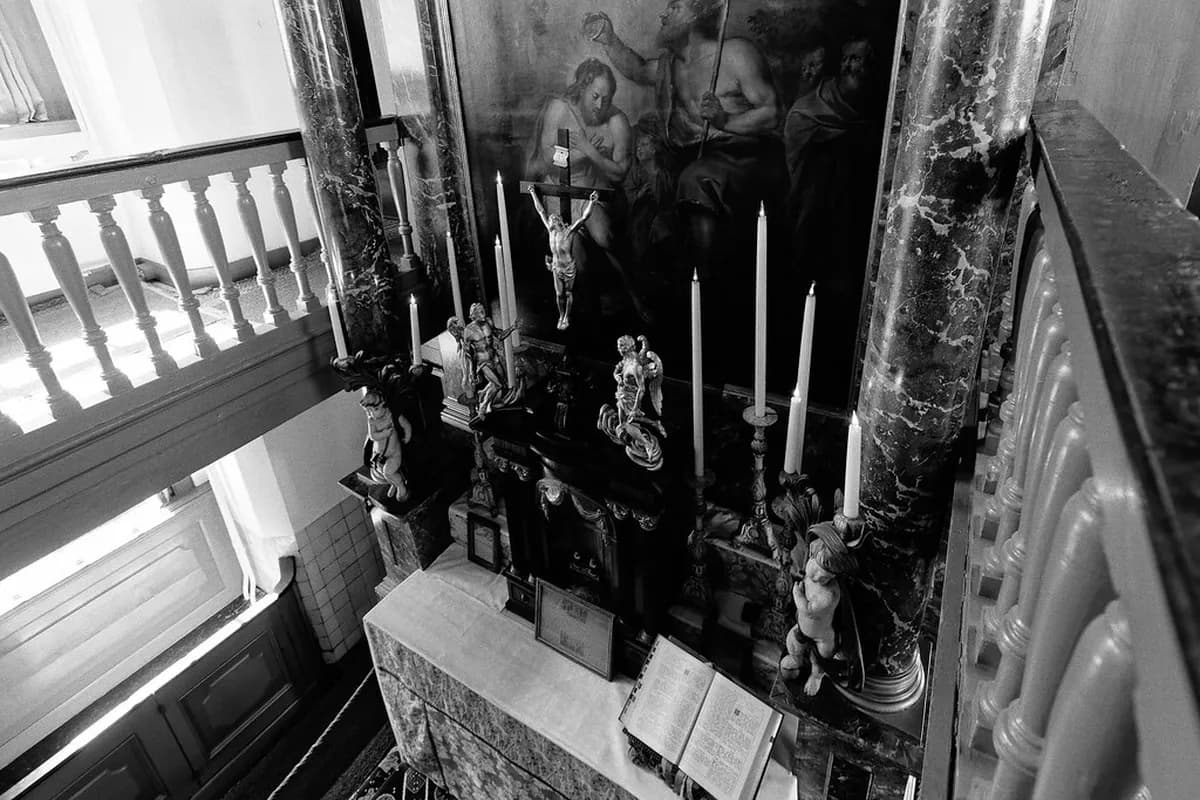
The true highlight awaits as you ascend to the attic. Here, you discover the surprisingly spacious and ornate Catholic church. It features an altar, pews, and even a confessional. The contrast between the modest exterior and the grand interior is striking.
The experience of moving through the house to reach the church is part of its charm. It highlights the secretive nature of its original use. The route is also practical to understand in advance: you climb steep, narrow stairs through domestic rooms before the church opens up above you. That contrast between cramped house and bright, unexpectedly large chapel is the museum's defining moment.
This experience differentiates the museum from many others. It truly immerses you in the past. The blend of domestic life and hidden worship creates a powerful narrative. It takes about 30 minutes to explore the main parts, according to WhichMuseum.com, but most visitors should allow 60 to 90 minutes if using the audio guide, visiting temporary displays, or stopping in the cafe.
Allow 60 to 90 minutes for your visit if you plan to use the audio guide and explore all rooms.
Tickets, Prices, and Booking Your Visit
Planning your visit to Ons' Lieve Heer op Solder involves understanding ticket options. Standard admission includes access to the entire museum. It also provides an audio guide for a self-paced tour. Booking tickets online is highly recommended to secure your spot.
Standard adult admission is €18.00. Children aged 5-17 pay €7.50, and children up to 4 enter free. CJP and ISIC student cards get a reduced rate of €11.50, and the Amsterdam Uitpas is €10.00. Holders of the I amsterdam City Card, the Museumkaart, Museumvriend, Stadspas, Vereniging Rembrandt, and ICOM cards enter free.
Booking online ensures a smoother entry process. It helps you avoid potential queues, especially during peak season. You can select your preferred entry time when purchasing tickets. This flexibility allows for better trip planning.
Consider the trade-offs when booking. Online tickets save time but require a fixed schedule. Purchasing at the door offers spontaneity but risks longer waits. Group bookings must be made in advance. Contact the booking office directly for group reservations.
Opening Hours and Best Times to Visit
The museum is open daily from 10:00 to 18:00. On the first Sunday of each month between September and June it opens later, at 11:00, because of church services. It is closed on 25 December and on 27 April (King's Day). Always verify the most current schedule on the museum's official website before your visit.
The church-service exception matters if you are planning a quiet Sunday morning museum stop. Holiday closures or modified schedules are also worth checking before you cross the old city center. Planning ahead prevents unnecessary backtracking through a busy area.
For a quieter experience, consider visiting right after opening or later in the afternoon. Weekday mornings are often less crowded than weekends. Avoiding midday rush times can enhance your enjoyment. This allows for a more reflective exploration of the historic space.
Visiting during off-peak seasons, like late autumn or early spring, also offers a more serene atmosphere. Fewer crowds mean more time and space to appreciate the intricate details. These periods often provide a more personal connection with the museum. Consider these times for a peaceful visit.
Guided Tours and Audio Guides
Enhance your visit to Ons' Lieve Heer op Solder with a guided tour or audio guide. An audio guide is included with your admission ticket. It provides detailed explanations about each room and its historical context. This self-paced option allows for individual exploration.
For a more in-depth experience, consider a private guided tour. These tours offer personalized insights and answer specific questions. Guided tours usually last between one and one and a half hours. They provide a richer understanding of the museum's history and significance.
Group tours are available but require advance booking. A 1.5-hour tour costs €95.00, while a 1-hour highlights tour costs €70.00. Each guide can accommodate a maximum of 10 people. The museum has two guides available simultaneously.
To book a group tour, contact the booking office directly. Call 020-3108888 Monday to Friday from 1 PM to 5 PM. Alternatively, send an email to boekingen@opsolder.nl. Early registration ensures availability for your preferred date and time.
Visiting with Families and Children
Ons' Lieve Heer op Solder offers a fascinating experience for families with children. The unique concept of a hidden church often sparks curiosity in young minds. The museum provides special audio tours designed for younger visitors. These tours make history engaging and accessible.
While the museum is historic, some areas may be challenging for strollers. Narrow staircases are part of the authentic 17th-century house. Baby carriers are recommended for infants and toddlers. This allows for easier navigation through the building.
The museum offers free tours for children, providing an interactive learning experience. The treasure hunt "Ladybird in the Attic" is aimed at children aged 5 to 10, while the free "Feast! In the Attic" audio tour is aimed at ages 10 to 12 and explains Christian holidays such as Sinterklaas, Christmas, Easter, and Pentecost. Check the museum's website before you go for language availability and any booking notes.
Nearby amenities include cafes and small places for a break after the stairs. The museum is best for children who enjoy stories, old houses, hidden spaces, or short audio-led routes. Families with toddlers should plan a compact visit rather than a long museum day, especially during crowded weekend hours.
Accessibility Information
As a historic 17th-century canal house, Ons' Lieve Heer op Solder has certain accessibility limitations. The museum features many narrow stairs and uneven floors. This authentic preservation means full wheelchair accessibility is not possible throughout the entire building.
However, the museum has made efforts to ensure as much access as possible. An elevator in the entrance building reaches the cafe, shop, temporary exhibitions, and an adapted restroom, but reaching the attic church itself requires climbing stairs. A virtual tour is available for those unable to navigate the stairs. This digital experience offers a comprehensive view of the entire museum.
Visitors with limited mobility should contact the museum in advance. They can provide specific advice and assistance, including information about companion tickets and special facilities. Planning your visit with their guidance can help manage expectations. This ensures a comfortable and informed experience.
The museum staff are generally helpful and accommodating. Do not hesitate to ask questions about specific accessibility needs. They can offer alternative solutions or suggest the best routes. Your comfort and enjoyment are important.
How to Get to Ons' Lieve Heer op Solder
Ons' Lieve Heer op Solder is centrally located in Amsterdam's old city center. The address is Oudezijds Voorburgwal 40, 1012 GD Amsterdam. Its prime location makes it easily accessible by various modes of transport. Plan your route to reach this historical gem.
Public transport is an excellent way to reach the museum. From Amsterdam Centraal Station, it is a short walk through the old city center. You can also arrive via nearby central tram or metro stops and walk the last stretch, which is often faster than trying to drive into the canal streets.
Walking is a popular option if you are exploring the city center. The museum is nestled within the historic Red Light District. This allows you to combine your visit with other nearby attractions. The area is busiest at night, so a daytime or early afternoon visit usually fits better with a calm museum itinerary.
Cycling is another convenient option in Amsterdam. There are bike racks available nearby for securing your bicycle. Avoid planning around street parking or taxis at the door, because the surrounding lanes are narrow, busy, and easier to navigate on foot.
Practical Tips and Common Mistakes
The best visit is compact, pre-booked, and planned around the stairs. Wear shoes that feel secure on narrow steps, keep large bags minimal, and allow extra time if you want to use the audio guide without rushing.
- Do not treat it like a fully accessible modern museum. The historic house is the attraction, but the staircases are also the main limitation.
- Do not arrive late on a tight schedule. The route is narrow, so queues and slow-moving groups can affect your pace.
- Do not skip the lower rooms. The domestic spaces explain why the church is so surprising when you finally reach the attic.
- Do not rely only on the exterior. Nothing outside communicates the scale of the church hidden inside, so this is a better visit than a photo stop.
Wear shoes with secure footing—the museum has steep, narrow staircases throughout the 17th-century building.
Nearby Attractions and Things to Do
After exploring Ons' Lieve Heer op Solder, discover other fascinating sites nearby. The museum is situated in a historically rich area of Amsterdam. You can easily combine your visit with other cultural experiences. The Red Light Secrets Museum is just a short walk away, offering a different historical perspective.
Consider visiting the Rembrandt House Museum, which is also within walking distance. This museum provides insights into the life and work of the famous Dutch painter. It offers another glimpse into 17th-century Amsterdam. The Rembrandt House Museum is a must-see for art lovers.
For those interested in unique Amsterdam living, the Houseboat Museum is a charming option. It showcases life on Amsterdam's iconic canals. This museum provides a different view of local culture. It is a distinctive complement to the hidden church.
You can also explore the historic canals with a boat tour. This offers a different perspective of the city's architecture. Many tours depart from near Centraal Station. A canal cruise complements a visit to the museum beautifully.
Further afield, but still easily accessible, are other notable museums. Consider Museum Van Loon or Museum Willet-Holthuysen for more insights into wealthy canal house living. For a different kind of beauty, visit the Hortus Botanicus, one of the oldest botanical gardens in the world. Each offers a unique cultural experience.
Supporting the Museum: Friends and Donations
Ons' Lieve Heer op Solder is a private museum that relies on public support. Becoming a 'Friend' or making a donation helps preserve this unique heritage. Your contributions directly support the maintenance of the historic building. They also fund educational programs.
Friends of the museum often receive exclusive benefits. These can include free admission, invitations to special events, and newsletters. Membership provides an opportunity to deepen your connection with the museum. It also offers a chance to engage with its ongoing work.
Donations, big or small, are crucial for the museum's continued operation. They help with restoration projects and new exhibitions. Supporting the museum ensures future generations can experience this hidden gem. Every contribution makes a difference.
Consider the long-term impact of your support. Your involvement helps maintain a significant piece of Amsterdam's history. It also fosters cultural education and appreciation. Visit the official website for details on how to become a Friend or make a donation.
Frequently Asked Questions
Is it worth visiting Ons' Lieve Heer op Solder?
Yes, it is definitely worth visiting Ons' Lieve Heer op Solder. This museum offers a unique historical experience in Amsterdam. It provides a fascinating look into religious tolerance and architectural ingenuity. Many visitors praise its immersive atmosphere and well-preserved interiors. It stands out from typical Amsterdam attractions.
What does "Ons Lieve Heer op Solder" mean?
"Ons Lieve Heer op Solder" translates to "Our Dear Lord in the Attic." This name directly refers to the hidden Catholic church located in the attic of a 17th-century canal house. It perfectly describes the museum's central feature. The name reflects the discreet nature of its original purpose.
Is Our Lord in the Attic a real church?
Yes, Our Lord in the Attic was a real, functioning Catholic church. It operated secretly from 1663 until the early 19th century. Although it is now a museum, the attic space retains its original church features. It offers a tangible connection to its past as a place of worship.
How long does it take to visit Ons' Lieve Heer op Solder?
Most visitors spend about 60 to 90 minutes exploring Ons' Lieve Heer op Solder. This includes time for the audio guide and viewing all the rooms. If you participate in a guided tour, allow for 1 to 1.5 hours. Plan extra time if you wish to browse the gift shop or cafe.
Other Places Built Specifically to Be Hidden
A complete Catholic church across three attic floors, built in 1663 because public worship was banned and everybody knew anyway. Berlin's Anne Frank Zentrum deals with concealment of a far more serious kind, three centuries later and rooted in this city. Barcelona's Monestir de Pedralbes is enclosure by choice rather than necessity, and has kept its cloister quiet since 1327.
Ons' Lieve Heer op Solder offers a truly unique and moving experience in Amsterdam. It is more than just a museum; it is a preserved piece of history. This hidden church tells a powerful story of faith and resilience. Planning your visit with this guide ensures a smooth and enriching journey.
From its fascinating history to practical visitor information, this guide covers essential details. Discover the beauty of a 17th-century canal house and its secret attic church. This destination provides a profound cultural insight. It highlights the ingenuity of past generations.
Whether you are interested in history, architecture, or unique cultural sites, Ons' Lieve Heer op Solder is a must-see. It offers a quiet contrast to the bustling city outside. Make sure to include this extraordinary museum in your Amsterdam itinerary. You will not regret experiencing this hidden treasure.
For the latest official information, see the Ons' Lieve Heer op Solder (Our Lord in the Attic) on Wikipedia.
For more ideas around the city, see our guides to hidden gems in Amsterdam, unusual things to do in Amsterdam, and things to see in Amsterdam.
Continue exploring
More guides you'll find useful