10 Best Hidden Gems in Berlin Travel Guide (2026)
Discover the 10 best hidden gems in Berlin, from secret bunkers and street art alleys to quiet lakeside retreats and local markets off the beaten path.
On this page
10 Best Hidden Gems in Berlin (2026)
After living in the German capital for several years, I have seen the city evolve far beyond its famous wall. While most visitors flock to the Reichstag, the true soul of the city hides in its quiet courtyards and abandoned stations. Our editors have spent months uncovering these secret spots to ensure your next visit feels entirely authentic. This guide was last refreshed in October 2025 to include the most current pricing and access rules for the upcoming year.
Berlin is a city of layers where history and subculture constantly collide in unexpected ways. You might find a world-class art gallery tucked inside a former bunker or a serene canal system in a remote suburb. Finding these unusual things to do in Berlin requires a bit of curiosity and a valid transit pass. For comprehensive background on Berlin's geography and history, Wikipedia provides authoritative context on the city's cultural layers. Before you set out, I recommend listening to the Berlin Unboxed podcast to hear local creators discuss these landmarks.
Many travelers miss the best parts of the city because they stick to the central Mitte district. Venturing just a few S-Bahn stops further reveals a landscape of industrial ruins and lush green escapes. This list focuses on places that offer deep historical context or unique creative energy without the heavy crowds. Prepare to see a side of the capital that most guidebooks usually overlook or simplify.
Key Takeaways
- Best Overall: Berliner Unterwelten for its incredible historical depth and unique access.
- Best for Families: Döberitzer Heide for the chance to see wild bison in a natural setting.
- Best Rainy-Day: Dead Chicken Alley and its indoor galleries like the Monsterkabinett.
- Best Free: Neu-Venedig for a peaceful walk through a unique canal-side neighborhood.
Exploring Berlin Beyond the Brandenburg Gate
The mainstream tourist circuit often feels like a curated museum that misses the gritty reality of modern Berlin. To truly understand the city, you must explore the Berlin neighborhoods where residents live and create. Districts like Neukölln and Wedding offer a glimpse into the diverse, multicultural fabric of the local community. These areas prioritize small businesses and community gardens over high-end retail chains and luxury hotels.
Navigating these spaces requires a different mindset than visiting the Island of Museums. Locals value their privacy and the quiet atmosphere of their residential streets during the work week. Always remember to keep noise levels down when exploring the backyards of Kreuzberg or the cafes of Friedrichshain. This respectful approach ensures that these hidden gems remain welcoming for both residents and curious travelers.
Many of these sites are tied to the complex history of the Cold War and the city's industrial past. You will encounter repurposed factories and former spy stations that now serve as canvases for world-renowned street artists. The contrast between the heavy concrete of the past and the vibrant art of today defines the Berlin aesthetic. Exploring these sites provides a more nuanced view of how the city has healed since the fall of the Wall.
10 Best Hidden Gems in Berlin (2026)
The following list represents the very best secret spots currently accessible to the public in the city. We have selected these items based on their historical significance, artistic value, and overall atmosphere. Each location offers something distinct that you cannot find in the typical top-ten lists on major booking sites. From quiet gravesites to industrial climbing towers, these picks will transform your perception of the German capital.
Please note that some of these locations are seasonal or require advance booking due to their small size. We have included typical price ranges and operating hours to help you plan your daily itinerary effectively. Always check official websites before your visit, as local regulations or construction can occasionally affect access. Many of these spots are free or very affordable, making them perfect for those traveling on a budget.
Bring cash for entrance fees, as remote venues like Teufelsberg rarely accept international cards. Plan 3–4 hours per site including travel time via S-Bahn or U-Bahn, and book Cold War bunker tours several days ahead to secure spots.
To make the most of your time, consider grouping these items by their geographic location within the city. Berlin is geographically massive, so crossing from the west to the east can take over an hour by train. Using the BVG transit app is the most reliable way to navigate the S-Bahn and U-Bahn networks. Now, let's dive into the specific attractions that make this city so endlessly fascinating for explorers.
- Biesdorfer Parkbühne Open-Air Stage
- This open-air stage hosts concerts and cinema events within a lush park setting in the Marzahn district.
- Tickets typically range from $12 to $35 depending on the specific performance or film screening.
- The venue is generally open from May through September for the summer season.
- Take the S5 train to Biesdorf and walk ten minutes through the greenery to reach the stage.
- Check the summer schedule online to catch a local indie band or a classic German movie.
- Grave of Heinrich von Kleist and Henriette Vogel
- This somber and beautiful gravesite marks the tragic end of a famous German poet and his companion.
- Access to the site is free and it remains open during daylight hours throughout the year.
- The location in Wannsee offers a peaceful retreat with views of the nearby Kleine Wannsee lake.
- Take the S7 to Wannsee station and enjoy a scenic twenty-minute walk through the residential neighborhood.
- The atmosphere here is incredibly still and offers a sharp contrast to the busy city center.
- Döberitzer Heide Nature Reserve in Elstal
- This vast nature reserve features a diverse landscape where wild bison and horses roam freely.
- Entry to the hiking trails is free for all visitors and the park is open daily.
- It is located just outside the city gates and provides a perfect escape for hikers and photographers.
- Board the RE4 regional train to Elstal and follow the signs for the Sielmann Foundation.
- Bring a pair of binoculars to spot the animals from the various wooden observation towers.
- Gasometer Schöneberg Industrial Climbing
- The Gasometer is a massive steel structure that offers guided climbing tours for a unique perspective.
- Tours usually cost between $20 and $30 and must be booked in advance online.
- Operating hours vary by season and weather conditions, so check the official site for availability.
- It is located in the Schöneberg district near the Gasometer bus stop or S-Bahn Schöneberg.
- The view from the top provides an unmatched look at the historic Red Island neighborhood.
- Dead Chicken Alley Street Art Hub
- This narrow alleyway is a surviving bastion of the city's gritty 1990s street art scene.
- Walking through the alley is free, though some indoor museums like the Monsterkabinett charge a fee.
- The alley is open 24/7, but the internal galleries usually open from 11am to 6pm.
- Find it tucked away near the Hackescher Markt S-Bahn station in the central Mitte district.
- Look for the small entrance next to Cafe Cinema to find this hidden creative world.
- Berliner Unterwelten Cold War Bunkers
- These guided tours take you deep into the forgotten bunkers and tunnels beneath the city streets.
- Tickets for a standard tour cost approximately $15 to $20 per adult visitor.
- Tours run daily from the Gesundbrunnen station, but specific times vary by the language offered.
- The underground bunkers stay a constant 12 degrees Celsius, so bring a jacket even in summer.
- Book your tickets online several days in advance as these small tours sell out quickly.
- Teufelsberg Former Spy Station
- This man-made hill topped with abandoned radar domes was once a Cold War listening post.
- The entry fee for a self-guided walk is roughly $8 to $12 per person.
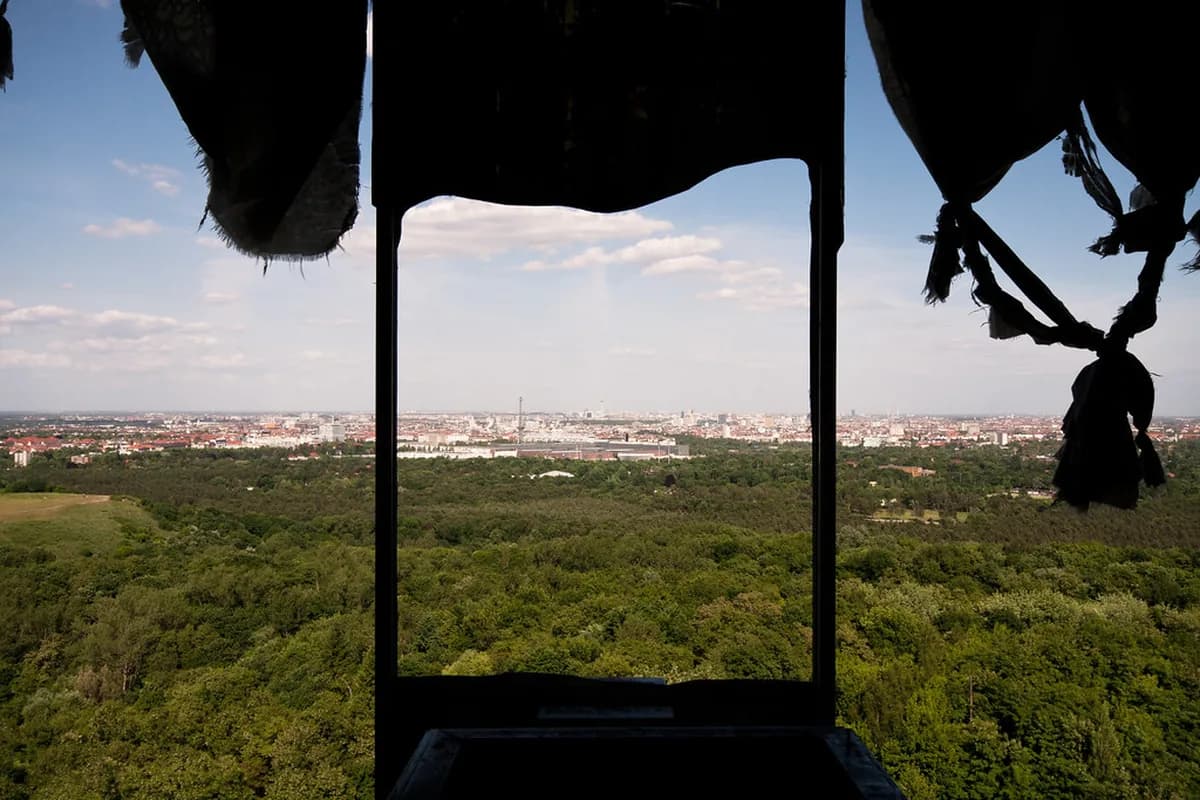
- It is typically open daily from 11am until sunset, providing incredible 360-degree city views.
- Take the S-Bahn to Grunewald and prepare for a thirty-minute hike through the forest uphill.
- Bring cash for the entrance fee as the remote ticket booth rarely accepts international cards.
- Neu-Venedig Canal Neighborhood
- Neu-Venedig is a charming residential area featuring a network of small canals and private docks.
- Walking along the public paths is free, though renting a boat is the best way to see it.
- The area is accessible year-round, but it is most vibrant during the sunny summer months.
- Take the S3 train to Rahnsdorf and walk or bike toward the Müggelspree river.
- Rent a kayak from a local shop to explore the waterways like a true resident.
- Mauerpark Flea Market and Karaoke
- This iconic Berlin flea market features vintage goods and famous outdoor karaoke sessions.
- Entry to the park and market is free, though you should bring cash for snacks.
- The market happens every Sunday from 9am to 6pm regardless of the weather conditions.
- It is located in Prenzlauer Berg and is easily reached via the U2 at Eberswalder Straße.
- Arrive before noon if you want to find the best vintage treasures before the crowds arrive.
- Berlin Wall Memorial Reinickendorf
- This quiet memorial preserves a section of the wall in a less-visited residential neighborhood.
- The outdoor site is free to visit and remains open to the public 24/7.
- It provides a more intimate and somber experience than the crowded Bernauer Straße memorial.
- Take the U8 to Lindauer Allee and walk a short distance to the memorial site.
- Read the information plaques to learn about the specific escape attempts that happened in this area.
| Attraction | Type | Price | Season/Hours | Best For |
|---|---|---|---|---|
| Biesdorfer Parkbühne | Concert Venue | $12–$35 | May–Sep | Live Music & Cinema |
| Grave of Kleist & Vogel | Historic Site | Free | Year-round, daylight | Poetry & Reflection |
| Döberitzer Heide | Nature Reserve | Free | Daily | Hiking & Wildlife |
| Gasometer Schöneberg | Climbing | $20–$30 | Seasonal | Urban Views |
| Dead Chicken Alley | Street Art Hub | Free (galleries €5–€10) | 24/7 (galleries 11am–6pm) | Art & Creative Scene |
| Berliner Unterwelten | Cold War Bunkers | $15–$20 | Daily tours | History & Underground |
| Teufelsberg | Spy Station | $8–$12 | 11am–sunset | Views & Cold War |
| Neu-Venedig | Canal Neighborhood | Free (boat rental extra) | Year-round | Peaceful Walks |
| Mauerpark | Flea Market | Free | Sundays 9am–6pm | Vintage & Karaoke |
| Berlin Wall Memorial | Historic Memorial | Free | 24/7 | Quiet Reflection |
Alternative Neighborhoods: Where Locals Actually Hang Out
Friedrichshain and Kreuzberg remain the epicenters of the city's alternative culture and nightlife. These districts are famous for their high concentration of street art and independent vegan cafes. You can find a detailed Kreuzberg neighborhood guide to help you navigate the winding streets near Kottbusser Tor. This area is also home to the Landwehr Canal, where locals gather on the banks during summer evenings.
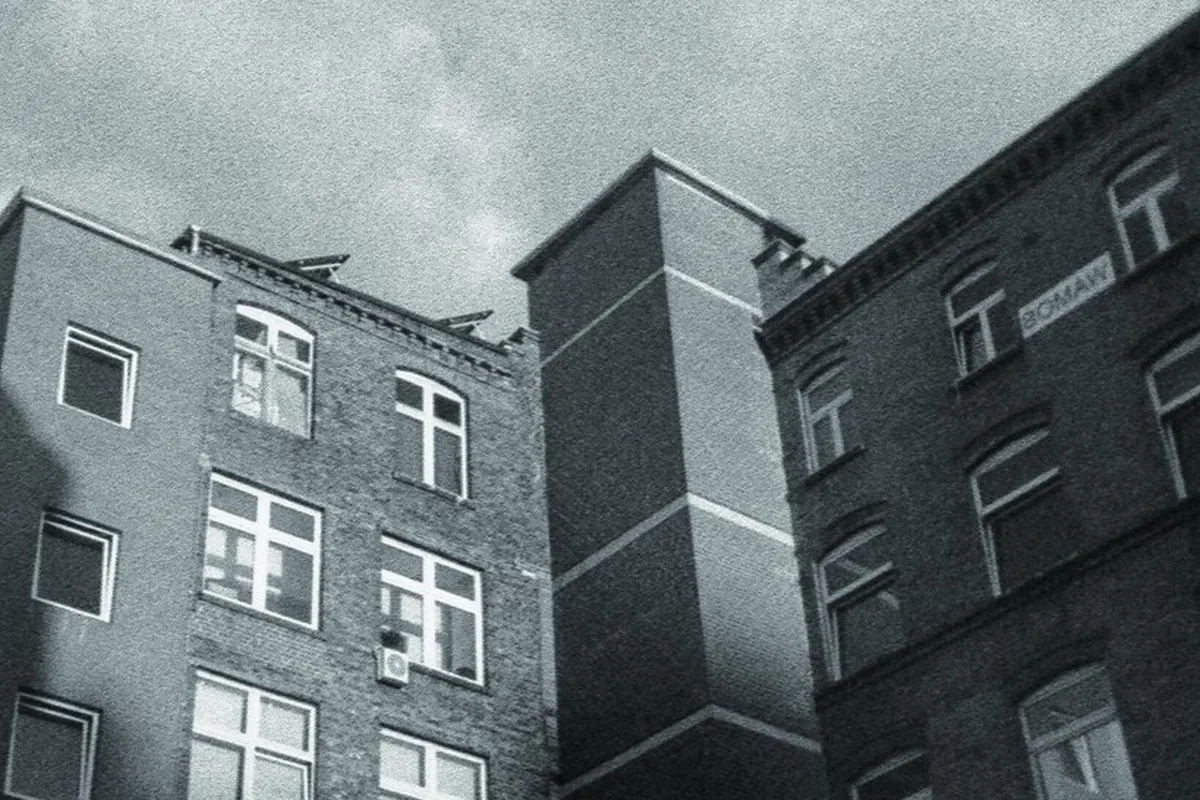
Neukölln has recently emerged as a trendy hotspot for young creatives and international students. The area around Weserstraße is packed with cozy bars that feel like living rooms for the neighborhood. If you want a more polished experience, head to the Charlottenburg neighborhood for upscale boutiques and historic architecture. Each district offers a distinct personality that reflects a different era of the city's long history.
Visiting these areas requires a bit of local etiquette to ensure a positive experience for everyone. Avoid taking photos of people or private residences without permission, as Berliners value their anonymity. Many shops and cafes in these neighborhoods still prefer cash over credit cards for small transactions. Learning a few basic German phrases will go a long way in establishing a friendly rapport with shopkeepers.
Neighborhoods like Neukölln face tourist fatigue; stay respectful, avoid large noisy groups, never photograph residents or private homes without permission, and support small local businesses. Most local venues accept cash only.
Historical Sites and Secret Art Hubs
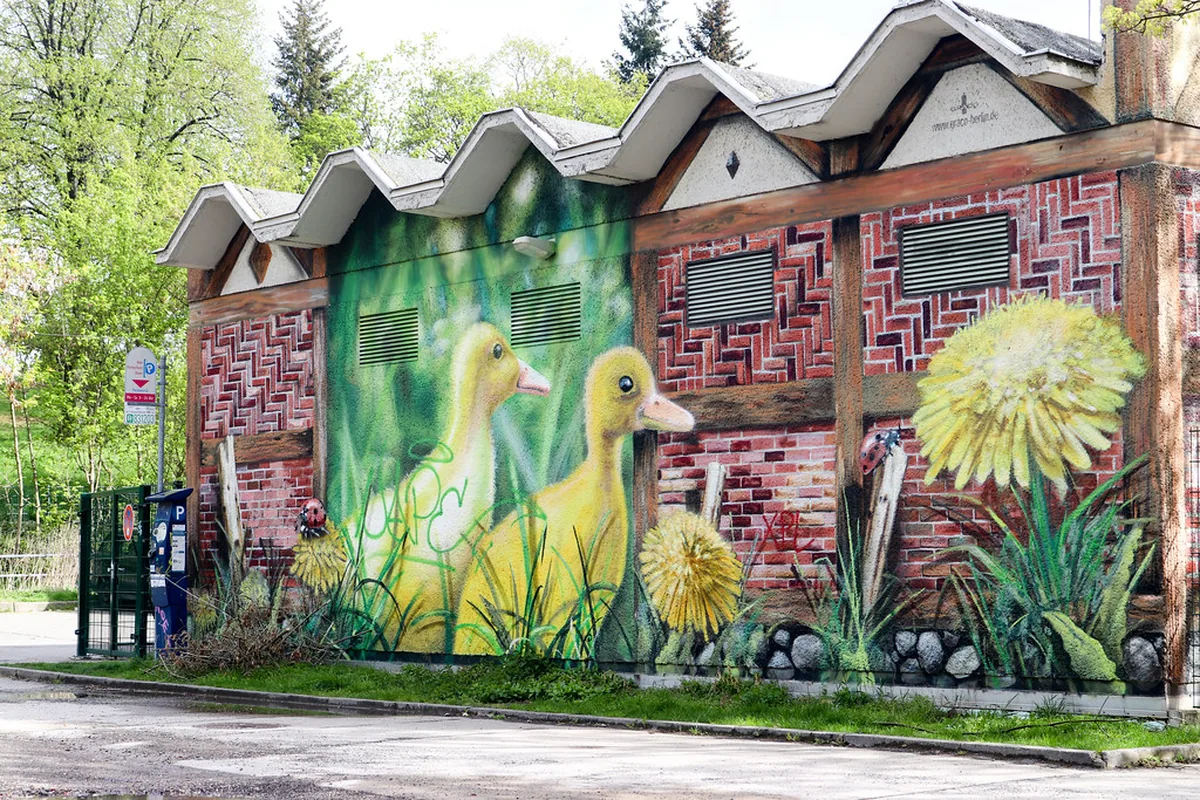
Berlin is often called the capital of sculptures because of its immense public art collection. Beyond the famous statues, you can find Berlin street art that covers entire apartment blocks in the RAW Area. This former train repair yard has been converted into a cultural complex with clubs, galleries, and skate parks. It is one of the best places to see how the city repurposes industrial ruins for creative uses.
For those interested in secret vistas, there are several secret viewpoints in Berlin that avoid the long lines of the TV Tower. The Viktoriapark waterfall offers a stunning view of the city skyline from its highest point in Kreuzberg. Another great option is the Klunkerkranich rooftop bar, which is hidden on top of a shopping mall parking deck. These spots provide a more relaxed atmosphere for watching the sunset over the city's red-tiled roofs.
The city's history is not just found on the surface but also deep underground in forgotten tunnels. Organizations like Berliner Unterwelten work tirelessly to preserve these spaces and share their stories with the public. Visiting a Cold War bunker provides a chilling reminder of the tensions that once divided this global metropolis. For deeper insights into the city's Cold War history and heritage, the official Berlin government tourism resources offer comprehensive context. According to the association's official records, these tours help fund the ongoing preservation of the city's subterranean heritage.
How to Plan Your Berlin Hidden Gems Trip
Planning a trip to these off-the-beaten-path sites requires a bit more logistical effort than a standard city tour. Most hidden gems are located 20 to 40 minutes away from the central Mitte district by public transport. For example, reaching Teufelsberg from Alexanderplatz takes about 45 minutes using the S-Bahn and a short hike. The Visit Berlin official tourism board offers detailed transit maps and planning tools to optimize your itinerary. I recommend choosing one or two 'anchor' sights per day to avoid spending all your time on a train.
If you have extra time, consider taking one of the many day trips from Berlin to see the surrounding Brandenburg countryside. Places like Potsdam or the Spreewald offer a complete change of pace from the urban energy of the capital. The regional train network makes these excursions very affordable and easy to manage without a rental car. You can find more inspiration in our Berlin 3-day itinerary for a balanced mix of icons and secrets.
One of the biggest mistakes travelers make is spending too much time at overrated tourist traps. I suggest you skip the long lines and high prices at Checkpoint Charlie, which has become very commercialized. Instead, visit the Palace of Tears (Tränenpalast) for a much more moving and authentic look at border history. This approach will save you money and provide a deeper connection to the real stories of the city.
Explore hidden gems in other cities
Frequently Asked Questions
Which hidden gems in Berlin fit first-time visitors?
First-time visitors should prioritize the Berliner Unterwelten and Dead Chicken Alley. These sites are centrally located and offer a unique look at the city's history and art scene without requiring long travel times. They provide an excellent introduction to Berlin's alternative side.
How much time should you plan for Berlin's off-the-beaten-path sites?
You should plan at least three to four hours for each hidden gem, including travel time. Sites like Teufelsberg or the Döberitzer Heide require a half-day commitment due to their remote locations and the walking involved. Quality over quantity is key for these experiences.
What should travelers avoid when visiting local Berlin neighborhoods?
Avoid large, noisy groups and taking intrusive photos of residents or their homes. Many neighborhoods like Neukölln suffer from tourist fatigue, so staying respectful and supporting small local businesses is essential. Always carry cash, as many local spots do not accept cards.
Berlin is a city that rewards the curious traveler who is willing to step off the well-worn tourist path. By visiting these hidden gems, you gain a much deeper understanding of the capital's resilience and creative spirit. Whether you are exploring a Cold War bunker or a quiet lakeside grave, these moments define the true Berlin experience.
We hope this guide inspires you to explore the corners of the city that most people never see. Remember to pack comfortable walking shoes and a sense of adventure for your next German getaway. Safe travels as you uncover the secrets of this remarkable and ever-changing metropolis.
Explore More Berlin Hidden Gems
Dive deeper into Berlin beyond the headline sights — neighborhood deep-dives, flea markets and local food, street art and secret spots, and practical planning guides for an authentic, crowd-free trip.
Berlin Neighborhoods & Districts
- Berlin attractions hub: tickets, hours & maps
- Berlin Neighborhoods and Local Stay Tips
- Things to Do in Kreuzberg, Berlin
- Neukolln Berlin Neighborhood Guide Travel Guide
- Things to Do in Friedrichshain Berlin
- Prenzlauer Berg Berlin Neighborhood Guide Travel Guide
- Charlottenburg Berlin Neighborhood Guide Travel Guide
Markets, Food & Drink
- Berlin Flea Markets
- Local Restaurants In Berlin (2026) – Travel Guide
- Rooftop Bars in Berlin (2026) Travel Guide
Street Art, History & Secret Spots
- Berlin Street Art Spots to Explore
- Abandoned Places in Berlin to Explore
- Secret Berlin Gems & Hidden Places to Explore
- Secret Viewpoints in Berlin You Must Visit
Off the Beaten Path
- Off The Beaten Path Berlin Experiences
- Unusual Things to Do in Berlin (2026) – Your Offbeat Guide
- Non-Touristy Things to Do in Berlin
- Free Things to Do in Berlin
- Berlin Like A Local Travel Guide
Plan Your Berlin Trip
- Berlin 3 Day Itinerary Travel Guide
- Day Trips from Berlin
- Best Time To Visit Berlin Without Crowds Travel Guide
- 10 Abandoned Places in Berlin to Explore
- Berlin 3 Day Itinerary Travel Guide
- Berlin Courtyard Walk
- 12 Best Berlin Flea Markets
- Berlin Like A Local Travel Guide
- 10 Best Berlin Neighborhoods and Local Stay Tips
- A Rainy Day Itinerary by Neighborhood
- 10 Essential Berlin Street Art Spots to Explore
- 10 Best Local Restaurants In Berlin (2026)
- 12 Best Rooftop Bars in Berlin (2026) Travel Guide
- Best Time To Visit Berlin Without Crowds Travel Guide
- Charlottenburg Berlin Neighborhood Guide Travel Guide
- 10 Best Day Trips from Berlin
- 10 Best Things to Do in Friedrichshain Berlin
- 12 Essential Things to Do in Kreuzberg, Berlin
- Neukolln Berlin Neighborhood Guide Travel Guide
- 10 Non-Touristy Things to Do in Berlin
- 15 Unique Off The Beaten Path Berlin Experiences
- 19 Best Free Things to Do in Berlin
- Prenzlauer Berg Berlin Neighborhood Guide Travel Guide
- 10 Secret Berlin Gems & Hidden Places to Explore
- 9 Secret Viewpoints in Berlin You Must Visit
- Tempelhofer Feld Guide
- 10 Unusual Things to Do in Berlin (2026)
Continue exploring
More guides you'll find useful