Hidden Gems in Munich Travel Guide
Discover hidden gems in Munich, from quiet neighborhoods to local beer gardens and day trips, with timing tips and booking advice for 2026 travel.
On this page
Discover Hidden Gems in Munich Like a Local
Hidden gems in Munich reward travelers willing to wander past the Glockenspiel crowds. Quiet courtyards, local beer gardens, and lesser-known museums sit just blocks from the main tourist route. This guide points you toward neighborhoods, day trips, and traditions that most visitors miss. Locals treat these details as common knowledge, not secrets.
Munich splits into distinct neighborhoods, each with its own pace and personality. Some hide medieval alleys, others hide craft breweries or riverside surf spots. For a broader primer before diving into specific picks, browse this off the beaten path guide to Munich. Each section below covers timing, cost, and access so planning feels simple.
Key Takeaways
- Pair one guided tour with independent neighborhood walks for balance.
- Budget two to three days to cover day trips without rushing.
- Free options include street art, Eisbach surfers, and seasonal ice rinks.
- Confirm tour times and museum hours directly with operators before travel.
Munich's Unique Art Beyond the Museums
Munich's gallery scene stretches well past the Alte Pinakothek and its famous halls. Small studios and independent galleries fill side streets in the Glockenbachviertel and Schwabing districts. Street art murals also cover walls near the Isar River, changing every few months. That mix rewards travelers willing to wander a few blocks off the main museum quarter.
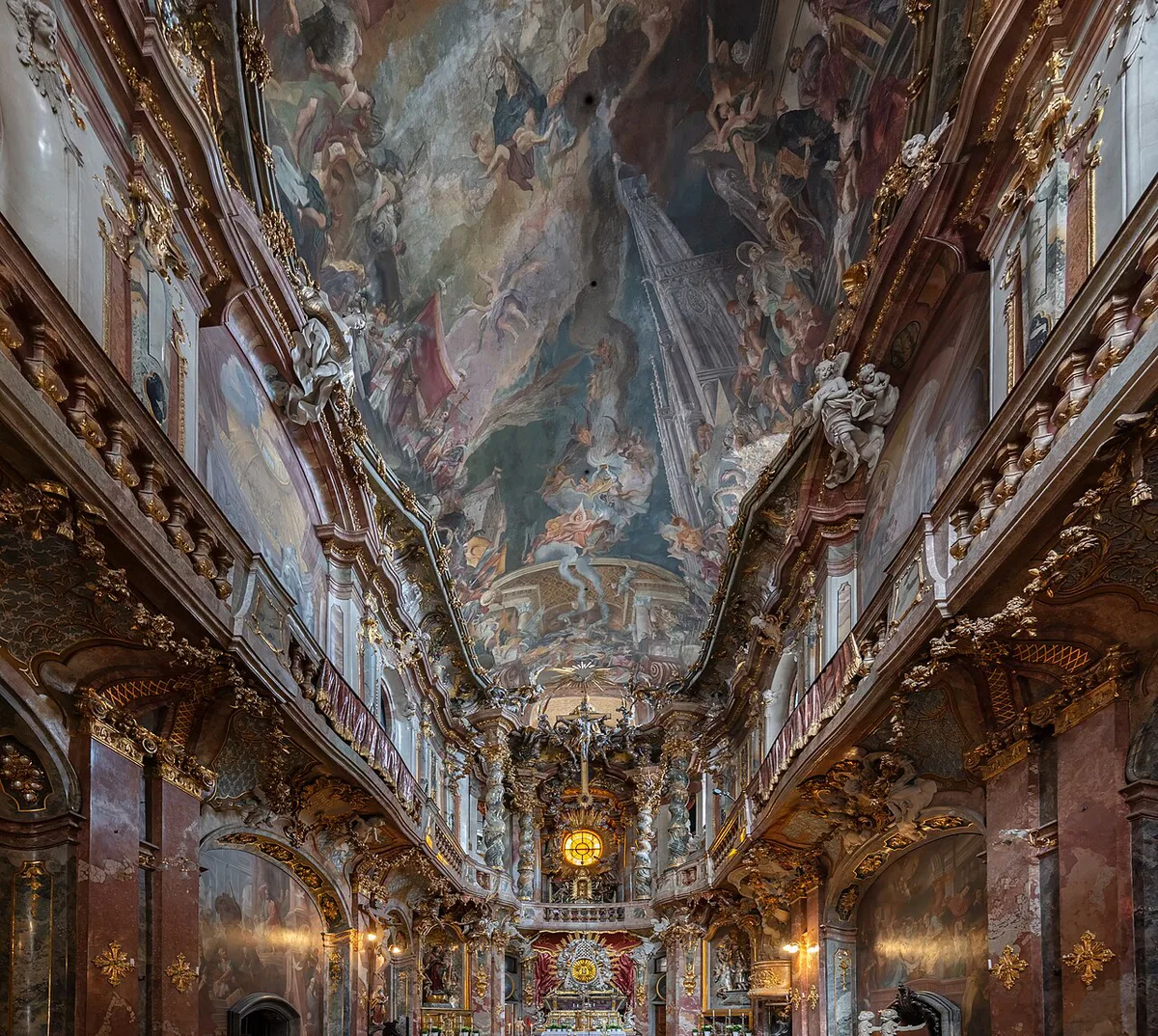
One standout is the Asamkirche, a tiny baroque church tucked between shop fronts on Sendlinger Strasse. Two brothers built it in the 1730s as their private chapel, and the gold detailing still stuns visitors today. Read the full Asamkirche Munich guide for opening hours and the best time to visit without a crowd. Entry is free, though a small donation box sits by the door.
The Bavarian State Library also runs a short guided tour worth adding to any culture-focused day. It runs about 30 minutes and covers the reading rooms and rare manuscript collection. Afterward, walk toward the English Garden to see rotating outdoor sculpture displays near the Chinese Tower. Both stops pair well with a coffee break in nearby Schwabing before heading back downtown.
Art lovers with only one afternoon should skip the crowded Pinakothek queue and pick one alternative gallery instead. Budget roughly two hours for the Asamkirche, a coffee stop, and one small gallery. Families with young kids may prefer the outdoor sculptures over quiet church interiors. Booking a museum ticket in advance saves time during busy midday hours.

Hidden Gems in Munich's Quiet Neighborhoods
Hidden gems in Munich often sit inside neighborhoods that rarely make a first-time itinerary. Each district has its own rhythm, from quiet canals to leafy squares. Walking one neighborhood slowly usually reveals more than rushing through three. Locals treat these areas as everyday spaces, not tourist stops.
Walk neighborhoods slowly, covering one or two per day rather than rushing through several. Weekday afternoons and early mornings at viewpoints like Eisbach offer calmer crowds and better light for photography. Public transit connects all neighborhoods without needing a car.
| Neighborhood | Vibe | Standout | Best For |
|---|---|---|---|
| Glockenbachviertel | Relaxed, creative, welcoming | Independent boutiques and cafes | Slow afternoon strolls |
| Haidhausen | Cobbled streets, restored townhouses | Kirchenviertel church cluster | Architecture and photography |
| Lehel | Leafy, residential, low tourist traffic | Bavarian National Museum nearby | Travelers who prefer quiet |
| Westend | Diverse food stalls, local markets | Edge of Schwanthalerhöhe park | Budget-friendly street food |
| Au | Traditional, low-key, family-run shops | Mariahilfplatz church square | Authentic bakery stop |
Near the southern edge of the English Garden, a standing wave on the Eisbach River draws surfers year-round. Crowds gather on the small bridge to watch, and the current runs strong even in winter. The full Eisbach surfing guide explains the best viewing spots and safety notes for anyone curious about trying it. The wave forms naturally from a submerged concrete ledge below the surface.
Visit early morning or weekday afternoons for the calmest views and space along the bridge rail. Weekend afternoons draw the biggest crowds, especially from spring through early autumn. No entry fee applies, and the show runs free all day. Photographers often get the best light in the early morning hours.
Each of these districts pairs well with a slow coffee stop and a short walk. Pick one or two per day rather than rushing through all five. That pace matches how residents actually use these neighborhoods day to day. Public transit connects all five without needing a car.
- Glockenbachviertel, a canal-side arts quarter
- Vibe: relaxed, creative, welcoming crowd
- Standout: independent boutiques and cafes
- Best for: slow afternoon strolls
- Haidhausen, the old craftsmen's quarter
- Vibe: cobbled streets, restored townhouses
- Standout: Kirchenviertel church cluster
- Best for: architecture and photography
- Lehel, a quiet museum-district enclave
- Vibe: leafy, residential, low tourist traffic
- Standout: Bavarian National Museum nearby
- Best for: travelers who prefer quiet
- Westend, a multicultural working-class quarter
- Vibe: diverse food stalls, local markets
- Standout: edge of Schwanthalerhöhe park
- Best for: budget-friendly street food
- Au, a riverside spot with old bakeries
- Vibe: traditional, low-key, family-run shops
- Standout: Mariahilfplatz church square
- Best for: an authentic bakery stop
Unique Day Trips From Munich Worth the Trip
Hidden gems in Munich extend beyond the city limits into a handful of easy day trips. Public trains reach several standout towns in under two hours, no rental car required. Planning one full day per destination usually leaves enough time to explore without rushing. Booking regional trains a day or two ahead usually locks in the cheapest fare.
Book regional trains a day or two ahead to lock in cheapest fares to day-trip destinations like Nuremberg and Neuschwanstein. Weekday visits mean shorter lines at popular attractions. Always confirm current departure times and prices on the operator's booking page before travel.
Nuremberg sits under a two-hour drive from Munich and works well as a self-guided trip. Its walkable old town, castle, and Christmas market square fit into a single day easily. Trains run frequently from Munich Hauptbahnhof, making an early departure simple to arrange. A weekday visit also means shorter lines at the castle and main square.
Neuschwanstein Castle draws the most day-trip traffic, so timing the visit matters. Guided options range from an 8:30am five-hour tour to a 9:45am six-hour tour, with private versions available for groups. The 6-hour tour from Munich includes transport and skip-the-line castle entry, which saves a frustrating wait in peak season. Always confirm current departure times and prices on the operator's booking page before travel.
Travelers wanting more options beyond Nuremberg and Neuschwanstein can browse more day trips from Munich covering lakes and mountain towns. Solo travelers on a budget should stick to train-based trips like Nuremberg. Groups short on time may prefer a private tour that skips train transfers entirely. Booking directly through the operator also makes changing dates easier if plans shift.
The Nightwatchman Tour and Old Town Munich
Marienplatz still anchors most first visits, but its Glockenspiel show has more depth than a quick photo stop. The New Town Hall clock chimes at 11am and again at noon, with 43 bells ringing to start the display. Painted figures reenact a royal wedding and a jousting tournament for about 10 to 15 minutes. An extra performance runs at 5pm from March through October for anyone who misses the midday shows.
A lesser-known show runs every night at 9pm, and it changes from one evening to the next. It features the night watchman character, tied to Munich's medieval curfew tradition. A guided Munich: Night Watchman Tour extends that theme into a full walking tour of the old town after dark. The show runs regardless of weather, rain or clear skies.
History buffs chasing a darker side of the city can book the Munich: Witches and Executioners Guided Tour instead. It covers trial sites and execution history from the old town's medieval period. For a quieter, self-guided version of this theme, the Alter Südfriedhof guide covers Munich's oldest cemetery and its unusual monuments. Both tour styles run in the evening, so dress warmly outside summer months.
Choose the free clock shows if only a short stop in Marienplatz fits the schedule. A paid walking tour suits travelers who want context, stories, and a guide on hand. Evening tours suit travelers comfortable walking cobbled streets after sunset in cooler weather. Comfortable shoes matter either way, since old town streets stay cobbled and uneven.
Beer Gardens, Ice Skating and Local Traditions
Munich's beer garden culture goes well beyond the Hofbräuhaus tour buses park outside. Neighborhood beer gardens like Gasthof Hinterbrühl draw a mostly local crowd, especially on weekday evenings. Bring your own snacks if the garden allows it, a tradition that still holds in many older beer gardens. Table service can run slower than in central tourist restaurants, so build in extra time.
For a guided overview of lesser-known taprooms, the Munich's Beer Halls and Breweries tour groups several stops into one evening. That format suits first-time visitors who want structure without picking each stop themselves. Independent travelers can instead compare options in the best beer gardens in Munich guide before choosing a neighborhood spot. Reservations help during weekend evenings when tables fill up fast.
Winter travelers get one more free option: public ice rinks that pop up around the city center. Karlsplatz, known locally as Stachus, usually hosts an outdoor rink each December through February. Entry to skate is often free, though skate rental typically carries its own charge. Check the current season's exact dates locally, since rinks open based on that year's weather and city planning.
Evening beer gardens suit travelers who want a slower, local pace after a full day of sightseeing. Ice skating works best for winter trips with an afternoon gap in the itinerary. Both options cost far less than a ticketed attraction and reward some local knowledge. Either choice fits easily into a single half-day plan.
Private Tours That Show the Real Munich
A private, local-led tour solves a common problem: knowing where locals actually spend their time. Small-group or one-on-one formats let the guide adjust the route around personal interests. That flexibility often matters more than a fixed checklist of famous sights. That personal touch often reveals spots no guidebook lists.
Food is usually part of that local experience, since Munich's food scene extends well past pretzels and sausages. Some cafes run a seasonal Sunday brunch buffet from 11am to 2pm, though reservations are required in advance. The full Munich Local Food Guide: Best Bavarian Eats 2026 lists specific cafes, markets, and neighborhood restaurants worth booking ahead. Ask ahead about vegetarian or vegan options, since menus vary by cafe.
A private guide costs more than a self-guided walk, so weigh the budget against the time saved. First-time visitors with only one or two days often get the most value from this format. Returning visitors who already know the main sights may prefer a themed tour instead, like a food crawl or brewery route. Either way, booking a day or two ahead avoids last-minute scheduling gaps.
Explore hidden gems in other cities
Munich's Local Markets Worth Seeking Out
Munich's market culture extends well past the postcard stalls of Viktualienmarkt, though that daily market near Marienplatz still rewards a visit — it dates to 1807, runs Monday through Saturday, and includes its own beer garden shaded by chestnut trees. For a quieter, more local experience, head to the Au district's Auer Dult, a traditional flea and antiques market held three times a year on Mariahilfplatz, in spring, around the Jakobi feast in late July, and in autumn. Stalls mix secondhand housewares, antiques, and kitchenware with food vendors, drawing more residents than tourists. In Schwabing, the smaller Elisabethmarkt offers a daily produce, flower, and deli stop that fits naturally into a morning walking route through that neighborhood, pairing well with the gallery-hopping already covered there.
- Viktualienmarkt: daily except Sunday, near Marienplatz, includes a beer garden
- Auer Dult: three seasonal editions on Mariahilfplatz in the Au district
- Elisabethmarkt: daily neighborhood market in Schwabing
Frequently Asked Questions
What are the best hidden gems in Munich for first-time visitors?
Standout picks include the Asamkirche, the Eisbach River surfers, and quiet districts like Lehel or Au. These sit close to the center and fit into a single afternoon. Pairing one guided experience with independent walking usually gives the best balance for a first visit.
How much time should travelers plan for hidden gems in Munich?
Budget two to three full days to cover neighborhoods, one day trip, and a guided tour. A single day only allows a quick sampler of two or three spots. Travelers with a week can add Nuremberg or Neuschwanstein without feeling rushed.
What should travelers avoid when exploring off the beaten path in Munich?
Avoid treating every neighborhood the same way, since pace and crowd levels vary a lot. Skip peak Oktoberfest weekends if beer gardens should feel local rather than packed. Confirm tour and museum hours directly with each operator, since schedules shift seasonally.
Are hidden gems in Munich free to visit?
Many are free, including street art walks, the Eisbach viewing bridge, and winter ice rinks in most years. Church visits like the Asamkirche use a donation box instead of an entry fee. Guided tours and some seasonal rinks charge a fee, so check 10 Free Things to Do in Munich in 2026 (Local Guide) for a fuller budget-friendly list.
When is the best time to see Munich's hidden gems without crowds?
Late spring and early autumn usually bring milder weather and thinner crowds across neighborhoods. Weekdays beat weekends for beer gardens and popular viewpoints like the Eisbach bridge. Winter works well for quieter museum visits and free ice rinks, despite colder temperatures.
Hidden gems in Munich reward a slower travel style built around neighborhoods and timing. Mixing one or two guided experiences with independent walks usually works best. Locals rarely rush between sights, and that pace fits Munich's own rhythm. That approach turns a short trip into a memorable one.
Before finalizing an itinerary, check the Munich Neighborhoods Guide: Best Areas to Explore for a fuller district-by-district breakdown. Confirm opening hours and tour departure times directly with each operator before booking. A little flexibility in the schedule leaves room for whatever hidden gem turns up unplanned. Small adjustments like these make hidden gems easier to find.
Explore More Hidden Munich
Keep discovering the quieter, greener side of Munich with these local guides.
Neighborhoods
- Glockenbachviertel Munich Travel Guide
- Haidhausen Munich Travel Guide
- Lehel Munich Travel Guide: Sights, Museums & Stays
- Westend Munich Schwanthalerhöhe Travel Guide
- Au Munich District Travel Guide
- Munich Neighborhoods Guide: Best Areas to Explore
Secret spots & the outdoors
- Secret Spots in Munich: 2026 Travel Guide
- Asamkirche Munich Travel Guide
- Alter Sudfriedhof Munich Travel Guide
- Eisbach Wave Surfing Munich Travel Guide
- Off the Beaten Path in Munich: 2026 Travel Guide
Food, beer & planning
Continue exploring
More guides you'll find useful