Seville Attractions: 8 Must-Visit Sights with Tips (2026)
Plan your trip with this Seville attractions guide: 8 must-visit sights by neighborhood, free vs paid picks, itineraries and 2026 visitor tips.
On this page
Seville's biggest attractions — the Cathedral, the Real Alcázar, Plaza de España — get all the guidebook space, but they're only half the story. Beyond those queues, the city holds a second tier of Seville attractions that locals actually visit first: private noble palaces still owned by Andalusian aristocratic families, baroque charity hospitals hiding Murillo masterpieces behind unmarked doors, and a state fine-arts museum that outranks most of Europe's national galleries but charges a fraction of the entry fee. This guide covers 8 of them — Casa de Pilatos, Palacio de las Dueñas, Hospital de los Venerables, Hospital de la Caridad, Metropol Parasol, Museo de Bellas Artes de Sevilla, Casa de Salinas and the Antiquarium — chosen because each rewards the ticket price with something the headline sights don't: shorter lines, a quieter courtyard, or an angle on Sevillian history the Cathedral doesn't tell.
What defines this list is the mix. Three are Mudéjar-Renaissance casa-palacios built by 15th- and 16th-century noble families and still, in two cases, privately inhabited. Two are 17th-century baroque charity institutions — working hospitals in their day — whose churches double as some of the finest Golden Age painting collections in Spain. One is a state museum ranked second only to the Prado for Spanish Baroque art, with an admission fee low enough to visit on a whim. And two sit underneath a 21st-century landmark: Metropol Parasol's rooftop walkway and the Roman-and-Moorish ruins of the Antiquarium in its basement. That range — historic house museums, sacred art, archaeology, and contemporary architecture within a 15-minute walk of each other — is what makes this cluster worth a dedicated day, whether you're supplementing a first Seville trip or returning for a second, slower one in 2026.
Every card below links to a full visitor page with hours, admission details, and practical tips for that specific site — this hub is the map that ties them together by neighborhood, budget, and time available.
Top 8 attractions in Seville
Casa de Pilatos
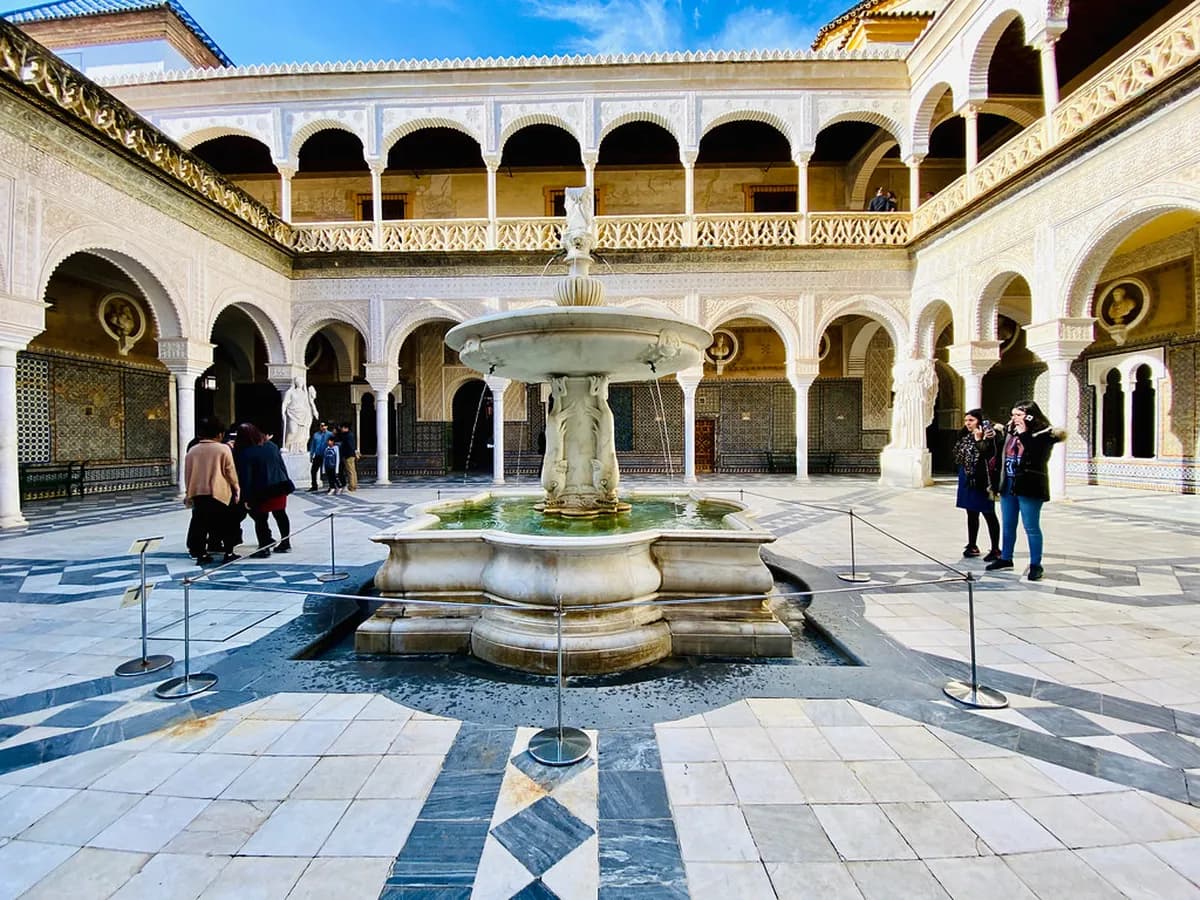
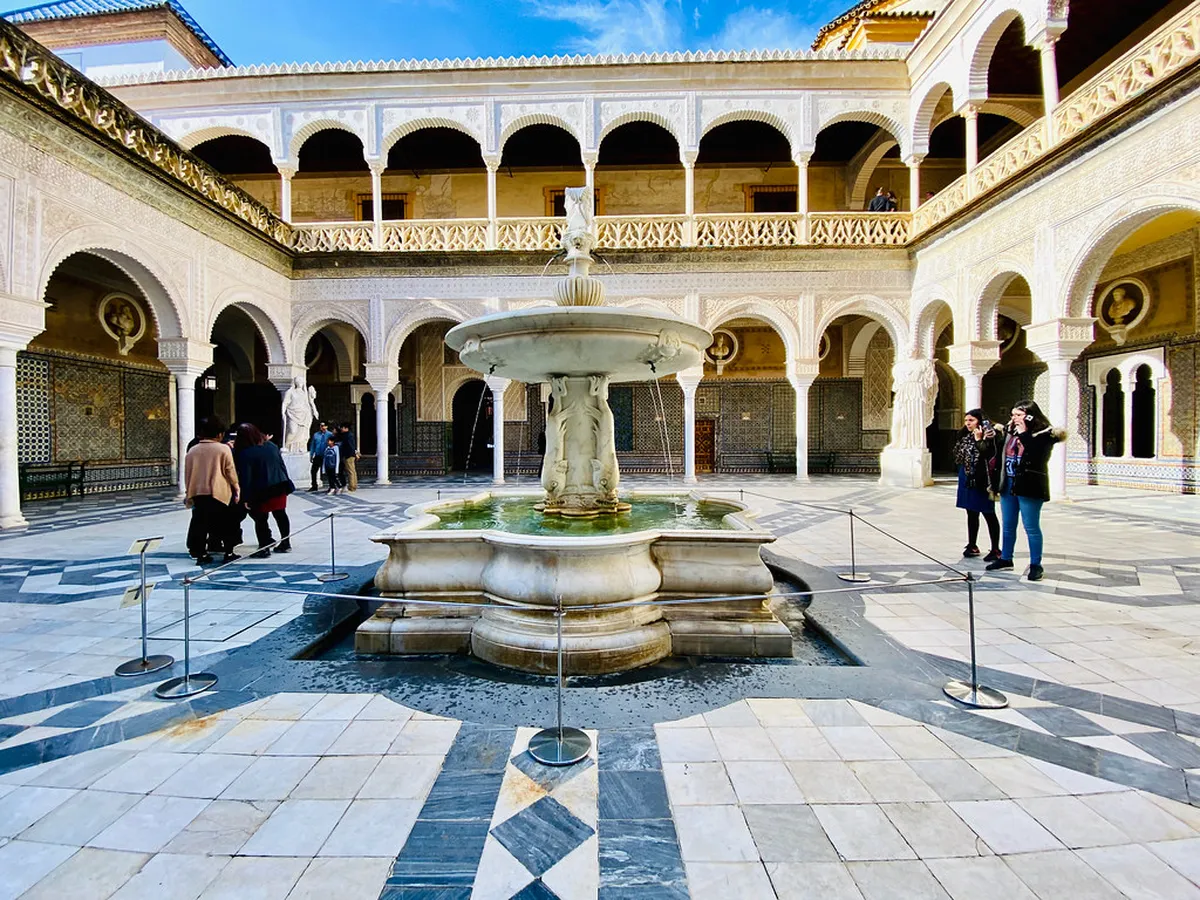
Casa de Pilatos is a 15th-16th century Andalusian palace in Seville's historic center, begun in 1483 by Pedro Enríquez de Quiñones and completed by his son Fadrique Enríquez de Rivera. Still the residence of the Dukes of Medinaceli, it is regarded as the prototype of the Andalusian palace, fusing Italian Renaissance architecture with Mudéjar decoration and one of the world's largest collections of 16th-century azulejo tilework.
Visitor guide →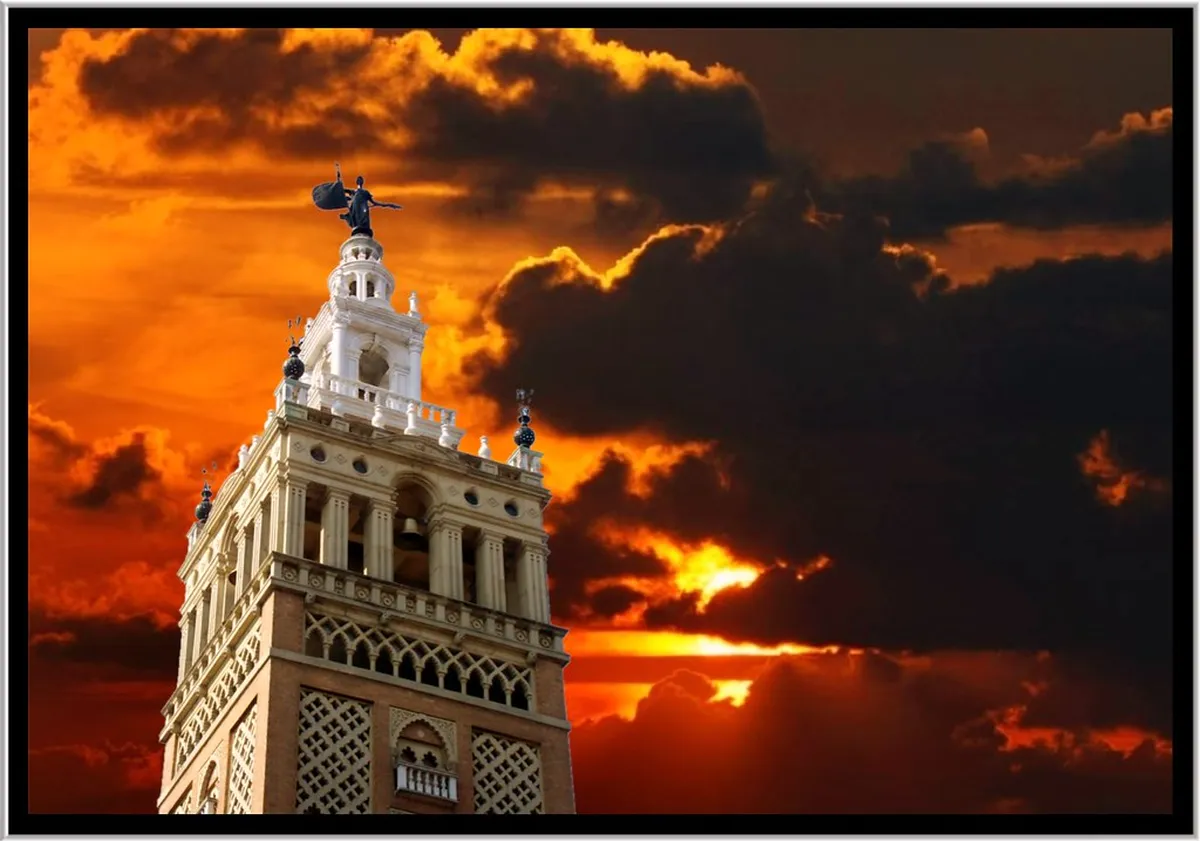
Palacio de las Dueñas
Palacio de las Dueñas is a 15th-century noble palace in the historic center of Seville, blending Gothic, Mudéjar, and Renaissance architecture around a series of flower-filled courtyards. Privately owned by the House of Alba and opened to public visits in 2016, it is famed as the birthplace of poet Antonio Machado and houses a large collection of Italian and Spanish Renaissance-era art, antique furniture, and Flemish tapestries.
Visitor guide →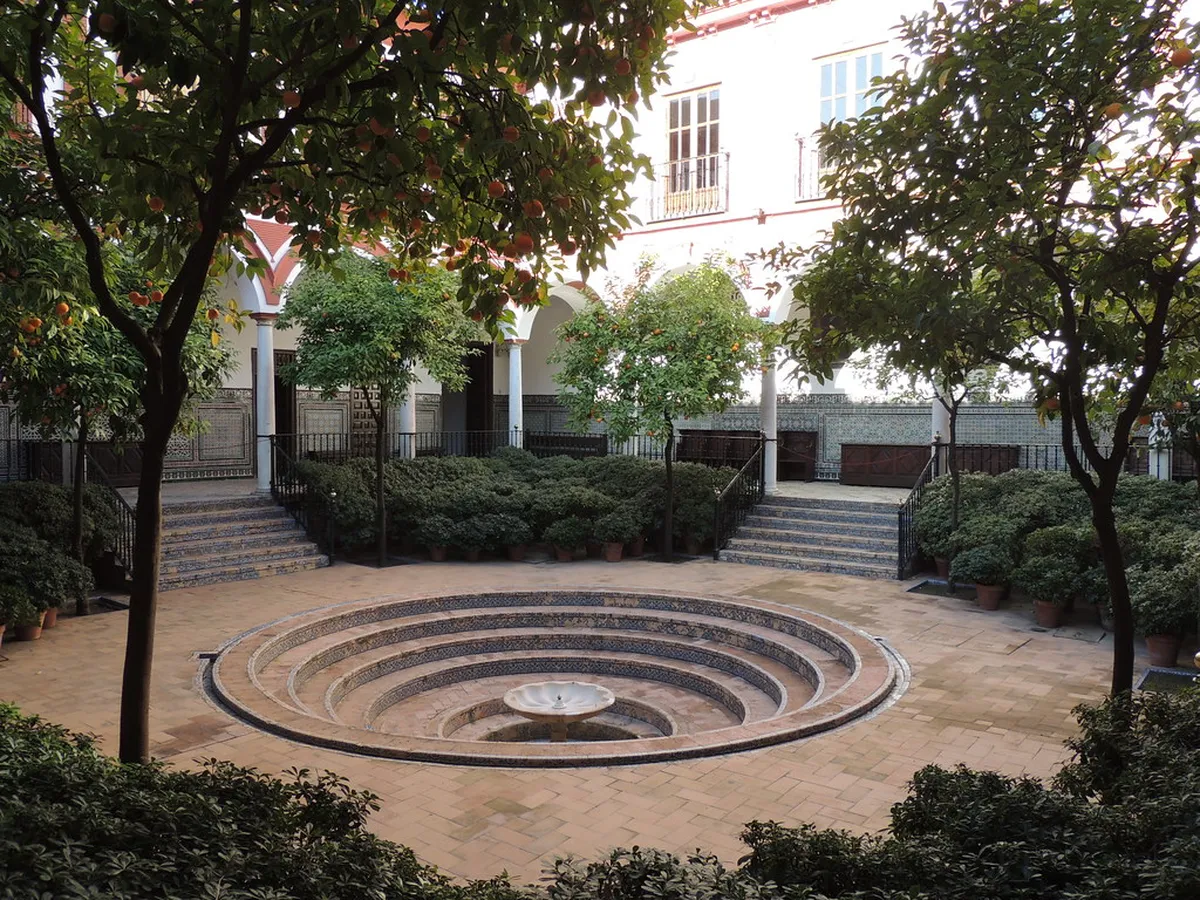
Hospital de los Venerables
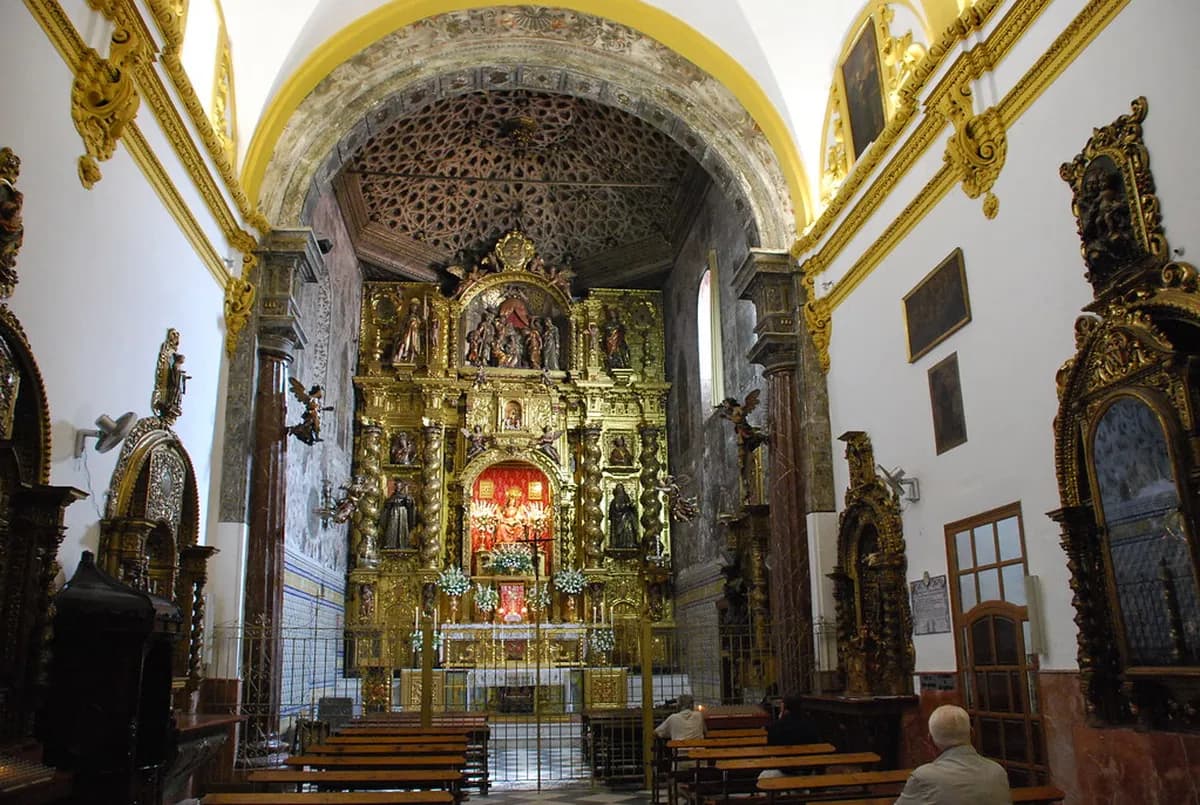
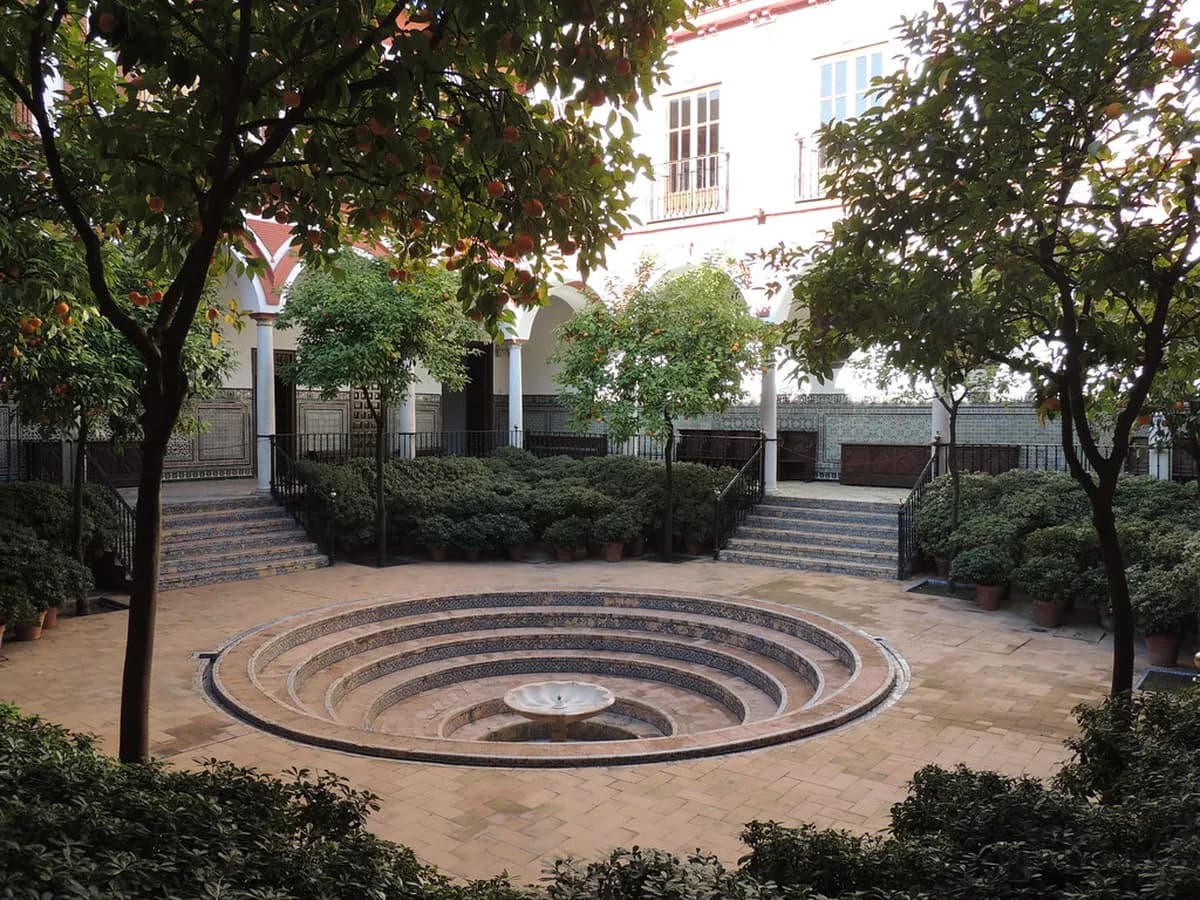
A 17th-century Baroque former priests' residence in Seville's Santa Cruz quarter, now home to the Fundación Focus-Loyola and its Centro Velázquez, featuring a Baroque church, sacristy, and a classic Sevillian courtyard with a sunken fountain.
Visitor guide →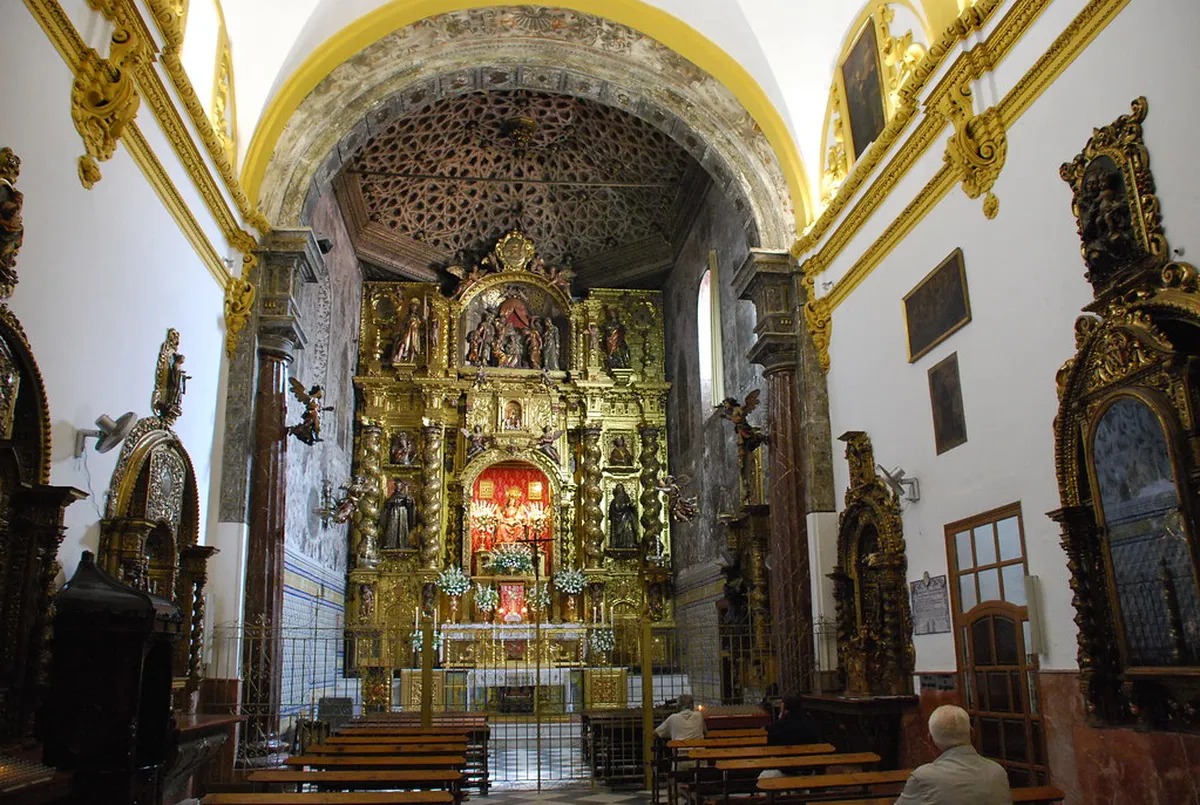
Hospital de la Caridad
The Hospital de la Caridad is a working 17th-century baroque charity hospital in Seville founded in 1674 by Miguel de Mañara, whose adjoining Church of San Jorge houses masterpieces by Bartolomé Esteban Murillo and Juan de Valdés Leal, including the famous vanitas diptych In Ictu Oculi and Finis Gloriae Mundi.
Visitor guide →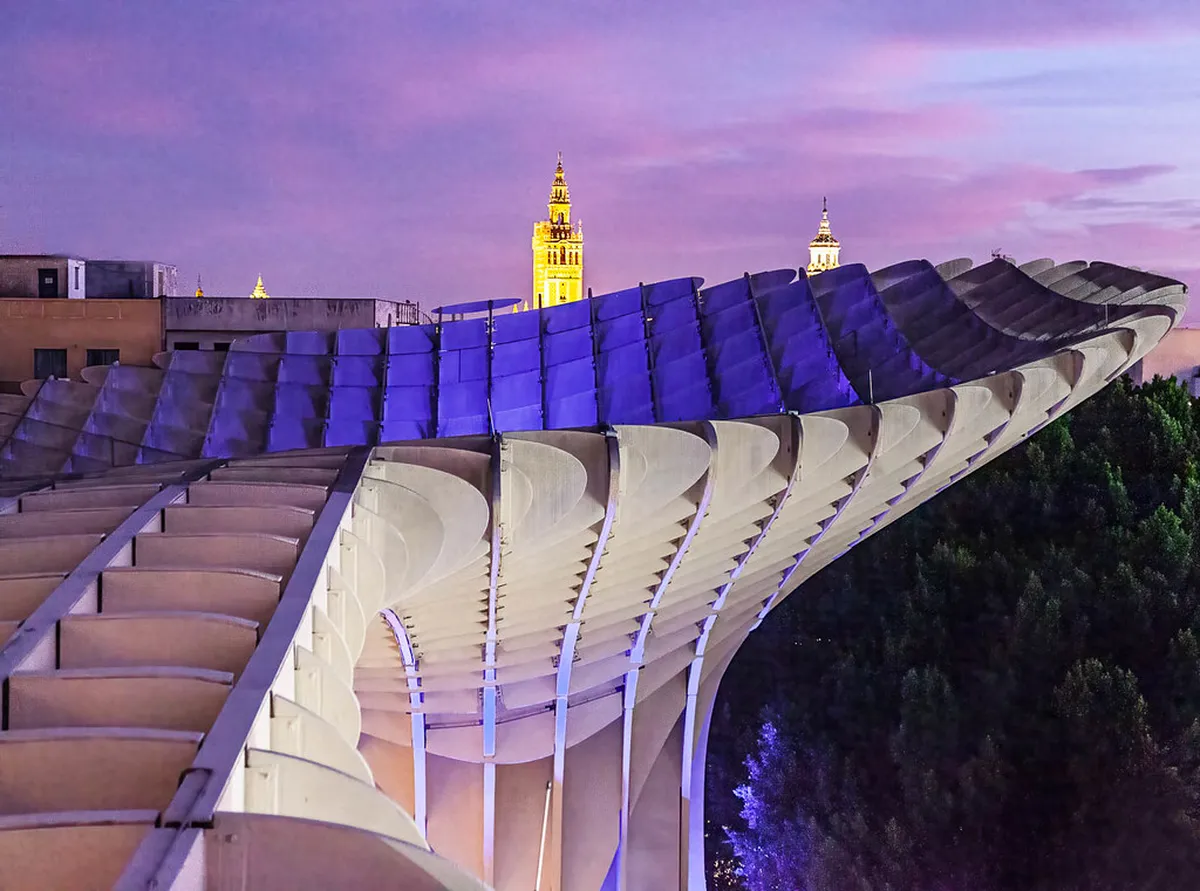
Metropol Parasol
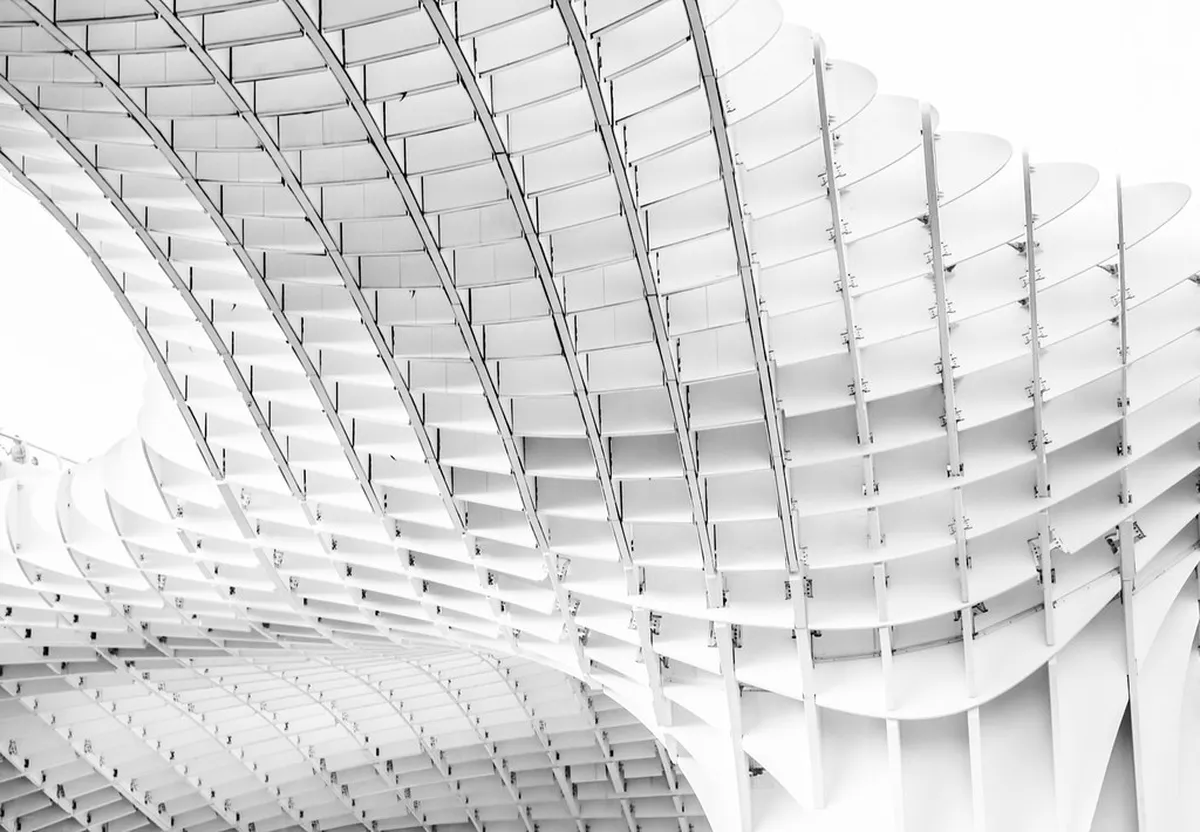
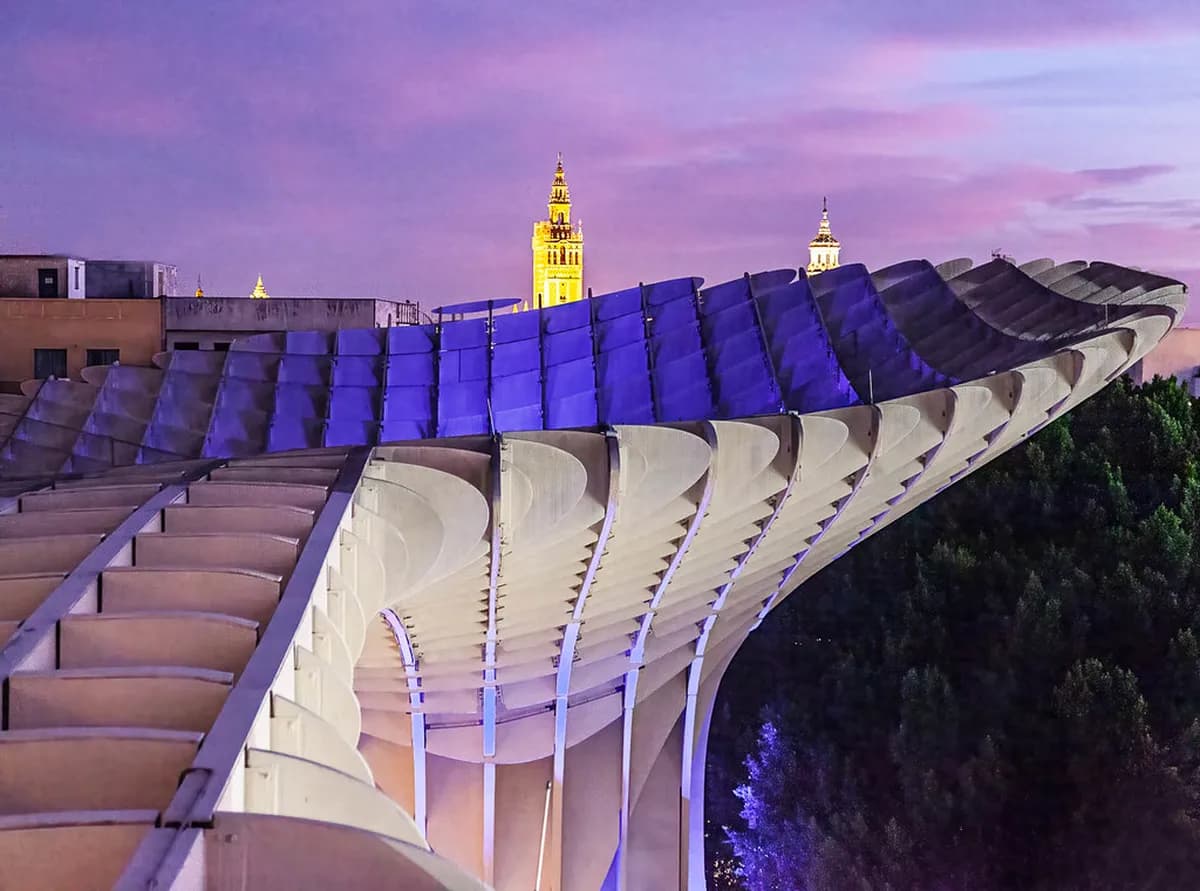
Metropol Parasol, known locally as Las Setas de Sevilla ('The Mushrooms'), is a striking wooden landmark at Plaza de la Encarnación in Seville's old quarter, designed by German architect Jürgen Mayer and completed in 2011. Built from roughly 3,500 cubic meters of micro-laminated Finnish pine, it is marketed as the world's largest wooden structure and combines a rooftop walkway with sweeping city views, a market and restaurants at street level, and the Antiquarium archaeological museum of Roman and Moorish ruins in its basement.
Visitor guide →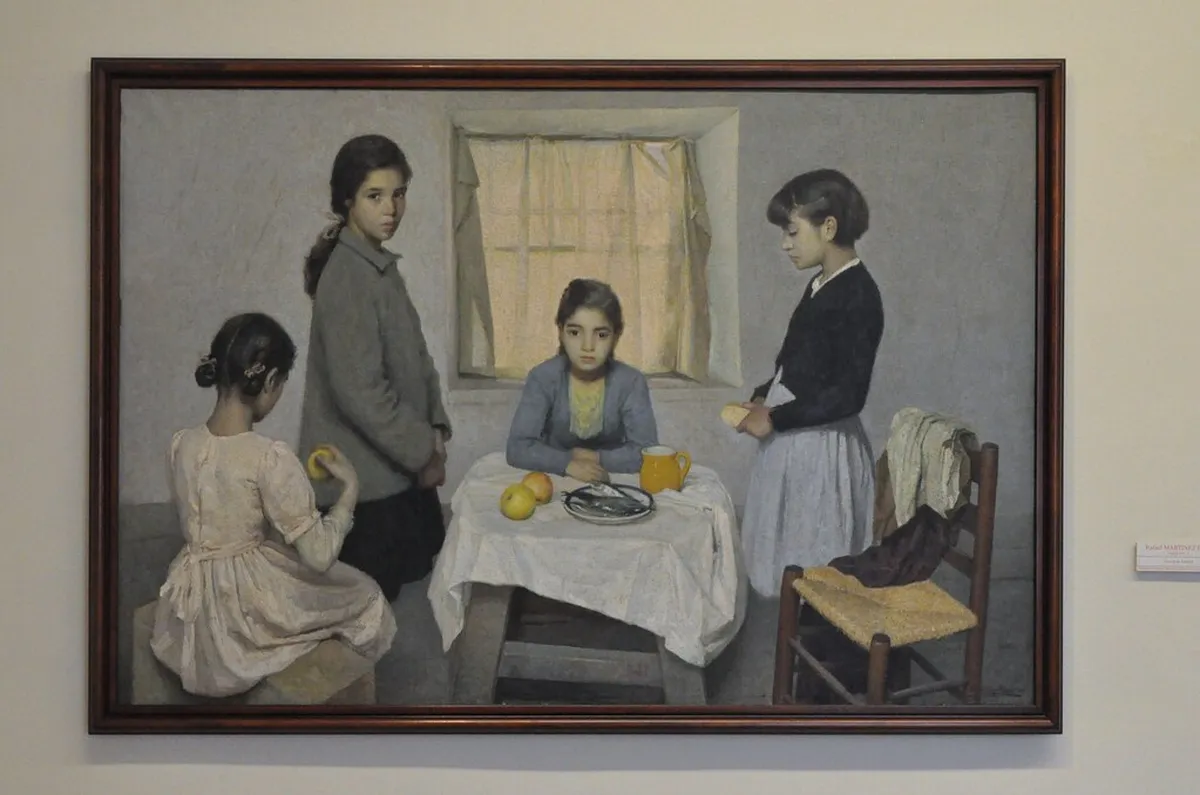
Museo de Bellas Artes de Sevilla
Housed in the former 16th-century Convent of Merced Calzada, the Museo de Bellas Artes de Sevilla is a state-run fine arts museum widely regarded as the second most important art gallery in Spain after the Prado, celebrated for its collection of Sevillian Baroque painting by Murillo, Zurbarán, and Valdés Leal across 14 galleries, three cloisters, and a patio.
Visitor guide →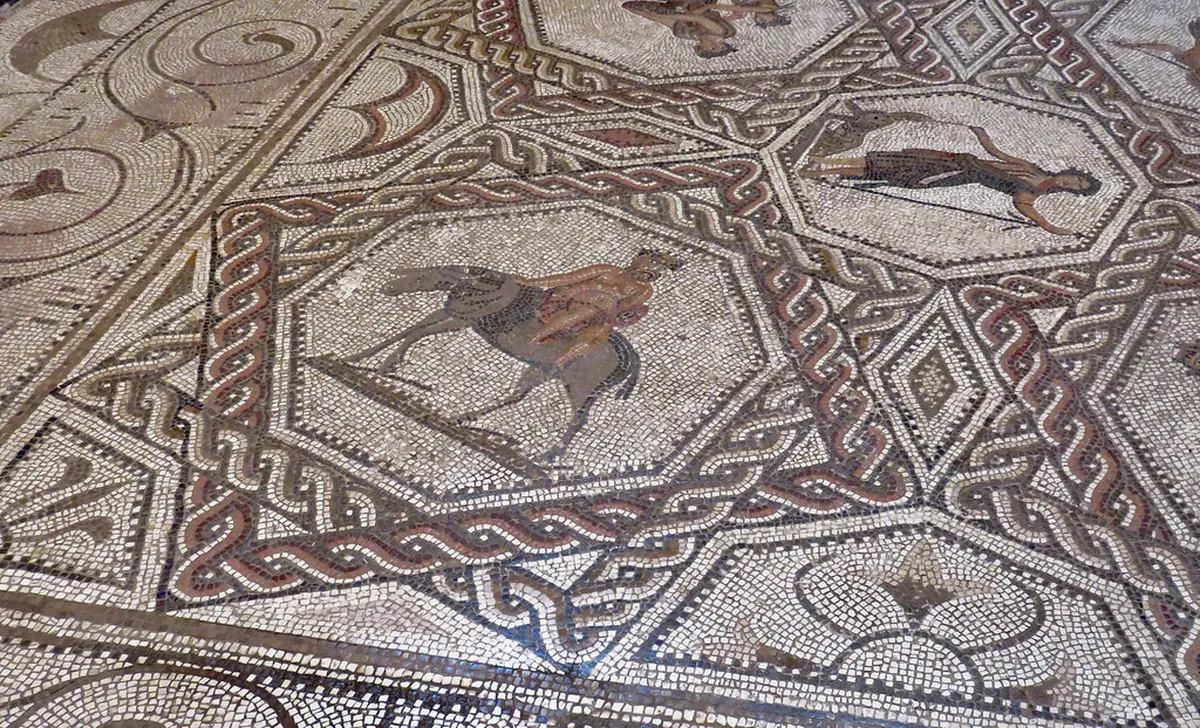
Casa de Salinas
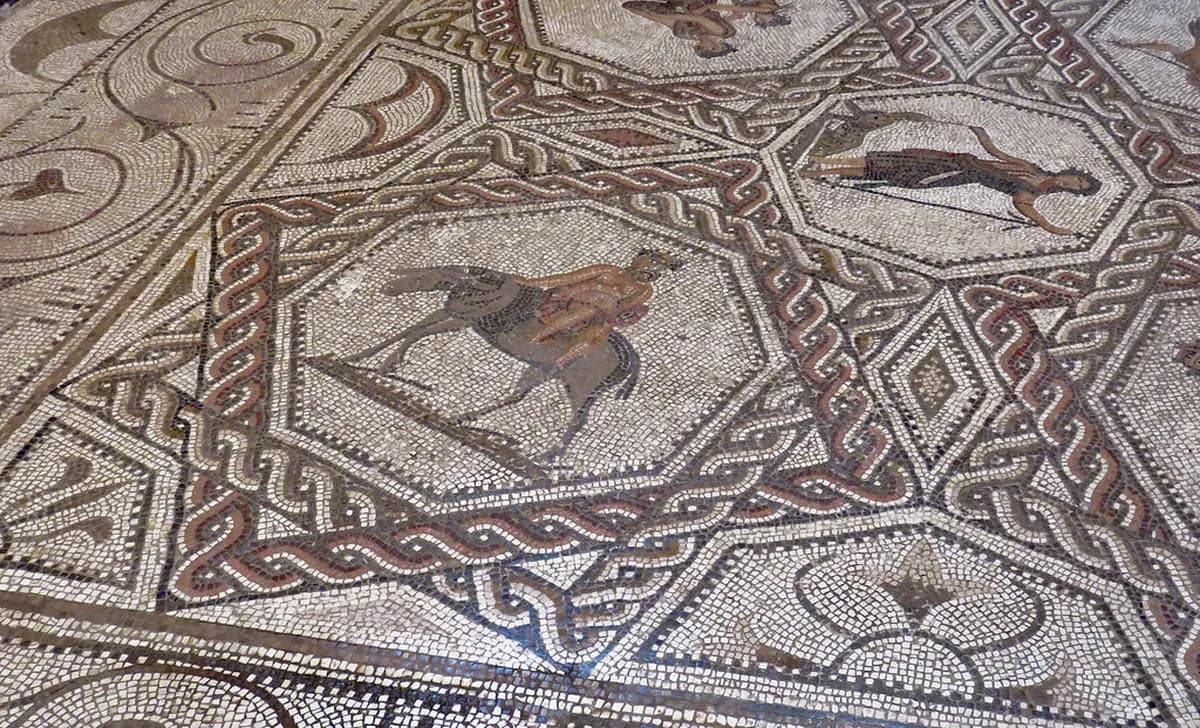
Casa de Salinas is a privately owned 16th-century Renaissance-era casa-palacio in Seville's Santa Cruz quarter, just steps from the Cathedral and the Real Alcázar. Built in 1577 and family-owned by the Salinas since 1930, the still-inhabited house opens select rooms and two historic patios — one lined with 16th-century Triana tilework, the other holding a 2nd-century Roman mosaic from Itálica — to visitors on scheduled guided or audio-guided tours.
Visitor guide →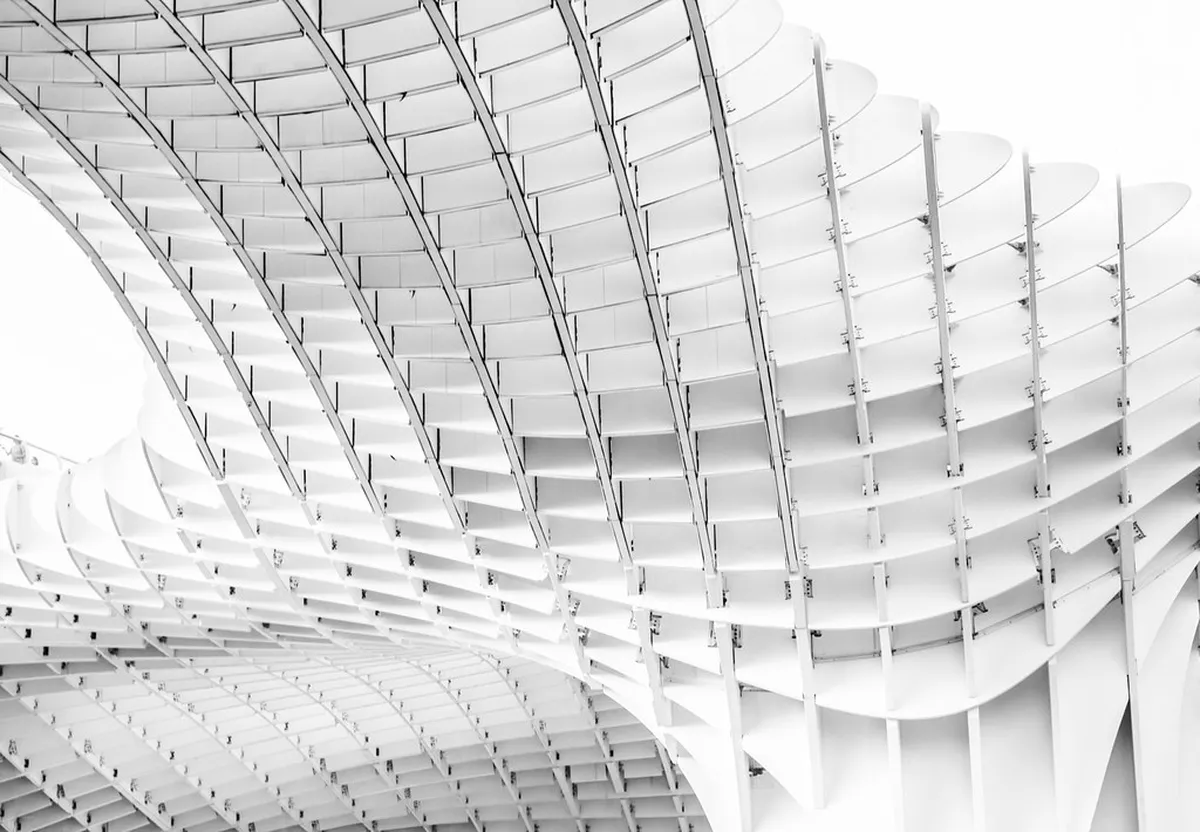
Antiquarium de Sevilla
The Antiquarium de Sevilla is an underground archaeological museum beneath the Metropol Parasol in Plaza de la Encarnación, displaying Roman and Moorish ruins — including mosaic-floored houses, fish-salting vats, ancient streets, and the iconic 'kissing birds' and Medusa mosaics — uncovered during 1990s excavation and opened to the public in 2011.
Visitor guide →Seville attractions by neighborhood
Six of the 8 attractions sit inside or right on the edge of Seville's historic center, so a single day of walking covers most of this list.
- Santa Cruz quarter — the former Jewish quarter's tangle of whitewashed alleys holds three of the standout sights: Hospital de los Venerables, Casa de Salinas, and (just outside its formal boundary but a shared walk) Casa de Pilatos. All three are within 5-10 minutes of each other and of the Cathedral/Alcázar.
- Historic center, north of the Cathedral — Palacio de las Dueñas sits a 10-minute walk north of Santa Cruz, on the way toward Plaza de la Encarnación.
- Around Plaza de la Encarnación — Metropol Parasol and the Antiquarium share the same address: the Antiquarium's Roman and Moorish ruins sit directly beneath the Parasol's rooftop walkway, so these two are effectively one stop.
- Riverside, near the Torre del Oro — Hospital de la Caridad is a short walk from the river, between the bullring and the Cathedral.
- El Arenal / Convent quarter — Museo de Bellas Artes de Sevilla occupies a former 16th-century convent a few streets back from the river, a 10-15 minute walk from the Cathedral.
In practice, this means a visitor can cover Santa Cruz + Palacio de las Dueñas in a morning, then Metropol Parasol + Antiquarium + Museo de Bellas Artes in an afternoon, without a taxi or bus.
Seville attractions by category
Grouping by type makes it easier to decide which of the 8 matches your interests if you don't have time for all of them.
- Noble palaces and historic houses — Casa de Pilatos, Palacio de las Dueñas, and Casa de Salinas. All three are 15th-17th century Andalusian casa-palacios that mix Mudéjar decoration with Renaissance architecture; two remain in the hands of the original founding families.
- Religious and charity sites — Hospital de los Venerables and Hospital de la Caridad. Both began as working charitable institutions and now function as baroque art museums, with Murillo and Valdés Leal paintings still hanging where they were commissioned.
- Museums — Museo de Bellas Artes de Sevilla, Spain's second most important fine-arts collection after the Prado, housed in a former convent.
- Modern landmarks and archaeology — Metropol Parasol, the 2011 wooden rooftop structure known as Las Setas, and the Antiquarium beneath it, where Roman and Moorish ruins were uncovered during the Parasol's construction.
Free vs paid Seville attractions
Not every entry on this list charges admission, and even the paid ones have windows that reduce or waive the fee — useful to know before assuming Seville's second-tier attractions are a pricier add-on to the free Cathedral exterior and Plaza de España stroll.
- Best budget pick — Museo de Bellas Artes de Sevilla charges a nominal entry fee and is free for EU citizens and residents under the state-museum policy that applies to Spain's national art collections. For the quality of the Murillo and Zurbarán rooms, it's the best value in this list.
- Monday free-entry windows — Casa de Pilatos and Palacio de las Dueñas both run reduced or free-entry periods on select Monday afternoons for local and EU visitors; check each attraction's page for the current schedule before planning around it.
- Standard paid entry — Hospital de los Venerables, Hospital de la Caridad, Casa de Salinas, and the Metropol Parasol rooftop all charge a ticketed admission; each attraction's own visitor page carries the current price rather than restating a figure here that can drift year to year.
- Bundled with a bigger ticket — the Antiquarium's entry fee is sometimes waived or discounted when visiting alongside a Real Alcázar ticket; confirm on the day, since bundling policies change.
For exact current prices and hours, check current pricing on each attraction's page — this hub intentionally doesn't restate numbers that go stale between updates.
Museo de Bellas Artes de Sevilla is free for EU citizens and residents year-round, and Casa de Pilatos and Palacio de las Dueñas both offer reduced or free Monday-afternoon windows for local and EU visitors — timing your visit around these free windows can cut costs significantly.
Suggested itineraries
Two ways to sequence these 8 attractions depending on how much time you have.
1-day historic-center loop — Start at Casa de Pilatos, walk to Hospital de los Venerables and Casa de Salinas in Santa Cruz (all three are a few minutes apart), then head north to Palacio de las Dueñas. In the afternoon, walk to Hospital de la Caridad near the river before finishing at Museo de Bellas Artes. This covers 6 of the 8 sights in roughly 6-7 hours of walking and visiting.
3-day pace with a modern-landmark half-day — Split the historic-center palaces and hospitals across two mornings (Santa Cruz cluster on day one, Palacio de las Dueñas and Museo de Bellas Artes on day two), then dedicate a half-day to Metropol Parasol and the Antiquarium together, since they share an entrance point at Plaza de la Encarnación. This pace leaves room to add the Cathedral, Alcázar, and Plaza de España on the days in between — see the 3-day Seville itinerary for how to slot them in.
Getting around Seville's attractions
All 8 attractions on this list are within Seville's historic center or a short walk from it, so most visitors won't need public transport to move between them. Casa de Pilatos, Hospital de los Venerables, and Casa de Salinas are close enough in Santa Cruz to walk in under 10 minutes total. Palacio de las Dueñas and Hospital de la Caridad each add roughly a 10-15 minute walk from that core. Metropol Parasol and the Antiquarium sit slightly further north at Plaza de la Encarnación — about a 15-20 minute walk from Santa Cruz, or a short ride on the Tussam bus network if the midday heat makes walking unappealing. The MetroCentro tram also stops near Plaza de la Encarnación and along the river, useful for connecting this cluster to Triana or the Alameda de Hércules on the same day.
Best time to visit Seville's attractions
Spring (March-May) is Seville's peak season and the most crowded, especially around Semana Santa (Holy Week) and the Feria de Abril, when opening hours and access can change with little notice — book indoor sights like Casa de Pilatos and Museo de Bellas Artes ahead if traveling then. Fall (September-October) offers similar mild weather with noticeably smaller crowds and is generally the better trade-off for 2026 travel. Summer (June-August) brings heat that regularly passes 35°C (95°F) by early afternoon; visit indoor palaces and museums like Palacio de las Dueñas or Museo de Bellas Artes during the midday hours and save outdoor stops like the Metropol Parasol rooftop for early morning or evening. Winter (November-February) is the quietest and coolest window, with shorter lines at every sight on this list, though some attractions trim their hours.
Summer temperatures regularly exceed 35°C (95°F) by afternoon — plan to visit indoor attractions like Palacio de las Dueñas, Museo de Bellas Artes, or the Antiquarium during midday heat, and save rooftop or outdoor stops like Metropol Parasol for early morning or evening.
How to save money on Seville attractions
- Time it around free windows — Casa de Pilatos and Palacio de las Dueñas both offer reduced or free Monday-afternoon entry; the Museo de Bellas Artes is free for EU citizens year-round.
- Bundle the Antiquarium — pairing it with a Real Alcázar ticket can waive or discount its entry fee.
- Book ahead where it's cheaper online — several of these sights, including Casa de Salinas' guided tours, sell advance online tickets at a lower price than walk-up admission.
- Skip the paid Metropol Parasol walkway if budget-conscious — the market and restaurant level below the rooftop, and the plaza around it, are free to explore even if you don't pay for the panorama.
- Group the free-adjacent sights on one day — pairing Museo de Bellas Artes with a stroll through Santa Cruz costs little beyond one museum ticket.
Frequently asked questions about Seville attractions
How many days do you need to see Seville's main attractions?
Two to three days covers this list plus the Cathedral, Real Alcázar, and Plaza de España comfortably, with time to pair sights by neighborhood rather than crisscrossing the city. One focused day can realistically cover 5-6 of the 8 attractions here if you start early and stick to the Santa Cruz-first route above.
What is the #1 must-see attraction in Seville?
Among this list, Casa de Pilatos is the standout — it's considered the prototype of the Andalusian noble palace and holds one of the largest 16th-century azulejo tile collections in the world. City-wide, the Real Alcázar and Cathedral remain Seville's headline sights, but Casa de Pilatos is the closest this list comes to matching their historical weight.
Are Seville's attractions free?
Not entirely, but several have meaningful free or reduced-cost access: the Museo de Bellas Artes is free for EU citizens, Casa de Pilatos and Palacio de las Dueñas both run free Monday-afternoon windows, and the plaza and market level around Metropol Parasol cost nothing to visit even without paying for the rooftop walkway.
Do you need to book Seville attractions in advance?
For the palaces and museums on this list, advance booking isn't usually mandatory outside Semana Santa and Feria de Abril, but it's recommended for Casa de Salinas' guided tours (limited daily capacity) and for Casa de Pilatos and Palacio de las Dueñas during spring's peak weeks. Check each attraction's own page for current booking requirements.
What is the best time of year to visit Seville?
Fall (September-October) and late spring (April-May, outside Semana Santa/Feria) offer the best balance of mild weather and manageable crowds. Avoid the peak of summer for outdoor time and expect the heaviest crowds — and highest hotel prices — during Holy Week and the April Fair.
Is Seville expensive for tourists?
Seville is moderately priced compared to other major European capitals. Many of its best sights — Plaza de España, the Santa Cruz quarter, and the free windows at attractions like Casa de Pilatos and Museo de Bellas Artes — cost little or nothing, which keeps a well-planned day here cheaper than an equivalent day in Madrid or Barcelona.
Can you see Seville's main attractions in one day?
You can cover the historic-center core of this list — Casa de Pilatos, Hospital de los Venerables, Casa de Salinas, and Palacio de las Dueñas — in one focused day, but adding Metropol Parasol, the Antiquarium, and Museo de Bellas Artes on top makes for a very full day. Splitting across two days is more comfortable and leaves time to actually linger in each courtyard.
What's the best way to get between Seville attractions?
Walking. All 8 attractions on this list sit within or just outside the historic center, and the longest single leg — from Santa Cruz to Metropol Parasol — is about a 15-20 minute walk. The Tussam bus network and MetroCentro tram are there as a backup during peak summer heat, but they're rarely necessary for this specific cluster of sights.
Plan your Seville trip
These 8 attractions are best treated as a layer on top of Seville's headline sights, not a replacement for them. For the full picture of what else to see and do, start with our complete guide to things to do in Seville, use the 3-day Seville itinerary to fit this list around the Cathedral and Alcázar, and read the Santa Cruz neighborhood guide before you go — three of the eight sights above sit inside or right next to it.
Continue exploring
More guides you'll find useful