10 Hidden Gems in Brussels You Need to Visit (2026)
Discover 10 hidden gems in Brussels beyond Grand Place, with prices, hours, and neighborhood tips for a smarter 2026 trip. Plan your visit today.
On this page
10 Hidden Gems in Brussels Locals Actually Love
We keep returning to the same overlooked Brussels corners, well past the Grand Place crowds. This guide rounds up 10 hidden gems in Brussels that reward a slower, more curious visitor. Expect quiet cemeteries, Art Nouveau interiors, and a flea market locals still treat as their own. Last updated July 2026, with prices and hours checked against official sources where available.
Brussels rewards travelers willing to step off Rue des Bouchers and into its residential neighborhoods. Many of these spots sit a short tram ride from the center, not a full day trip away. Expect entry fees mostly under 15 euros and walking routes that fit into a single afternoon.
This list groups a buried palace and quiet cemetery alongside museums and a market street. A neighborhood breakdown, a planning section, and an honest look at what to skip follow the main list. Use the practical details on cost, hours, and transit below to build a realistic itinerary.
Key Takeaways
- Best overall pick: Cimetière du Dieweg, an overgrown Art Nouveau cemetery that stays free and nearly empty.
- Best for families: Bois de la Cambre's rowboat ride out to Robinson island, roughly 10 to 14 euros per half hour.
- Best rainy-day option: the Musical Instrument Museum, open Tuesday to Sunday with a rooftop café view.
- Best free pick: the Comic Strip Mural Route, a self-guided walk you can do anytime.
- Skip Manneken Pis queues and a crowded brewery tour; use that time at Brussels Beer Project instead.
10 Hidden Gems in Brussels Worth Seeking Out
Each pick below sits inside the city or a quick tram ride from the center. Three, the mural route, the buried palace, and the overgrown cemetery, have their own deep-dive guides linked below. For the full self-guided walk, see the Comic Strip Mural Route guide. Pair it with the indoor Brussels Comic Museum for the artwork behind the murals.
The underground ruins beneath Place Royale get their own detailed walk-through in the Coudenberg guide. Today's Royal Palace of Brussels stands directly above these medieval foundations. It pairs well with a Sablon coffee stop right above ground. Budget about 90 minutes for both the ruins and the connected BELvue museum.
The Cimetière du Dieweg guide covers the cemetery's history and how to reach its quietest corners. Grouping picks this way, rather than by neighborhood, helps match stops to available time. Rainy-day options sit alongside outdoor stops so the plan survives Brussels' unpredictable weather. Prices reflect current published admission rates where an attraction charges one.
- Cimetière du Dieweg, an overgrown Art Nouveau cemetery
- This decommissioned 19th-century cemetery in Uccle sits quiet and mostly forgotten by tourists.
- Wild ivy and rabbits have taken over its tilted Art Nouveau tombstones and family crypts.
- Entry is free, and the gates usually close by late afternoon, so plan an early visit.
- The southern end near Rue du Dieweg feels wildest, with graves swallowed by bramble and moss.
- Trams 7 and 8 stop nearby at Churchill, then it is a short walk to the entrance.
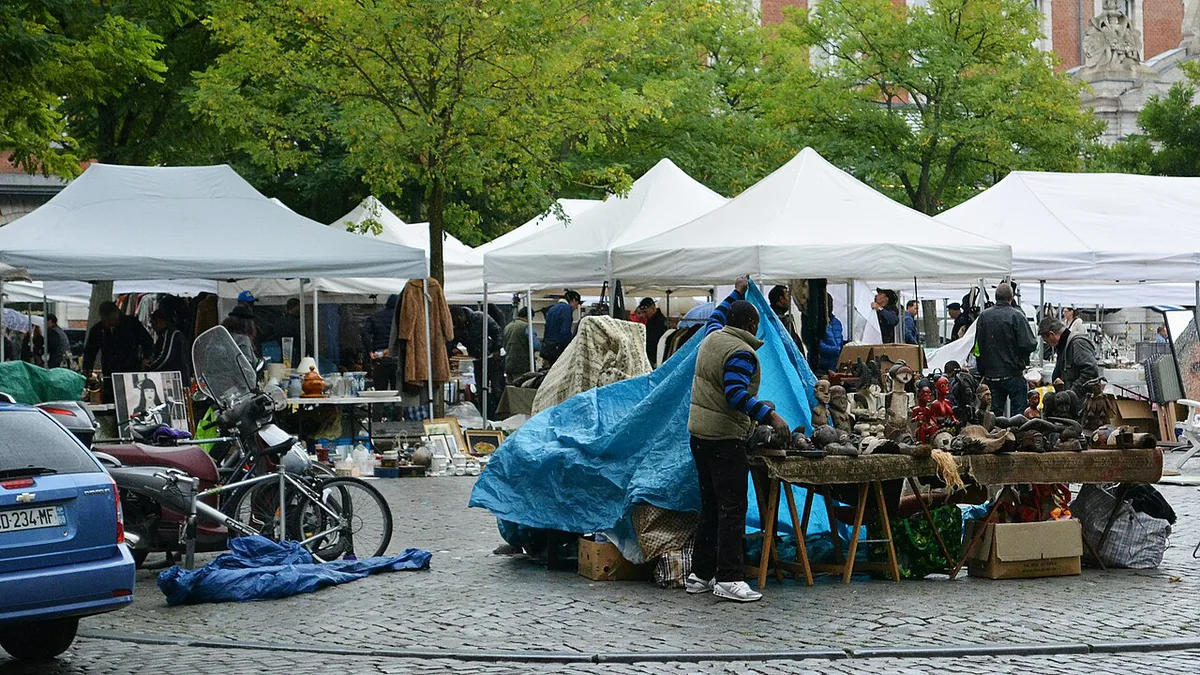
- Place du Jeu de Balle flea market in the Marolles
- Vendors spread blankets of antiques, brass, and oddities across this square every single morning.
- The market runs daily from around 6am to 2pm, with the best bargains going before 8am.
- Bargaining is expected here, and small euro notes move transactions along faster.
- The surrounding Marolles streets hide vintage shops and unpretentious bars worth a slow wander.
- Weekday mornings draw far fewer crowds than the busier Sunday session, according to regular vendors.
- Horta Museum, Victor Horta's Art Nouveau townhouse
- Architect Victor Horta's former home and studio in Saint-Gilles shows Art Nouveau at its most personal.
- Curved iron staircases, stained glass, and mirrored walls fill nearly every room.
- Tickets run roughly 12 to 14 euros, and the museum limits visitor numbers per time slot.
- It opens Tuesday to Sunday, typically 10am to 5:30pm, and closes on Mondays.
- Photography is restricted inside, so morning slots feel calmer for a proper look around.
- Cinquantenaire Arcade rooftop terrace
- Few visitors realize the triumphal arch above Parc du Cinquantenaire hides a rooftop viewing platform.
- Access usually runs through limited open days or guided visits organized by the city.
- The view stretches over the park's chestnut trees toward the European Quarter skyline.
- Check the official Brussels tourism site before visiting, since opening dates shift year to year.
- Combine it with a free stroll through the park's museum complex on the same afternoon.
- Bois de la Cambre's rowboat ride to Robinson island
- This forested park at the edge of Ixelles hides a small lake with a wooded island.
- Rowboats rent for around 10 to 14 euros per half hour in warmer months.
- The island's lakeside restaurant serves waffles and drinks with a genuinely secluded feel.
- Boats typically run daily from spring through early autumn, weather permitting.
- Trams 8 and 25 reach the park entrance directly from central Brussels.
- Sainte-Catherine and Béguinage neighborhood wander
- This old fish-market district blends a quiet Baroque church with narrow cobbled lanes.
- Seafood stalls and unfussy bistros line the square from late morning into evening.
- The Béguinage courtyard nearby offers a hushed, whitewashed contrast to the busy market street.
- Weekday afternoons stay noticeably calmer than the more photographed Grand Place a few blocks south.
- It sits an easy 10-minute walk from Bourse, or take the metro to Sainte-Catherine.
- Musical Instrument Museum's rooftop café view
- The MIM fills a restored Art Nouveau department store overlooking Brussels' Mont des Arts.
- Standard entry costs around 15 euros, with free admission on the first Wednesday afternoon monthly.
- It opens Tuesday to Friday 9:30am to 5pm, weekends 10am to 5pm, closed Mondays.
- Wireless headsets play instrument samples as visitors approach each display case.
- The top-floor café terrace gives a rooftop view most day-trippers never bother to find.
- Brussels Comic Strip Mural Route
- Dozens of building-sized murals of Tintin, Lucky Luke, and other Belgian comic heroes hide across downtown streets.
- Walking the full route is free and takes roughly two to three hours at an easy pace.
- A printed map is available for a couple of euros from tourist information points.
- New murals get added most years, so even repeat visitors find fresh stops.
- Early morning light works best for photographing the taller wall paintings without crowds in frame.
- Coudenberg, the buried medieval palace beneath Brussels
- Beneath Place Royale lie the excavated ruins of the original Palace of Coudenberg.
- Underground galleries let visitors walk through medieval foundations most tourists above never notice.
- Admission runs around 8 euros, and the site opens Tuesday to Sunday, roughly 10am to 6pm.
- It connects underground to the BELvue museum, so combine both on a single ticket.
- The cool stone corridors make a good option on a hot or rainy afternoon.
- Delirium Café's record-setting beer list
- This cellar bar off the Bourse claims one of the largest beer menus in the world.
- More than 2,000 Belgian and international beers fill a laminated menu handed to every table.
- A standard glass typically costs 4 to 8 euros, more for rare bottled imports.
- It opens daily from late afternoon into the early morning hours on weekends.
- The narrow alley entrance is easy to miss, so look for the pink elephant sign overhead.
Which Brussels Neighborhoods Hide the Best Secrets?
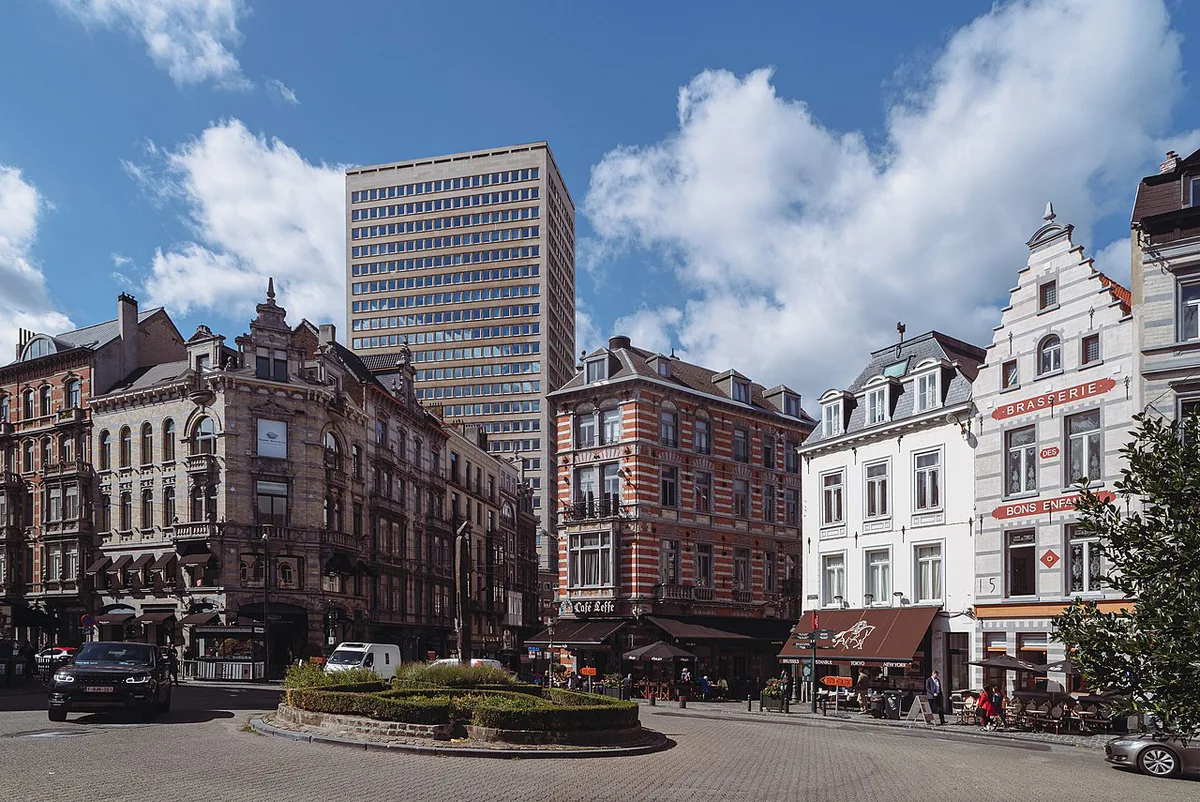
The Marolles remains Brussels' least gentrified corner, still anchored by its daily flea market. Locals shop here for furniture and odd curios, not souvenirs, and prices stay refreshingly negotiable. Read the full Marolles neighborhood guide before your visit for street-level detail.
Saint-Gilles pairs Horta's Art Nouveau townhouses with a lively Sunday market at Parvis de Saint-Gilles. Cafes along Chaussée d'Alsemberg draw a mixed, unpretentious crowd most evenings. The Saint-Gilles neighborhood guide covers the district's best streets for a slow wander.
| Neighborhood | Key Features | Best For |
|---|---|---|
| Marolles | Daily flea market, least gentrified, furniture and curios | Bargain shopping, local atmosphere |
| Saint-Gilles | Art Nouveau townhouses, Sunday market, unpretentious cafés | Architecture, evening dining |
| Ixelles | Student energy, leafy ponds, Congolese and North African food scene | Food experience, peaceful walks midweek |
| Dansaert | Independent fashion, design shops, relaxed bars | Shopping and casual dining |
| Sablon | Antique dealers, chocolatiers, upscale square | Antique shopping, weekend markets |
Ixelles blends student energy with leafy ponds and a strong Congolese and North African food scene. The Guardian has called Ixelles one of Belgium's best-kept secrets, and the ponds area still feels calm midweek. Bois de la Cambre sits at its southern edge, making both pair well in one outing. The Ixelles neighborhood guide maps the ponds walk step by step.
Dansaert leans toward independent fashion, design shops, and relaxed bars near Sainte-Catherine. It sits an easy walk from the fish market district covered earlier in this guide. The Dansaert neighborhood guide lists the best shopfronts street by street.
Sablon carries antique dealers, chocolatiers, and a quieter, upscale square near Coudenberg. Weekend antique markets pop up here, drawing collectors rather than casual tourists. The Sablon neighborhood guide breaks down opening days for its antique stalls.
What to Skip: Overrated Brussels Attractions
We'd skip planning much time around Manneken Pis beyond a passing photo stop. The statue stands just 55.5 centimeters tall and sits a five-minute walk from Grand Place. Snap the photo if you are already nearby, but do not build a special trip around it.
Long queues often wrap around the Atomium entrance, especially at midday in summer. Standard entry runs around 16 euros for adults, with timed slots recommended in summer. Consider visiting only if the current exhibition inside genuinely interests you.
We'd trade a crowded tourist brewery tour for a flight at Brussels Beer Project instead. This crowdfunded microbrewery near Anneessens brews small batches and pours flights for around 10 to 14 euros. It draws a younger, mostly local crowd rather than tour groups.
Mini-Europe and the comic shops right around Grand Place lean heavily on souvenir markup. Neither is bad, but neither reveals much about how Brussels actually lives day to day. For picks that skip the tourist script entirely, the off-the-beaten-path guide goes further.
How Many Days Do You Need for Hidden Brussels?
Two full days cover the core list comfortably, with time left for a proper meal break. Day one suits the center: Coudenberg, the comic mural route, and Sainte-Catherine sit within walking distance. Day two works better for Saint-Gilles, the Marolles market, and Bois de la Cambre.
Weekday mornings consistently offer the calmest experience across nearly every attraction. Early risers benefit most, as the flea market and cemetery feel emptiest before 9am. Museums get busier after 11am.
Early risers get the biggest payoff, since the flea market and Cimetière du Dieweg both feel emptiest before 9am. Museums like the MIM and Horta Museum get busier after 11am, especially on weekends. Booking a timed slot online avoids queues at both, particularly from June through September.
Travelers with three or more days can add a half-day trip beyond the city. The best day trips from Brussels guide covers options like Leuven and Ghent by train. Most of these run 30 to 60 minutes each way on regular rail service.
A single day still works if you pick just three or four stops instead of all ten. Pair one museum, one market, and one outdoor spot for a balanced, unhurried pace. A day pass on public transit costs around 8 euros and covers trams, buses, and metro.
Practical Tips for Exploring Off-the-Beaten-Path Brussels
Brussels' STIB network covers most hidden gems with a single day pass costing around 8 euros. Trams reach neighborhoods faster than the metro for many of these stops, especially in the Marolles and Saint-Gilles. Download the STIB app for real-time arrivals before setting out each morning.
Carry small euro notes and coins at flea markets and small cafés, since vendors rarely break large bills. Cash remains essential despite card payment spreading widely across the city.
Cash still matters at flea markets and small cafés, even though card payment has spread widely. Carry small euro notes and coins, since vendors at Place du Jeu de Balle rarely break large bills. ATMs cluster around Bourse and Grand Place if you run short.
Weather shifts quickly, so pack a light rain layer even on a sunny morning. Indoor picks like the MIM, Horta Museum, and Coudenberg make a solid backup plan for a wet afternoon. Most museums stay open through lunch, unlike some smaller shops that close for a midday break.
Reserve timed entry online for the Horta Museum and MIM during July and August. Weekday mornings consistently offer the calmest visit across nearly every pick on this list. Comfortable shoes matter more than a guidebook, since cobblestones cover most of these routes.
A DIY Chocolate Tour Through Brussels
Brussels chocolate rewards a self-guided route more than a paid tour bus. Start at the Galeries Royales Saint-Hubert, Europe's oldest covered shopping arcade, where Neuhaus still trades from roughly the same spot it opened in 1857 and claims to have invented the praline. From there it's a short walk to Grand Sablon, home to Pierre Marcolini's flagship boutique, known for single-origin bars and seasonal ganache flavors rather than the syrupy tourist trays sold near Grand Place. Near the Cathedral of St. Michael and St. Gudula, Laurent Gerbaud runs a small shop and occasional tasting workshops using fruit-forward, less-sweet recipes. For an old-school stop, Mary on rue Royale has held a Belgian royal warrant since the 1940s and still hand-finishes chocolates in view of customers.
- Neuhaus – Galeries Royales Saint-Hubert, historic original location
- Pierre Marcolini – Grand Sablon, single-origin and seasonal bars
- Laurent Gerbaud – near the Cathedral, tastings and workshops
- Mary – rue Royale, royal-warrant chocolatier since the 1940s
Walking all four takes under two hours and pairs naturally with the Sablon antique markets already on this list.
Explore hidden gems in other cities
Frequently Asked Questions
What are some hidden gems in Brussels?
Standouts include Cimetière du Dieweg, the Coudenberg underground ruins, and the Marolles flea market at Place du Jeu de Balle. Each sits a short tram ride from the center and stays quieter than Grand Place. Most charge under 15 euros or nothing at all.
Which neighborhoods should you explore in Brussels?
Saint-Gilles, the Marolles, Sainte-Catherine, and Ixelles all reward a slow walk well away from the main tourist strip near Grand Place. Each neighborhood carries its own market, architecture style, and food scene worth exploring. Weekday mornings tend to feel calmest across all four, before tour groups arrive.
How do locals usually get around Brussels?
Most residents rely on the STIB network of trams, buses, and metro lines, plus a lot of walking. A single day pass costs around 8 euros and covers the whole system. Trams often reach hidden-gem neighborhoods faster than the metro.
What should you do with only one day in Brussels?
Pick three or four stops instead of trying the full list in one day. Pair one museum, one market, and one outdoor spot for a balanced pace. Coudenberg, the comic mural route, and Sainte-Catherine sit close enough together to combine easily.
Where can you find local food away from tourist traps?
Sainte-Catherine's seafood stalls and the small bistros scattered through Saint-Gilles serve a far more everyday version of Belgian cooking than the center. Prices there run noticeably lower than the restaurants ringing Grand Place and Rue des Bouchers. Weekday lunch service tends to be the quietest time to go.
These 10 hidden gems in Brussels prove the city rewards travelers who wander past its postcard sights. A cemetery gone wild, an underground palace, and a flea market that never performs for tourists tell a fuller story. Budget a realistic two days, lean on public transit, and check official hours before each stop.
Start with whichever pick matches your pace, whether that is a quiet museum morning or a market-day scramble. Brussels keeps rewarding repeat visits precisely because so much of it still hides in plain sight.
Explore More Hidden Brussels
Keep discovering the quieter, more local side of Brussels with these neighborhood guides.
Neighborhoods
- Marolles Brussels Guide: Flea Market & Local Charm
- Ixelles Brussels Guide: Sights, Stays & Tips
- Saint-Gilles Brussels Guide: What to See in 2026
- Sablon Brussels Guide: 2026 Neighborhood Tips
- Dansaert Brussels Guide: Shops, Food & Walks
- Brussels Neighborhoods Guide: Best Areas to Stay
Secret spots & the outdoors
- 10 Secret Spots in Brussels Locals Love
- Coudenberg Palace Brussels Travel Guide
- Cimetière du Dieweg, Brussels: A Visitor Guide
- Comic Strip Route Brussels Murals Travel Guide
- 10 Off the Beaten Path Spots in Brussels
Food, drink & planning
Continue exploring
More guides you'll find useful