Berlin Hidden Gems: 8 Unusual & Alternative Attractions (2026)
The best Berlin hidden gems for 2026 — 8 unusual, alternative and offbeat attractions, from the Stasi HQ and an abandoned NSA station to surreal object museums. Verified prices, hours, neighborhoods and itineraries.
On this page
Berlin rewards travelers who look past the Brandenburg Gate and Museum Island. Beneath the postcard sights lies a denser, stranger city — one shaped by two dictatorships, a wall that split it for 28 years, and the radically alternative subculture that filled the vacuum after 1989. This is where the real Berlin hidden gems live: in a secret-police headquarters left almost exactly as the Stasi abandoned it, an abandoned NSA spy station now buried under one of Europe's largest open-air street-art collections, and a clutch of niche, quirky museums that you could walk past a hundred times without noticing.
We've curated 8 unusual and alternative Berlin attractions that consistently reward the detour — no tour buses, no two-hour queues, just the offbeat, obsessive, faintly surreal side of the German capital. Each entry links to a full 2026 visitor guide with verified opening hours, current ticket prices and the practical tips that never make it onto the official site. Below the cards you'll find everything you need to actually plan the trip: a neighborhood map of where each gem sits, theme-based groupings, suggested one- and two-day routes, transport notes, the best time to visit, money-saving tricks and answers to the questions travelers ask most. Bookmark this page as your launchpad into alternative Berlin.
8 Berlin hidden gems worth the detour
Stasi Museum
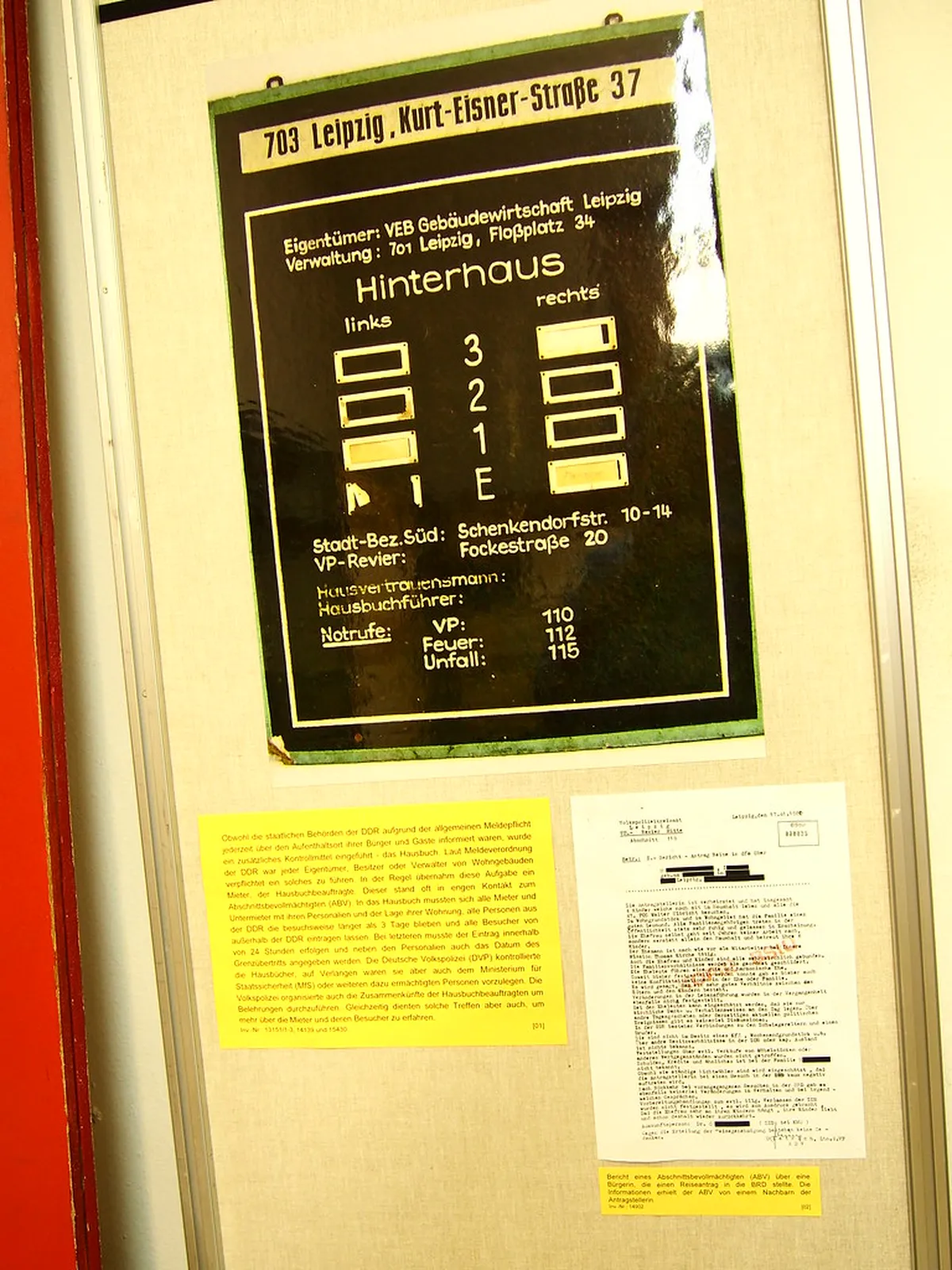
The Stasi Museum preserves the original Berlin-Lichtenberg headquarters of East Germany's secret police, including the untouched offices of state security minister Erich Mielke. Across three floors it documents the Stasi's mass surveillance with original spy cameras, listening devices, files and disguises.
Visitor guide →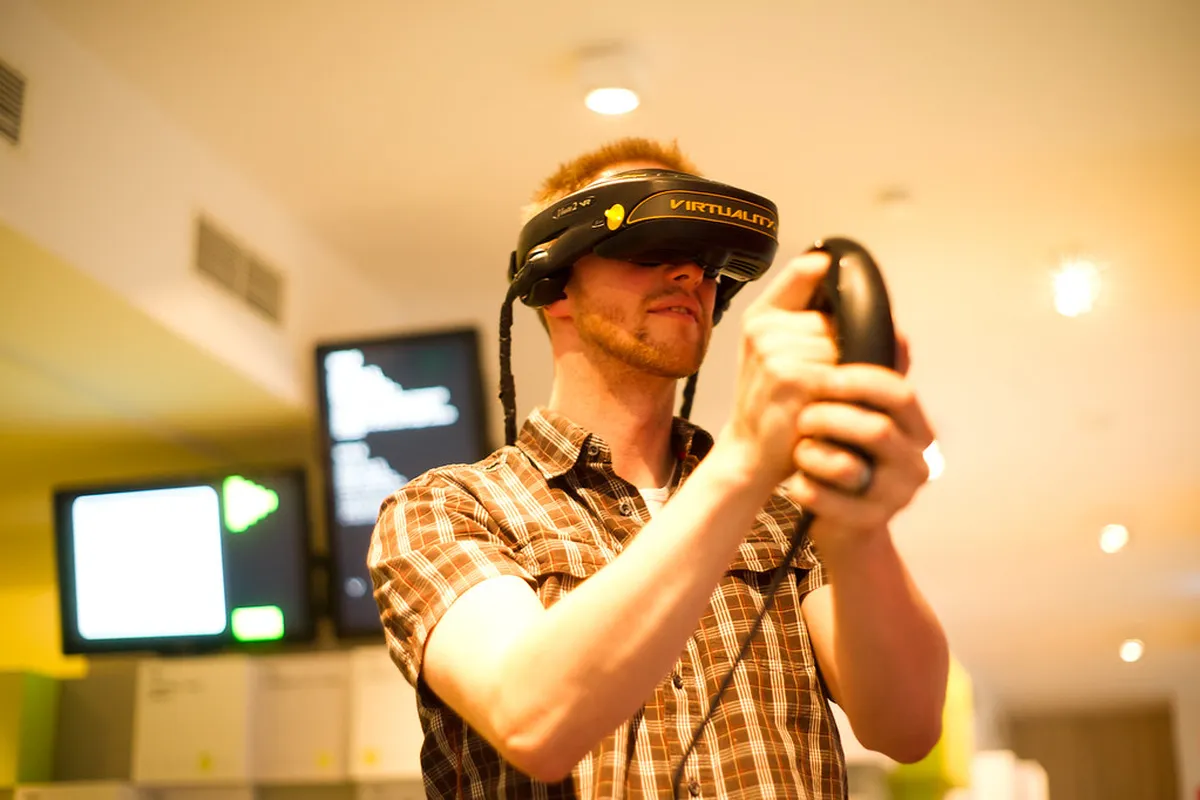
Computerspielemuseum
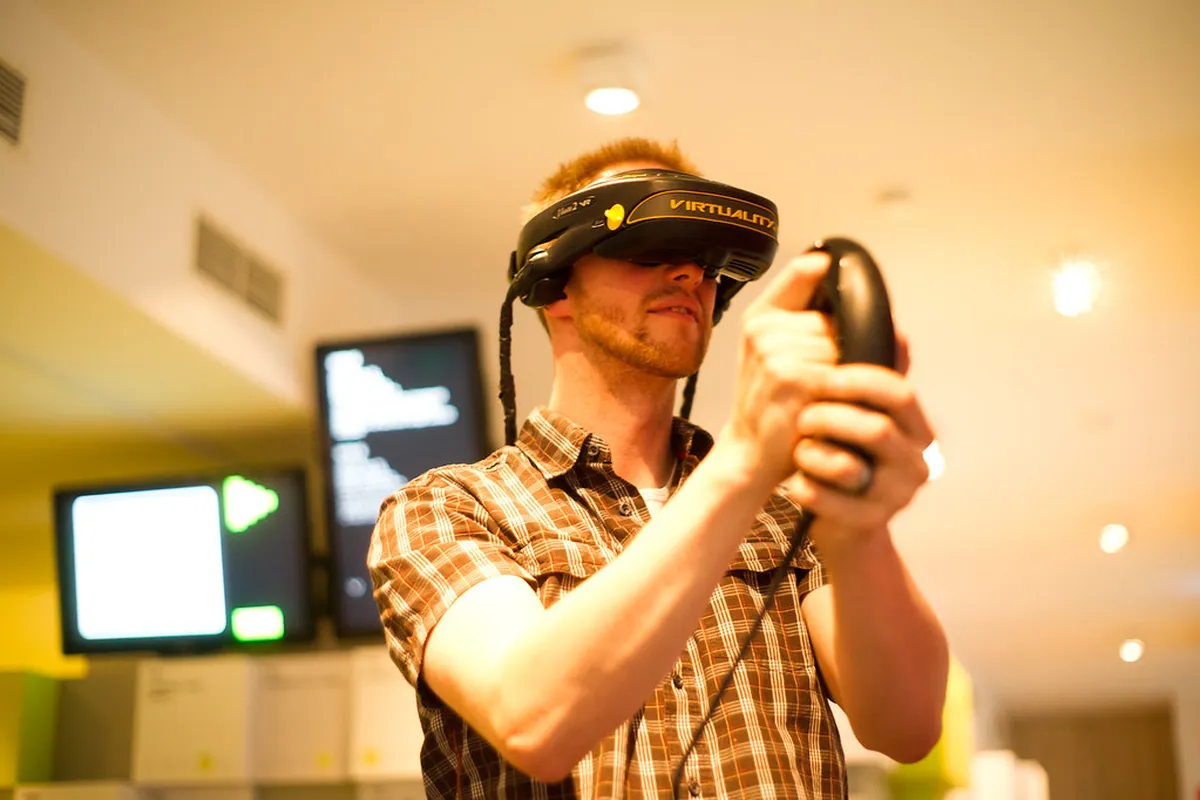
The Computerspielemuseum (Computer Games Museum) in Berlin's Friedrichshain district is an interactive museum tracing the history of video games, with over 300 hands-on exhibits ranging from vintage consoles to playable 1980s arcade classics.
Visitor guide →
Museum der Dinge
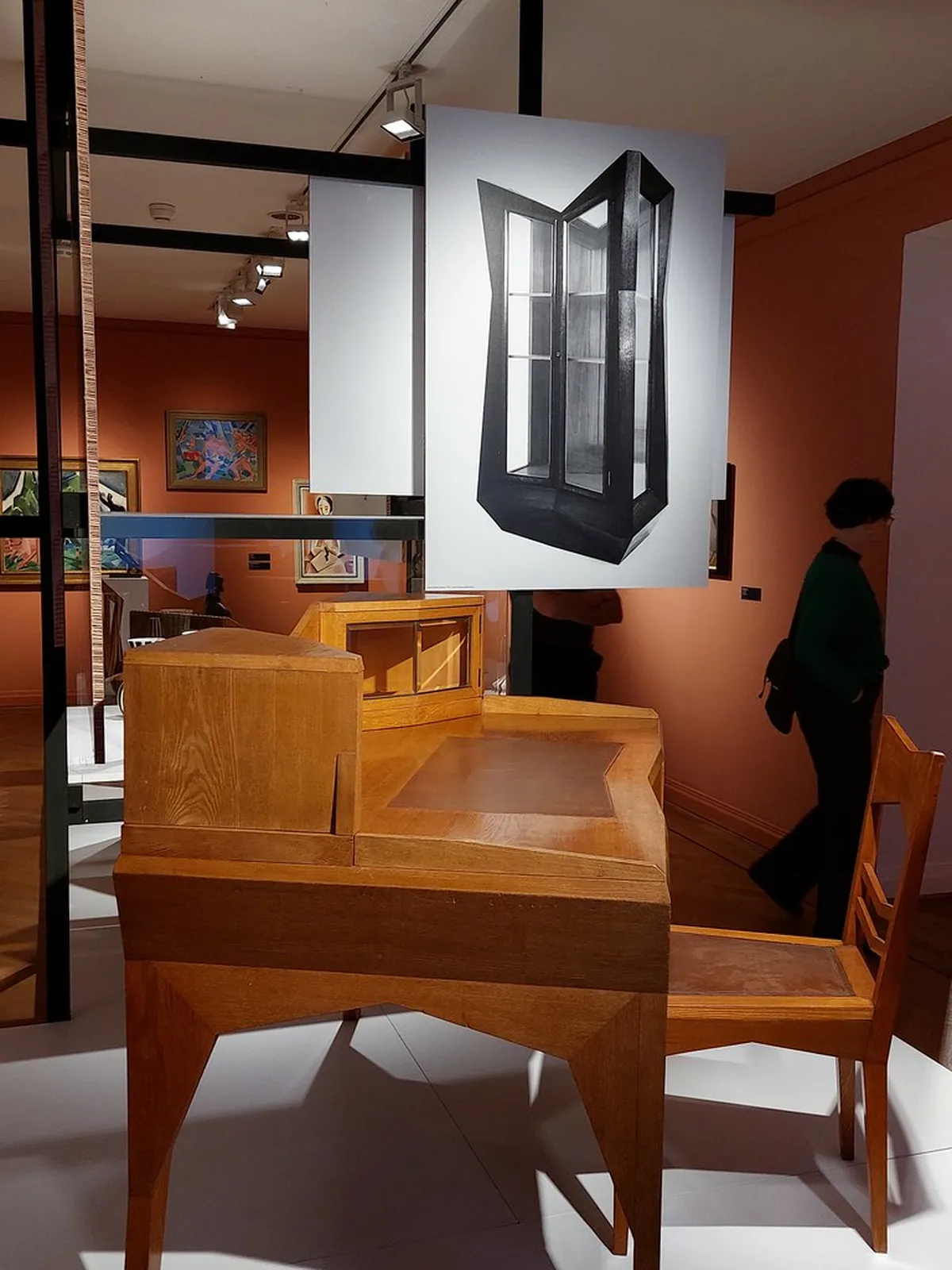
The Werkbundarchiv – Museum der Dinge is a Berlin museum of product design and everyday objects built around the archive of the Deutscher Werkbund, presenting some 25,000 mass-produced and designer items in dense vitrine and open-depot displays. Having left its longtime Oranienstraße home in Kreuzberg, it reopened in May 2024 at Leipziger Straße 54 in Berlin-Mitte.
Visitor guide →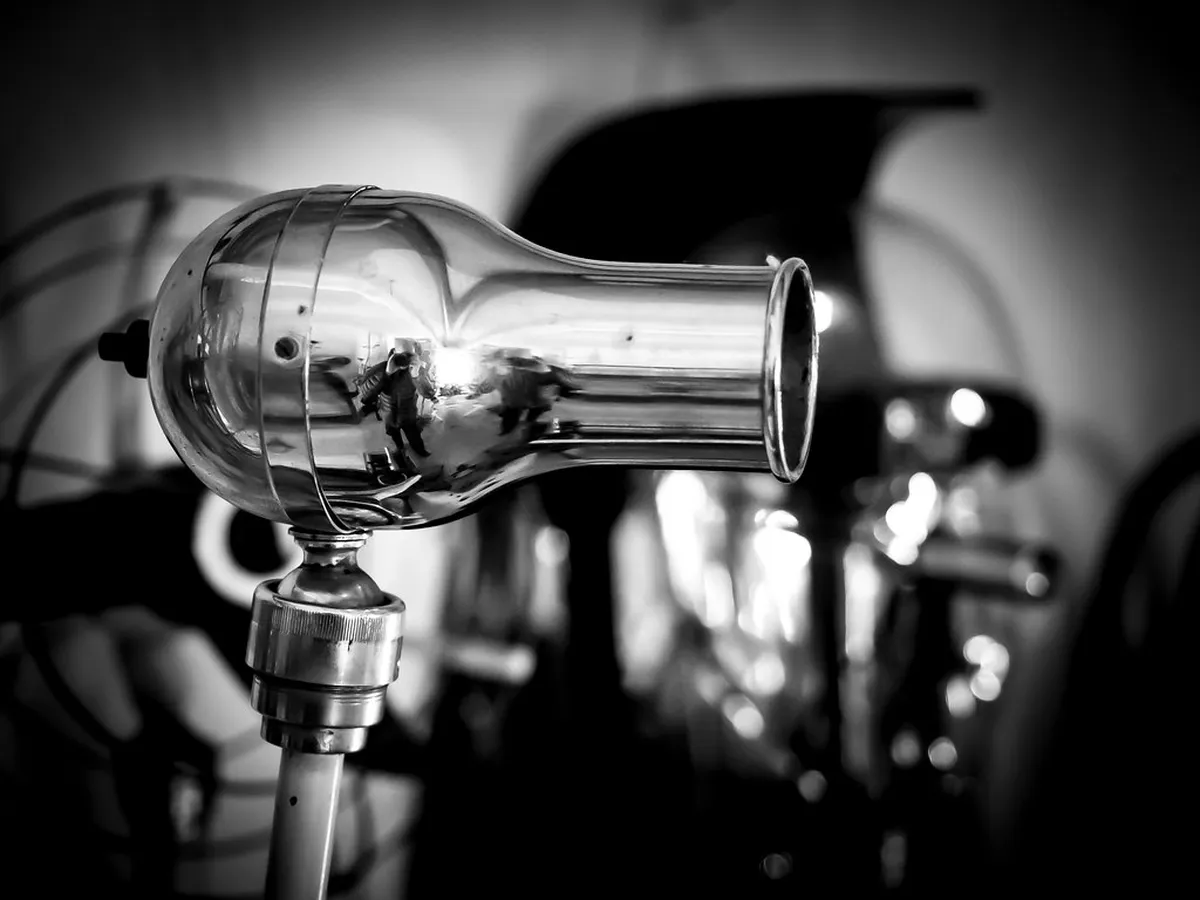
Designpanoptikum
Designpanoptikum is a small private 'surreal museum for industrial objects' in Berlin's Nikolaiviertel, where founder Vlad Korneev personally guides visitors through a densely packed cabinet of repurposed 20th-century industrial, medical and optical machines. Deliberately unlabelled, the exhibits invite you to speculate on each object's mysterious form and function.
Visitor guide →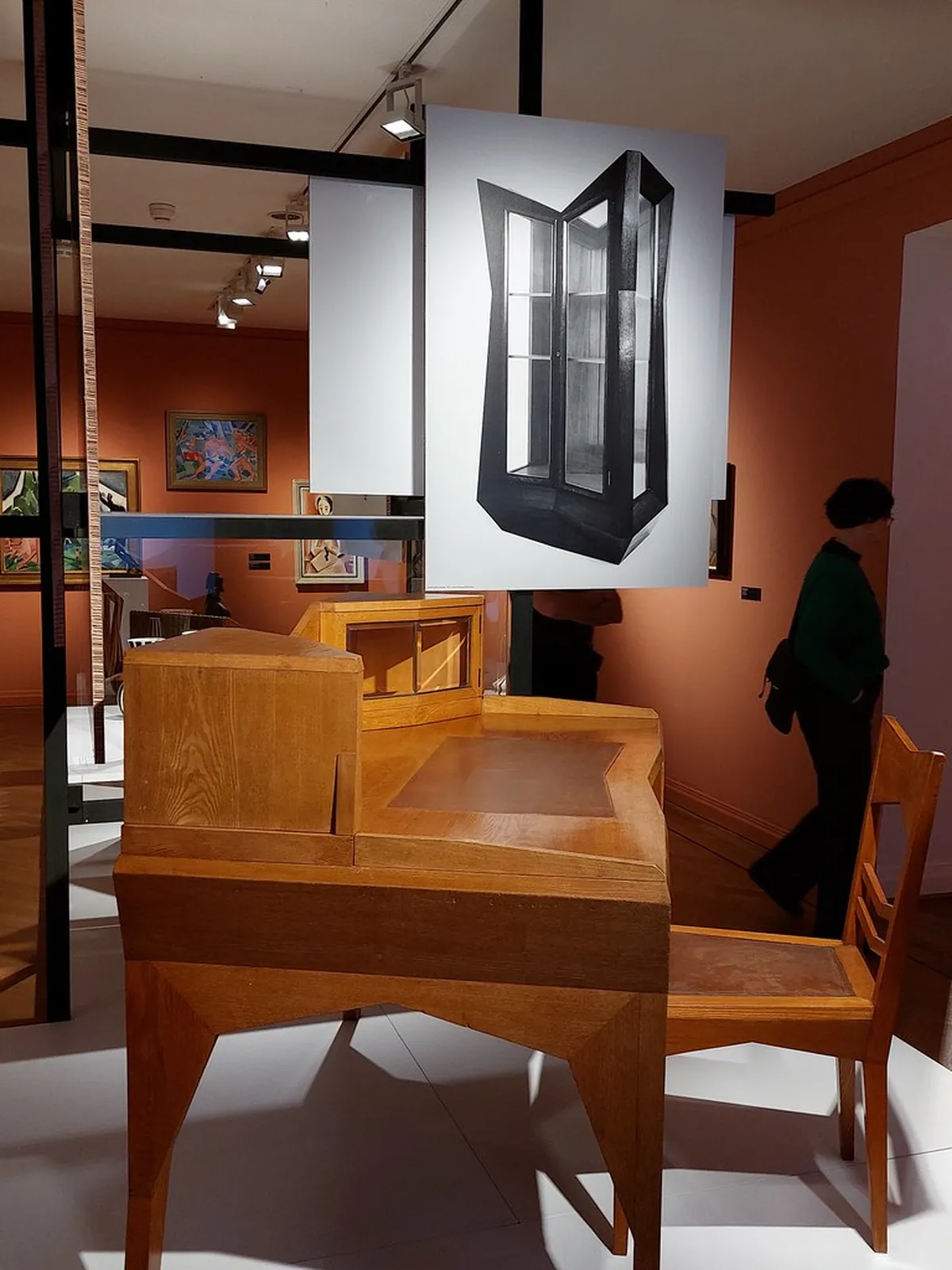
Bröhan-Museum
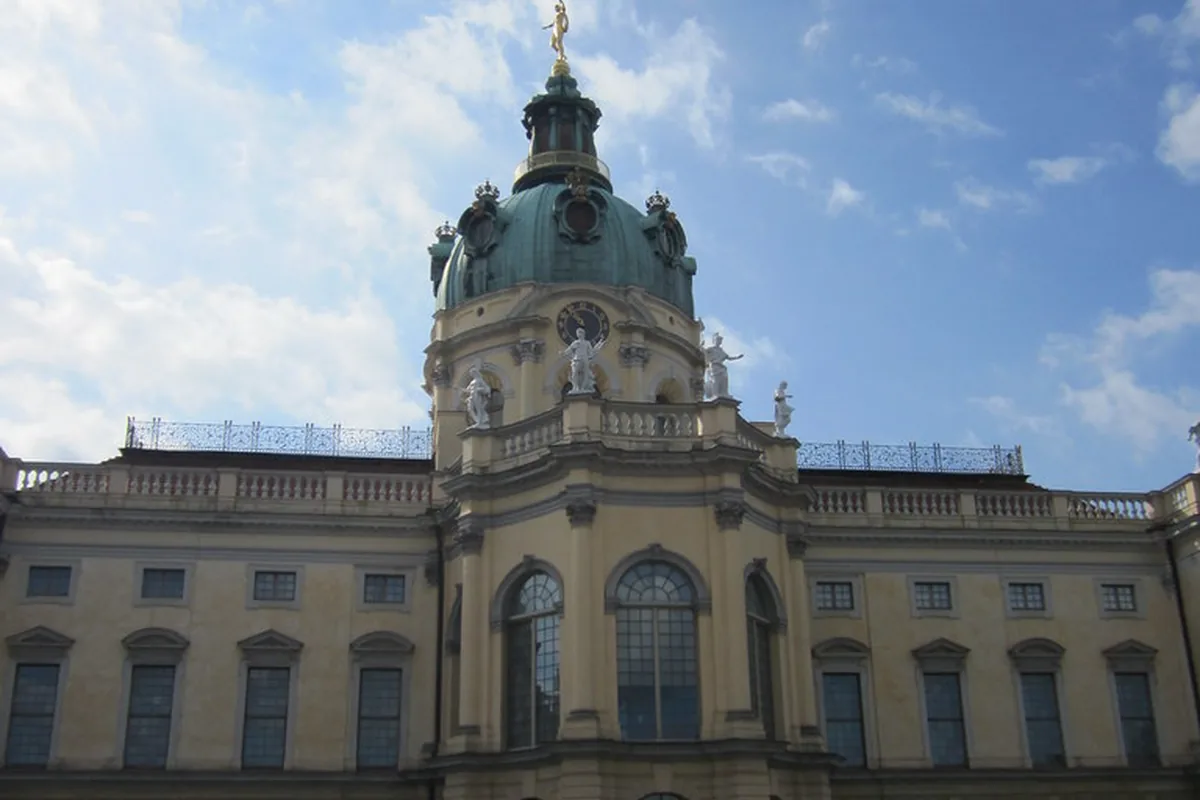
The Bröhan-Museum is the Berlin state museum of Art Nouveau (Jugendstil), Art Deco and Functionalism, displaying decorative arts, design, and Berlin Secession painting from the late 19th century to the WWII era. It stands in a former barracks building opposite Charlottenburg Palace in the city's Charlottenburg district.
Visitor guide →
Georg Kolbe Museum
The Georg Kolbe Museum occupies modernist sculptor Georg Kolbe's 1928/29 studio-residence in Berlin's Westend, a Neue Sachlichkeit landmark adjoined by a sculpture garden. It presents changing exhibitions of 20th-century and contemporary sculpture across the preserved studio buildings and grounds.
Visitor guide →
Anne Frank Zentrum
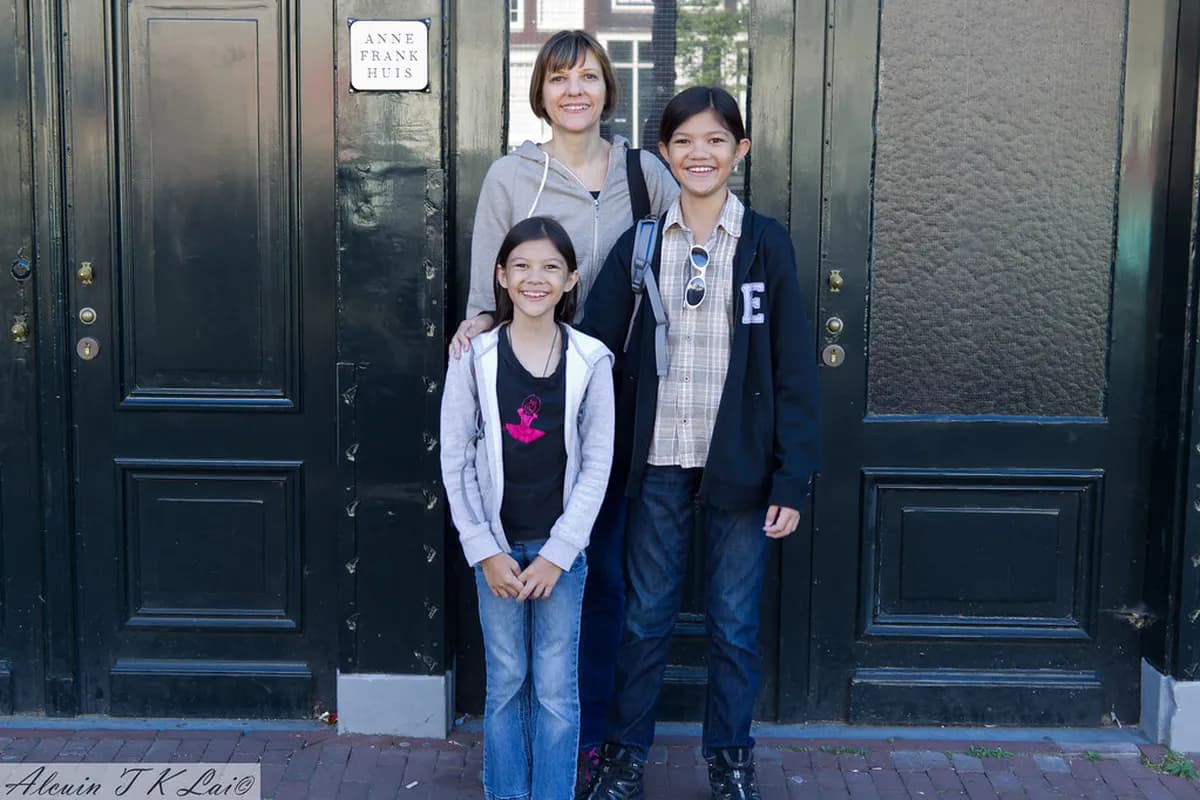
Germany's Anne Frank partner centre in Berlin-Mitte, home to the permanent exhibition 'Anne Frank. Here & Now' on her life and legacy. Alongside the exhibition it runs youth education programmes against antisemitism and discrimination, near the Hackesche Höfe.
Visitor guide →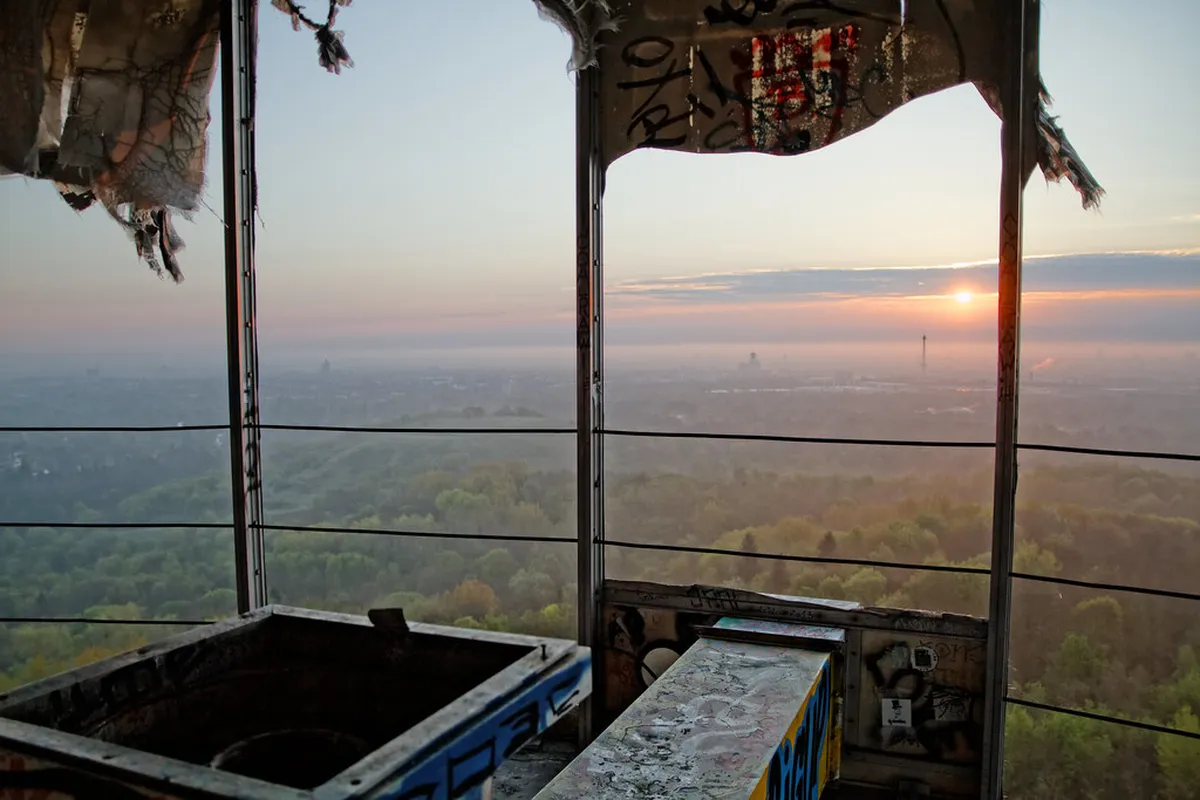
Teufelsberg
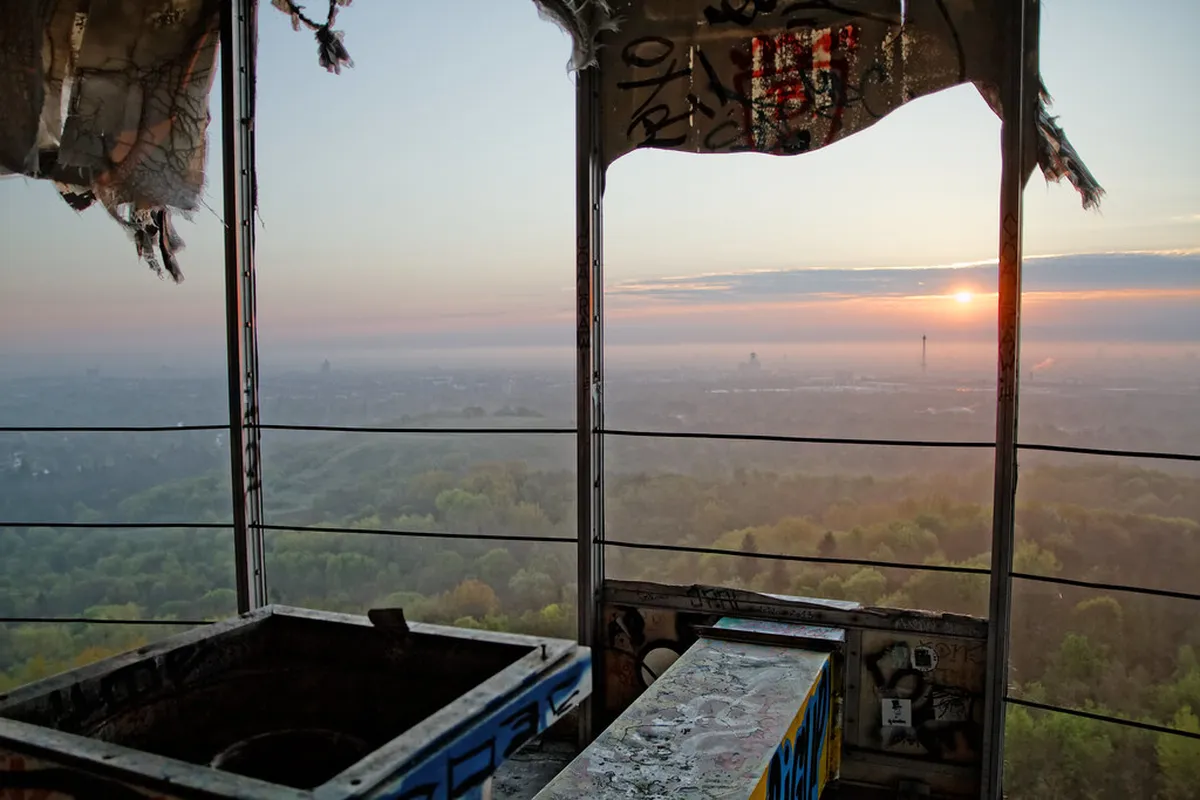
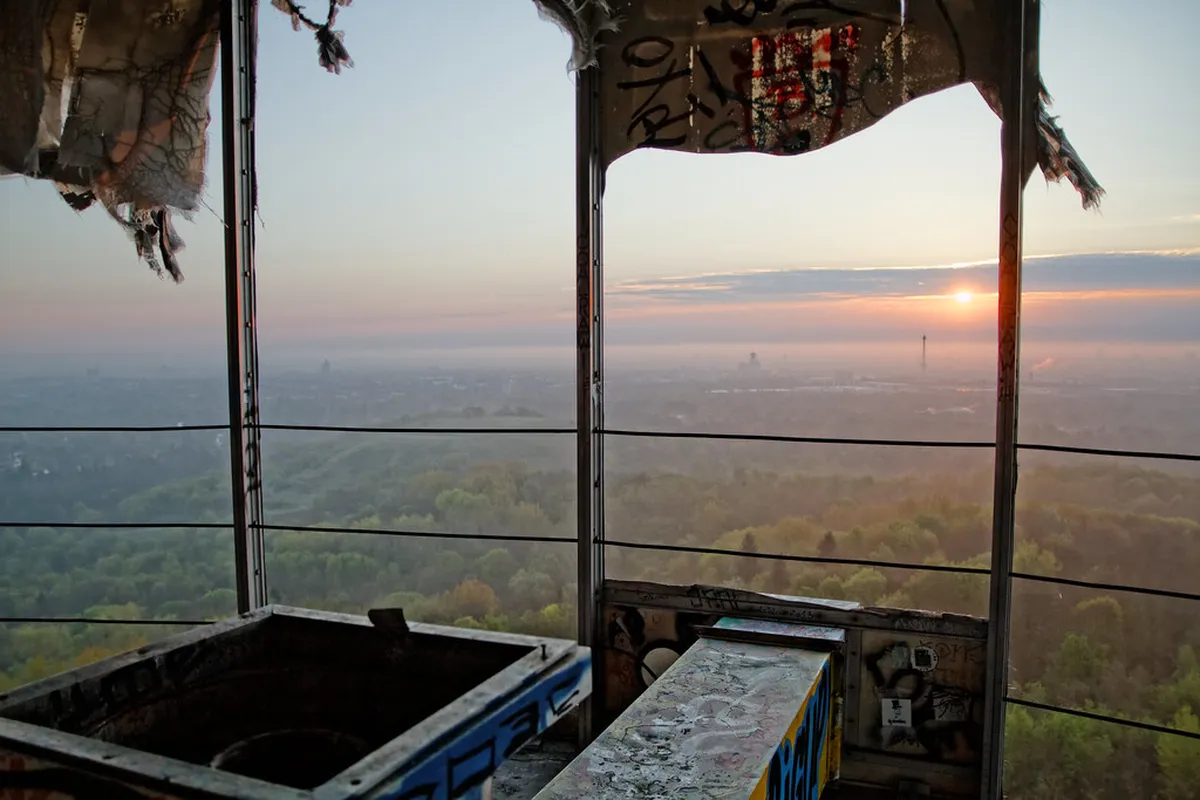
Teufelsberg is an abandoned Cold War NSA listening station whose geodesic radar domes crown a man-made rubble hill in Berlin's Grunewald forest. Now covered in one of Europe's largest open-air street-art collections, it offers panoramic views over the city to paying visitors.
Visitor guide →Berlin hidden gems by neighborhood
Berlin is vast and polycentric — there is no single tourist core — so the smartest way to plan an offbeat trip is by district. These eight gems cluster into five areas, and grouping your visits geographically saves you hours of cross-city transit. Here's where each one sits.
Mitte — the historic centre
Three of our gems hide in plain sight in central Mitte. The Werkbundarchiv – Museum der Dinge reopened in May 2024 at Leipziger Straße 54, where its dense vitrines of 25,000 everyday objects sit a short walk from Potsdamer Platz. The Anne Frank Zentrum tucks behind the Hackesche Höfe, Germany's partner centre to the Amsterdam house. And the Designpanoptikum, a one-of-a-kind "surreal museum for industrial objects," lurks in the cobbled Nikolaiviertel — Berlin's oldest quarter. You can string all three together on foot in a single afternoon.
Lichtenberg — the Cold War east
Out in the former East, the Stasi Museum occupies the original Berlin-Lichtenberg headquarters of the GDR's Ministry for State Security, including the untouched offices of secret-police chief Erich Mielke. It's the single most atmospheric Cold War site in the city and well worth the trip east on the U5.
Friedrichshain — alternative Berlin's heartland
Gritty, graffiti-covered Friedrichshain is home to the Computerspielemuseum (Computer Games Museum), an interactive shrine to gaming history with 300-plus hands-on exhibits, from vintage consoles to playable 1980s arcade cabinets. Pair it with the nearby East Side Gallery for a full day of alternative Berlin.
Charlottenburg & Westend — the genteel west
The leafy western districts hold two house-museums for design lovers. The Bröhan-Museum, Berlin's state museum of Art Nouveau (Jugendstil), Art Deco and Functionalism, faces Charlottenburg Palace. A few S-Bahn stops away in Westend, the Georg Kolbe Museum preserves the 1929 studio-residence of modernist sculptor Georg Kolbe, complete with a tranquil sculpture garden.
Grunewald — the forest edge
Finally, on a man-made rubble hill deep in the Grunewald forest stands Teufelsberg, an abandoned Cold War NSA listening station whose geodesic radar domes now shelter one of Europe's largest open-air street-art galleries — with panoramic views over the whole city.
Berlin attractions by theme
If you're chasing a particular flavour of Berlin rather than a particular postcode, group your visits by theme instead.
- Cold War & GDR history — The Stasi Museum and Teufelsberg are the city's two essential non-touristy windows onto a divided Berlin: one the surveillance state's nerve centre, the other the Allies' spy-station response. Together they tell both sides of the Wall in a way the big Checkpoint Charlie crowds never reach.
- Quirky & surreal museums — The Designpanoptikum and the Computerspielemuseum are Berlin at its most playfully obsessive — one a deliberately unlabelled cabinet of repurposed machines you're invited to decode, the other a hands-on history of the video game. They're consistently named among the city's most unusual museums.
- Design & art house-museums — The Bröhan-Museum, Georg Kolbe Museum and the object-focused Museum der Dinge form a triangle of design history, from Jugendstil decorative arts to modernist sculpture to mass-produced everyday things — perfect for travelers who find the blockbuster galleries overwhelming.
- Memory, street art & the abandoned — The Anne Frank Zentrum anchors Berlin's living culture of remembrance, while Teufelsberg shows what the city does with its ruins: reclaim them as canvas. It's the most photogenic abandoned site in Berlin.
Free vs paid Berlin attractions
None of these eight gems is free — but they're all modestly priced compared with Berlin's blockbuster sights, and several offer reduced, family or first-Wednesday rates that bring the cost down further. Here are the verified standard adult prices for 2026.
| Attraction | Neighborhood | Adult ticket (2026) |
|---|---|---|
| Stasi Museum | Lichtenberg | €12 |
| Computerspielemuseum | Friedrichshain | €12 |
| Designpanoptikum | Mitte (Nikolaiviertel) | €14 |
| Bröhan-Museum | Charlottenburg | €9 (€4 first Wed of month) |
| Georg Kolbe Museum | Westend | €8 |
| Anne Frank Zentrum | Mitte | €8 |
| Teufelsberg | Grunewald | €12 |
| Museum der Dinge | Mitte | €6 |
The cheapest entries are the Museum der Dinge at €6 and the Bröhan-Museum, which drops to just €4 on the first Wednesday of every month. Most sites also offer concession rates for students and seniors, and family tickets where children are admitted — always check the individual visitor guide linked above for the current concession and family pricing before you go.
Suggested itineraries for offbeat Berlin
You won't see all eight gems in a day — they're spread across the city — but you can build tight, low-transit routes by pairing nearby sites. Here are two we'd actually walk.
One-day alternative Berlin (Mitte focus)
Start your morning in the Nikolaiviertel at the Designpanoptikum, where owner Vlad Korneev's personal tour sets the surreal tone for the day. Walk north to the Anne Frank Zentrum behind the Hackesche Höfe for a quieter, reflective hour, then loop down to Leipziger Straße for the Museum der Dinge. Three genuinely unusual museums, all on foot, all in Mitte — the perfect off-the-beaten-path day for travelers short on time.
Two-day deep dive (Cold War + design)
Day one — Cold War: Take the U5 east to the Stasi Museum in Lichtenberg first thing, then head to Friedrichshain for the Computerspielemuseum and the East Side Gallery. Close the day with the trek out to Teufelsberg for sunset over the domes (weather permitting). Day two — design & art: Spend the morning in Charlottenburg at the Bröhan-Museum opposite the palace, then continue to the Georg Kolbe Museum and its sculpture garden in Westend. It's a calm, green counterpoint to day one's concrete-and-surveillance intensity.
Getting around Berlin's attractions
Berlin's integrated U-Bahn (underground) and S-Bahn (urban rail) network is the fastest way between gems, and a single AB-zone day ticket covers almost all of them. A few route notes worth knowing:
- Lichtenberg (Stasi Museum) sits on the U5 line — get off at Magdalenenstraße, about three minutes' walk from the door.
- Teufelsberg is the awkward one: there's no station at the top. Take the S-Bahn to Grunewald or Heerstraße, then it's a 30–45 minute uphill walk through the forest to reach the domes — wear proper shoes and allow extra time.
- The Mitte trio (Museum der Dinge, Anne Frank Zentrum, Designpanoptikum) are close enough to link entirely on foot; Hackescher Markt and Spittelmarkt are your nearest stations.
- The Charlottenburg/Westend pair are a short S-Bahn or bus hop apart — Westend and Sophie-Charlotte-Platz are the handiest stops.
Best time to visit
Berlin's indoor museums are year-round propositions, which makes the offbeat scene a great rainy-day or winter plan when the big outdoor sights lose their appeal. The exception is Teufelsberg: it's an open-air site, so visits are weather-dependent, and the magic-hour light on the radar domes is best on clear late-afternoons — aim for the final entry window before sunset in spring through autumn.
One crucial scheduling note: most German museums close one day a week, and that day is usually Monday or Tuesday — but it varies site by site. Always confirm the closing day on the individual visitor guide before you build your route, or you risk arriving at a locked door. Spring (April–June) and early autumn (September–October) bring the most comfortable weather and the thinnest crowds; midsummer is warm and busy, while winter is quiet and atmospheric but cold for the Teufelsberg trek.
Most Berlin museums close one day per week, typically Monday or Tuesday — always check your attraction's hours before visiting to avoid arriving at a locked door.
How to save money on Berlin attractions
These gems are already affordable, but a little planning shaves the bill further:
The Museum der Dinge (€6) and the Bröhan-Museum's first-Wednesday rate (€4) are Berlin's most budget-friendly cultural experiences, and all eight gems are modestly priced under €15.
- Target the first Wednesday of the month — the Bröhan-Museum drops from €9 to just €4, the best single discount on this list.
- Lead with the cheapest tickets — the Museum der Dinge (€6) and Georg Kolbe Museum / Anne Frank Zentrum (€8 each) deliver a lot of culture for very little.
- Ask about family and concession rates — most of these sites admit children free or at a steep discount and offer reduced student/senior tickets; the family ticket is the value play if you're travelling with kids.
- Buy a transport day pass — a single AB-zone day ticket covers all the U-Bahn and S-Bahn hops between gems and almost always beats paying per ride.
- Check the individual guides — each linked visitor guide lists the current concession, family and combination-ticket options, which the official sites often bury.
Frequently asked questions about Berlin's hidden gems
What are the best hidden gems in Berlin?
For an offbeat first taste of alternative Berlin, our top picks are the Stasi Museum (the secret police's untouched HQ), Teufelsberg (an abandoned NSA spy station covered in street art), and the Designpanoptikum (a surreal museum of unlabelled industrial objects). Together they capture the city's Cold War history and its anything-goes creative streak.
What are the most unusual museums in Berlin?
Beyond the blockbuster galleries, Berlin's most unusual museums include the Designpanoptikum (a "surreal museum for industrial objects"), the Computerspielemuseum (300+ playable video-game exhibits), and the Werkbundarchiv – Museum der Dinge, which displays 25,000 everyday mass-produced objects as design history.
What are the best alternative museums in Berlin for Cold War history?
The two essential alternative Cold War sites are the Stasi Museum in Lichtenberg, set in the GDR secret police's original headquarters, and Teufelsberg in the Grunewald forest, a derelict American listening station built to spy on the East. They show both sides of divided Berlin away from the Checkpoint Charlie crowds.
Are Berlin's hidden gems free to visit?
None of these eight attractions is free, but all are modestly priced — from €6 at the Museum der Dinge to €14 at the Designpanoptikum in 2026. The Bröhan-Museum drops to €4 on the first Wednesday of each month, and most sites offer reduced, student, senior and family rates.
How many days do you need to see Berlin's offbeat attractions?
You can cover the three Mitte gems in a single day on foot. To see all eight comfortably — including the trip east to Lichtenberg and the forest trek to Teufelsberg — plan two full days, splitting them into a Cold War day and a design-and-art day as in our suggested itineraries above.
How do you get to Teufelsberg?
Take the S-Bahn to Grunewald or Heerstraße station, then walk roughly 30–45 minutes uphill through the Grunewald forest to reach the radar domes. There's no public transport to the summit, so wear good shoes, check the weather (it's an open-air site), and aim for a clear afternoon before sunset.
When are Berlin's museums closed?
Most Berlin museums close one day per week, typically Monday or Tuesday, though it varies by site. Always confirm the closing day on each attraction's individual visitor guide before planning your route to avoid arriving at a locked door.
What's the most photogenic offbeat spot in Berlin?
Teufelsberg wins hands-down — its hilltop geodesic radar domes, panoramic city views and constantly changing street-art murals make it the most Instagram-worthy of Berlin's abandoned places, especially in late-afternoon light.
Plan your Berlin trip
These eight entity guides are your starting point, but Berlin's alternative scene runs far deeper. For more offbeat ideas, dig into our full guide to hidden gems in Berlin, our roundup of unusual things to do in Berlin, and our deep dive into the city's abandoned places. Each pairs neatly with the gems above to build a genuinely non-touristy 2026 trip.
If you like Berlin's offbeat museums
The cities that reward the same instinct are Prague, Budapest and Amsterdam. Our Prague hidden gems guide covers monastery libraries and alchemical cellars behind the castle crowds; Budapest runs from a nuclear bunker under Buda Castle to a field of exiled Communist statues; and Amsterdam is built on quiet canal-house museums a street away from the queues.
Continue exploring
More guides you'll find useful