Werkbundarchiv – Museum der Dinge: Visitor Guide & Essential Tips
Plan your visit to Werkbundarchiv – Museum der Dinge in Berlin. Get essential visitor information, insights into its unique collection, and practical tips for a memorable experience.
On this page
Werkbundarchiv – Museum der Dinge: Your Complete Visitor Guide
The Werkbundarchiv – Museum der Dinge is one of Berlin's most unusual museums — a place where a toaster, a rubber duck, or a factory-stamped spoon can hold as much meaning as a painting. Since May 2024 it occupies a new home at Leipziger Straße 54 in Berlin-Mitte, having left its long-standing Kreuzberg premises on Oranienstraße.
This guide covers everything you need for a visit in 2026: current address, opening hours, ticket prices, what to see, and how to reach the museum by public transport from the city centre.
Welcome to Werkbundarchiv – Museum der Dinge
Founded as an institution in 1973 and officially renamed Museum der Dinge ("Museum of Things") in 1999, the Werkbundarchiv chronicles product culture across the 20th and 21st centuries. At its core is the archive of the Deutscher Werkbund, a reformist association of artists, architects, manufacturers, and designers founded in 1907 that shaped modern German design thinking.
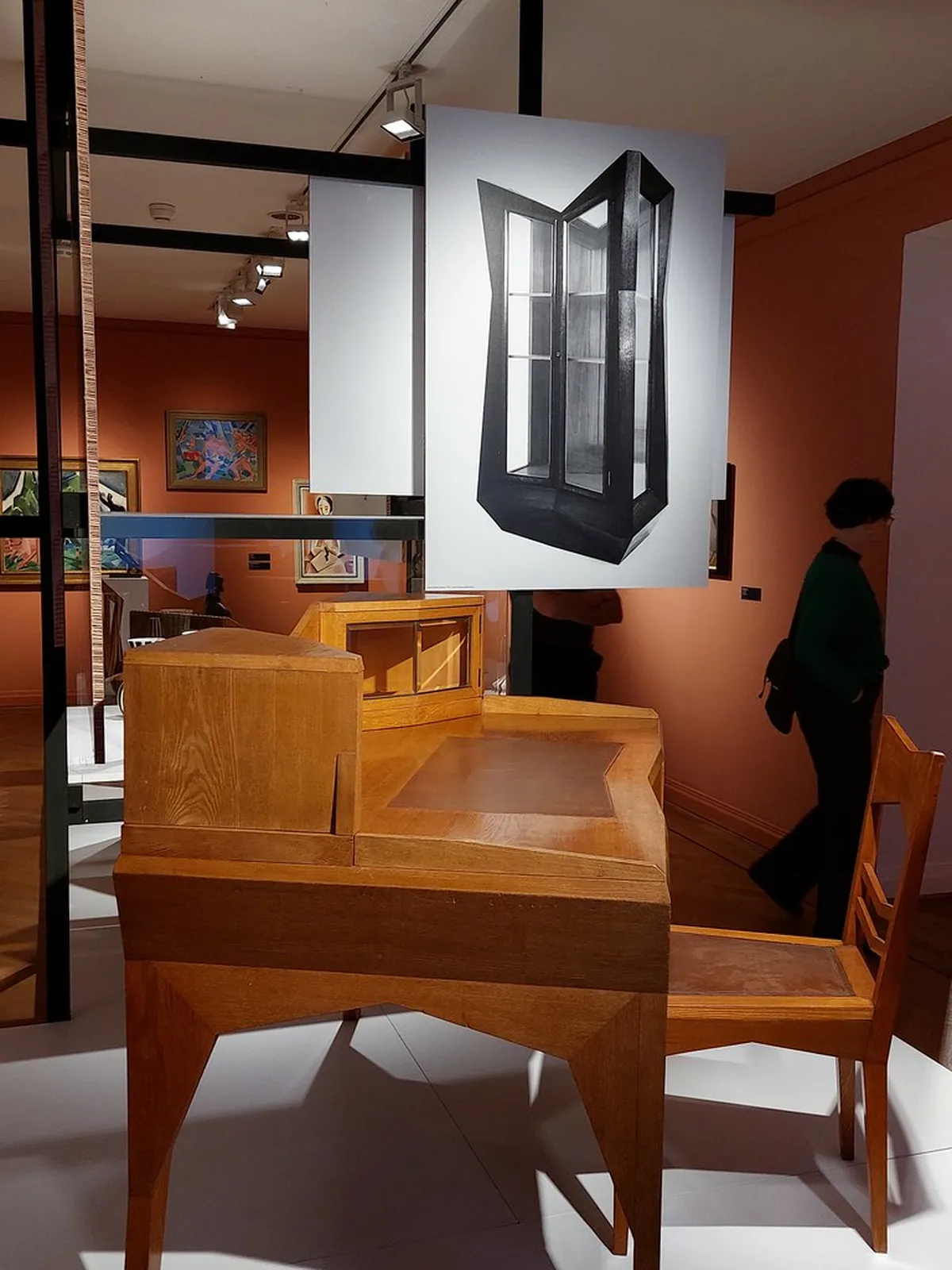
The museum is not a design showcase in the conventional sense. It deliberately sets Werkbund-ideal objects alongside the mass-produced goods the Werkbund "opposed" — displaying them in dialogue, so you see the argument for good design played out in three dimensions. This makes it thought-provoking in a way that dedicated design galleries rarely are.
Its relocation in 2024 from Kreuzberg to Mitte places it closer to other major Berlin cultural institutions, making it easier to combine with a broader museum day in the city centre.
Understanding the Museum of Things: Concept and Collection
The collection spans roughly 25,000 everyday objects — from anonymous mass-produced goods to named designer pieces — alongside some 40,000 archive documents including photographs, catalogues, and models. The range is deliberately wide: kitchen appliances, packaging, textiles, office furniture, souvenirs, and promotional objects all sit alongside canonical design items like the Frankfurt Kitchen.
The permanent installation, known as "Das Offene Depot" (The Open Depot), places objects in dense vitrine and open-shelf displays rather than isolated pedestals. This format mirrors a storage environment and invites close looking without the usual museum-gallery distance. Items are grouped thematically and historically, so you move between eras and industries within a single case.
What distinguishes this collection is its dialogical structure. Objects that represent Werkbund design ideals — quality materials, honest construction, functional form — are juxtaposed with the cheap, kitsch, or over-branded goods they were arguing against. Neither category is presented as simply "bad"; the museum is interested in what each reveals about the society that made and used it. Discover more about German design history at other Berlin design museums.
The geographic and temporal scope is primarily German, tracing how design culture shifted from the Wilhelmine era through Weimar, the Nazi period, the postwar split into East and West Germany, and into the present. For any visitor interested in how objects carry ideological weight, this framing is unusually honest.
Planning Your Visit: Essential Information
The museum moved to Leipziger Straße 54, 10117 Berlin in May 2024. It is in the Mitte district, near Potsdamer Platz. Do not use older listings showing Oranienstraße 25 in Kreuzberg — that address is no longer correct. The official site at museumderdinge.de has current details.
- Address: Leipziger Straße 54, 10117 Berlin-Mitte
- Opening hours: Thursday to Monday, 12:00–19:00. Closed Tuesday and Wednesday.
- Admission: €6 regular / €4 reduced. Under-18s and pupils in supervised school groups enter free. Further free categories include ICOM card holders, Deutscher Werkbund members, and Berlin Pass holders.
- Duration: 1–2 hours is typical for the permanent collection plus any temporary show.
- Language: Exhibition texts are available in German; English summaries are generally provided, though depth of translation varies by section.
- Facilities: Small museum shop. No café on site.
- Accessibility: The building has lift access; confirm specific mobility needs with the museum before visiting.
The museum is not part of the standard 3-day Museum Pass Berlin (which covers the Staatliche Museen group and around 50 institutions), so factor the separate €6 entry into your budget. Weekday afternoons tend to be quieter than weekends. The museum is compact enough that you will not feel rushed even with only 90 minutes.
The Werkbundarchiv is not part of the standard 3-day Museum Pass Berlin, so you'll need to pay the €6 admission separately. However, Berlin Pass holders receive free entry.
Current and Past Exhibitions Highlights
The permanent display, Das Offene Depot, forms the backbone of every visit. It presents the full scope of the collection in its dense vitrine format — hundreds of objects visible at once, layered by era and type. This is not a "highlights of the collection" edit; it is the collection in concentrated form, which means you can spend a long time on a single case.
Temporary exhibitions rotate alongside the permanent installation and typically explore a focused aspect of design history or contemporary commodity culture. Past shows have examined the history of specific materials, the visual language of East German consumer goods, and the role of branding in postwar West Germany. The museum consistently frames these as research-driven projects rather than celebratory retrospectives.
The Werkbundarchiv also holds public events, lectures, and symposia connected to current exhibitions. Check the events calendar on the official site before your visit — these are often free or low-cost and give access to curators and researchers. For the most current programme, the official Museum der Dinge website is the reliable source.
Visitor Reviews and What to Expect
Visitors consistently describe the museum as unlike any other in Berlin. The density of the displays is the most remarked-upon feature — the open-depot format means you see far more objects in a smaller space than a conventional gallery would allow, and this creates an almost overwhelming sense of material abundance that is itself part of the museum's argument.
Those with a background in design, material culture, or 20th-century German history tend to get the most from a visit. The conceptual framing requires some engagement: labels and wall texts reward careful reading. Visitors looking for a casual browse through attractive objects may find the approach academic, though the visual interest of the displays is undeniable.
The museum is relatively small and can be explored in a single visit. Some reviewers note that English translations are not always as complete as in larger state museums, though the core exhibition texts are available in English. The atmosphere is quiet and contemplative — this is not a hands-on or family-activity museum. It is best suited to adults and older teenagers with an interest in design or cultural history.
The museum offers a different kind of cultural experience in Berlin. Its intellectual seriousness is a draw for some visitors and a barrier for others; knowing this in advance helps you calibrate expectations.
How to Get There and Nearby Attractions
The museum is now at Leipziger Straße 54 in Mitte, not in Kreuzberg. The nearest U-Bahn station is Spittelmarkt on the U2 line, approximately a 5-minute walk. Bus lines 200 and 248 also stop nearby. Potsdamer Platz S-Bahn and U-Bahn interchange is about a 10-minute walk, providing connections on the S1, S2, S25, U2, and U4 lines.
The new Mitte location places the museum close to a cluster of significant cultural institutions. The Martin-Gropius-Bau exhibition hall is a short walk away, as is the Topography of Terror documentation centre. The Anne Frank Zentrum and the Jewish Museum Berlin are reachable within 20 minutes on foot or one U-Bahn stop.
The neighbourhood around Leipziger Straße is a mix of administrative buildings and cultural venues rather than a tourist quarter. For food and cafes after your visit, Checkpoint Charlie is a short walk east, or head north toward Friedrichstraße for a wider choice of restaurants. The former Kreuzberg location — which some older travel guides still list — is now closed.
Making the Most of Your Visit: Insider Tips
Allow more time than you think you need for the permanent collection. The open-depot format rewards slow looking: vitrine cases that appear uniform at first glance reveal unexpected juxtapositions — a Braun coffee machine next to a garish 1970s promotional item, or a GDR-era household object next to its West German contemporary. These pairings are intentional and carry the museum's argument.
If you are building a broader design museum itinerary in Berlin, the Werkbundarchiv pairs well with the Bauhaus Archive (closed for renovation until late 2026 at its current Klingelhöferstraße site, with shows at interim venues) and the Computerspielemuseum for a contrast in approaches to material culture. Both the Bauhaus Archive and the Werkbundarchiv deal with Weimar-era German design reform, so visiting them in sequence reveals the ideological continuities and splits between the movements.
A less-discussed detail: the museum's archive function means it holds substantial research materials accessible to scholars and specialists. If you have a specific research interest in the Werkbund or German design history, contacting the museum in advance about archive access is worth doing — this is a resource most visitor guides never mention.
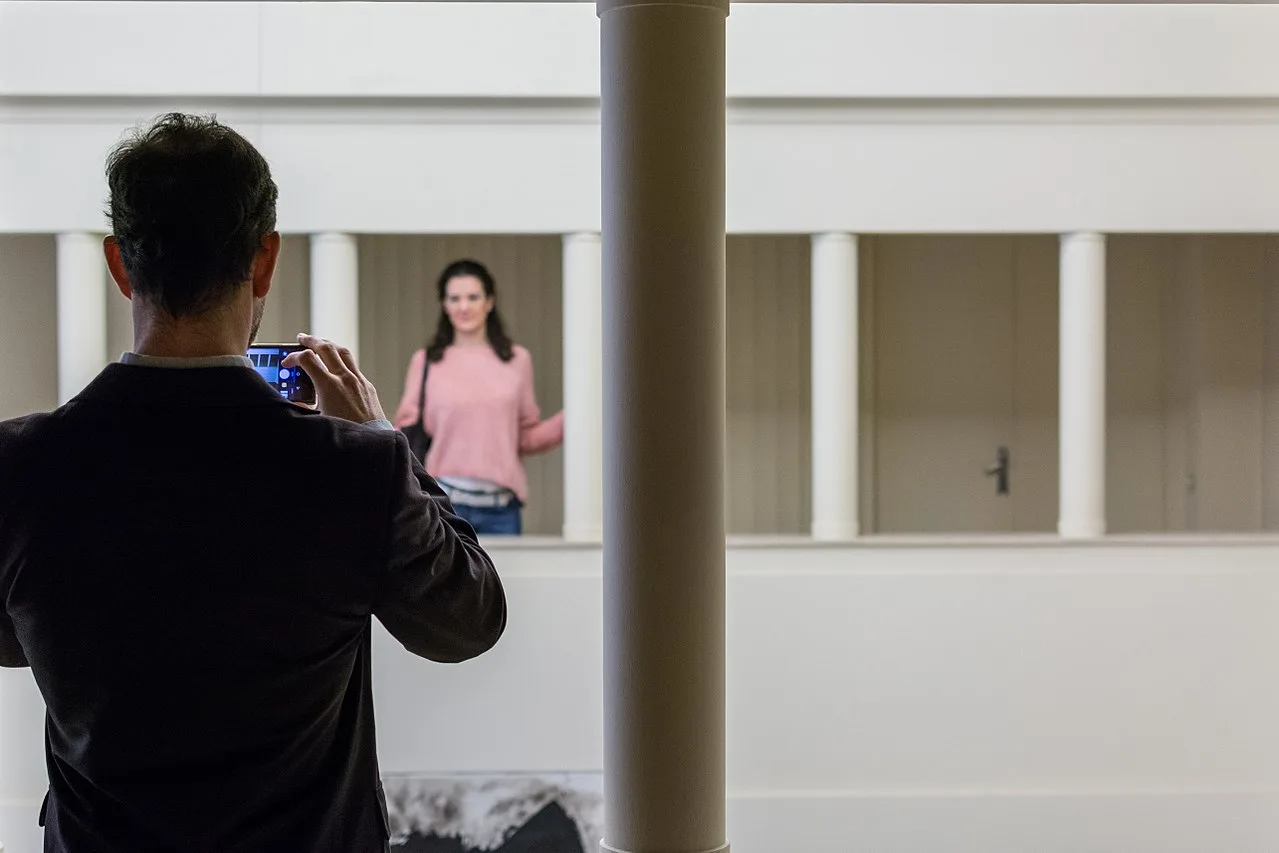
Photography is generally permitted in the permanent collection without flash. Check current rules at the entrance. The museum shop carries a small selection of publications on the collection and related design history, including catalogues from past exhibitions.
Photography is permitted in the permanent collection without flash, so feel free to capture images of objects that appeal to you. Always confirm the current rules at the entrance.
Frequently Asked Questions
What are the opening hours for Werkbundarchiv – Museum der Dinge?
The Werkbundarchiv – Museum der Dinge is generally open from Wednesday to Monday, from 12 PM to 7 PM. It remains closed on Tuesdays. Always check the official museum website for the most current information, as hours can change for holidays or special events.
How much does it cost to enter Werkbundarchiv – Museum der Dinge?
Adult admission typically costs €6, with a reduced rate of €4 for students and other eligible groups. Children under 18 often enter for free. These prices are subject to change, so confirming on the official site before your visit is a good idea.
What kind of objects are displayed at Museum der Dinge?
The museum displays a wide range of everyday objects, including furniture, household appliances, textiles, and consumer goods. Its collection focuses on German design and industrial culture from the early 20th century to the present. Each item tells a story about design, production, and societal change.
Is Werkbundarchiv – Museum der Dinge suitable for children?
While visually engaging, the conceptual nature of the Werkbundarchiv – Museum der Dinge is generally more appealing to adults and older children. There are no specific interactive exhibits for younger kids. Families with very young children might find other Berlin museums more suitable.
How long does it take to visit Museum der Dinge?
Most visitors spend between 1.5 to 2.5 hours exploring the Werkbundarchiv – Museum der Dinge. This allows ample time to view the permanent collection and any temporary exhibitions. The duration depends on your interest level and how much detail you wish to absorb from the exhibits.
Applied-Arts and Design Collections Elsewhere in Europe
The Werkbund argument — that everyday manufactured objects deserve the same scrutiny as paintings — has parallels across Europe. Milan's Villa Necchi Campiglio is a 1930s house preserved with its fittings intact, and reads as a complete argument about how modern life was supposed to be lived. The Museo del Novecento covers the Italian twentieth century that produced it. In Lisbon, the National Tile Museum traces five centuries of a single applied-art form through to industrial production.
The Werkbundarchiv – Museum der Dinge is a serious, rewarding institution that treats everyday objects as primary historical evidence. Its new Mitte location since May 2024 makes it more accessible than before, and the permanent Das Offene Depot installation remains one of the most intellectually distinctive museum experiences in Berlin.
At €6 entry with Thursday-to-Monday opening hours, it fits easily into a broader Berlin museum itinerary. Design enthusiasts, cultural historians, and anyone curious about how objects carry ideological meaning will find it genuinely illuminating.
For official details, visit the Museum der Dinge on Wikipedia.
Continue exploring
More guides you'll find useful