Calouste Gulbenkian Museum Visitor Guide: Plan Your Lisbon Visit
Plan your visit to the Calouste Gulbenkian Museum in Lisbon with our comprehensive guide. Discover must-see collections, practical tips for tickets & transport, and nearby attractions for a memorable trip.
On this page
Calouste Gulbenkian Museum Visitor Guide
The Calouste Gulbenkian Museum is one of Europe's great art collections housed in a single complex — two world-class museums linked by 7.5 hectares of modernist gardens in central Lisbon.
In 2026, both buildings are either freshly renovated or about to reopen, making this one of the best moments in decades to plan a visit.
This guide covers tickets, transport, what to see, and practical tips to make the most of your time here.
Introduction to the Calouste Gulbenkian Museum
Calouste Gulbenkian, known in oil industry circles as "Mr. Five Percent" for his 5% stake in the Iraqi Petroleum Company, spent five decades assembling one of the world's most selective private art collections. Born in Istanbul in 1869, he moved to Lisbon during World War II and ultimately bequeathed his entire collection to Portugal through a foundation established in his name. The museum that opened in 1969 on Avenida de Berna has been central to Lisbon's cultural life ever since.
The Gulbenkian complex holds two distinct institutions. The main museum building presents the Founder's Collection — roughly 1,000 objects spanning 4,000 years, from ancient Egypt through to early 20th-century European art. A separate building across the garden houses the Centro de Arte Moderna (CAM), which holds over 12,000 works by Portuguese and international artists from the 20th and 21st centuries. Both are included on a single €10 combined ticket.
In 2026 the complex is in a landmark moment: the CAM completed a major architectural renovation by Japanese architect Kengo Kuma, and the main Gulbenkian Museum building is scheduled to reopen in July 2026 after its own renovation. Check the official site at gulbenkian.pt for the latest confirmed opening dates before booking travel around this period.
Planning Your Visit: Essential Information
The museum is open Wednesday to Monday from 10:00 to 18:00. It is closed every Tuesday, as well as on 1 January, Easter Sunday, 1 May, and 24–25 December. This Tuesday closure catches many visitors off guard — double-check your day before setting off.
The museum is closed every Tuesday. Plan your visit for any other day of the week between 10:00 and 18:00, and confirm opening hours before travel during major holidays.
A combined ticket covering both the Founder's Collection and the Modern Collection (CAM) costs €10. Adding temporary exhibitions raises that to €14. Temporary exhibitions on their own are €3–5. Children under 12 enter free at all times. Visitors aged 65 and over receive a 50% discount. Carers accompanying visitors with disabilities or reduced mobility are admitted free. Lisboa Card holders receive a 20% discount on standard ticket prices.
| Ticket Type | Price | Includes |
|---|---|---|
| Combined (Permanent Collections) | €10 | Founder's Collection + CAM |
| Combined + Temporary Exhibitions | €14 | Both permanent collections + current exhibitions |
| Temporary Exhibitions Only | €3–5 | Current exhibitions only |
| Children Under 12 | Free | Founder's Collection + CAM |
| Seniors (65+) | €5 (50% off) | Founder's Collection + CAM |
| Lisboa Card Holders | €8 (20% off) | Founder's Collection + CAM |
| Sundays 14:00+ | Free | Founder's Collection + CAM |
On Sundays from 14:00, both permanent collections are free for everyone. This is one of the best free cultural offers in Lisbon — arrive by 13:30 to queue ahead of the local crowd. Book tickets in advance online through gulbenkian.pt to avoid the entrance queue, particularly on summer weekends and holiday periods.
Free entry is available every Sunday from 14:00 onwards for both the Founder's Collection and the Modern Collection. This makes it one of Lisbon's best free cultural experiences if you can visit on a Sunday afternoon.
The museum and gardens are fully accessible. Step-free routes, lifts, and accessible restrooms serve both buildings. Wheelchairs are available for loan at the entrance at no charge. Carers accompanying visitors with disabilities are admitted free, which the museum website confirms under its accessibility policy.
How to Get to the Calouste Gulbenkian Museum
Metro is the fastest and most convenient option. São Sebastião station, served by both the Blue (Azul) and Red (Vermelha) lines, is a 3–5 minute walk from the museum entrance on Avenida de Berna. If you hold a Lisboa Card, metro travel is included in the card along with the museum discount. Parque station on the Blue Line is a slightly longer but pleasant alternative, passing through Parque Eduardo VII on the way.
Several buses stop at the B.º Azul (Gulbenkian) stop directly in front of the entrance. Routes 726 and 746 are the most frequent and serve the city centre. Routes 716, 756, and 770 also reach the museum from different parts of Lisbon. Check the Carris app for real-time departures before you leave your hotel.
If driving, the museum has limited underground parking and surrounding streets in Avenidas Novas are busy on weekdays. Ride-sharing drop-off works well — ask to be set down on Avenida de Berna at the main entrance gate. Walking from Saldanha or Campo Pequeno takes around 10–12 minutes.
Exploring the Collections: Must-See Highlights
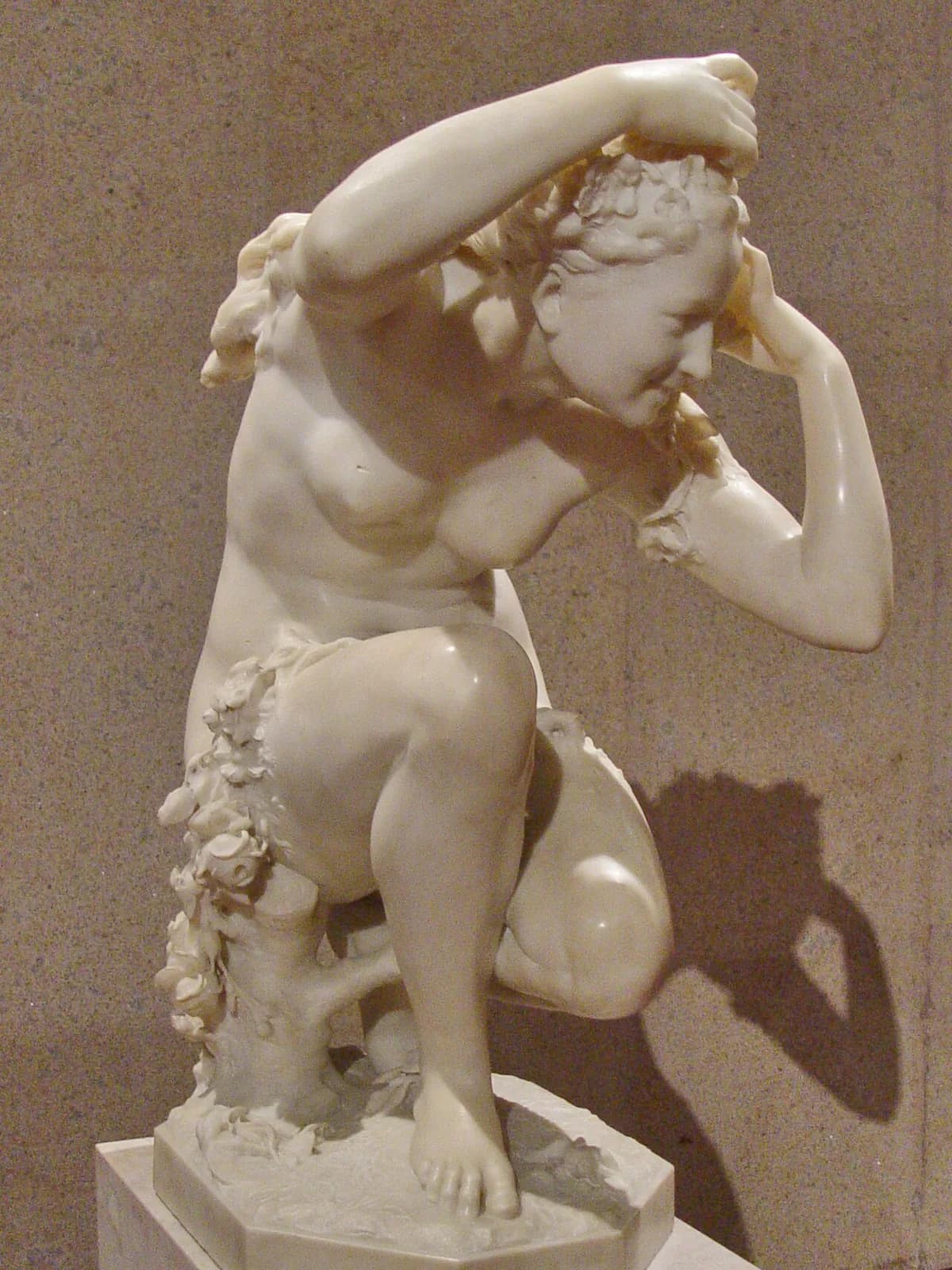
The Founder's Collection in the main museum building is where Gulbenkian's personal taste is most visible. He famously applied a single criterion: only the best. The collection opens with ancient Egyptian pieces — gilded masks, bronze figurines, and alabaster vessels — then moves through Greco-Roman glass, Islamic ceramics, carpets, and rare Armenian manuscripts. European galleries hold paintings by Rembrandt, Rubens, Monet, Renoir, Degas, and Van Dyck. Several works were purchased directly from the Hermitage in St. Petersburg, including a marble Diana by Houdon that once belonged to Catherine the Great. The dedicated René Lalique room contains over 160 pieces of Art Nouveau jewellery and glass, representing one of the most significant Lalique collections in the world — allow extra time here.
The Centro de Arte Moderna (CAM) across the garden is a different experience. Kengo Kuma's renovation transformed the building with a 100-metre engawa terrace paved with Portuguese azulejo tiles and underground exhibition spaces illuminated by full-height windows looking onto the garden. The result is a building where art and landscape flow together rather than compete. Inside, the main Nave gallery provides an expansive setting for the CAM's holdings: Portugal's largest modern art collection, including the most comprehensive body of work by Amadeo de Souza-Cardoso anywhere, along with powerful canvases by Paula Rego and large-scale sculptures by Almada Negreiros. Temporary exhibitions regularly bring international names such as Antony Gormley and David Hockney.
For a one-hour visit, prioritise the Lalique room, the Rembrandt and Monet paintings, and the Islamic art galleries in the Founder's Collection. For a two-hour visit, extend into the CAM's permanent collection focusing on Paula Rego and Amadeo de Souza-Cardoso. A half-day allows a full circuit of both buildings and time in the gardens. A multilingual audio guide is available in Portuguese, English, French, German, Spanish, and Italian — worth picking up for the Founder's Collection, where installation labels can be brief.
Beyond the Galleries: The Gulbenkian Gardens and Facilities
The 7.5-hectare garden designed by landscape architects António Viana Barreto and Gonçalo Ribeiro Telles is not an afterthought — it is the physical and conceptual link between both museums. Winding paths pass century-old trees, reflecting pools that mirror the sky, and an outdoor amphitheatre used for open-air concerts and events. Several sculptures from the CAM collection are placed throughout the garden, making the outdoor space an extension of the exhibitions inside. Access to the gardens is free year-round, and they are a popular spot for locals even on days when the museums are closed.
A cafeteria with terrace seating looks out over the park and serves light meals, pastries, sandwiches, and coffee. It is well-positioned for a mid-visit break between the two museum buildings. The museum's specialist art bookshop stocks publications on the Gulbenkian collection, Portuguese art history, Lalique, and Kengo Kuma's CAM renovation — one of the best-stocked art bookshops in the city. Cloakroom and WiFi are available in both buildings.
Nearby Attractions and Activities
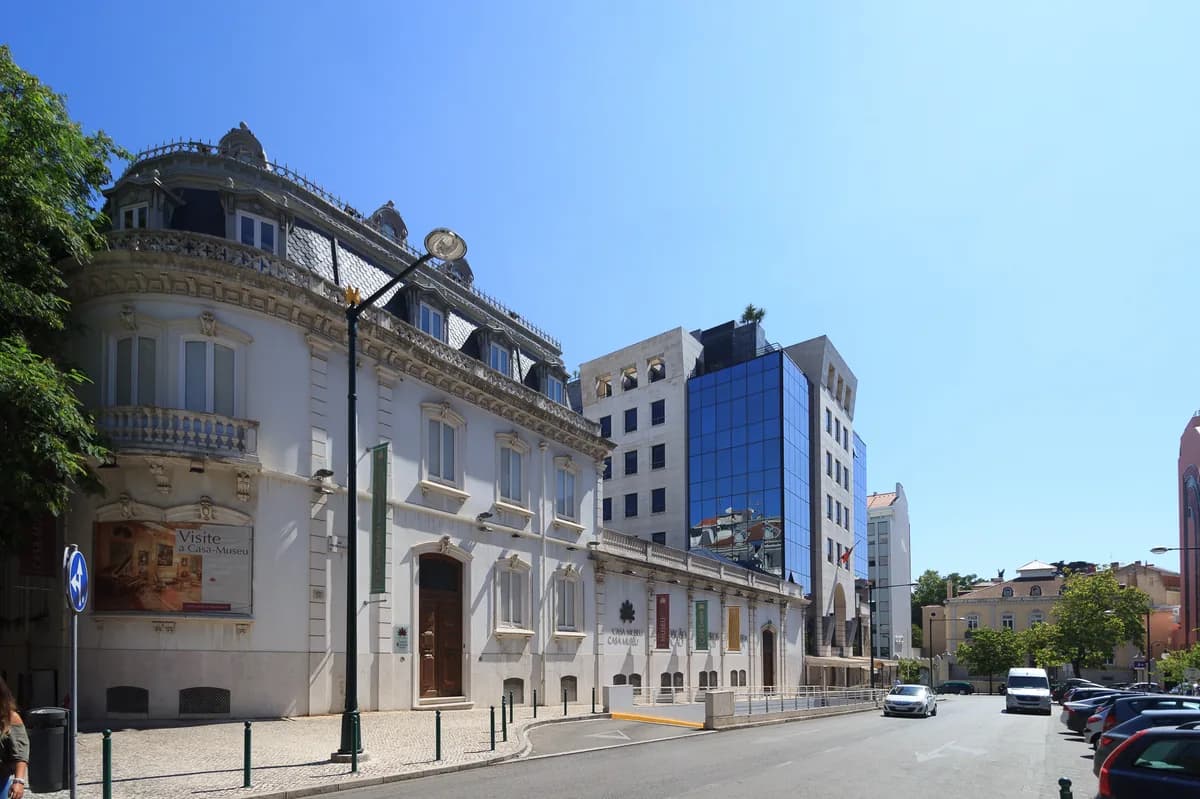
The Casa-Museu Dr. Anastácio Gonçalves is a 10-minute walk south along Avenida de Berna. This compact house museum presents a personal collection of Portuguese painting and Chinese decorative arts in an intimate late-19th-century setting. Entry costs around €3. It offers a very different atmosphere from the Gulbenkian's scale and is easy to combine in the same afternoon.
The Estufa Fria in Parque Eduardo VII is a 15-minute walk south. This remarkable botanical greenhouse, built into the hillside and covered with a slatted grid instead of glass, houses thousands of tropical and temperate plants in a cool, atmospheric interior. The Estufa Fria pairs well with a morning at the Gulbenkian if you want a contrasting outdoor experience in the same neighbourhood. For Portuguese tile art, the National Azulejo Museum is a 20-minute taxi or bus ride east toward the river — see the National Azulejo Museum page for details.
The Avenidas Novas district surrounding the museum has a practical selection of traditional Portuguese restaurants along Avenida António Augusto de Aguiar, about five minutes on foot from the entrance. This is a residential commercial street with fewer tourist traps than central Lisbon, making it a reliable option for lunch between the Gulbenkian and an afternoon attraction.
Where to Stay Near the Gulbenkian Museum
Staying in Avenidas Novas puts you on the Blue and Red metro lines with direct connections to Baixa-Chiado, the airport, and Oriente station. The neighbourhood is quieter than Alfama or Baixa, with a residential feel and genuine local restaurants. It is one of the most practical bases for visitors planning to spend significant time at museums and cultural sites rather than nightlife.
The Olissippo Marquês de Sá Hotel is the closest full-service option, positioned steps from the museum gardens. The Corinthia Lisbon and Sana Malhoa Hotel are a short walk west and offer a higher comfort tier with all-day dining and fitness facilities. Mid-range guesthouses and aparthotels are clustered around Campo Pequeno, a 10-minute walk from the museum entrance. For visitors who prefer the historic centre, staying near Marquês de Pombal puts you one metro stop from São Sebastião and the Gulbenkian.
Book accommodation well in advance if your visit coincides with summer weekends or around the July 2026 museum reopening, when demand in this part of the city tends to run higher than usual. The Avenidas Novas district consistently offers better value per room than Chiado or Príncipe Real for equivalent quality.
Tips for a Smooth Gulbenkian Experience
Wednesday and Thursday mornings are consistently the quietest times in both buildings. Arriving at 10:00 on a weekday gives you the Founder's Collection — particularly the Lalique room and the European paintings — largely to yourself before tour groups arrive around 11:00. Avoid Friday afternoons and weekends for a calmer visit. The free Sunday entry from 14:00 draws a local crowd that creates a pleasant atmosphere, but the galleries are livelier than weekday mornings.
Families with children under 12 pay nothing. The gardens give children space between gallery rooms without having to leave the complex. The CAM's more open architectural spaces and larger contemporary works tend to hold younger visitors' attention better than the Founder's Collection's smaller, denser galleries. Check the museum website for any scheduled family workshops or children's programmes — these run sporadically throughout the year and are not always advertised far in advance.
Wear comfortable shoes: the full circuit of both museums and the garden covers roughly 2–3 km of walking on a mix of polished stone floors and outdoor paths. Bring earphones if you plan to use the audio guide — the museum loans a device, but audio quality improves noticeably with your own earphones. Stay hydrated during summer; the cafeteria is the only drinks point between the two buildings, and the garden can be exposed in the afternoon heat.
Frequently Asked Questions
How much time should you plan for a visit to the Calouste Gulbenkian Museum?
Plan at least 2-3 hours to comfortably explore both the Founder's and Modern Collections. If you wish to also enjoy the beautiful Gulbenkian Gardens and have a coffee break, allocate a half-day or around 4-5 hours for a comprehensive experience.
What are the best ways to get to the Calouste Gulbenkian Museum?
The best ways to reach the museum are by metro or bus. The São Sebastião metro station (Blue and Red lines) is just a 5-10 minute walk away. Several bus lines also stop directly at the museum entrance, offering convenient access from across Lisbon.
Are there combined tickets for the Gulbenkian Museum and other Lisbon attractions?
While the Calouste Gulbenkian Museum primarily offers tickets for its own collections and exhibitions, you may find combined tickets with other local attractions through third-party tour operators. Always check the official museum website or reputable ticketing platforms for current offers and bundles.
What are the must-see pieces in the Gulbenkian collection?
Must-see pieces in the Founder's Collection include ancient Egyptian artifacts, Roman glass, Islamic ceramics, and paintings by Rembrandt, Rubens, and Monet. Don't miss the exquisite collection of Art Nouveau jewelry by René Lalique. The Modern Collection features significant works by 20th-century Portuguese artists.
What facilities are available at the Gulbenkian Museum (cafes, shops, accessibility)?
The Calouste Gulbenkian Museum offers several facilities including a cafe and restaurant for meals and refreshments, and a well-stocked gift shop. It is fully accessible with ramps, elevators, and available wheelchairs for loan, ensuring a comfortable visit for everyone. The expansive gardens are also open to the public.
The Calouste Gulbenkian Museum offers an unparalleled cultural experience in Lisbon, and 2026 is a particularly good year to visit with both buildings freshly renovated or about to reopen.
Armed with the right timing, a clear sense of what to prioritise in each collection, and an awareness of the free Sunday entry, you can structure a visit that suits your budget and pace.
Plan ahead, book online, and allow at least half a day to do the complex justice.
For the latest official information, see the Calouste Gulbenkian Museum on Wikipedia.
Planning more of your trip? See our guides to hidden gems in Lisbon.
Continue exploring
More guides you'll find useful