Musée Cognacq-Jay Visitor Guide: 8 Essential Tips for Your Visit
Plan your trip to Musée Cognacq-Jay with our expert guide. Discover 18th-century art, the Samaritaine legacy, and practical Marais visiting tips for 2026.
On this page
Musée Cognacq-Jay Visitor Guide: 8 Essential Tips for Your Visit
Tucked away in the heart of the Marais, the Musée Cognacq-Jay offers a refined escape into the French Enlightenment. This charming museum showcases an exquisite collection of 18th-century art within the Renaissance Hôtel de Donon at 8 rue Elzévir, 75003 Paris. Our comprehensive musee cognacq-jay visitor guide helps you navigate this hidden treasure in Paris effectively. The permanent collection is free for everyone, and the intimate scale makes it one of the most rewarding museum visits in the city.
Visitors often overlook this site in favor of larger galleries, yet its intimacy provides a superior experience. You will find works by legendary artists like Boucher, Fragonard, Chardin, and Watteau displayed in rooms arranged to evoke actual 18th-century domestic interiors. The museum captures the elegance of the Rococo era through furniture, sculpture, and fine paintings. Plan your visit to enjoy one of the most peaceful cultural spots in the bustling capital.
The Legacy of Ernest Cognacq and Marie-Louise Jaÿ
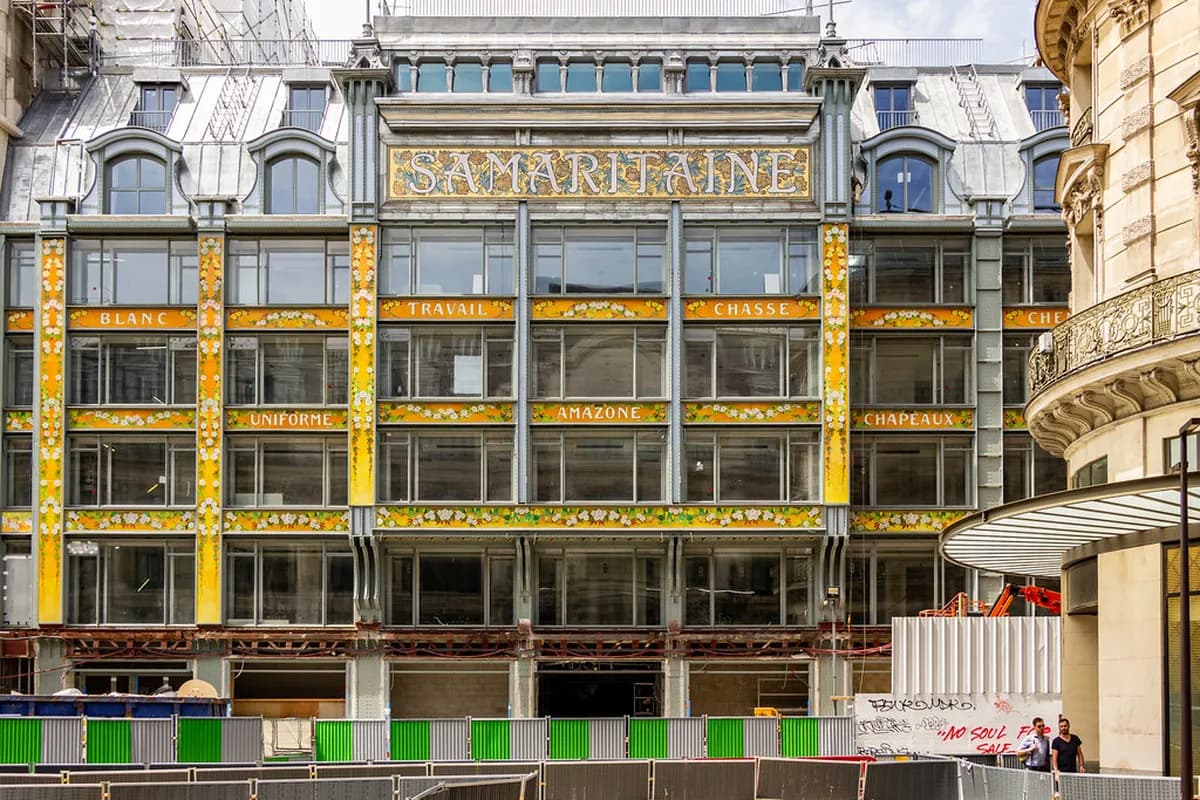
Théodore-Ernest Cognacq was born in 1839 on the Île de Ré off the Atlantic coast. His father died when he was just 12, leaving the family destitute, and Ernest was forced to leave school to work as a traveling salesman. He arrived in Paris, found work at a department store, and met his future wife Marie-Louise Jaÿ, who was employed in the dressmaking department of Le Bon Marché. After an early failed shop on Rue Turbigo and a period as a street hawker beneath Pont-Neuf, he tried again at the junction of Rue du Pont-Neuf and Rue de la Monnaie.
That second venture became La Samaritaine, one of the most successful department stores in French history. The couple's innovations — clearly displayed prices, daily promotions, and the revolutionary concept of trying on clothes before buying — drove sales from 600,000 francs in 1882 to over a billion francs by 1925. With their fortune, the Cognacqs collected art obsessively between 1900 and 1927, focusing exclusively on 18th-century works. They also founded a children's nursery, a maternity clinic, a botanical garden in Haut-Savoie, and the Prix Cognacq-Jay, still awarded by the Académie Française today.
Ernest bequeathed the entire collection to the City of Paris upon his death in 1928, with the condition that it remain freely accessible to the public. The museum first opened in 1929 near the Opéra Garnier on Boulevard des Capucines. In 1990 it was relocated to the Hôtel de Donon in the Marais, the setting it occupies in 2026. Understanding this rags-to-riches narrative adds a layer of depth to every room you enter.
Masterpieces of the 18th-Century Collection
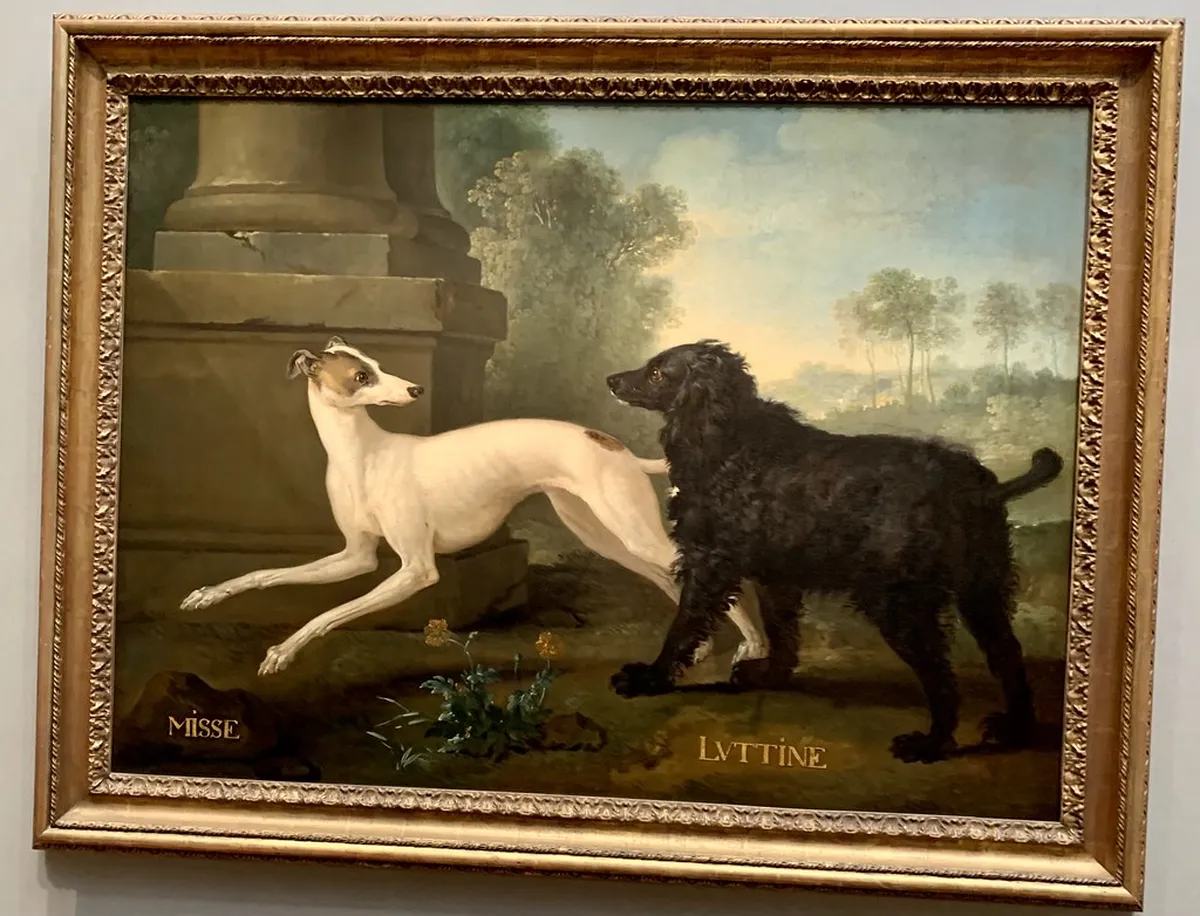
The collection holds roughly 1,200 pieces and covers the full breadth of French Rococo and Enlightenment art. François Boucher's pastoral scenes are among the highlights — lush, soft-toned works that capture idealized leisure and nature. Jean-Honoré Fragonard's playful compositions sit alongside them, and Jean-Siméon Chardin's quieter domestic paintings offer a striking contrast, grounding the collection in everyday 18th-century life. Antoine Watteau, the originator of the fête galante genre, is also represented with works that show the collection's historical range beyond its more famous names.
Beyond painting, Canaletto's detailed Venetian canal scenes provide context for the Grand Tour culture that wealthy 18th-century Europeans embraced. The museum holds sculptures by Jean-Antoine Houdon and Jean-Baptiste Lemoyne, decorative porcelain, intricate snuffboxes, and elaborate gilded furniture. Exploring these items feels like visiting a similar private collection at the Musée Jacquemart-André across town, but in a more intimate setting. The pastel portraits by Maurice-Quentin de La Tour and Jean-Baptiste Perronneau are particularly worth seeking out — they offer an unusually direct look at the faces of Enlightenment society.
One practical tip: the collection is organized across multiple floors of the Hôtel de Donon, with paintings, furniture, and objects mixed together in each room rather than separated by medium. This arrangement rewards slow looking. Allow at least 90 minutes for a thorough visit, and pick up a floor plan at the entrance to identify the Boucher and Fragonard works, which are spread throughout the building.
The collection holds works by legendary artists like Boucher, Fragonard, Chardin, and Watteau displayed in rooms arranged to evoke 18th-century domestic interiors.
Rooms as Living Spaces: The Collection's Distinctive Display
What sets the Musée Cognacq-Jay apart from most Paris museums is how the objects are presented. Rather than white-wall gallery hanging, the rooms are arranged to evoke the atmosphere of an 18th-century private residence — paintings hung close together at period height, furniture placed as it would be used, and decorative objects integrated into the room rather than isolated in cases. This approach was deliberate from the start and reflects Ernest Cognacq's original vision of a domestic collection rather than an institutional one.
The result is a quality of attention that larger museums rarely achieve. You notice how a Boucher above a fireplace reads differently than it would on a neutral gallery wall. Small bronzes sit on credenzas alongside porcelain, and the scale of each room keeps the experience from becoming overwhelming. Visitors who come expecting a conventional museum sometimes leave surprised — it feels closer to a very well-furnished historic house than a public institution.
The 2015 renovation by fashion designer Christian Lacroix leaned into this sensibility. Lacroix introduced bold wall coverings — deep jewel tones and patterned fabrics — and updated the lighting to enhance the period atmosphere rather than neutralize it. The renovation was polarizing among purists but broadly increased the visual coherence of each room. It also helped attract a younger audience who might otherwise have bypassed a museum of decorative arts. The Lacroix intervention is now one of the most-cited reasons returning visitors come back.
The Historic Hôtel de Donon: Architecture and Setting
The museum occupies the Hôtel de Donon, a Renaissance-era mansion dating to around 1575. Its architecture features a classic courtyard, stone facades, and a steep traditional Parisian roofline. The building is a listed historic monument and one of the best-preserved hôtels particuliers in the Marais, the network of aristocratic private mansions that gives the district its distinctive character. Walking through its halls feels more like visiting a home than a sterile institution.
The location at 8 rue Elzévir places the museum in the quieter northern part of the Marais, away from the weekend crowds that fill rue des Francs-Bourgeois. The building is just steps away from the Musée de la Chasse et de la Nature on rue des Archives, another hôtel particulier museum that makes an excellent pairing. The timber-framed attic and the small enclosed courtyard are features worth pausing over before you enter the galleries proper.
Essential Visitor Information: Hours and Tickets
The permanent collection is free for all visitors — no booking required. This is a benefit of the museum's status as one of fourteen City of Paris museums managed under Paris Musées. Temporary exhibitions require a paid ticket: the combined rate is €11 full price and €9 reduced, and the same ticket covers both the temporary show and the permanent collection. Check the official website before your visit, as temporary exhibition dates and prices can change.
Opening hours are Tuesday to Sunday, 10:00 to 18:00. The museum is closed on Mondays and on some French public holidays. Arriving on a Tuesday or Wednesday morning gives you the calmest conditions — weekends in the Marais are busy, and while the Cognacq-Jay is far less crowded than the Picasso Museum or the Carnavalet, it is not immune to the afternoon peak. The Paris Museum Pass does not cover this museum for the permanent collection (since entry is already free), but it does apply to temporary exhibitions, so check your pass terms if you hold one.
Security checks are quick at this small museum. Large bags must be left at the cloakroom. The address is 8 rue Elzévir, 75003. The nearest Métro is Saint-Paul (line 1) or Rambuteau (line 11), both a short walk away. For group reservations or tour booking, call +33 (0)1 40 27 88 89, Monday to Friday 10:00 to 13:00, or email via the official site.
- Address: 8 rue Elzévir, 75003 Paris (3rd arrondissement, Marais)
- Hours: Tuesday–Sunday, 10:00–18:00; closed Monday
- Permanent collection: free, no reservation needed
- Temporary exhibitions: €11 full / €9 reduced (combined ticket)
- Nearest Métro: Saint-Paul (line 1) or Rambuteau (line 11)
Navigating the Museum: Accessibility and Services
Because of the historic nature of the Hôtel de Donon, not all parts of the museum are fully accessible to visitors with reduced mobility. The parisjetaime.com tourist office lists the museum as having adapted exhibition spaces and trained staff, but the building's Renaissance structure means some areas involve stairs that cannot be avoided. Visitors with specific accessibility needs should contact the museum directly in advance at +33 (0)1 40 27 88 89 to discuss what can be arranged. The official accessibility guide provides a detailed layout of which floors and rooms are reachable.
The museum offers several services for visitors with sensory or cognitive differences. These include tactile tours, tours in French Sign Language (LSF), langue parlée complétée (LPC), and langue des signes française (LL). The accompanying person of a visitor with a disability enters free. People with disabilities also receive free admission on presentation of a valid ID. Audio guides are available in multiple languages for general visitors, and printed room-by-room brochures are free at the entrance desk.
There is no café on-site, so plan your coffee or lunch for before or after your visit — the Marais has excellent options within a short walk. A cloakroom is available for coats and umbrellas. Restrooms are on-site. The museum shop is small but stocks 18th-century art reproduction prints and quality exhibition catalogues. Most visitors find 60 to 90 minutes sufficient for the permanent collection; add 30 minutes if a temporary exhibition is on.
Arriving on a Tuesday or Wednesday morning gives you the calmest conditions; weekends in the Marais are busy. Security checks are quick at this small museum, and large bags must be left at the cloakroom.
Guided Tours and Group Experiences
The museum runs its own public guided tours in French, with occasional tours in English during peak seasons. These are typically free with museum admission and focus on specific rooms or thematic threads within the collection — such as the Rococo painters, the decorative arts, or the history of Ernest Cognacq. Check the official English portal for the current schedule, as tour offerings change with each temporary exhibition cycle. Workshops for children and students are available throughout the year, often focused on 18th-century craftsmanship or portraiture.
Private guided tours of the museum and the surrounding Marais are offered by several tour operators. LeFrenchWay runs a guided experience of the Cognacq-Jay that combines the museum with a broader Marais circuit, available in French, English, and Spanish in groups of up to ten participants, with a private option. Groups of ten or more visitors must book in advance directly with the museum. Corporate groups and school parties have access to adapted mediation services and workshops — call or email the museum's reservations line to arrange.
Planning Your Visit to the Marais District
The Musée Cognacq-Jay pairs naturally with the Musée Carnavalet, which charts the full history of Paris and is also free as a City of Paris museum. The two are a seven-minute walk apart. Place des Vosges, the oldest planned square in Paris, is a ten-minute walk south and offers a natural stopping point for a rest before or after the Cognacq-Jay. The Musée Picasso, also in the Marais, is another option if you want to extend the day into the 20th century.
Consider visiting the Musée de Montmartre on a separate day if you enjoy smaller, atmospheric historic-house museums — the Cognacq-Jay and the Montmartre museum share a quality of intimacy that sets them apart from Paris's major institutions. The Marais is also well-served by independent galleries, Jewish bakeries on rue des Rosiers, and vintage boutiques on rue de Bretagne. Combining the Cognacq-Jay with a neighborhood walk through the 3rd arrondissement makes for a full, rewarding afternoon without rushing.
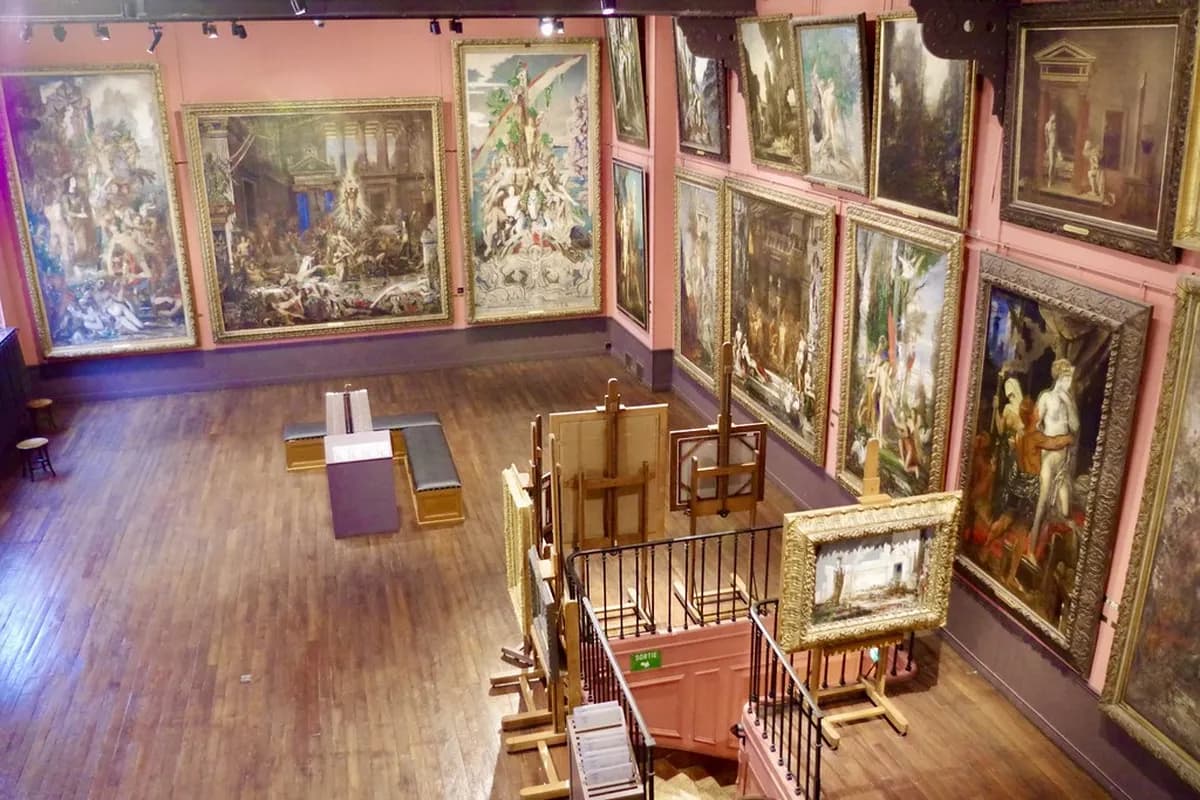
For a different artistic register, the Musée Gustave Moreau in the 9th arrondissement rewards a separate visit. The 3rd arrondissement remains one of the most walkable and rewarding areas for tourists. Many travelers find that staying in the Marais provides the best access to hidden gems. The winding medieval streets can disorient, so download a map before you set out — street numbers do not follow the usual Parisian pattern in this part of the district.
Frequently Asked Questions
Is the Musée Cognacq-Jay free to visit?
Yes, access to the permanent collection at the Musée Cognacq-Jay is free for everyone. However, visitors usually need to purchase a ticket for temporary exhibitions. You can check the latest prices on the official website before you arrive in 2026.
How much time do you need at the Cognacq-Jay Museum?
Most visitors spend between 60 and 90 minutes exploring the galleries. This allows enough time to admire the major paintings and the decorative arts. If you also visit the Musée de la Vie Romantique, you can compare different historic house styles.
Who were Ernest Cognacq and Marie-Louise Jaÿ?
They were the founders of the La Samaritaine department store and avid art collectors. Their success allowed them to gather a world-class collection of 18th-century works. They donated their treasures to the city to share the beauty of the Enlightenment era.
What are the must-see paintings in the Cognacq-Jay collection?
Look for the works of François Boucher, Jean-Honoré Fragonard, and Canaletto. The museum also features impressive portraits by Maurice-Quentin de La Tour. These pieces represent the pinnacle of Rococo and Enlightenment artistic achievement in France.
Comparable Private Collections Across Europe
The Cognacq-Jay belongs to a specific European type: a self-made couple's collection left to the public and shown in domestic rooms rather than galleries. London's Wallace Collection is the closest match of all, built around the same French eighteenth-century painting, furniture and porcelain the Cognacqs chased. In Madrid, the Museo Lázaro Galdiano fills a mansion with a financier's omnivorous holdings. Milan's Museo Bagatti Valsecchi was assembled by two brothers who furnished their home as a Renaissance interior. For the period rooms themselves, Venice's Ca' Rezzonico is the eighteenth-century benchmark. Closer to hand, the Musée Jacquemart-André makes the natural Paris pairing.
The Musée Cognacq-Jay remains one of the most rewarding cultural experiences in the Marais. Its unique blend of a rags-to-riches legacy and 18th-century elegance is truly captivating. By following our musee cognacq-jay visitor guide, you can maximize your time in this historic mansion. We hope your visit to this artistic sanctuary is a highlight of your Parisian journey.
Whether you are an art historian or a casual traveler, the Hôtel de Donon will charm you. Take time to appreciate the small details that make this collection so personal. The spirit of the Enlightenment lives on through these carefully preserved treasures. Enjoy your exploration of one of the finest small museums in the world.
For the latest official information, see the Musée Cognacq-Jay on Wikipedia.
Continue exploring
More guides you'll find useful