Musée de la Vie Romantique: Reopened - Entry, Hours, Highlights
Reopened 14 February 2026 after a 17-month renovation: free entry to the permanent collection, opening hours, and villa highlights in the 9th arrondissement.
On this page
Musee De La Vie Romantique Visitor Guide
The Musée de la Vie Romantique reopened on 14 February 2026 after a 17-month renovation — and it is better than ever. The 1830s villa at 16 rue Chaptal, in the quiet Nouvelle Athènes quarter of the 9th arrondissement, was the home and studio of Romantic painter Ary Scheffer, and it now presents its permanent collection with a completely reimagined interior.
The permanent collection is free for all visitors, as with every City of Paris museum. This guide covers what to see, how long to allow, how to get there, and what the 2026 renovation has changed — so you can plan a smooth, rewarding visit to one of Paris's most intimate museums.
Newly Reopened in 2026: What the Renovation Changed
The museum closed in September 2024 for major refurbishment works and reopened on Valentine's Day 2026 — a fitting date for a museum dedicated to Romanticism. The exterior façade has been recoated in lime in the traditional 19th-century style, with windows and shutters restored to their original light-brown colour, based on an 1865 painting preserved in the Dordrecht Museum in the Netherlands.
Inside, the exhibition rooms have been reimagined to feel like an artist's private home from the 1830s rather than a conventional museum. Each room has its own colour scheme, and an improved pathway now leads visitors more naturally through the garden to the Rose Bakery greenhouse tea shop. The collection has also been entirely re-presented, giving even returning visitors a reason to come back.
The inaugural post-reopening temporary exhibition is dedicated to the Romantic landscape painter Paul Huet (1803–1869) and runs until 30 August 2026. It focuses on his luminous depictions of skies and natural scenery — a good companion to the permanent George Sand and Scheffer rooms if you visit before summer ends.
Must-See Musee Attractions
The ground floor is devoted entirely to George Sand — portraits, furniture, jewellery, watercolours, and plaster casts of her right arm and of Chopin's delicate left hand, all gifted to the museum by Sand's descendants. These objects make the literary relationship between Sand and Chopin tangible in a way that a biography never can.
On the first floor you find Ary Scheffer's own paintings alongside mementos of the Romantic era: bronzes, sculptures, and objects related to the scholar and writer Ernest Renan, whose connection to the house gives the mansion its official name — Hôtel Scheffer-Renan. The second floor houses Romantic canvases and additional sculptures that fill in the broader cultural context of the period.
The two garden studios, once used as a field hospital during the Paris Commune of 1870–1871, have been transformed into exhibition spaces for Scheffer's paintings. They are separate from the main house and feel more gallery-like — a useful contrast after the intimate domestic rooms inside.
Who Was Ary Scheffer?
Ary Scheffer was born in the Netherlands in 1795, the son of two artists. After his father was appointed court painter to Louis Bonaparte and died shortly after, Scheffer and his mother moved to Paris, where he studied at the École des Beaux-Arts. He began exhibiting at the Salon de Paris in 1812 and gained early recognition through a portrait of the Marquis de Lafayette.
Scheffer lived in the rue Chaptal villa for thirty years, though he never owned it — it was his daughter Cornelia who purchased the property after his death and preserved it as a memorial. During his lifetime, he hosted famous Friday-night salons where George Sand, Chopin, Delacroix, Ingres, Liszt, Charles Dickens, and Ivan Turgenev were all regular guests. These gatherings made the house one of the most important cultural meeting points in 19th-century Paris.
Later in life Scheffer was appointed commander of the Legion of Honour and escorted the French royal family from the Tuileries during the 1848 uprisings. He died in 1858 and is buried in Montmartre cemetery. His niece married the celebrated writer and scholar Ernest Renan, which is why the mansion carries the name Hôtel Scheffer-Renan to this day.
Museums, Art, and Culture in Musee
The Musée de la Vie Romantique is one of the City of Paris museums under the Paris Musées umbrella, which means the permanent collection is always free. It provides a different experience from the grand halls of the Musée Jacquemart-André nearby — the scale is intimate, the rooms domestic, and you genuinely feel you are inside someone's former home rather than a purpose-built gallery.
The collection focuses on the Romantic movement that swept Europe in the mid-1800s: art, literature, music, and intellectual life converging in a single private address. The Nouvelle Athènes district was the epicentre of this scene, and the museum documents it through the lives of its most famous residents rather than through abstract art-historical categories.
Annual temporary exhibitions, occasional concerts, and readings are programmed throughout the year. The museum also holds special events for European Heritage Days in September, which may open areas not normally accessible. Check the schedule at museevieromantique.paris.fr before your visit.
Parks, Gardens, and Outdoor Spots in Musee
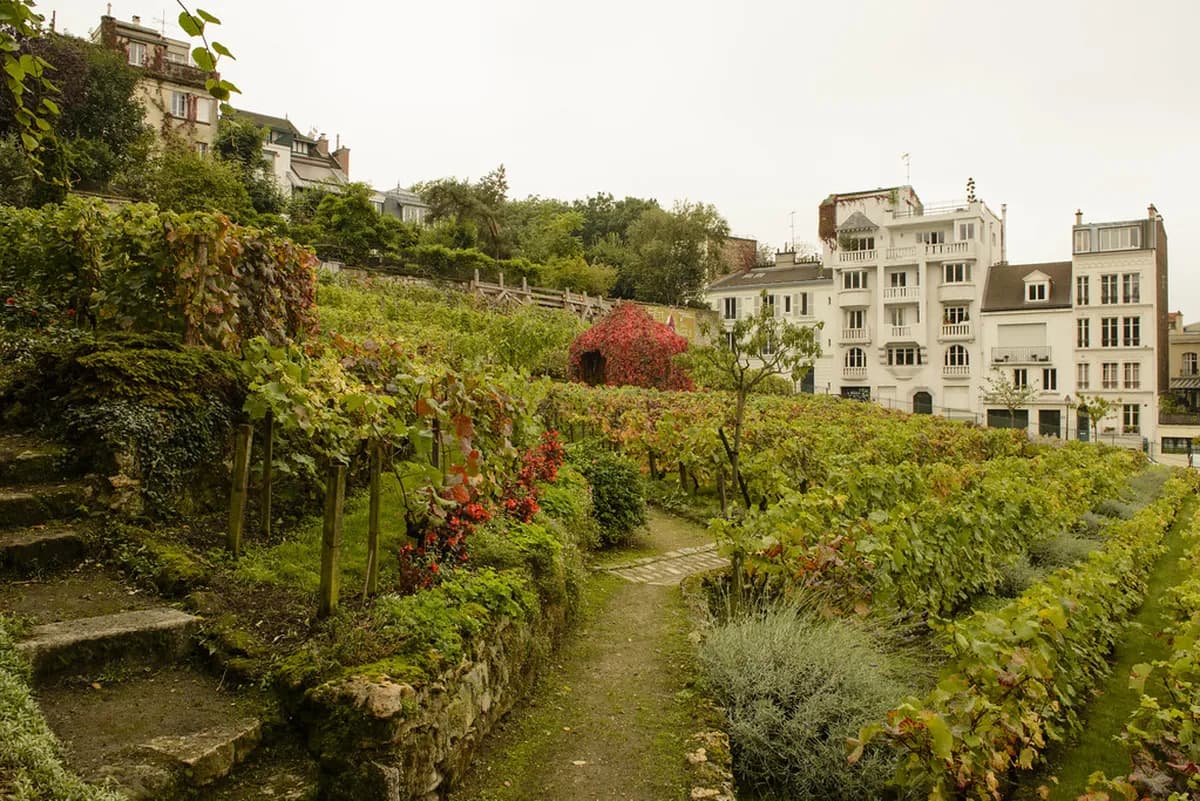
The museum courtyard garden is one of the most peaceful spots in the 9th arrondissement. Roses, old trees, and flowering bushes line the cobbled path from the entrance gate to the house — you often hear the street noise disappear within a few steps of turning off rue Chaptal.
The Rose Bakery tea salon is set in the garden and serves tea, light lunch, and cake among the roses. It is a perfect spot to rest, especially in spring and early summer when the garden is at its peak.
A greenhouse at the back of the garden houses the Rose Bakery tea salon, open Tuesday to Sunday during the museum's operating hours. It is a popular spot for tea, light lunch, and cake among the roses, especially in spring and early summer. The 2026 renovation improved the path leading to the greenhouse, making it easier to find on a first visit.
You can enjoy the garden without entering the house, making it a genuinely free outdoor stop on any itinerary. Many visitors pair a garden break here with a walk through the surrounding Nouvelle Athènes streets before continuing up the hill to Musée de Montmartre.
Family-Friendly and Budget-Friendly Options in Musee
The permanent collection is free for every visitor, no booking required — simply walk in during opening hours. This makes the museum one of the most budget-friendly cultural stops in Paris, and it is worth knowing this before you visit, since some listings online give the impression that a ticket is always needed.
As a City of Paris museum, the permanent collection is always free. No advance booking is needed — you can walk in during opening hours any day the museum is open, making it a budget-friendly stop for art lovers.
Only temporary exhibitions require a paid ticket, with prices varying by show. For the Paul Huet exhibition running until 30 August 2026, check the Paris Musées website for the current ticket price and whether timed-entry booking is recommended during busy summer periods.
The small scale of the property makes it manageable for families with younger children. The garden gives kids space to move around while adults take their time in the house. Budget travelers looking for a similar literary-house experience nearby should also consider the Maison de Balzac, which is also a free City of Paris museum.
Nouvelle Athènes
The museum sits in the heart of the Nouvelle Athènes district, an area developed in the early 1800s for artists, writers, and bourgeois intellectuals who wanted to live within reach of Paris but away from its crowded centre. The name refers to the neoclassical architecture that defined its streets — elegant stone façades, ornate doorways, and private courtyards that remain largely intact today.
Walking through the surrounding streets reveals former residences of many famous 19th-century figures. The area feels distinctly calmer than the Pigalle end of the 9th arrondissement a few blocks away. Allow 20–30 minutes to stroll through before or after the museum; the streets around rue Saint-Lazare and rue de la Tour des Dames are particularly well-preserved.
Opening and Closing Times
The museum is open Tuesday to Sunday from 10:00 to 18:00. It is closed on Mondays and on three public holidays: 25 December, 1 January, and 1 May. The garden and tea salon keep the same hours as the museum.
Always verify the current schedule at museevieromantique.paris.fr before your trip, particularly around public holidays or if you are timing a visit around a specific temporary exhibition. The museum is at 16 rue Chaptal, 75009 Paris; phone +33 (0)1 55 31 95 67.
Services and Facilities
The museum's reception desk stocks printed brochures in several languages and can advise on the current temporary exhibition programme. The Rose Bakery tea salon in the garden is operated independently and does not require a museum ticket — you can go directly to the greenhouse from the garden entrance on rue Chaptal without passing through the house.
The ground floor and garden are accessible to most visitors, but the historic building presents challenges: narrow paths and staircases limit access to upper floors for visitors with reduced mobility. Check the accessibility section of the official website for the most up-to-date information after the 2026 renovation.
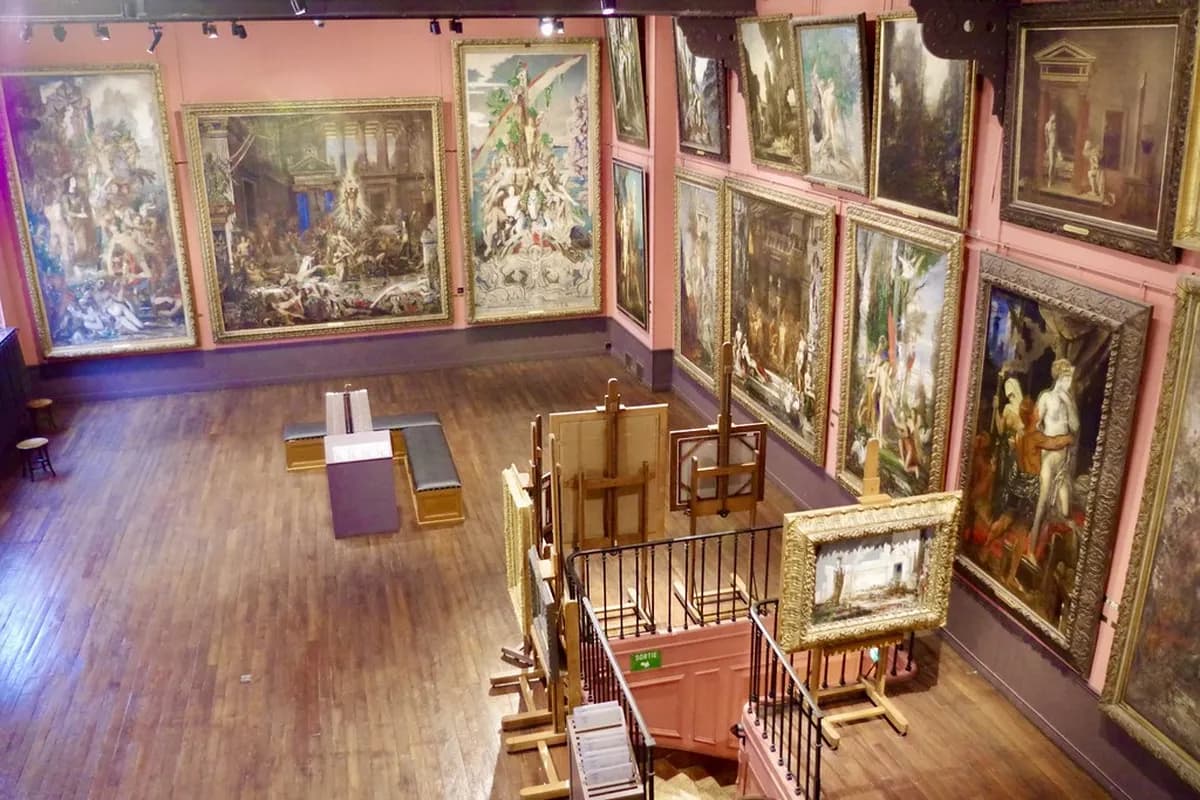
No cloakroom is required for the permanent collection. Photography is generally permitted in the permanent galleries without flash. The Musée Gustave Moreau, another small Romantic-era artist's house, is about a ten-minute walk away and makes a natural pairing.
How to Plan a Smooth Musee Attractions Day
The closest metro stations are Saint-Georges (line 12), Pigalle (lines 2 and 12), and Blanche (line 2), all within a 5–10 minute walk. The entrance is down a short cobbled alley off rue Chaptal — look for the green gate. Wear comfortable shoes, as the path and courtyard have uneven surfaces.
Most visitors spend 45 minutes to an hour in the two-floor house. Add extra time if there is a temporary exhibition or if you plan to sit in the tea salon. Combined, allow 90 minutes to two hours. Arriving before noon gives you the quietest experience; the tea garden fills up on warm afternoons in spring and summer.
A natural day plan combines this museum with the Nouvelle Athènes neighbourhood walk and then continues up the hill to Montmartre. The Musée Gustave Moreau on rue de la Rochefoucauld is also close by and focuses on the Symbolist paintings of Scheffer's artistic successor in the same neighbourhood.
Discover the Exhibitions in the Spotlight
The museum's temporary exhibitions are held in the separate garden pavilion studios and require a paid ticket. These rotating shows typically highlight a specific Romantic or 19th-century artist, or explore a niche historical theme connected to the era. Booking a timed-entry slot online via Paris Musées is recommended during busy periods, especially for summer exhibitions.
The Paul Huet exhibition — the inaugural show after the 2026 reopening — runs until 30 August 2026 and focuses on his atmospheric landscapes and the visual motif of the sky. After that, the museum's autumn and winter 2026 programme will be announced on the official website. The permanent collection is always available for free regardless of what is showing in the temporary galleries.
Musée de la Vie Romantique Resources
The official website at museevieromantique.paris.fr carries the current exhibition programme, ticket prices, and accessibility details. It is the most reliable source for any changes introduced after the 2026 renovation. The site is available in French and English.
The Paris Musées pass gives free or discounted access to the network of City of Paris museums and can be worth buying if you plan to visit more than two or three paid-exhibition sites in a single trip. Information is available at parismusees.paris.fr. The Musée de la Vie Romantique's Wikipedia article also provides a solid historical overview for background reading before your visit.
Frequently Asked Questions
Who was Ary Scheffer?
Ary Scheffer was a Dutch-French painter who lived and worked in this house during the 19th century. He was a prominent figure in the Romantic movement and hosted many famous artists and writers. His former studio now serves as a core part of the museum's permanent collection.
How much time should you plan for the museum?
Most visitors spend between one and two hours exploring the house and the garden. If you plan to have tea at the Rose Bakery, add an extra hour for relaxation. The small scale makes it a perfect addition to a larger Paris itinerary.
Is the museum accessible for travelers with disabilities?
The ground floor and garden are generally accessible, but the historic nature of the building presents some challenges. Narrow paths and stairs to upper floors may limit access for some visitors. It is best to check the official site for specific accessibility details.
Romantic-Era House Museums Elsewhere
Madrid runs the most direct counterpart: the Museo del Romanticismo reconstructs a nineteenth-century bourgeois interior room by room and covers the same decades from a Spanish vantage point. In Milan, the Casa Museo Boschi Di Stefano is a preserved apartment hung floor to ceiling with a collector couple's paintings — a later period, but the same pleasure of seeing art in the rooms it was lived with.
The Musée de la Vie Romantique is one of the few Paris museums that genuinely feels like stepping into the 19th century rather than looking at it through glass. The 2026 renovation has sharpened that feeling considerably, restoring the house's original character while improving the visitor route through the garden.
With free permanent collection entry, a peaceful garden tea salon, and a walkable neighbourhood full of Romantic-era architecture, it earns its place on any Paris itinerary that goes beyond the major landmarks. Plan your visit around the Paul Huet exhibition if you are in Paris before the end of August 2026.
To verify current details, consult the Musée de la Vie Romantique on Wikipedia.
Continue exploring
More guides you'll find useful