Museo del Romanticismo Visitor Guide: Plan Your Madrid Museum Trip
Unlock the Museo del Romanticismo with our comprehensive visitor guide. Get essential tips, historical context, ticket info, and reviews to plan your perfect trip to this Madrid gem.
On this page
Museo del Romanticismo Visitor Guide: Plan Your Perfect Visit
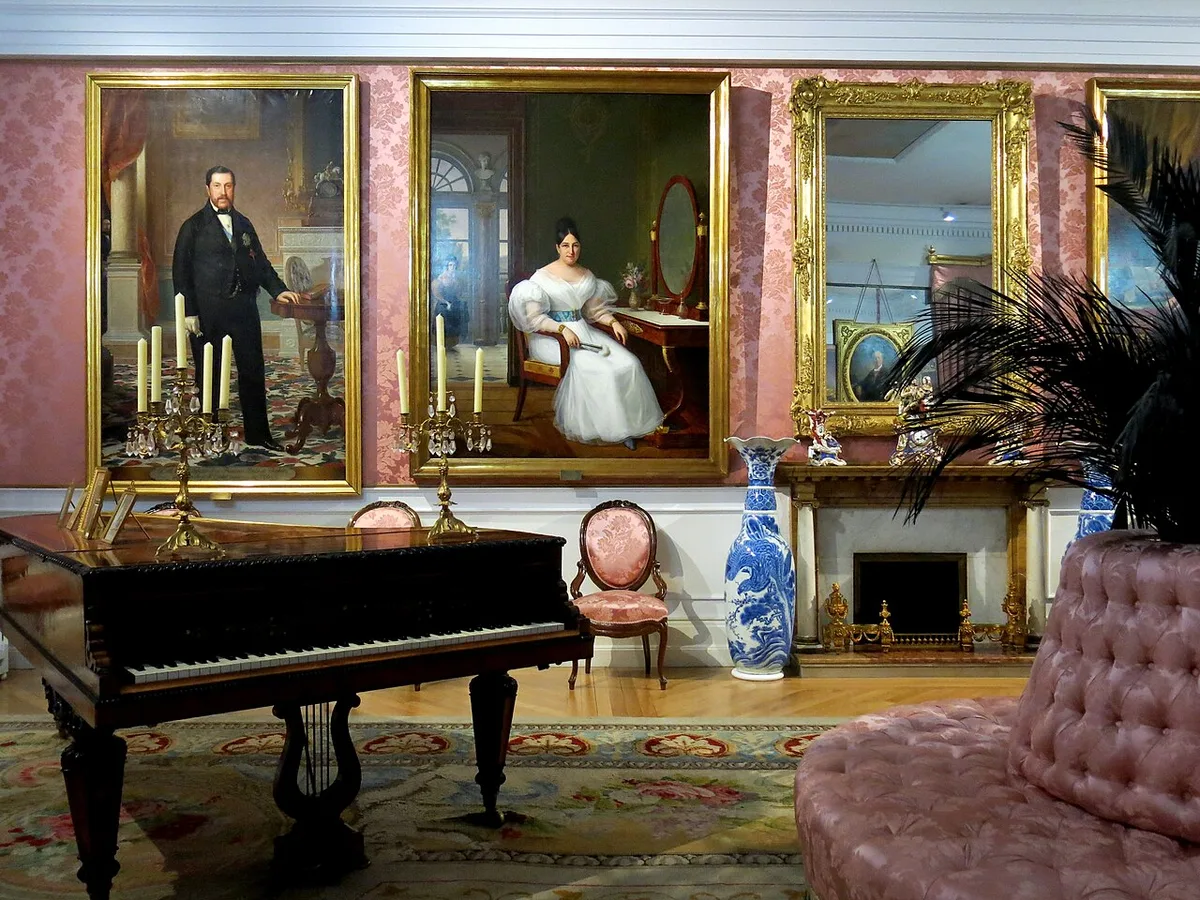
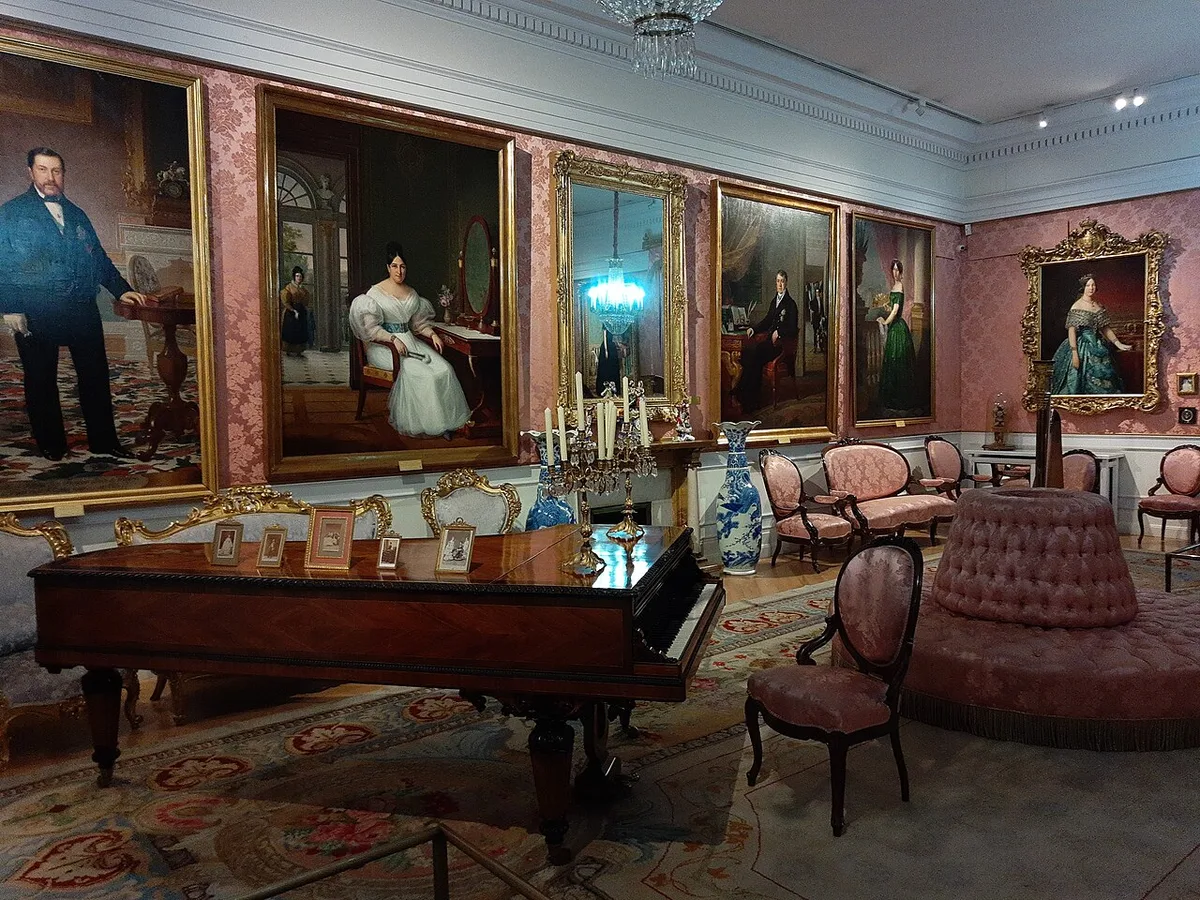
The Museo del Romanticismo occupies a former 18th-century palace on Calle de San Mateo, 13, in central Madrid, and it works entirely differently from the city's major art galleries. Rather than displaying paintings on white walls, it arranges objects across 26 furnished period rooms recreating a prosperous Madrid household of the 1830s and 1840s. The effect is immediate: this feels less like a museum and more like an aristocratic house where time has simply stopped. This 2026 visitor guide covers the correct ticket prices, exact opening hours, the one exhibit no other guide mentions, and how to combine the visit with nearby house museums for a coherent afternoon in central Madrid.
Quick answer: General admission is €3. Reduced admission is €1.50. Free entry applies every Saturday from 14:00 onward and all day on Sundays. Allow 90 minutes for the permanent collection and 30 extra minutes if you want to linger in the garden cafe.
Welcome to Museo del Romanticismo: An Overview
The Museo del Romanticismo is a national museum devoted to the art, customs, and daily life of 19th-century Spanish Romanticism. It was founded in 1924 through the initiative of the Marquis of Vega-Inclán, a passionate collector and cultural patron who donated his personal holdings to create a public institution. His guiding idea was to preserve the Romantic period not only through paintings but through the totality of domestic life: furniture, ceramics, textiles, personal effects, manuscripts, and musical instruments arranged as they would have been used.
The building is a neoclassical palace on the edge of the Chueca and Malasaña districts, intimate in scale by Madrid standards. The 26 rooms cover the different functions of an aristocratic household: formal salon, boudoir, library, oratory, billiard room, chapel. Each room is furnished with period-documented objects rather than generic antiques. This is what separates the museum from a decorator's recreation — the objects are catalogued, dated, and contextualised as genuine historical material. In total the collection holds over 16,000 pieces, though the permanent display shows a carefully curated selection.
The museum is significantly quieter than the Prado or Reina Sofía and substantially cheaper. It rewards visitors who slow down. The corridors are narrow and the rooms are small; on a crowded Sunday the intimate atmosphere the format is designed to create simply does not function. Plan accordingly, and read the planning section below before deciding which day to visit.
A Glimpse into 19th-Century Spain: Collections & Highlights
The permanent collection spans painting, sculpture, furniture, ceramics, metalwork, textiles, manuscripts, and decorative objects, all dating primarily from the first half of the 19th century. Painting is central: works by Francisco de Goya, Antonio María Esquivel, Federico de Madrazo, and Eugenio Lucas Velázquez represent the Spanish Romantic movement at its most significant. Goya's presence is particularly notable — several works from his later period document his evolving style and his critical engagement with contemporary themes. Portraiture is another strength, with works depicting the social figures who shaped the period's cultural life.
The decorative arts add texture and context that a purely painting-focused museum cannot provide. Talavera and Manises ceramics appear throughout the domestic rooms, demonstrating how artistic production and everyday living overlapped in early 19th-century Spain. Period furniture, wall hangings, clocks, and textiles recreate the setting of a well-to-do Madrid bourgeois home with considerable precision. The library reflects the intellectual ambitions of the Romantic bourgeoisie — literature, philosophy, and political writing side by side. The small chapel demonstrates how religious devotion and Romantic sentiment coexisted in daily life.
One exhibit that almost no outside guide covers: the pistol of Mariano José de Larra. Larra was Spain's foremost Romantic writer and satirist — still read in Spanish schools today — who shot himself with this pistol on 13 February 1837, aged 27, in the aftermath of a failed love affair. The object sits in a small glass case and carries a weight entirely disproportionate to its size. For visitors with even a passing acquaintance with Spanish Romantic literature, standing in front of it is a genuinely affecting experience. It is easy to walk past; ask a member of staff to point you toward it if you cannot locate it immediately. It is the single most emblematic object in the collection.
Historical Context: Understanding Romanticism in Spain
Romanticism in Spain emerged from a specific set of historical pressures: the Napoleonic wars, the collapse of absolutism, the rise of liberal politics, and the fallout from the Peninsular War. The movement emphasised emotion, individualism, national identity, and a fascination with medieval history and folk tradition. Unlike French or English Romanticism, the Spanish version was deeply entangled with political crisis and questions of national survival. Artists explored themes of patriotism, rebellion, and tragic love that resonated directly with their historical moment.
The museum was founded in 1924 precisely because this period was understood as formative — culturally and politically — for modern Spain. Its curatorial approach places artworks within their domestic and social context rather than displaying them in isolation. This reflects a museological tradition that treats objects as evidence of lived experience: you understand the Romantic era not only by looking at paintings but by inhabiting the spaces where Romantic ideals were enacted and consumed. The arrangement of 26 period rooms rather than gallery walls is a deliberate intellectual choice.
Key literary figures of the era are represented throughout the collection. The Duke of Rivas and Gustavo Adolfo Bécquer appear through portraits and manuscripts. Larra is central — whose pistol is the museum's most emblematic single object. Goya bridges the transition from Enlightenment to Romanticism in ways the collection makes visible. The museum's interpretive framing is respectful and somewhat nostalgic rather than critically interrogative; visitors looking for analysis of the era's political contradictions may find the presentation conservative. Visitors who want to understand what Romantic Spain felt like from the inside will find the approach very effective.
Planning Your Museo del Romanticismo Visit: Essential Steps
Opening hours follow a summer/winter split. From 1 May to 31 October (summer schedule), the museum opens Tuesday to Saturday 09:30–20:30 and Sunday/holidays 10:00–15:00. From 1 November to 30 April (winter schedule), Tuesday to Saturday hours are 09:30–18:30 and Sunday/holidays remain 10:00–15:00. The museum is closed every Monday and on 1 January, 6 January, 1 May, and 24, 25 and 31 December. Always verify current hours on the official website at cultura.gob.es/mromanticismo before visiting, as individual rooms are sometimes temporarily closed for conservation work without advance notice.
The museum operates with limited physical capacity because of the building's historic architecture. Room sizes are small and corridors are narrow, which can lead to restricted entry during peak periods. No online advance booking system is available; all tickets are purchased at the door. On busy free-entry days — Saturday afternoons and Sundays — a queue of up to 20 minutes is possible. Arriving before 10:30 on those days will help you get ahead of the crowd. The museum also runs temporary exhibitions in the entrance hall area, which rotate approximately twice per year and are included in the standard admission price.
Accessibility: lifts serve the upper floors, but the historic building has some areas with restricted access. Visitors with specific mobility requirements should contact the museum in advance via the official website to confirm which rooms are fully accessible. Large backpacks must be checked in at the entrance lockers, which are provided free of charge. Flash photography is not permitted anywhere in the collection.
Tickets & Tours: Booking Your Experience
General admission is €3. Reduced admission (for EU citizens aged 18–25, registered unemployed, and groups of 10 or more) is €1.50. An annual pass covering unlimited visits costs €25. Free entry applies every Saturday from 14:00 onward and all day on Sundays — no booking required, just purchase at the door. The museum also opens free on 18 May (International Museum Day) and 12 October (Spain's National Day). You can find further visitor details on Esmadrid.com.
- General admission: €3 — purchased at the door, no advance booking needed.
- Reduced admission: €1.50 — for eligible EU students, seniors, and groups of 10 or more; valid ID required at the ticket desk.
- Annual pass: €25 — worth considering for repeat visits or to support the institution.
- Free entry: every Saturday from 14:00 and all day Sunday; also 18 May and 12 October.
- Audio guide: available in Spanish and English for a small fee at the entrance; covers all 26 rooms.
| Ticket / Schedule | Price / Hours |
|---|---|
| General admission | €3 |
| Reduced | €1.50 |
| Annual pass | €25 |
| Free entry | Sat from 14:00 & all day Sunday |
| Summer (May–Oct) Tue–Sat | 09:30–20:30 |
| Winter (Nov–Apr) Tue–Sat | 09:30–18:30 |
| Sun & holidays | 10:00–15:00 |
| Monday | Closed |
No tickets are sold online; all purchases are made at the museum entrance. If you plan to visit on a free-entry Saturday afternoon or Sunday, arriving before 12:00 gives you the best chance of a quieter experience — the early afternoon brings the largest groups on these days. Weekday mornings between 10:00 and 13:00 are consistently the least crowded. Guided tours are not offered on a regular scheduled basis by the museum; third-party cultural tour operators in Madrid include the museum in broader historic house itineraries, which are worth considering if you want expert interpretation alongside the permanent displays.
How to Get There: Transport Options
The museum is at Calle de San Mateo, 13, 28004 Madrid, on the edge of the Chueca and Malasaña districts. The two closest metro stations are Tribunal (Lines 1 and 10) and Alonso Martínez (Lines 4, 5, and 10). Both are a 5–8 minute walk from the museum entrance. A single metro journey within Zone A costs €1.50–€2 depending on distance; a 10-trip card (TDC) available at any metro station ticket machine offers better value if you are using public transport frequently throughout your stay.
Several EMT bus lines serve the surrounding streets: lines 3, 21, 37, and 40 all stop within a short walk of the museum. There is no dedicated parking facility at or near the museum; on-street parking in central Madrid is controlled and expensive and is not recommended. If you are arriving from the Prado area or Sol, allow 15–20 minutes by metro with one interchange at Alonso Martínez or Tribunal.
On foot from central Madrid: from Puerta del Sol it is approximately a 25-minute walk north through Gran Vía and into Malasaña. This is a pleasant route that takes you through some of Madrid's most distinctive neighbourhoods, passing independent cafes, bookshops, and vintage stores along the way. From the Chueca metro exit, the walk to the museum entrance is under 10 minutes along Calle de Fernando VI. If you are staying in the nearby Malasaña or Chueca districts, walking is the most practical option.
Insider Tips for a Smooth Museum Experience
Visit on a Tuesday, Wednesday, or Thursday between 10:00 and 13:00. These are the quietest periods by a significant margin. Free-entry Saturday afternoons and Sunday mornings bring the largest crowds, and in the narrower rooms — the boudoir, the oratory, the billiard room — the difference in atmosphere between a crowded and a quiet visit is pronounced. The experience the museum is designed to create, one of intimate immersion in a domestic space, only works when the rooms are not packed.
Collect the free English-language room guide and floor plan from the entrance — these are included at no charge and provide the orientation needed to navigate the 26 rooms without backtracking. The audio guide in Spanish or English adds meaningful context in key rooms and is particularly worth the small fee if you have no background in the Spanish Romantic period. Ask staff at the entrance to direct you to the Larra display specifically; it is easy to walk past in the denser sections of the collection.
The garden cafe occupies a small enclosed courtyard at the rear of the building. It is calm, shaded, and largely unknown to visitors who move quickly through the exit. Light refreshments, coffee, and traditional pastries are available. It is an excellent spot to sit with the guidebook before or after touring the rooms. During summer, the extended closing time of 20:30 means a post-dinner visit is possible, allowing you to avoid the midday heat and the afternoon crowds entirely.
- Wear comfortable shoes; you will be standing and walking through multiple rooms.
- Large backpacks must be checked in at the free entrance lockers.
- Flash photography is not permitted; standard photography for personal use is allowed throughout.
- Some rooms may be temporarily closed for conservation work; this is routine and not announced in advance on the website.
- Spend 20 minutes reading about the Spanish Romantic period before visiting — it transforms the experience from pleasant to genuinely memorable.
The garden cafe is tucked in an enclosed courtyard at the rear of the building — most visitors walk past without noticing it. It serves coffee, traditional pastries, and light refreshments, and is a calm place to rest between or after the 26 rooms.
What Visitors Say: Museo del Romanticismo Reviews
Visitor reviews across travel platforms consistently describe the museum as one of Madrid's most underrated cultural sites. The dominant theme is surprise: most people arrive expecting a conventional art gallery and leave having experienced something more intimate and affecting. The house-museum format — 26 furnished rooms rather than white-walled galleries — generates strong positive reactions from visitors interested in history, decorative arts, and social life of the 19th century. The editorial rating on Global Museum Reviews sits at 3.9 out of 5, reflecting a museum that excels in its specific niche while remaining specialised.
The garden cafe appears in a high proportion of positive reviews, frequently described as a highlight in its own right. Negative feedback clusters around two issues: free-entry Sundays are cited as too crowded for the small spaces to function properly, and English-language wall texts occasionally assume background knowledge of Spanish history that foreign visitors may not have. The audio guide is consistently recommended by reviewers as the practical solution to this second gap.
Visitors with specialist interests — in Goya, in Spanish Romantic literature, in historic house museums — rate the museum very highly. General tourists who arrive without context sometimes find the experience underwhelming. The honest recommendation for 2026 visitors: read a short account of the Spanish Romantic period and at least a few lines on Mariano José de Larra before visiting. That preparation is the single most effective thing you can do to get full value from the collection. You can read current visitor experiences on Tripadvisor.com.
Beyond the Museum: Nearby Attractions in Madrid
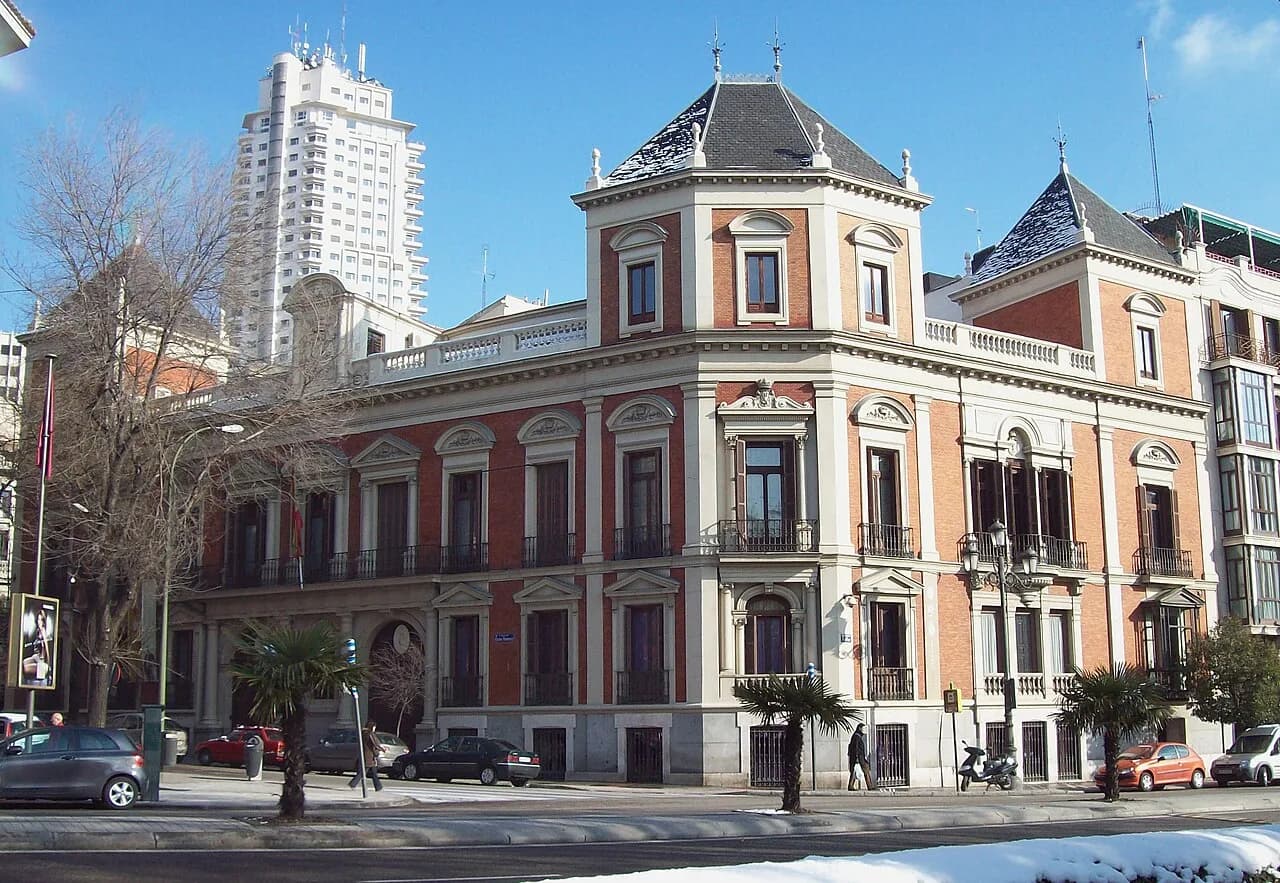
The Museo del Romanticismo sits in a cluster of house museums that together offer a distinctive alternative to Madrid's major gallery circuit. The nearest is the Museo Cerralbo, approximately 15 minutes on foot through Malasaña — an equally remarkable aristocratic mansion packed with an eclectic private collection. Visiting both on the same day — Romanticismo in the morning, Cerralbo in the afternoon — makes for one of the most coherent cultural itineraries available in central Madrid without any content overlap.
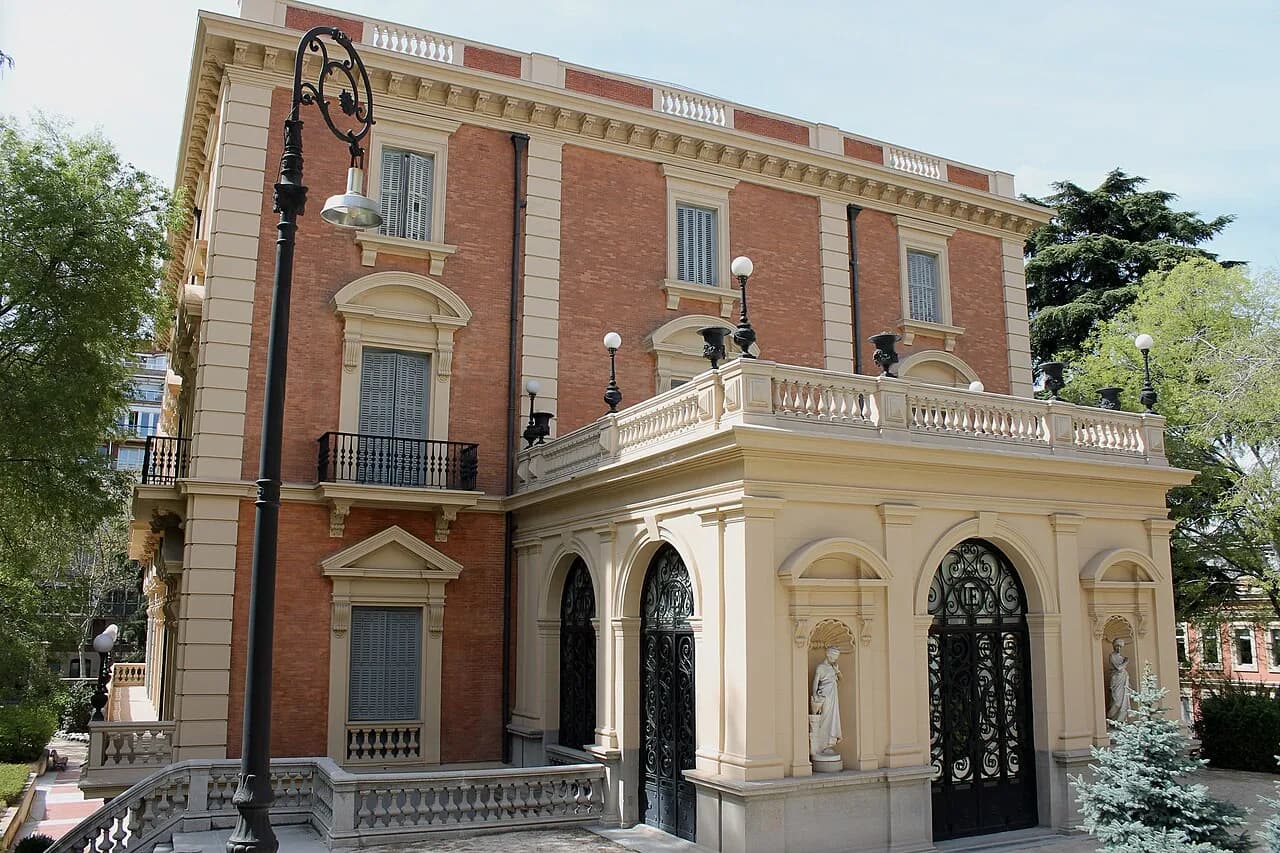
The Museo Lázaro Galdiano is a short metro ride north, presenting a grand private collection in a palatial building, again a format that complements rather than duplicates the Romanticismo experience. For visitors focused on painting, the Museo Sorolla is the logical next stop — Joaquín Sorolla's own house and studio converted into a museum, located in the Chamberí area and reachable in under 20 minutes. The broader range of Madrid's cultural sites is covered at our Madrid attractions hub.
After the museum, the surrounding streets in Malasaña and Chueca are among Madrid's most interesting for independent exploration. The bookshops along Calle de Fuencarral and the covered Mercado de San Antón are both within a 10-minute walk. If you time your museum exit to coincide with 14:00–15:00, you will arrive in the neighbourhood at exactly the moment when lunch restaurants are at their liveliest. A suggested half-day: arrive at the museum at 10:00, tour for 90 minutes, sit in the garden cafe, then walk south through Malasaña for lunch before exploring Chueca in the afternoon.
Making the Most of Your Visit: FAQs
A few practical points that address the most common visitor questions. The museum has no cloakroom fee — lockers are provided free at the entrance for bags and coats. Photography without flash is permitted throughout the permanent collection; tripods are not allowed. The museum accepts card payment at the entrance ticket desk alongside cash. For groups of 10 or more, the reduced rate of €1.50 per person applies; contact the museum in advance to confirm capacity is available for large groups.
Children are welcome, and the domestic room format — period furniture, musical instruments, personal objects, and decorative arts arranged in lived-in spaces — tends to engage younger visitors better than conventional gallery formats. There is no dedicated children's activity programme, but the free room guide includes explanatory notes that work well for older children and teenagers with an interest in history.
For visitors with limited time in Madrid in 2026, the museum's modest size is an advantage. A focused 90-minute visit covers all 26 rooms with time to read the key labels and locate the most significant objects. Combine it with a stop in the garden cafe and a walk through Malasaña and you have a practical half-day that gives you a genuinely different perspective on Madrid than the Prado circuit alone provides.
Frequently Asked Questions
Which museo del romanticismo visitor guide options fit first-time visitors?
First-time visitors should focus on general admission and exploring the permanent collection at their own pace. An audio guide can enhance the experience by providing detailed context for each room and artifact. Consider visiting on a weekday afternoon for a more relaxed introduction.
How much time should you plan for museo del romanticismo visitor guide?
Plan to spend approximately 1.5 to 2 hours to fully explore the Museo del Romanticismo. This allows ample time to appreciate the collections, period rooms, and the tranquil garden cafe. If you are very interested in historical details, allow closer to 2.5 hours.
What should travelers avoid when planning museo del romanticismo visitor guide?
Avoid visiting on Sundays during free entry hours if you prefer a quieter experience, as it can get very crowded. Also, avoid rushing through the rooms; the museum's charm lies in its intricate details. Do not forget to check official opening hours before your visit.
Is museo del romanticismo visitor guide worth including on a short itinerary?
Yes, the Museo del Romanticismo is definitely worth including, even on a short Madrid itinerary. Its manageable size and unique focus on 19th-century life offer a distinct cultural experience. It provides a peaceful contrast to Madrid's larger, busier attractions.
What are the must-see exhibits at Museo del Romanticismo?
Must-see exhibits include the elegant ballroom, the beautifully preserved period furniture, and the collection of fine art by Spanish Romantic painters like Goya. Don't miss the charming garden cafe and the intricate decorative arts. Each room offers a unique glimpse into the era.
How do I buy tickets for Museo del Romanticismo?
You can easily buy tickets for the Museo del Romanticismo directly at the museum's entrance upon arrival. General admission costs €3, with a reduced rate of €1.50. Entry is free on Saturdays from 14:00 and all day Sunday. No advance booking is typically required.
What is the best way to get to Museo del Romanticismo by public transport?
The best way to reach the Museo del Romanticismo by public transport is via the Metro. The closest stations are Tribunal (Lines 1 and 10) and Alonso Martínez (Lines 4, 5, and 10). Both are just a short 5-10 minute walk from the museum. Several bus lines also serve the area.
The Museo del Romanticismo offers a genuinely distinctive cultural experience in Madrid — one that rewards preparation and patience in ways that the city's larger institutions do not. At €3 for general admission, with free entry every Saturday from 14:00 and all day Sunday, it is one of the best-value museums in the city. Whether you come for the Goya paintings, the Larra pistol, the domestic atmosphere of the period rooms, or simply a quiet hour in the garden cafe, the museum delivers something most of Madrid's more famous galleries cannot: a sense of a specific historical moment made physically habitable.
For the latest official information, see the Museo del Romanticismo official site and Museo del Romanticismo on Wikipedia.
For more Madrid ideas, explore our Most Beautiful Places in Madrid guide to discover other cultural gems and scenic locations.
Continue exploring
More guides you'll find useful