Templo de Debod Visitor Guide: History, Tips & What to See in Madrid
Plan your visit to Madrid's Templo de Debod with our comprehensive guide. Discover its history, best viewing times, practical tips, and nearby attractions for a memorable trip.
On this page
Templo de Debod Visitor Guide: Your Essential Madrid Travel Companion
The Templo de Debod is one of Madrid's most unexpected sights: a genuine ancient Egyptian temple, over 2,200 years old, standing in a city park just minutes from the Royal Palace. Egypt gifted it to Spain in 1968 as a gesture of gratitude for Spanish assistance in saving the Abu Simbel monuments. It is the only authentic Egyptian temple on public display outside Egypt itself.
Entry to the temple and its grounds is completely free. The interior, however, operates on a strict 30-person capacity with visits capped at 30 minutes each for conservation reasons. A free timed-slot reservation at www.madrid.es/debodreservas is strongly recommended before you arrive. This guide covers the full history, exact opening hours, how to book your slot, where to stand for sunset, and what to combine nearby.
Templo de Debod: An Ancient Egyptian Gem in Madrid
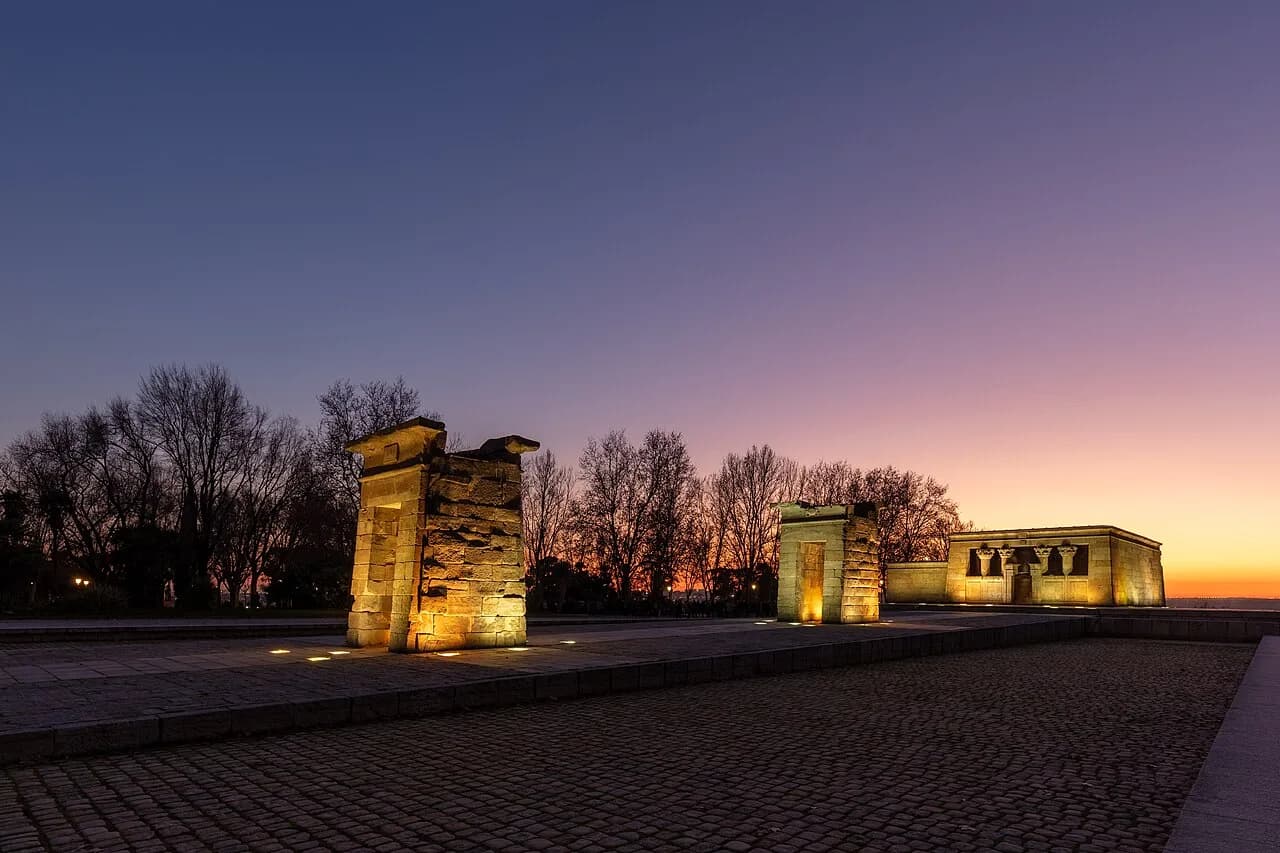
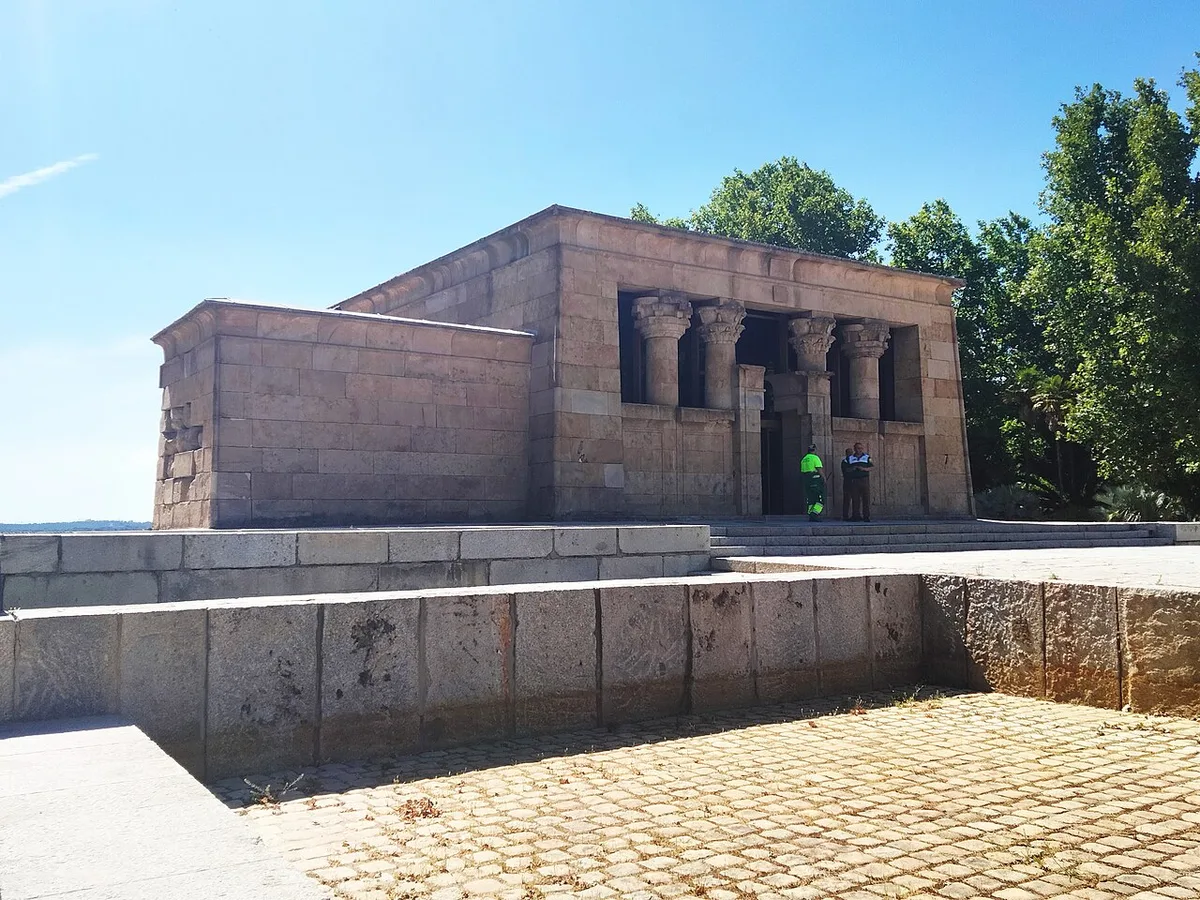
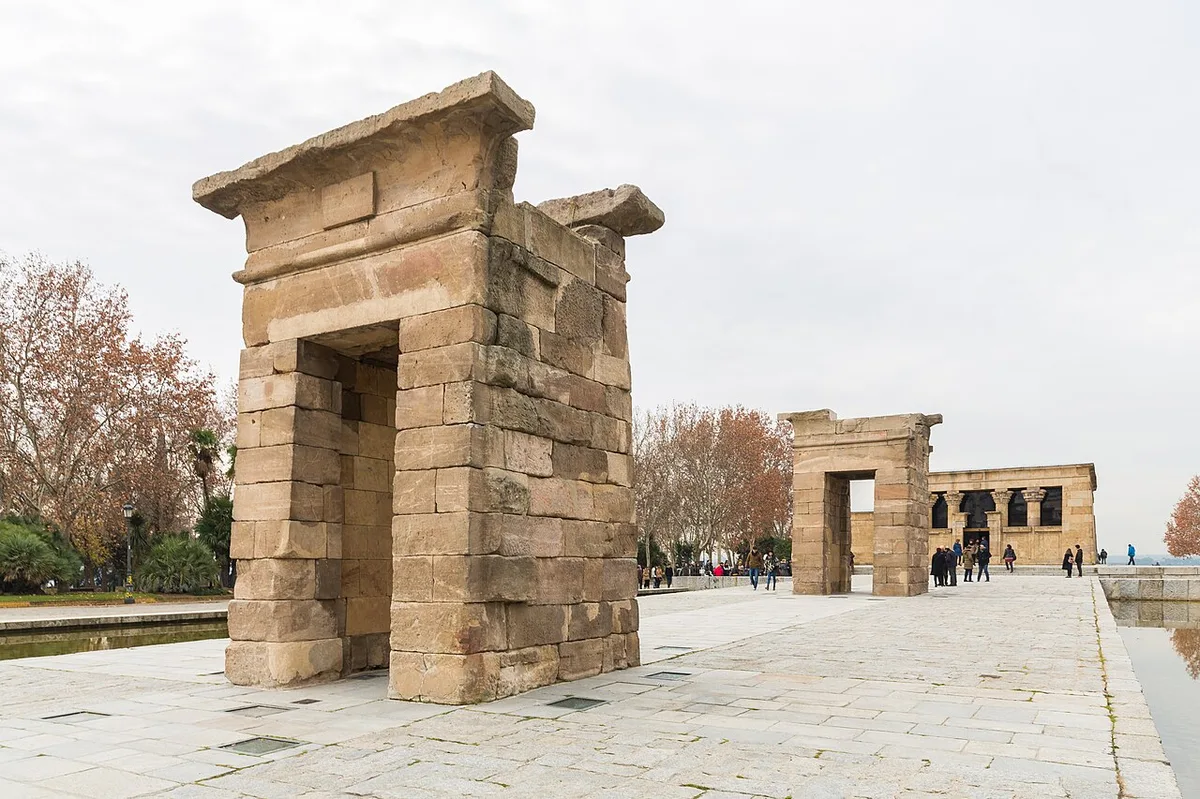
The Templo de Debod sits on a gentle rise in Parque del Oeste, surrounded by shallow reflecting pools that mirror its sandstone walls and carved gateway pylons. Its setting — open sky to the west, the Sierra de Guadarrama mountains on the horizon — is unlike any other monument in Europe. Walking up to it for the first time, the sight of hieroglyph-carved stone framed against Madrid's city skyline is genuinely striking.
What makes this temple remarkable is its authenticity. This is not a replica or a reconstruction built for tourism. The stone blocks, inscriptions, and gateway pillars were cut in ancient Egypt, dismantled, shipped to Spain, and painstakingly reassembled in Madrid during the 1970s. Every carved relief on its walls is a real artifact from the Nile Valley, making this one of the most significant ancient monuments in western Europe.
The temple is located at Calle de Ferraz, 1, 28008 Madrid, within Parque del Oeste near Plaza de España. The surrounding park is always accessible and free to walk through. The raised terrace facing west toward the mountains is one of Madrid's most celebrated sunset viewpoints, drawing locals and visitors every evening regardless of whether the interior is open.
The Fascinating History of Templo de Debod
The temple's origins trace back to the early 2nd century BC in the ancient Nubian site of Debod, near what is now Aswan in southern Egypt. The Kushite King Adikhalamani of Meroë ordered its construction as a small chapel dedicated to the god Amun. Over the following two centuries, successive Egyptian pharaohs and later Roman rulers added halls, gateway pylons, and decorative reliefs. By the time it was relocated, the temple reflected six centuries of building and expansion.
Its move to Madrid begins with the Aswan High Dam project of the 1960s. The rising waters of Lake Nasser threatened to submerge dozens of ancient Nubian monuments. UNESCO launched an international rescue campaign in 1960, and Spain contributed funds and expertise to help relocate the Abu Simbel temples — an engineering feat that involved cutting the rock-carved temples into massive blocks and rebuilding them on higher ground over five years.
In recognition of Spain's efforts, Egypt offered the Templo de Debod as a diplomatic gift in 1968. The temple was dismantled stone by stone, transported across the Mediterranean, and carefully reassembled in Parque del Oeste. It opened to the public in Madrid in 1972. The gateway pylons and enclosure walls came with it, giving the structure more architectural context than most relocated monuments retain.
Inside, the carved reliefs narrate religious scenes involving Amun, Isis, and the pharaohs who expanded the temple. Information panels in Spanish and English explain the iconography and historical significance. The hieroglyphs are original — not reproductions — which gives even a brief interior visit real historical weight.
Planning Your Visit: Essential Information
There are two distinct ways to experience Templo de Debod, and understanding the difference avoids frustration on arrival. The exterior — the park, the reflecting pools, the temple's outer walls and gateway pylons — is always accessible with no reservation needed. The exterior is just as photogenic as the interior and provides the classic sunset viewing experience.
The interior is a separate matter. Capacity is limited to 30 people at a time, and each visit is capped at 30 minutes for conservation reasons. To enter, book a free timed slot in advance at www.madrid.es/debodreservas. Walk-up entry is sometimes possible if slots go unclaimed on the day, but this is unreliable during peak season (May through September) and on weekends throughout the year. If the interior is fully booked, the outdoor experience is still worth the trip.
Entry to the temple is completely free, and the surrounding terrace is one of Madrid's most famous sunset viewpoints — no reservation required for the outdoor area. To enter the interior, book your free timed slot at www.madrid.es/debodreservas before you arrive, especially from May through September.
Plan roughly 30 minutes inside the temple and 30 to 60 minutes for the surrounding park and terrace. If you are visiting primarily for sunset, budget additional time separately: the terrace and reflecting pool are best experienced about 30 minutes before sunset, which in Madrid ranges from around 18:00 in December to 21:30 in late June. Combining an interior visit with a sunset in one trip takes roughly 1.5 to 2 hours total.
Opening Hours & Entrance Fees
Entry to the temple and its grounds is free. The interior follows two seasonal schedules. During winter (16 September to 14 June), the temple is open Tuesday to Sunday and public holidays from 10:00 to 20:00, with last entry at 19:30. During summer (15 June to 15 September), hours shift to 10:00 to 19:00, with last entry at 18:30. The temple is closed every Monday — including Mondays that fall on public holidays — and on 1 and 6 January, 1 May, and 24, 25, and 31 December.
| Period / Day | Hours |
|---|---|
| Admission | Free (timed reservation recommended; 30-min visit cap, 30 people) |
| Winter (16 Sep–14 Jun) Tue–Sun | 10:00–20:00 (last entry 19:30) |
| Summer (15 Jun–15 Sep) Tue–Sun | 10:00–19:00 (last entry 18:30) |
| Monday | Closed |
The exterior park has no closing time. The temple's stone structure remains visible after dark when it is illuminated, and the reflecting pools and surrounding paths stay accessible around the clock. If you only want the exterior views and sunset terrace, the interior closure schedule does not affect you.
To enter the interior, reserve your slot at www.madrid.es/debodreservas. Reservations open a few days in advance. Midweek morning slots (Tuesday through Thursday, 10:00 to 13:00) are the easiest to secure and correspond to the smallest crowds on site. Weekend slots disappear quickly — book as early as the system allows if visiting Saturday or Sunday. Cancellations happen regularly, so checking again the day before your visit can free up a previously taken slot.
How to Get to Templo de Debod
The most convenient metro access is Plaza de España station, served by Lines 3 and 10. From the station exit, the temple is about a 10-minute walk north through Parque del Oeste. Ventura Rodríguez station (Line 3) is a useful alternative if you are approaching from the east. Bus lines 74 and 148 also serve the area, with stops on Calle Ferraz close to the temple entrance.
On foot from central Madrid, the temple is roughly 15 to 20 minutes from the Royal Palace or Gran Vía. The walk through Parque del Oeste from Plaza de España is flat and pleasant. Combining the temple with the Royal Palace or Sabatini Gardens is easy — the walk between the two sites takes about 10 minutes each way through well-maintained parkland.
You can find the exact location on the map: View map. A single metro ticket costs between €1.50 and €2 depending on zones. A 10-journey Metrobús card reduces the per-trip cost and is worth buying if you plan to use public transport throughout your stay in Madrid.
What to See and Do at the Temple
Inside the temple, the primary draw is the original carved reliefs covering the walls and columns. The images depict pharaohs making ritual offerings to Amun and Isis, with hieroglyphic texts that would once have been painted in vivid colours. Information panels in Spanish and English provide translations and historical context. A small collection of Egyptian artifacts is also displayed, including objects associated with the temple's original religious function. Photography is permitted throughout the interior.
The interior is compact, which is why the 30-person cap and 30-minute limit feel appropriate rather than restrictive. This is not a full-scale museum; the significance comes from knowing you are looking at original stone carved roughly 2,200 years ago that has survived intact to the present day.
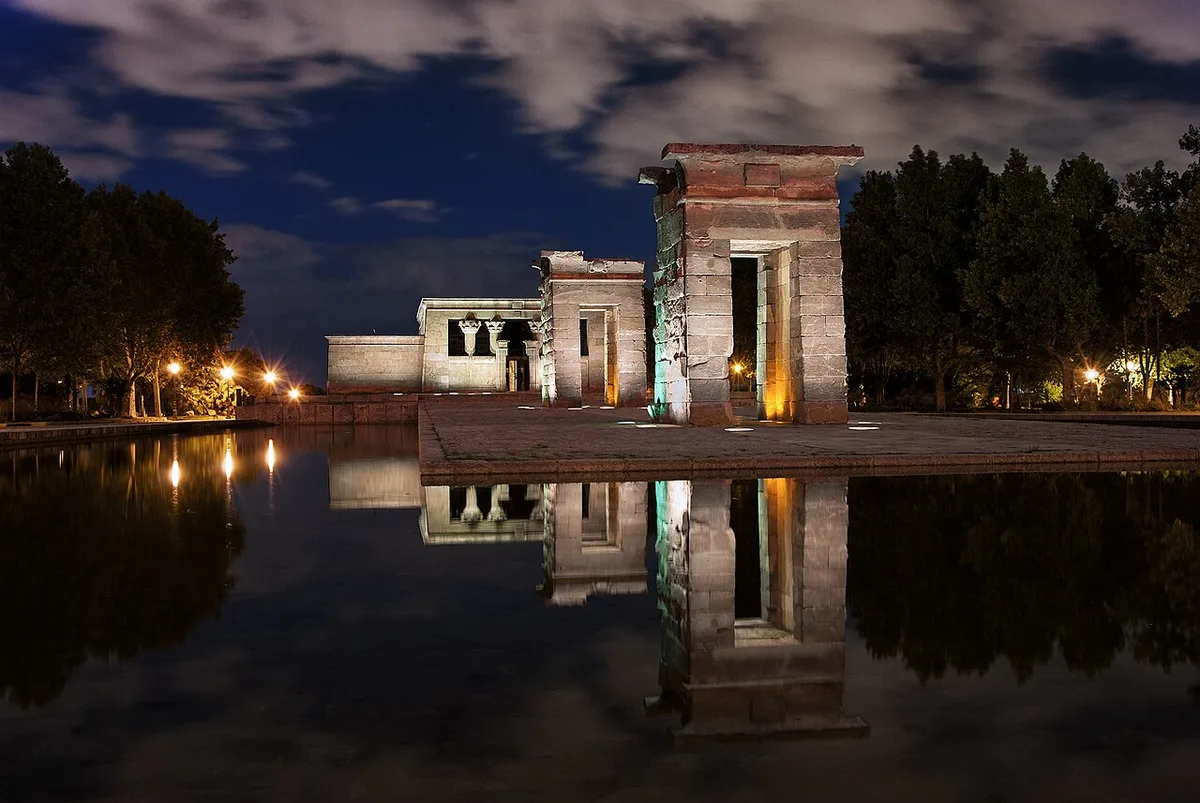
Outside, the reflecting pools on either side of the temple are the main photographic subject. The dual gateway pylons frame the temple's entrance and are most striking when the water is calm and the light is directional. The paved terrace at the western end of the site delivers one of Madrid's widest open views — across the treetops of Casa de Campo toward the Sierra de Guadarrama mountains stretching across the horizon.
The surrounding park is shaded by mature trees and has benches and open lawn areas. A relaxed afternoon that combines an interior visit, a walk around the reflecting pools, and a rest in the park before sunset is a genuinely enjoyable way to spend two hours in Madrid without spending anything.
Best Spots for Sunset Views
Templo de Debod is one of the best places to watch the sunset in Madrid, and that reputation is well earned. The temple faces west, and its reflecting pools catch the last light as the sun drops behind the Sierra de Guadarrama mountains. The combination of ancient sandstone, still water, and mountain silhouette in a single frame is hard to match anywhere else in the city.
One practical point is worth understanding before you plan: the interior's closing time and Madrid's sunset time diverge significantly in summer. From mid-June through mid-September, the last interior entry is at 18:30 and the temple closes at 19:00 — but sunset in Madrid during those months falls between 20:30 and 21:30. This means the popular "temple at sunset" experience is always an outdoor event in summer. You will be watching from the raised terrace or the reflecting pools, not from inside the temple, and that is fine — the exterior view is the one that everyone photographs anyway.
In winter (October through February), sunset arrives between 17:30 and 18:30, which overlaps with the interior's extended opening hours (open until 20:00). An early interior visit followed by a late-afternoon return for sunset is entirely practical in these months, making winter the easier season for combining both experiences in a single outing.
Arrive at the western terrace at least 30 minutes before sunset to secure a good position, especially on weekends and during July and August. A wide-angle lens captures the full reflecting-pool-to-mountain panorama. A short telephoto isolates the gateway pylons against the coloured sky. The post-sunset glow typically lasts 15 to 20 minutes and is worth staying for before the evening crowds disperse.
Insider Tips for a Memorable Visit
Book your interior slot at www.madrid.es/debodreservas before making any other plans. Without a reservation, you risk arriving to find the interior fully booked for the day, especially from May through September and on any weekend. Midweek morning slots (10:00 to 12:00, Tuesday through Thursday) are the easiest to secure and coincide with the quietest conditions at the site.
If you want both the interior and the sunset on the same visit, the practical approach depends on season. In winter, take a morning interior slot (10:00 or 11:00) and return to the terrace around 16:30 for golden hour. In summer, visit the interior early (the park is calm before 10:30), then come back independently for sunset in the evening — no reservation is needed for the outdoor terrace at any hour.
The reflecting pools photograph best when the water is still, which is typically in the morning before the afternoon breeze picks up. If a clean pool reflection is your priority over a sunset shot, a morning-only visit achieves this with far fewer people competing for space around the water's edge. Early morning also offers better light for interior photography than the midday hours.
The temple grounds are wheelchair accessible, with flat paved paths around the exterior and reflecting pools. The interior involves narrow doorways and uneven stone thresholds that may limit full wheelchair access. Pushchairs and strollers move freely around the exterior but are unlikely to fit through the interior doorways.
Nearby Attractions & Things to Do
Templo de Debod's location makes it easy to explore other fantastic attractions in Madrid. The Royal Palace of Madrid is about a 10-minute walk to the east, and the Sabatini Gardens — formal terraced gardens directly adjacent to the palace — sit along the natural route between the two. Combining a palace visit with an afternoon at the temple is one of the more satisfying half-days you can build in this part of the city.
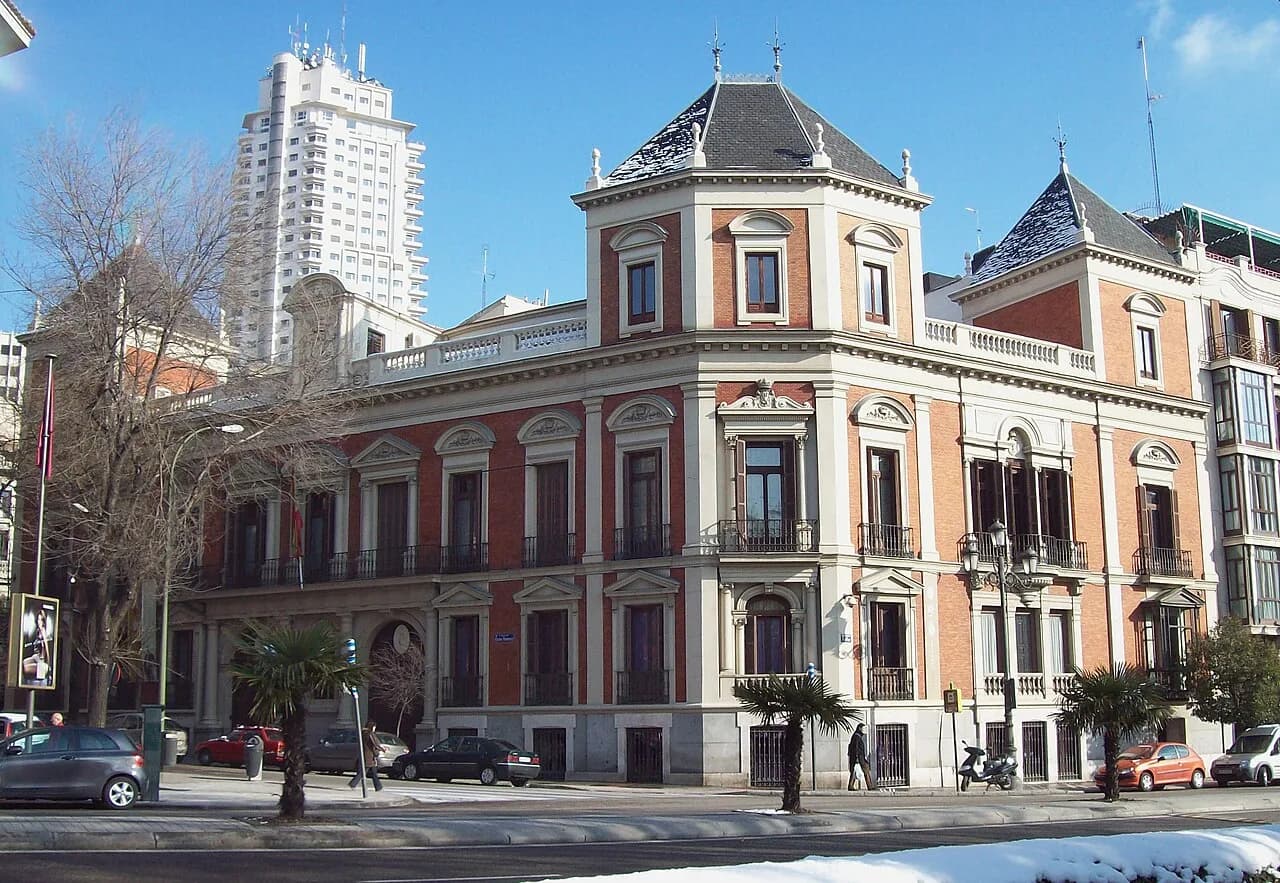
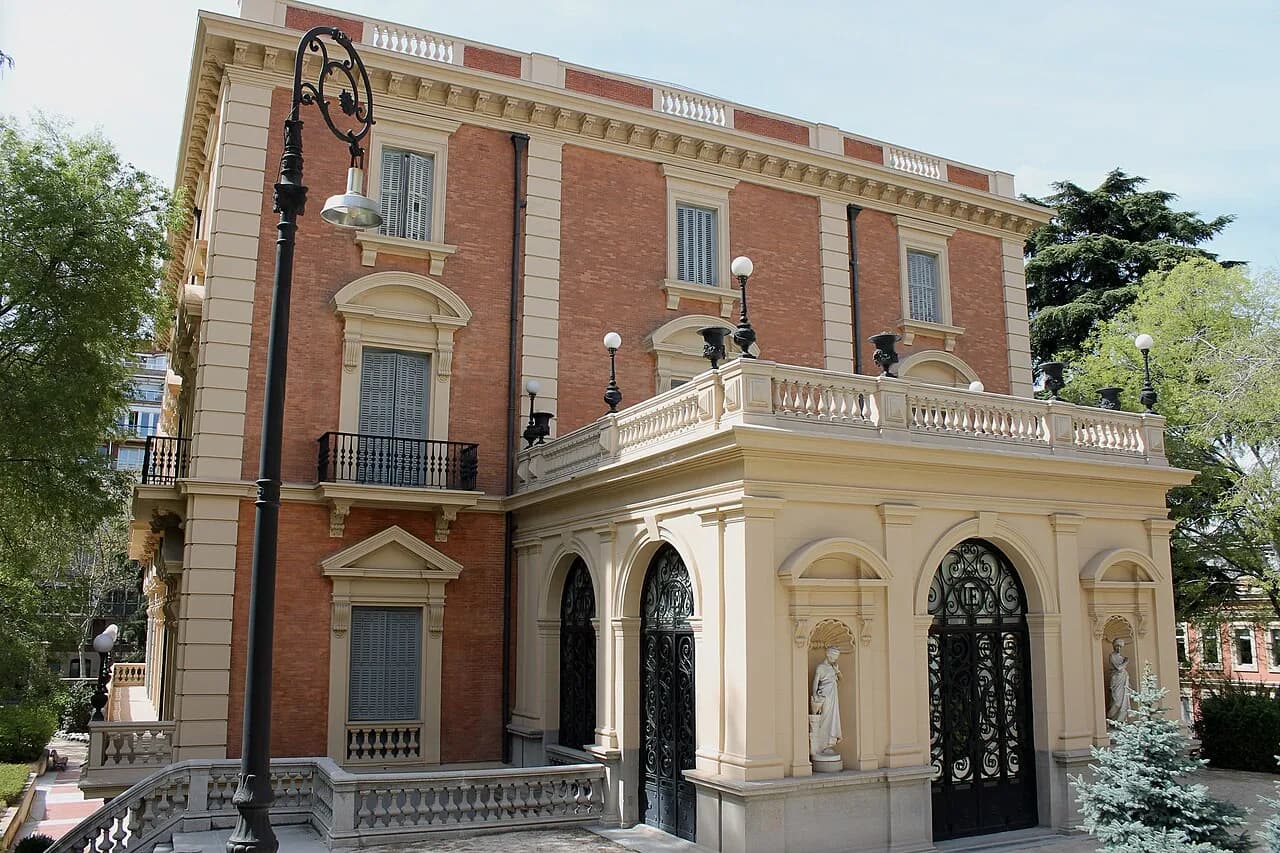
The Museo Cerralbo, a 19th-century aristocratic mansion preserved as a public museum, is roughly five minutes on foot from the temple on Calle Ventura Rodríguez. Its ornate interiors and collection of old masters are undervisited compared to Madrid's flagship museums, and admission is free on Sundays and €3 on weekdays. It pairs naturally with the historical atmosphere of a temple visit.
For those interested in 19th-century Spanish life, the Museo del Romanticismo nearby presents the period through paintings, furniture, and period objects in a well-curated setting. Exploring these nearby gems rounds out your Madrid itinerary without the queues of the Prado or Reina Sofía.
Parque del Oeste itself extends further north and rewards a longer walk. The Rosaleda de Madrid — a formal rose garden — blooms from late April through June and is free to enter. The Teleférico cable car station is within walking distance from the temple, offering aerial views across the city and Casa de Campo for a modest fee.
Is Templo de Debod Worth Visiting?
For most visitors to Madrid in 2026, yes — particularly given that entry is free and the interior visit takes only 30 minutes. The combination of genuine ancient history and one of the city's best open viewpoints in a single location is unusual. You can experience the exterior and the sunset terrace without any advance planning, making it viable even on a compressed itinerary.
If your time in Madrid is limited to one or two days, the temple competes for attention with the Prado Museum, Retiro Park, and the Royal Palace. None of those experiences are quite like this one. The Prado is world-class but demanding; the temple is quick, free, and architecturally unlike anything else in southern Europe.
The interior visit adds historical context that the exterior alone cannot provide. If you can secure a reservation at www.madrid.es/debodreservas, the 30-minute self-guided tour through original Egyptian reliefs and artifacts is a genuine highlight. If the interior is fully booked, the outdoor experience — reflecting pools, sunset terrace, panoramic mountain views — still delivers more than most free attractions in any European capital.
Frequently Asked Questions
Which Templo de Debod visitor guide options fit first-time visitors?
First-time visitors should focus on understanding the temple's unique history and appreciating its outdoor setting. Our comprehensive guide covers essential details like location, hours, and nearby attractions. Consider arriving an hour before sunset for the best experience.
How much time should you plan for a Templo de Debod visit?
Plan to spend approximately 1 to 2 hours at Templo de Debod. This allows ample time to explore the temple's exterior, enjoy the park, and take photos. If you wish to go inside, factor in potential waiting times for entry.
Is Templo de Debod worth including on a short Madrid itinerary?
Yes, Templo de Debod is worth including even on a short itinerary, especially if you enjoy unique history and beautiful views. It's a free attraction and relatively quick to visit. It offers a distinct cultural experience compared to other Madrid sights.
What should travelers avoid when planning a Templo de Debod visit?
Avoid visiting during peak midday heat in summer, as there is little shade around the temple. Also, try to avoid arriving right at sunset without extra time, as crowds can be significant. Always check for holiday closures if you plan to enter the interior.
Other Antiquities Moved or Reused by a Later City
An Egyptian temple reassembled stone by stone in a Madrid park is a strange object to encounter at sunset, and it exists because Spain helped rescue Nubian monuments from the Aswan flooding. Athens's Hadrian's Library shows the opposite process, with each era building on the last in place. Rome's Centrale Montemartini moved its marbles into a power station and never moved them back.
Templo de Debod offers something genuinely rare in a major European capital: a free, authentic ancient monument in a park setting with one of the city's best sunset viewpoints attached. Whether you visit for the history, the photographs, or simply an unhurried afternoon, the combination delivers well above its zero-euro price of admission.
The key steps before you arrive: book your free interior slot at www.madrid.es/debodreservas, check the seasonal opening hours, and note that in summer the interior closes well before sunset — so plan your interior and sunset visits as separate moments or separate trips. In winter, you can do both in an afternoon.
With the Royal Palace, Sabatini Gardens, and several underrated museums all within 10 minutes on foot, Templo de Debod anchors a half-day in Madrid that requires no entrance fees and almost no advance planning beyond that single free reservation click.
To verify current details, consult the Templo de Debod official site and Templo de Debod on Wikipedia.
For more Madrid ideas, see our Free Things to Do in Madrid and Most Beautiful Places in Madrid guides.
Continue exploring
More guides you'll find useful