17 Best Free Things to Do in Madrid: A Local's Guide (2026)
Discover the best free things to do in Madrid, from world-class museum hours and historic plazas to hidden gardens and local tapas secrets. Updated for 2026.
On this page
17 Best Free Things to Do in Madrid
Madrid is one of Europe's most generous cities for budget travelers. While other capitals charge steep entry fees for their top cultural institutions, Madrid hands you world-class art, royal gardens, and ancient monuments at no cost — if you know the right times to show up. This guide was refreshed in May 2026 to verify all museum hours and free access rules before your trip.
The approach here is practical: each attraction gets the exact times and tips you need to avoid wasting an afternoon in a queue. From the sprawling lawns of El Retiro to the haunting rooms of the Reina Sofía, you can fill a full week without spending a cent on entry fees. The best experiences in Spain often require nothing more than good timing and local knowledge.
Free Parks and Gardens in Madrid
El Retiro Park is the city's green lung and the obvious starting point. This 125-hectare UNESCO World Heritage site is open daily from 06:00 to midnight in summer and until 22:00 in winter. The park contains the stunning Palacio de Cristal, a glass pavilion built in 1887 that now hosts free Reina Sofía exhibitions throughout the year — entry is always free, and the light filtering through the iron-and-glass structure at midday is extraordinary. You can also discover scenic highlights along the Paseo del Prado, which runs directly alongside the park's western edge.
The Sabatini Gardens occupy the north side of the Royal Palace and offer unobstructed views of the palace's neoclassical facade. They are open daily from 09:00 to 21:00 (until 22:00 in summer) and cost nothing. If peacocks roaming manicured hedgerows is your idea of a good afternoon, this is the spot. The gardens are small enough to cover in thirty minutes but tranquil enough to justify lingering far longer.
Casa de Campo's Rosaleda is one of the largest rose gardens in Europe, with over 20,000 plants spanning 650 varieties. The blooming season peaks in May and June. Walk over from Príncipe Pío station rather than paying for the cable car — the main park is free and the rose garden sits within easy walking distance of the entrance. Río Park along the Manzanares river adds cycling paths, playgrounds, and riverside sunset walks without any admission cost.
Free Museum Hours: The Golden Triangle and Beyond
Madrid's three flagship museums all offer free windows for the permanent collection. The Museo del Prado opens for free Monday to Saturday from 18:00 to 20:00, and on Sundays and public holidays from 17:00 to 19:00. The queue at the Goya entrance typically starts forming by 17:15, so arriving forty-five minutes early on a weekday evening is the standard move. Temporary exhibitions are not included and usually start at €16.
The Museo Reina Sofía — home to Picasso's Guernica and a strong Dalí collection — admits visitors for free Monday and Wednesday through Saturday from 19:00 to 21:00, and on Sundays from 12:30 to 14:30. Note that the museum is closed on Tuesdays, which catches many visitors off guard. Head directly to the second floor as soon as you enter to see Guernica before the crowds cluster around it. Standard tickets cost €12.
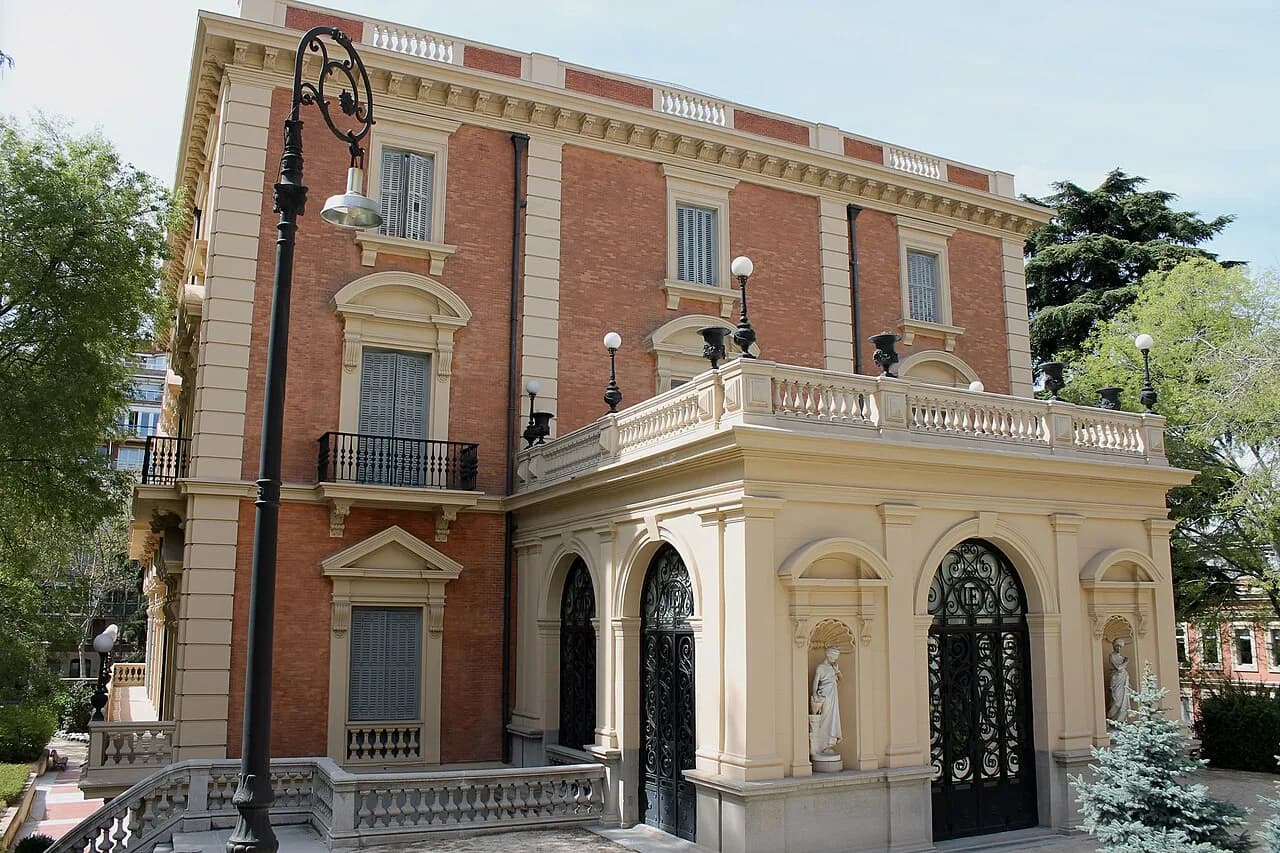
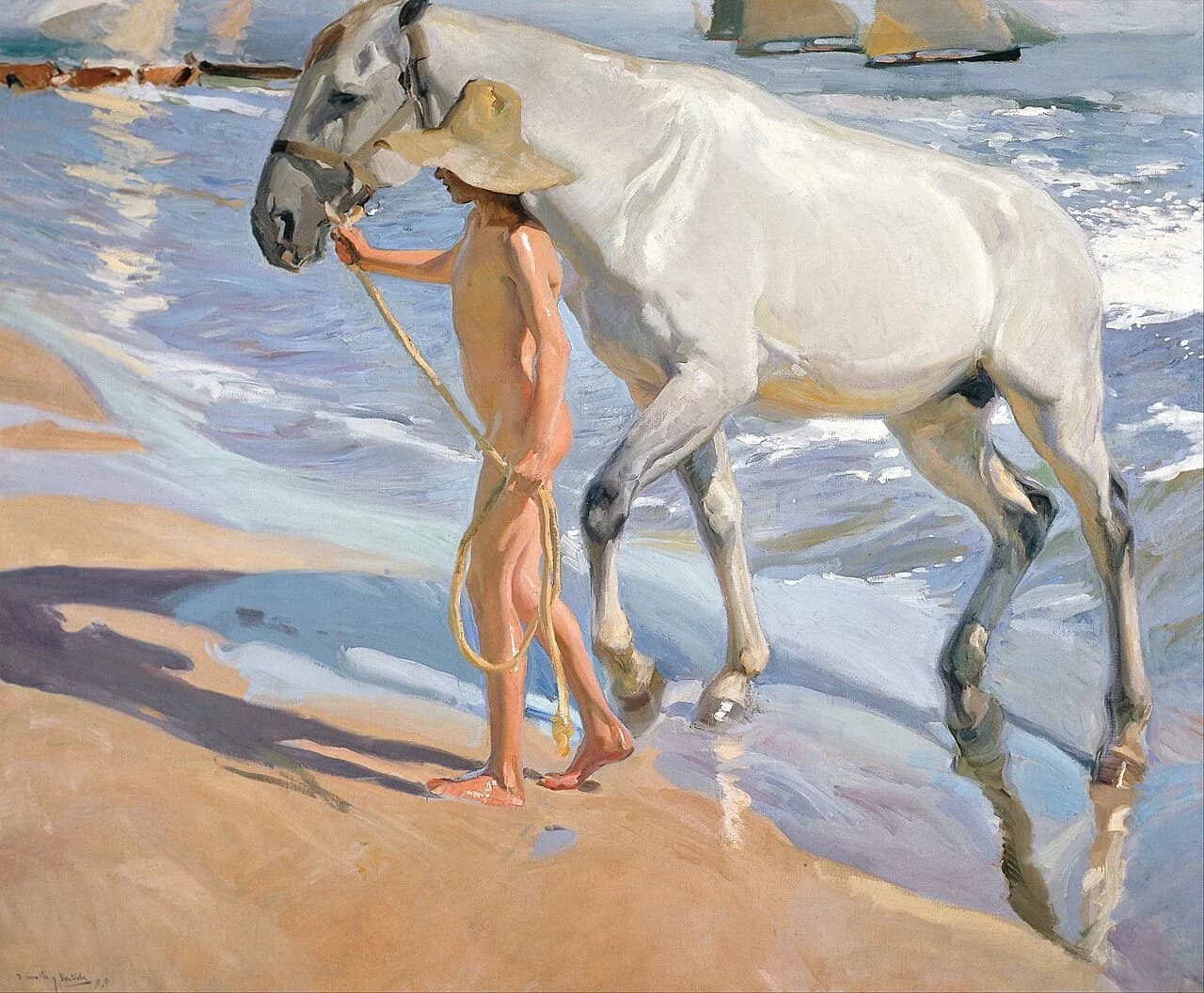
The Thyssen-Bornemisza National Museum rounds out the trio with free entry on Mondays from 12:00 to 16:00. This is the shortest free window of the three, so arrive at noon. For a less-visited alternative, the Museo Sorolla offers free entry on Saturdays from 14:00 to 20:00 and on Sundays from 10:00 to 15:00. Sorolla's former home and studio are quieter than any of the Golden Triangle museums, and the Impressionist paintings of Mediterranean light make it worth the detour. The National Archaeological Museum is free on Saturdays after 14:00 and on Sunday mornings. The Royal Botanic Garden is free on Tuesdays after 14:00.
The Museo Reina Sofía is closed on Tuesdays — plan your free evening visit (19:00–21:00) on Monday, Wednesday, Thursday, Friday, or Saturday. Head directly to the second floor for Guernica before the crowds cluster around it.
Temple of Debod and the Best Free Viewpoints
The Temple of Debod is a genuine 2nd-century BC Egyptian temple, gifted to Spain in 1968 and rebuilt stone-by-stone in the Cuartel de la Montaña park. The surrounding park is open 24 hours, while the interior is accessible for free Tuesday through Sunday from 10:00 to 20:00. The real draw, however, is the sunset. Position yourself along the stone wall on the eastern side of the reflecting pools, facing west toward the Royal Palace. The temple glows amber as the sun drops behind the Casa de Campo hills, and on clear evenings the skyline of the palace and the Almudena Cathedral frames the scene perfectly. Arrive no later than 45 minutes before sunset — that western-facing wall fills up fast in summer.
For a broader city panorama, Parque de las Siete Tetas in Vallecas offers a sweeping 360-degree view of the Madrid skyline that almost nobody on the tourist trail knows about. The walk to the summit takes under ten minutes and rewards you with a perspective that the centre's crowded rooftops simply cannot match. The bridges of Río Park at dusk are another low-key option — the Arganzuela bridge is particularly photogenic when lit at night.
Historic Public Squares and Streets
Puerta del Sol is the symbolic center of Spain — quite literally, since the 'Kilometer Zero' stone slab set into the pavement in front of the clock tower marks the starting point of all Spanish national roads. The bear-and-strawberry-tree statue on the south side is Madrid's coat of arms brought to life, and it is free to admire at any hour. The square works best early morning, before the tourist crowds and street vendors set up.
Plaza Mayor was completed in 1619 and has hosted royal ceremonies, markets, and bullfights over four centuries. Walk through any of its nine arched portals early in the morning when the honey-coloured light hits the frescoes on the Casa de la Panadería — the mosaics and painted facades are worth slowing down for. The café terraces that line the square charge among the highest prices in the city, so buy a coffee at the bar inside rather than on the terrace. The plaza hosts a popular Christmas market each December that remains free to browse.
Gran Vía runs from Plaza de España to the Cibeles fountain and is best walked east to west to keep the ornate early 20th-century facades in front of you. Always look up: the sculpted cornices, Beaux-Arts towers, and neon theatre marquees are the actual show. The street comes alive after 21:00 when theatre crowds mingle with evening diners. Walking the full length takes under twenty minutes and costs nothing. The after-dark scene section covers the after-dark scene in more detail.
Almudena Cathedral and the Royal Palace Area
The Almudena Cathedral is free to enter daily from 10:00 to 20:00, with a suggested voluntary donation of €1 to €2. The main nave is remarkable for its vaulted pop-art ceiling painted in vivid blues, yellows, and reds — a jarring contrast to the Gothic Revival exterior but genuinely impressive. The cathedral was only consecrated in 1993 after over a century of construction, meaning the interior reflects a patchwork of architectural styles from neoclassical to neo-Romanesque. Access the underground crypt through a separate entrance on the south side; the low, dimly-lit nave is sobering and atmospheric, and most visitors skip it entirely.
The Royal Palace interior charges €14 for a standard ticket, but two things around the palace are completely free. The Sabatini Gardens on the north flank are free to enter, and the Changing of the Guard ceremony in the forecourt takes place every Wednesday and Saturday at 11:00. The ceremony has been a tradition since the 18th century — soldiers in full dress uniform march with practiced precision for around 45 minutes. No booking is required, though arriving by 10:30 guarantees a good vantage point along the railings. EU citizens can also enter the palace itself during the last two hours of operation on weekdays at no charge — bring your passport or EU ID card.
Free Walking Tours and Neighbourhood Strolls
Several companies run tip-based walking tours of the historic centre, departing from Puerta del Sol at 10:00, 11:00, and 14:00 daily. Sandemans New Europe Tours offers three distinct routes: the original Habsburg tour, a Spanish Inquisition tour, and a Majestic Madrid route. Each lasts roughly 2.5 hours. The tours are technically free but operate on a 'pay what you feel' tip system — €10 to €15 per person is the local norm for a good guide.
For independent walks, two neighbourhoods reward aimless wandering without any guide. Malasaña is Madrid's bohemian quarter — early 20th-century tenements plastered with street murals, vintage record shops, and neighbourhood bakeries that have been operating since the 1940s. Lavapiés is more chaotic and multicultural, with North African spice shops next to flamenco tablaos and community theatre spaces. Both are within twenty minutes of Puerta del Sol on foot, and both give you an authentic Madrid that the plaza circuit never reaches. The a self-guided old-town walk maps a route that connects both.
Plaza de Oriente, just west of the Royal Palace, regularly hosts impromptu flamenco performances and street concerts — particularly on weekend afternoons. The square is framed by sculpted busts of Spanish monarchs and anchored by an equestrian statue of Felipe IV, making it one of the most photogenic free spots in the city even when performers aren't present.
El Rastro, Matadero, and the Free Cultural Scene
El Rastro has been Madrid's Sunday flea market for over 400 years. Every Sunday and public holiday from 09:00 to 15:00, the streets around Calle de la Ribera de Curtidores in La Latina fill with over 3,500 stalls selling antique furniture, vintage vinyl, military memorabilia, and hand-made jewellery. Browsing is free. Bring a front-carry bag and keep your phone in a zipped pocket — the narrow streets get extremely crowded and pickpockets work in pairs. After the market winds down, the surrounding tapas bars in La Latina fill up for the traditional post-Rastro Sunday lunch, making this one of the best ways to experience a genuinely local Madrid ritual.
La Tabacalera in Lavapiés is a former tobacco factory converted into a self-managed cultural centre. The underground tunnels are covered in floor-to-ceiling murals by local and international street artists, and the exterior walls along Calle de Miguel Servet are worth a look at any time. The centre opens most afternoons from 18:00 to 22:00 (hours vary by event, so check their social media before going). Entry is free, though the programming can be irregular. This is one of the unusual alternatives that most tourist itineraries completely overlook.
Matadero Madrid is a former slaughterhouse in the Arganzuela district that has been converted into one of Europe's largest contemporary arts complexes. The main grounds are free to explore Tuesday through Sunday from 09:00 to 22:00, and many exhibitions, film screenings, and open-air concerts are free of charge. The scale of the industrial architecture alone makes it worth the twenty-minute walk from Atocha. Check their website before visiting — free outdoor events cluster around summer weekends.
Atocha's Tropical Garden and the Hidden Church of San Antonio
Inside Madrid's main railway station, Atocha, the cavernous 19th-century terminal has been transformed into a free indoor garden containing over 7,000 subtropical plants from Asia and the Americas. A shallow pond in the centre is home to turtles and exotic fish. The space is open daily from 05:00 to 01:00 — the longest opening hours of any free attraction in the city. If you are caught in one of Madrid's summer thunderstorms, this is the most atmospheric shelter in the city centre. It is also legitimately cool in temperature during July and August heat waves when the air outside regularly hits 38°C.
The Church of San Antonio de los Alemanes in Malasaña is one of the finest hidden gems in the city for art lovers. The entire interior is a seamless oval of trompe-l'œil frescoes — walls, arches, and dome all frescoed in a single continuous illusion by Luca Giordano and Francisco Ricci in the 17th century. Goya himself contributed paintings. The church is open most mornings from 10:30 to 13:00 Monday through Saturday. Entry is free. Most visitors walk straight past the modest exterior, which is precisely why it is worth finding. It is one of the Madrid's lesser-known corners that rewards those who pay attention to the side streets.
How to Eat for Less: Madrid's Free Tapas Tradition
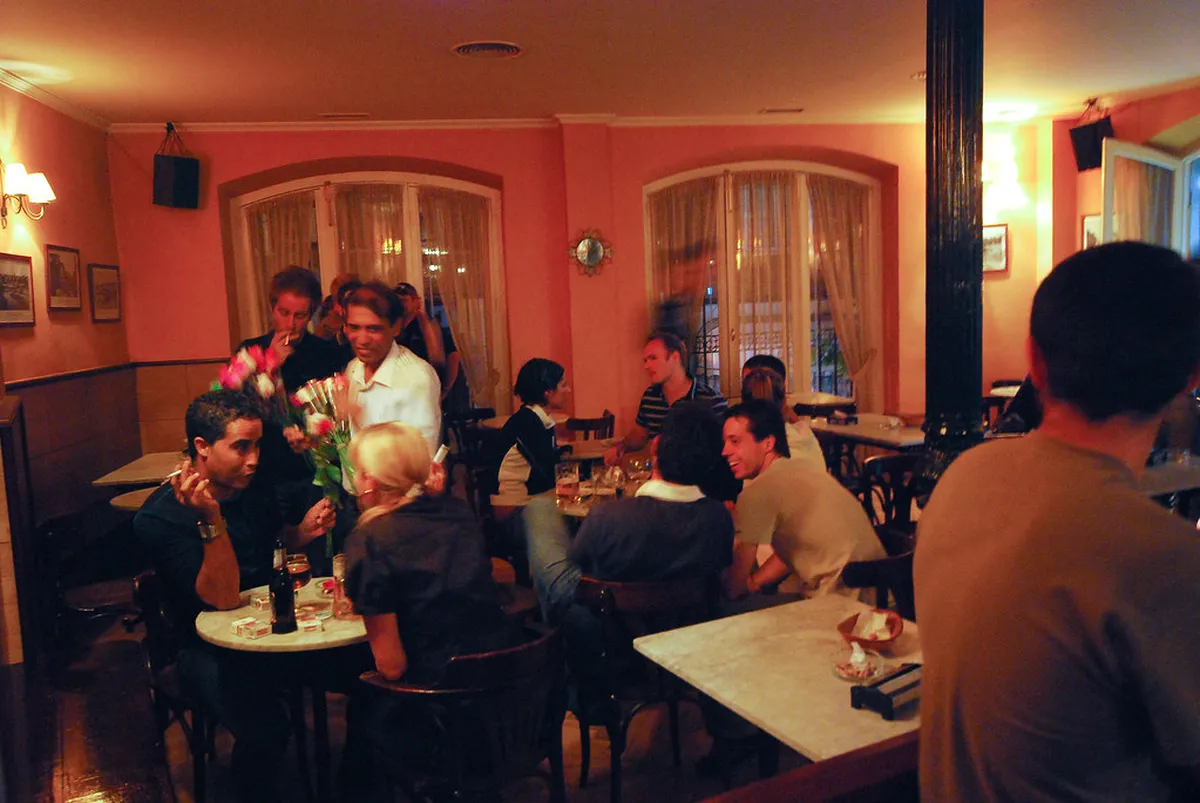
In many traditional Madrid bars, particularly in the La Latina and Lavapiés neighbourhoods, a small plate of food arrives automatically with every drink you order. This is not a gimmick — it is a deeply ingrained local custom that distinguishes Madrid from Barcelona and most other Spanish cities, where tapas are always paid separately. A small beer (caña) typically costs €2.50 to €3.50, and the accompanying tapa might be a slice of tortilla, a croqueta, or a small dish of marinated olives.
Bars advertising free tapas in English on their facade typically serve noticeably smaller portions to tourists than to regulars at the bar. Stick to packed locals-only counters in La Latina and Lavapiés for the genuine free tapa tradition.
The best bars for this tradition are those packed with locals standing at the counter rather than seated tourists on a terrace. El Tigre in Chueca is famous for its piled-high free tapa portions — absurdly generous for the price of a drink, though the bar is reliably loud and crowded. In La Latina, the streets around Plaza de la Paja on a Sunday afternoon offer the most concentrated version of this ritual. Avoid bars that advertise free tapas in English on their facade — those usually serve noticeably smaller portions to tourists than to regulars at the bar.
Pair the tapas culture with El Rastro on a Sunday and you have one of Madrid's best free half-days: browse the market from 09:00 to noon, then drift into La Latina for a round of drinks and whatever arrives alongside them. This is how most madrileños actually spend their Sunday mornings.
Free Museum Hours Cheat Sheet for 2026
Managing the free entry windows for Madrid's museums requires some planning because they overlap and change on public holidays. The table below covers the main institutions. Always check official websites on the day of your visit, as private events occasionally cancel free hours without advance notice.
- Museo del Prado — Mon–Sat 18:00–20:00; Sun & public holidays 17:00–19:00. Permanent collection only.
- Museo Reina Sofía — Mon, Wed–Sat 19:00–21:00; Sun 12:30–14:30. Closed Tuesdays.
- Thyssen-Bornemisza — Mon 12:00–16:00. Permanent collection only.
- Museo Sorolla — Sat 14:00–20:00; Sun 10:00–15:00. Less crowded than the Golden Triangle.
- National Archaeological Museum — Sat after 14:00; Sun before 12:00.
- Royal Botanic Garden — Tue after 14:00.
- Royal Palace (interior) — Free for EU citizens during the last two hours of operation on weekdays. Bring EU ID or passport.
On national free days — 18 April (Monuments Day), 18 May (International Museum Day), 12 October (National Holiday), and 6 December (Spanish Constitution Day) — most museums waive all fees for the full day. These dates draw large crowds, so arrive when doors open.
| Museum | Free Day/Time | Notes |
|---|---|---|
| Museo del Prado | Mon–Sat 18:00–20:00; Sun & holidays 17:00–19:00 | Permanent collection only; queue forms 45 min early |
| Museo Reina Sofía | Mon, Wed–Sat 19:00–21:00; Sun 12:30–14:30 | Closed Tuesdays; Guernica on 2nd floor |
| Thyssen-Bornemisza | Mon 12:00–16:00 | Shortest free window — arrive at noon |
| Museo Sorolla | Sat 14:00–20:00; Sun 10:00–15:00 | Quieter than Golden Triangle |
| National Archaeological Museum | Sat after 14:00; Sun before 12:00 | Free on public holidays too |
| Royal Botanic Garden | Tue after 14:00 | Combined well with Prado visits |
| Royal Palace (interior) | Last 2 hours weekdays (EU citizens) | Bring EU ID or passport |
Practical Tips for Getting Around Madrid for Free
Madrid's tap water is high quality and safe to drink — the 'Fuentes de Madrid' network of stone drinking fountains is found in every major park. Carry a reusable bottle and refill it at the fountain near the Palacio de Cristal in Retiro or outside the Prado's Goya entrance. This alone saves €3 to €5 a day compared with buying bottled water from kiosks.
Free Wi-Fi under the Madrid-WiFi network covers most public plazas and all municipal buses. Registration takes two minutes with an email address; the connection is fast enough for maps and booking confirmations. Municipal libraries across the city centre also offer free seating, air conditioning, and reliable internet — useful during the peak July and August heat.
The city centre is compact enough that most of the attractions on this list are walkable from each other. The Royal Palace to the Prado takes under thirty minutes on foot and passes through the historic quarter. If you need the Metro, a 10-trip 'Multi' card (€12.20 for Zone A) is shareable between members of a group and costs significantly less than individual tickets. For exploring off-radar corners, the free Cercanías commuter rail connects the outer neighbourhoods without requiring a separate ticket if you already hold a Multi card.
Frequently Asked Questions
When is the Prado Museum free to enter?
The Prado is free Monday to Saturday from 6pm to 8pm and Sundays from 5pm to 7pm. Arrive 45 minutes early to join the queue at the Goya entrance. Only the permanent collection is included in this free window.
Are there free walking tours in Madrid?
Yes, many companies like Sandemans offer free introductory tours starting from Puerta del Sol. While there is no upfront fee, it is customary to tip your guide at the end. Most tours last between two and three hours.
What are the best free parks in Madrid?
El Retiro Park is the most famous, featuring the Palacio de Cristal and a large lake. For better sunset views, visit the Temple of Debod park. Casa de Campo offers a more rugged, natural experience with extensive hiking trails.
Madrid is a city that genuinely opens its arms to budget travelers — not through compromise, but through a civic tradition of making its best art, parks, and public spaces freely accessible. By timing your museum visits around the free windows and mixing grand institutions with local neighbourhood walks, you can experience the best of Spain's capital without a significant spend.
The real secret is pace. Madrid rewards slow mornings in El Retiro, long Sunday afternoons in La Latina, and late evenings at the Prado. Safe travels, and enjoy every free moment this city has to offer in 2026.
Continue exploring
More guides you'll find useful