Cool Places To Eat In Madrid Travel Guide
Explore the cool places to eat in madrid with our curated guide, featuring top local dining spots, neighborhood tips, and booking advice for your trip.
On this page
Cool Places To Eat In Madrid
Madrid is a vibrant culinary capital where historic taverns stand right next to modern, innovative dining spots. Finding the absolute cool places to eat in madrid allows you to experience the city like a true local.
Local Dining Times in Madrid
Madrileños eat late — much later than most visitors expect. Breakfast runs until around 10:00 or 11:00, lunch starts at 14:00 and peaks around 15:00, and dinner does not get underway until 21:30 or 22:00 at the earliest. Showing up for dinner at 19:00 is not being early; it means sitting alone in an otherwise empty restaurant.
Between lunch and dinner, many kitchens close entirely from about 16:30 to 20:00. The bar usually stays open and you can order drinks or a small snack, but the full menu disappears. If you want a specific popular restaurant, reserve ahead — tables for Friday and Saturday dinners fill by midweek in 2026.
One practical tip: plan your museum visits for the mid-afternoon kitchen-closure window. You get lighter crowds at the Prado and Reina Sofía, and you arrive at dinner prime time with an appetite. This rhythm is one of the the city's livelier side that first-timers consistently underestimate.
Best Breakfast Spots in Madrid
The classic Madrid breakfast is churros con chocolate. You will find two versions: the thin crispy churros typically served in a bundle, and the thicker porras which are chewier and perfect for dragging through the city's famously thick, almost pudding-like hot chocolate. Chocolatería San Ginés near Sol (Pasadizo de San Ginés) has been serving both since 1894 and is still the benchmark. It is usually busy but has several connecting rooms, so waits are short.
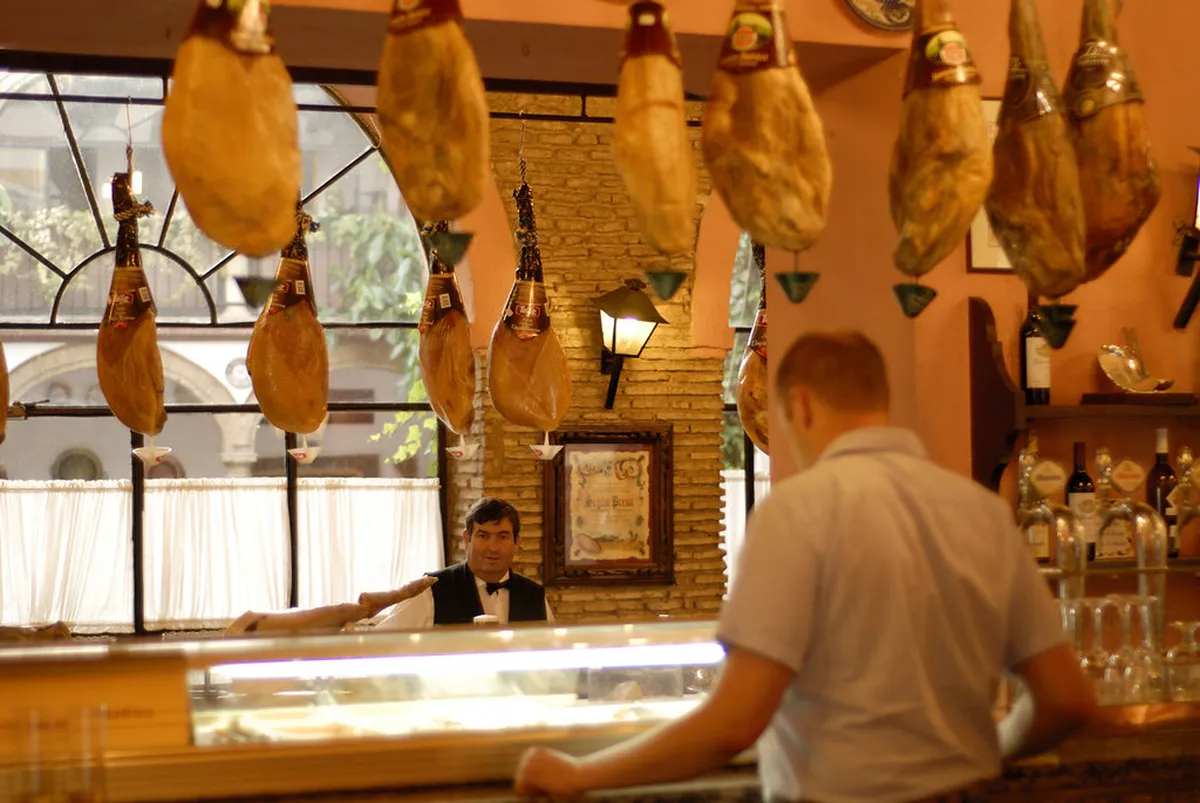
For something lighter, pan con tomate — grated tomato on toasted bread with olive oil and a pinch of salt — is available at virtually every café and bar in the city. It is one of those dishes that sounds underwhelming until you taste it made well. Ask for it with jamón serrano on top at any counter and you have a complete breakfast for under €5.
Café del Art near Tirso de Molina metro is a standout for specialty coffee and creative breakfast plates. The melted burrata on warm toast drizzled with honey has become a signature. The café is laptop-friendly and draws a mix of locals and slow-travelling visitors, which keeps it lively at any hour of the morning. The surrounding Embajadores street is also worth a walk for street art after your coffee.
In Chamberí, Alma Nomad Bakery does freshly baked sourdough goods with organic ingredients. It is mainly a take-away counter with a few bar stools, so grab something and walk — the neighbourhood itself is one of the best in the city for a morning stroll. Nearby in Salamanca, Restaurante Ultramarinos Quintín serves thick, rich chocolate with churros in a beautiful former market space with original architectural details still intact.
Best Brunch and Hotel Brunches in Madrid
Brunch is not a traditional Spanish meal, but it has taken hold in Madrid over the last decade and the city now does it well. Zenith Brunch and Cocktails, originally from Porto, has two locations near Gran Vía and consistently delivers on Portuguese-inspired dishes like francesinha pancakes, prego rolls, and excellent cocktails. The Zenith Port — white port, orange juice, mango, and passion fruit — is the drink to order.
Federal Café has been a local favourite for years and keeps the menu broad: pancakes with berry compote, eggs benedict, beef burgers, and good iced lattes. The Calle Serrano location is the nicest for the surrounding neighbourhood. The Fix Café rounds out the top picks with specialty coffee, vegan-friendly options, and a proper English Breakfast in both classic and vegetarian versions.
For a luxury hotel brunch, several of Madrid's top properties open their restaurants to non-guests on Sundays. The Four Seasons' Dani Brasserie and Rosewood Villa Magna both run Sunday brunches from 13:00 to 16:00 at roughly €120–€150 per person, with full buffets plus à la carte options. The Wellington Hotel's "Brunch del Wellington" in Salamanca comes in around €85 from 12:30 to 16:00. Bless Hotel offers a more accessible "Brunch Society" at €49 on weekends from 13:00 to 16:00. Book all of these well in advance — the Wellington Hotel & Spa Madrid in particular fills its Sunday slots weeks ahead.
The best budget hack in Madrid is the menú del día — a set lunch including starter, main, dessert, bread, and a drink for around €12–16 at a neighbourhood spot on weekdays. Cocido madrileño often appears only on the menú del día, never on the evening à la carte.
The Vermut Hour and Best Lunch Spots
Before lunch on weekends, Madrid runs on La Hora del Vermut — roughly 12:00 to 14:00, when locals gather over a glass of vermouth served with an orange slice and sometimes an olive. This is not the same as the Italian aperitivo tradition. It is specifically a pre-lunch social ritual, not a pre-dinner one, and it is almost exclusively a weekend habit. Lateral restaurant in Arturo Soria makes its own vermut in-house and it is genuinely excellent alongside their croquetas or ensaladilla rusa.
The best budget hack in Madrid is the menú del día — a fixed set lunch that includes a starter, a main course, dessert or coffee, bread, and a drink, all for roughly €12–€16 at a neighbourhood spot. Nearly every traditional restaurant offers it on weekdays. Look for chalkboards outside advertising it. Dishes like cocido madrileño (a white bean and meat stew, deeply traditional to the city) often appear exclusively as menú del día options and rarely feature on the evening à la carte menu.
For reliable modern Spanish lunch, Castizo in Serrano does tortilla española, morcilla, and pimientos de padrón in a stylish two-floor setting. Honest Greens near Gran Vía handles healthy Mediterranean bowls if you want a lighter midday option. LaMucca across several neighbourhoods does excellent patatas bravas and their black pizza with activated charcoal is a crowd favourite. Exploring these local spots is a rewarding part of off-radar corner dining.
Must-Try Tapas and Popular Spanish Food
Tapas culture in Madrid is built around specific dishes that every visitor should try at least once. Patatas bravas — crispy fried potato cubes with a spicy tomato sauce and sometimes alioli — appear on nearly every bar menu and quality varies enormously. Casa Labra on Calle de Tetuán is the benchmark for bacalao (salt cod) croquettes and has been since 1860. A calamari bocadillo near Plaza Mayor is a non-negotiable street lunch: a simple fried squid sandwich in a crusty roll that costs around €3–€4 and is better than it has any right to be.
Mesón del Champiñón on Calle de Cava de San Miguel does one thing — grilled mushrooms stuffed with chorizo and drizzled with olive oil — and does it perfectly. The bar has been in the same tunnel-like space off Plaza Mayor for decades. At Mercado de San Miguel, the covered iron-framed market off the same plaza, you can graze through gourmet tapas stalls without committing to a full sit-down meal. Expect to pay more than at a regular bar, but the range and quality of produce is the highest concentration in the city centre.
For tapas at dinner, Juana La Loca in La Latina serves one of the best tortilla española in Madrid — the caramelised onion version is what everyone orders. The oxtail pintxos are exceptional. The restaurant takes traditional Spanish dishes and gives each one a precise modern twist without losing the original character. This kind of precise creative cooking is what makes the Madrid's buzziest dining rooms scene worth exploring beyond the obvious tourist circuit.
Many kitchens in Madrid close entirely from around 16:30 to 20:00. Showing up for dinner before 21:00 marks you as a tourist — most kitchens do not hit their stride until 22:00, and a reservation is essential for popular spots on Friday and Saturday.
Best Dinner Spots in Madrid
For a classic historical dinner, Sobrino de Botín on Calle de los Cuchilleros is the oldest continuously operating restaurant in the world, certified by the Guinness World Record. It has been open since 1725. The house speciality is roast suckling pig cooked in an oak-burning oven, and the clams as a starter are exceptional. Ask for a table in the cellar dining room with its vaulted brick ceilings — the atmosphere alone justifies the reservation effort.
For steak, Casa Paco on Calle Puerta Cerrada is where serious carnivores go. They cook the meat halfway on one side and serve it sizzling on a hot plate so you finish it to your own preference at the table. The Solomillo for two is enormous and the Pisto sauce alongside it — tomato, onion, and peppers — elevates every bite. Casa Lucio on Calle Cava Baja in La Latina offers the famous Huevos Estrellados (fried potatoes topped with a broken egg) alongside excellent steaks. Both are frequented by locals and require a reservation for weekend dinner.
Piantao Argentinian Steakhouse has carved out its own devoted following with real-fire grilling, aged cuts, and a dining room where you can see and smell the grill from your seat. The cheesy stuffed potato with sour cream and chives is one of the best side dishes in the city. For Italian in a spectacular setting, the Big Mamma Group operates three locations: Bel Mondo in Velázquez, Villa Capri near Alonso Martínez, and Circolo Popolare near Nuevos Ministerios. Book all three well in advance. The homemade spaghetti served on a pecorino wheel at the table is worth a trip by itself. Consider staying near the action at the The Four Seasons Madrid or the central NH Collection Hotels Madrid to minimise travel time between dinner spots.
Neighbourhood Guide: Where to Eat in Madrid
La Latina is the undisputed tapas neighbourhood. Calle Cava Baja concentrates more classic taverns per block than anywhere else in the city — Casa Lucio, Casa Paco, and half a dozen other long-standing spots sit within a five-minute walk of each other. Sunday afternoons here are particularly atmospheric, as families and groups spill out onto the street between lunch and dinner. The Mercado de la Cebada nearby is the least-touristed covered market and a favourite of local chefs for produce. For more official dining guides and neighbourhood tips, the Madrid tourism board offers comprehensive restaurant and market directories.
Barrio de Salamanca (the Serrano area) skews upmarket. This is where you find Castizo, Federal Café, LaMucca, and Lateral in their best locations, plus a concentration of boutique cafés and wine bars. It is calmer than La Latina and better for a sit-down lunch without the weekend crowds. Chamberí sits just north and is even more neighbourhood-feeling — the kind of area where the menú del día at an unmarked restaurant turns out to be one of the best meals of your trip.
Malasaña and Chueca handle the more creative and international end of the spectrum. These two barrios adjacent to Gran Vía and Sol concentrate the newer tapas bars, craft cocktail spots, and international cuisines. Exploring these areas is a natural complement to the the city's secret corners that do not appear on mainstream lists. For rooftop dining, the Riu Plaza España Madrid is one of the best positioned for sunset views over the city.
| Restaurant / Venue | Neighborhood | Price Range | Specialty |
|---|---|---|---|
| Sobrino de Botín | Old Town (La Latina) | €€€ | Roast suckling pig; oldest restaurant in world (est. 1725) |
| Casa Labra | Near Sol | € | Fried bacalao (salt cod) croquettes since 1860 |
| Juana La Loca | La Latina | €€ | Caramelised onion tortilla española; oxtail pintxos |
| Mercado de San Miguel | Old Town | €–€€ | Gourmet tapas stalls; individual portions €2–€5 |
| Chocolatería San Ginés | Near Sol | € | Churros con chocolate since 1894; open 24 hours |
| Honest Greens | Gran Vía | €€ | Healthy Mediterranean bowls for lighter midday option |
Frequently Asked Questions
Which cool places to eat in madrid options fit first-time visitors?
First-time visitors should head to Mercado de San Miguel for a wide variety of tapas in one central location. Historic taverns like Casa Labra are also perfect for experiencing traditional fried cod. These spots offer a welcoming atmosphere and a great introduction to the local food culture.
How much time should you plan for cool places to eat in madrid?
Plan at least two to three hours for a traditional lunch or dinner in Madrid. Dining is a social event here, and meals are meant to be enjoyed slowly. Tapas crawls can last an entire evening as you move leisurely from one tavern to another.
What should travelers avoid when planning cool places to eat in madrid?
Avoid eating at restaurants directly on major tourist plazas, as they are often overpriced and lack authenticity. Also, do not show up for dinner before nine in the evening, as many local kitchens will still be closed. Always check local dining times before heading out.
Madrid is a true paradise for food lovers, offering a perfect mix of tradition and innovation. Exploring the city's diverse culinary landscape will undoubtedly be a highlight of your Spanish vacation.
Continue exploring
More guides you'll find useful